Best Things to Do in Shanghai: The Definitive 2026 Guide
Shanghai is one of the most layered cities on earth, where Art Deco waterfront architecture stands opposite a forest of supertall skyscrapers, and century-old tea houses sit a short metro ride from world-class contemporary art museums. This guide covers the best things to do in Shanghai, organized by theme and neighborhood, with a clear view of what's worth your time and what to skip.
Plan and book this trip
Tools from our partner Travelpayouts help you compare flights and hotels. If you book through them, we may earn a commission at no extra cost to you.
Flights
Hotels map
TL;DR
- The Bund promenade is free to walk and best experienced early morning or after dark; the skyline view across to Lujiazui is the defining image of Shanghai — see our Bund promenade guide for the best vantage points.
- Yu Garden closes every Monday (except some national holidays) and tickets cost ¥30–40 depending on season — plan accordingly or you'll find a locked gate.
- Shanghai's metro covers almost every major attraction cheaply (¥3–10 per ride); the Shanghai metro is faster and cheaper than taxis for most sightseeing routes.
- April to May and October to November are the most comfortable months to visit, with mild temperatures and lower humidity than summer.
- Shanghai rewards neighborhood-level exploration: the Former French Concession and West Bund offer a completely different experience from Pudong's glass towers.
The Waterfront: Bund, Pudong, and the River
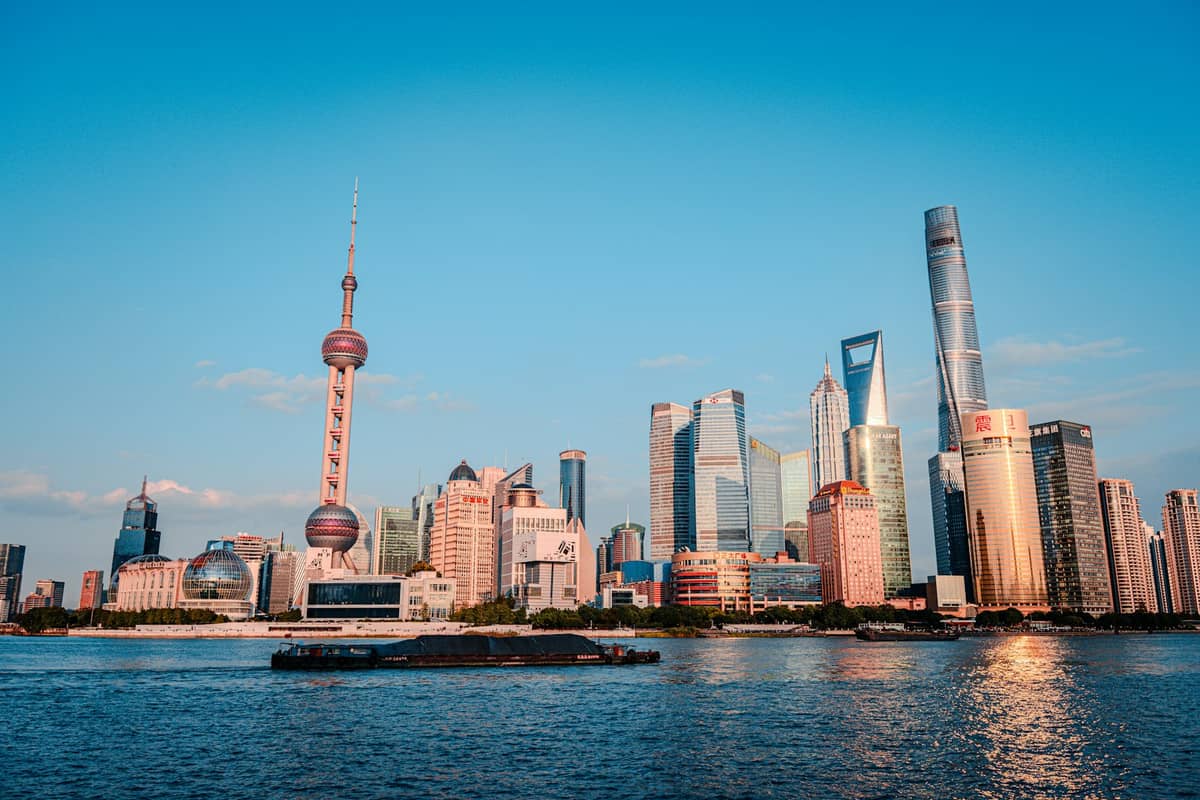
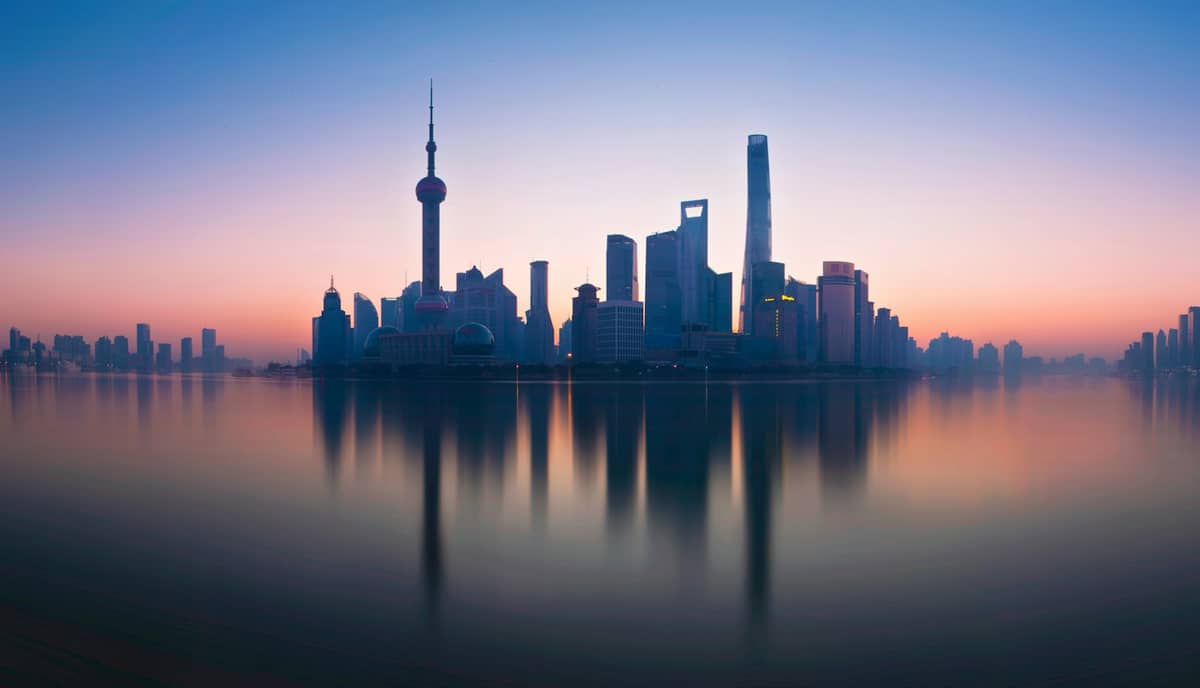
No list of things to do in Shanghai begins anywhere other than the Bund. The 1.5-kilometer promenade along the western bank of the Huangpu River is lined with over 50 buildings in styles ranging from Gothic Revival to Beaux-Arts to Art Deco, most built between 1900 and 1937 during Shanghai's era as a treaty port. It is a public walkway with no ticket or reservation required — a rarity among Shanghai's top sights. The view across the water to Lujiazui's skyline, anchored by the Shanghai Tower, the World Financial Center, and the Oriental Pearl, is the photograph most people associate with modern China.
Timing matters significantly here. Arrive at 7am on a weekday and you'll share the promenade with tai chi practitioners and elderly residents on morning walks. By 10am in peak season, tour groups arrive in force. After dark, both banks light up and the contrast between the floodlit colonial facades and the neon Pudong towers becomes genuinely spectacular. The evening river cruise is worth considering if you want to see both banks from the water simultaneously.
On the Pudong side, the Lujiazui riverside promenade offers the reverse angle and is considerably less crowded than the Bund. From here, you can look back at the colonial skyline with skyscrapers rising directly behind it. For observation decks with the best views of the full panorama, the Shanghai Tower's 118th-floor Sky Walk (around ¥180–220) is the highest public observation point in China, while the older Jin Mao Tower offers a more accessible option at a lower price point.
⚠️ What to skip
The observation decks inside the Bund-facing skyscrapers are ticketed and prices change seasonally — always check official websites before visiting. The Bund promenade itself is always free, but several 'viewing platform' touts operate nearby trying to sell overpriced tickets to mediocre rooftop bars. Skip them.
Historic Shanghai: Yu Garden, Old Town, and the Concession
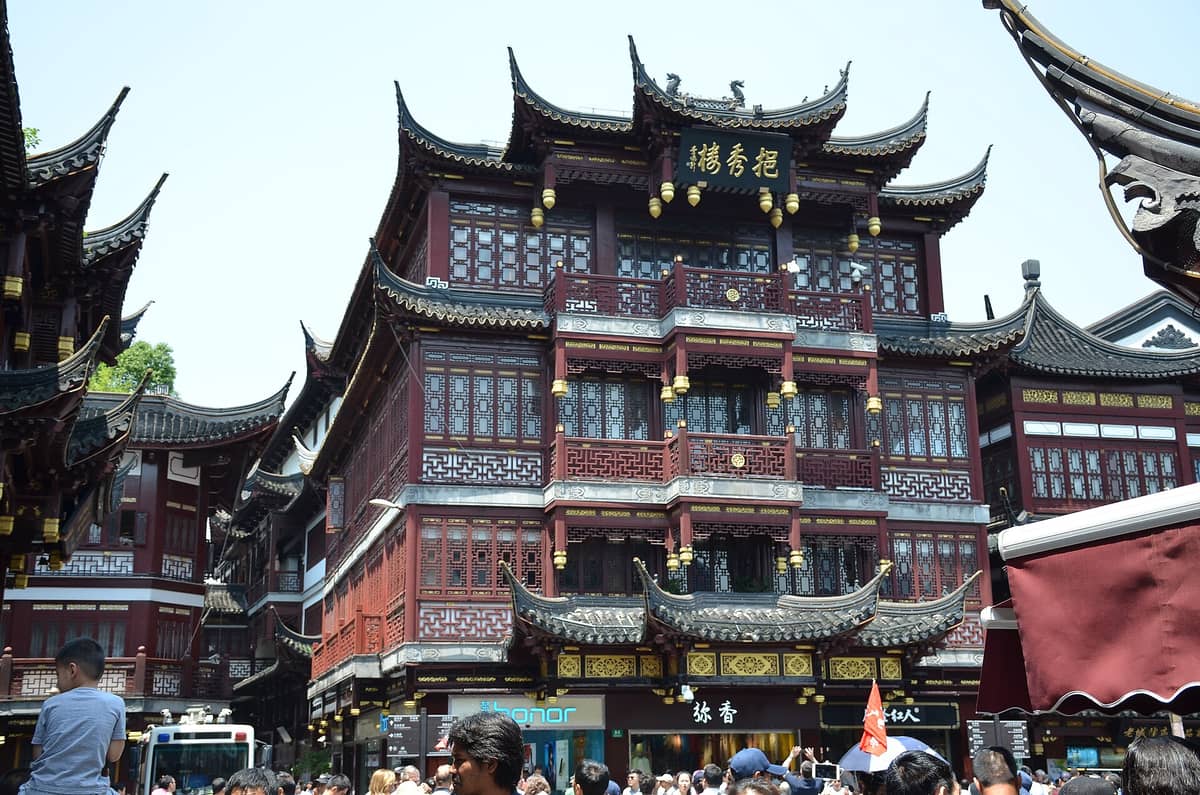
For pre-modern Shanghai, Yu Garden in the Old Town district is the standout attraction. Built in the Ming Dynasty in 1559, the classical garden covers around 2 hectares and showcases traditional Jiangnan garden design: rockeries, koi ponds, pavilions, and ornate walls. Adult tickets cost ¥40 in peak season and ¥30 in the off-peak period, with free entry for children under 6 or shorter than 1.3 meters, and half-price for seniors over 60. Opening hours run roughly 09:00 to 17:00 in summer and until 16:30 in winter, with the last entry about 30 minutes before closing.
⚠️ What to skip
Yu Garden is closed every Monday in normal weeks; it usually opens on major national holidays, so check notices if your visit falls on those dates. This catches a surprising number of visitors off guard, especially those who arrive after a weekend trip elsewhere. If your only free day falls on a Monday, visit the surrounding Yuyuan Bazaar instead, which stays open.
Immediately surrounding the garden is the Yuyuan Bazaar, a commercial area of restored Qing-style architecture selling everything from soup dumplings to silk and jade. It's unabashedly touristy, but the street food quality — particularly the xiao long bao at Nanxiang Mantou Dian — is genuinely good. Expect long queues at peak hours and significantly higher prices than street-level Shanghai. For authentic Old Town atmosphere without the commercialization, walk a few blocks south toward the City God Temple and the quieter lanes around Dajing Road.
The Former French Concession is where many visitors end up spending the most unplanned time. The neighborhood centered around Huaihai Road and the tree-lined streets of Wukang Road features European-style villas, independent cafes, fashion boutiques, and some of Shanghai's best restaurants. The Wukang Road fan-shaped building at the junction with Hunan Road is among the most photographed spots in the city. Unlike many Shanghai attractions, this neighborhood rewards slow, unstructured walking rather than a checklist approach.
Museums and Culture Worth Your Time
Shanghai's museum scene has expanded dramatically over the past decade. The Shanghai Museum at People's Square (201 People's Avenue) holds one of China's finest collections of ancient Chinese art, including bronzes, ceramics, calligraphy, and jade. Permanent exhibitions are currently free to enter, though advance reservation may be required or recommended depending on current policy. The museum is closed on Mondays. A newer second site on Century Avenue is closed on Tuesdays instead — a confusing but important distinction if you're planning around rest days.
- Shanghai Museum (People's Square) Ancient Chinese art across bronzes, ceramics, furniture, and calligraphy. Free entry to permanent galleries. Closed Mondays.
- Power Station of Art (West Bund area) China's first state-run contemporary art museum, housed in a converted power plant. Hosts major international exhibitions. Closed Mondays.
- Shanghai Natural History Museum Particularly strong for families, with a highly engaging dinosaur gallery and extensive ecology exhibits. Located in Jing'an Sculpture Park.
- Rockbund Art Museum Small but excellent contemporary art space in a restored 1932 Royal Asiatic Society building near the Bund. Ticketed, with thoughtfully curated shows.
- Shanghai Propaganda Poster Art Centre A genuinely unusual private collection of Socialist Realist posters in a Xuhui apartment block basement. Niche but fascinating for those interested in 20th-century Chinese history.
For contemporary art specifically, the Shanghai contemporary art scene has developed well beyond a few landmark institutions. The M50 Creative Park on Suzhou Creek and the growing cluster of galleries along the West Bund offer free or low-cost entry to working studios and exhibition spaces. The West Bund has become the city's most significant art corridor, anchored by major institutions like the Long Museum and the Tank Shanghai complex.
💡 Local tip
Most of Shanghai's public museums require advance online reservation even when admission is free. The Shanghai Museum in particular often books out on weekends. Reserve your slot at least 2–3 days ahead through the official museum WeChat mini-program or website, especially during national holidays.
Neighborhoods to Explore on Foot
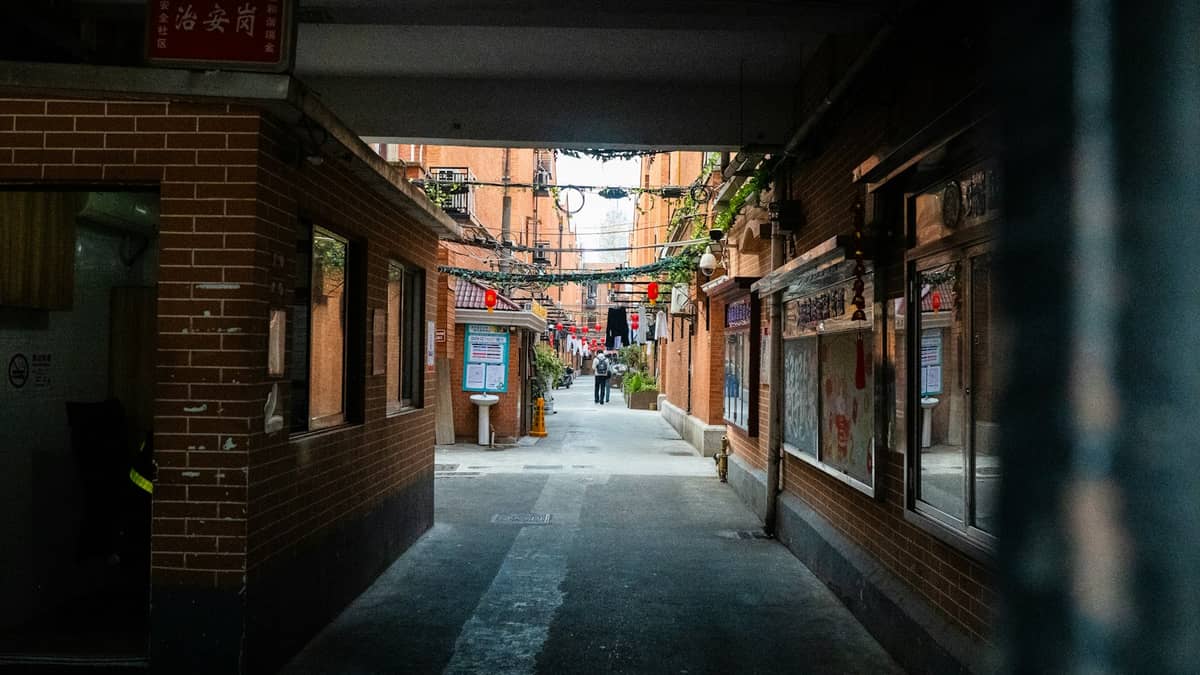
Shanghai is a city of distinct neighborhoods, and the best things to do are often found between attractions rather than at them. Tianzifang in Luwan is a network of converted shikumen (stone-gate house) alleyways turned into craft shops, cafes, and small galleries. It's crowded on weekends but offers a genuine sense of old Shanghai street scale that's been almost entirely demolished elsewhere. Arrive before 10am or after 7pm to see it without the crowds.
Xintiandi is the upscale counterpart: another shikumen renovation project a few blocks north, but aimed squarely at high-end dining and retail. The architecture is attractive and the restaurants are good, but it lacks the organic energy of Tianzifang. Worth a walk-through rather than a dedicated visit. For genuinely local neighborhood texture, the streets around Jing'an and the lanes south of Fuxing Road in the Former French Concession offer far more authentic city life.
For a structured approach to seeing the city on foot, the best self-guided walks in Shanghai cover routes through the Bund, the French Concession, and Suzhou Creek — each taking 2–3 hours at a comfortable pace and costing nothing beyond whatever you eat and drink along the way.
Day Trips, Theme Parks, and Out-of-Center Attractions
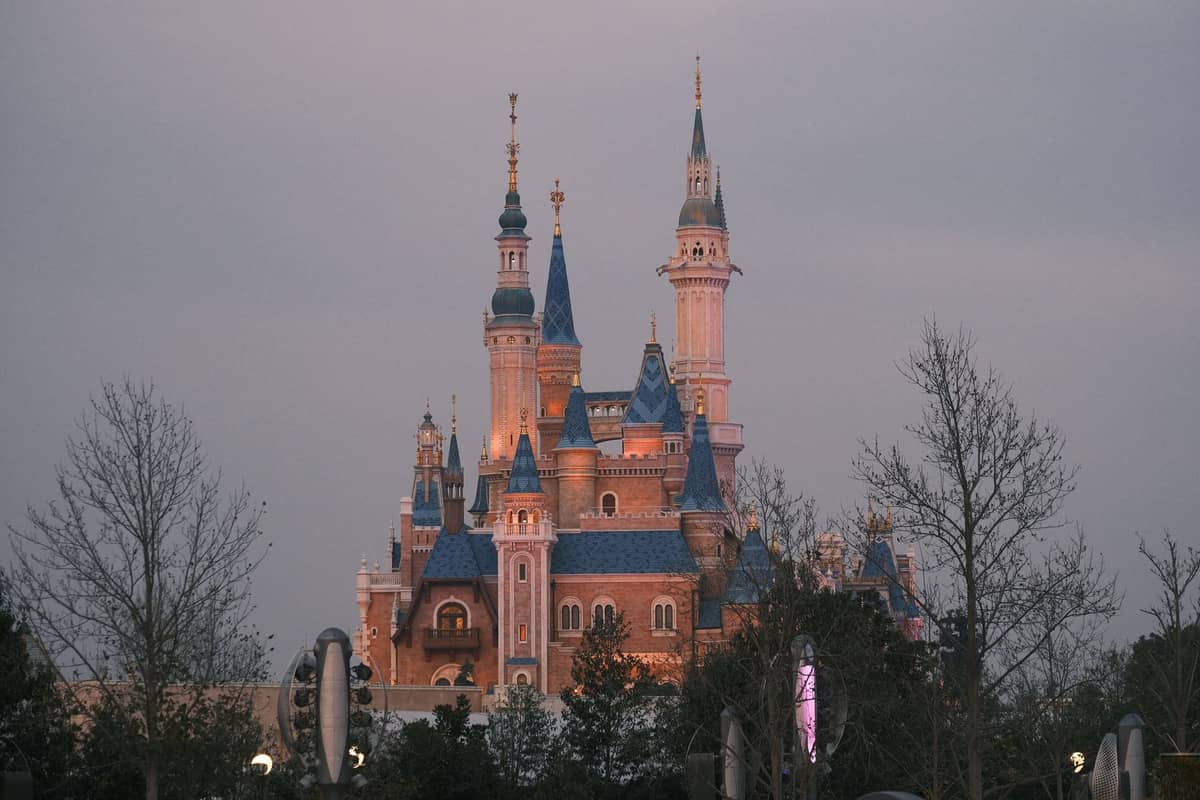
Shanghai Disney Resort in Pudong is the city's most visited single attraction for families. One-day tickets currently range from approximately ¥399 to ¥799 depending on the date and demand tier, with premium holiday periods at the top of the range. The park typically opens around 08:30, with closing times varying from 20:30 to 22:30 or later during summer and holidays. Book tickets in advance through the official Shanghai Disney Resort website or app; walk-up availability is limited on peak dates. The adjacent Disneytown shopping and dining district is free to enter and open roughly 10:00–22:00. If theme parks are not your priority, Shanghai Disney Resort is a full-day commitment and not worth a partial afternoon.
For day trips from the city, the water towns west of Shanghai are among the most accessible examples of traditional Jiangnan river-town architecture in eastern China. Zhujiajiao is the most visited and easiest to reach by bus from Pu'an Road bus terminal, about 75 minutes each way. Qibao is reachable by metro (Line 9) in under 30 minutes and works well as a half-day excursion, though it is smaller and more commercialized. The Shanghai water towns guide covers the trade-offs between each destination in detail.
- Zhujiajiao Water Town 1,700-year-old canal town with 36 stone bridges, traditional Qing and Ming architecture, and a relaxed pace. About 75 minutes from central Shanghai by bus. Best on weekday mornings.
- Chongming Island Shanghai's large island territory at the Yangtze estuary, known for wetland nature reserves and cycling. Reachable by tunnel and bus or ferry. A full-day trip for those who want green space over culture.
- Sheshan National Forest Park Rolling hills southwest of the city with a 19th-century Catholic basilica at the summit. Unusual combination of forested walking trails and European ecclesiastical architecture. Metro Line 9 plus a shuttle.
Practical Planning: Timing, Transport, and Avoiding Common Mistakes
Shanghai has a humid subtropical climate with four distinct seasons. The best windows for sightseeing are April to May and October to November, when temperatures stay between roughly 10°C and 22°C and humidity is manageable. June and July bring the meiyu (plum rain) season with sustained rainfall, followed by typhoon-related storms through September. August in Shanghai is hot, humid, and crowded — functional for visiting, but not comfortable. For a detailed seasonal breakdown, the best time to visit Shanghai covers crowd patterns, festival timing, and month-by-month conditions.
Getting around the city is straightforward. The Shanghai Metro is one of the world's largest rapid transit networks, with bilingual signage throughout and fares ranging from ¥3 to ¥10 for most urban journeys. A transportation card (Jiaotong Card) loaded with credit works across metro, buses, and some ferries. Taxis are metered and generally honest, but traffic in central Shanghai during peak hours can make metro journeys significantly faster. Didi (the dominant Chinese ride-hailing app) requires a Chinese phone number and a WeChat Pay or Alipay account — worth setting up before departure if you plan to use it regularly.
For travelers arriving at Pudong International Airport (PVG), Metro Line 2 connects directly to Lujiazui, People's Square, and Jing'an Temple in 60–75 minutes for approximately ¥7–10. The Maglev train covers the 30km from the airport to Longyang Road in just 7–8 minutes (¥50, or ¥40 with a same-day boarding pass), but you still need to transfer to the metro afterward, making the total journey time to central Shanghai roughly 35–55 minutes depending on connections. Taxis from PVG to central Shanghai typically cost ¥150–250 depending on traffic and time of day. All transport fares should be verified before travel as they are subject to change.
✨ Pro tip
National Golden Week holidays (first week of October and first week of May) see massive domestic travel surges. Yu Garden, the Bund, and Shanghai Disney can become genuinely uncomfortably crowded. If your visit overlaps with these periods, prioritize early morning visits, book all tickets well in advance, and consider building in less-visited options like the West Bund museums or neighborhood walks in Hongkou.
Tipping is not expected or customary in mainland China. Most restaurants, taxis, and shops operate without a tipping culture, though some upscale international hotels may include a service charge. Tap water in Shanghai is treated to national standards but is generally not recommended for drinking without boiling; bottled water is inexpensive and widely available. Standard electrical supply is 220V/50Hz, with Type A, Type C, and Type I sockets common. For a comprehensive overview of practical logistics, the Shanghai travel tips guide covers currency, connectivity, and common pitfalls in detail.
FAQ
What are the best things to do in Shanghai for first-time visitors?
For a first visit, prioritize the Bund promenade (free, best at dawn or after dark), Yu Garden in the Old Town (¥30–40, closed Mondays), the Shanghai Museum at People's Square (free permanent galleries), and a walk through the Former French Concession around Wukang Road. Add a Huangpu River cruise if you want to see both waterfronts simultaneously. These five cover the city's historic, cultural, and architectural range without requiring more than 3–4 days.
How many days do you need in Shanghai?
Three days covers the major highlights at a reasonable pace. Five days lets you add a day trip to a water town, explore neighborhoods like Tianzifang and the West Bund in depth, and fit in a museum or two without rushing. A week is comfortable if you plan to visit Shanghai Disney Resort or take multiple day trips. Shanghai rewards slower travel — the city's interest compounds the more you look beyond the iconic sights.
Is Shanghai expensive to visit?
Shanghai spans a wide range. The metro, street food, and most museums are very affordable — you can eat well for under ¥50 (around $7) per meal at local restaurants, and metro fares rarely exceed ¥10. Mid-range hotels in central districts cost roughly ¥400–800 per night. Upscale dining, cocktail bars on the Bund, and observation deck tickets push costs up quickly. A realistic daily budget for a comfortable but not extravagant trip is around ¥400–600 excluding accommodation.
Do I need a visa to visit Shanghai?
Most foreign nationals require a Chinese visa issued before arrival. However, Shanghai participates in 24-hour and 240-hour (10-day) transit visa-free policies for eligible nationalities arriving and departing from designated ports, which can allow a multi-day stay without a standard visa. Visa-free arrangements and eligible nationalities change frequently. Always verify current requirements with China's National Immigration Administration or your country's Chinese consulate before booking travel.
What is the best neighborhood to stay in Shanghai?
The Former French Concession and Jing'an District offer the best balance of central location, walkability, and neighborhood character for most visitors. Huangpu District (closest to the Bund and People's Square) is convenient but more tourist-facing. Pudong is practical if you're visiting Shanghai Disney Resort or arriving primarily at Pudong Airport, but it feels less like a residential city and more like a financial district. For more detail on location trade-offs, the where-to-stay guide covers Shanghai's main neighborhoods by budget and preference.