Best Temples in Shanghai: Buddhist, Taoist & Confucian Sites Worth Visiting
Shanghai's temples are active places of worship with centuries of history behind them, not museum pieces. This guide covers the best Buddhist, Taoist, and Confucian temples in the city, from a golden shrine flanked by luxury malls to a 1,700-year-old complex with Shanghai's oldest surviving pagoda.
Plan and book this trip
Tools from our partner Travelpayouts help you compare flights and hotels. If you book through them, we may earn a commission at no extra cost to you.
Flights
Hotels map
Shanghai has more religious heritage than most visitors expect. The city's temples survived the 20th century in various states of preservation and are today active, incense-filled sites that draw a mix of devoted worshippers and curious travellers. The most important ones span three traditions: Chan Buddhism, Taoism, and Confucianism, each with its own rituals, architecture, and atmosphere. For a broader picture of what the city offers beyond its skyline, our things to do in Shanghai guide is a good starting point. If you are planning a focused heritage itinerary, the Shanghai architecture guide pairs well with a temple circuit, as several sites sit within walking distance of significant concession-era buildings.
💡 Local tip
Ticket prices and hours at Shanghai temples are verified to the best of our knowledge but can change, especially during Chinese New Year and major Buddhist festivals. Always check the official temple website or a current booking platform before visiting.
Buddhist Temples
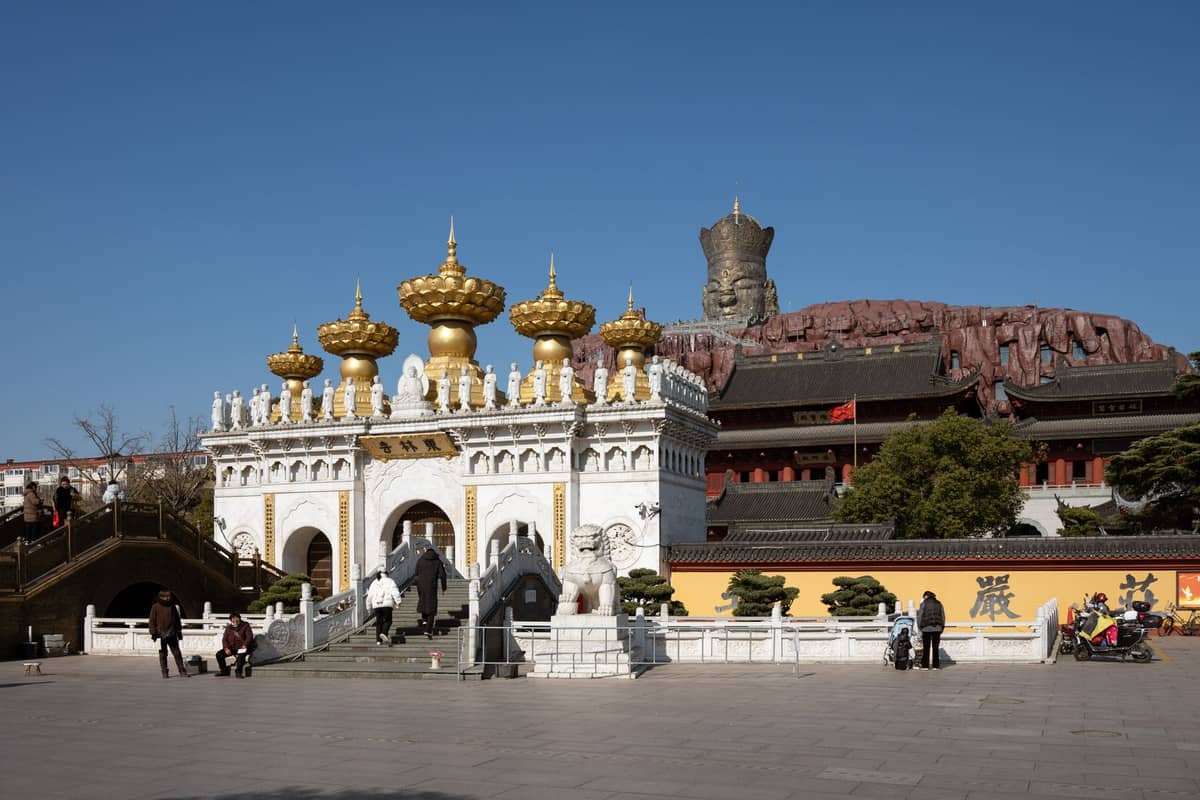
Shanghai's Buddhist temples range from small neighbourhood shrines to major complexes with multiple worship halls, bell towers, and vegetarian restaurants. The two most visited are in very different parts of the city: one sits in the heart of Jing'an district, surrounded by skyscrapers, while the other occupies a quieter corner of the West Bund and Xuhui area, where its seven-storey pagoda has stood for over 1,700 years.
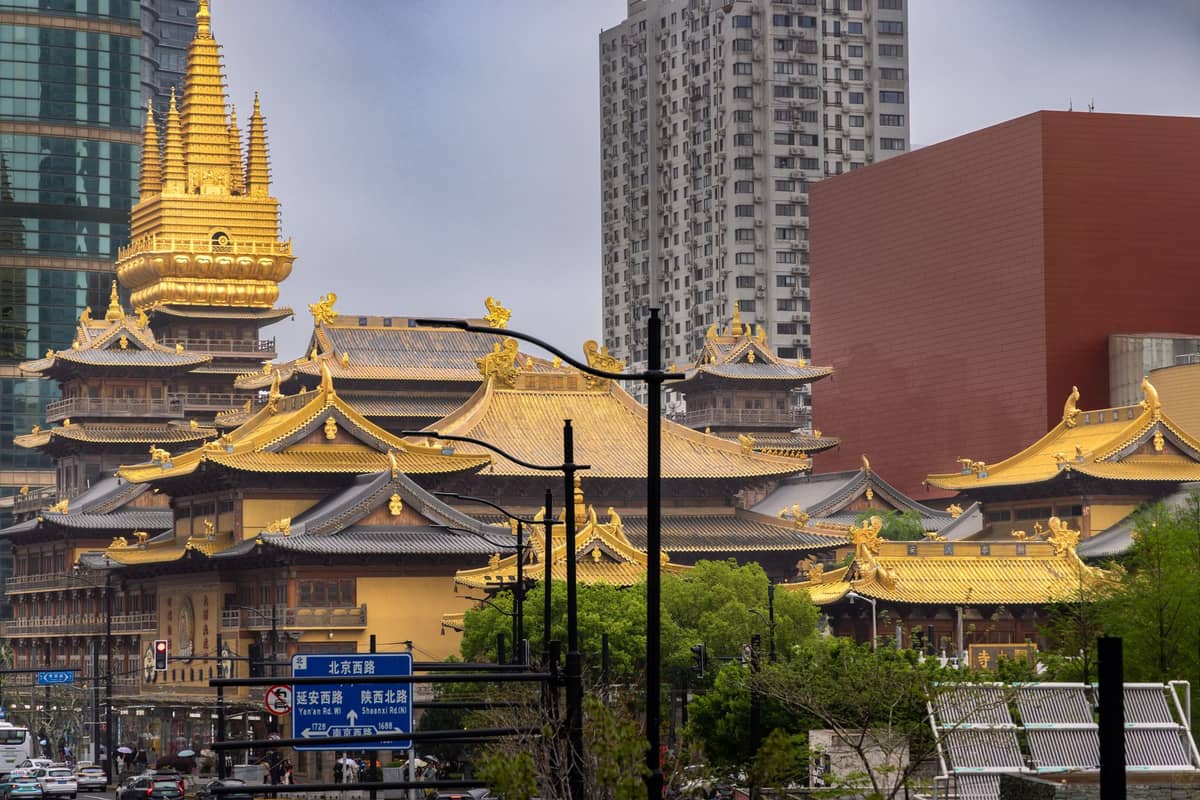
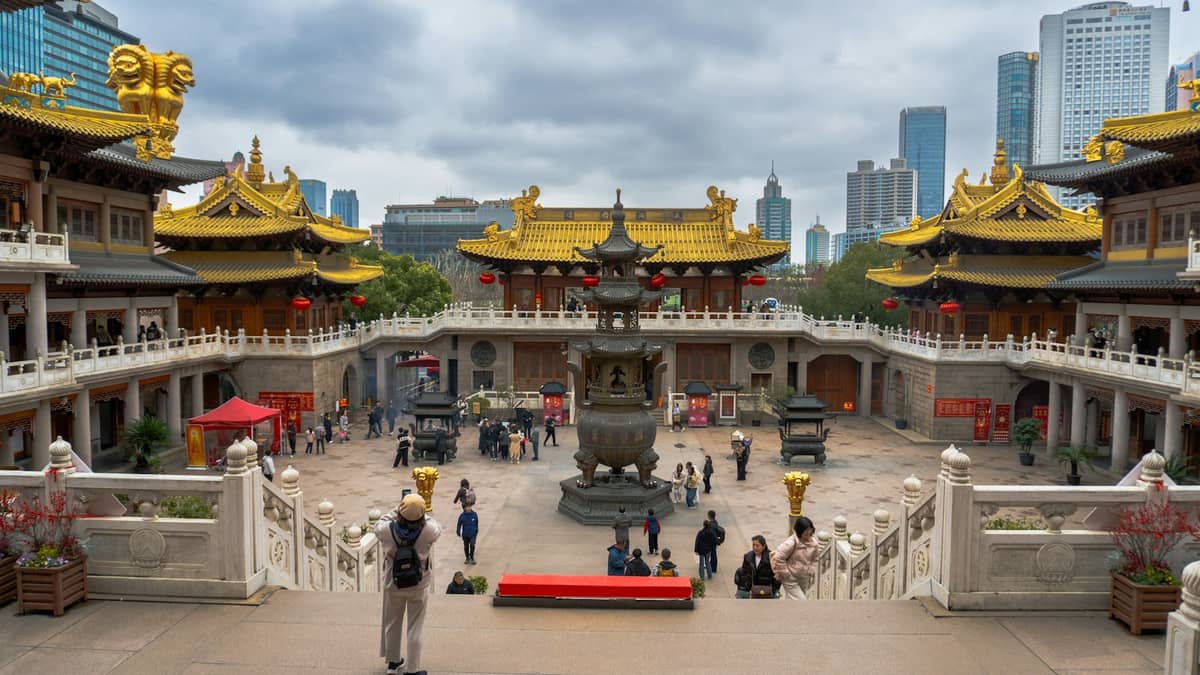
1. See Golden Rooftops Rising Between Skyscrapers at Jing'an Temple
Shanghai's most visually striking temple, its gilded halls and red walls set against a backdrop of luxury towers. Entry costs ¥50, which includes three incense sticks. Arrive before 09:00 to avoid tour groups, or visit on a Friday evening when the pagoda is illuminated.
Explore1. See Golden Rooftops Rising Between Skyscrapers at Jing'an Temple
Shanghai's most visually striking temple, its gilded halls and red walls set against a backdrop of luxury towers. Entry costs ¥50, which includes three incense sticks. Arrive before 09:00 to avoid tour groups, or visit on a Friday evening when the pagoda is illuminated.
Explore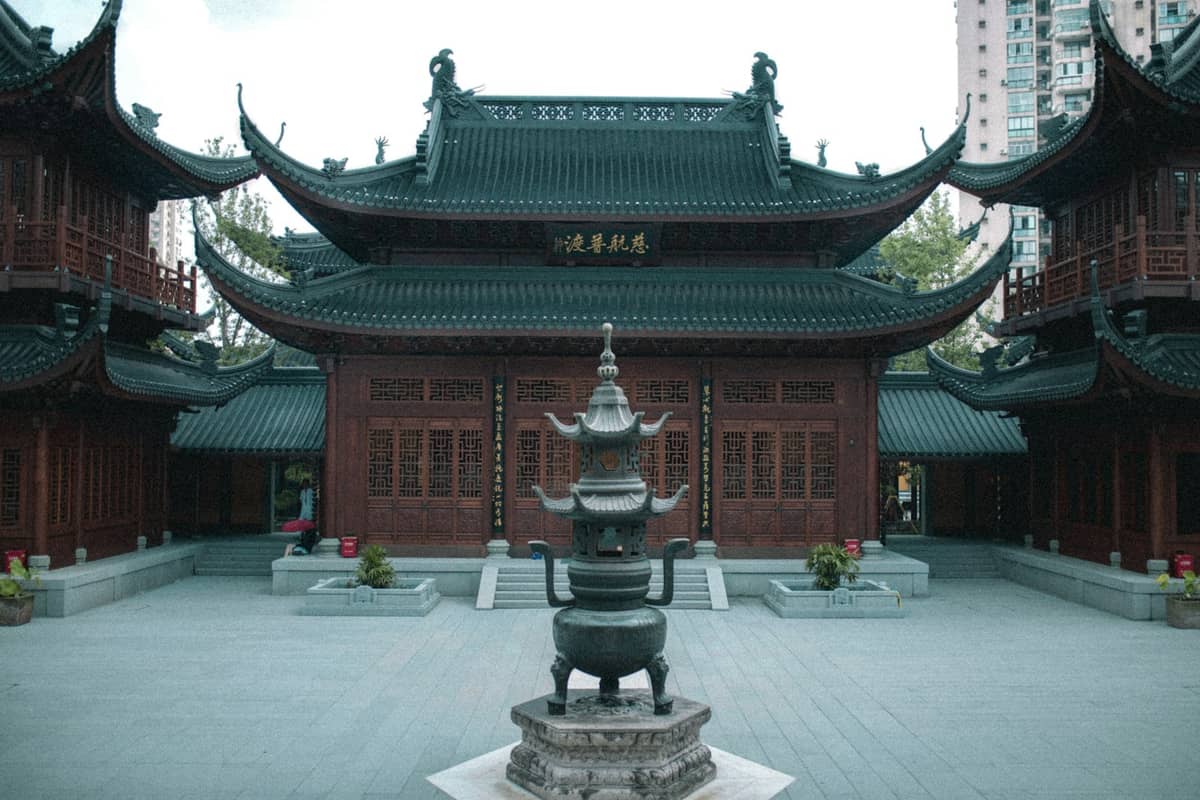
2. Meet the White Jade Buddhas at Jade Buddha Temple
This active Chan Buddhist temple in Putuo district houses two white jade Buddha statues brought from Burma in 1882. The reclining Buddha on the upper floor is particularly serene. Entry is around ¥20, making it the best-value major temple in Shanghai.
Explore2. Meet the White Jade Buddhas at Jade Buddha Temple
This active Chan Buddhist temple in Putuo district houses two white jade Buddha statues brought from Burma in 1882. The reclining Buddha on the upper floor is particularly serene. Entry is around ¥20, making it the best-value major temple in Shanghai.
Explore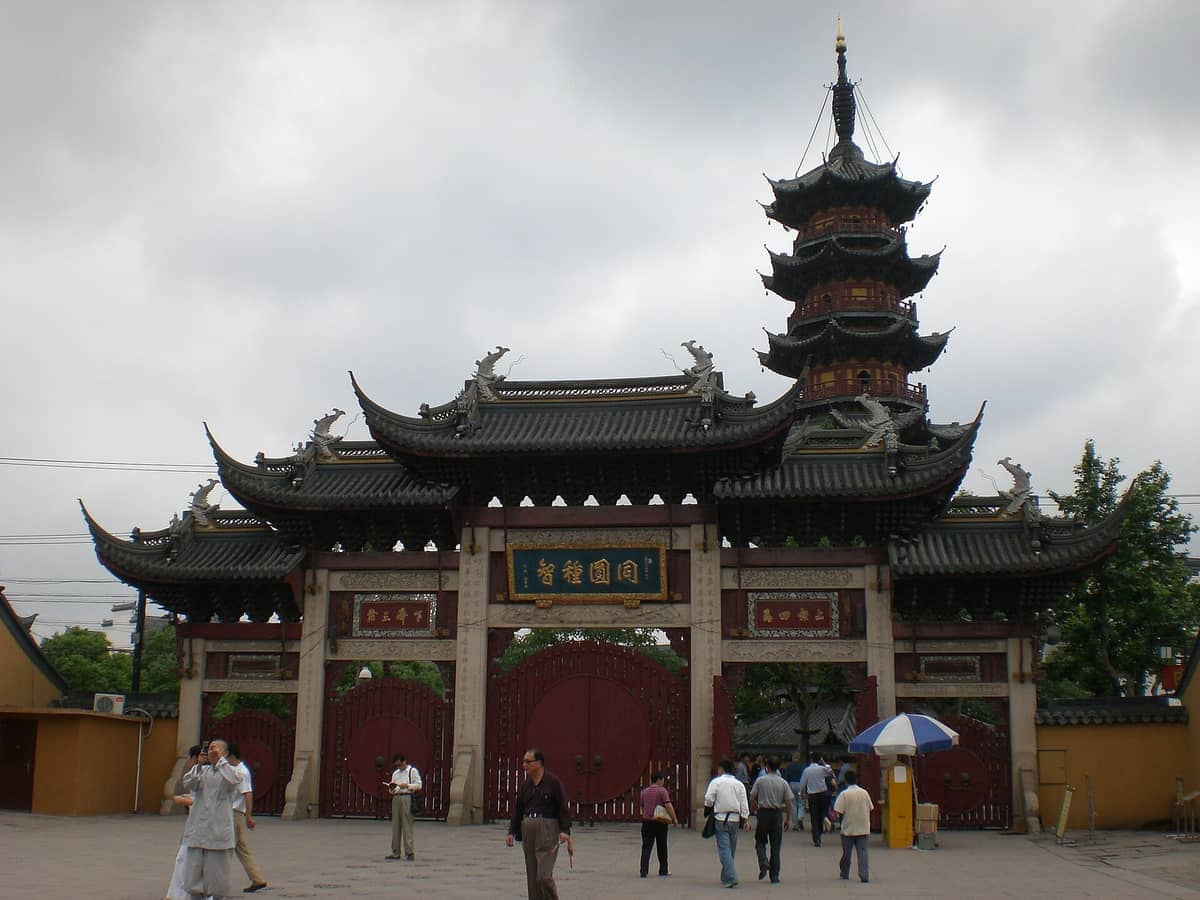
3. Explore Shanghai's Oldest Temple Complex at Longhua
Shanghai's oldest and largest Buddhist temple, with origins in the 3rd century, featuring a seven-storey brick pagoda that is one of the city's most ancient structures. The temple grounds include active worship halls and a peaceful garden. Entry is around ¥10.
Explore3. Explore Shanghai's Oldest Temple Complex at Longhua
Shanghai's oldest and largest Buddhist temple, with origins in the 3rd century, featuring a seven-storey brick pagoda that is one of the city's most ancient structures. The temple grounds include active worship halls and a peaceful garden. Entry is around ¥10.
Explore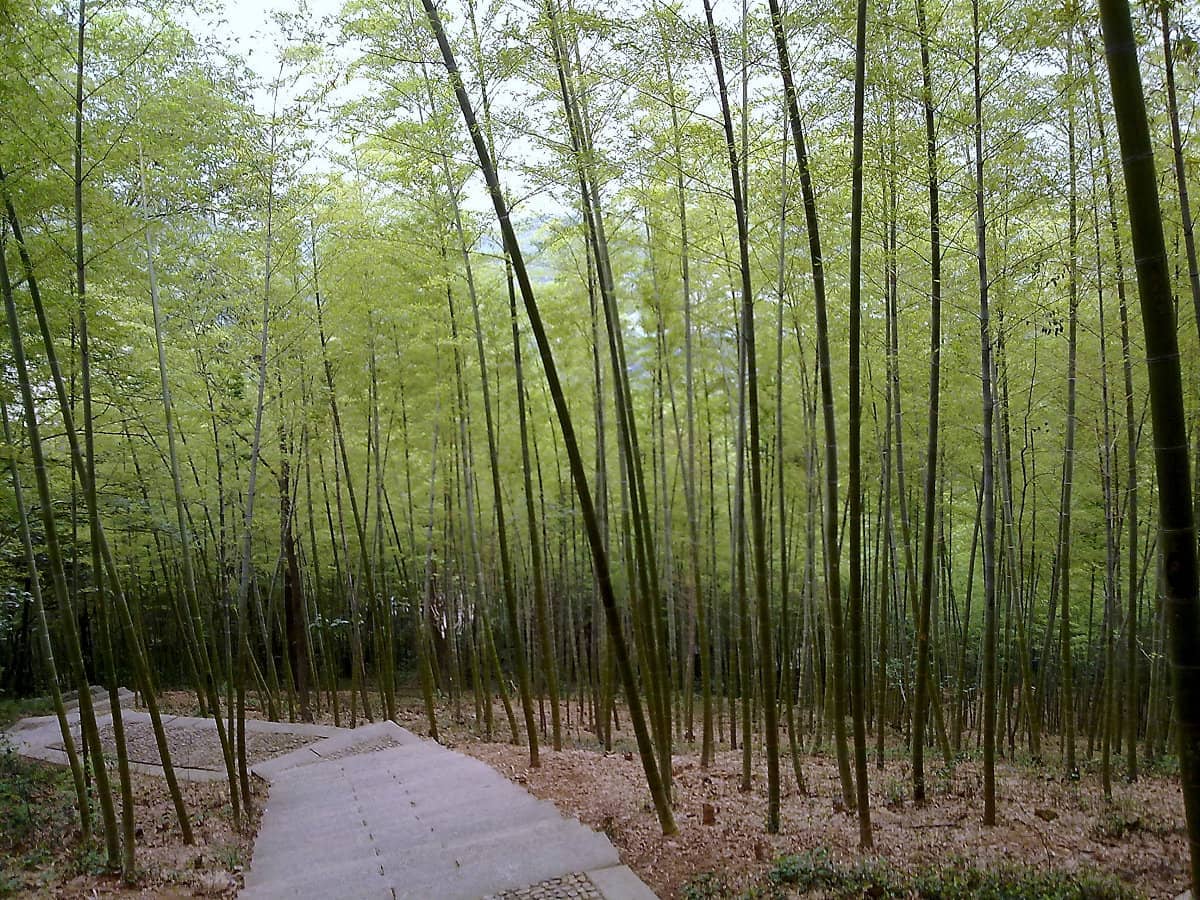
4. Hike to Sheshan's Temple and Basilica on Shanghai's Only Hill
Sheshan is unique in Shanghai: a forested hill with hiking trails, an observatory, and a Catholic basilica at its summit. A small Buddhist temple also sits on the slopes. The panoramic views over the flat Shanghai plain make the climb worthwhile, especially in spring.
Explore4. Hike to Sheshan's Temple and Basilica on Shanghai's Only Hill
Sheshan is unique in Shanghai: a forested hill with hiking trails, an observatory, and a Catholic basilica at its summit. A small Buddhist temple also sits on the slopes. The panoramic views over the flat Shanghai plain make the climb worthwhile, especially in spring.
ExploreTaoist Temples
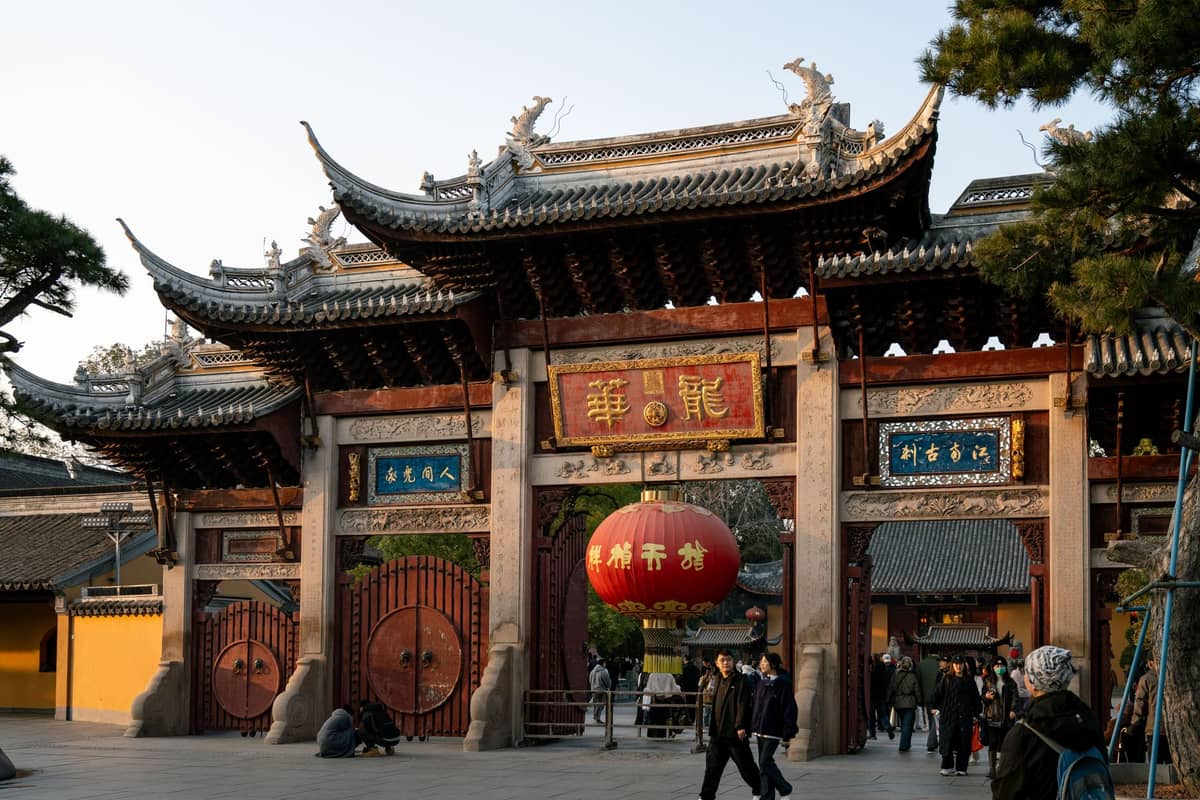
Taoist temples in Shanghai are concentrated in the Old Town district, where the historic core of the city retains its pre-concession character. These are working temples where fortune-tellers, incense vendors, and devotees create an atmosphere unlike anywhere else in the city. A visit to the City God Temple pairs naturally with a walk through Yu Garden and the Yuyuan Bazaar just outside its gates.
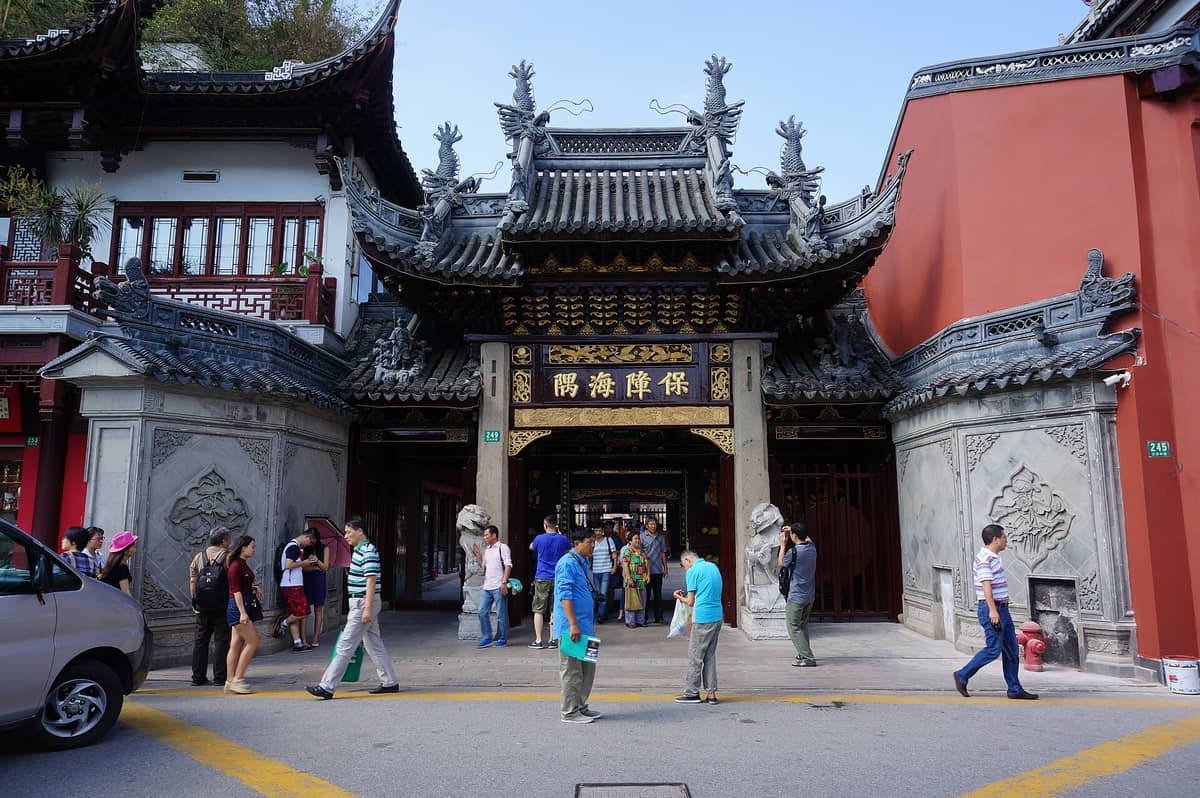
5. Visit the Incense-Filled Heart of Old Town at City God Temple
This 15th-century Taoist temple complex is dedicated to Shanghai's protective deity and remains one of the city's most atmospheric religious sites. Entry is ¥10. Go on a weekday morning to experience genuine worship rituals rather than tourist crowds. Open daily 09:00-17:00.
Explore5. Visit the Incense-Filled Heart of Old Town at City God Temple
This 15th-century Taoist temple complex is dedicated to Shanghai's protective deity and remains one of the city's most atmospheric religious sites. Entry is ¥10. Go on a weekday morning to experience genuine worship rituals rather than tourist crowds. Open daily 09:00-17:00.
ExploreConfucian Temples & Classical Gardens with Religious Roots
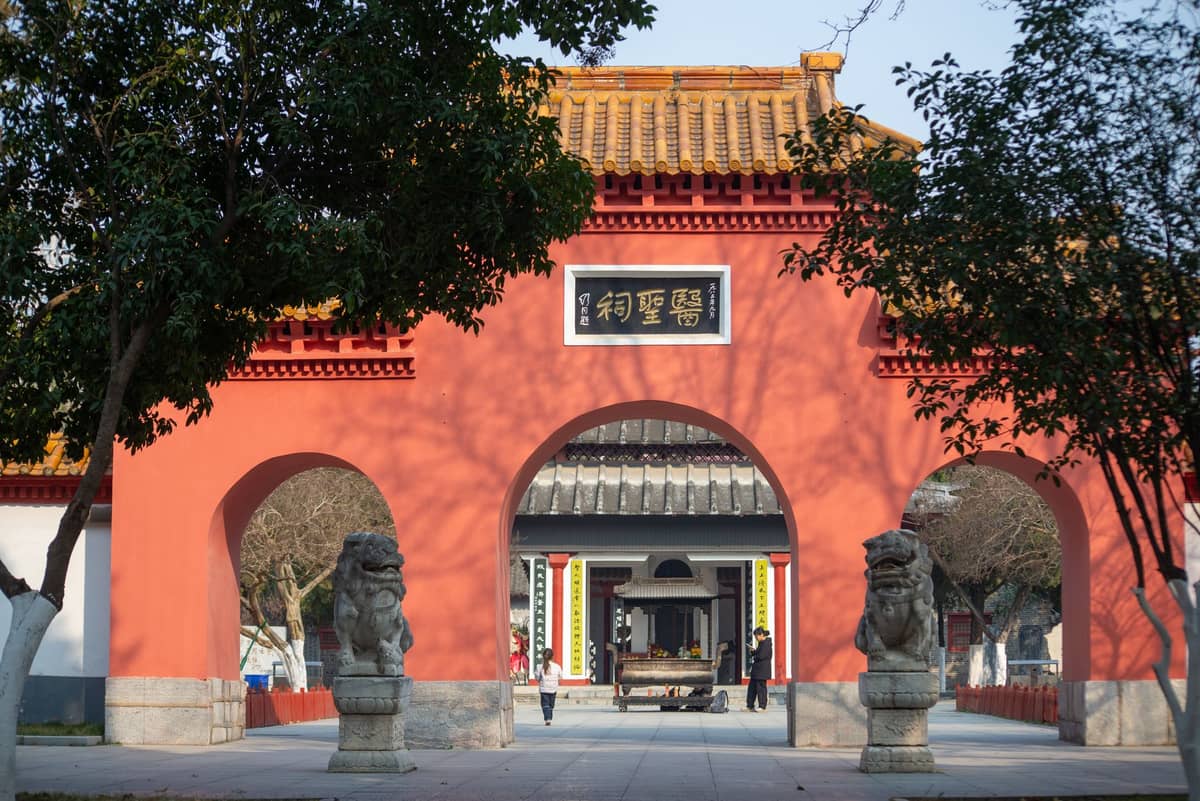
Confucian temples occupy a different space from Buddhist and Taoist sites. They are quieter, more scholarly in character, and often combined with secondary attractions such as antique markets or classical gardens. Both of Shanghai's main Confucian heritage sites are in Old Town and can be combined in a single half-day walk. For more ways to structure a walking itinerary around these areas, see the best self-guided walks in Shanghai guide.
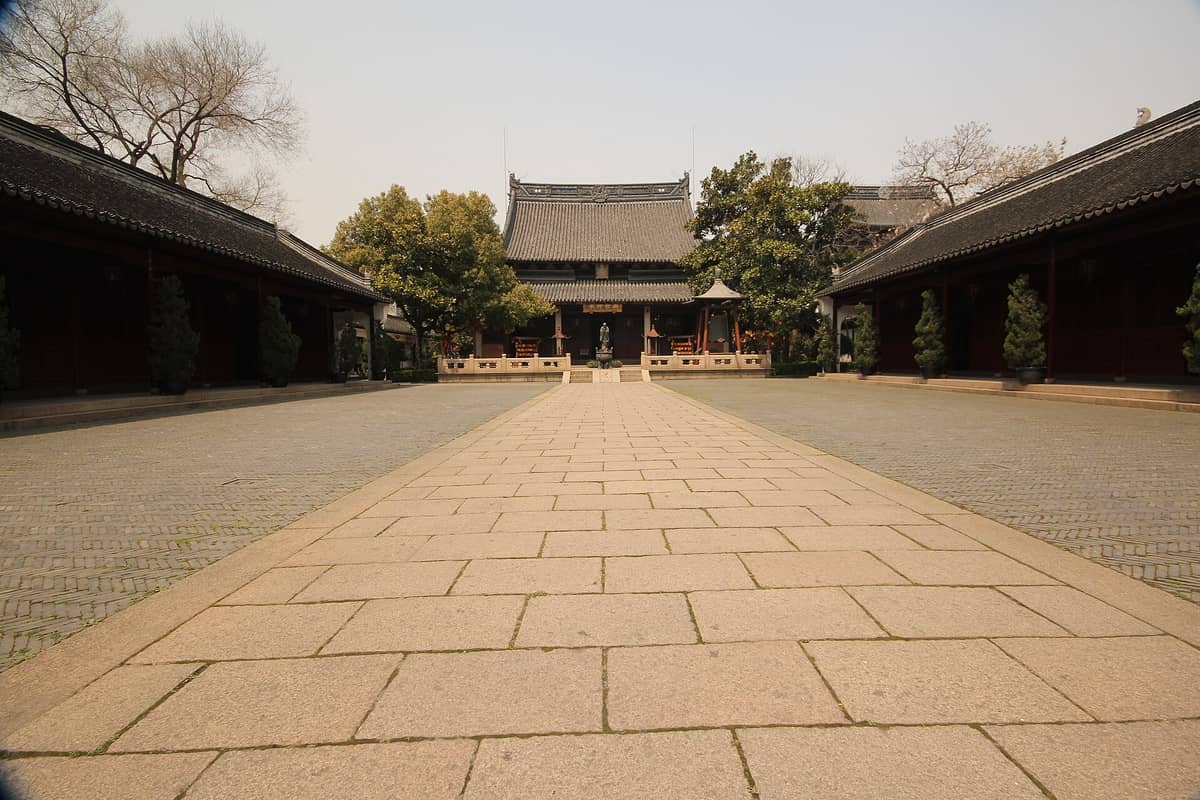
6. Browse the Weekend Antique Market at Confucian Temple (Wen Miao)
A tranquil complex of traditional halls and courtyards in Old Town that doubles as a cultural hub, with a popular weekend antique and secondhand book market filling its grounds. Entry is typically ¥10. Visit on Sunday morning for the best combination of temple atmosphere and market browsing.
Explore6. Browse the Weekend Antique Market at Confucian Temple (Wen Miao)
A tranquil complex of traditional halls and courtyards in Old Town that doubles as a cultural hub, with a popular weekend antique and secondhand book market filling its grounds. Entry is typically ¥10. Visit on Sunday morning for the best combination of temple atmosphere and market browsing.
Explore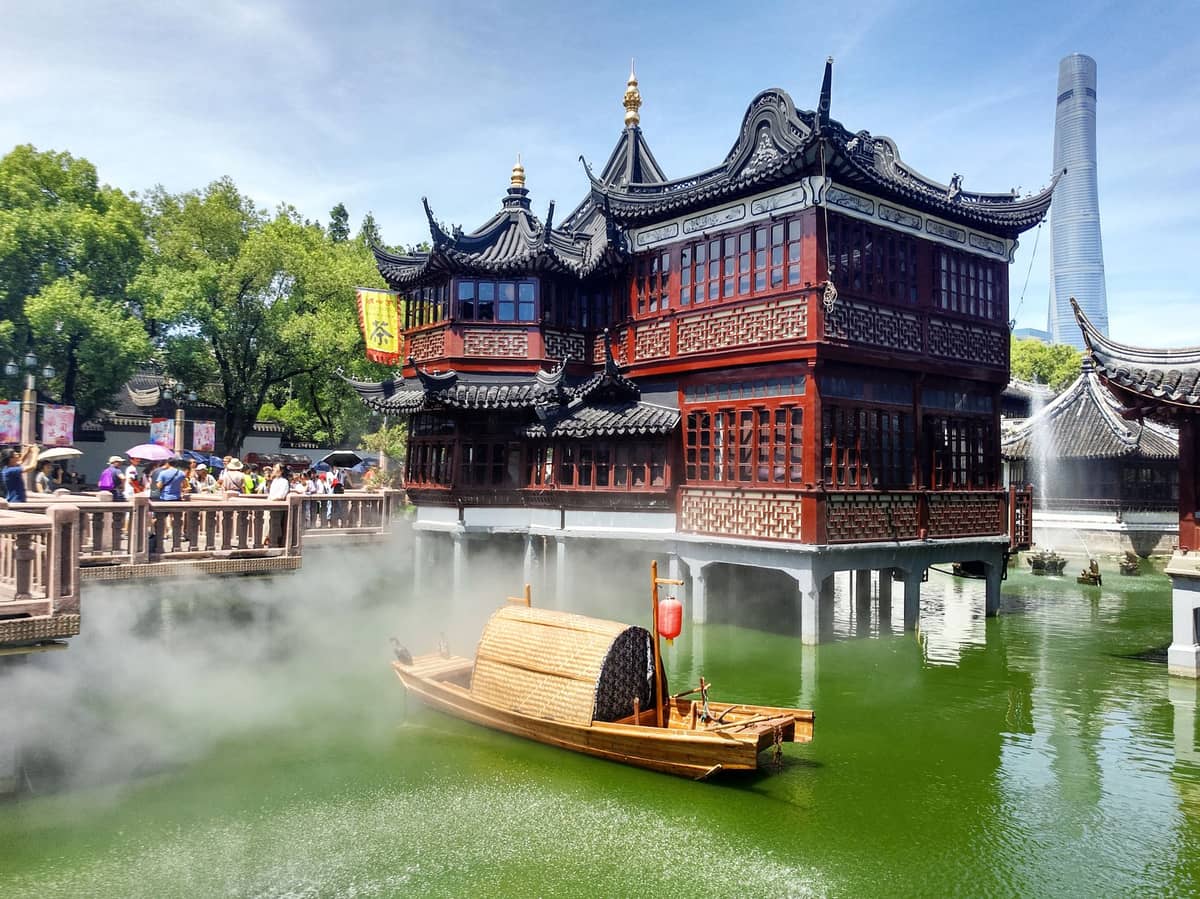
7. Walk Through 500 Years of Classical Design at Yu Garden
Built in 1559, Yu Garden is one of the finest Ming-dynasty gardens in eastern China, with rockeries, pavilions, koi ponds, and zigzag bridges across five acres. It is not a temple, but its design reflects deep Taoist cosmology. Entry is around ¥40. Arrive at 08:30 when it opens.
Explore7. Walk Through 500 Years of Classical Design at Yu Garden
Built in 1559, Yu Garden is one of the finest Ming-dynasty gardens in eastern China, with rockeries, pavilions, koi ponds, and zigzag bridges across five acres. It is not a temple, but its design reflects deep Taoist cosmology. Entry is around ¥40. Arrive at 08:30 when it opens.
ExploreTemples Worth the Trip Outside the City Centre
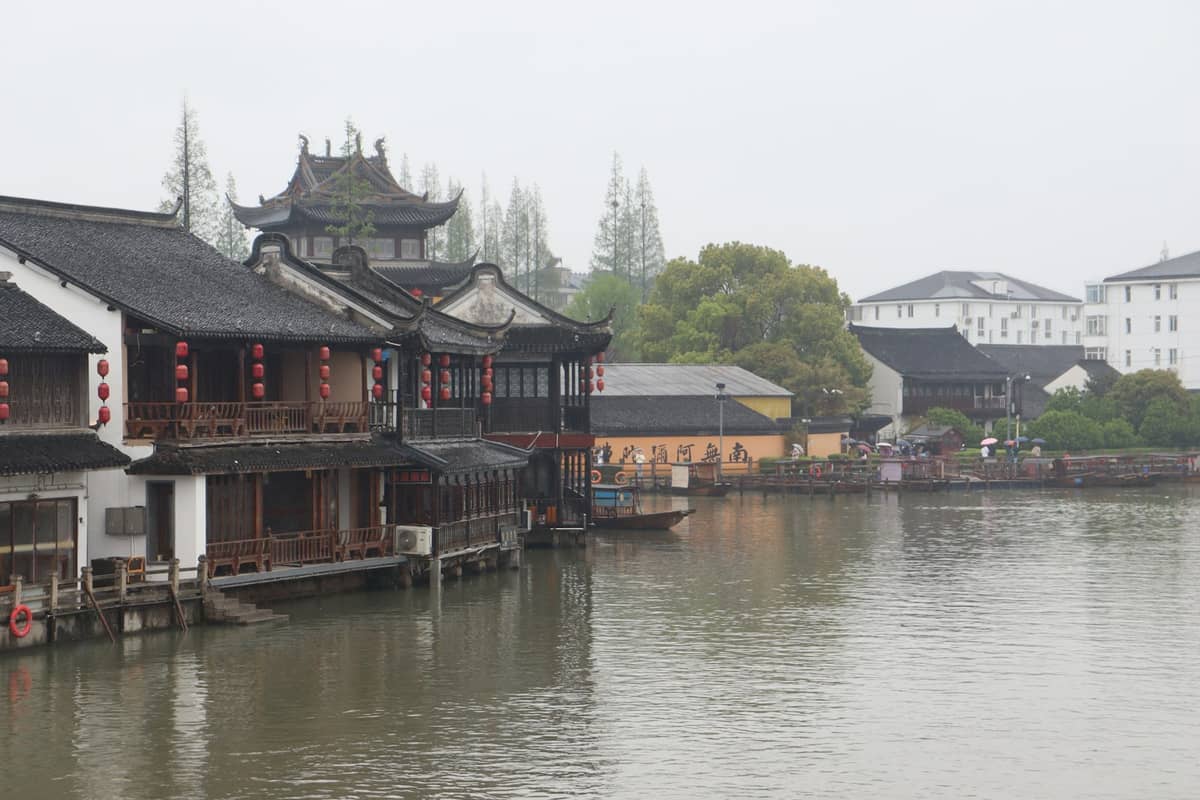
Some of Shanghai's most rewarding temple experiences require a short journey beyond the central districts. The ancient water town of Qibao, reachable by metro, has a cluster of small canal-side temples that feel far removed from the modern city. For longer excursions, the day trips from Shanghai guide covers options including the water towns of the surrounding region, where temple culture remains deeply embedded in daily life.
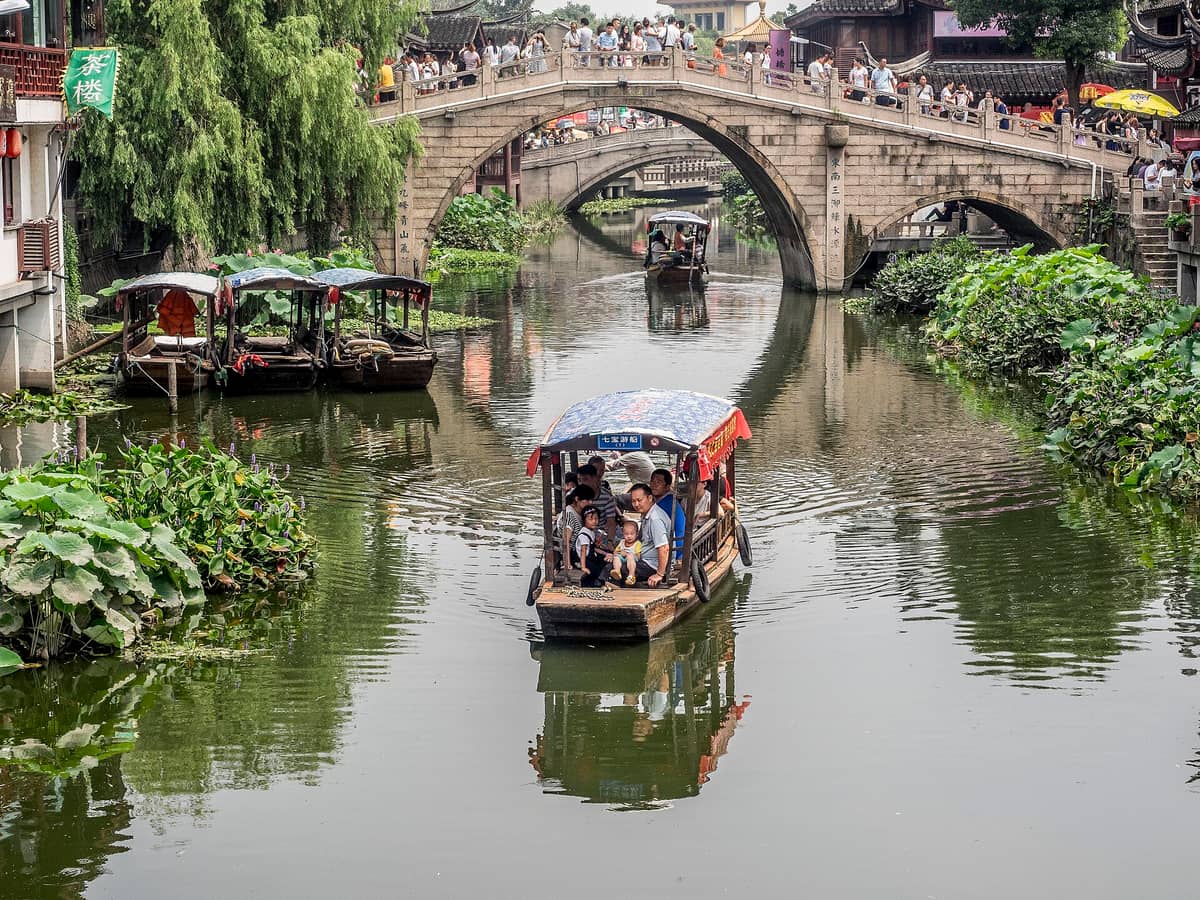
8. Find Canal-Side Temples in the Water Town of Qibao
Qibao is a compact Song-dynasty water town within Shanghai's city limits, accessible by metro in under 30 minutes. Several small temples and shrines line its canals, surrounded by traditional snack stalls and antique markets. It is the easiest traditional religious-cultural experience from the city centre.
Explore8. Find Canal-Side Temples in the Water Town of Qibao
Qibao is a compact Song-dynasty water town within Shanghai's city limits, accessible by metro in under 30 minutes. Several small temples and shrines line its canals, surrounded by traditional snack stalls and antique markets. It is the easiest traditional religious-cultural experience from the city centre.
Explore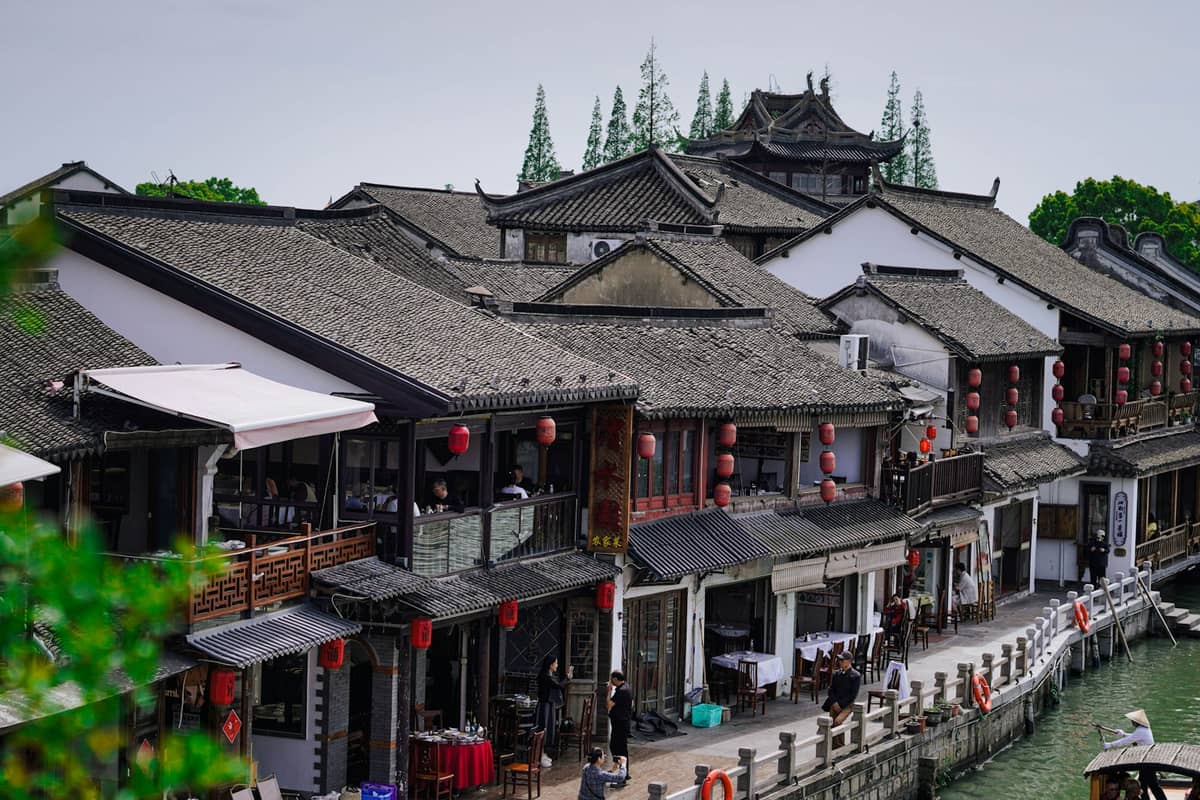
9. Visit Ancient Shrines Along the Canals of Zhujiajiao
Zhujiajiao is a 1,700-year-old canal town 47 kilometres west of Shanghai, with stone bridges, whitewashed houses, and several small temples integrated into its waterway network. The Town God Temple here is well-preserved and far less crowded than its Shanghai Old Town counterpart.
Explore9. Visit Ancient Shrines Along the Canals of Zhujiajiao
Zhujiajiao is a 1,700-year-old canal town 47 kilometres west of Shanghai, with stone bridges, whitewashed houses, and several small temples integrated into its waterway network. The Town God Temple here is well-preserved and far less crowded than its Shanghai Old Town counterpart.
ExploreFAQ
How much does it cost to visit the major temples in Shanghai?
Entry prices vary by temple. Jing'an Temple is the most expensive at around ¥50 (the ticket includes three incense sticks). Jade Buddha Temple and Longhua Temple currently have free general admission, with separate charges only for certain inner halls. City God Temple and Confucian Temple are each around ¥10. All prices are subject to change and may be higher during Chinese New Year or major Buddhist festivals. Verify before visiting.
When is the best time to visit Shanghai's temples?
Weekday mornings before 10:00 are the quietest. The 1st and 15th days of the lunar calendar are major worship days when entry to Jing'an Temple is free but the crowds are intense from before dawn. Chinese New Year is spectacular but extremely busy at all major temples. Spring (April to May) and autumn (October to November) offer the most comfortable weather for temple visits.
Are Shanghai's temples open every day?
Yes, all major temples in Shanghai, including Jing'an Temple, Jade Buddha Temple, Longhua Temple, and City God Temple, are open daily throughout the year. Standard hours are roughly 07:00–08:30 to 16:30–17:00, with last entry around 16:30. Hours may extend or shift during major religious festivals. Always check the current schedule before visiting, as hours can change.
Is there a dress code for visiting Shanghai temples?
There is no strict official dress code enforced at most Shanghai temples, but modest attire is expected and appreciated. Shoulders and knees covered is the general standard. Very casual beachwear or revealing clothing is inappropriate. Remove hats inside worship halls as a sign of respect.
Can I visit multiple temples in one day in Shanghai?
Yes, several temples can be combined in a single day. The most logical cluster is in Old Town, where City God Temple, Confucian Temple, and Yu Garden are all within easy walking distance of each other. Jing'an Temple and Jade Buddha Temple are in different districts but both easily reachable by metro. Longhua Temple pairs well with a visit to the West Bund waterfront galleries.