Hidden Gems in Shanghai: 18 Off-the-Beaten-Path Experiences Worth Seeking Out
Shanghai rewards the curious traveller who looks beyond the Bund and Yu Garden. From a 1930s slaughterhouse turned art labyrinth to a basement full of Cold War propaganda posters, these are the places locals treasure and guidebooks overlook.
Plan and book this trip
Tools from our partner Travelpayouts help you compare flights and hotels. If you book through them, we may earn a commission at no extra cost to you.
Flights
Hotels map
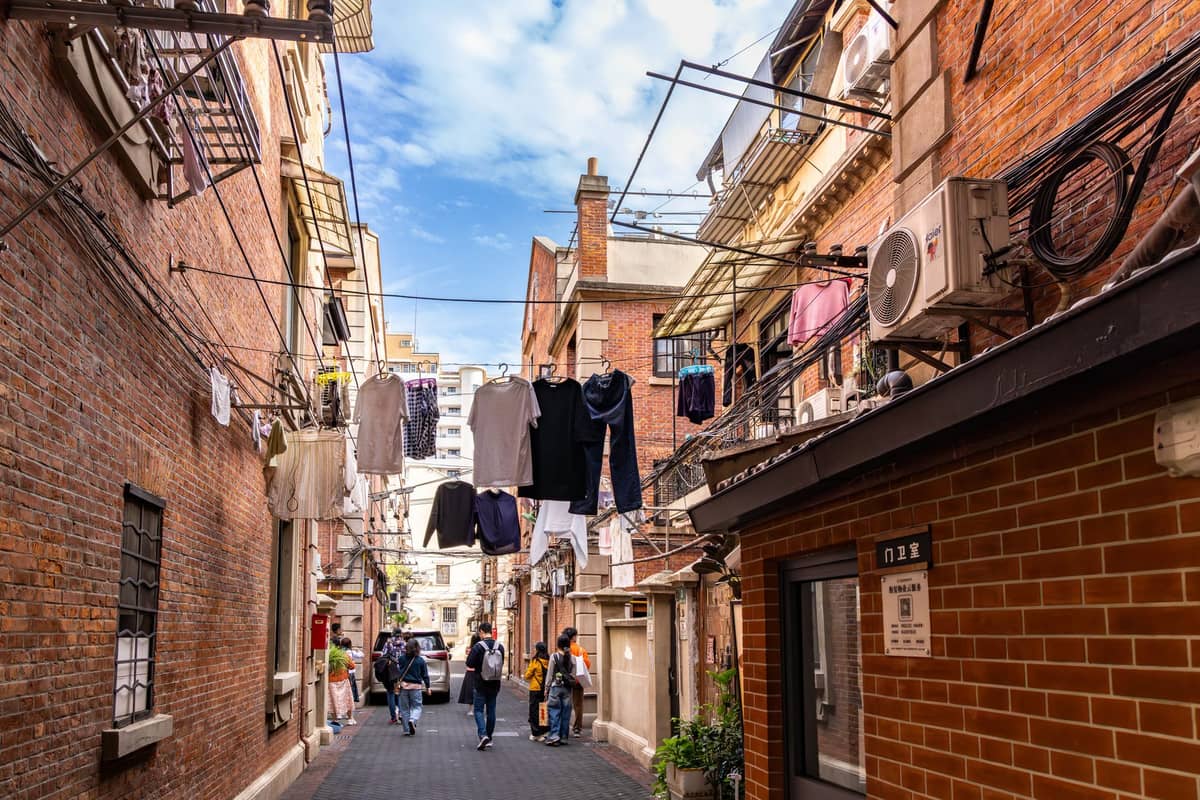
Most visitors to Shanghai spend their days on the Bund promenade, inside Yu Garden, and atop Pudong's towers. All worthwhile, but Shanghai is a city of 24.8 million people spread across 6,340.5 square kilometres, and its real character lives in the corners. The Former French Concession alone holds a dozen streets that most tourists never reach, while Hongkou preserves some of the city's most poignant and undervisited history. This guide collects 18 experiences that sit outside the standard itinerary, ranging from a single detour to a full-day escape outside the city limits. For practical context on moving between them efficiently, the getting around Shanghai guide is worth reading first.
Forgotten Architecture & Industrial Heritage
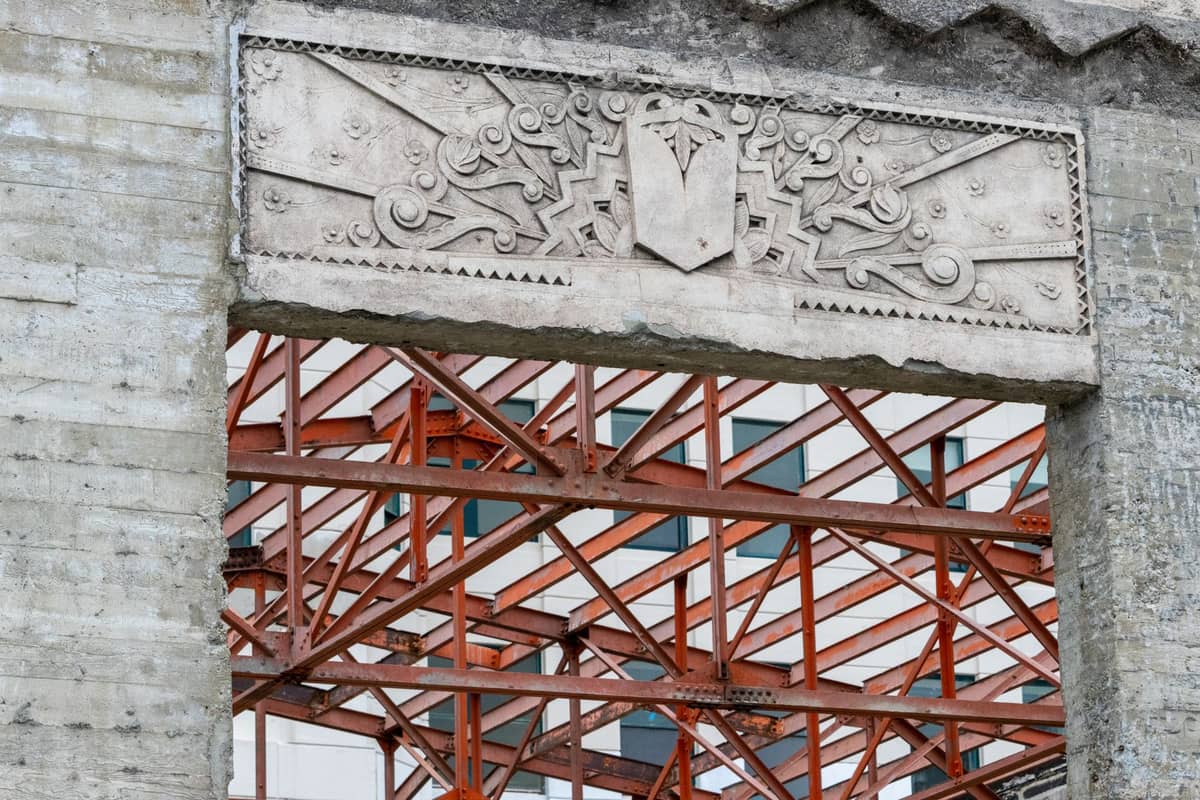
Shanghai's 20th-century building stock is extraordinarily varied, and some of its most memorable structures were designed for purposes that had nothing to do with tourism. Entry to many of these sites is free, and they are often uncrowded even on weekends. The Shanghai architecture guide covers the broader canvas, but the sites below are the ones that tend to fall through the cracks.
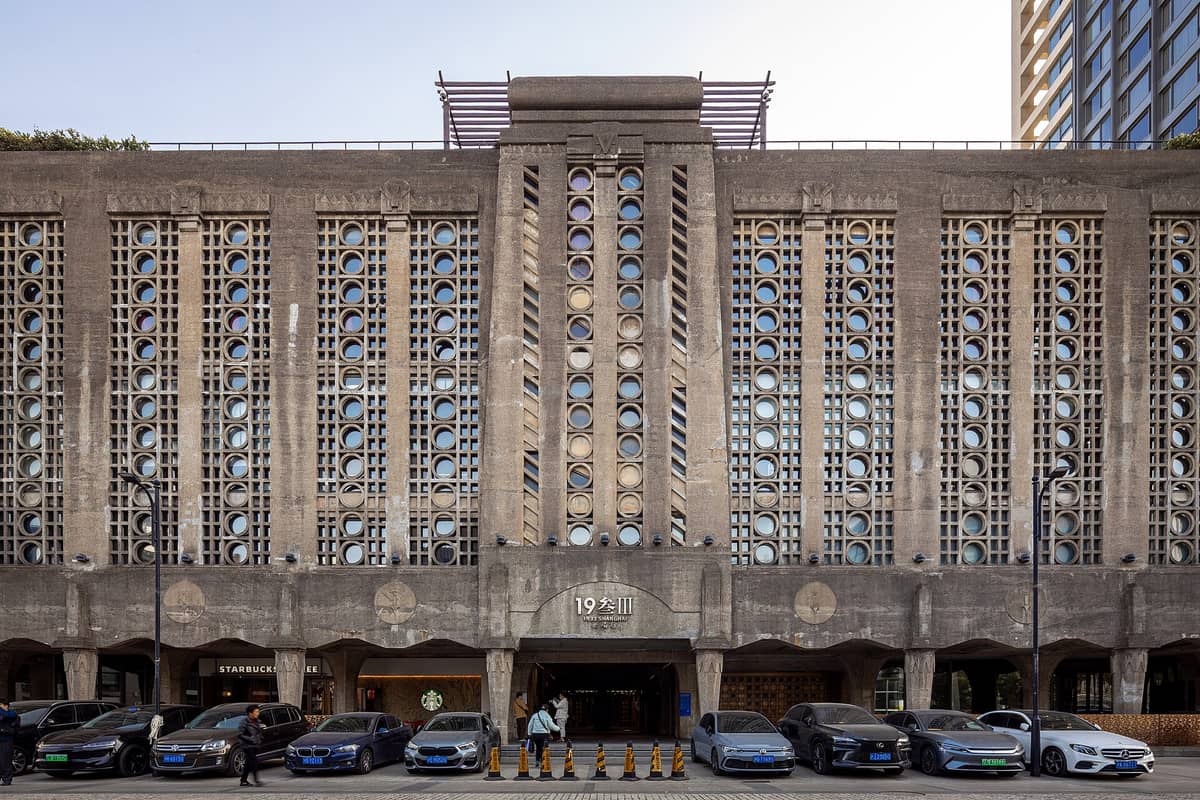
1. Get Lost Inside the Brutalist Maze of 1933 Old Millfun
A 1930s slaughterhouse in Hongkou with a surreal concrete interior of spiralling ramps and cattle bridges, now free to enter. Go on a weekday morning when the studios are open and the instagrammers haven't arrived yet.
Explore1. Get Lost Inside the Brutalist Maze of 1933 Old Millfun
A 1930s slaughterhouse in Hongkou with a surreal concrete interior of spiralling ramps and cattle bridges, now free to enter. Go on a weekday morning when the studios are open and the instagrammers haven't arrived yet.
Explore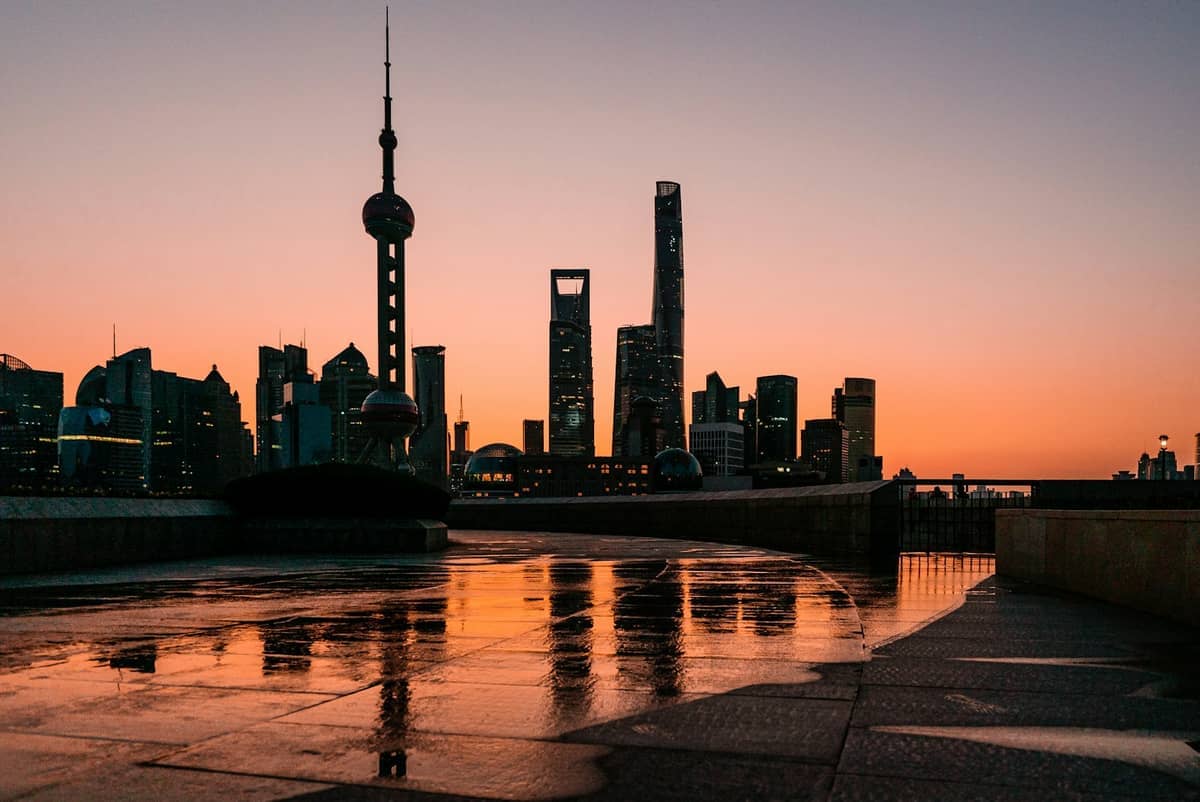
2. Walk the Quieter Northern Extension of the Bund
North of Suzhou Creek, heritage buildings including the Astor House Hotel and Union Church stand largely unvisited. The area is undergoing redevelopment, so exploring now catches it in a rare transitional state.
Explore2. Walk the Quieter Northern Extension of the Bund
North of Suzhou Creek, heritage buildings including the Astor House Hotel and Union Church stand largely unvisited. The area is undergoing redevelopment, so exploring now catches it in a rare transitional state.
Explore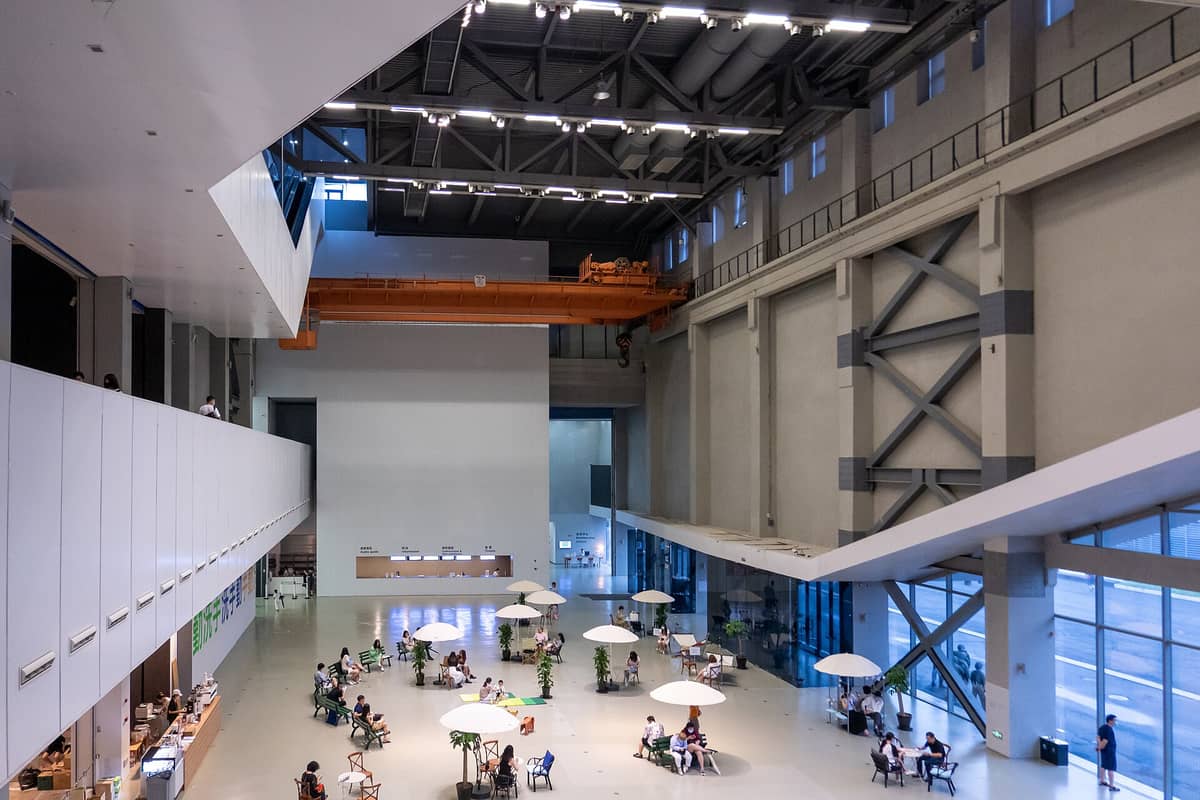
3. Explore a Converted Power Plant Turned World-Class Art Venue
A massive 1897 riverside power plant now housing China's first state-run contemporary art museum and the permanent Shanghai Biennale. The industrial bones of the building are as compelling as whatever is showing inside.
Explore3. Explore a Converted Power Plant Turned World-Class Art Venue
A massive 1897 riverside power plant now housing China's first state-run contemporary art museum and the permanent Shanghai Biennale. The industrial bones of the building are as compelling as whatever is showing inside.
Explore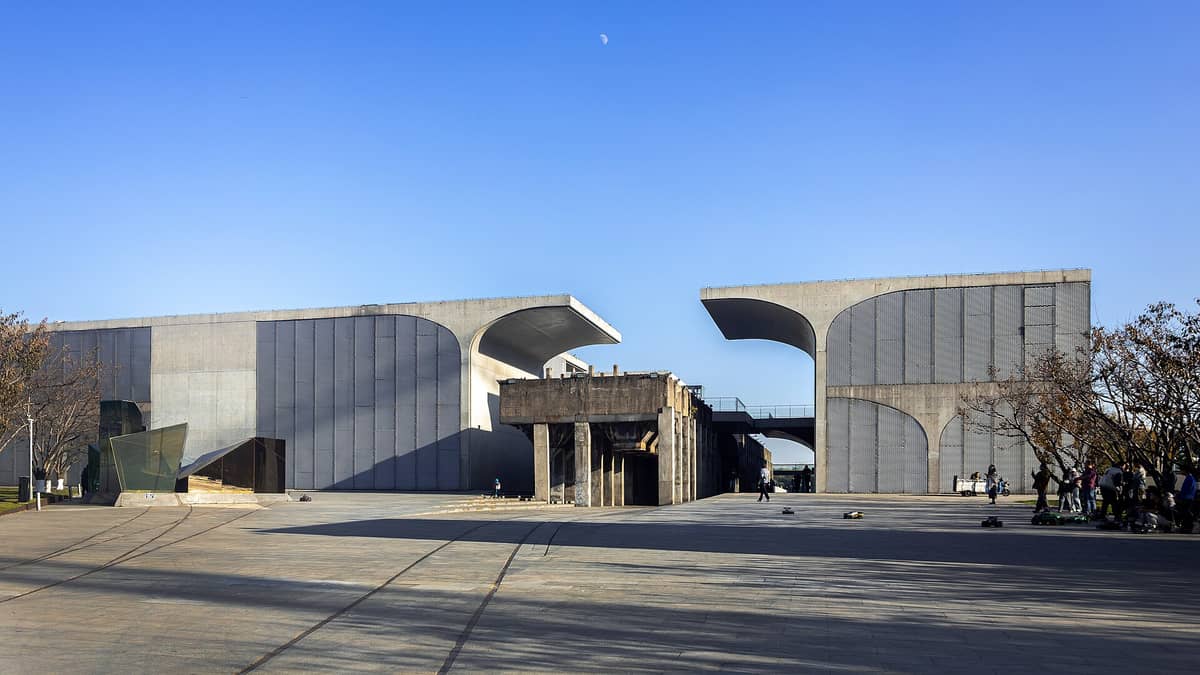
4. Discover a Coal Hopper Converted Into a Major Private Museum
On the West Bund riverfront, a former coal unloading facility now holds one of China's finest private contemporary art collections. The dramatic cantilever structure and riverside setting make it worth visiting for the architecture alone.
Explore4. Discover a Coal Hopper Converted Into a Major Private Museum
On the West Bund riverfront, a former coal unloading facility now holds one of China's finest private contemporary art collections. The dramatic cantilever structure and riverside setting make it worth visiting for the architecture alone.
ExploreArt Districts & Creative Spaces
Shanghai's contemporary art scene extends well beyond the obvious gallery circuit. The Shanghai contemporary art guide maps out the full landscape, but for travellers with limited time, the two sites below offer the highest concentration of independent creative work in the city, both with free complex entry.
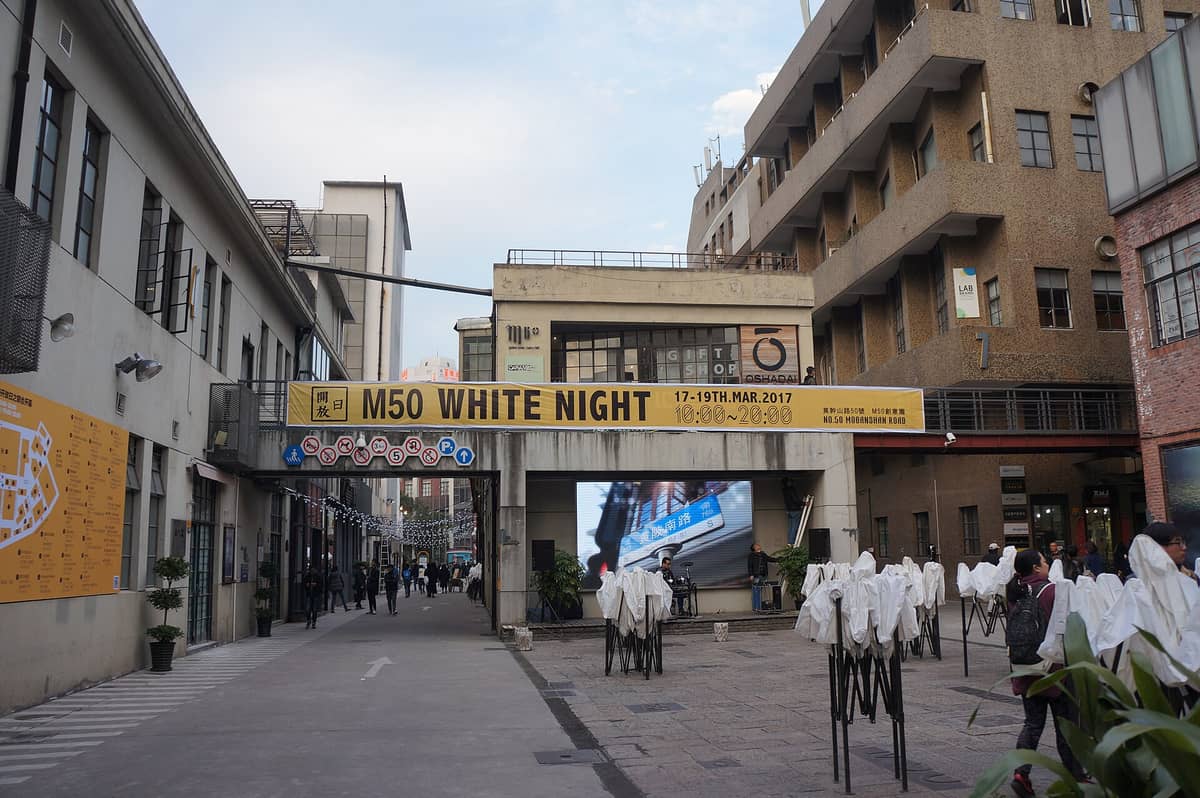
5. Browse 100+ Galleries in M50's Converted Textile Warehouses
Entry to the complex on Suzhou Creek is free. Over 100 studios and galleries fill old brick warehouses, with the best emerging Chinese contemporary art found in smaller spaces on the upper floors. Avoid Mondays when most galleries close.
Explore5. Browse 100+ Galleries in M50's Converted Textile Warehouses
Entry to the complex on Suzhou Creek is free. Over 100 studios and galleries fill old brick warehouses, with the best emerging Chinese contemporary art found in smaller spaces on the upper floors. Avoid Mondays when most galleries close.
Explore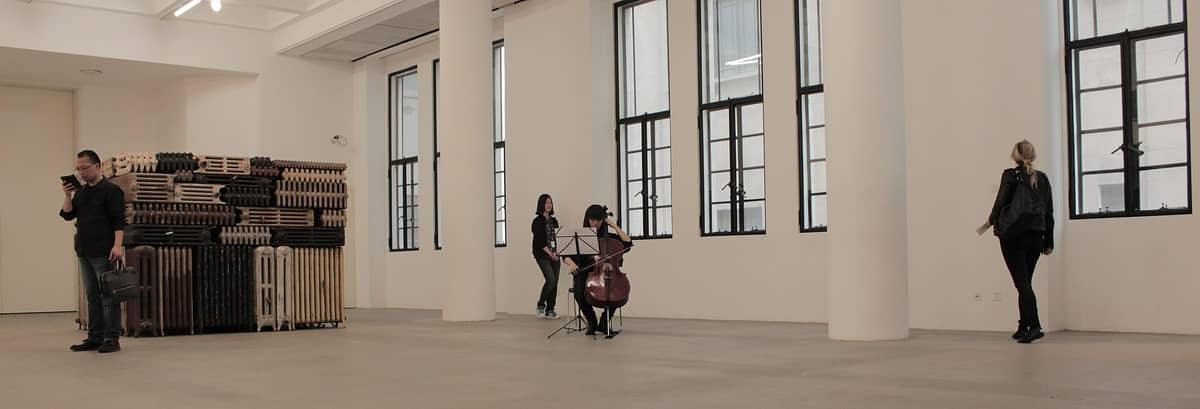
6. See Cutting-Edge Art Inside a 1932 Art Deco Masterpiece
A restored Art Deco building on the North Bund hosts one of Shanghai's sharpest contemporary art programmes. The combination of meticulous heritage restoration and genuinely challenging exhibitions is rare anywhere in Asia.
Explore6. See Cutting-Edge Art Inside a 1932 Art Deco Masterpiece
A restored Art Deco building on the North Bund hosts one of Shanghai's sharpest contemporary art programmes. The combination of meticulous heritage restoration and genuinely challenging exhibitions is rare anywhere in Asia.
Explore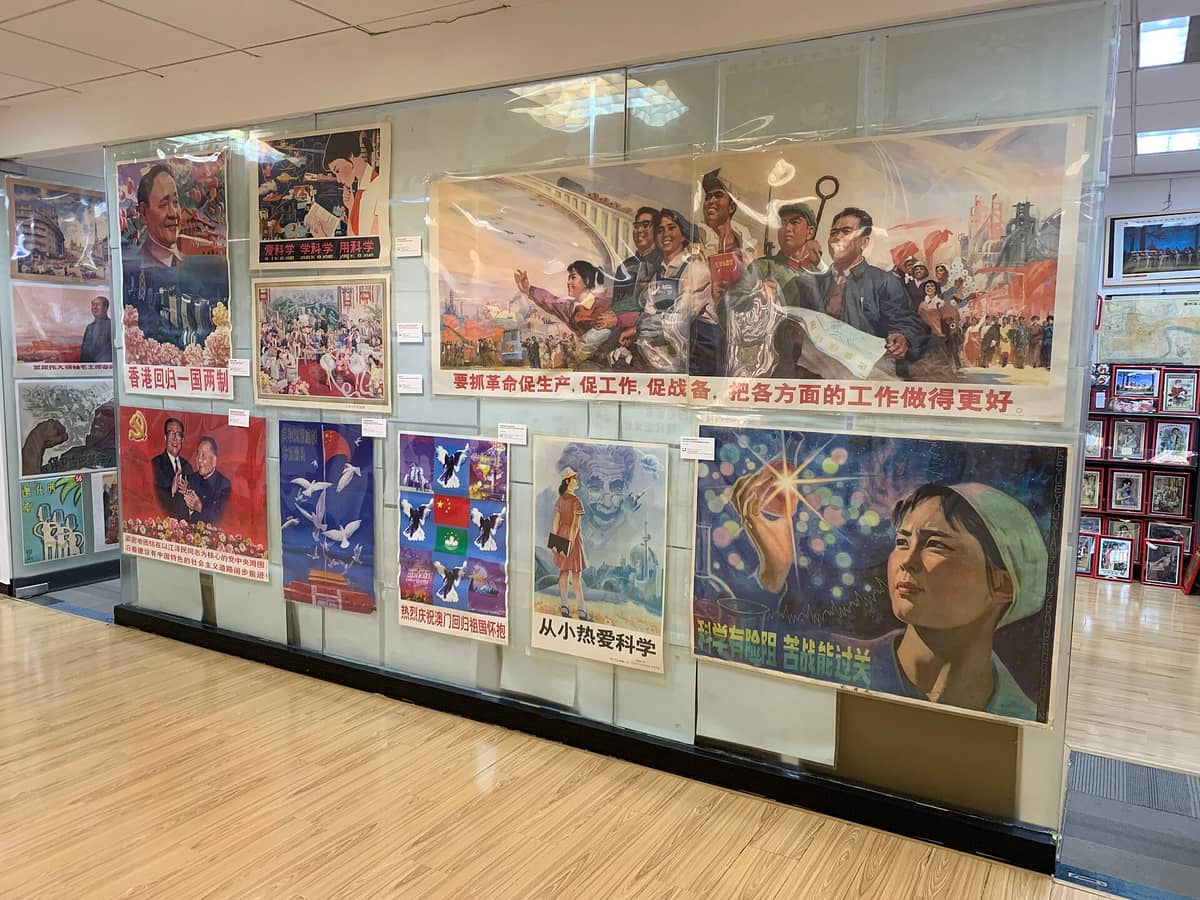
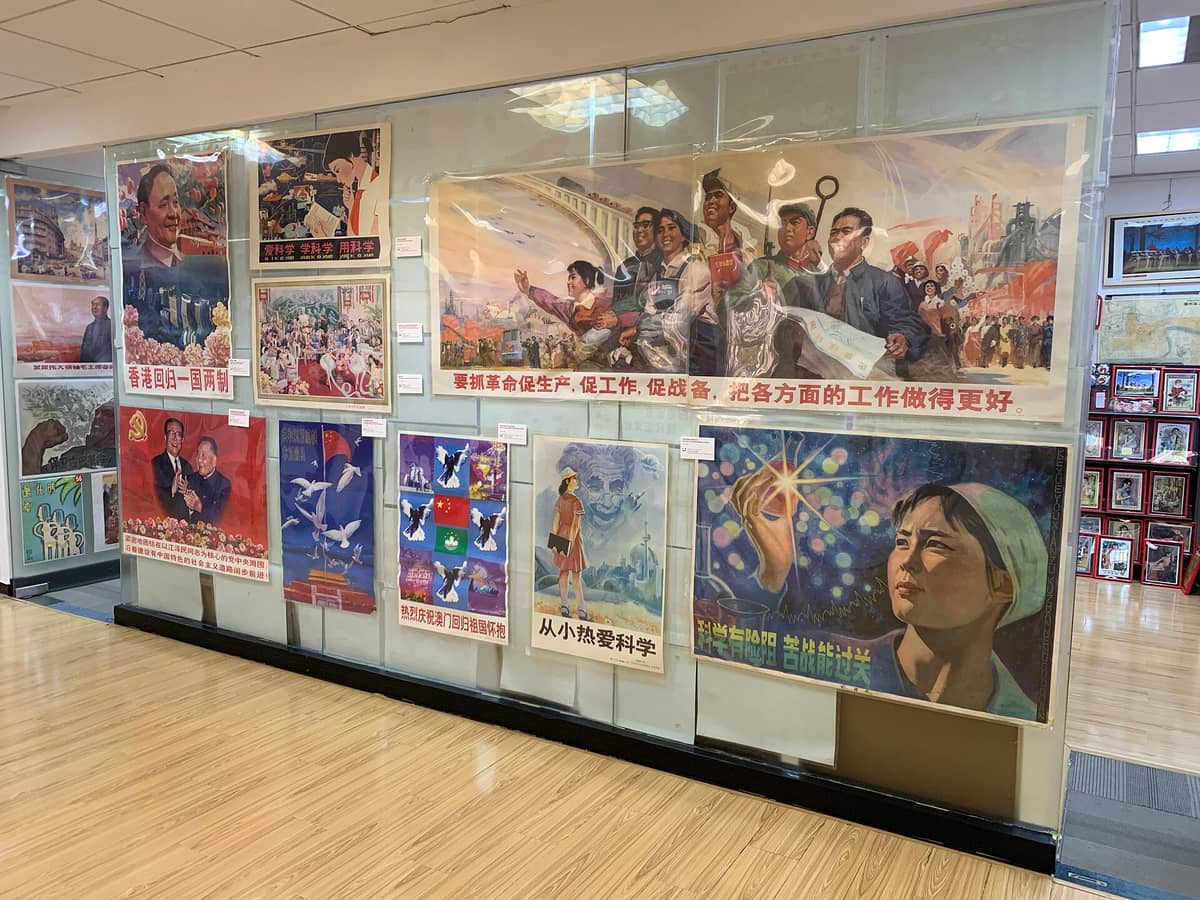
7. Find the Secret Basement Museum of Communist Propaganda Art
Hidden in a residential building basement in the Former French Concession, this private collection holds thousands of original Chinese propaganda posters from the 1950s–80s. It is small, inexpensive, and one of the most unusual museums in China.
Explore7. Find the Secret Basement Museum of Communist Propaganda Art
Hidden in a residential building basement in the Former French Concession, this private collection holds thousands of original Chinese propaganda posters from the 1950s–80s. It is small, inexpensive, and one of the most unusual museums in China.
ExploreHeritage Streets & Neighbourhood Walks
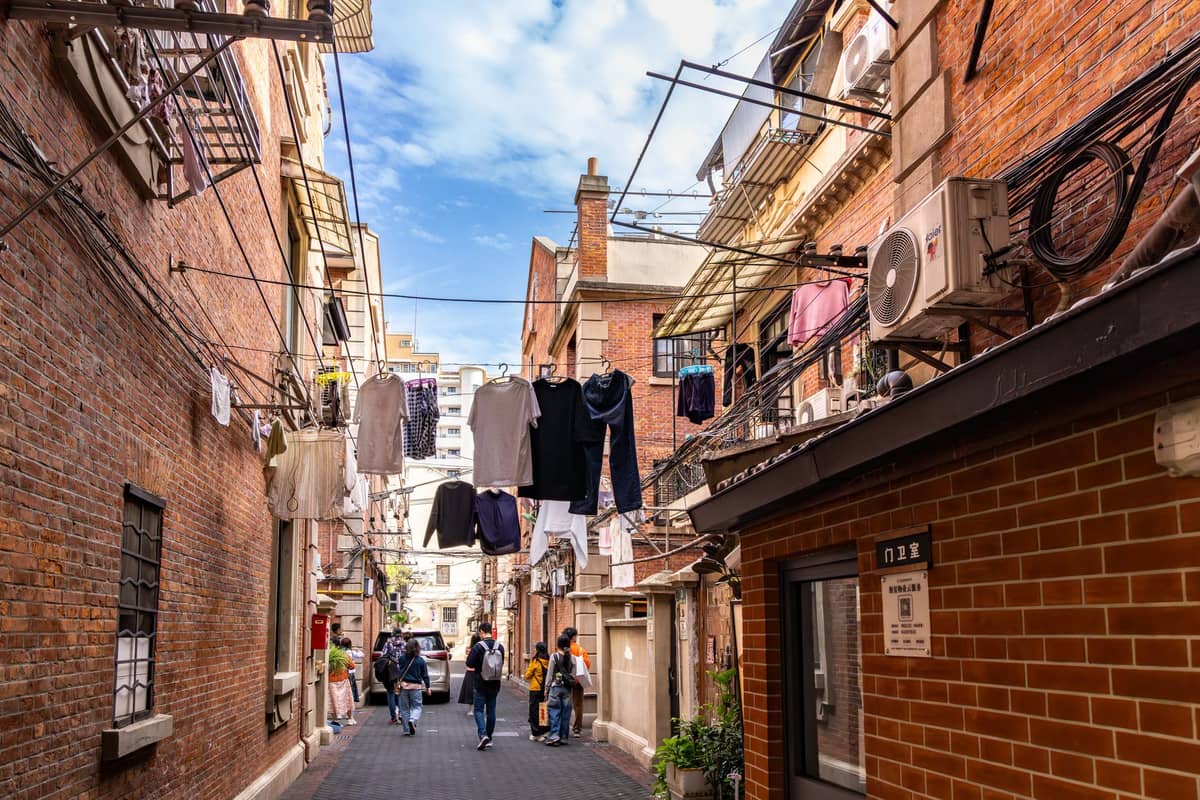
The best way to understand Shanghai's layers is on foot, moving through residential streets rather than between landmarks. The best self-guided walks in Shanghai covers routes in detail, but the four areas below stand out for travellers specifically looking to escape the tourist current.
8. Photograph the Most Beautiful Curved Street in Shanghai
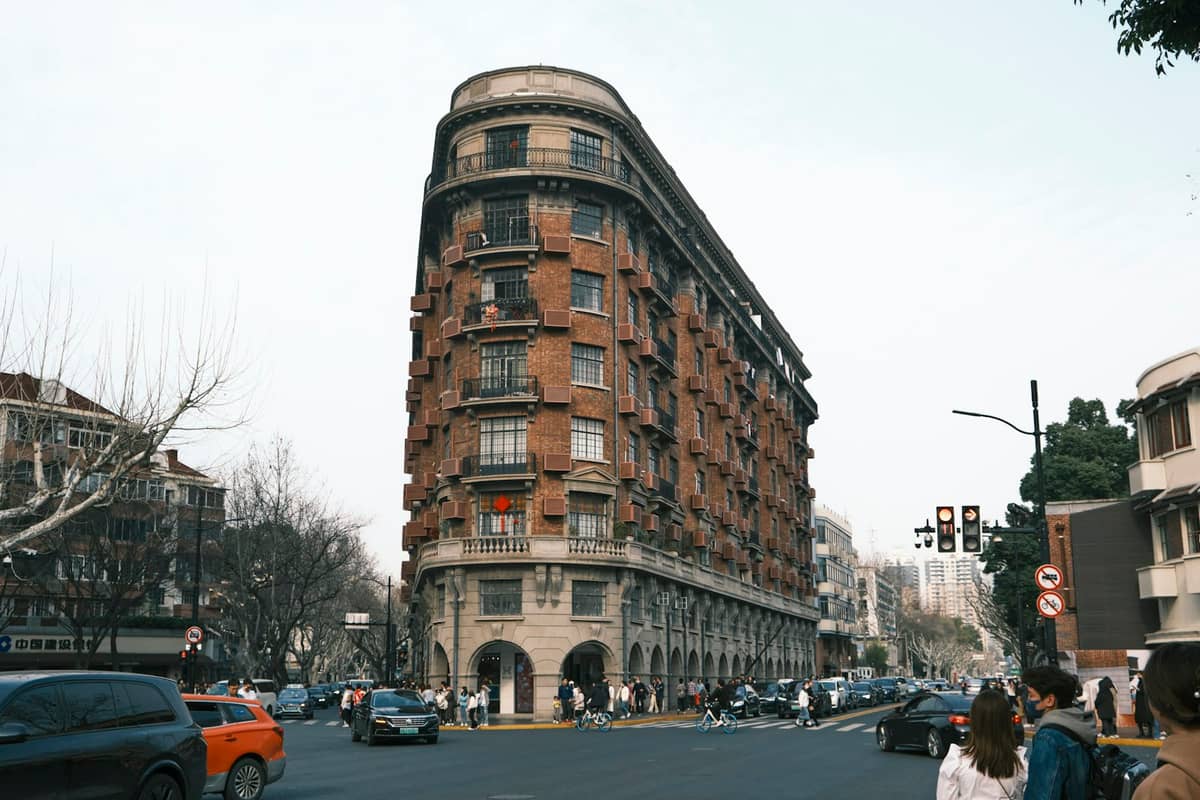
A single curved block in the French Concession lined with Art Deco villas, plane trees, and independent cafés. The Wukang Mansion at the northern tip draws the crowds; walking south toward Fuxing West Road is quieter and equally rewarding.
Explore8. Photograph the Most Beautiful Curved Street in Shanghai
A single curved block in the French Concession lined with Art Deco villas, plane trees, and independent cafés. The Wukang Mansion at the northern tip draws the crowds; walking south toward Fuxing West Road is quieter and equally rewarding.
Explore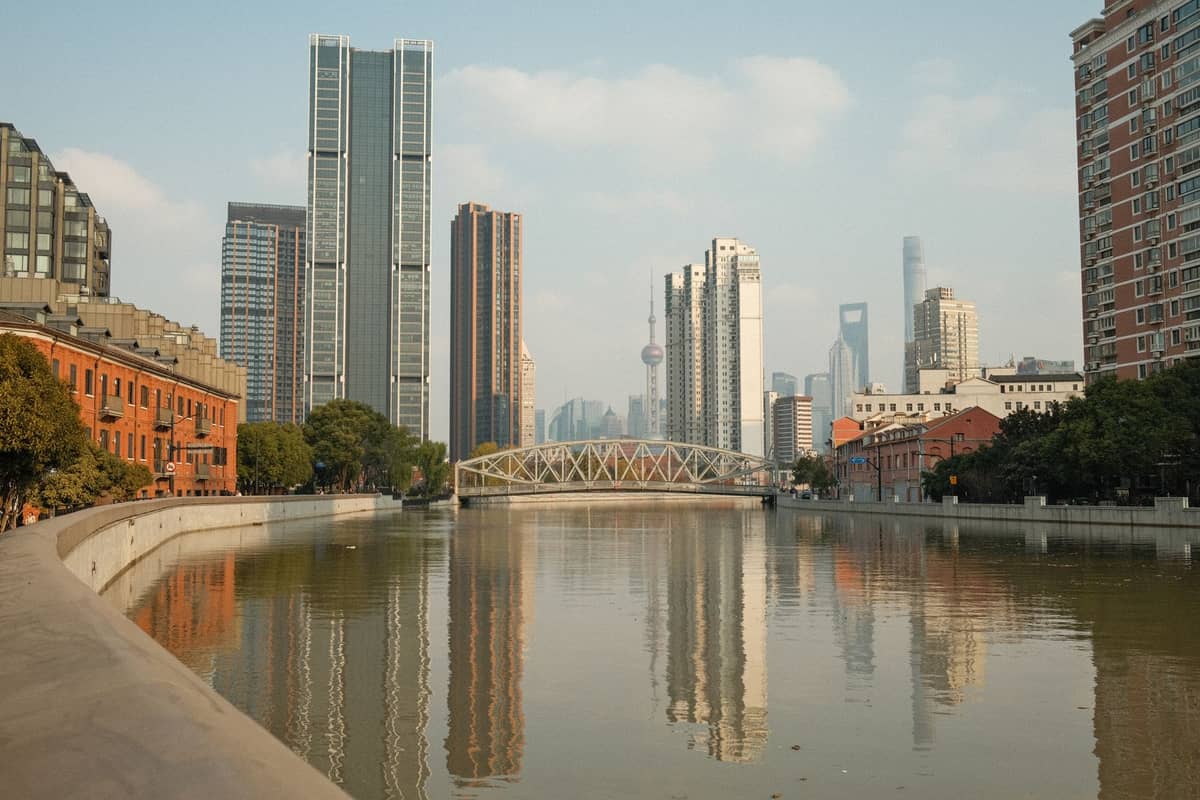
9. Follow Suzhou Creek Through Shanghai's Industrial Past
A self-guided riverside walk connecting M50, the North Bund, and old warehouse districts along Suzhou Creek. Heritage iron bridges, converted factories, and emerging art spaces line the route, and most of it remains genuinely uncrowded.
Explore9. Follow Suzhou Creek Through Shanghai's Industrial Past
A self-guided riverside walk connecting M50, the North Bund, and old warehouse districts along Suzhou Creek. Heritage iron bridges, converted factories, and emerging art spaces line the route, and most of it remains genuinely uncrowded.
Explore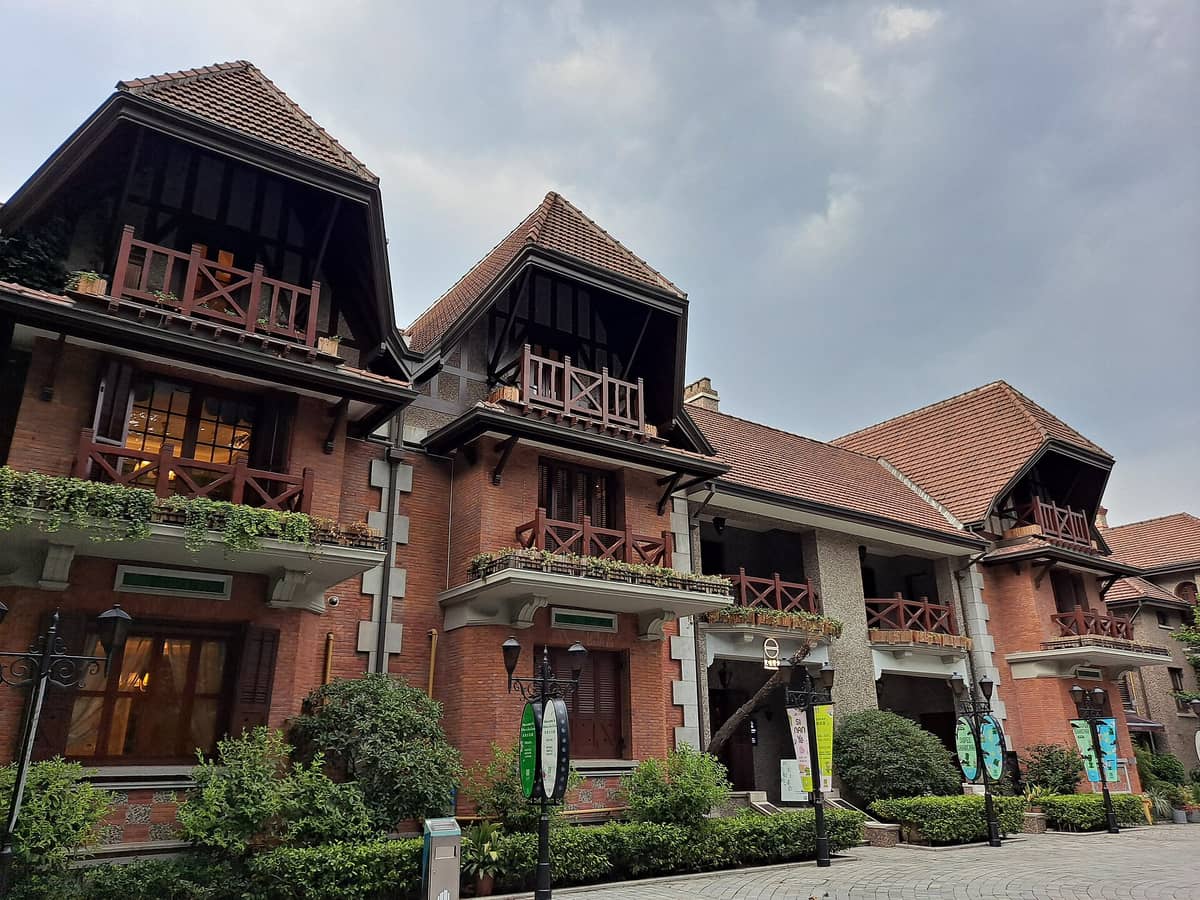
10. Wander Through a Restored Villa Complex Once Home to Sun Yat-sen
Fifty-one French Concession villas converted into restaurants, boutiques, and cultural venues around quiet garden courtyards. Sinan Mansions is far less visited than nearby Xintiandi and far more atmospheric for an afternoon walk.
Explore10. Wander Through a Restored Villa Complex Once Home to Sun Yat-sen
Fifty-one French Concession villas converted into restaurants, boutiques, and cultural venues around quiet garden courtyards. Sinan Mansions is far less visited than nearby Xintiandi and far more atmospheric for an afternoon walk.
Explore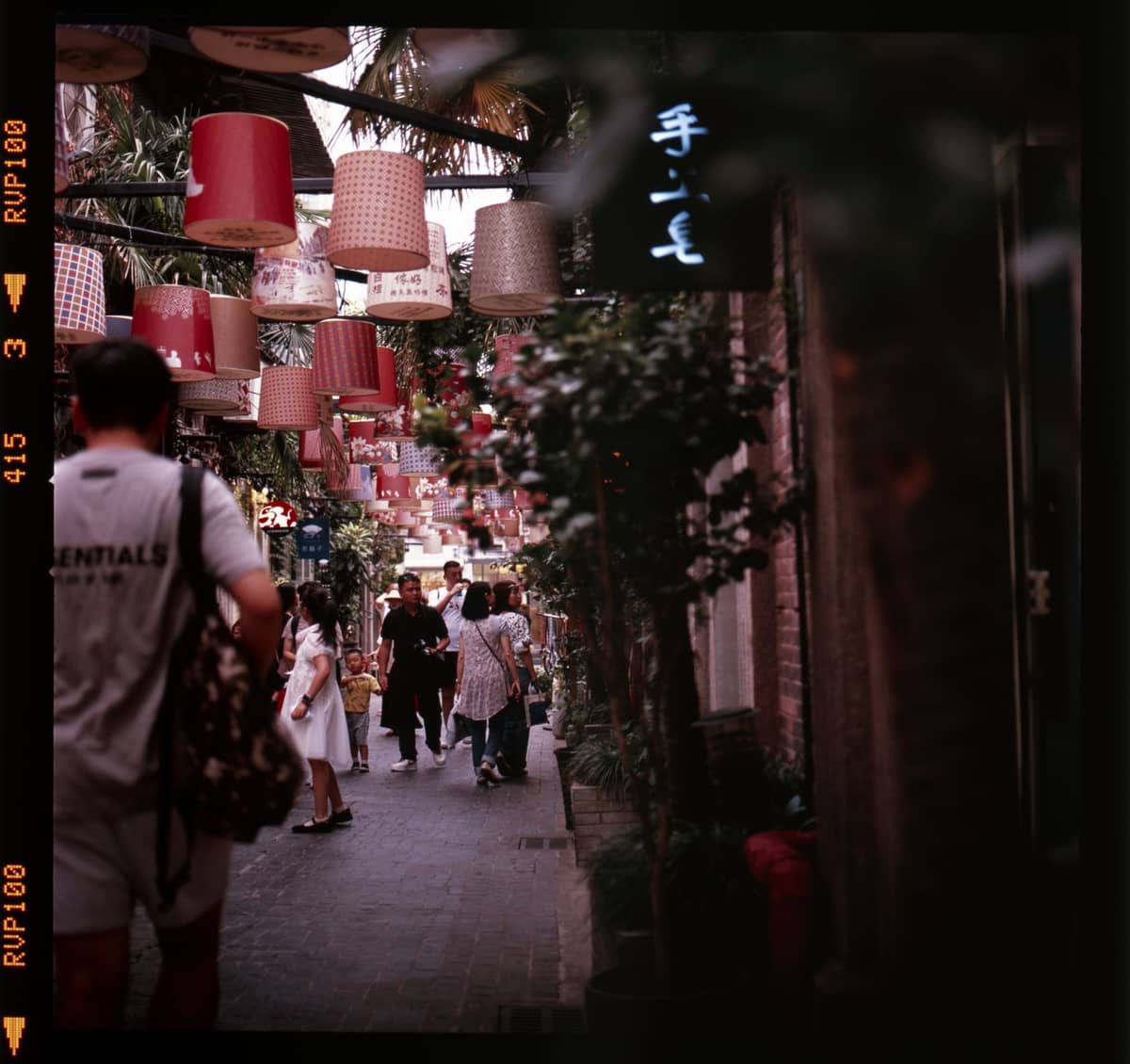
11. Lose Yourself in the Shikumen Laneways of Tianzifang
Narrow converted laneways in the French Concession packed with independent craft studios, art spaces, and small cafés. Go on a weekday morning before 10:00 to experience it before the weekend crowds transform it into something far less charming.
Explore11. Lose Yourself in the Shikumen Laneways of Tianzifang
Narrow converted laneways in the French Concession packed with independent craft studios, art spaces, and small cafés. Go on a weekday morning before 10:00 to experience it before the weekend crowds transform it into something far less charming.
ExploreMuseums You Won't Find on Every Itinerary
Shanghai has several dozen museums, but most visitors only reach three or four. The sites below are consistently underrated relative to their quality and relevance. For a broader overview of the city's museum landscape, the best museums in Shanghai guide is the place to start.
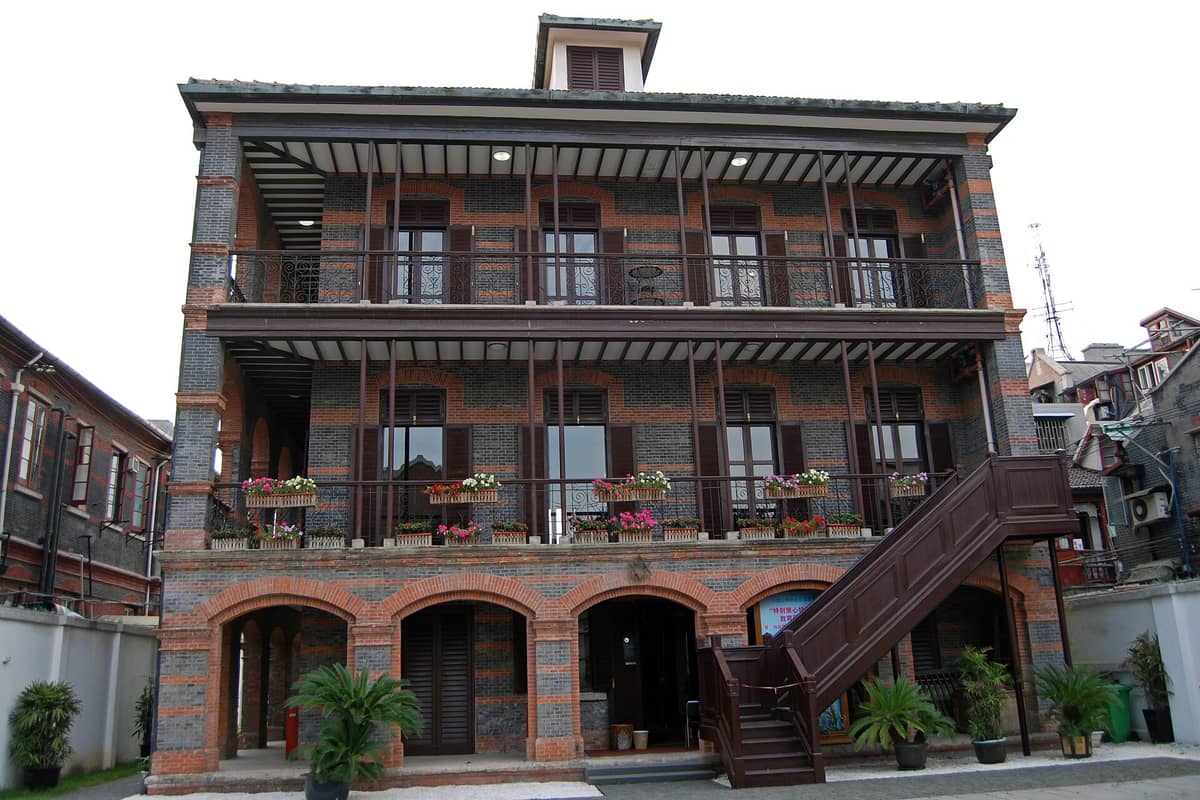
12. Visit One of Asia's Most Significant Holocaust-Related Sites
Set in Hongkou's restored Ohel Moshe Synagogue, this museum documents the stories of 20,000 Jewish refugees who escaped Nazi Europe to Shanghai between 1933 and 1941. The personal testimonies and photographs make it deeply moving and historically essential.
Explore12. Visit One of Asia's Most Significant Holocaust-Related Sites
Set in Hongkou's restored Ohel Moshe Synagogue, this museum documents the stories of 20,000 Jewish refugees who escaped Nazi Europe to Shanghai between 1933 and 1941. The personal testimonies and photographs make it deeply moving and historically essential.
Explore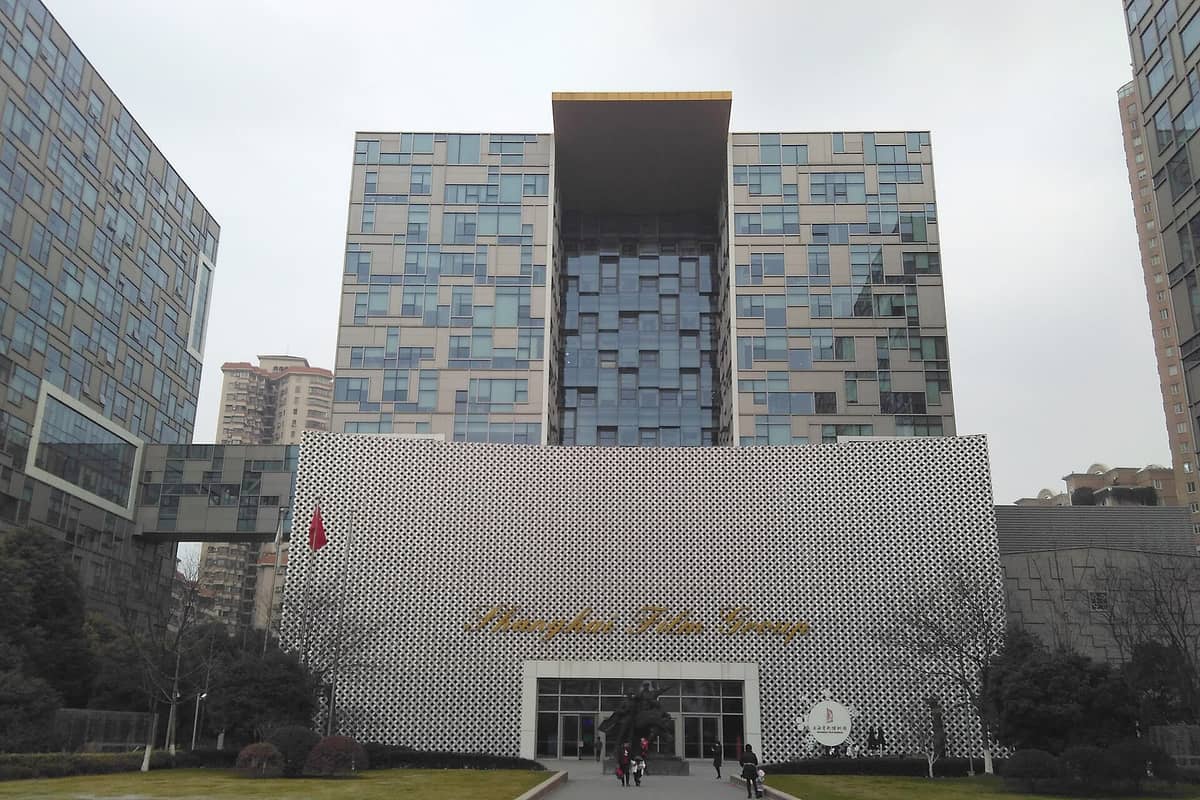
13. Step Into a Reconstructed 1930s Shanghai Film Set
Built inside the former Shanghai Film Studio in Xuhui, this museum traces Chinese cinema history with original props, production archives, and a faithful recreation of a 1930s Shanghai street used for period shoots. Consistently underrated and rarely crowded.
Explore13. Step Into a Reconstructed 1930s Shanghai Film Set
Built inside the former Shanghai Film Studio in Xuhui, this museum traces Chinese cinema history with original props, production archives, and a faithful recreation of a 1930s Shanghai street used for period shoots. Consistently underrated and rarely crowded.
Explore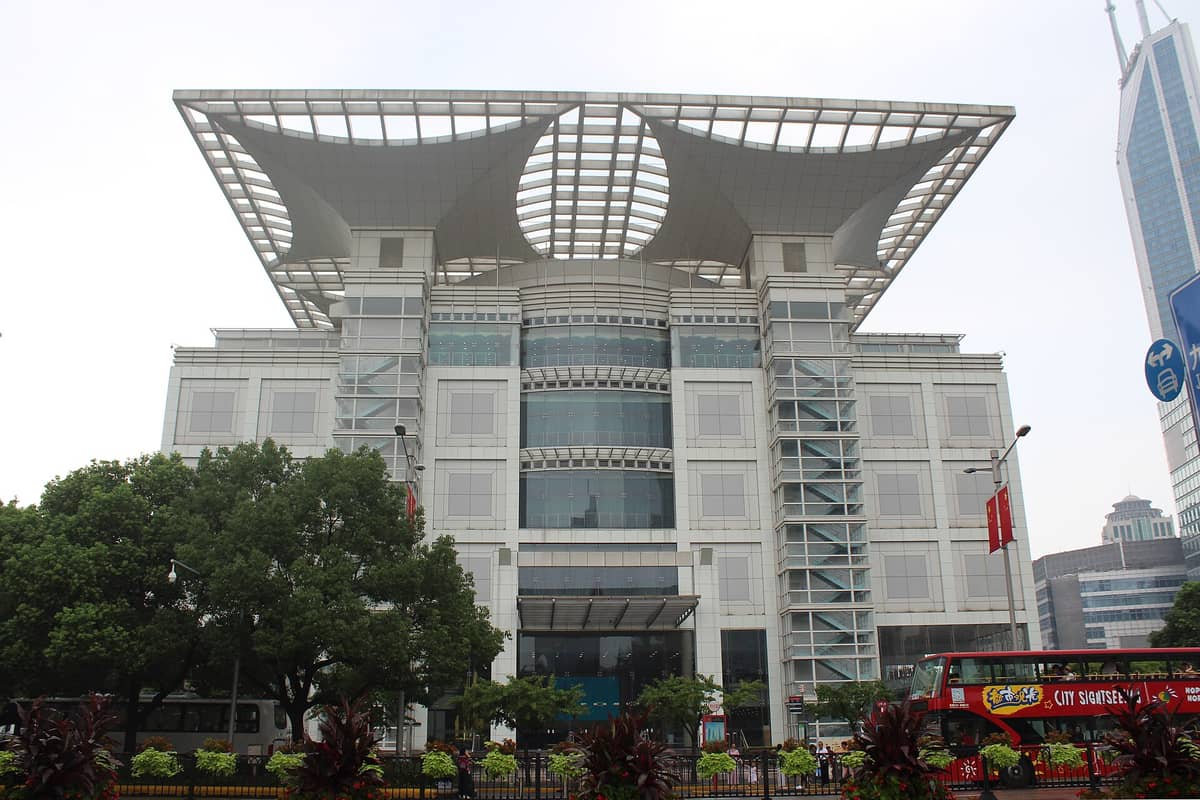
14. See the Entire City Laid Out as a Giant Scale Model
On People's Square, a museum dedicated entirely to Shanghai's urban development features a room-sized scale model of the whole city, detailed enough to locate your hotel. It is one of the most unusual and genuinely fascinating museums in China.
Explore14. See the Entire City Laid Out as a Giant Scale Model
On People's Square, a museum dedicated entirely to Shanghai's urban development features a room-sized scale model of the whole city, detailed enough to locate your hotel. It is one of the most unusual and genuinely fascinating museums in China.
Explore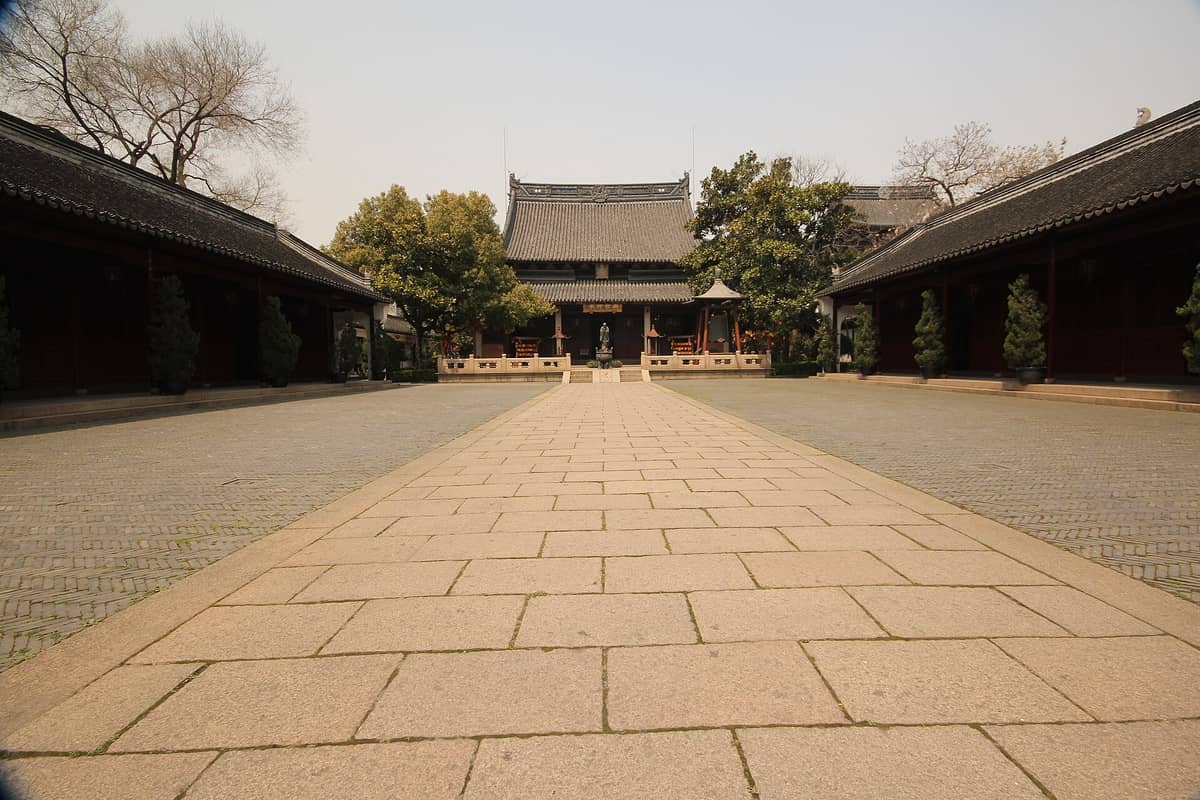
15. Browse the Weekend Antique Market at the Confucian Temple
Shanghai's Confucian temple in Old Town is peaceful and rarely busy, but its real draw is the weekend market in the courtyard, where dealers sell antique books, coins, Mao-era memorabilia, and old photographs at negotiable prices.
Explore15. Browse the Weekend Antique Market at the Confucian Temple
Shanghai's Confucian temple in Old Town is peaceful and rarely busy, but its real draw is the weekend market in the courtyard, where dealers sell antique books, coins, Mao-era memorabilia, and old photographs at negotiable prices.
ExploreNature Escapes & Day Trips Beyond the City
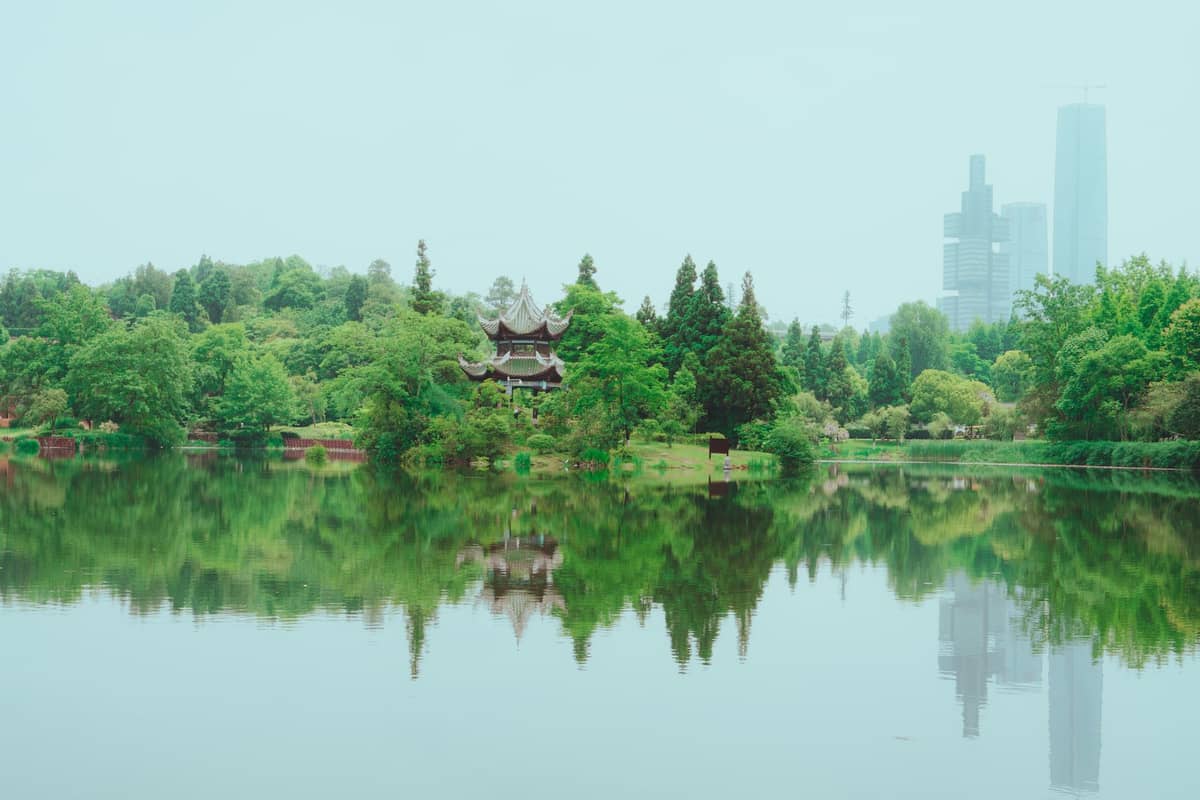
Shanghai's flat, densely built urban fabric makes genuine nature feel like a genuine reward when you find it. For those planning longer excursions, the day trips from Shanghai guide covers the full range of options, including high-speed rail connections to Suzhou and Hangzhou.
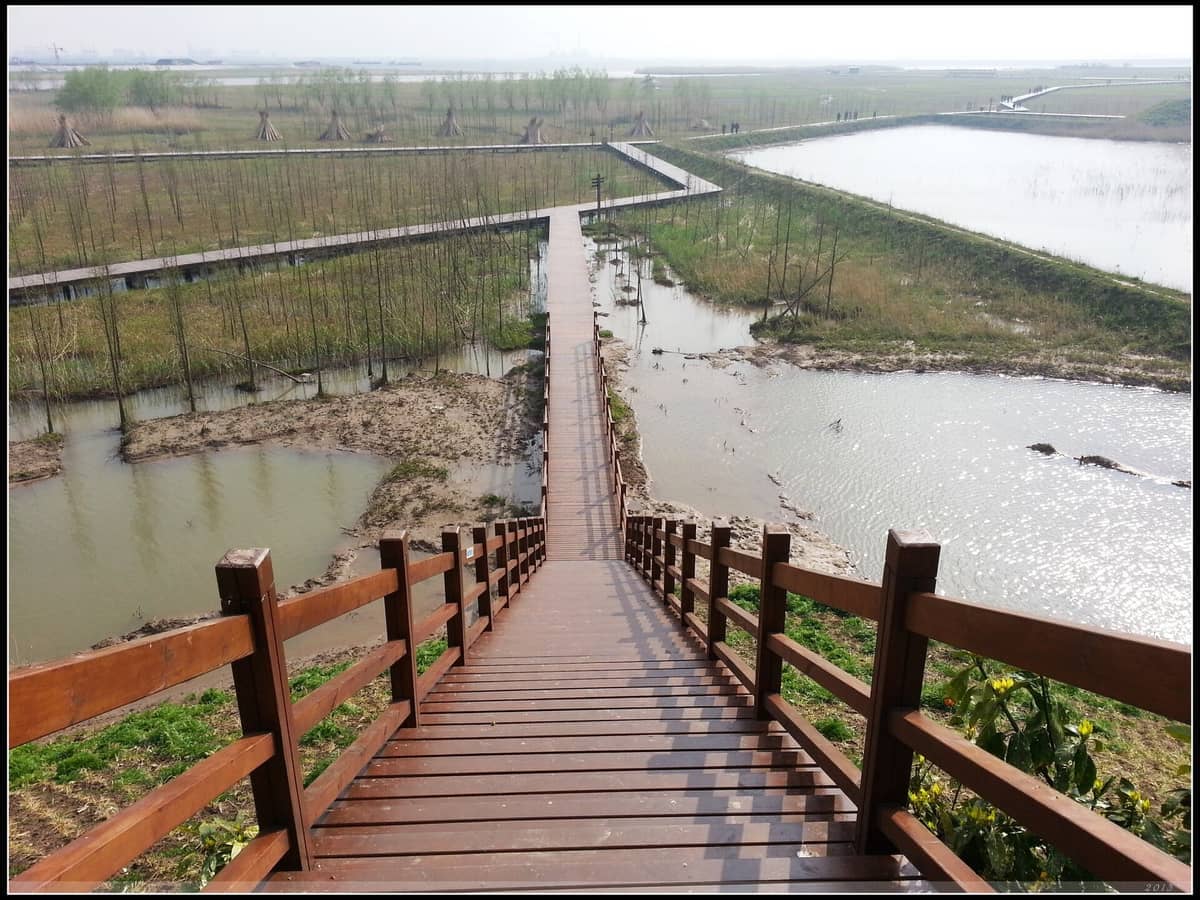
16. Cycle Through Wetlands on Shanghai's Quiet Yangtze Island
A large alluvial island at the Yangtze's mouth, accessible by tunnel and bridge, with cycling routes through wetland reserves and organic farms. It operates at a pace entirely unlike the city, and most visitors to Shanghai never go at all.
Explore16. Cycle Through Wetlands on Shanghai's Quiet Yangtze Island
A large alluvial island at the Yangtze's mouth, accessible by tunnel and bridge, with cycling routes through wetland reserves and organic farms. It operates at a pace entirely unlike the city, and most visitors to Shanghai never go at all.
Explore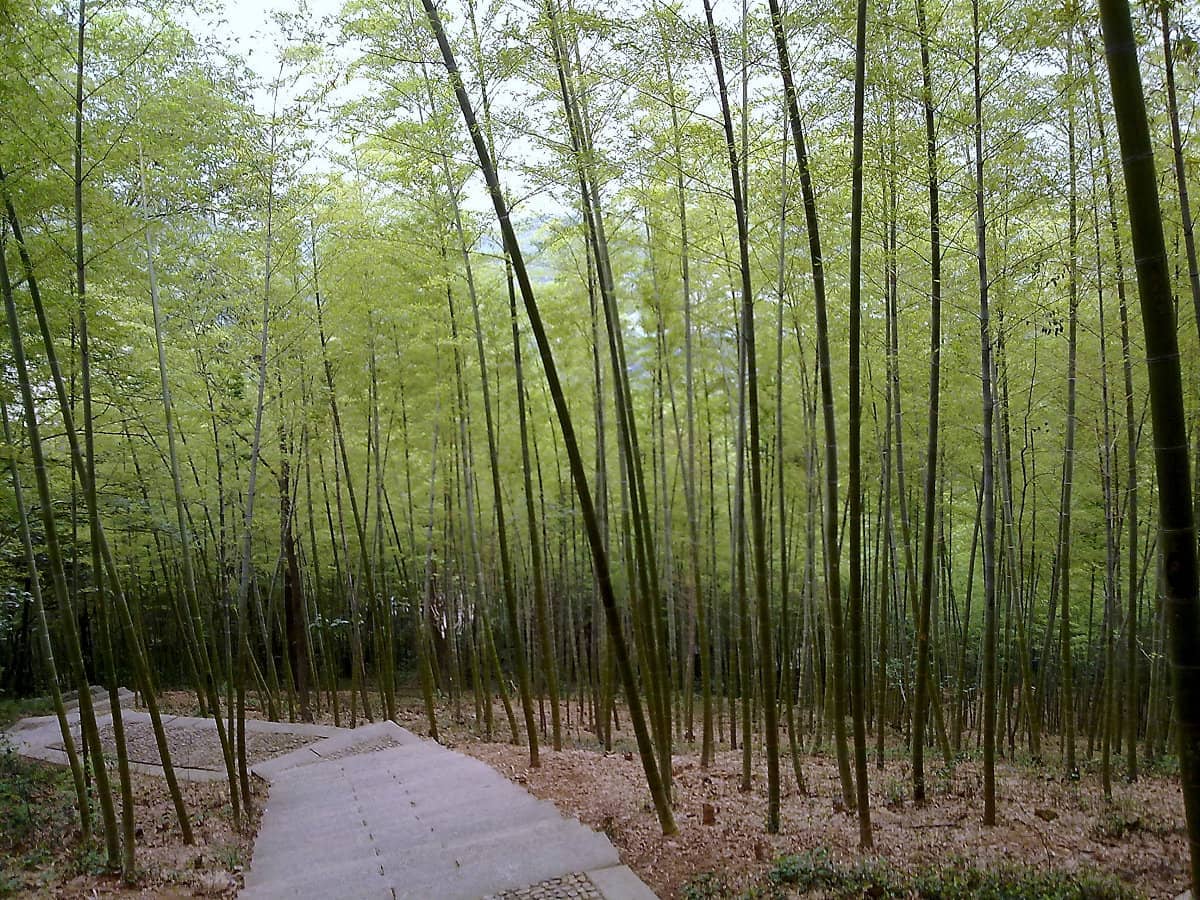
17. Hike Shanghai's Only Natural Hill to a Catholic Pilgrimage Church
Southwest of the city, Sheshan is the only natural hill in Shanghai municipality, topped by a 19th-century Catholic basilica and an observatory. The forest trails are genuinely peaceful and the panoramic views over the flat Shanghai plain are unexpectedly rewarding.
Explore17. Hike Shanghai's Only Natural Hill to a Catholic Pilgrimage Church
Southwest of the city, Sheshan is the only natural hill in Shanghai municipality, topped by a 19th-century Catholic basilica and an observatory. The forest trails are genuinely peaceful and the panoramic views over the flat Shanghai plain are unexpectedly rewarding.
Explore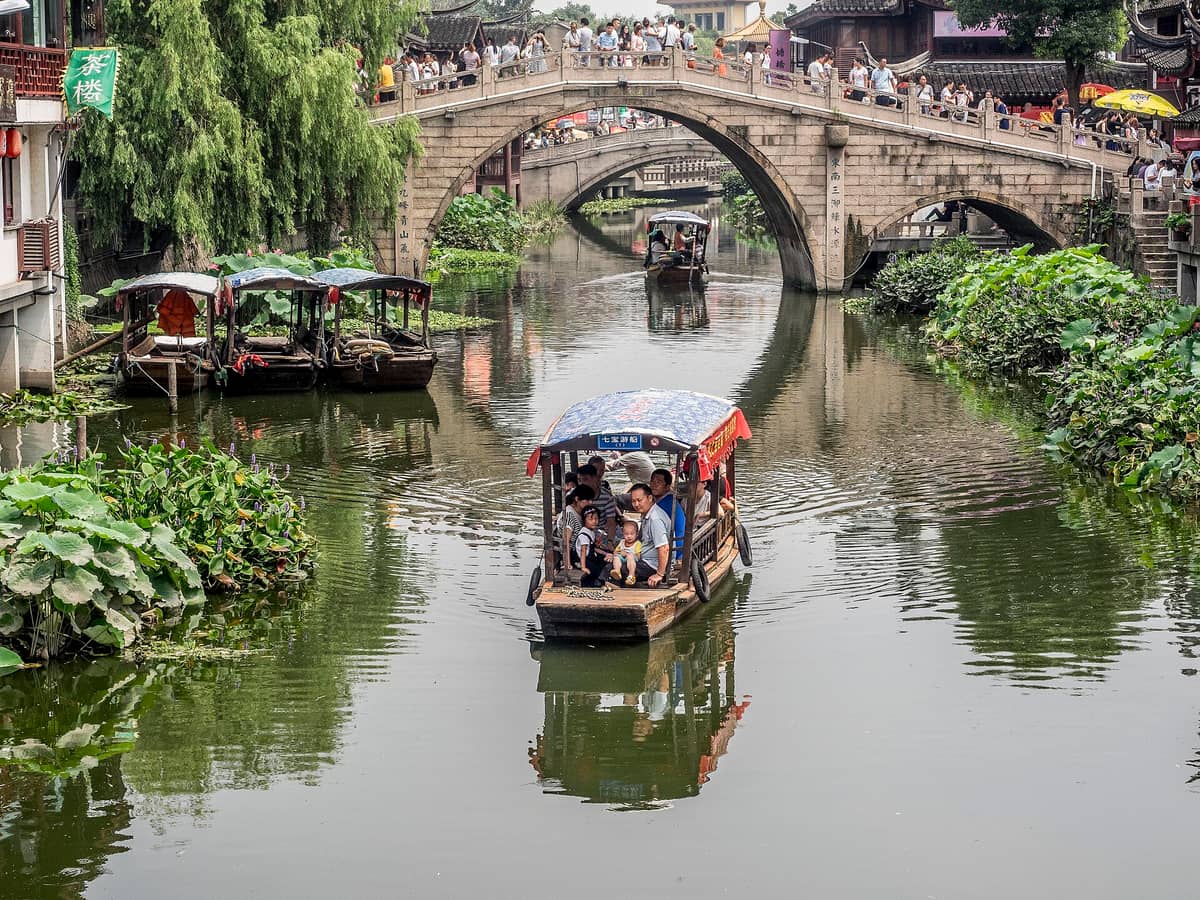
18. Reach a Song-Dynasty Canal Town by Metro in 30 Minutes
Qibao is technically inside Shanghai's city limits, reachable on Line 9 in under 30 minutes. Its canal temples, traditional snack stalls, and antique market are compact enough to cover in two hours before the weekend crowds arrive after noon.
Explore18. Reach a Song-Dynasty Canal Town by Metro in 30 Minutes
Qibao is technically inside Shanghai's city limits, reachable on Line 9 in under 30 minutes. Its canal temples, traditional snack stalls, and antique market are compact enough to cover in two hours before the weekend crowds arrive after noon.
Explore✨ Pro tip
For nearly every site in this guide, a weekday morning visit is significantly better than a weekend afternoon. Shanghai's weekend crowds are large and fast-moving, and many of the best off-the-beaten-path spots lose their character when busy.
FAQ
Are Shanghai's hidden-gem attractions free to enter?
Many are. Entry to 1933 Old Millfun, the Suzhou Creek walk, Wukang Road, Sinan Mansions, and the M50 complex itself costs nothing. The Shanghai Propaganda Poster Art Centre and Shanghai Film Museum charge modest fees (typically around ¥20–¥60). Always verify current prices on official sites before visiting, as admission policies change.
How do I get to M50 Creative Park and 1933 Old Millfun by metro?
For M50 at 50 Moganshan Road, take Line 13 to Jiangning Road Station and walk about 10 minutes north along Moganshan Road. For 1933 Old Millfun in Hongkou, take Line 4 or Line 12 to Hailun Road Station and walk roughly 10 minutes east. Both trips are straightforward and well-signed.
Which hidden gems in Shanghai are best for photography?
Wukang Road is the most photogenic street, especially in the early morning with low light filtering through the plane trees. 1933 Old Millfun's spiralling concrete ramps photograph dramatically at any time of day. The West Bund riverfront near the Long Museum offers skyline shots from an angle almost no one uses. For a full overview of the city's best camera spots, see the best photo spots in Shanghai guide.
Is Chongming Island easy to visit as a day trip from central Shanghai?
Yes. The Yangtze River Tunnel and Bridge allows direct bus and private vehicle access, and several metro and bus combinations connect central Shanghai to the island. and several metro and bus combinations connect central Shanghai to the island. A full day is ideal for cycling the wetland reserve. Organise transport the night before and aim to arrive early, as the island is large and public connections between sites can be infrequent.
When is the best time of year to explore Shanghai's off-the-beaten-path neighbourhoods?
April to May and October to November are the most comfortable periods for long neighbourhood walks, with mild temperatures and lower humidity than summer. Summer heat above 32°C can make outdoor exploration draining, and the June–July plum rain season brings persistent drizzle. Spring and autumn are also when the French Concession's plane trees look their best.