Shanghai Safety Tips & Scams to Avoid: A Practical 2026 Guide
Shanghai is one of Asia's safest major cities for tourists, but petty theft, overcharging, and a handful of persistent scams do catch visitors off guard. This guide breaks down exactly what to watch for, how to get around safely, and what to do if something goes wrong.
Plan and book this trip
Tools from our partner Travelpayouts help you compare flights and hotels. If you book through them, we may earn a commission at no extra cost to you.
Flights
Hotels map
TL;DR
- Shanghai has a low violent crime rate, but tourist-targeted scams involving tea houses, art galleries, and fake 'English students' are common in high-traffic areas.
- Always use metered taxis from official stands or Didi ride-hailing rather than accepting flat fares from street solicitors near the Bund or train stations.
- Metro Line 2 is the safest and cheapest way from Pudong Airport (PVG) to central Shanghai, costing around ¥7–10. See our guide on getting around Shanghai for full transport options.
- If someone approaches you on the street to practice English, visit a bar, or see a gallery, walk away. These are reliable signs of a scam, not genuine hospitality.
- Emergency numbers: Police 110, Medical 120, Fire 119.
How Safe Is Shanghai for Tourists?
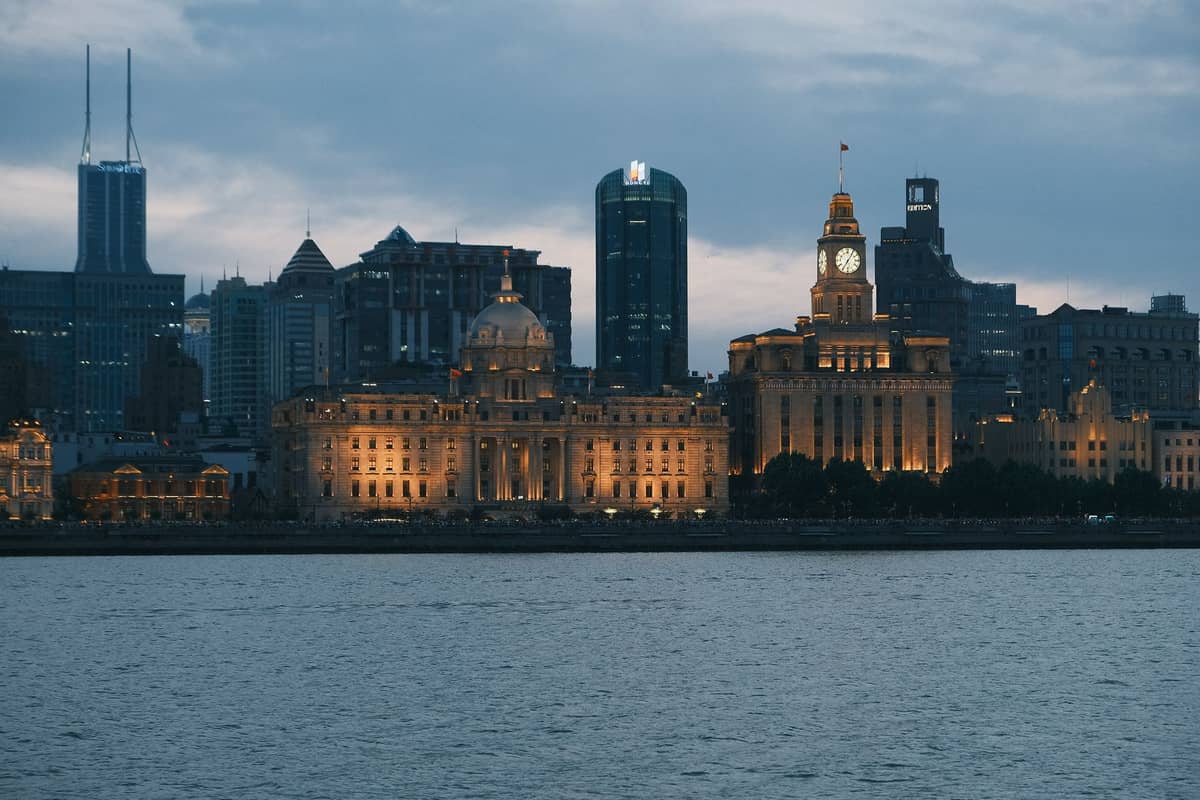
Shanghai is a municipality of 24.85 million permanent residents and one of China's most internationally connected cities. By most measures, it ranks among the safer major urban destinations in Asia. Violent crime targeting tourists is rare. The streets are monitored by extensive CCTV networks, police presence is high in tourist zones, and public transport is generally well-managed and reliable.
That said, the city is not scam-free. The risks that do exist are concentrated in specific tourist areas and follow predictable patterns. Most incidents involving foreign visitors fall into three categories: social engineering scams (the tea ceremony con, the art gallery trick, the 'English student' approach), overcharging in unofficial transport, and opportunistic petty theft in crowded spaces. None of these require a sophisticated criminal. They work because they exploit politeness, curiosity, and unfamiliarity with local pricing.
ℹ️ Good to know
Shanghai is not a dangerous city by global standards, but complacency is its own risk. Visitors who assume they are too savvy to be scammed are often the ones who end up paying ¥800 for a 'traditional tea ceremony' they didn't ask for.
The Most Common Scams in Shanghai
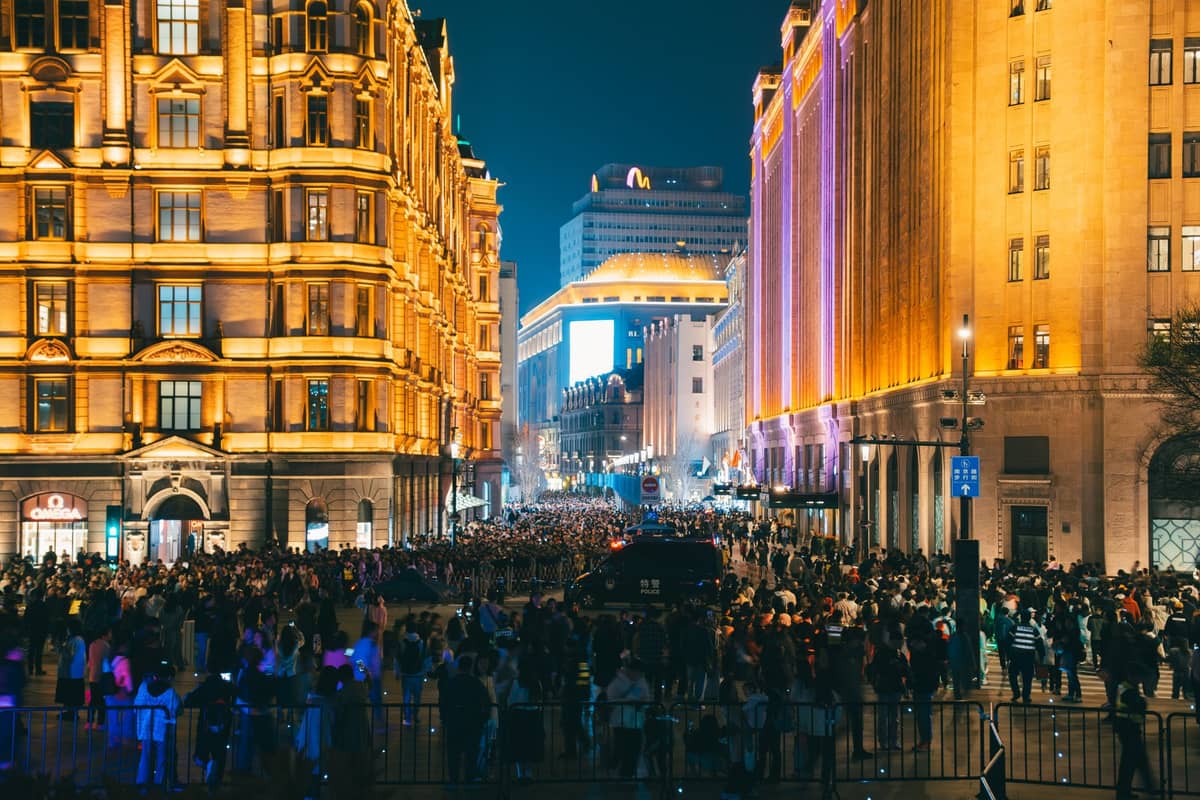
The following scams are well-documented and still active. They tend to cluster around the Bund promenade, Nanjing Road, Yu Garden, and major transport hubs where tourist foot traffic is highest.
- The Tea Ceremony Scam Two friendly locals (often a man and a woman posing as students or young professionals) strike up a conversation, invite you to join them at a 'traditional tea house nearby', and then disappear when the bill arrives — leaving you with charges of ¥500–2,000. The tea house is in on it. This is the single most reported tourist scam in Shanghai.
- The Art Gallery / Student Exhibition Scam Someone claiming to be an art student invites you to see their graduation exhibition or gallery show. Once inside, high-pressure tactics push you toward buying overpriced prints or paintings. The 'student' earns a commission and the art is worth a fraction of the asking price.
- The 'Practice English' Approach A stranger (usually young, often near tourist attractions) asks to practice English with you, then gradually steers the conversation toward suggesting a bar, restaurant, or activity where you will be overcharged. The venue is always 'just around the corner'.
- Fake or Unlicensed Taxis Outside airports, train stations, and major attractions, unofficial drivers offer flat-rate rides that seem convenient. Fares are often two to four times the metered rate, and in some cases luggage has been held until the passenger pays the demanded amount.
- The Rickshaw Overcharge Cycle rickshaw drivers near Yu Garden and the Old Town area sometimes agree on a fare in vague terms ('just a small amount'), then demand ¥100–300 at the destination. Always agree on an explicit price in writing or skip it entirely.
- Gem or Jade Investment Scam Often elaborate and targeted at business travelers, this involves strangers offering to share 'insider knowledge' about buying gems or jade cheaply that can be resold at high profit abroad. The items are fakes or near-worthless.
⚠️ What to skip
The key rule: if a stranger approaches you unprompted near a tourist site and invites you somewhere, decline immediately and walk away. A firm, polite 'No thank you' is enough. You do not need to engage, explain, or argue. Scammers rely on your unwillingness to seem rude.
Transport Safety and Avoiding Overcharging
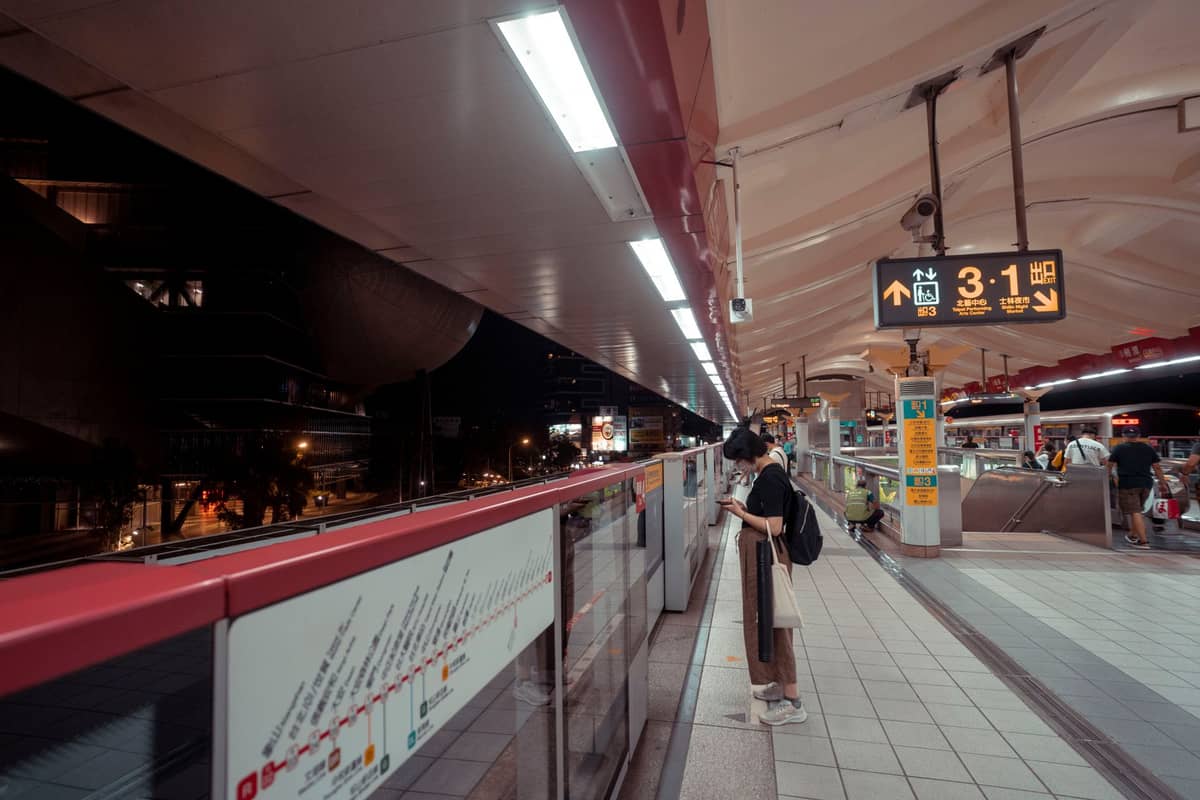
Getting around Shanghai safely starts with knowing which transport options are legitimate. The city's metro system is the gold standard for price transparency and reliability. The Maglev trainThe Maglev from Pudong Airport to Longyang Road station takes about 7–8 minutes at ¥50 (or ¥40 with a same-day boarding pass), after which you can connect to the metro network. Metro Line 2 runs the full airport-to-city route for approximately ¥7–10 in around 60–75 minutes. Both options are safe, staffed, and have no negotiation involved.
For taxis, only take vehicles from official metered taxi ranks, identifiable by their consistent color schemes and roof-mounted meters visible from outside. The starting flag-fall is around ¥14, and a trip from Pudong Airport to central areas like People's Square or the Bund typically costs ¥150–250 depending on traffic and time of day, plus highway tolls of roughly ¥15–20. Always insist the meter runs from the start of the journey.
Didi Chuxing, China's dominant ride-hailing app, is a reliable alternative. Fares are comparable to metered taxis, the route is GPS-tracked, and the price is set before you get in the vehicle. Setting up Didi requires a China-compatible mobile number and a payment method (WeChat Pay or Alipay). It is worth configuring before you arrive, as the app interface can be confusing when you are tired from a long-haul flight.
✨ Pro tip
Shanghai's Airport Link Line connects Hongqiao and Pudong airports directly, with fares ranging from ¥4 to ¥26 depending on distance. If you have a connecting flight between the two airports, this is far cheaper and more predictable than a taxi. If you have a connecting flight between the two airports, this is far cheaper and more predictable than a taxi.
- Never accept a ride from someone who approaches you inside the arrivals hall at PVG or SHA — these are almost always unlicensed.
- Exit the airport and use the official taxi rank with queuing lines and staff supervision.
- Rickshaws and electric scooter taxis near Yu Garden are not metered — agree on a price before boarding and consider avoiding them entirely.
- Show your destination written in Chinese characters on your phone if there is a language barrier with the driver.
- Screenshot your Didi booking details so you have the driver's name, plate number, and agreed fare saved.
Petty Theft and Personal Security
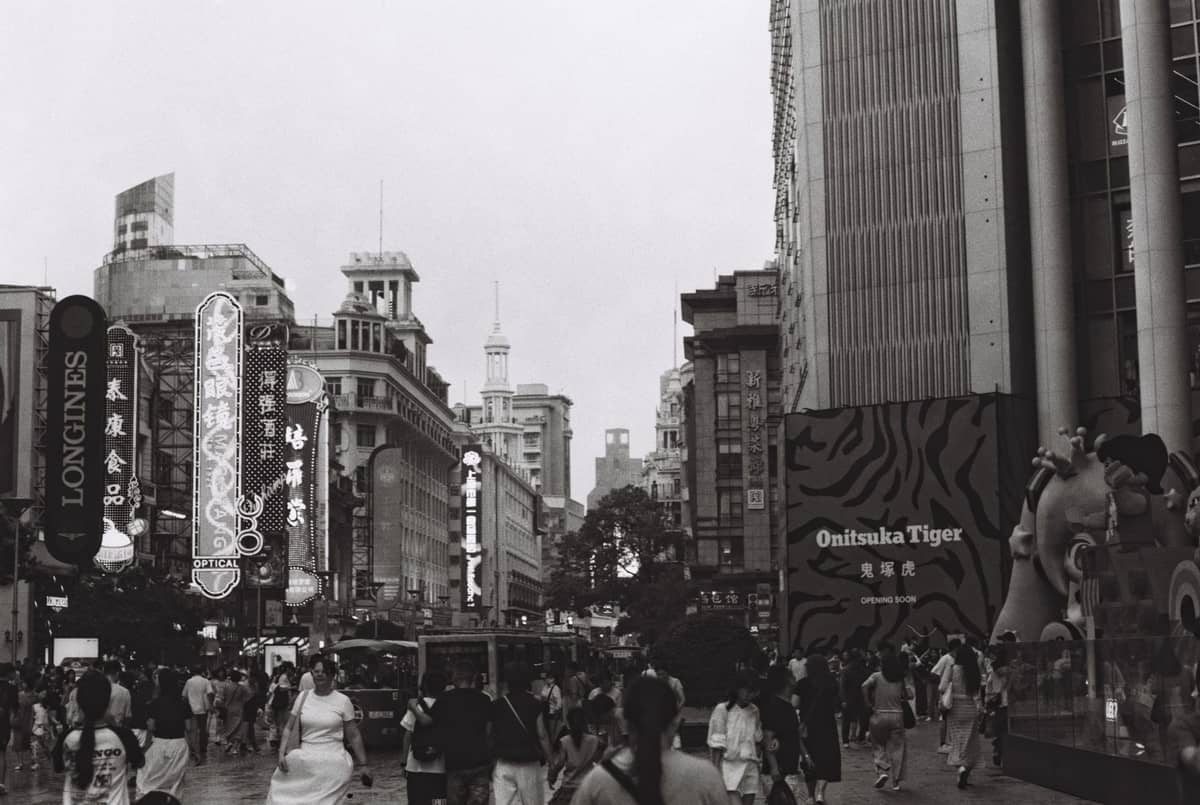
Pickpocketing and bag snatching occur in crowded tourist areas, particularly along Nanjing Road Pedestrian Street and around Yu Garden and the Yuyuan Bazaar. The classic technique involves distraction: one person bumps into you or draws your attention while another takes your phone or wallet. Crowded subway cars during peak hours (7:30–9:00am and 5:30–7:30pm) are also low-effort opportunities for opportunistic theft.
Practical measures reduce risk significantly. Keep your phone in a front pocket or a zipped bag compartment. Do not place your phone face-down on restaurant tables where it can be swept up quickly. Avoid pulling out large amounts of cash in public. A money belt or an interior zipped pocket is useful if you are carrying a passport or significant cash. Most transactions in Shanghai can now be handled via WeChat Pay or Alipay, which reduces the need to carry cash at all.
Tap water in Shanghai is treated to national standards but is generally not recommended for drinking without boiling first. Most visitors and residents use bottled or filtered water. Tap water in Shanghai is treated to national standards but is generally not recommended for drinking without boiling first. Most visitors and residents use bottled or filtered water. Bottles are widely available and cost around ¥2–4 at convenience stores.
Digital Safety and Internet Access
China maintains internet restrictions that block many commonly used foreign platforms including Google, Facebook, Instagram, WhatsApp, and most Western news sites. This is not a safety issue in the conventional sense, but it is a significant practical concern that catches many visitors unprepared. If you need access to these services, research your options before departure — China's regulations on internet circumvention tools are specific and subject to change, so verify current rules from authoritative sources before traveling.
For navigation, Baidu Maps works well in Chinese but has limited English interface. Apple Maps functions inside China with reasonably accurate data for Shanghai. For communication, domestic apps like WeChat are essential — most locals use WeChat for messaging, payments, and even restaurant bookings. Setting up WeChat and linking a payment method before arrival makes daily life considerably easier. You can find practical advice in our Shanghai travel tips guide.
Emergency Information and What to Do If Something Goes Wrong
Shanghai's emergency numbers follow the national system: Police 110, Medical Emergency 120, Fire 119, Traffic Accidents 122. These lines are available 24 hours. Shanghai's emergency numbers follow the national system: Police 110, Medical Emergency 120, Fire 119, Traffic Accidents 122. These lines are available 24 hours. In tourist-heavy areas, police kiosks near major attractions can assist with basic issues including scam complaints and lost documents.
If you are caught in a scam situation, particularly if you feel pressured to pay an inflated bill, you can ask to call the police (110) or insist on contacting your consulate. Scammers operating in tourist zones are aware of legal consequences and often back down when the police are mentioned. Your country's embassy or consulate in Shanghai can assist with lost passports and serious emergencies. Register with your national travel advisory system before departure if one is available. For broader context on planning a safe and smooth trip, the things to do in Shanghai guide covers major attractions with tips on which areas require extra attention.
- Police (all emergencies): 110
- Medical Emergency: 120
- Fire: 119
- Traffic Accidents: 122
- China country dialing code (for international calls in): +86
- Tourist Complaint Hotline (Shanghai): 962020
💡 Local tip
Before your trip, photograph your passport, visa, and travel insurance documents and store them in cloud storage you can access from any device. If your passport is lost or stolen, having digital copies significantly speeds up the consular replacement process.
Practical Safety Checklist Before and During Your Visit
A little preparation removes most of the friction. Shanghai rewards travelers who arrive knowing the basics: how payments work, how the metro is structured, and which areas to be alert in. For first-time visitors, pairing this safety knowledge with a solid itinerary helps. Our 3-day Shanghai itinerary routes you through the main neighborhoods in a logical order that also happens to minimize unnecessary exposure to high-scam zones by keeping you oriented and purposeful.
- Before departure Verify current visa requirements with China's National Immigration Administration. Check your country's travel advisory for Shanghai. Set up WeChat and a payment method if possible. Download an offline map of Shanghai. Photograph all important documents.
- At the airport Use only official taxi ranks or pre-booked Didi. Ignore anyone approaching you in the arrivals hall offering rides or 'help'. The metro and Maglev are the cheapest and most transparent options.
- On the street Decline all unsolicited invitations from strangers near tourist sites. Keep valuables in front pockets or secured bags. Don't display cash or phones unnecessarily in crowded areas.
- Eating and drinking Stick to restaurants with visible menus and posted prices. If no prices are displayed, ask before ordering. Tap water is safe for washing but use bottled or boiled water for drinking.
- In an emergency Call 110 for police, 120 for medical assistance. Police kiosks near major attractions can help with tourist issues. Contact your consulate for passport or serious legal matters.
For visitors spending time in the Former French Concession or the Bund area, both neighborhoods are generally safe at night with good lighting and regular police presence. The Bund promenade draws large crowds on weekends and during national holidays — this is when pickpocket risk is at its highest, so adjust your vigilance accordingly.
FAQ
Is Shanghai safe for solo female travelers?
Generally yes. Shanghai has low rates of violent crime and solo female travelers report fewer incidents here than in many comparable global cities. Standard precautions apply: avoid poorly lit areas at night, use official or app-based transport rather than street-hailed taxis, and be assertive if approached by persistent strangers. The metro is well-staffed and considered safe at most hours.
What should I do if I'm pressured into paying an inflated bill at a tea house or bar?
Remain calm and ask to see an itemized bill. If the amounts are clearly fraudulent, you can state that you will call the police (110) or ask staff to call them on your behalf. Many of these operations fold quickly when police involvement is raised. Do not pay a large sum under duress if you can avoid it. Report the incident at the nearest police station and note the address of the establishment.
Is it safe to use ATMs in Shanghai?
ATMs from major banks in bank branches and shopping malls are generally safe. Avoid standalone ATMs in remote or poorly lit locations. Card skimming is less common than in some other destinations but not unknown. Notify your bank before travel that you will be using your card in China, and use ATMs during business hours when possible. Avoid standalone ATMs in remote or poorly lit locations. Card skimming is less common than in some other destinations but not unknown. Notify your bank before travel that you will be using your card in China, and use ATMs during business hours when possible.
Can I drink tap water in Shanghai?
Shanghai's tap water is treated to national standards, but the general advice — followed by most local residents — is not to drink it directly without boiling. Bottled water is cheap (¥2–4 at convenience stores) and widely available. Hotels provide either bottled water or kettles for boiling.
Do I need travel insurance for Shanghai?
Travel insurance is strongly recommended. Medical costs in Shanghai's international-standard hospitals can be substantial for foreigners without coverage. Ensure your policy covers emergency medical treatment, medical evacuation, and theft. Keep digital copies of your insurance documents accessible from your phone or cloud storage.