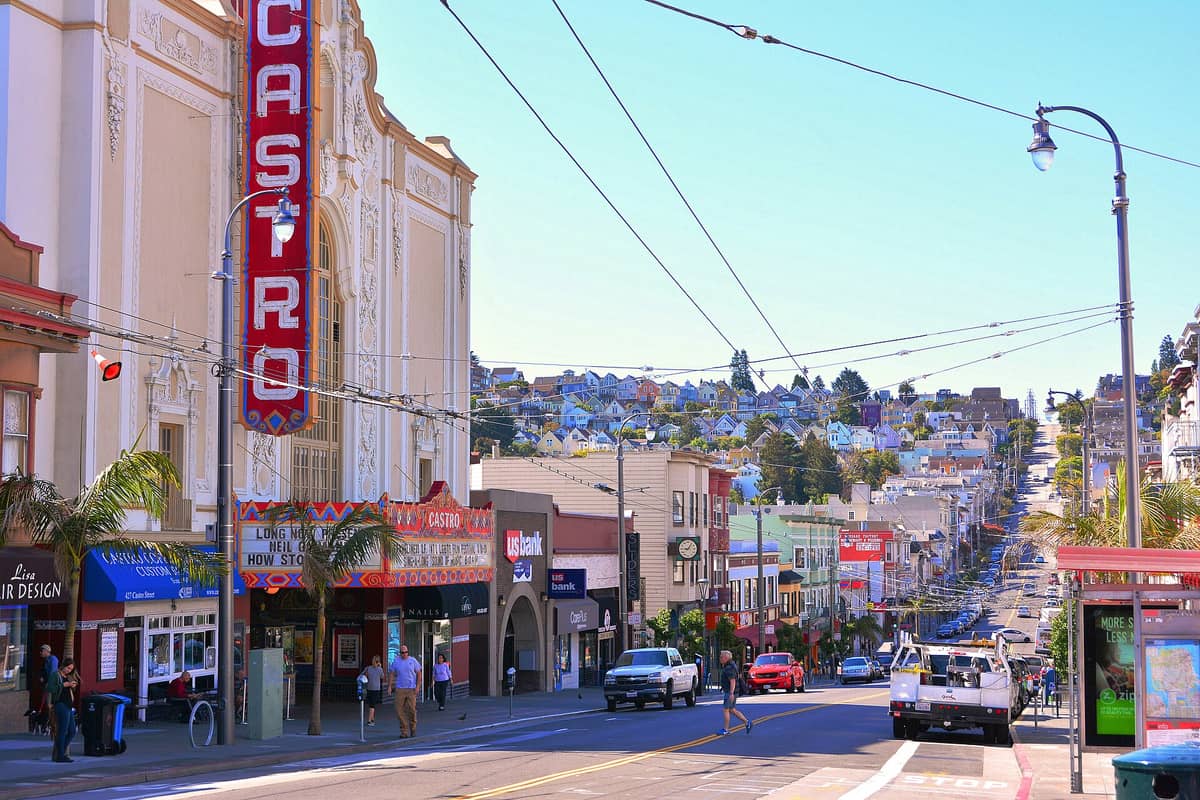
The Castro is San Francisco's most historically significant LGBTQ+ neighborhood, centered on Castro Street between Market and 19th. Equal parts living monument and working commercial district, it combines landmark institutions, independent businesses, and a genuine community identity that has outlasted decades of change.
The Castro is where San Francisco's LGBTQ+ history was made and where it continues to be lived. Centered on the corner of Castro and 18th Street, this compact neighborhood is simultaneously a political landmark, a commercial strip, and a close-knit community with real staying power.
Orientation
The Castro occupies a shallow valley below Twin Peaks, roughly 2 miles southwest of Union Square. The neighborhood's official name is Eureka Valley, but that term appears almost nowhere in daily use. Everyone calls it the Castro, after the street that forms its spine.
The core commercial corridor runs along Castro Street from Market Street south to 19th Street, with a secondary commercial stretch along 18th Street between Sanchez and Eureka. The broader residential district extends outward in all directions: the Mission District lies to the east, Noe Valley to the south, Twin Peaks to the west, and Haight-Ashbury to the north. These are walkable neighbors, not distant ones. You can reach the edge of Dolores Park in about ten minutes on foot heading east down 18th Street.
The neighborhood's position on San Francisco's street grid matters. Market Street, the city's main diagonal artery, cuts through the northern edge of the Castro. This means the neighborhood connects directly to downtown's transit spine without requiring a transfer. For first-time visitors building a mental map of the city, the Castro is a good reference point: it sits between the residential western neighborhoods and the denser, more tourist-heavy areas closer to the bay. The San Francisco neighborhoods guide gives useful context on how the Castro fits into the wider city layout.
Character & Atmosphere
Mornings in the Castro are quieter than you might expect from a neighborhood with this kind of reputation. The coffee shops along Castro Street fill up early with locals who actually live here, not just people passing through. The light at this hour is soft and angled, cutting through the Victorian and Edwardian facades that line the residential streets climbing up toward Twin Peaks. The storefronts are unhurried. The neighborhood feels genuinely inhabited.
By mid-afternoon, the energy shifts. Tourists arrive in numbers, drawn by Harvey Milk Plaza and the Castro Theatre marquee. The sidewalks on Castro Street narrow effectively as foot traffic builds. Rainbow flags hang from storefronts and light poles year-round, not just during Pride season. The visual grammar of the street is immediately legible: this is a neighborhood that has been making an identity statement for decades and has no interest in toning it down.
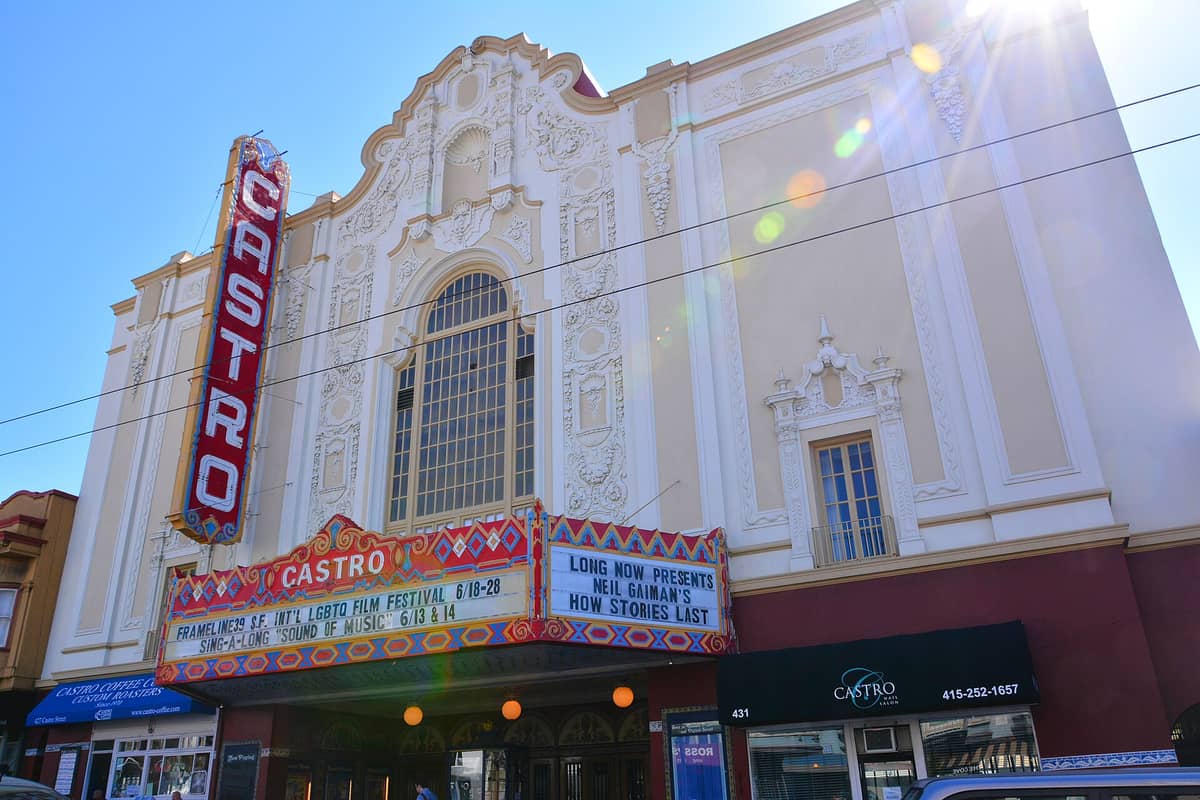
Evenings bring a different crowd, and the stretch from 18th Street down to Market becomes properly lively after 8 pm. The bars open in earnest, the Castro Theatre's neon sign glows against the darkening sky, and the intersection of Castro and 18th, sometimes called the Crossroads of the Gay World, earns that label in a way that feels earned rather than self-congratulatory. Weekend nights are louder and more crowded; midweek evenings retain more of the neighborhood's local character.
It is worth being honest about what the Castro is today versus what it was. Gentrification and rising rents have changed the demographics over the past two decades. Some longtime LGBTQ+ residents and businesses have relocated or closed. The neighborhood remains a genuine community anchor, but it is also a tourist destination, and on weekend afternoons those two things can pull in opposite directions. Visitors should come with some awareness of that tension.
ℹ️ Good to know
The Castro is not just a bar district. It has a functioning neighborhood life: dry cleaners, pharmacies, dog parks, and community organizations. Walking the side streets off Castro and 18th gives a more complete picture than staying on the main commercial strip.
What to See & Do
The Castro Theatre is the neighborhood's single most important landmark and one of the finest surviving movie palaces in California. Built in 1922 and designed by Timothy Pflueger in a Spanish Colonial Revival style, it seats around 1,400 people and has operated continuously as a cinema and events venue. The ornate interior, complete with a Wurlitzer organ that rises from the pit before screenings, is worth seeing regardless of what's showing. Check the programming before your visit: the Castro shows repertory films, hosts film festivals, and runs live events that no multiplex ever could.
Harvey Milk Plaza sits at the corner of Market and Castro, at the entrance to the Muni Metro station. The plaza includes a large rainbow flag and commemorates Harvey Milk, who operated a camera shop on Castro Street and became the first openly gay elected official in California when he joined the San Francisco Board of Supervisors in 1978. His assassination later that year, alongside Mayor George Moscone, was a defining moment in both local and national LGBTQ+ history. The plaza is small but carries a weight that larger memorials often lack.
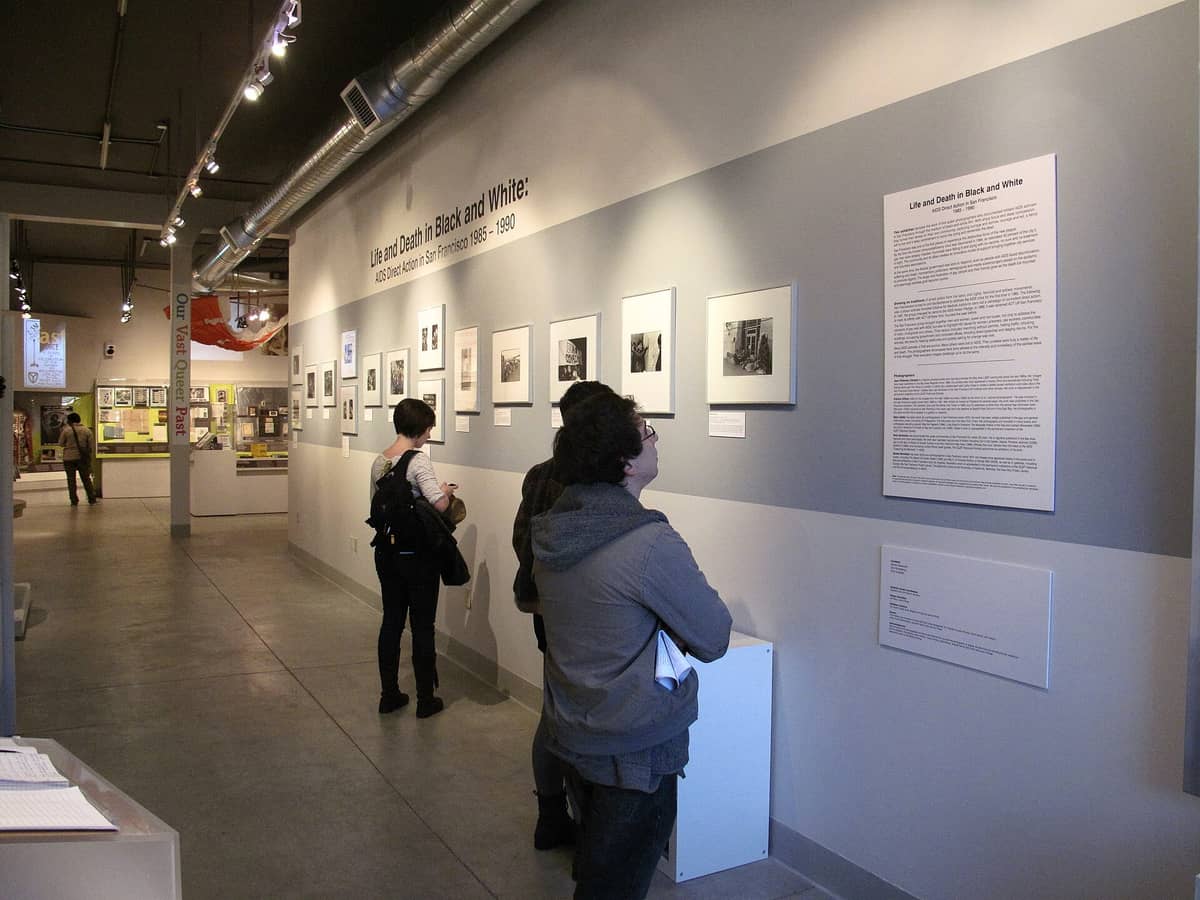
The GLBT Historical Society Museum on 18th Street is the most substantive cultural institution in the neighborhood. Its permanent collection documents LGBTQ+ life in San Francisco from the mid-20th century forward, including materials related to Harvey Milk, the AIDS crisis, and the community organizations that shaped the Castro's political identity. It is small but carefully curated and should not be skipped by anyone genuinely interested in understanding what the neighborhood means.
A ten-minute walk east down 18th Street brings you to Dolores Park, which functions as the Castro's outdoor living room. The park's northeast corner, sometimes called the gay beach in local parlance, is a gathering spot on sunny days. The park also has views back toward downtown and the bay, decent food trucks along the Dolores Street border, and playgrounds at the south end for families.
Castro Theatre: historic movie palace, live events and repertory screenings
Harvey Milk Plaza: memorial and community gathering point at Market and Castro
GLBT Historical Society Museum: the neighborhood's primary cultural archive
Dolores Park: open green space, views, and community life a short walk east
Twin Peaks: the hills immediately west offer panoramic city views and a short hike from the neighborhood's edge
💡 Local tip
For views over the city, walk or take the 37 Corbett bus up to Twin Peaks Boulevard. The summit is only about a mile from Castro Street and gives a clear orientation to the whole city on any afternoon with decent visibility. September and October tend to offer the clearest skies.
Eating & Drinking
The Castro's food scene has improved substantially over the past decade and now covers a wider range than its bar-centric reputation might suggest. The concentration of restaurants is highest along Castro Street and on 18th Street between Castro and Sanchez. Prices run from affordable to mid-range, with very few places tipping into genuinely expensive territory.
Brunch is serious business here. Weekend mornings see lines forming outside several spots along 18th Street, and the wait times are real rather than performative. Coffee culture is well-established, with independent cafes that do not feel like they need to compete with the chains by volume alone. Weekday mornings are the right time to enjoy them without the weekend crowd.
For dinner, the neighborhood offers a mix of American comfort food, Italian, Mexican, and a few spots with more ambitious menus. The stretch of Market Street closer to Church and Sanchez has a slightly more neighborhood-local character than the main Castro Street corridor. If you want to eat somewhere that feels less curated for visitors, walking one block off the main strip usually solves that problem.
The bar scene is what draws people from across the city and beyond. The Castro has a concentrated cluster of LGBTQ+ bars ranging from dive bars with pool tables and cheap beer to cocktail lounges with more polished interiors. Most are on Castro Street itself, with a few on 18th. They tend to open in the late afternoon and stay open until 2 am, California's legal last call. Cover charges, if any, are typically low or nonexistent outside of special events.
⚠️ What to skip
Weekend nights around Castro and 18th can get genuinely crowded and loud, particularly near the bar cluster. If you are staying in the neighborhood and sensitive to noise, request a room on a side street rather than directly on Castro or Market.
Getting There & Around
The Castro is one of San Francisco's best-served neighborhoods for public transit. The Castro Muni Metro Station, at the corner of Market and Castro, provides underground light rail service on the K, L, and M lines, connecting directly to Civic Center, Powell Street, Montgomery, and Embarcadero stations along Market Street. From Powell Street, you are a short walk from Union Square. The trip from Castro to Civic Center takes roughly five minutes by train.
The F Market and Wharves historic streetcar line also runs along Market Street with stops near Castro, connecting the neighborhood all the way to the Ferry Building and Fisherman's Wharf. It is slower than the underground Metro but provides a surface-level view of the city and passes through SoMa and the Financial District. The guide to getting around San Francisco covers the full Muni system in more detail.
Several Muni bus routes serve the neighborhood directly. The 24 Divisadero connects north toward Pacific Heights and Japantown. The 33 Ashbury-18th Street runs east toward the Mission. The 37 Corbett climbs west toward Twin Peaks and Cole Valley. For most visitors, the Metro station at Castro will cover the majority of transit needs.
Walking is practical for reaching nearby neighborhoods. Haight-Ashbury is about 15 minutes north on foot via Clayton or Divisadero. The Mission District's main commercial strip on Valencia Street is roughly 20 minutes east on 18th Street. Noe Valley's 24th Street commercial area is about 15 minutes south. The Castro's position makes it a natural base for exploring several adjacent neighborhoods on foot.
There is no BART station in the Castro. The nearest BART stations are at 16th Street Mission and 24th Street Mission, both in the Mission District and reachable in about 15 to 20 minutes on foot or 5 minutes by Muni bus. This is worth knowing if you are arriving from the East Bay or heading to the airport, where BART is the most practical option.
Where to Stay
The Castro has a small but functional selection of accommodation options. Boutique hotels and guesthouses are the dominant format here; there are no large chain hotels on Castro Street itself, which shapes the experience considerably. Most properties are in converted Victorian or Edwardian buildings, meaning rooms can be compact and street noise is a real factor on the main corridor. For a broader look at accommodation options across San Francisco, the where to stay in San Francisco guide covers the full range.
Staying in the Castro makes the most sense if you have a specific interest in the neighborhood's character and community life, or if you are visiting during Pride season (typically late June) when the area becomes the center of city-wide events. It is also a reasonable base for anyone wanting easy walking access to the Mission and Noe Valley alongside the Castro's own amenities.
The side streets off the main commercial strip, particularly heading west toward Clayton and Noe Streets, are quieter and still within easy walking distance of everything the neighborhood offers. If you are a light sleeper and planning a weekend stay, this distinction matters. Accommodation on or immediately adjacent to Castro and 18th will be louder on Friday and Saturday nights.
ℹ️ Good to know
Pride weekend in late June transforms the Castro and the surrounding streets completely. Hotels in the neighborhood and nearby areas book months in advance and prices rise significantly. If you are visiting specifically for Pride, plan accommodation well ahead. If you are visiting for reasons unrelated to Pride, it is worth being aware of the scale of the event before finalizing dates.
Know Before You Go
The Castro is a welcoming neighborhood by both reputation and practice, but it is not without the complications that come with being a historic district in an expensive city. Some longtime residents and community organizations have expressed concern about the loss of LGBTQ+-specific businesses and the displacement of lower-income community members over the years. These conversations are ongoing and visible if you spend any time reading local sources or talking to people who have lived here for decades.
From a practical safety standpoint, the Castro is split between two SFPD precincts: Mission Station covers the area south of Market Street and Park Station covers the area north of Market. As with any active nightlife district in San Francisco, staying aware of your surroundings after dark is sensible, though the neighborhood is not considered high-risk for visitors. For general orientation on navigating the city safely, the San Francisco safety tips guide is a practical resource.
The Castro sits at roughly 100 feet elevation at the Market Street end, with the streets climbing sharply toward Twin Peaks to the west. If you are walking from the Muni station up Castro Street, the gradient is gentle. If you try to walk west along 19th Street toward Eureka or States Street, it becomes significantly steeper. San Francisco's hills are not decorative; wear practical footwear.
TL;DR
The Castro is San Francisco's historic LGBTQ+ neighborhood, centered on Castro Street and the Market Street junction, with genuine community institutions alongside tourist-facing attractions.
Best for travelers with an interest in LGBTQ+ history and culture, those who want a walkable neighborhood base close to the Mission and Haight-Ashbury, and anyone looking for a concentrated nightlife scene with character.
The Castro Theatre and the GLBT Historical Society Museum are the two institutions that reward the most attention; Harvey Milk Plaza is a meaningful stop for anyone interested in the city's political history.
Transit access is excellent via the Castro Muni Metro Station on Market Street, with direct underground connections to downtown in under ten minutes.
Not ideal for travelers who prioritize quiet evenings, who want large hotel infrastructure, or who prefer strictly tourist-oriented districts. Weekend nights are loud on the main strip.
San Francisco's beaches are unlike anywhere else in California. Cold water, dramatic fog, and powerful Pacific surf define the city's coastline, but the scenery is extraordinary. This guide covers the best beaches in San Francisco for sunset walks, surfing, coastal hikes, and day trips beyond the city.
San Francisco packs an unusually deep museum scene for a city of its size. This guide covers the city's finest institutions across art, science, history, and culture, with practical tips on pricing, free days, and how to plan your visit.
San Francisco's climate defies expectations. Summer is foggy and cool, fall is surprisingly warm, and winter can be a genuine bargain. This guide breaks down every season so you can pick the right time for your trip, your budget, and your tolerance for Karl the Fog.
San Francisco is one of the most visually dramatic cities in America, built on hills that frame the bay, the bridges, and the Pacific at every turn. This guide covers the best viewpoints in the city and beyond, from free hilltop parks to lesser-known coastal perches that most visitors never find.
San Francisco sits at the gateway to one of the most varied day-trip landscapes in America. Within two hours you can be walking among thousand-year-old redwoods, tasting Cabernet in Napa, hiking coastal bluffs in Point Reyes, or exploring a former federal prison on a rocky bay island.
San Francisco is one of America's most spectacular cities, and you don't need a big budget to experience it. From iconic bridges and coastal trails to free museum days and world-class public art, this guide covers the best free things to do in San Francisco.
From BART airport transfers to cable car fares, this guide covers every way to get around San Francisco — with practical advice on what's worth it, what to skip, and how to navigate the city like someone who actually lives there.
San Francisco offers a deep luxury travel scene for a city of its size. This guide covers where to stay, what to eat, which experiences justify the price, and how to time your visit to get the best value on high-end accommodations.
San Francisco International Airport sits 13-15 miles south of downtown, and getting into the city is straightforward once you know your options. This guide breaks down every transport method from SFO, including real costs, travel times, and the mistakes most first-timers make.
San Francisco's built environment spans Victorian row houses, Edwardian flats, Beaux-Arts civic monuments, and bold modernist towers. This guide breaks down the key styles, landmark buildings, and best neighborhoods to explore on foot, with practical advice for architecture walks in any season.
San Francisco's cable car system is one of the most recognizable transit networks in the world — and also one of the most misunderstood. This guide covers all three operating lines, how fares and passes work, the best times to ride, and clear guidance on avoiding the worst queues.
San Francisco's ferry network spans two separate operators, multiple terminals, and fares that vary by route and payment method. This guide breaks down every major route, current pricing, and how to avoid the most common mistakes first-time riders make.
San Francisco packs an enormous amount into 47 square miles of land. This guide covers everything a first-time visitor needs to know: how to arrive, where to stay, what to prioritize, and the common mistakes that waste time and money.
San Francisco Fleet Week is one of the largest free public events in the United States, drawing hundreds of thousands of visitors to the Bay waterfront each October. This guide covers the Blue Angels air show schedule, the best free viewing spots, ship tour logistics, VIP ticket options, and practical advice for navigating the crowds.
San Francisco is one of California's most naturally romantic cities. Bay views, foggy evenings, world-class food, and historic neighborhoods create an atmosphere that pairs well with almost any travel style. This guide covers where to go, what to spend, when to visit, and how to make the most of a couples trip to the City and County of San Francisco.
At 1,017 acres, Golden Gate Park is one of the great urban parks in the United States, and most visitors only scratch the surface. This guide covers the top attractions, practical logistics, seasonal timing, and the spots worth seeking out beyond the obvious.
San Francisco rewards the curious. Beyond the Golden Gate Bridge and Alcatraz, the city hides mosaic staircases, acoustic sculptures, Victorian cemeteries, and rooftop gardens that most visitors never find. This guide points you to the spots locals actually love.
San Francisco is one of America's most walkable cities, but its hiking scene goes far beyond neighborhood strolls. These trails deliver coastal cliffs, forested ridgelines, panoramic summits, and wild Pacific shorelines all within city limits or a short drive away.
San Francisco in summer is nothing like a Southern California beach vacation. Expect cool temperatures in the mid-60s°F, morning fog that can linger well past noon, and a packed event calendar from June through August. This guide breaks down exactly what you'll encounter and how to prepare.
Three days is enough to hit San Francisco's iconic landmarks, explore distinct neighborhoods, and get a real feel for the city. This itinerary routes each day logically so you spend less time in transit and more time actually experiencing the city.
The Mission burrito is not just a meal. It is a San Francisco institution with a disputed origin, a precise construction method, and a handful of taquerias that have been perfecting it for decades. This guide covers the history, the key ingredients, where to find the best version, and what separates the real thing from a pale imitation.
Muir Woods National Monument sits just 12-17 miles north of San Francisco, protecting one of the last old-growth coast redwood stands in the Bay Area. This guide covers everything you need to plan a successful day trip: mandatory reservations, transport options, trail choices, seasonal timing, and the common mistakes that catch first-time visitors off guard.
Napa Valley sits just 50-60 miles north of San Francisco, making it one of the Bay Area's most rewarding day trips. This guide covers every logistic: how to get there, what tastings cost, when to book, and how to pace a single day without burning out before the third pour.
San Francisco packs an extraordinary range of distinct neighborhoods into just 47 square miles of land. From the foggy avenues of the Outer Sunset to the sunny slopes of the Mission, this guide breaks down what each district is actually like, who it suits, and how to navigate between them.
San Francisco's nightlife runs deeper than most visitors expect. This guide breaks down the best neighborhoods for a night out, what to expect at live music venues, how late things actually run, and which parts of the city suit your style — from craft cocktail bars to late-night dance floors.
San Francisco has a reputation for draining wallets, but that reputation is only partly deserved. With the right approach to accommodation, transport, food, and attractions, a solo traveler can get by on $110–$160 per day without missing the city's best experiences. This guide breaks down exactly where your money goes and where you can cut back.
Twenty-four hours in San Francisco is enough to walk an iconic bridge, eat world-class food, explore historic neighborhoods, and watch the sun set over the Pacific. This itinerary is built around geography so you spend less time in transit and more time actually experiencing the city.
San Francisco is one of America's most rewarding cities to visit, but it rewards prepared travelers. This guide covers the real safety picture: car break-ins, petty theft hotspots, neighborhoods to navigate carefully, and practical strategies to keep your trip trouble-free.
San Francisco's shopping scene spans far more than one famous square. This guide breaks down every major retail district, from luxury flagships around Union Square to independent boutiques in Hayes Valley, vintage shops on Haight Street, and specialty food at the Ferry Building, with practical advice on getting there, what to expect, and where to skip.
The San Francisco to Los Angeles corridor is one of the most-traveled routes in the United States, with options ranging from a 90-minute flight to a two-day Pacific Coast Highway road trip. This guide breaks down every realistic method by cost, time, and comfort so you can choose the right one for your trip.
San Francisco is one of the world's great walking cities, built for exploration on foot. These 20 self-guided stops span the city's most rewarding routes, from waterfront promenades and Victorian hilltops to mural-filled alleys and coastal cliffs.
Forty-eight hours is enough time to hit San Francisco's greatest hits and still feel like you've gone beyond the surface. This guide covers the essential waterfront, neighborhoods, parks, and cultural stops to build a memorable weekend in one of America's most compelling cities.
San Francisco is one of the most family-friendly cities in the United States, with world-class science museums, free outdoor spaces, bay cruises, and a compact layout that keeps logistics manageable. This guide covers the best attractions for children, how to save on tickets, when to visit, and how to get around without a car.
San Francisco packs an extraordinary range of experiences into about 47 square miles of land. From the Golden Gate Bridge and Alcatraz to neighborhood walks through Chinatown and the Mission, this guide covers the top things to do in San Francisco with clear, practical detail to help you spend your time well.
San Francisco has one of the most serious food cultures in the United States, with about 30 Michelin-starred restaurants according to the 2026 Michelin Guide, roughly 4,400 restaurants packed into about 47 square miles, and an obsessive commitment to local, seasonal ingredients. This guide covers the iconic dishes, the neighborhoods where each food culture lives, what things actually cost, and where visitors consistently go wrong.
Choosing where to stay in San Francisco shapes your entire trip. This guide breaks down the city's most practical neighborhoods by price, transit access, safety, and atmosphere, so you can book with confidence rather than guesswork.