Gastown is where Vancouver began. The city's original settlement has evolved into a compact historic district of cobblestone streets, heritage brick architecture, independent boutiques, and some of the best bars and restaurants in downtown Vancouver. It's visually striking, walkable, and genuinely layered with history.
Gastown is Vancouver's oldest neighborhood and its most architecturally coherent, a compact district of Victorian brick warehouses, cobblestone streets, and iron lampposts that still trace the original 1870s townsite. It sits at the northeast edge of downtown, close enough to the financial core to draw office workers at lunch but distinct enough in character to feel like its own place. The tourist draw is real, but so is the working restaurant and creative industry scene underneath it.
Orientation
Gastown occupies a narrow strip of land at the north side of the downtown peninsula, pressed between Burrard Inlet to the north and Hastings Street to the south. Water Street is the main artery, running east-west from the Waterfront Station area toward Columbia Street and beyond. The official boundary extends east past Columbia Street to a lane just west of Main Street, but most of what visitors experience is concentrated in the blocks between Cordova Street and Water Street, roughly from Richards Street in the west to Main Street in the east.
To the west, Gastown transitions smoothly into the financial district and Coal Harbour. To the south, Hastings Street marks the boundary with the Downtown Eastside, a neighborhood with significantly different conditions. To the east, Gastown bleeds into Chinatown around Main and Columbia Streets. This positioning means Gastown functions as a kind of hinge between Vancouver's polished tourist core and its more complex eastern neighborhoods.
Understanding where Gastown fits helps with planning. If you're based in downtown Vancouver, Gastown is a 10-15 minute walk east along Hastings or Water Street. If you're coming from Yaletown or False Creek, you'll pass through the downtown core on your way. From the airport, the Canada Line gets you to Waterfront Station in roughly 25 minutes, and the neighborhood starts just steps from the station exit.
Character & Atmosphere
Water Street in the morning is one of the more pleasant urban walks in Vancouver. The cobblestones are still damp from overnight rain for much of the year, the century-old brick facades catch the early light, and the tourist crowds haven't materialized yet. A few delivery trucks idle near loading bays, café staff prop open their doors, and the Steam Clock on the corner of Water and Cambie ticks away without an audience. It's the version of Gastown that residents and hospitality workers know: quieter, more functional, and easier to appreciate.
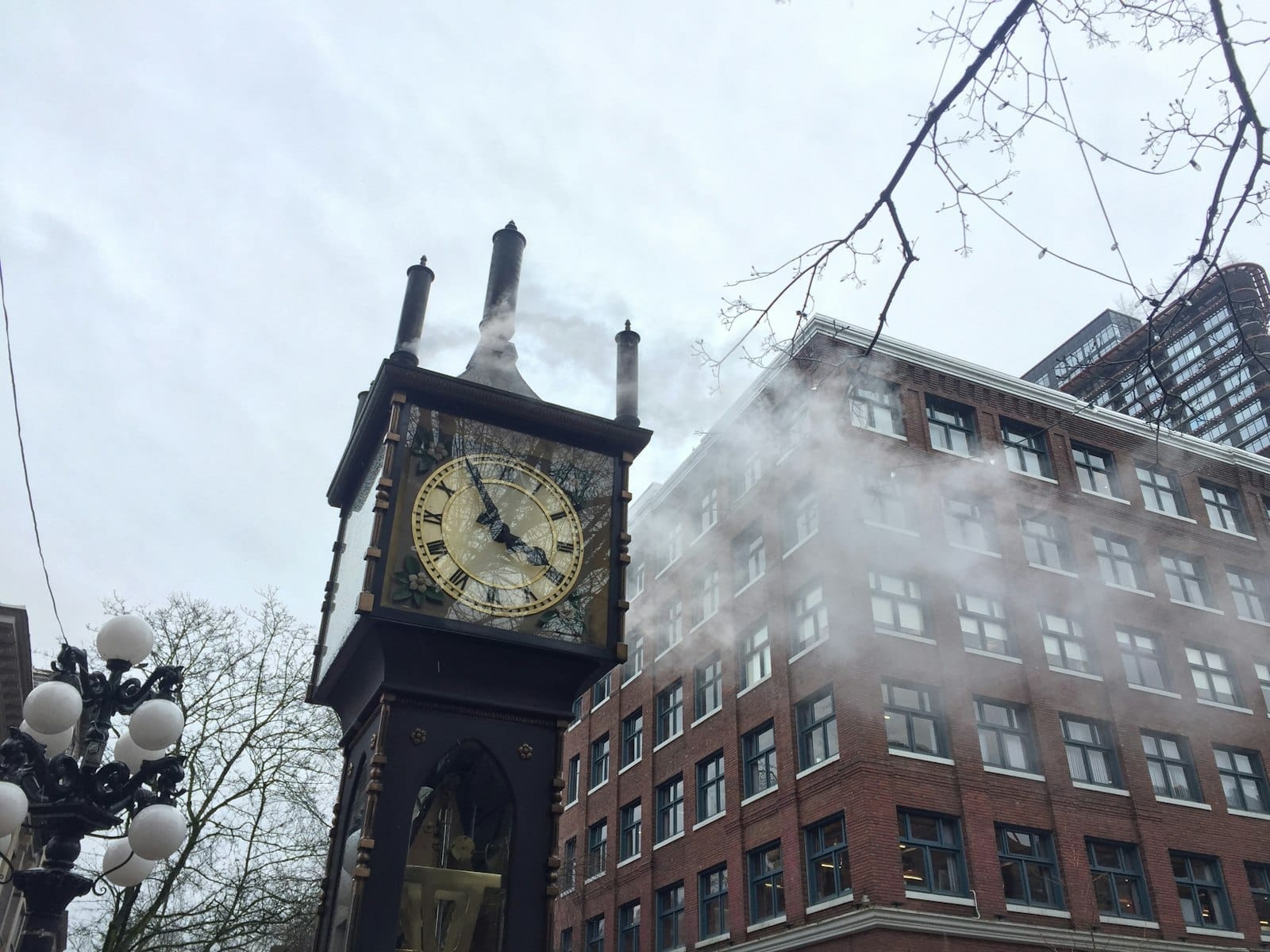
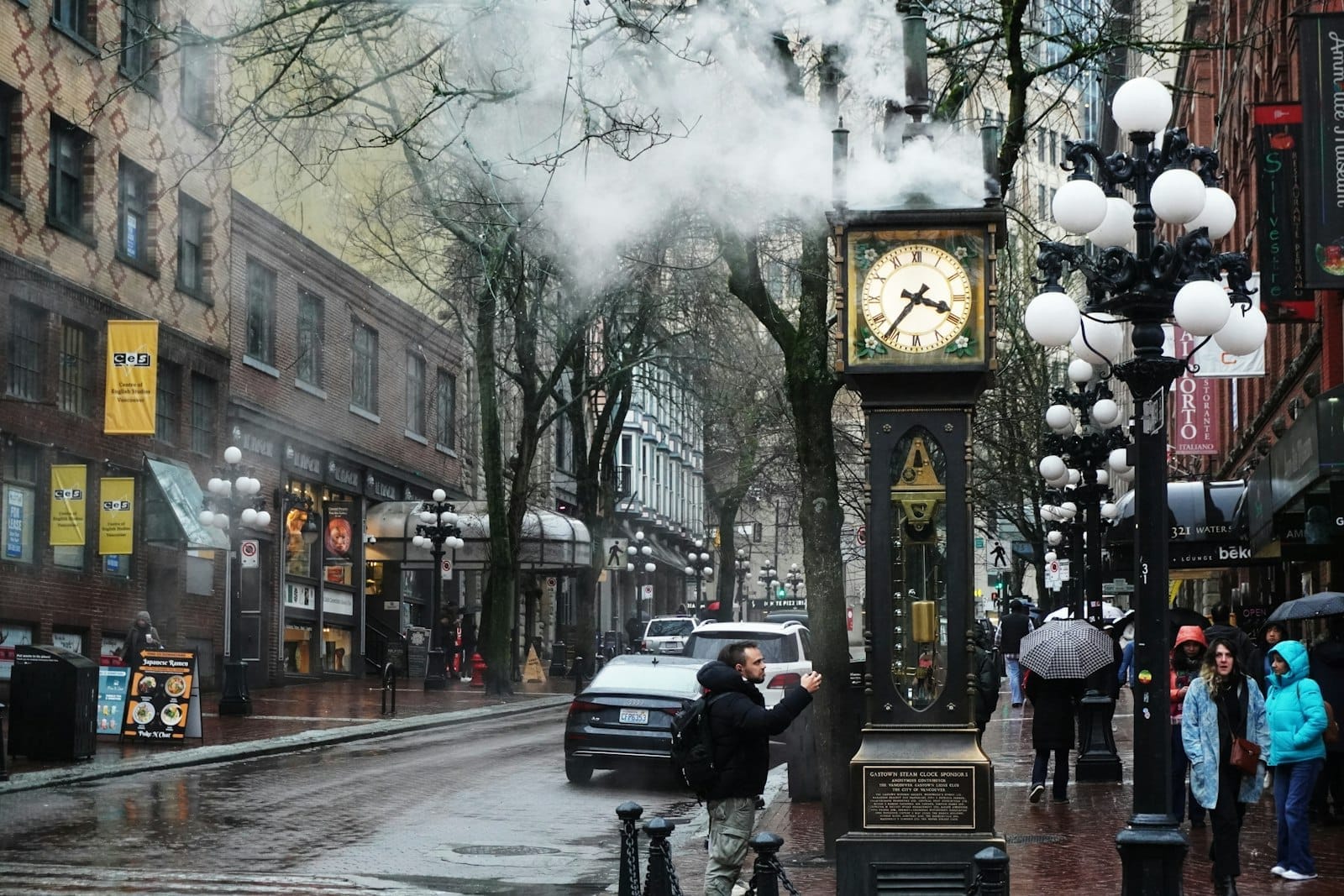
By mid-morning the tour groups arrive, and by early afternoon Water Street becomes one of the more congested pedestrian corridors in the city. The Steam Clock draws a steady crowd waiting for its whistle-and-steam display on the quarter-hour. Boutiques open their doors, and the street becomes genuinely busy from roughly 11am to 7pm. This isn't necessarily a problem. Gastown is designed for foot traffic, and the architecture gives you plenty to look at while navigating the crowds. The side streets off Water, particularly the lanes around Gaoler's Mews, tend to be quieter.
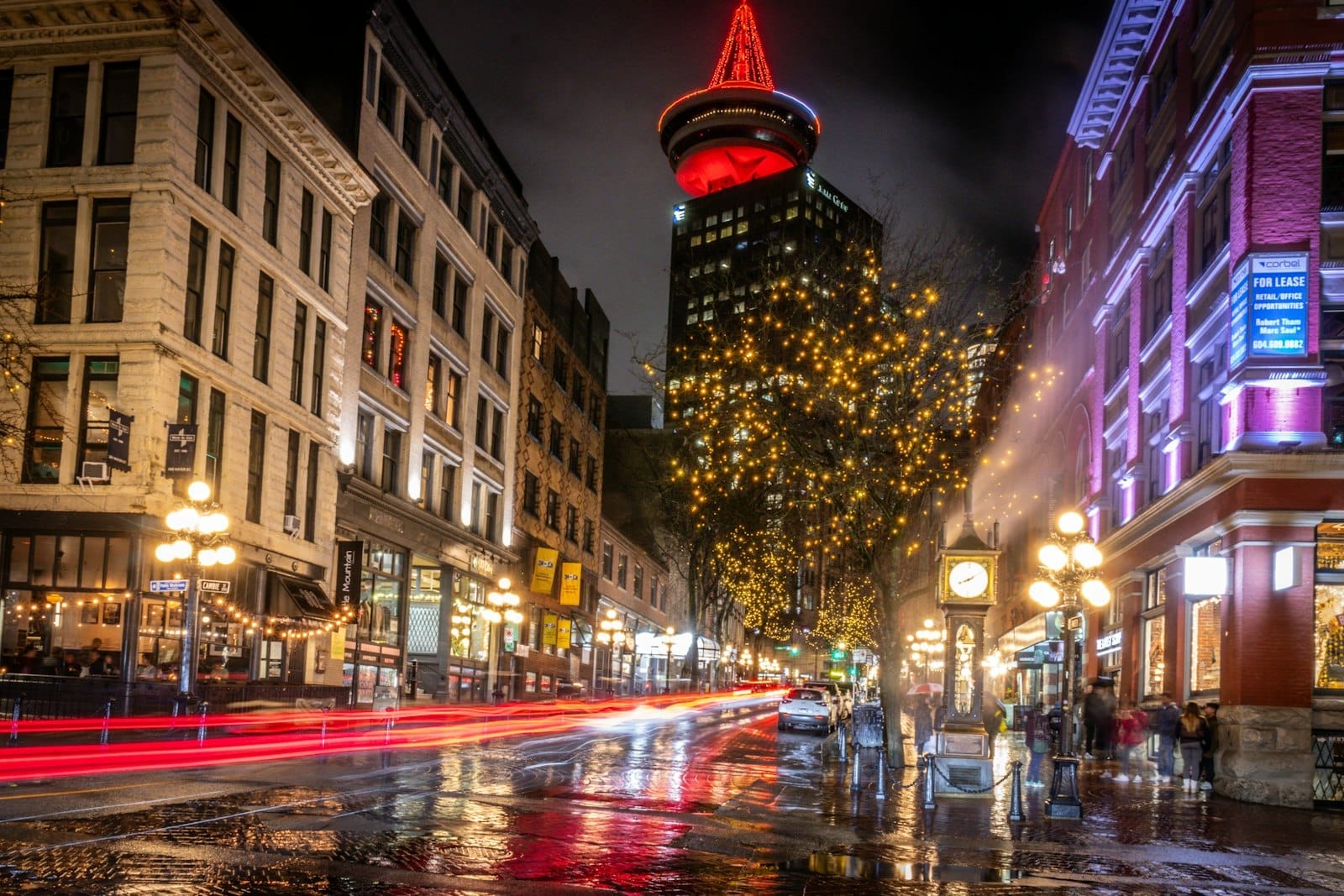
After dark, Gastown shifts again. The restaurant and bar scene along Water Street, Cordova Street, and the blocks in between comes alive from around 6pm onward and runs late on weekends. The cobblestone streets take on a different quality under the old-style iron lamps, and the brick buildings feel genuinely atmospheric rather than merely preserved. It's one of the more photogenic stretches of nighttime Vancouver. That said, the blocks closest to Hastings Street get noticeably quieter after dark in a different sense: the boundary with the Downtown Eastside is visible, and some visitors find the contrast jarring.
⚠️ What to skip
Gastown shares a boundary with the Downtown Eastside along Hastings Street. The blocks closest to that boundary, particularly around Carrall and Columbia Streets south of Cordova, can involve visible poverty, open drug use, and street disorder. This is a documented public health situation, not a reason to avoid the area entirely, but it's worth knowing before you arrive. Most of the restaurants, bars, and attractions are on Water Street and Cordova Street, north of this transition zone.
What to See & Do
The Gastown Steam Clock on Water Street is the most photographed object in the neighborhood, and probably in all of Vancouver. Built in 1977 (not Victorian-era, despite appearances), it's powered by a combination of steam from the downtown heating system and electric motors and whistles on the quarter-hour. It draws crowds constantly. Worth a look, but don't rearrange your schedule around it.
More rewarding is simply walking Water Street end to end and turning onto the side streets. The Gaoler's Mews courtyard, off Water Street near Carrall, is one of the quieter corners of the neighborhood: a cobblestone courtyard framed by heritage buildings, used today by restaurants and small businesses. Maple Tree Square, at the intersection of Water, Powell, Alexander, and Carrall Streets, marks the spot where the original tavern that seeded the settlement once stood. It's a genuinely good piece of urban history.
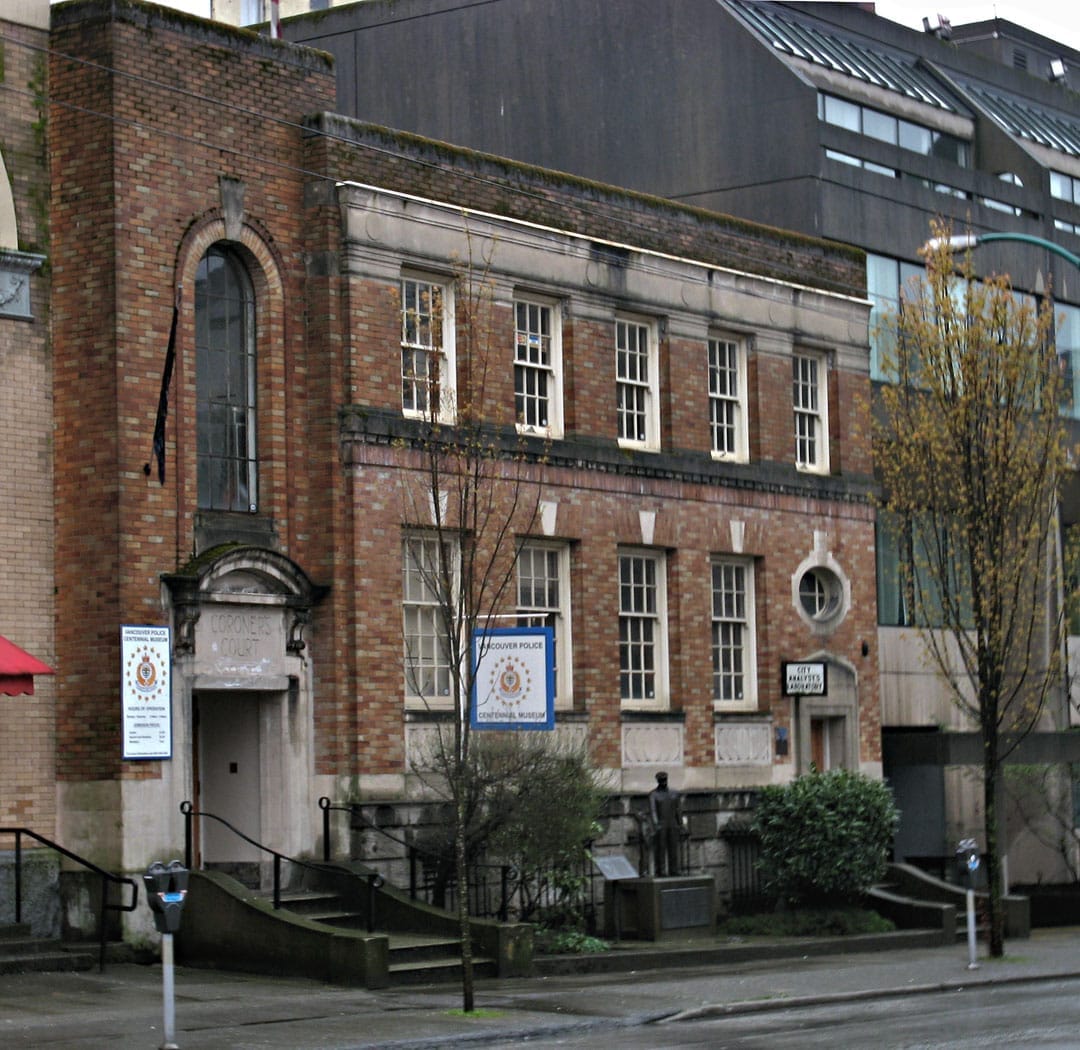
Gastown has a legitimate gallery scene. Several contemporary art spaces occupy the upper floors and converted ground floors of heritage buildings, particularly along Water Street and Cordova. For a broader look at Vancouver's arts landscape, the Vancouver Art Gallery is a 10-minute walk west. The Vancouver Police Museum is located in the former Coroner's Court building on Cordova Street, a short walk from the Steam Clock, and is one of the more underrated small museums in the city.
Gastown Steam Clock on Water Street (photo stop, quarter-hour steam display)
Gaoler's Mews courtyard off Water Street near Carrall
Maple Tree Square at Water/Powell/Carrall
Vancouver Police Museum on Cordova Street
Contemporary art galleries along Water and Cordova Streets
If you want to see Gastown at its best, come before 10am or after 7pm. The morning light on the brick buildings is worth an early start, and the evening bar scene makes it worth staying late. Midday is the least interesting time to visit if you're not shopping.
Eating & Drinking
Gastown's food and drink scene has real depth. This isn't a neighborhood where the restaurants exist purely to serve tourists. The concentration of hospitality businesses along Water Street and Cordova Street includes everything from casual lunch spots in renovated warehouse spaces to serious cocktail bars that draw people from across the city.
The cocktail bar culture is arguably the strongest element. Gastown developed a reputation over the past decade as Vancouver's most interesting neighborhood for craft cocktails, with a number of bars in converted heritage spaces. The brick-and-exposed-beam aesthetic fits naturally, and the late-night foot traffic sustains a competitive scene. On weekends, the bars along Water Street and the side streets fill from around 9pm and stay busy past midnight.
For food, the range covers casual lunch counters, Japanese and pan-Asian restaurants, upscale Canadian menus that lean on local seafood and BC produce, and a handful of brunch spots that fill up quickly on Saturday and Sunday mornings. Prices trend mid-to-high by Vancouver standards, reflecting the heritage real estate costs. Budget eaters will find better value a few blocks south toward Chinatown or east along Hastings.
Coffee culture is well-represented. Several independent cafés occupy heritage storefronts, and the neighborhood has enough foot traffic to support specialty roasters alongside grab-and-go spots. If you're planning a full day that includes Vancouver's Chinatown to the east or the waterfront and Canada Place to the west, Gastown works well as a lunch or dinner anchor.
Getting There & Around
Gastown is one of the easiest neighborhoods in Vancouver to reach by transit. Waterfront Station, the main transit hub for downtown Vancouver, sits at the west edge of the neighborhood and is served by the Expo Line, the Canada Line, and the SeaBus ferry to North Vancouver. From Waterfront Station, it's roughly a 7-minute walk east along Water Street to the Steam Clock. Stadium-Chinatown Station on the Expo Line is about a 6-minute walk from the eastern end of the neighborhood along Main or Carrall Streets. Between these two stations, you have the whole neighborhood bracketed.
Multiple bus routes serve the Hastings Street corridor along the southern edge of the neighborhood, making connections to the East Side and the rest of downtown straightforward. TransLink's trip planner is the most reliable tool for current routing. For full details on moving around the city, see the getting around Vancouver guide.
Within Gastown, everything is walkable. The neighborhood is compact, roughly 10 blocks east-west and 4-5 blocks north-south. The cobblestone streets are visually appealing but genuinely uneven underfoot, which can be an issue for strollers or anyone with mobility concerns. Most of the main pedestrian routes along Water Street are manageable, but the historic pavement is not always smooth. Cycling through Gastown is possible but the cobblestones discourage it for most riders. Uber and Lyft both operate in Vancouver and can be useful for late-night departures from the bar district.
ℹ️ Good to know
Waterfront Station is also the departure point for the SeaBus to Lonsdale Quay in North Vancouver, giving you a quick connection to the North Shore without needing to cross a bridge. If you're combining Gastown with a day on the North Shore, this is the most efficient routing.
Where to Stay
Gastown itself has a limited number of hotels, but those that exist tend to occupy heritage buildings with genuine character. The neighborhood suits travelers who want to be central without paying the premium of the core financial district, and who prioritize walkability to restaurants and nightlife over proximity to, say, the convention center or Robson Street shopping.
The best-located accommodations sit along or just off Water Street and Cordova Street, close enough to the bar scene to walk home but far enough from the Hastings Street boundary to avoid street-level disturbance at night. Rooms facing the cobblestone streets tend to be noisy on weekend nights when bars close, so consider this when booking. For a broader look at where to base yourself across the city, the where-to-stay guide covers the trade-offs between Gastown, Yaletown, the West End, and other downtown neighborhoods in more detail.
Gastown works particularly well as a base for travelers focused on food, nightlife, and urban exploration. It's less suitable for families with young children or anyone prioritizing quieter surroundings. For alternative downtown bases, the West End offers a more residential feel with beach access, while Yaletown sits closer to False Creek and has a more polished, less historic character.
Practical Notes for Visitors
Gastown is year-round territory. The covered arcades and awning-lined streets make it more comfortable than open plazas during Vancouver's rainy months from October through March. Summer evenings from June to August bring the best combination of long daylight hours and outdoor patio weather. For a sense of what to expect month by month, the Vancouver weather guide has the full breakdown.
Gastown connects naturally to several other worthwhile areas. Walking east from Maple Tree Square along Powell Street or East Hastings brings you into Chinatown, a 10-minute walk away and worth combining into a half-day itinerary. Walking west along the waterfront from Waterfront Station connects to Canada Place and Coal Harbour, where the seaplane terminal, convention center, and cruise ship berths sit along the inlet.
TL;DR
Gastown is Vancouver's most historically significant neighborhood, built on the original 1870s townsite with intact Victorian brick architecture and cobblestone streets that make it one of the city's most distinctive urban environments.
Best suited to travelers who prioritize walkability, nightlife, craft cocktails, and restaurants with character over beach access or residential quiet.
Transit access is excellent: Waterfront Station and Stadium-Chinatown Station bracket the neighborhood, both on the SkyTrain Expo Line, with Canada Line and SeaBus connections at Waterfront.
The boundary with the Downtown Eastside along Hastings Street is real and visible, particularly on the blocks around Carrall and Columbia Streets south of Cordova. Most tourist activity is concentrated on Water Street and Cordova Street, north of this transition.
Gastown pairs naturally with Chinatown to the east and the Coal Harbour waterfront to the west, making it an effective hub for a full downtown exploration day.
Three days is enough time to cover Vancouver's best neighbourhoods, waterfront parks, and mountain views without feeling rushed. This itinerary organizes the city logically by geography, cuts out the tourist traps, and works whether you're on foot, SkyTrain, or a borrowed bike.
Vancouver's art scene spans a former provincial courthouse turned major museum, an intimate Haida gallery downtown, a world-class anthropology collection at UBC, and a full gallery district along South Granville. This guide covers the best art galleries in Vancouver for every interest and budget.
Vancouver has over 18 kilometres of oceanfront beaches, from lively urban strands with mountain backdrops to tidal flats perfect for families. This guide covers every beach worth your time, with clear notes on what to expect at each one.
Vancouver's museum scene spans world-class Indigenous art collections, civic history, space science, maritime heritage, and forensic curiosities. These are the best museums in Vancouver, organized by theme and neighbourhood, with practical tips for each.
Vancouver's temperate oceanic climate means it's visitable year-round, but each season offers a completely different experience. This guide breaks down weather, crowds, hotel prices, and key events by season so you can pick the right time for your trip.
Vancouver is one of the most visually dramatic cities in the world, where a downtown skyline meets ocean inlets and snow-capped peaks. This guide covers the best viewpoints across the city, from free hilltop parks and seawall walks to mountaintop gondolas and elevated observation decks.
Vancouver's garden scene ranges from a world-class 55-acre botanical garden to an authentic Japanese tea garden and a tropical conservatory open year-round. This guide covers every significant plant-focused attraction in the city, with notes on the best seasons to visit each.
Vancouver sits at the gateway to some of the most dramatic scenery in North America. Whether you head north toward Whistler, west to Vancouver Island, or east into the Fraser Valley, these are the best day trips from Vancouver, with realistic travel times, transport options, and what to prioritise once you arrive.
Vancouver is one of Canada's most expensive cities, but a remarkable number of its best experiences cost nothing. These 22 free activities cover Stanley Park, beaches, North Shore hikes, waterfront walks, and neighbourhood explorations across the city.
Vancouver's transit network is one of the best in North America, but navigating zones, passes, and peak hours takes some planning. This guide covers every mode of transport, from the Canada Line SkyTrain to cycling the seawall, with current fares and practical tips on when to skip the car entirely.
Vancouver sits at the edge of one of the most dramatic hiking landscapes in North America. These are the best trails near the city, from steep North Shore climbs to peaceful forest walks, chosen for scenery, accessibility, and what makes each one worth the effort.
Vancouver delivers a compelling luxury travel proposition: world-class 5-star hotels steps from the waterfront, a dining scene that punches well above its size, and wilderness experiences that no other major city can match. This guide covers where to stay, when to book, what to spend, and how to get the most out of high-end Vancouver.
Vancouver packs an extraordinary range of experiences into a compact, walkable city on Canada's Pacific coast. This guide covers the best things to do in Vancouver BC, from iconic outdoor adventures to neighbourhood deep-dives, with practical assessments, current pricing context, and logistics to help you make the most of your time.
Vancouver hosts one of Canada's largest Lunar New Year celebrations, anchored by a 1.3 km parade through historic Chinatown and a full 15-day festival season. This guide covers the parade route, top events across Metro Vancouver, transport logistics, and what first-timers often get wrong.
Vancouver sets a high bar for romantic travel. Mountains meet ocean, world-class restaurants sit steps from forested trails, and the city shifts beautifully with every season. This guide covers the best things to do in Vancouver BC for couples, from free waterfront walks to splurge-worthy experiences worth every dollar.
December transforms Vancouver into one of Canada's most festive winter cities, with major light displays, Christmas markets, and ice skating — all against a backdrop of mild, rainy Pacific weather. This guide covers everything you need to plan a December visit, from the best seasonal events to practical logistics.
Summer is Vancouver's best season by most measures: dry weather, long daylight hours stretching past 9 pm, and a calendar packed with outdoor events. This guide covers what to do each month, how much it costs, where crowds get bad, and what the city actually feels like when temperatures hit their annual peak.
Getting from Vancouver to Vancouver Island is straightforward once you know which route to take, when to book, and what to expect on the water. This guide covers every BC Ferries route, current fare ranges, reservation rules, and practical tips for making the most of a day trip or longer stay.
Vancouver's after-dark scene spans gritty dance clubs on the Granville Strip, polished cocktail lounges in Yaletown, independent craft beer bars on Main Street, and live music in Gastown. This guide breaks down where to go, what to expect, and how to avoid a bad night out.
Vancouver has a reputation for being pricey, and on accommodations and dining, that reputation is earned. But a huge share of what makes the city worth visiting costs nothing at all. This guide breaks down real daily costs, the best free attractions, affordable food strategies, and how to get around without spending a fortune.
Vancouver is one of Canada's most visited cities, and for good reason. But visitors increasingly ask: is Vancouver safe? This guide uses recent crime data, neighborhood-by-neighborhood context, and practical tips so you can explore with confidence.
The Vancouver Seawall is the world's longest uninterrupted waterfront path, stretching about 22 km along the waterfront from Coal Harbour to Kitsilano Beach, with some sources including extensions out to roughly 28–30 km. This guide covers every section of the route, cycling rules, seasonal conditions, rental options, and the best spots to stop along the way.
Vancouver's shopping scene spans luxury boutiques on Alberni Street, 330-store malls reachable by SkyTrain, a working public market on a former industrial island, and independent-label strips on Main Street and Commercial Drive. This guide breaks down every major option by neighbourhood, budget, and transit access so you can shop smarter.
Vancouver is one of the most approachable solo travel destinations in North America. From the Stanley Park Seawall to Granville Island's food stalls, this guide covers everything you need to plan a confident, well-timed solo trip to British Columbia's Pacific coast city.
The trip from Vancouver to Calgary covers roughly 970 km and can be done by plane, car, or bus. Each option has real trade-offs. This guide breaks down the costs, logistics, and seasonal considerations so you can choose the route that actually works for your trip.
The Vancouver to Seattle corridor is one of the most-traveled cross-border routes in North America. Whether you're driving I-5, riding the Amtrak Cascades train, or taking a budget coach, this guide breaks down travel times, costs, border logistics, and the smartest ways to avoid delays.
Everything you need to plan the Vancouver to Whistler drive via Highway 99, including key stops along the Sea to Sky corridor, shuttle alternatives, winter driving laws, and the best times to make the trip. Whether you're heading up for ski season or a summer adventure, this guide covers it all.
Vancouver's temperate oceanic climate means mild, rainy winters and warm, relatively dry summers — but the details matter for trip planning. This guide breaks down Vancouver weather month by month, covering temperatures, precipitation, crowd levels, and what to pack for every season.
From Stanley Park playgrounds to Science World and the Granville Island Kids Market, Vancouver delivers serious family value across every budget and season. Practical logistics, clear assessments, and the specific details parents actually need.
Vancouver's food scene is one of the most diverse in North America, shaped by Pacific seafood, deep Asian culinary traditions, and a thriving modern restaurant culture. This guide breaks down what to eat, where to eat it, and what to skip across the city's best food neighborhoods.
Choosing where to stay in Vancouver shapes your entire trip. This guide covers every major neighbourhood, realistic price ranges, seasonal timing, and clear trade-offs so you can match your accommodation to how you actually plan to spend your days.