Vancouver to Whistler: The Complete Sea to Sky Highway Guide
Everything you need to plan the Vancouver to Whistler drive via Highway 99, including key stops along the Sea to Sky corridor, shuttle alternatives, winter driving laws, and the best times to make the trip. Whether you're heading up for ski season or a summer adventure, this guide covers it all.
Plan and book this trip
Tools from our partner Travelpayouts help you compare flights and hotels. If you book through them, we may earn a commission at no extra cost to you.
Flights
Hotels map
TL;DR
- The drive from Vancouver to Whistler is approximately 120 km via Highway 99 (Sea to Sky Highway) and takes 1.5 to 2 hours in good conditions.
- From October 1 to April 30, winter tires with the mountain snowflake or M+S symbol are legally required on Highway 99. Fines apply.
- There is no regular public bus service between Vancouver and Whistler. Your options are driving yourself, booking a shuttle, or arranging a private transfer.
- Key stops along the route include Porteau Cove, Shannon Falls, the Sea to Sky Gondola in Squamish, and Brandywine Falls. Plan for extra time if you want to explore. See our guide to day trips from Vancouver for more context on the broader region.
- Summer (June to September) offers the clearest roads and best scenery, but also the heaviest traffic. Winter weekends can add 30 to 60 minutes to your travel time each way.
The Route: How Highway 99 Actually Works
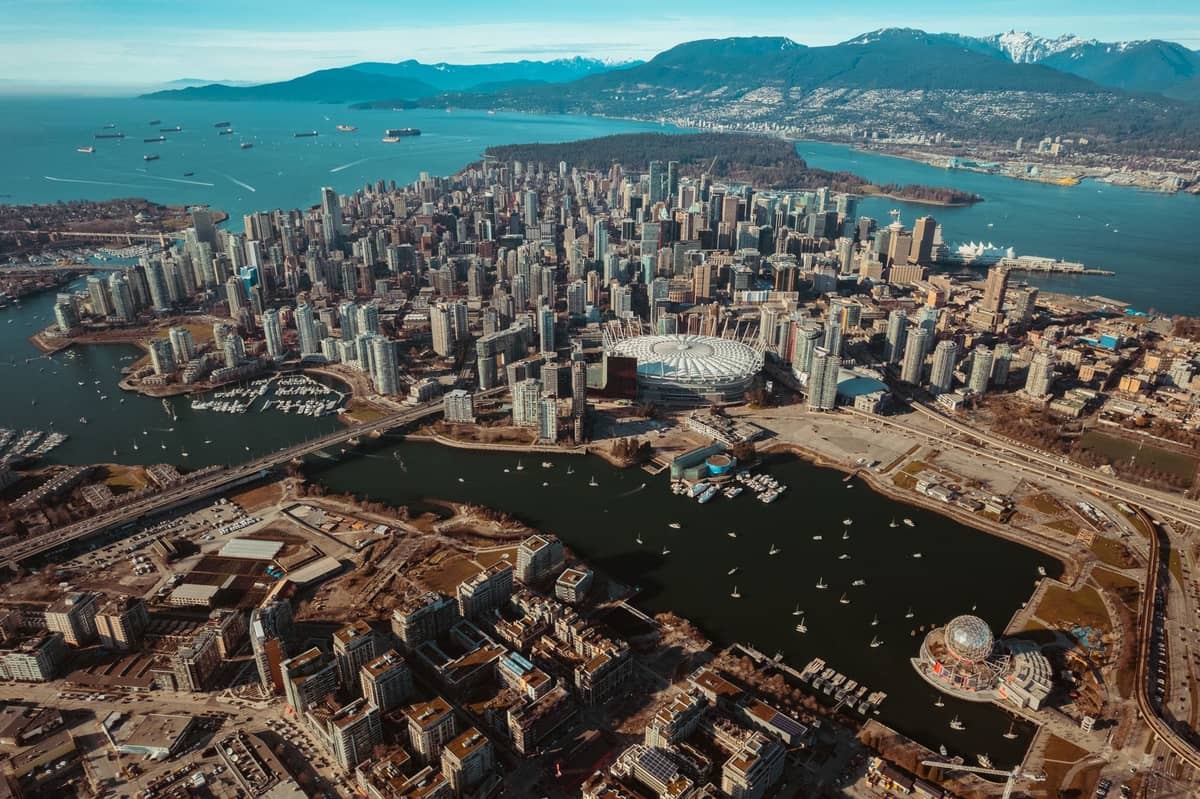
The Vancouver to Whistler drive follows BC Highway 99, known as the Sea to Sky Highway. The route begins in West Vancouver, hugging the eastern shore of Howe Sound before climbing through Squamish and continuing north into the Coast Mountains. It does not end at Whistler. Highway 99 continues past the resort to Pemberton, Mount Currie, and eventually Lillooet. That distinction matters if you are planning to loop further into BC's interior.
From downtown Vancouver, the most direct way to access Highway 99 is to take Highway 1 (Trans-Canada) west across the Lions Gate Bridge or through the Massey Tunnel area, then exit at Horseshoe Bay and follow Highway 99 North. The Horseshoe Bay junction is where the character of the drive changes completely: the urban sprawl drops away and you enter one of the most dramatic stretches of road in North America. The distance from central Vancouver to Whistler Village is approximately 120 to 121 kilometres.
💡 Local tip
Leave Vancouver before 8:00 AM on winter weekends to avoid the ski traffic backup that commonly forms at Horseshoe Bay and through the Squamish corridor. Returning on Sunday afternoons, traffic can extend the drive to 3 hours or more.
Driving vs. Shuttle: Which Option Makes Sense
Self-driving gives you the most flexibility, especially if you want to stop at viewpoints, hike to Shannon Falls, or spend time in Squamish. If you are travelling with ski equipment and a group of four or more, splitting a rental car or driving your own vehicle is usually the most cost-effective option. Parking in Whistler Village is paid and can fill up quickly on peak ski days, so arriving early matters.
Shuttle buses are a legitimate and popular alternative, particularly for solo travellers, those who do not drive, or anyone who wants to avoid navigating winter mountain roads. Multiple private operators run scheduled shuttles between Vancouver (typically from downtown hotels or Vancouver International Airport at YVR) and Whistler Village. Shuttle fares and schedules vary by operator and season; Tourism Whistler's Getting Here page aggregates current options and links to booking. Always confirm departure times and pickup locations directly with the operator before booking.
- Self-drive Most flexible. Ideal for groups of 3 or more. Allows stops at viewpoints and provincial parks. Requires winter tires Oct 1 to Mar 31.
- Shuttle bus Convenient for solo travellers and non-drivers. Departs from downtown Vancouver and YVR. Book in advance for ski season weekends as seats sell out.
- Private transfer Most expensive but door-to-door service. Useful for large groups with lots of gear, or early/late departures when shuttles do not run.
⚠️ What to skip
There is no standard public transit connection between Vancouver and Whistler. TransLink's bus and SkyTrain network does not extend to Whistler. Do not assume a BC Transit route exists. You need to book a shuttle, drive, or arrange a private transfer.
Winter Driving: What the Law Actually Requires
BC's winter tire requirement on Highway 99 is one of the most misunderstood aspects of the Vancouver to Whistler drive. The law is date-based, not weather-based. From October 1 to April 30 every year, all vehicles on the Sea to Sky Highway must be fitted with tires displaying the three-peaked mountain snowflake symbol (also known as the mountain snowflake or alpine symbol), or tires marked M+S, with a minimum tread depth of 3.5 mm. If you are pulled over without compliant tires during this window, you can be fined, regardless of whether the road looks clear when you leave Vancouver.
The section between Squamish and Whistler is where conditions get serious most quickly. Snow, ice, and freezing rain can appear with little warning even in October or March when Vancouver itself sees nothing but rain. Variable speed limits on Highway 99 are actively monitored and enforced, and the posted speed can drop significantly in poor visibility or slippery conditions. DriveBC (drivebc.ca) is the official source for real-time road conditions and closures on Highway 99, and checking it before you leave is a genuinely useful habit during ski season.
- Check DriveBC for Highway 99 conditions before every winter departure.
- Carry chains as a backup even if your winter tires are compliant.
- Fill your gas tank in Squamish rather than relying on Whistler fuel prices, which tend to be higher.
- Allow at least 2.5 hours on winter weekends and plan your return trip for mid-afternoon to avoid the worst outbound traffic.
- If road closures are announced, they are typically listed on DriveBC with estimated reopening times.
Key Stops Along the Sea to Sky Corridor
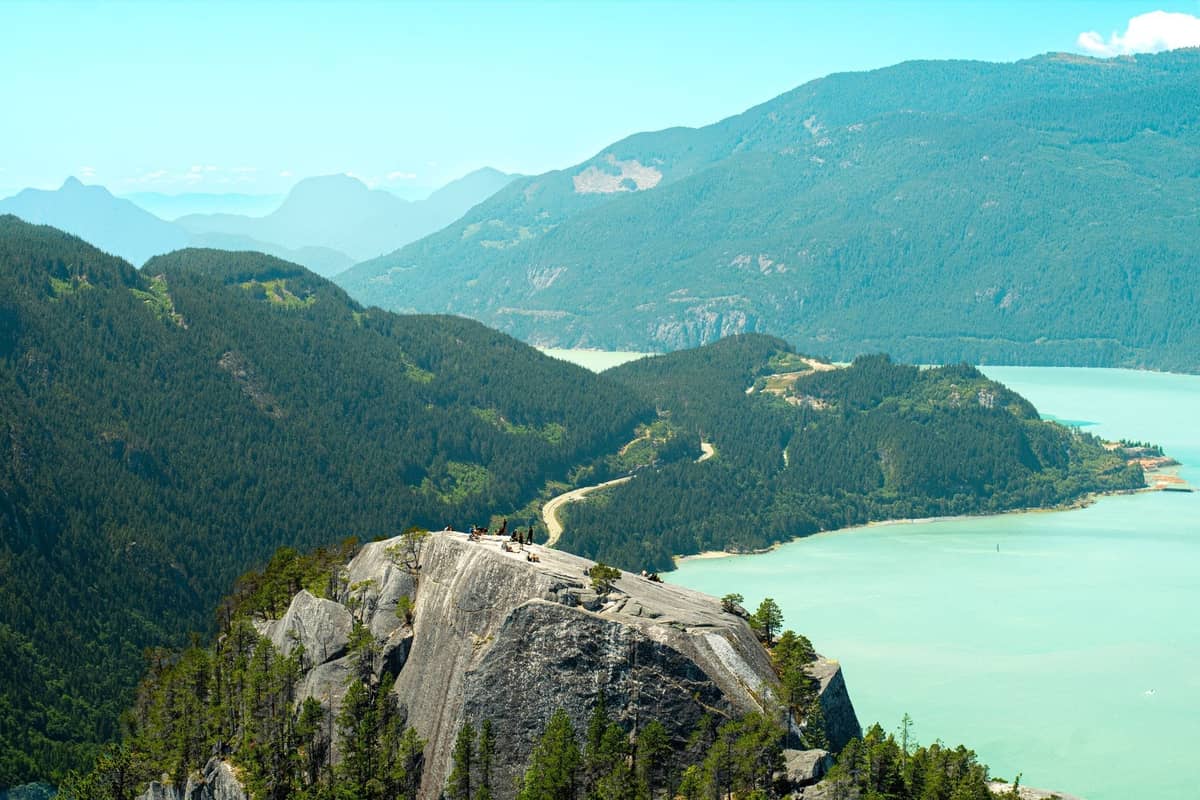
The Sea to Sky Highway is genuinely worth slowing down for. Most people doing the Vancouver to Whistler drive straight through miss some of the best scenery in British Columbia. If your schedule allows, plan for at least two to three hours of extra time to make stops. The following are the most worthwhile pull-offs and detours between Vancouver and Whistler.
Porteau Cove Provincial Park sits about 38 km north of Horseshoe Bay and offers the first dramatic view of Howe Sound. The park has a day-use area and a campground. From here you also get your first clear look at the fjord-like geography that defines the corridor. Further north, Shannon Falls Provincial Park, just south of Squamish, features one of BC's highest waterfalls at around 335 metres. The walk from the parking lot takes about 10 minutes, which makes it a practical stop even with limited time. Shannon Falls is adjacent to the base of the Sea to Sky Gondola (a separate attraction from Grouse Mountain in North Vancouver), which offers aerial views of Howe Sound and access to hiking trails above Squamish.
Squamish itself is worth a brief stop or a longer stay if you have an extra day. The town has grown significantly as an outdoor recreation hub, with strong climbing, mountain biking, and wind sports communities. The Squamish Lil'wat Cultural Centre in Whistler and the Squamish area more broadly sit on the traditional territories of the Squamish Nation. Brandywine Falls Provincial Park, about 65 km south of Whistler, has a short trail to a viewing platform above a 70-metre waterfall. It takes less than 30 minutes round trip and the parking lot is right off the highway.
✨ Pro tip
If you are making the drive in summer, Porteau Cove is a solid place to stop for a swim on the return trip. The water is cold by most standards but the setting, Howe Sound backed by peaks, makes it worthwhile. Arrive before 11:00 AM on weekends to get a parking spot without circling.
Best Time to Make the Drive
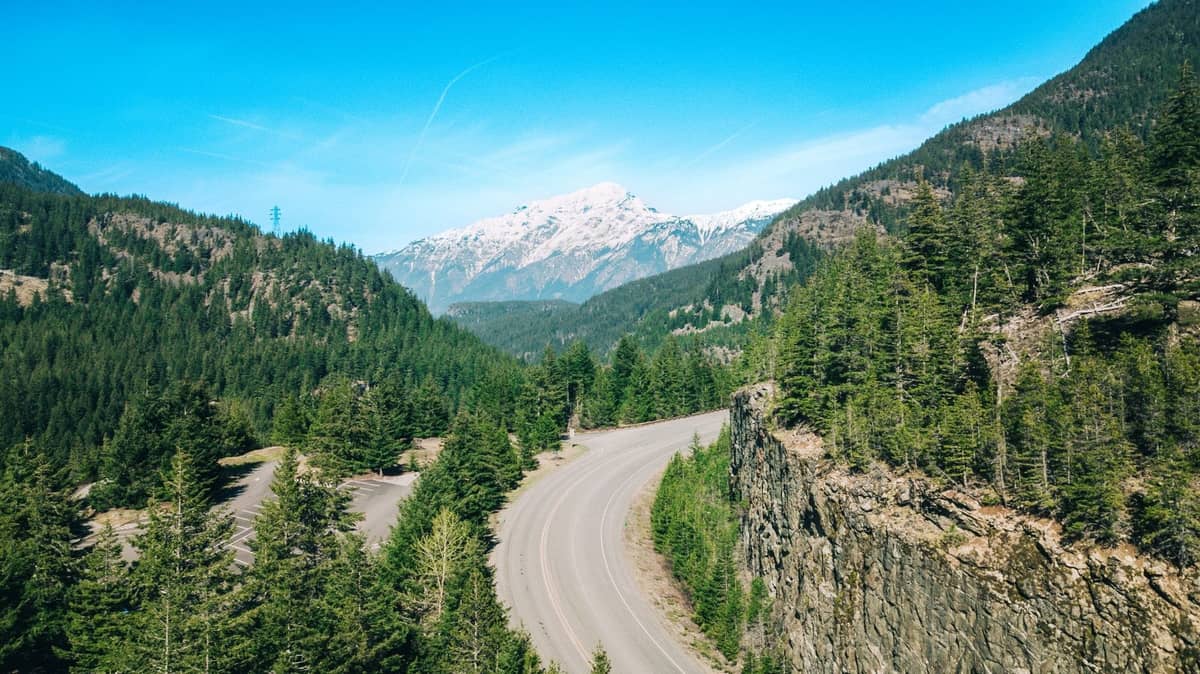
The Vancouver to Whistler drive changes dramatically by season. For road conditions and scenery, June through September is the most straightforward window: roads are clear, visibility is good, and the coastal mountains are at their greenest. Summer is also peak season in Whistler for mountain biking, hiking, and festivals, so expect more traffic, higher accommodation prices, and a resort that is genuinely busy. If you are planning a trip around broader Vancouver summer activities, see the guide to Vancouver in summer for context on what the region looks like across the warmer months.
Winter, specifically late November through March, is when Whistler Blackcomb is operating at full capacity as one of North America's largest ski resorts. This is also when Highway 99 demands the most respect from drivers. The payoff is significant: fresh snow on the peaks, Whistler Village at its most energetic, and some of the best skiing on the continent. For those not skiing, the shoulder seasons of April to May and October to early November offer quieter roads and lower prices, though some Whistler amenities operate on reduced schedules. Vancouver's own weather during this period is cooler and wetter. For a fuller picture of when to visit Vancouver, including how seasonal patterns affect trip planning across the region, that guide covers the tradeoffs in detail.
ℹ️ Good to know
Whistler Blackcomb's ski season typically runs from late November to mid-April, with peak conditions usually in January and February. The resort sits at elevations between roughly 650 and 2,182 metres, so snowpack and conditions at the top can differ substantially from what Highway 99 looks like at sea level near Vancouver.
Practical Logistics: What to Sort Before You Go
Vancouver sits in the Pacific time zone (PST, UTC-8 in winter; PDT, UTC-7 in summer). International visitors should confirm their entry requirements before travelling. Most visitors from visa-exempt countries arriving by air need an Electronic Travel Authorization (eTA); US citizens generally do not need a visa or eTA for short visits but do need valid travel documents. Canadian currency (CAD) is used throughout; Whistler does not accept US dollars at face value. For a broader overview of getting around the Vancouver region, including transit options for your time in the city before or after the Whistler trip, the guide to getting around Vancouver covers TransLink, taxis, and ride-hailing in detail.
If you are flying into Vancouver International Airport (YVR, about 12 km south of downtown), you can take the Canada Line SkyTrain directly to downtown in roughly 25 minutes. From there, connecting to a Whistler shuttle is straightforward. Gas stations exist along Highway 99, but prices in Whistler are consistently higher than in Vancouver or Squamish, so fill up before you leave the city or stop in Squamish. For broader trip planning in the region, the 3 days in Vancouver itinerary is useful for structuring your time in the city before heading north.
FAQ
How long does it take to drive from Vancouver to Whistler?
In good conditions without stops, the drive takes approximately 1.5 to 2 hours. On winter weekends with ski traffic, allow at least 2.5 hours. If you plan stops at Shannon Falls or Squamish, add another 1 to 2 hours depending on how long you linger.
Do I need winter tires to drive to Whistler?
Yes. From October 1 to March 31, BC law requires all vehicles on Highway 99 to have winter tires marked with the mountain snowflake symbol or M+S, with at least 3.5 mm of tread. This is a date-based requirement, not a weather-based one. Fines apply if you are stopped without compliant tires.
Is there a bus or public transit from Vancouver to Whistler?
No. TransLink's public transit network does not extend to Whistler. Your options are driving yourself, booking a seat on a private shuttle service (departing from downtown Vancouver hotels or YVR airport), or arranging a private transfer. Check Tourism Whistler's Getting Here page for current shuttle operators.
What are the best stops between Vancouver and Whistler?
The most worthwhile stops are Porteau Cove Provincial Park (views of Howe Sound, around 38 km north of Horseshoe Bay), Shannon Falls Provincial Park (a 335-metre waterfall, 10-minute walk from the lot), the Sea to Sky Gondola near Squamish, and Brandywine Falls Provincial Park (a 70-metre waterfall, about 65 km south of Whistler). All are directly accessible from Highway 99.
What is the best time of year to drive the Sea to Sky Highway?
For ease of driving and scenery, June through September is the most comfortable window. Roads are clear, visibility is excellent, and the landscapes along Howe Sound are at their most striking. Winter is ideal if you are heading to Whistler Blackcomb for skiing, but requires winter tires, more caution, and additional travel time on busy weekends.