3 Days in Vancouver: The Perfect Itinerary
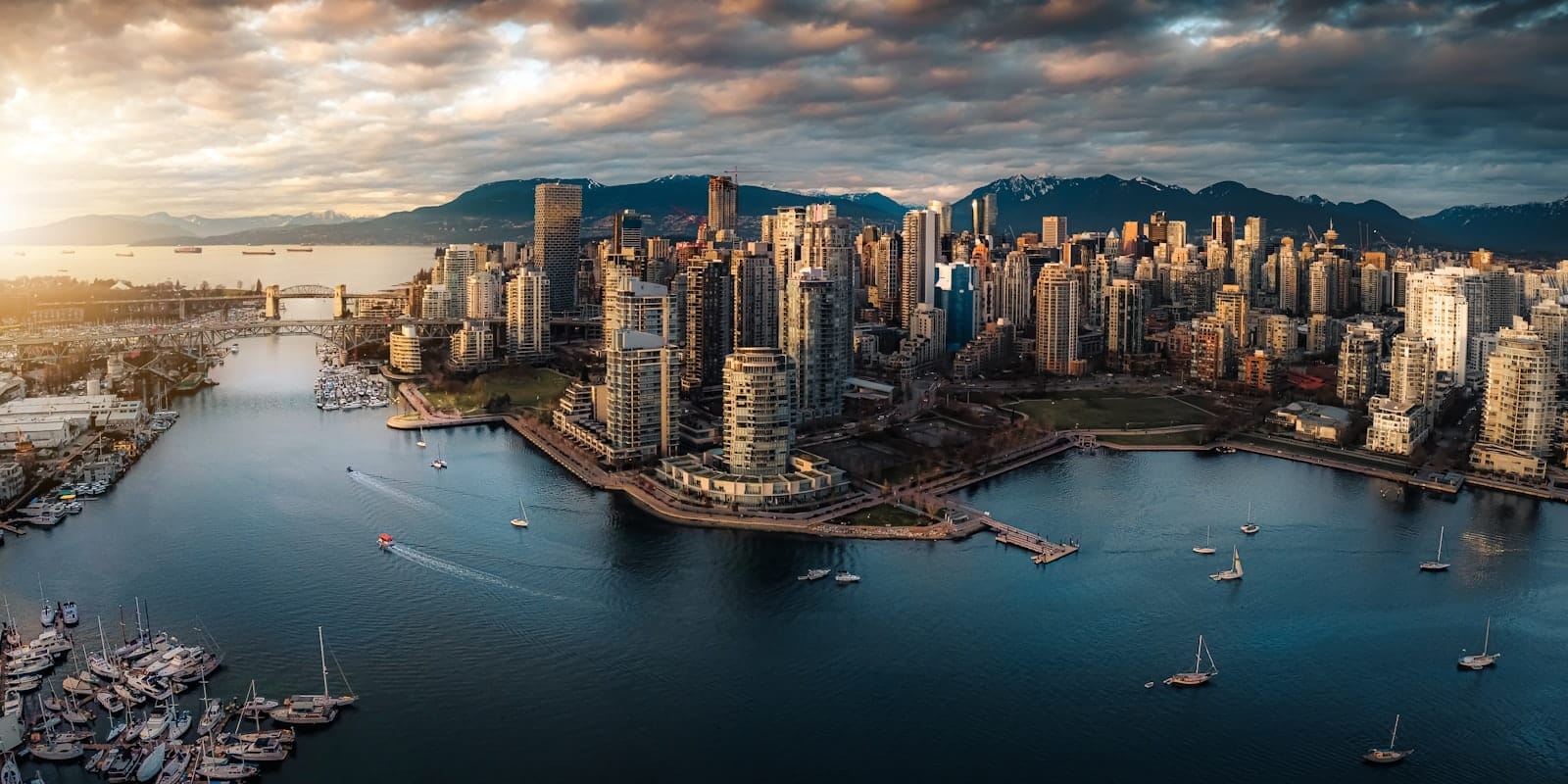
Three days is enough time to cover Vancouver's best neighbourhoods, waterfront parks, and mountain views without feeling rushed. This itinerary organizes the city logically by geography, cuts out the tourist traps, and works whether you're on foot, SkyTrain, or a borrowed bike.
Plan and book this trip
Tools from our partner Travelpayouts help you compare flights and hotels. If you book through them, we may earn a commission at no extra cost to you.
Flights
Hotels map
TL;DR
- Day 1 covers Stanley Park, the West End, and Coal Harbour — all walkable from downtown.
- Day 2 focuses on Granville Island, Gastown, and Chinatown, best done by foot and ferry.
- Day 3 takes you to North Vancouver for Capilano or Lynn Canyon, then back for Yaletown — check our getting around Vancouver guide to plan your transit route.
- You do not need a car — downtown, Stanley Park, Granville Island, and Gastown are all connected by walking, SkyTrain, and the False Creek ferries.
- Summer (June to August) offers the driest weather and longest daylight; see the best time to visit Vancouver breakdown for shoulder-season tradeoffs.
Before You Go: Practical Basics
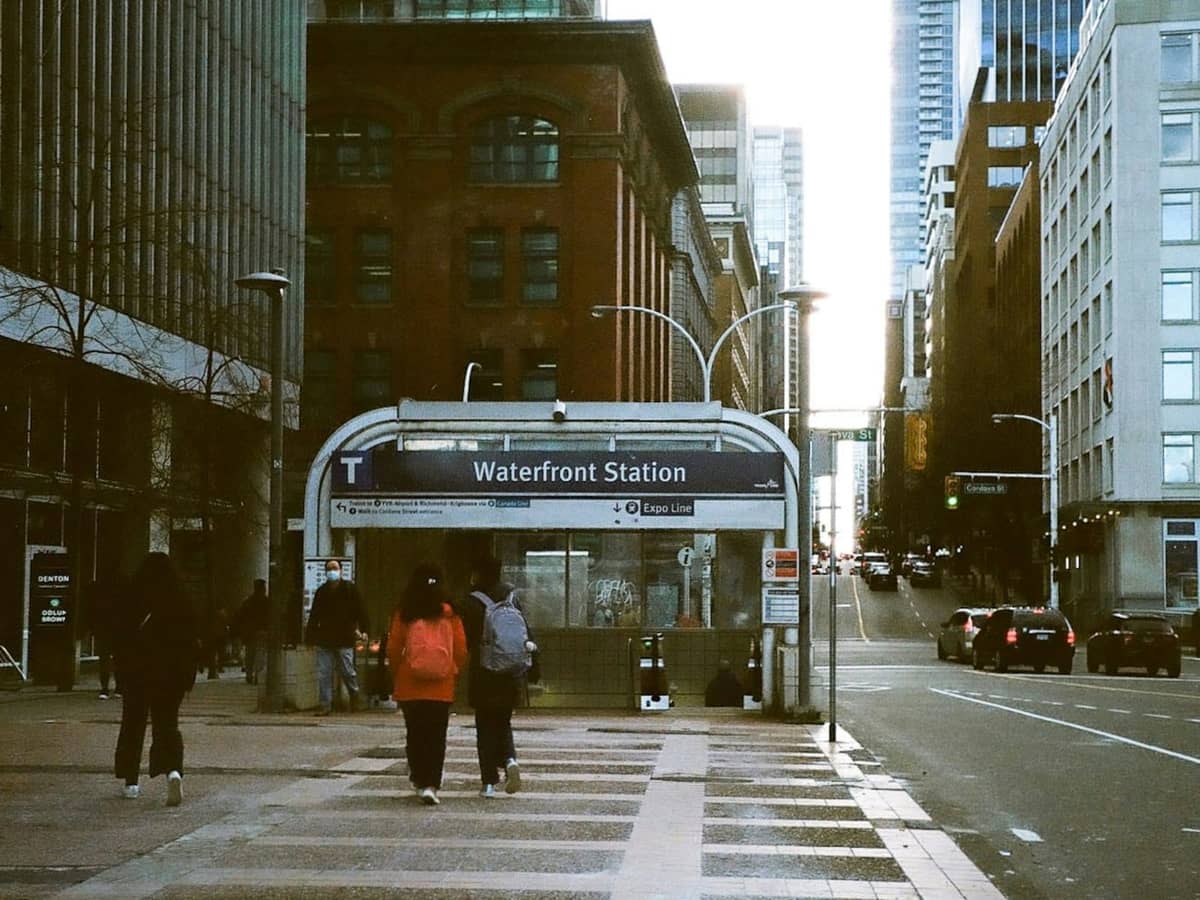
Vancouver sits on the Pacific coast of British Columbia, about 12 km (7.5 miles) from its international airport (YVR) to downtown. The Canada Line SkyTrain connects the airport to Waterfront Station in roughly 25 minutes and is almost always the smartest arrival option. Taxis and ride-hailing (Uber and Lyft both operate here) are available at the airport's designated pickup zones, but the Canada Line beats them on cost and predictability during peak hours. Verify current fares with TransLink's fare pages before you travel, as zone pricing changes periodically.
All prices are in Canadian dollars (CAD). Tipping is standard at 15 to 20 percent in restaurants. Tap water is safe to drink across Metro Vancouver. Plug sockets use North American Type A/B outlets at 120V, 60Hz — travellers from Europe or Australia will need an adapter. Emergency services are reached by dialling 911.
ℹ️ Good to know
Vancouver, BC is sometimes confused with Vancouver, Washington (USA), a separate city across the Columbia River from Portland. Double-check that your maps, bookings, and itinerary all reference British Columbia, Canada.
One practical geography note before you start planning: not everything billed as a 'Vancouver attraction' is actually in the City of Vancouver. Capilano Suspension Bridge, Grouse Mountain, and Lynn Canyon are in the District of North Vancouver, while Deep Cove sits at the eastern edge of the same district. These North Shore destinations are separate municipalities across Burrard Inlet from downtown. That does not make them less worth visiting, but it does mean budgeting extra transit time, typically 30 to 50 minutes from downtown depending on your method.
Day 1: Stanley Park, Coal Harbour, and the West End
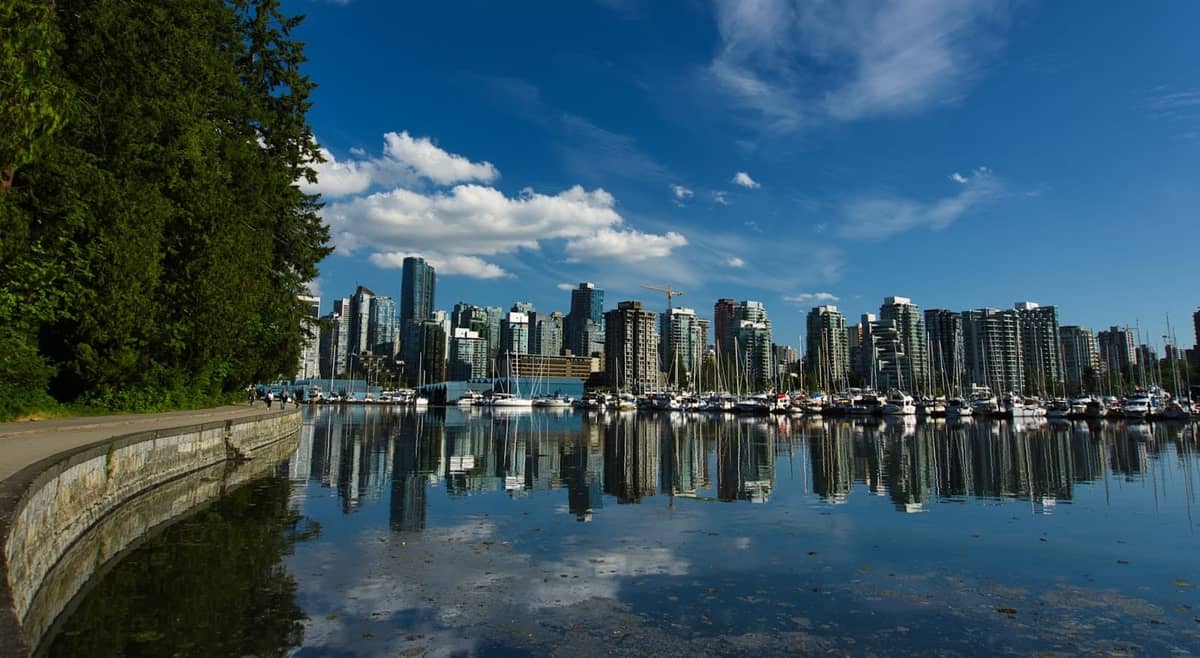
Start your first morning at Stanley Park, a 405-hectare (1,001-acre) urban forest on the edge of downtown. The classic entry point is the Stanley Park Seawall, a flat 9-kilometre loop with views of the North Shore mountains, Burrard Inlet, and the Lions Gate Bridge. Walking the full loop takes around two hours at a relaxed pace; cyclists can rent bikes near the Denman Street entrance and complete it in 45 minutes. Get there before 9 AM on weekdays to avoid the worst congestion.
- Brockton Point Totem Poles A cluster of culturally significant totem poles on the park's eastern shore — worth a 15-minute stop. Do not confuse these with generic tourist souvenirs; they represent specific First Nations traditions.
- Lost Lagoon A freshwater lake at the park's southern entrance, quieter than the seawall and good for birdwatching in the early morning.
- Prospect Point The park's northernmost tip, offering one of the best elevated views of Lions Gate Bridge without needing to leave Vancouver proper.
- Second Beach A sheltered swimming beach on the park's western side, popular in summer but manageable before noon.
After the park, walk east along Coal Harbour toward Canada Place. The seawall path here is wide and uncrowded compared to the park, with float planes taking off from the harbour every few minutes. Canada Place is worth a walk-through for the views, though the interior is mostly a cruise terminal and convention centre — skip the paid Vancouver Lookout directly across the street unless you have never been to any observation deck in your life.
For the afternoon, head into the West End neighbourhood, which runs between the park and downtown's commercial core. Robson Street handles most of the shopping and dining foot traffic. In the evening, English Bay Beach is one of the best places in the city to watch a sunset — it faces directly west, and on clear evenings the sky above the Strait of Georgia turns considerably dramatic. The West End has a dense concentration of restaurants within a few blocks of the beach for dinner.
💡 Local tip
Bike rentals near Denman Street at the park entrance typically run around $7-12 per hour or $30-45 for a full day (verify current rates at the rental kiosk). If you plan to cycle the seawall and continue through Yaletown, allow at least 3 hours and start no later than 10 AM in summer to avoid the afternoon crowds.
Day 2: Granville Island, Gastown, and Chinatown
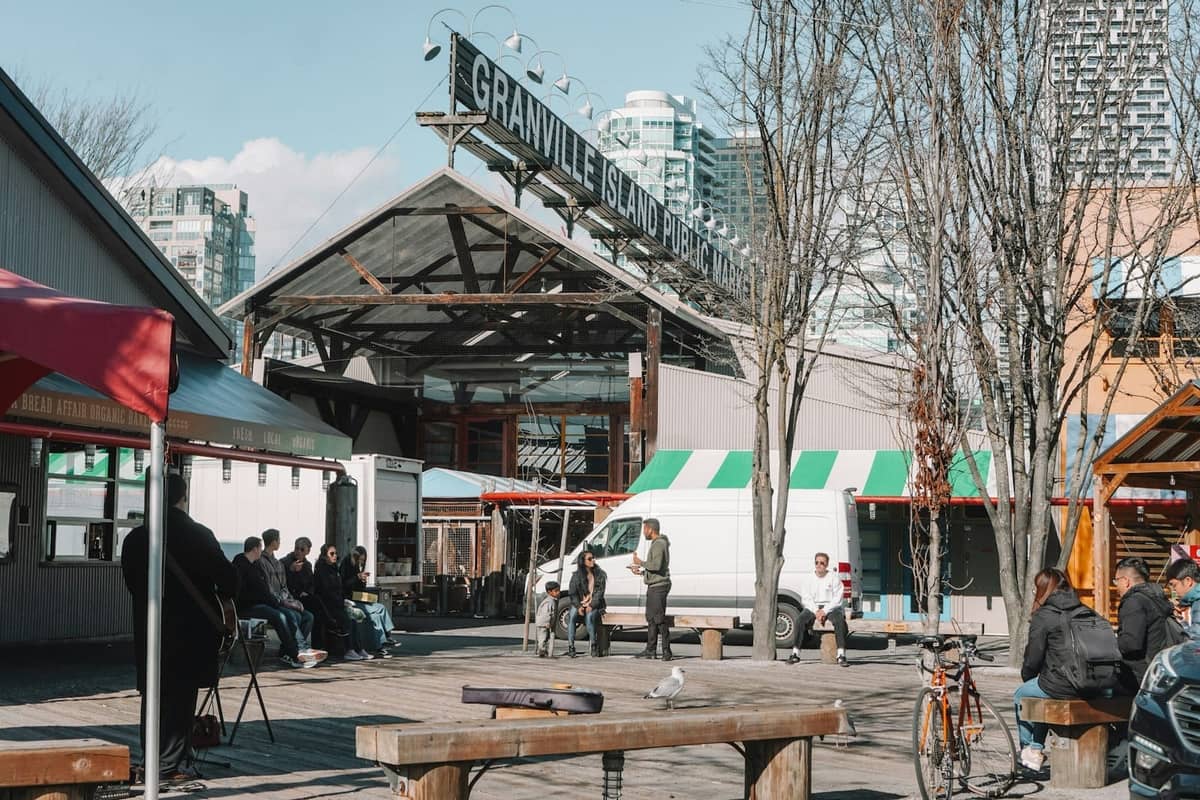
Begin day two at the Granville Island Public Market, which is best visited early on weekday mornings when the bread, cheese, and seafood vendors are fully stocked and the crowds have not yet formed. By 11 AM on summer weekends, the market becomes difficult to navigate enjoyably. The market is open daily, but individual vendor hours vary — check the official Granville Island site before going if you have a specific stall in mind.
Getting to Granville Island without a car is straightforward. The False Creek Ferries run small passenger boats from several downtown docks, including one near the Vancouver Aquatic Centre. False Creek Ferries and Aquabus are separate operators on similar routes; either works for this crossing. The crossing takes about five minutes and costs a few dollars each way — verify current fares with the operators, as they update seasonally. This is more practical than the bus and more scenic than any other option. From Granville Island, the same ferries can take you to other False Creek stops, including Science World.
Spend the late morning exploring Granville Island beyond the market: the artisan studios, the Emily Carr University district, and the Net Loft building for independent retail. Lunch here is well-priced relative to downtown if you assemble something from the market vendors rather than sitting at one of the full-service restaurants on the island's perimeter.
In the afternoon, take the ferry or bus back toward downtown and head northeast to Gastown, Vancouver's original settlement and now a neighbourhood of cobblestone streets, heritage brick buildings, and independent shops. The Gastown Steam Clock on Water Street is photographed relentlessly and is genuinely charming, though it takes about 90 seconds to appreciate. What is actually worth your time in Gastown is the food and drink scene, particularly in the blocks around Blood Alley Square and Carrall Street.
From Gastown, it is a short walk east to Vancouver's Chinatown, one of North America's largest historic Chinatowns. The Dr. Sun Yat-Sen Classical Chinese Garden is a precise Ming Dynasty-style garden worth the modest admission fee — it is small but genuinely detailed, and the adjacent free public park gives you a sense of the layout without paying. The neighbourhood's commercial corridor has contracted in recent years, so manage expectations about street-level activity compared to older guidebook descriptions.
⚠️ What to skip
The area east of Chinatown around Hastings Street has a visible concentration of social services and street-level drug use. It is not dangerous to walk through, but it can be confronting if you are unprepared. Vancouver's safety situation in this specific area is well-documented; if you have concerns, check the Vancouver Safety Guide before visiting.
Day 3: North Shore Mountains and Yaletown
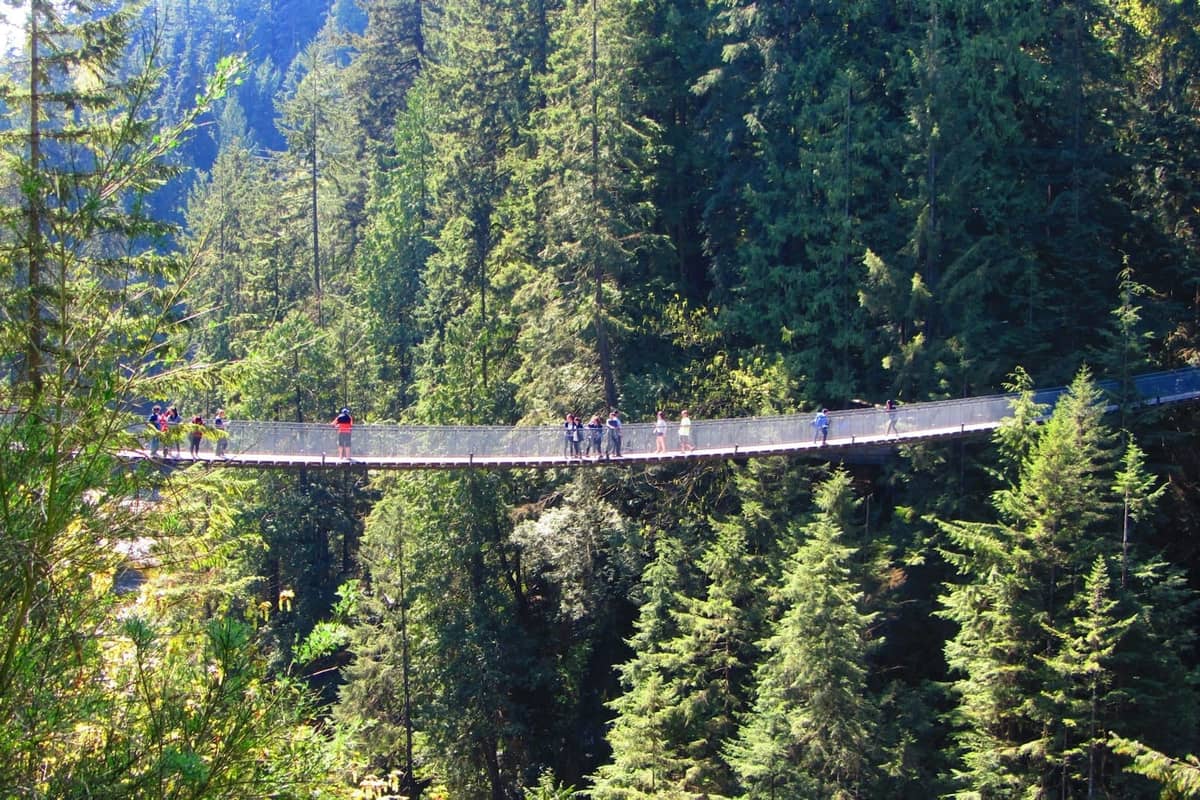
Reserve your third morning for the North Shore, where the mountains are close enough to downtown that you can be hiking on mountain trails by 9 AM. The decision most visitors face is between Capilano Suspension Bridge and Lynn Canyon. Here is the honest comparison: Capilano is the polished, well-maintained, paid attraction with a suspension bridge, treetop adventures, and a busy schedule of visitors. Lynn Canyon is free, requires more independent navigation, and has its own suspension bridge over a canyon that many people find equally impressive. Budget travellers and those who dislike crowds should strongly consider Lynn Canyon.
- Capilano Suspension Bridge Park A full paid-admission park in North Vancouver with a 140-metre suspension bridge, Cliffwalk boardwalk, and Treetops Adventure. Tickets should be booked online in advance during summer. Verify current pricing on the official site — it is one of the higher-priced attractions in the region.
- Lynn Canyon Suspension Bridge Free public park in North Vancouver with a suspension bridge, canyon swimming holes, and forested trails. Less curated than Capilano but genuinely scenic. The Ecology Centre on site provides good context. Reach it by bus from downtown or Lonsdale Quay.
- Grouse Mountain Takes a gondola (paid) to a summit with mountain views, wildlife refuge, and seasonal activities. Best on a clear day — check the webcam before committing to the gondola ticket. The Grouse Grind trail is a demanding uphill hike (no gondola needed going up, but you pay for the gondola to come down).
Getting to North Vancouver is straightforward via the SeaBus, a TransLink passenger ferry from Waterfront Station in downtown to Lonsdale Quay. The crossing takes about 12 minutes and uses a standard transit fare — no separate ticket required if you have a Compass Card or day pass. From Lonsdale Quay, buses connect to Capilano, Lynn Canyon, and Grouse Mountain. This is almost always faster and cheaper than driving and parking, particularly in summer.
Return downtown by mid-afternoon for a few hours in Yaletown, a former warehouse district with some of the city's better independent restaurants and a pleasant waterfront walkway along the south shore of False Creek. The neighbourhood is compact and walkable in 30 minutes. The Yaletown seawall section connects westward toward Vanier Park and Kitsilano, which is worth extending into if energy permits.
Getting Around: Transit, Ferries, and Bikes
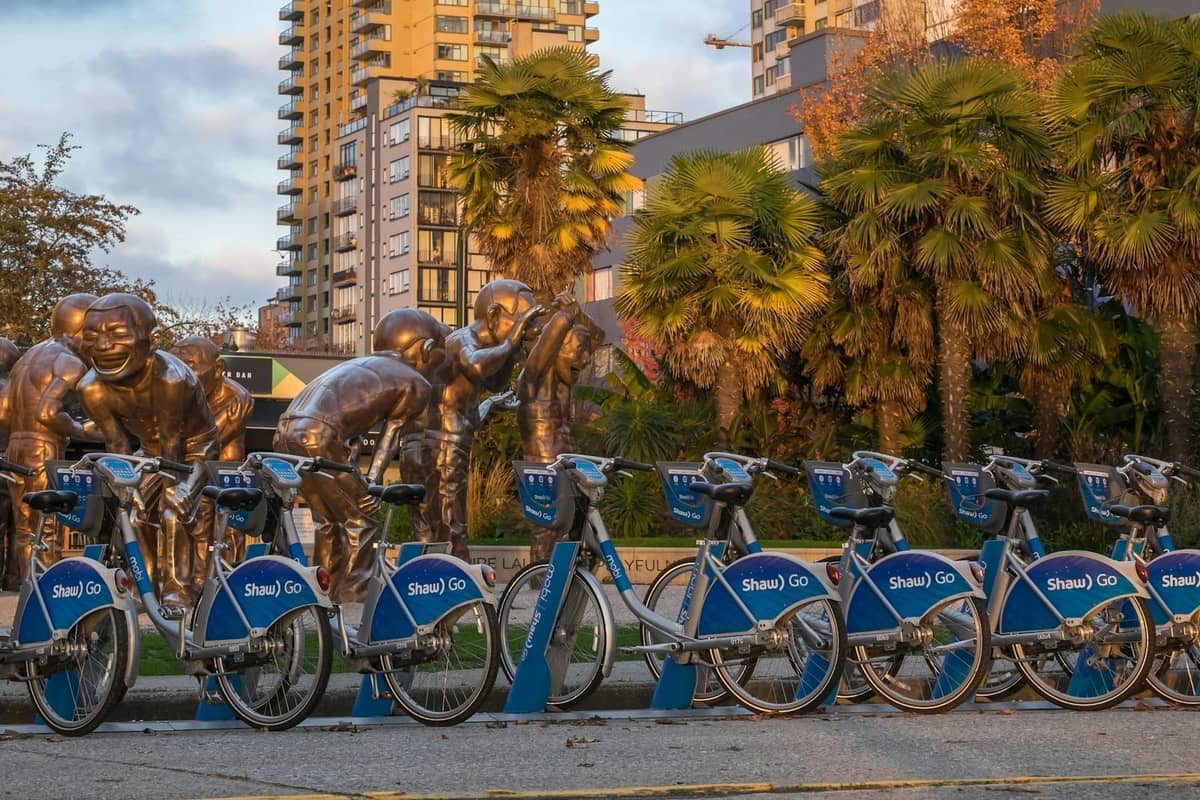
This three-day itinerary is designed to be car-free. The SkyTrain's Canada, Expo, and Millennium lines cover most of the city's major corridors, and the bus network fills the gaps. A reloadable Compass Card is more convenient than paper tickets and slightly cheaper per ride — available at SkyTrain stations and many retail stores. Day passes are worth considering if you plan more than three transit trips in a day.
- SeaBus (Waterfront to Lonsdale Quay, 12 minutes): use a Compass Card, standard transit fare
- False Creek Ferries / Aquabus: separate private operators, cash or card, fares around $4-7 per trip (verify current rates with the operators)
- Bike share (Mobi): available across the downtown peninsula, West End, and Kitsilano — useful for the seawall and False Creek routes
- Uber and Lyft: both licensed in Metro Vancouver since 2020, useful for late nights or North Shore connections not well-served by transit
- Walking: Stanley Park seawall, Gastown to Chinatown, and Yaletown to Granville Island are all realistic on foot with good shoes
✨ Pro tip
The SkyTrain runs frequently (every 3-7 minutes at peak times on the Canada Line) and is fully automated, so there is no confusion about which direction to board — the displays are clear and the maps are simple. Load your Compass Card with at least CAD $20 before leaving the airport to cover two or three days of transit without thinking about it.
Seasonal Considerations and When to Adjust the Plan
Vancouver's climate is temperate oceanic: mild and wet from October through March, drier and warmer from June through August. Mean July temperatures are around 18°C (65°F), which is comfortable for walking-heavy days. Mean January temperatures are around 4°C (40°F), rarely freezing but frequently grey and rainy. The Vancouver weather guide breaks this down month by month if you are visiting outside summer.
In winter, several aspects of this itinerary become less enjoyable or unavailable: bike rentals operate on reduced hours, the False Creek ferry schedule contracts, mountain viewpoints are frequently socked in with cloud, and the Stanley Park seawall is exposed to wind and rain. The indoor elements hold up well year-round: the Granville Island Market, Gastown's restaurants and shops, Chinatown's garden (check seasonal hours), and the city's museums. If you are visiting in December specifically, see the Vancouver in December guide for a more weather-appropriate version of the itinerary.
Summer brings long daylight — sunset does not come until after 9 PM in June and July — which means you can fit more into each day without feeling rushed. It also brings peak crowds at Stanley Park, Granville Island, and the North Shore attractions. Book Capilano tickets online in advance in July and August; arriving without a reservation during peak summer can mean long queues or sold-out sessions. For the best overall balance of weather and crowds, late May, early June, and September are the practical sweet spots. See the Vancouver in summer guide for more detail on the peak-season logistics.
FAQ
Is 3 days enough time to see Vancouver?
Three days is enough to cover the city's core highlights without feeling rushed, provided you organize by geography rather than bouncing across the city. Stanley Park and the West End on Day 1, Granville Island and Gastown on Day 2, and the North Shore plus Yaletown on Day 3 covers the essential range. You will not see everything — Kitsilano beaches, UBC, Richmond's food scene, and day trips to Whistler or Vancouver Island all require more time — but three focused days gives you a solid, well-rounded visit.
Do I need a car for a 3-day Vancouver itinerary?
No. The entire three-day itinerary described here is designed to be car-free. Stanley Park, Granville Island, Gastown, Chinatown, and Yaletown are all connected by walking, SkyTrain, and the False Creek ferries. North Vancouver is easily reached via the SeaBus from Waterfront Station. A Compass Card (reloadable transit card) handles all TransLink services. You only need a car if you plan to drive to Whistler, the Sunshine Coast, or specific trailheads outside the transit network.
What is the best way to get from YVR airport to downtown Vancouver?
The Canada Line SkyTrain is the fastest and most reliable option: it runs from YVR Airport station to Waterfront Station in downtown in approximately 25 minutes. An additional YVR AddFare applies when departing the airport on top of the standard zone fare — check current pricing on TransLink's website before you travel. Taxis offer flat zone-based rates to downtown; Uber and Lyft are also available at designated pickup areas. In normal traffic, all three options take roughly the same time, but the Canada Line sidesteps traffic entirely.
Is Capilano Suspension Bridge worth the money compared to Lynn Canyon?
It depends on your priorities. Capilano is a fully developed park experience with a well-maintained suspension bridge, treetop boardwalks, and excellent interpretive signage — the price reflects all of that infrastructure. Lynn Canyon's suspension bridge spans a narrower canyon but the admission is free, the trails are longer and less managed, and the crowds are smaller. If you have never done a suspension bridge experience and want the full package, Capilano justifies the cost. If you are comfortable with a more independent outing and want to save money, Lynn Canyon delivers comparable scenery at no charge.
What should I eat in Vancouver during a 3-day visit?
Vancouver's food scene is genuinely diverse, shaped by large Chinese, Japanese, South Asian, and Filipino communities. Day one: dim sum in Chinatown or Richmond (accessible by Canada Line) for lunch, fresh seafood on the waterfront for dinner. Day two: assemble breakfast or lunch from the Granville Island Public Market vendors — the seafood, bread, and cheese options are far better value than the sit-down restaurants on the island. Day three: ramen or Japanese cuisine near Robson Street in the West End is reliably good and reasonably priced. See the full guide on what to eat in Vancouver for specific neighbourhood recommendations.