Vancouver's Chinatown is one of the largest and most historically significant Chinese Canadian districts in North America, shaped by over 140 years of community life. Centered on Pender and Keefer Streets, it combines heritage architecture, classical gardens, traditional markets, and a wave of newer restaurants and cafés that have found a home in its ornate shopfront buildings.
Vancouver's Chinatown carries more than a century of Chinese Canadian history in its tiled facades, clan association buildings, and narrow produce-lined sidewalks. It is not a theme park version of itself: the streets are genuinely alive with morning market vendors, the smell of roast duck drifting from open doorways, and the low hum of Cantonese conversation. That authenticity, layered against real urban pressures from the adjacent Downtown Eastside, makes it one of Vancouver's most complex and rewarding neighborhoods to explore.
Orientation
Chinatown occupies a compact rectangle roughly east of downtown Vancouver's core, bounded by the alley between Pender and Hastings Streets to the north, Georgia Street to the south, Gore Avenue to the east, and Taylor Street to the west. In practical terms, most visitors navigate between Main Street, East Pender Street, and Keefer Street, which form the neighborhood's main commercial spine.
The neighborhood sits immediately east of Gastown, and the two districts are connected along East Hastings Street and Water Street. Walking west from the Millennium Gate at Pender and Taylor, you reach Gastown's cobblestones in under ten minutes. To the south, Chinatown backs onto the edge of False Creek, and the neighborhoods of Mount Pleasant and Main Street corridor are a short distance away along Main Street.
Understanding this geography matters for planning. The northern edge of Chinatown, along Hastings Street, merges with the Downtown Eastside, one of Canada's most documented zones of concentrated poverty, visible drug use, and social challenges. Knowing where one district ends and another begins shapes the experience considerably, and that context is covered honestly in the safety section below.
Character and Atmosphere
Arrive on Pender Street before 9 a.m. on a weekend and the neighborhood is already working. Vendors stack bok choy and bitter melon on sidewalk tables outside produce shops, bakery windows fill with pineapple buns and egg tarts, and elderly residents clip along with wheeled carts. The signage is bilingual throughout, the lettering dense and vertical on older shopfronts, and the decorative cornices and recessed balconies of the heritage buildings give the street a layered quality that no amount of renovation can replicate.
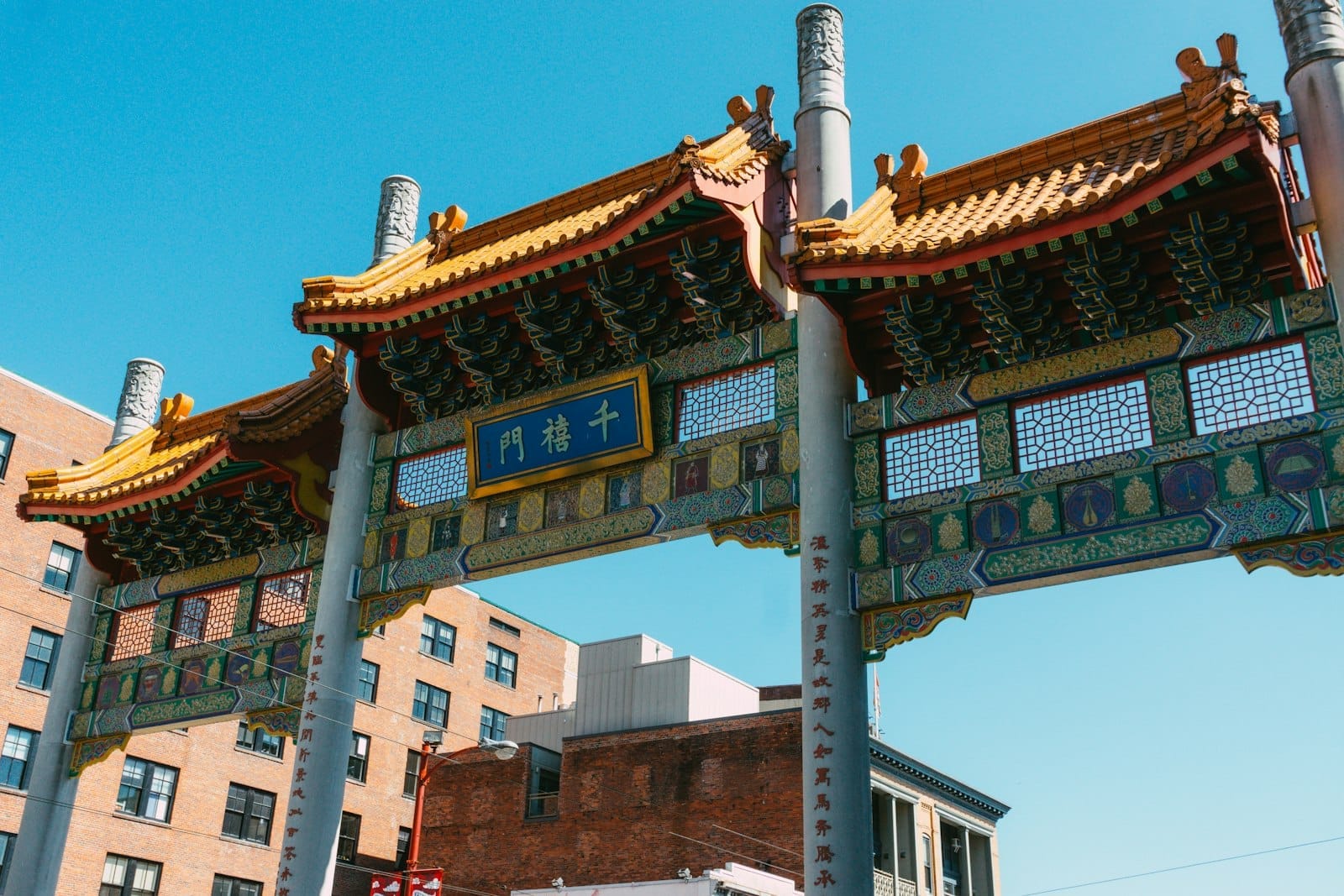
By midday, the mix shifts. Tourists move through more deliberately, pausing at the Millennium Gate archway at Pender and Taylor, photographing the red-and-gold storefronts, lining up at roast duck windows. The Dr. Sun Yat-Sen Classical Chinese Garden draws a steady flow of visitors through the afternoon, and the surrounding park fills with people eating lunch on benches. The light in summer afternoons hits the carved wooden screens through the garden's moon gates at angles that stop you mid-step.
After 6 p.m., the produce stalls close and the street quiets considerably. A handful of restaurants remain busy on Keefer Street through the evening, and a small number of newer bars and cafés have brought a younger crowd to some blocks near Main Street. But Chinatown is not a nightlife destination in the conventional sense, and the reduced foot traffic in the late evening means visitors should be aware of their surroundings, particularly toward the Hastings Street end of the neighborhood.
The neighborhood is visibly in transition. Longtime businesses sit alongside specialty coffee shops and contemporary restaurants. Long-term residents and community advocates have pushed back against displacement and redevelopment, and that tension is part of the honest texture of the place. Heritage designation has protected many of the commercial buildings, which means the physical fabric is more intact here than in many comparable North American Chinatowns.
What to See and Do
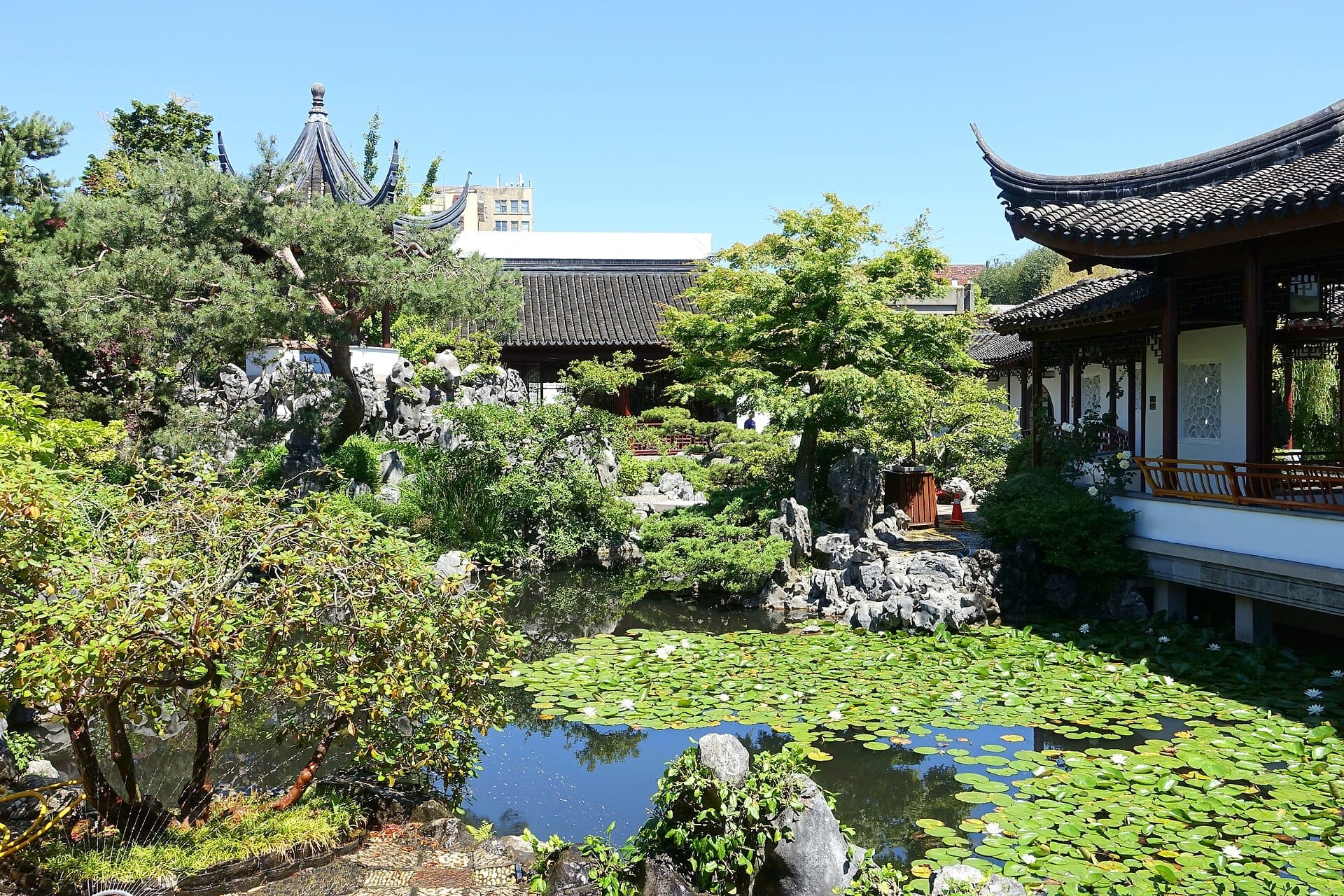
The Dr. Sun Yat-Sen Classical Chinese Garden is the centerpiece of any visit to Chinatown. Built in 1986 as the first full-scale classical Chinese garden constructed outside of China, it occupies a walled compound off Carrall Street and reproduces the scholar garden style of Suzhou's Ming Dynasty estates. The arrangement of limestone rocks, jade-green water, white-washed walls, and covered corridors is designed to create constant compositional variety as you move through it. Adjacent to the paid garden is the free Dr. Sun Yat-Sen Park, which shares the same design language and is worth at least a few minutes even if you skip the ticketed interior.
The Millennium Gate at the corner of West Pender Street and Taylor Street is the ceremonial western entrance to Chinatown, erected in 2002. Its three-tiered roof and painted panels are the most photographed element of the neighborhood, and it marks a useful psychological threshold between the downtown grid and the Chinese Canadian district. Walk east from the gate along Pender and you pass the densest concentration of heritage commercial buildings, including some of the ornate recessed balcony buildings that gave the street its distinctive profile.
The Chinatown Historic District was designated a National Historic Site of Canada in 2011, which means the area's built environment has formal protection. The Vancouver Heritage Foundation has produced detailed walking tour materials covering the architectural and social history of specific buildings, including clan association halls and benevolent society buildings that were central to community organization for generations of Chinese immigrants. Picking up one of these guides, or following its route independently, adds significant depth to a self-guided walk.
The Sam Kee Building at 8 West Pender Street holds the record as one of the narrowest commercial buildings in the world, at roughly 1.5 metres deep. The story behind it involves a land dispute following the city expropriating most of the original lot, and the owner building the shallowest possible structure out of principle. It is a small detail, but it captures something about the neighborhood's history of resistance and resourcefulness.
💡 Local tip
The Dr. Sun Yat-Sen Classical Chinese Garden hosts free concerts and evening events at certain times of year. Check the garden's official website before your visit for current programming, as the space takes on a different quality entirely after dark with lantern lighting.
Dr. Sun Yat-Sen Classical Chinese Garden and adjacent park, off Carrall Street
Millennium Gate at West Pender and Taylor Streets
Sam Kee Building at 8 West Pender Street
Heritage walking routes through the National Historic Site district
Night Market (formerly held on summer weekends on Keefer Street; currently not running every year, so verify status and dates before visiting)
Eating and Drinking
The food in Chinatown covers a wide range in both style and price, from no-frills roast meat counters that have operated for decades to contemporary Chinese Canadian restaurants reworking regional dishes with local ingredients. Keefer Street is the more concentrated dining strip, while Pender Street mixes restaurants with produce markets, herbal medicine shops, and bakeries.
For traditional Cantonese roast meats, the glass-fronted counters along Pender and Keefer are the place to go. Roast duck, char siu (barbecued pork), and soy-poached chicken are typically available through midday and into the early afternoon, and the protocol is straightforward: point at what you want, specify the amount, and it is chopped and plated or packaged while you wait. These counters are almost always less expensive than sit-down restaurants and represent some of the best food value in the neighborhood.
Dim sum is available at several traditional restaurants, most active on weekend mornings when tables fill with multi-generational family groups. Expect trolleys, noise, and unhurried service at the older establishments. The experience is authentic rather than curated, which means you may need to flag down carts and communicate across a language barrier, and that is part of what makes it worthwhile.
Over the past decade, a number of newer cafés and restaurants have opened along the edges of Chinatown, particularly near the Main Street end. Some serve contemporary interpretations of Chinese dishes, others are independent coffee shops that have moved into ground-floor heritage spaces. This layer of the food scene draws a younger crowd and tends toward slightly higher price points, though it also has drawn community debate about displacement and the changing character of the neighborhood.
The Chinatown food scene connects naturally to the broader conversation about what makes Vancouver's eating culture distinct. For a wider view of Chinese food across the city, and Vancouver's multicultural food scene generally, the Vancouver food guide covers the full picture.
ℹ️ Good to know
Several herbal medicine shops and traditional grocery stores along Pender Street stock dried goods, preserved foods, and ingredients that are difficult to find elsewhere in the city. Even if you are not buying, the interiors, with their wall-length shelving of jars and drawers, are worth a look.
Getting There and Around
The closest SkyTrain station is Stadium-Chinatown on the Expo Line, located just west-southwest of the neighborhood's main commercial area. From the station, it is a short walk east along Pender Street to reach the Millennium Gate and the core of the district. The station also serves BC Place and the Gastown area, making it a useful hub for exploring several adjacent neighborhoods in the same outing.
Several TransLink bus routes serve the Chinatown corridors, with stops along Main Street, Hastings Street, and Pender Street. If you are coming from other parts of the city, the getting around Vancouver guide covers transit options in detail, including how to use the Compass Card system and plan multi-leg journeys on the TransLink network.
Chinatown is walkable from Gastown in around ten minutes heading east along East Hastings or East Pender Street. From downtown Vancouver's central blocks around Granville and Georgia, the walk takes roughly 20 to 25 minutes. Cycling is practical, as several bike routes run through the area, and the city's bike-share network has docking stations nearby.
Parking is available in the neighborhood but can be limited on weekend mornings when the night market or seasonal events are running. Transit or walking from a nearby station is the more straightforward option for most visitors.
Safety and Practical Awareness
Chinatown's northern boundary runs along a stretch of East Hastings Street that sits within the Downtown Eastside, a neighborhood with well-documented social challenges including visible drug use, homelessness, and poverty. This is not a reason to avoid Chinatown, but it is context visitors should have before arriving. The main commercial area along Pender and Keefer Streets, and the Dr. Sun Yat-Sen Garden, are active and accessible throughout the day without significant concern.
⚠️ What to skip
Moving north from Pender Street toward Hastings Street, particularly east of Main Street, you will encounter the most acute street-level social challenges. Daytime walking is common for locals and visitors, but unfamiliar visitors should be aware of the environment and stay alert, especially after dark. The core of Chinatown south of Hastings is a different experience from this corridor.
The neighborhood has an active community of residents and business owners who have lived and worked here for generations, and it functions as a normal urban commercial district during daylight hours. Petty theft is a general city-wide concern rather than specific to Chinatown, and standard travel precautions apply: keep bags secured, avoid displaying expensive equipment unnecessarily, and stay on well-lit streets in the evening.
For a broader overview of safety considerations across Vancouver's neighborhoods, the Vancouver safety guide provides practical, honest information for visitors.
Where to Stay
There are limited hotel options directly within Chinatown's boundaries, and it is not a neighborhood that most visitors choose as a base for a general Vancouver trip. The immediate area offers character and proximity to Gastown and downtown's east side, but it lacks the full-service hotel infrastructure of downtown or Yaletown, and the street environment after dark is more variable than those areas.
For travelers who want easy access to both Chinatown and the wider city, staying in downtown Vancouver or Gastown places you within comfortable walking distance of the neighborhood while giving you more accommodation options and a more varied street environment in the evenings. The Vancouver accommodation guide covers all major neighborhood options with honest comparisons.
Budget travelers and those specifically interested in the neighborhood's character may find guesthouses or smaller boutique options nearby, particularly along the Gastown boundary. Anyone staying in the area should factor the evening street environment into their expectations, particularly if arriving late or leaving early.
Connecting Chinatown to the Rest of Vancouver
One of Chinatown's advantages as a visitor destination is how naturally it connects to neighboring areas in a single half-day or full-day itinerary. Walking west from the Millennium Gate takes you into Gastown with its heritage buildings and the Gastown Steam Clock along Water Street. Continuing west and north brings you to the waterfront at Canada Place and Coal Harbour.
Walking or cycling south from Chinatown along Main Street connects you to the Mount Pleasant and Main Street neighborhood, a corridor of independent shops, breweries, and restaurants with a very different but complementary energy. For a full day that moves through several distinct Vancouver characters, pairing Chinatown with Gastown in the morning and Mount Pleasant in the afternoon covers a lot of ground without requiring transit.
Chinatown also plays a specific role during the Vancouver Chinese New Year celebrations, when the neighborhood hosts parades, performances, and events that draw large crowds. If your visit coincides with Lunar New Year, arriving early and on foot is strongly recommended, as street closures and crowds make the area difficult to navigate by car.
TL;DR
Chinatown is one of the best-preserved historic Chinatowns in North America, with genuine working character rather than a sanitized tourist version of itself.
The Dr. Sun Yat-Sen Classical Chinese Garden is the neighborhood's standout attraction, a world-class example of classical Chinese landscape design in a surprisingly intimate setting.
The food scene spans traditional Cantonese roast meat counters, long-running dim sum restaurants, and newer contemporary options, at a range of price points.
Proximity to the Downtown Eastside means visitors should be aware of the street environment north of Pender Street, particularly after dark, but the core of Chinatown is accessible and active during the day.
Best suited to travelers interested in history, architecture, and food; can be combined naturally with a Gastown walk or a morning market visit as part of a broader downtown east itinerary.
Three days is enough time to cover Vancouver's best neighbourhoods, waterfront parks, and mountain views without feeling rushed. This itinerary organizes the city logically by geography, cuts out the tourist traps, and works whether you're on foot, SkyTrain, or a borrowed bike.
Vancouver's art scene spans a former provincial courthouse turned major museum, an intimate Haida gallery downtown, a world-class anthropology collection at UBC, and a full gallery district along South Granville. This guide covers the best art galleries in Vancouver for every interest and budget.
Vancouver has over 18 kilometres of oceanfront beaches, from lively urban strands with mountain backdrops to tidal flats perfect for families. This guide covers every beach worth your time, with clear notes on what to expect at each one.
Vancouver's museum scene spans world-class Indigenous art collections, civic history, space science, maritime heritage, and forensic curiosities. These are the best museums in Vancouver, organized by theme and neighbourhood, with practical tips for each.
Vancouver's temperate oceanic climate means it's visitable year-round, but each season offers a completely different experience. This guide breaks down weather, crowds, hotel prices, and key events by season so you can pick the right time for your trip.
Vancouver is one of the most visually dramatic cities in the world, where a downtown skyline meets ocean inlets and snow-capped peaks. This guide covers the best viewpoints across the city, from free hilltop parks and seawall walks to mountaintop gondolas and elevated observation decks.
Vancouver's garden scene ranges from a world-class 55-acre botanical garden to an authentic Japanese tea garden and a tropical conservatory open year-round. This guide covers every significant plant-focused attraction in the city, with notes on the best seasons to visit each.
Vancouver sits at the gateway to some of the most dramatic scenery in North America. Whether you head north toward Whistler, west to Vancouver Island, or east into the Fraser Valley, these are the best day trips from Vancouver, with realistic travel times, transport options, and what to prioritise once you arrive.
Vancouver is one of Canada's most expensive cities, but a remarkable number of its best experiences cost nothing. These 22 free activities cover Stanley Park, beaches, North Shore hikes, waterfront walks, and neighbourhood explorations across the city.
Vancouver's transit network is one of the best in North America, but navigating zones, passes, and peak hours takes some planning. This guide covers every mode of transport, from the Canada Line SkyTrain to cycling the seawall, with current fares and practical tips on when to skip the car entirely.
Vancouver sits at the edge of one of the most dramatic hiking landscapes in North America. These are the best trails near the city, from steep North Shore climbs to peaceful forest walks, chosen for scenery, accessibility, and what makes each one worth the effort.
Vancouver delivers a compelling luxury travel proposition: world-class 5-star hotels steps from the waterfront, a dining scene that punches well above its size, and wilderness experiences that no other major city can match. This guide covers where to stay, when to book, what to spend, and how to get the most out of high-end Vancouver.
Vancouver packs an extraordinary range of experiences into a compact, walkable city on Canada's Pacific coast. This guide covers the best things to do in Vancouver BC, from iconic outdoor adventures to neighbourhood deep-dives, with practical assessments, current pricing context, and logistics to help you make the most of your time.
Vancouver hosts one of Canada's largest Lunar New Year celebrations, anchored by a 1.3 km parade through historic Chinatown and a full 15-day festival season. This guide covers the parade route, top events across Metro Vancouver, transport logistics, and what first-timers often get wrong.
Vancouver sets a high bar for romantic travel. Mountains meet ocean, world-class restaurants sit steps from forested trails, and the city shifts beautifully with every season. This guide covers the best things to do in Vancouver BC for couples, from free waterfront walks to splurge-worthy experiences worth every dollar.
December transforms Vancouver into one of Canada's most festive winter cities, with major light displays, Christmas markets, and ice skating — all against a backdrop of mild, rainy Pacific weather. This guide covers everything you need to plan a December visit, from the best seasonal events to practical logistics.
Summer is Vancouver's best season by most measures: dry weather, long daylight hours stretching past 9 pm, and a calendar packed with outdoor events. This guide covers what to do each month, how much it costs, where crowds get bad, and what the city actually feels like when temperatures hit their annual peak.
Getting from Vancouver to Vancouver Island is straightforward once you know which route to take, when to book, and what to expect on the water. This guide covers every BC Ferries route, current fare ranges, reservation rules, and practical tips for making the most of a day trip or longer stay.
Vancouver's after-dark scene spans gritty dance clubs on the Granville Strip, polished cocktail lounges in Yaletown, independent craft beer bars on Main Street, and live music in Gastown. This guide breaks down where to go, what to expect, and how to avoid a bad night out.
Vancouver has a reputation for being pricey, and on accommodations and dining, that reputation is earned. But a huge share of what makes the city worth visiting costs nothing at all. This guide breaks down real daily costs, the best free attractions, affordable food strategies, and how to get around without spending a fortune.
Vancouver is one of Canada's most visited cities, and for good reason. But visitors increasingly ask: is Vancouver safe? This guide uses recent crime data, neighborhood-by-neighborhood context, and practical tips so you can explore with confidence.
The Vancouver Seawall is the world's longest uninterrupted waterfront path, stretching about 22 km along the waterfront from Coal Harbour to Kitsilano Beach, with some sources including extensions out to roughly 28–30 km. This guide covers every section of the route, cycling rules, seasonal conditions, rental options, and the best spots to stop along the way.
Vancouver's shopping scene spans luxury boutiques on Alberni Street, 330-store malls reachable by SkyTrain, a working public market on a former industrial island, and independent-label strips on Main Street and Commercial Drive. This guide breaks down every major option by neighbourhood, budget, and transit access so you can shop smarter.
Vancouver is one of the most approachable solo travel destinations in North America. From the Stanley Park Seawall to Granville Island's food stalls, this guide covers everything you need to plan a confident, well-timed solo trip to British Columbia's Pacific coast city.
The trip from Vancouver to Calgary covers roughly 970 km and can be done by plane, car, or bus. Each option has real trade-offs. This guide breaks down the costs, logistics, and seasonal considerations so you can choose the route that actually works for your trip.
The Vancouver to Seattle corridor is one of the most-traveled cross-border routes in North America. Whether you're driving I-5, riding the Amtrak Cascades train, or taking a budget coach, this guide breaks down travel times, costs, border logistics, and the smartest ways to avoid delays.
Everything you need to plan the Vancouver to Whistler drive via Highway 99, including key stops along the Sea to Sky corridor, shuttle alternatives, winter driving laws, and the best times to make the trip. Whether you're heading up for ski season or a summer adventure, this guide covers it all.
Vancouver's temperate oceanic climate means mild, rainy winters and warm, relatively dry summers — but the details matter for trip planning. This guide breaks down Vancouver weather month by month, covering temperatures, precipitation, crowd levels, and what to pack for every season.
From Stanley Park playgrounds to Science World and the Granville Island Kids Market, Vancouver delivers serious family value across every budget and season. Practical logistics, clear assessments, and the specific details parents actually need.
Vancouver's food scene is one of the most diverse in North America, shaped by Pacific seafood, deep Asian culinary traditions, and a thriving modern restaurant culture. This guide breaks down what to eat, where to eat it, and what to skip across the city's best food neighborhoods.
Choosing where to stay in Vancouver shapes your entire trip. This guide covers every major neighbourhood, realistic price ranges, seasonal timing, and clear trade-offs so you can match your accommodation to how you actually plan to spend your days.