Best Time to Visit Vancouver: A Month-by-Month Guide for Every Type of Traveler
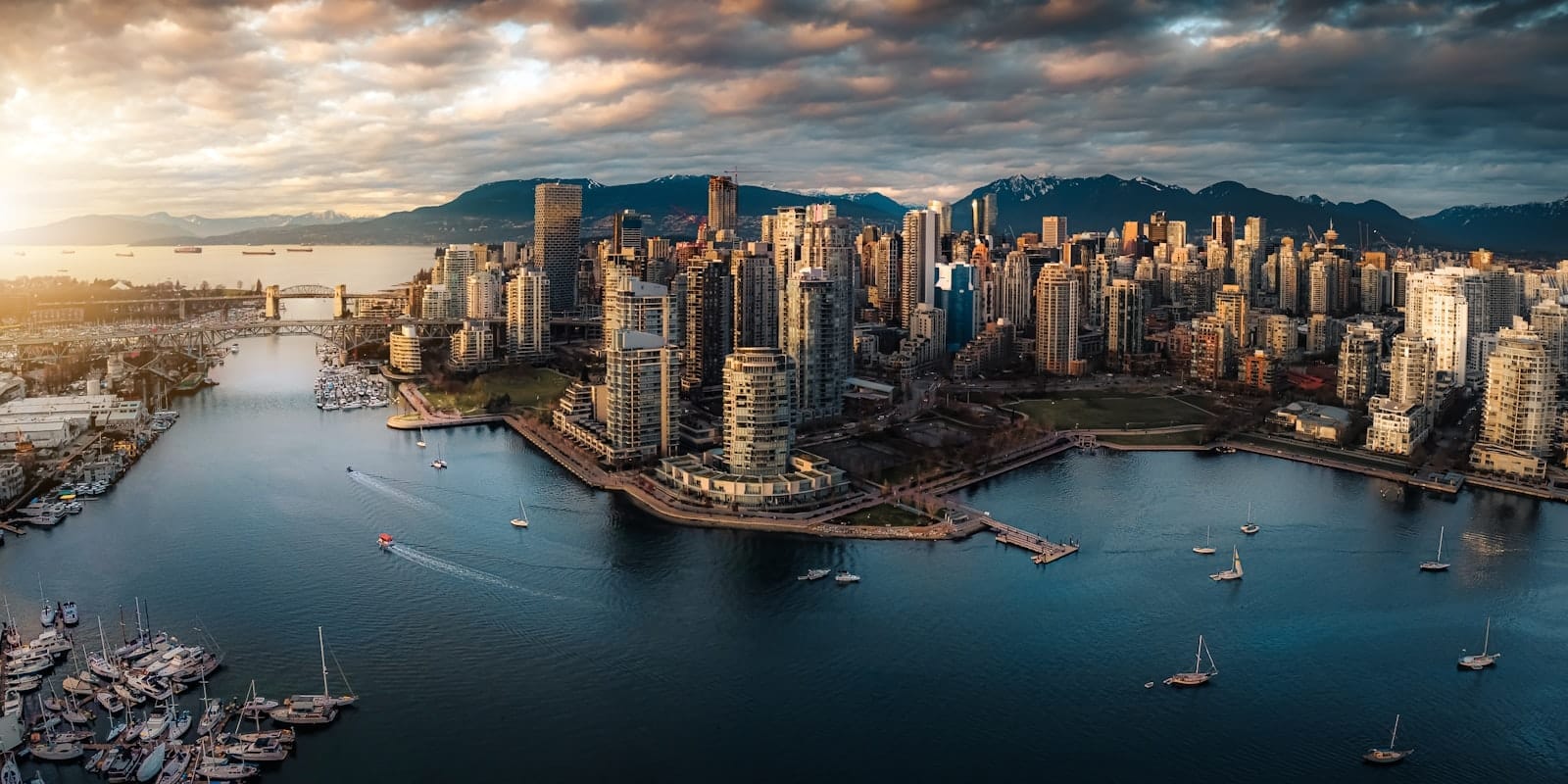
Vancouver's temperate oceanic climate means it's visitable year-round, but each season offers a completely different experience. This guide breaks down weather, crowds, hotel prices, and key events by season so you can pick the right time for your trip.
Plan and book this trip
Tools from our partner Travelpayouts help you compare flights and hotels. If you book through them, we may earn a commission at no extra cost to you.
Flights
Hotels map
TL;DR
- July and August are the driest, warmest months (average highs around 22°C) and peak tourist season — book accommodation 6–9 months ahead for the best rates and availability.
- Spring (March–May) and early fall (September–October) offer mild weather, fewer crowds, and noticeably lower hotel prices — the strongest value windows for most travelers.
- Vancouver's winters are not the brutal Canadian deep-freeze many expect: temperatures hover a few degrees above zero, with rain rather than snow dominating from November to March.
- Vancouver operates on Pacific Standard Time (PST, UTC−8) in winter and Pacific Daylight Time (PDT, UTC−7) in summer — relevant if you're coordinating across time zones for flights or business.
- For weather, outdoor activities, and the full range of what to see in Vancouver, Canada, late July to mid-August is the statistical peak — but it comes at a premium in cost and crowds.
Understanding Vancouver's Climate: What the Numbers Actually Mean
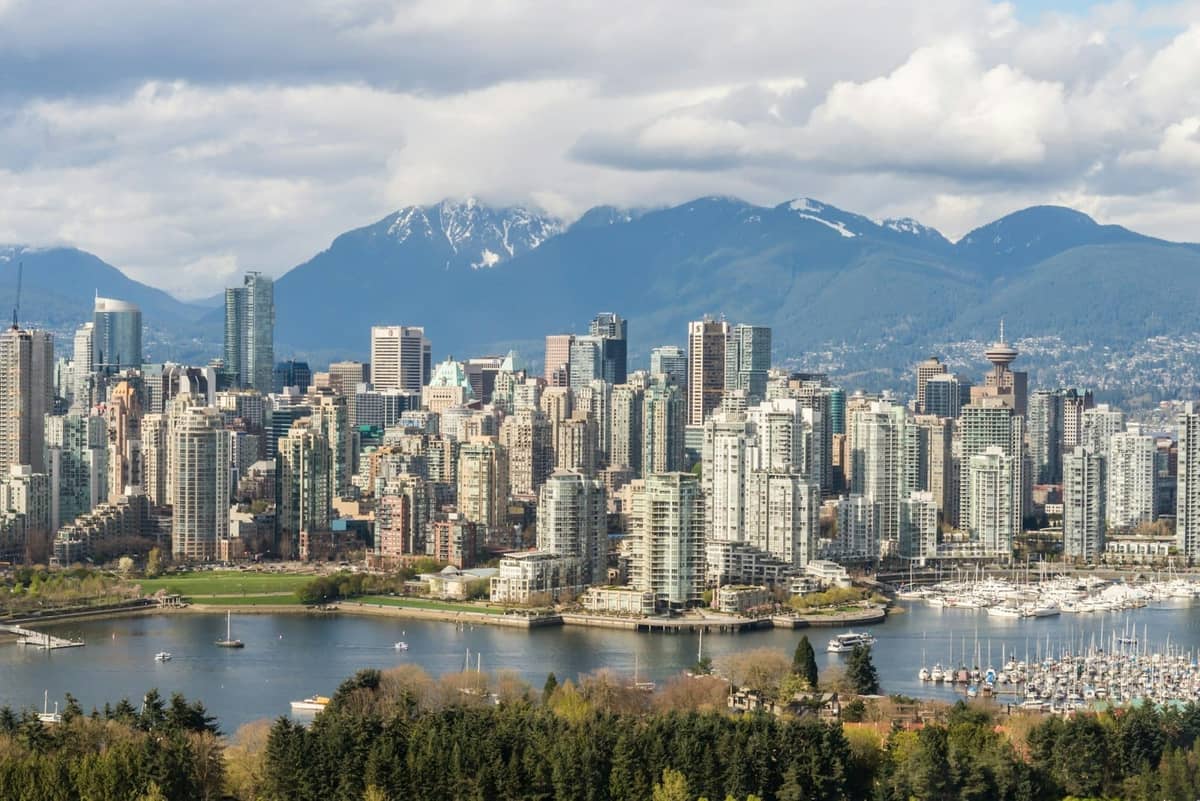
Vancouver sits on the Pacific coast at roughly 49°N latitude, sheltered by Vancouver Island to the west and the Coast Mountains to the north. That geography produces a temperate oceanic climate (Köppen Cfb) unlike anywhere else in Canada: mild, wet winters and warm, relatively dry summers. The extremes most people associate with Canada — blizzards, -20°C cold snaps, ice storms — are genuinely rare here. Temperatures below -4°C or above 27°C are both uncommon.
The practical upshot: Vancouver in January averages around 4.8°C (41°F), not -15°C. Vancouver in July averages around 18°C (64°F) with highs near 22°C — warm and pleasant, but not baking hot. If you're arriving from a hot-summer climate expecting beach weather at 30°C, the reality of July will be comfortable but possibly underwhelming. If you're arriving from a cold-winter climate expecting skiing in the city, you'll mostly find grey drizzle at sea level — though the mountains above North Vancouver do get substantial snowfall.
ℹ️ Good to know
Vancouver time zone: The city runs on Pacific Standard Time (PST, UTC−8) from early November to mid-March, then switches to Pacific Daylight Time (PDT, UTC−7) for the remainder of the year. Vancouver observes daylight saving time, so 'Vancouver time now' shifts by one hour depending on the season.
Rainfall is the defining seasonal variable, not temperature. November averages around 20 cm of precipitation — the wettest month by far. July drops to just under 4 cm on average. August has the clearest skies of any month, with sunny or partly cloudy conditions roughly 66% of the time. If you want to walk the Stanley Park Seawall or spend an afternoon at English Bay Beach without carrying an umbrella, July and August are your months.
Season by season: pros, cons, and who each suits
Rather than declaring a single 'best time to visit Vancouver,' the honest answer is that it depends entirely on your priorities. Here's how each season actually plays out.
- Summer (June–August): Peak season, peak price The warm season runs from mid-June to early September, with average daily highs climbing above 19°C. July is the hottest month (average high around 22°C, low around 14°C) and July is also the driest month statistically. Outdoor activities — hiking, cycling the seawall, beach days, whale watching, and festivals — are all at their best. The downside: accommodation prices spike, popular trails get crowded by mid-morning, and the Christmas-in-July atmosphere at Granville Island can feel overwhelming. For peak summer, booking 6–9 months in advance is not an exaggeration.
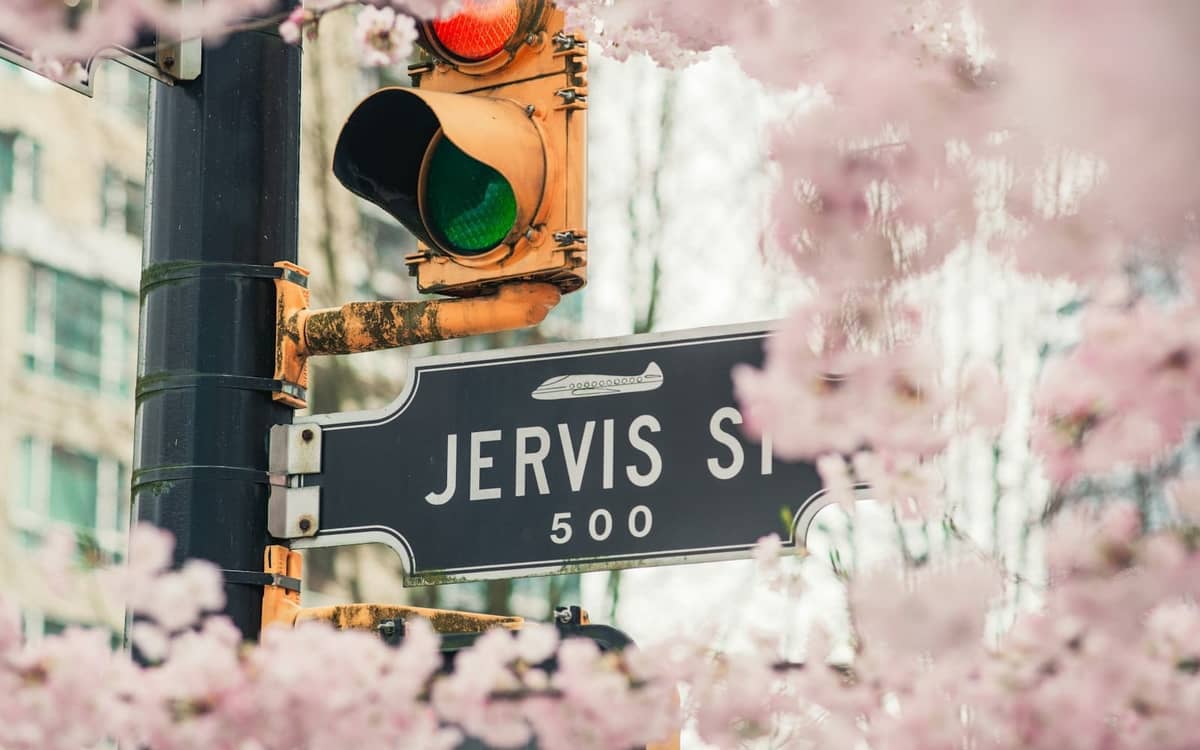
- Spring (March–May): The sweet spot for value travelers Temperatures climb gradually from cool (average 7–10°C in March) to genuinely pleasant (average highs around 16–18°C in May). Rain is still frequent in March and April, but cherry blossoms typically peak in late March to mid-April across the city's streets and parks, drawing photographers and visitors who plan specifically around them. Hotel rates are lower than summer across the board, and the city's indoor attractions — museums, galleries, markets — are far less crowded.
- Fall (September–October): Shoulder season with residual warmth September often behaves like a continuation of summer: temperatures remain in the mid-teens, rain is still relatively infrequent, and the summer crowds have thinned. October sees noticeably more rain and cooler temperatures (average high around 10°C), but fall foliage in parks and the North Shore mountains compensates. This is arguably the best time to visit Vancouver if you want the outdoor experience at lower cost.
- Winter (November–February): For the undeterred and budget-conscious Vancouver's low season is defined by persistent grey skies and regular rain from November through February. Average December highs sit around 6°C — cold but not extreme. Snow in the city is rare and typically short-lived. The upside: hotel rates drop significantly, the city has a genuine local feel without tourist compression, and the mountains above North Vancouver (Grouse Mountain, Cypress Mountain) often have skiable snow within 30–45 minutes of downtown.
⚠️ What to skip
Don't confuse Vancouver, British Columbia with Vancouver, Washington (USA), a separate city across the Columbia River from Portland. When booking flights, the correct airport code for Vancouver, Canada is YVR (Vancouver International Airport), located in Richmond, about 12 km from downtown.
Peak Season Deep Dive: What July and August Actually Look Like
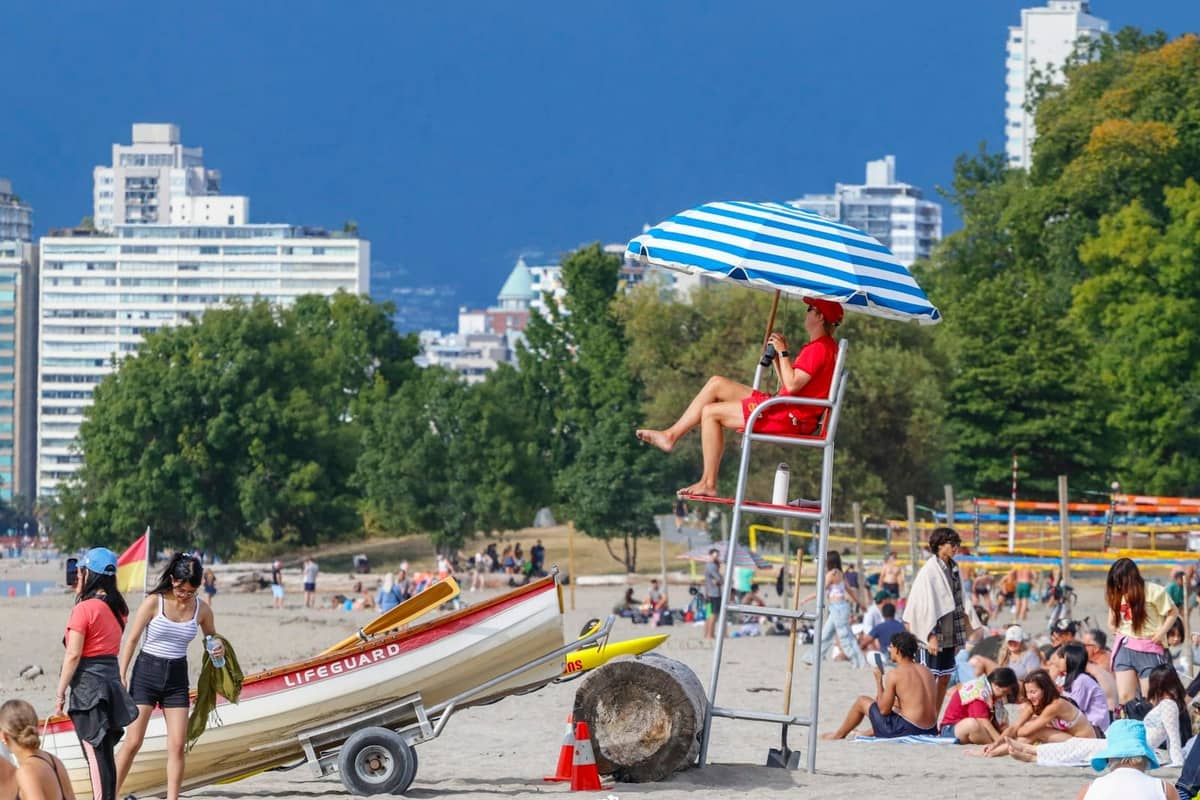
Climate scoring from weather analytics consistently rates mid-July to late August as the optimal window for general outdoor tourist activities in Vancouver, with the first week of August registering as the statistical peak for both general activity and beach/hot-weather conditions. In practical terms, this is when the city operates at full capacity.
The summer event calendar is dense. The Honda Celebration of Light (an international fireworks competition held over English Bay), the Vancouver Pride Parade in late July, and the HSBC Canada Sevens rugby tournament all draw large crowds. Granville Island Public Market gets genuinely packed by 11am on weekends. Trails like the Grouse Grind on the North Shore see queues at the trailhead. Book restaurants, tours, and major attractions well in advance.
One nuance worth knowing: the first three weeks of June can still be cool and partly rainy. Locals refer to this as 'Juneuary' — the west coast spring that refuses to fully commit to summer. If your trip falls in early June, pack layers and don't assume beach weather.
✨ Pro tip
For summer visits, arrive on a weekday and plan outdoor highlights (seawall, Stanley Park, beaches) for early morning — before 9am, crowds are thin even in August. Late afternoon on weekends is when congestion peaks at most parks and the waterfront.
Value Windows: Spring and Fall for Smarter Budgets
March through May and September through October consistently offer the best balance of weather and cost. Hotel rates across downtown Vancouver and Yaletown are noticeably lower than peak summer, and the city's indoor and outdoor mix of attractions remains fully accessible. If your budget is a primary constraint, check out strategies in our Vancouver on a budget guide for accommodation and activity cost comparisons by season.
Late September and early October can genuinely surprise first-time visitors. The North Shore mountains start showing fall color, the Pacific Spirit Regional Park trails are quiet and atmospheric, and daytime temperatures in the low-to-mid teens are comfortable for walking and cycling. The Vancouver International Film Festival (VIFF), typically held across late September and early October, is one of the largest film festivals in North America and adds a distinct cultural energy to the city during that period.
Spring is specifically worth considering for day trips. Day trips from Vancouver to Whistler, the Sea-to-Sky corridor, and the Gulf Islands are all more comfortable before summer crowds arrive. The Whistler Blackcomb ski season often extends into April or even May depending on snowpack, so late spring can mean skiing in the mountains and mild city weather on the same trip.
Winter in Vancouver: Who Should Consider It (and Who Shouldn't)
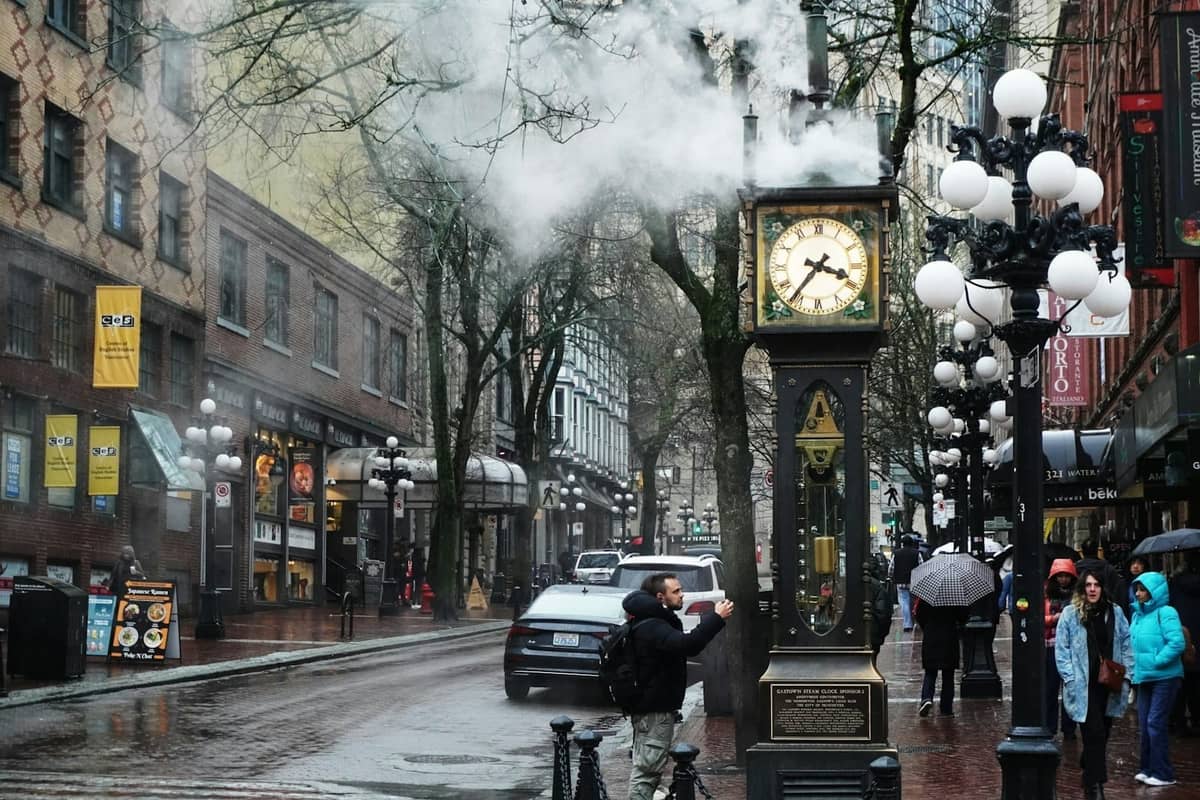
Winter is not Vancouver's strongest suit for first-time visitors who want outdoor exploration. From November through February, expect persistent low cloud, frequent rain, and short daylight hours. The city doesn't shut down — far from it — but the experience is fundamentally different from the sun-drenched images that dominate travel photography of the city.
That said, winter has genuine advantages for the right traveler. Skiers and snowboarders can access Grouse Mountain or Cypress Mountain within 30–45 minutes of downtown, often with fresh snow while the city stays above freezing. The Vancouver in December guide covers the holiday lights, Christmas markets, and winter events that give the city a different kind of appeal in the low season. The VanDusen Festival of Lights at VanDusen Botanical Garden is a standout seasonal event, typically running from late November through early January.
- Hotel rates drop significantly in January and February — the lowest prices of the year
- The Christmas–New Year period (roughly December 20 to January 3) is busy and expensive, comparable to summer peaks in some hotels
- Museum and gallery visits are excellent in winter: the Vancouver Art Gallery, Museum of Anthropology at UBC, and HR MacMillan Space Centre all operate year-round (note that the Museum of Anthropology has been undergoing phased renovations and galleries may not all be open at all times)
- Indoor food markets and neighbourhood dining in Gastown and Chinatown are arguably more enjoyable without summer tourist saturation
- Snow in the city is infrequent and rarely sticks — do not expect a white-Christmas Vancouver without heading to the mountains
Practical Logistics: Getting There and Getting Around by Season
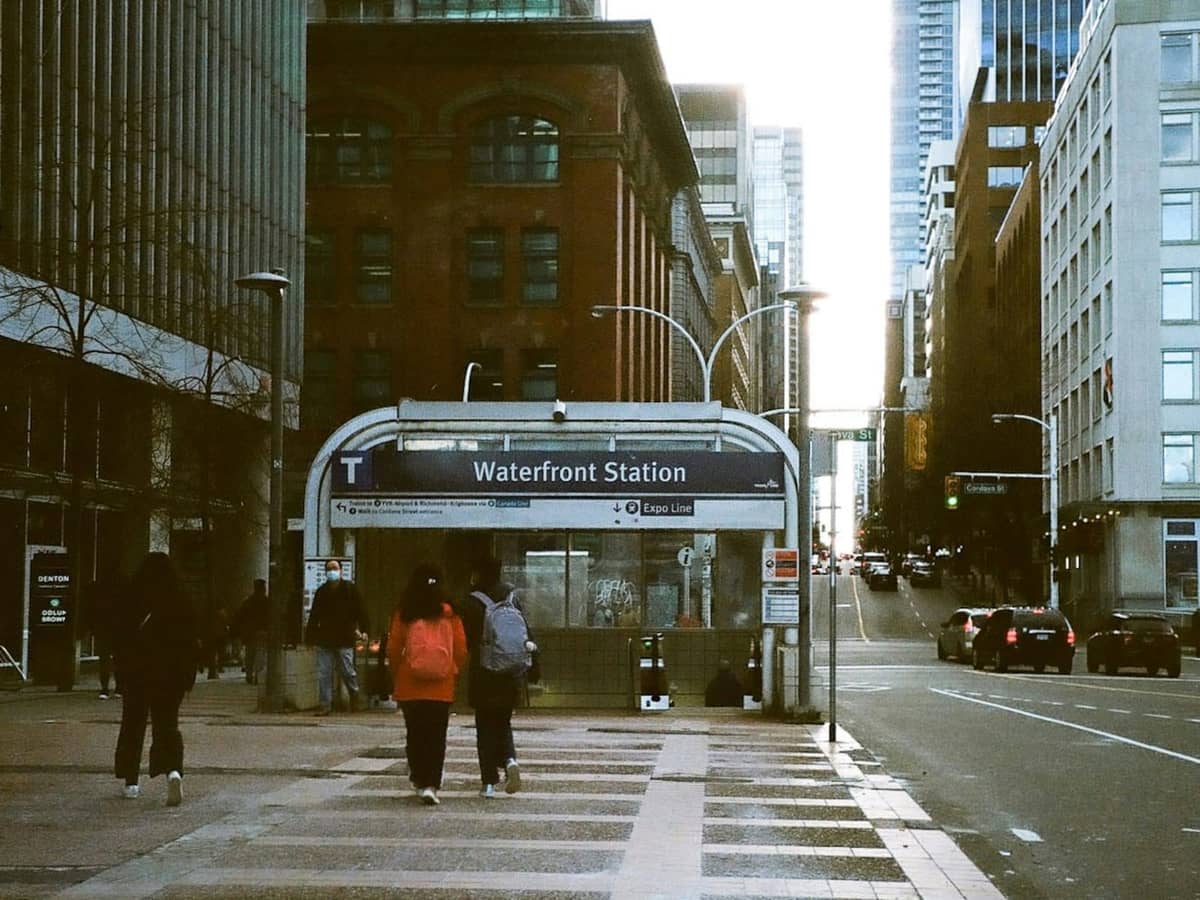
Vancouver International Airport (YVR, IATA code) is located in Richmond, approximately 13 km south of downtown. The Canada Line SkyTrain connects the airport to Waterfront Station in downtown Vancouver in around 25 minutes, making it one of the most efficient airport-to-centre connections of any major Canadian city. Taxis and ride-hailing services (Uber and Lyft both operate in Metro Vancouver) are available at designated zones at arrivals level.
Within the city, TransLink operates the SkyTrain (Expo, Millennium, Canada, and Evergreen Extension Lines), an extensive bus network, the SeaBus passenger ferry between downtown and North Shore, and the West Coast Express commuter rail on weekdays. For visitors, the Canada Line covers the airport, downtown, and connects to Kitsilano adjacent routes, while the Expo Line reaches Gastown and Science World. Transit fares and zone structures change periodically — verify current pricing at translink.ca before your trip. Our guide to getting around Vancouver covers transit passes, cycling infrastructure, and neighbourhood-by-neighbourhood logistics in detail.
💡 Local tip
Tap water in Vancouver is safe to drink straight from the tap — Metro Vancouver's water supply meets or exceeds Canadian Guidelines for Drinking Water Quality. Skip bottled water. Tipping at restaurants runs 15–20% as a standard practice. Canada's emergency number is 911. Electricity is North American standard (120V, Type A/B plugs).
FAQ
What is the best time to visit Vancouver for good weather?
July and August are statistically the driest and warmest months, with average highs around 22°C and the lowest rainfall of the year. Late July to mid-August is the peak window for outdoor activities, beach weather, and clear skies. September is a strong runner-up with residual warmth and fewer crowds.
What time zone is Vancouver in?
Vancouver operates on Pacific Standard Time (PST, UTC−8) from early November to mid-March. For the rest of the year, it shifts to Pacific Daylight Time (PDT, UTC−7) following daylight saving time. When checking 'Vancouver time now' from another country, confirm which period applies.
Is Vancouver worth visiting in winter?
Yes, for the right traveler. Winter (November–February) means rain and grey skies at sea level, but hotel prices drop to their lowest of the year, the city's museums and food scene are fully operational, and ski resorts on the North Shore mountains are often accessible within 30–45 minutes of downtown. It's not ideal for first-time visitors focused on outdoor exploration, but it suits culture-focused and budget-conscious travelers well.
How far in advance should I book for a summer visit to Vancouver?
For July and August visits, booking accommodation 6–9 months in advance is recommended for the best availability and rates. The Christmas–New Year period (roughly December 20 to January 3) also books up quickly and should be planned similarly far ahead. Spring and fall visits generally have more flexibility, though popular hotels fill up during major events like the Vancouver International Film Festival in September–October.
Does Vancouver get snow in winter?
Snow in the city of Vancouver is infrequent and usually short-lived. The coastal location keeps winter temperatures hovering a few degrees above zero, with rain rather than snow as the dominant precipitation type from November to February. Measurable snowfall does occur some years but rarely persists for more than a day or two at sea level. The mountains directly north of the city (Grouse Mountain, Cypress Mountain) receive substantial snowfall and operate as ski destinations from roughly December through March, sometimes extending into April depending on snow conditions.