Vancouver on a Budget: How to Visit Without Breaking the Bank
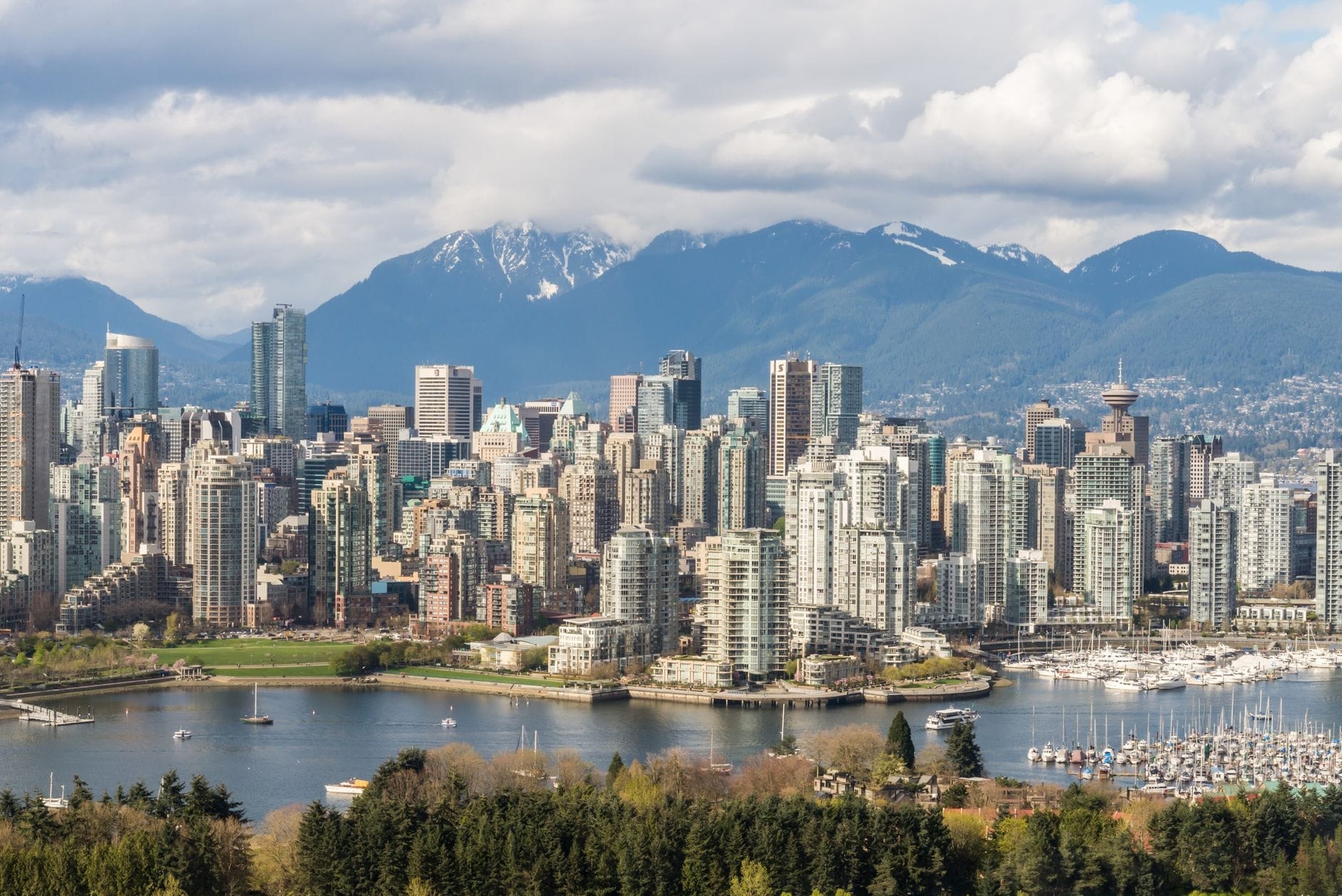
Vancouver has a reputation for being pricey, and on accommodations and dining, that reputation is earned. But a huge share of what makes the city worth visiting costs nothing at all. This guide breaks down real daily costs, the best free attractions, affordable food strategies, and how to get around without spending a fortune.
Plan and book this trip
Tools from our partner Travelpayouts help you compare flights and hotels. If you book through them, we may earn a commission at no extra cost to you.
Flights
Hotels map
TL;DR
- Budget travelers can get by on roughly 75–100 CAD per day, covering a hostel dorm, groceries, and public transit. Costs spike in summer, so visit in May or September if flexibility allows. Check the best time to visit Vancouver for a full seasonal breakdown.
- Stanley Park, all major beaches, the Seawall, and most of Vancouver's outdoor attractions are completely free — and they're genuinely world-class.
- Vancouver's food scene rewards budget travelers: Chinatown, the Richmond Night Market, and a strong food truck culture mean you can eat well for 8–13 CAD a meal.
- You do not need to rent a car. TransLink's SkyTrain, buses, and SeaBus connect nearly every major attraction in the city.
- Several museums and galleries offer free or by-donation entry on specific evenings. The Vancouver Art Gallery is by-donation on Tuesday nights after 5 pm. See our guide to free things to do in Vancouver for a full list.
Is Vancouver Actually Expensive? A Cost Breakdown
Vancouver consistently ranks among Canada's priciest cities, particularly for accommodation and dining. The question 'is Vancouver expensive' gets searched thousands of times a month, and the honest answer is: it depends entirely on how you travel. Accommodation and sit-down restaurants will drain a budget quickly. But the city's biggest draws — its parks, mountains, coastline, and neighborhoods — cost almost nothing to experience.
For a genuine budget traveler staying in a hostel dorm, cooking some meals, using transit, and targeting free attractions, expect to spend around 75–100 CAD per day (roughly 55–75 USD). Mid-range travelers eating out for most meals and staying in a private room or budget hotel should budget 150–200 CAD per day. These figures exclude flights and any major paid attractions like Capilano Suspension Bridge or Grouse Mountain, which are worth factoring in separately.
- Hostel dorm bed 40–55 CAD per night, depending on location and season. Downtown hostels cost more; those near Commercial Drive or Mount Pleasant are often cheaper.
- Private hostel room 90–120 CAD per night. A decent middle ground if you want privacy without paying hotel rates.
- Budget hotel Around 150–180 CAD per night in low season, often 200+ CAD in July and August.
- Airbnb private room 60–90 CAD per night. Can be excellent value, especially in residential neighborhoods like Kitsilano or East Van.
- Campsite (near Vancouver) 10–30 CAD per night. Options exist in the North Shore mountains and the Fraser Valley, though you'll need transit or a car to reach them.
⚠️ What to skip
Summer (June–August) is peak season in Vancouver. Hotel prices can jump 30–50% compared to spring or fall. If budget is your priority and you have flexibility, late April, May, or September offer far better accommodation rates and still deliver decent weather.
Eating Well Without Spending Much
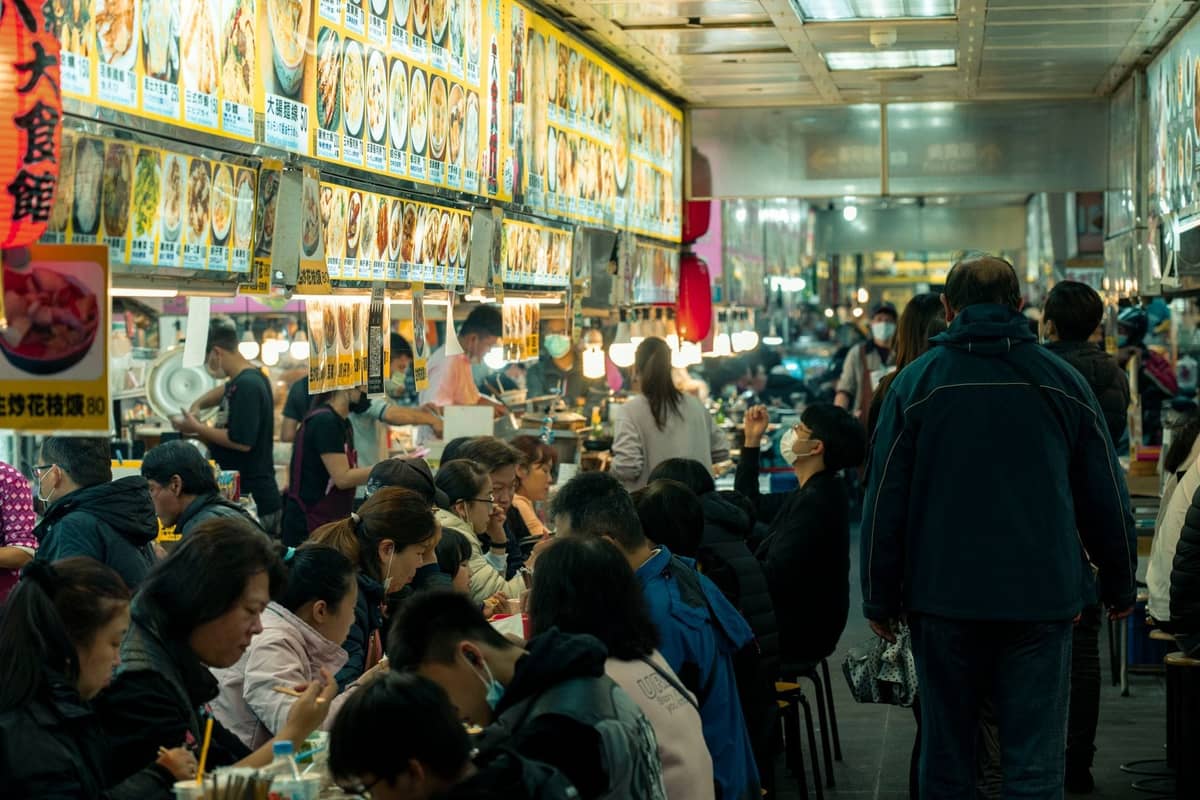
Food is where Vancouver rewards budget travelers most. The city's diversity translates directly into affordable, high-quality options across dozens of cuisines. Cantonese and Mandarin dim sum, Japanese ramen, Vietnamese pho, Filipino bakeries, and South Asian lunch counters all compete for your business at prices that feel almost out of step with the city's general cost of living.
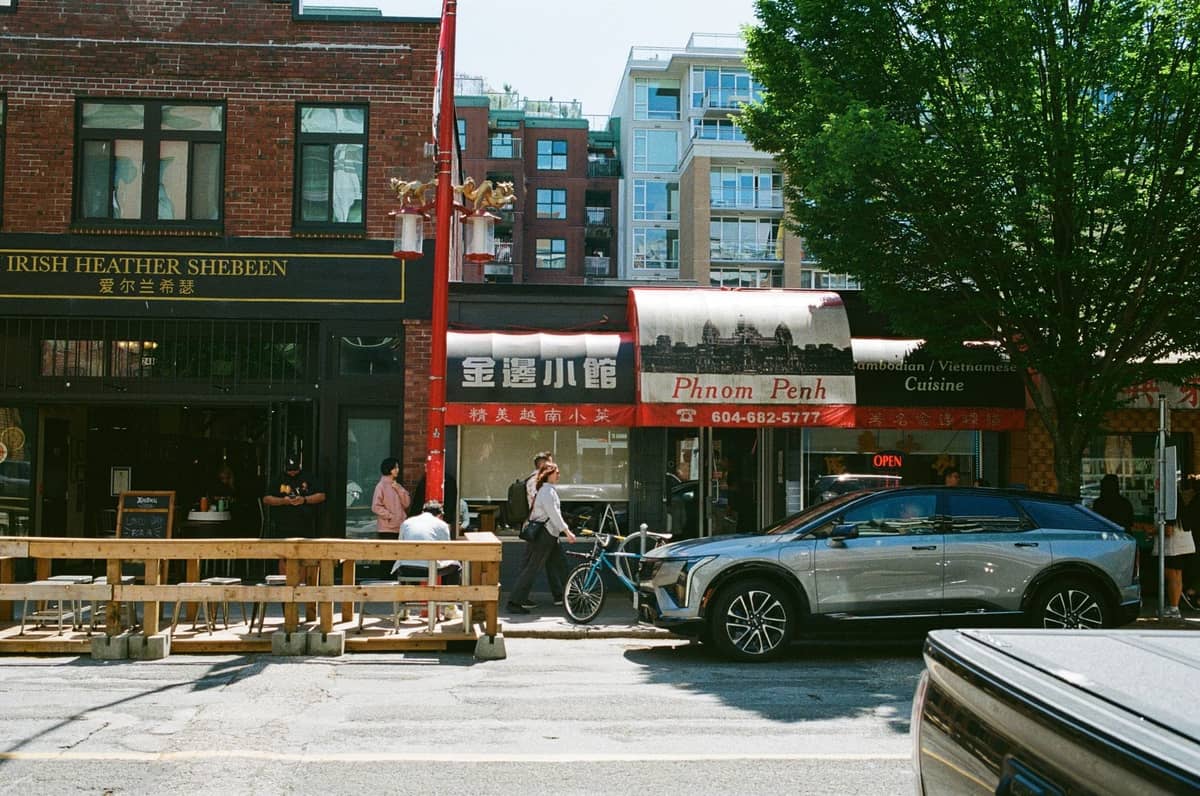
The Richmond Night Market, typically running from late April or early May to early October, is one of the best-value food experiences in the region. It charges a small admission fee (recent seasons have been around 8 CAD for general admission, verify current pricing), but the food stalls offer dishes from 4–10 CAD. Closer to the city center, Chinatown has bakeries and lunch spots where you can eat for under 10 CAD. The stretch of Commercial Drive in Grandview-Woodland is another reliable area for affordable independent restaurants.
- Street food and food trucks: 5–10 CAD per item. The City of Vancouver licenses food trucks citywide; the Street Food App tracks current locations.
- Casual takeout (ramen, pho, banh mi, sushi rolls): 8–13 CAD per meal. This category is where Vancouver delivers exceptional value for the price.
- Sit-down restaurant lunch: 15–25 CAD per person. Many places offer lunch specials that are significantly cheaper than dinner menus.
- Sit-down dinner: 20–60 CAD per person, excluding drinks. Alcohol markups are steep — a beer at a bar typically runs 8–10 CAD.
- Groceries for one week: 75–110 CAD per person, shopping at No Frills, T&T Supermarket, or Superstore rather than Whole Foods or Choices Markets.
The Granville Island Public Market gets marketed as a food destination, but for budget travelers it requires discipline. Prepared food stalls there skew toward the 12–18 CAD range. It's a better spot for picking up fresh produce or baked goods cheaply than for a full sit-down meal. Wander through it for the atmosphere, but eat before you arrive if you're watching costs.
✨ Pro tip
Tipping in Vancouver follows Canadian norms: 15–18% is standard at sit-down restaurants, and 20% is common for good service. Budget this into your meal costs — a 15 CAD lunch becomes 17–18 CAD with tip. Some restaurants now add automatic service charges, so read your bill before adding more.
Free and Low-Cost Attractions Worth Your Time
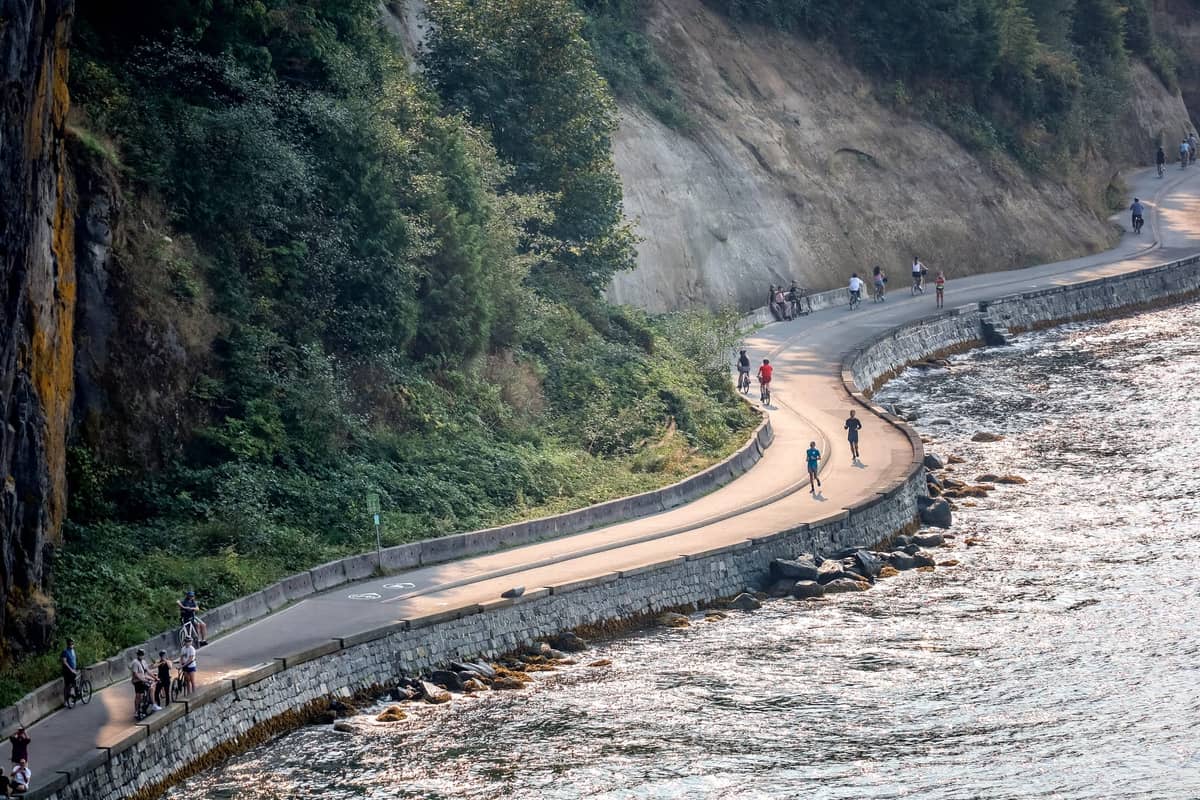
The most significant thing to understand about visiting Vancouver on a budget is that the city's best experiences are largely free. Stanley ParkStanley Park — one of the largest urban parks in North America at about 405 hectares — charges nothing to enter. Walking or cycling the Stanley Park Seawall is free and genuinely spectacular, especially with views of the North Shore mountains and the Lions Gate Bridge. Bike rentals near the park entrance run around 10–15 CAD per hour if you don't have your own.
Vancouver's beaches are free. Kitsilano Beach, English Bay, Jericho Beach, and Spanish Banks are all publicly accessible with no charge. In summer, all of them draw significant crowds by mid-morning on weekends, so arrive before 10 am if you want space.
- Vancouver Art Gallery By-donation entry on Tuesday evenings after 5 pm (suggested donation around 10 CAD). Full admission is significantly higher. The gallery's exterior plaza is always free and a popular gathering space.
- Contemporary Art Gallery Free admission year-round. A genuinely good program of contemporary and conceptual art in the downtown core.
- Museum of Vancouver Pay-what-you-can on the last Thursday evening of each month. Otherwise around 15–20 CAD admission — verify current pricing.
- Lynn Canyon Suspension Bridge Free to cross. The surrounding park in North Vancouver is free to enter. It lacks the commercial polish of Capilano, but the canyon scenery is legitimately impressive.
- Dr. Sun Yat-Sen Classical Chinese Garden The public courtyard section is free; the inner walled garden charges admission. A worthwhile stop in Chinatown even if you skip the paid section.
- Queen Elizabeth Park Free to walk through. Vancouver's highest point at 167 metres, with panoramic city views and manicured gardens.
ℹ️ Good to know
Capilano Suspension Bridge and Grouse Mountain are two of Vancouver's most promoted attractions — and among its most expensive. Capilano runs around 60–70 CAD for adults; Grouse Mountain is similar. Both are worth it for some travelers, but neither is a budget activity. Lynn Canyon Suspension Bridge and the free trails on the North Shore deliver comparable nature without the cost.
Getting Around Vancouver Without Renting a Car
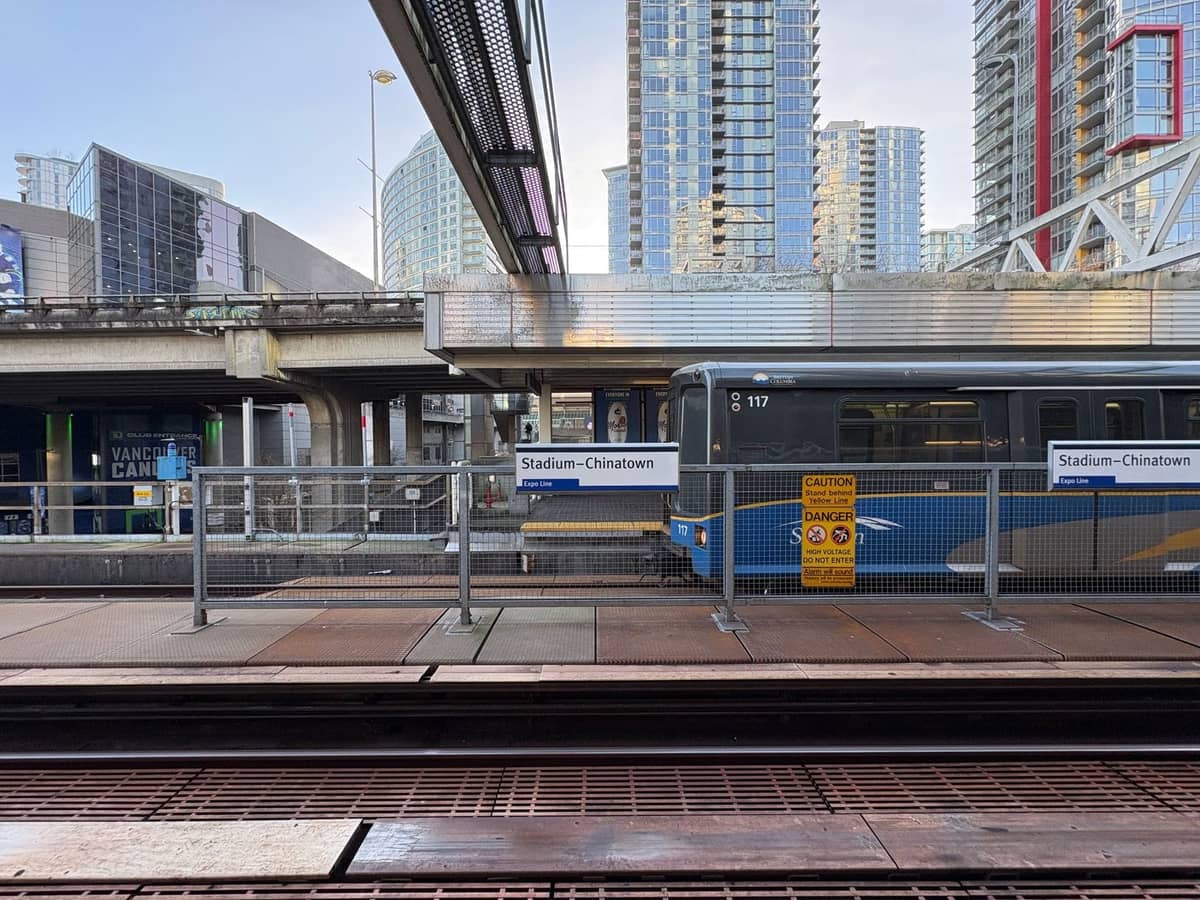
Most budget travelers to Vancouver do not need a car, and renting one actively adds cost through parking fees (downtown parking often runs around 4–10 CAD per hour in many areas) and rental charges. TransLink's network of SkyTrain lines, buses, and the SeaBus covers the vast majority of attractions visitors actually want to reach. For more detail on all the options, the getting around Vancouver guide breaks down every transit mode with current fare information.
The Canada Line SkyTrain connects Vancouver International Airport (YVR) to downtown in approximately 26 minutes. This is the single best money-saving transit move you can make: the SkyTrain costs a fraction of a taxi or Uber from the airport. Note that departing from the airport adds a YVR AddFare of 5.00 CAD to your TransLink fare — check the current amount on the TransLink website before you travel, as it can change over time. A Compass Card (TransLink's reusable transit card) saves you the cost of disposable paper tickets and is available from machines at all SkyTrain stations.
Uber and Lyft operate across Metro Vancouver and are useful for late nights or trips to areas with limited transit coverage. Short rides within the city center typically run 8–15 CAD. The SeaBus ferry between Waterfront Station and North Vancouver (Lonsdale Quay) is covered by a standard transit fare and offers some of the best waterfront views in the city at no extra cost beyond your ticket — it's genuinely one of the better low-cost experiences in Vancouver.
Neighborhoods That Reward Budget Travelers
Where you base yourself affects your daily spend significantly. Downtown VancouverDowntown Vancouver is convenient but has the highest accommodation and food prices. Staying slightly outside the core, in the West End or near Commercial Drive, typically costs less and still provides easy transit access. The West End is dense, walkable, and steps from English Bay and Stanley Park.
Mount Pleasant and Main StreetMount Pleasant is worth a half-day even if you're not staying there. The strip along Main Street from around 20th to 30th Avenue has independent coffee shops, used bookstores, and affordable restaurants. It's the kind of neighborhood that makes Vancouver feel like a livable city rather than a tourist destination. KitsilanoKitsilano is slightly pricier but rewards budget travelers with free beach access, the free Spanish Banks walk, and reasonable café options on 4th Avenue.
Practical Money Tips for Visiting Vancouver
Canadian dollars (CAD) are the currency here. ATMs are widely available, and most businesses accept credit and debit cards, including tap payments. If you're arriving from the US, note that the exchange rate generally works in your favor, though it varies daily. Avoid currency exchange booths in tourist areas — their rates are consistently worse than your bank's international rate or a local ATM.
Sales tax in British Columbia adds 5% GST (federal goods and services tax) plus 7% PST (provincial sales tax) to most purchases, totaling 12% on eligible goods and most services. Restaurant meals are subject to this combined tax on top of the menu price. Budget this in: a 15 CAD meal becomes roughly 16.80 CAD before tip. Alcohol purchased in restaurants is taxed at a higher rate. This is not negotiable and catches many international visitors off guard.
- Book accommodation at least 6–8 weeks ahead for summer travel. Hostel dorms sell out faster than many travelers expect, particularly in July and August.
- Check attraction websites directly rather than third-party booking platforms — some add fees or don't reflect current discount nights.
- The Vancouver Attractions Pass (sometimes branded as a bundle) offers discounted entry to multiple paid attractions; only worth it if you plan to visit several paid sites in one trip.
- Carry a reusable water bottle. Vancouver tap water is safe to drink and high quality, supplied from mountain watersheds.
- Free walking tours of Gastown, Chinatown, and Downtown operate on a tips-based model and are a legitimate way to get oriented without a fixed cost.
💡 Local tip
If you plan to use transit more than twice a day for several days, calculate whether a DayPass (available on Compass Card) saves money over individual fares. For heavy transit users in peak zone areas, it frequently does. Check TransLink's current fare structure before your trip, as prices are updated periodically.
FAQ
Is Vancouver expensive to visit compared to other Canadian cities?
Yes, Vancouver is one of Canada's priciest cities for accommodation and food, ranking alongside Toronto. That said, the gap narrows considerably if you use public transit, stay in a hostel or Airbnb, and take advantage of the city's many free outdoor attractions. Budget travelers can manage on 75–100 CAD per day, which is achievable with some planning.
What are the best free things to do in Vancouver?
Stanley Park and the Seawall, all public beaches (Kitsilano, English Bay, Jericho, Spanish Banks), Lynn Canyon Suspension Bridge, Queen Elizabeth Park, the Dr. Sun Yat-Sen Garden courtyard, the Contemporary Art Gallery, and wandering Gastown or Chinatown on foot. The Vancouver Art Gallery is by-donation on Tuesday evenings after 5 pm.
Do I need a car to visit Vancouver on a budget?
No. Most major attractions are reachable by SkyTrain, bus, or on foot. A car actually increases costs significantly through parking fees (4–8 CAD per hour downtown) and rental charges. The Canada Line connects the airport to downtown in 25 minutes for a fraction of a taxi fare. Uber and Lyft cover gaps in the transit network for occasional trips.
When is the cheapest time to visit Vancouver?
November through March has the lowest accommodation prices, but also the most rain (average January temperature is around 4°C). For the best balance of reasonable prices and decent weather, May and September are the sweet spots: fewer crowds than summer, lower hotel rates than peak season, and temperatures typically in the 12–18°C range.
What should I budget for food per day in Vancouver?
A realistic food budget for a cost-conscious traveler is 25–40 CAD per day. This means making one meal at home or from a grocery store, eating one casual takeout meal (8–13 CAD for ramen, pho, or similar), and having a food truck snack or cheap bakery item. If you eat all three meals at restaurants, budget 50–80 CAD per day before drinks and tip.