Jericho Beach, Vancouver: Views, History, and a Surprisingly Quiet Stretch of Sand
Jericho Beach is a wide, west-facing public beach on Vancouver's west side with unobstructed views of the North Shore mountains, English Bay, and Vancouver Island on clear days. Free to access year-round, it draws a quieter crowd than Kitsilano Beach and carries layers of Indigenous, military, and maritime history beneath its relaxed surface.
Quick Facts
- Location
- 3941 Point Grey Rd, Vancouver, BC — western edge of Kitsilano, south side of English Bay
- Getting There
- TransLink buses to Alma St / 4th Ave or Discovery St (near Jericho Beach and Jericho Park); check current route numbers via the TransLink trip planner before visiting
- Time Needed
- 1–3 hours for a beach walk and picnic; half a day if you're sailing, cycling the seawall, or attending a festival
- Cost
- Free — public City of Vancouver park with no admission fee. Lifeguards on duty daily from Victoria Day to Labour Day (seasonal)
- Best for
- Picnics, sunset watching, kite flying, sailing, folk music lovers, families, and anyone who finds Kitsilano Beach too crowded
About Jericho Beach
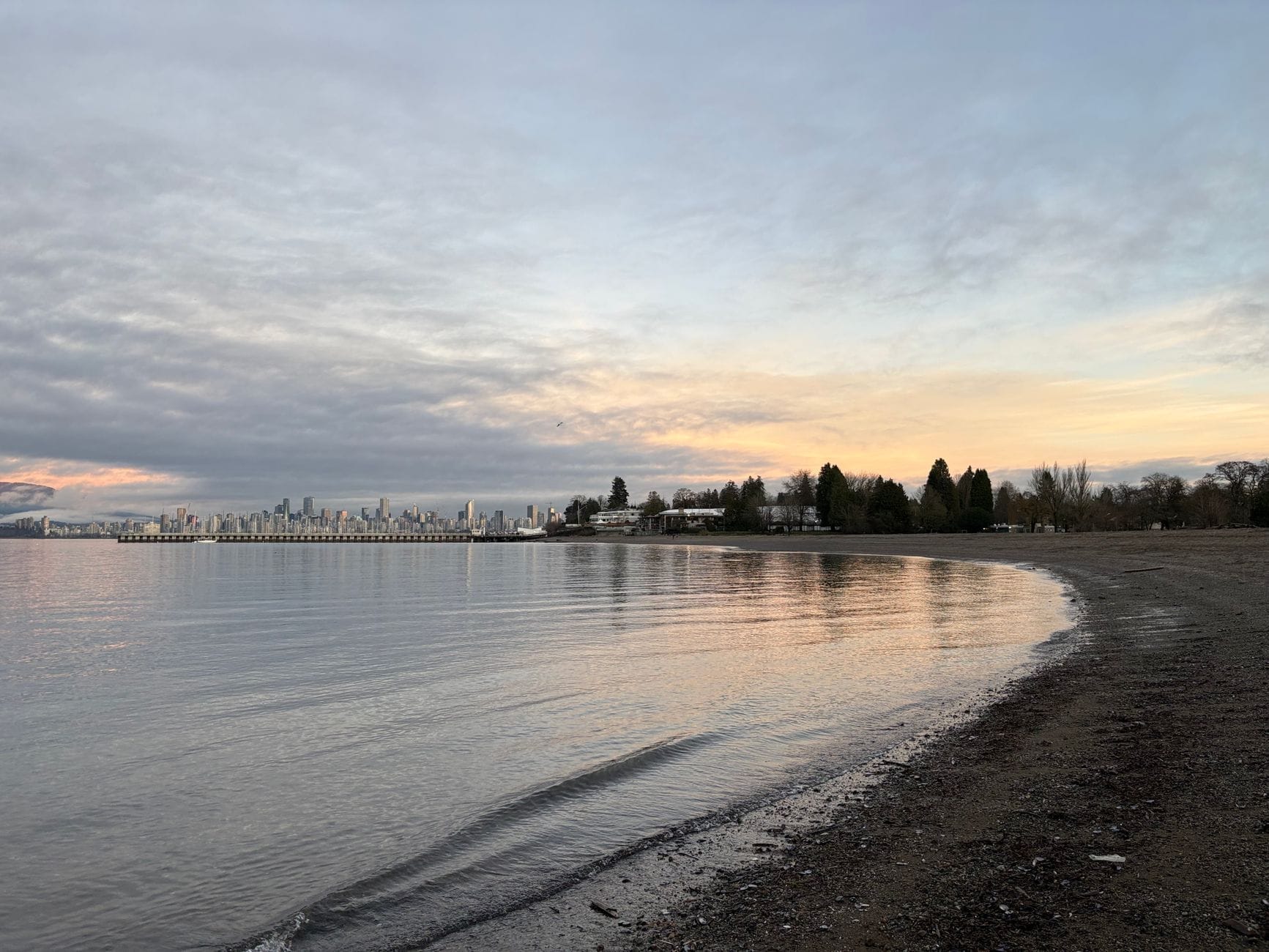
Jericho Beach is a broad, gently curving public beach on the south shore of English Bay, stretching west from Alma Street toward the Jericho Sailing Centre. Unlike Kitsilano Beach, which sits right against a dense residential grid and fills up quickly on warm weekends, Jericho sits at the edge of a large park with open lawns, mature trees, and a lagoon behind it. The result is more breathing room, both physically and acoustically. On a clear summer morning, the North Shore mountains sit sharp and close across the water, and the distant outline of Vancouver Island is often visible on the horizon.
The beach faces west-northwest, which makes it one of the better spots in the city to watch the sun drop toward the Strait of Georgia in the evenings. The sand is wide at low tide, with a firm, walkable strip near the waterline and softer sections further up where people spread blankets. The water temperature in English Bay is cool even in summer, typically reaching its warmest point in August, so most visitors wade rather than swim for extended periods.
💡 Local tip
Lifeguards are typically on duty daily from late May through early September. Outside those dates, swimming is unsupervised. The beach remains open and free year-round.
A Place With More History Than Most Beachgoers Realize
The site now known as Jericho Beach was long before that associated with an Indigenous village recorded historically as Ee'yullmough and linked in contemporary sources with the Squamish name Iy̓ál̓mexw and the hən̓q̓əmin̓əm̓ name ʔəy̓alməxʷ. The Musqueam have inhabited this part of the coast for thousands of years, and this location — sheltered, facing the bay, with fresh water nearby — was a logical place to settle.
The English name has a more prosaic origin. Logging activity in the area in the 19th century is linked to a man named Jeremiah Rogers, a logger who operated in the cove. The name is thought to have evolved from "Jerry & Co." or simply "Jerry's Cove" into Jericho. By 1892, a golf club had been established here — an early organized golf course in this part of British Columbia. The landscape was clearly already drawing people who wanted open ground and access to the water.
The most dramatic chapter of the site's history came in the early 20th century, when the federal government developed it as RCAF Station Jericho Beach, a military seaplane base that was active from the early 1920s through the end of World War II and into the late 1940s. The large building now occupied by the Jericho Sailing Centre was built in 1940 as the Marine and Stores Building for the station. In 1969, the City of Vancouver purchased about 120 acres of the former military land, converting it into the park visitors use today. The Sailing Centre building is now a heritage structure, and its industrial profile along the waterfront is a quiet reminder of what the site once was.
Tickets & tours
Hand-picked options from our booking partner. Prices are indicative; availability and final rates are confirmed when you complete your booking.
Grouse Mountain and Capilano Suspension Bridge Park tour
From 252 €Instant confirmationFree cancellationVancouver Art Gallery Tickets
From 19 €Instant confirmationFree cancellationVancouver Stanley Park cycling tour
From 56 €Instant confirmationFree cancellationWhistler, Shannon Falls and Sky Gondola tour from Vancouver
From 135 €Instant confirmationFree cancellation
How the Beach Changes Through the Day
Early mornings at Jericho are notably calm. Before 9 am on weekdays, the main beach often has only a handful of people: dog walkers, solo runners, someone doing yoga on the grass. The light is low and golden, the water catches it sideways, and the mountains to the north look almost painted. There is a smell of salt and wet sand, and the sound is largely seabirds and the occasional passing sailboat. This is the time to come if you want the view without company.
Midday on a summer weekend shifts things considerably. Families arrive with folding chairs and coolers, teenagers set up volleyball near the nets, and the grassy areas behind the beach fill with picnic groups. The space is large enough that it rarely feels overcrowded the way Kits Beach does on a hot Saturday, but it loses the meditative quality of the morning hours. Parking along Point Grey Road fills up by midday in peak summer; arriving by transit or cycling the nearby paths avoids this entirely.
Evenings bring a different crowd: couples walking the waterline, photographers set up with tripods aimed at the sunset, and people who have come specifically to watch the light leave the mountains. On windless evenings, the water becomes almost glassy, and the reflections of the North Shore peaks stretch toward shore. This is the most photogenic time of day at Jericho, and one of the better sunset vantage points in the western part of the city.
ℹ️ Good to know
For sunset photography, the beach faces roughly west-northwest, so the sun sets over the water from late spring through early autumn. In winter, the sun sets more to the southwest, partially behind the Point Grey headland, which limits the water reflection effect.
The Sailing Centre and the Lagoon
At the western end of the beach, the Jericho Sailing Centre Association operates out of a former 1940 military building now listed as a heritage structure. The centre offers sailing programs, equipment rentals, and races through the season. Even if you have no interest in sailing, walking out to the floating docks and watching the boats rig up and head out into the bay is a worthwhile ten minutes. The smell of the dock — salt water, rope, fiberglass — and the sound of halyards tapping against aluminum masts give this corner of the beach a character distinct from the main sandy stretch.
Behind the main beach, a small freshwater lagoon and the surrounding wetland area attract birds throughout the year. Great blue herons are regular visitors, and the lagoon draws waterfowl that would not typically appear on the salt water beach. The area between the lagoon and the beach path is shaded by large conifers and offers a noticeably cooler microclimate than the open beach on hot days. Families with young children often end up here after the beach, since the lagoon's edge is accessible and the ground is flat.
The Folk Music Festival and Other Events
Jericho Beach Park has traditionally been the home of the Vancouver Folk Music Festival, a long-running annual summer event that has taken over the park's open fields for a weekend each July when held. During the festival, the entire character of the park transforms: stages go up, vendors fill the grounds, and the mix of folk, world, and roots music drifts out over the beach. It is one of the largest outdoor music gatherings in the city, and for many Vancouverites it is their most consistent annual use of Jericho as a destination rather than a casual beach day. If your visit overlaps with the festival, check the event schedule well in advance as separate tickets are required and capacity is managed.
Beyond the folk festival, the park is used year-round for kite flying (the open grass and reliable afternoon wind off the water make it reliable for this), frisbee, and informal sports. The Stanley Park Seawall connects to a cycling and walking path network that passes through this part of the city, and many people arrive at Jericho as a stopping point on a longer west-side ride rather than as the sole destination.
Practical Information for Visitors
The park is free and open year-round with no gates or posted hours. Accessible parking is available, and the site is described as wheelchair accessible. Restroom facilities and change rooms are on site in the beach area. Food and drink options are limited at the beach itself, so bringing your own is the practical choice, especially outside the summer season when concession availability may be reduced.
For transit, TransLink buses serve the surrounding area via routes connecting to Alma Street and 4th Avenue or Discovery Street; route numbers and schedules change periodically, so use the TransLink trip planner to confirm current options before you go. If you're combining Jericho with a visit to nearby Kitsilano Beach or the shops and cafes along West 4th Avenue, plan for a comfortable half-day on this stretch of the city.
Weather is the most significant variable in any visit to Jericho. Vancouver's Pacific coast climate means the beach is genuinely pleasant from June through September but can be cold, wet, and grey from October through April. Even on overcast days, the walk along the waterfront has appeal, particularly for the mountain views when the cloud ceiling is high enough to reveal the peaks. For a weather-based overview of the best months to visit, the best time to visit Vancouver guide covers the city's seasonal patterns in detail.
⚠️ What to skip
In winter and early spring, the beach grass and path surfaces can be slippery after rain. Wear shoes with grip if you plan to walk the waterfront path or the grassy areas near the lagoon.
Who Will Enjoy This, and Who Probably Won't
Jericho Beach suits visitors who want outdoor space without paying for it, views without a cable car, and a beach that feels like something local people actually use rather than a performance of tourism. It pairs naturally with a walk or cycle through Kitsilano and an afternoon on West 4th Avenue. Families with children appreciate the flat terrain, the lagoon, and the supervised swimming in summer.
Those expecting a tropical or resort-style beach experience will find Jericho underwhelming. The water is cold, the sand is not white, and there are no beachfront restaurants or bars built into the shoreline. Visitors primarily after cultural attractions or city-center sightseeing will find more concentrated value elsewhere. Jericho also lacks the dramatic views from a height that places like Queen Elizabeth Park or Prospect Point offer. What it does provide, it provides consistently: open sky, a long waterline, and one of the better free views of the North Shore mountains in the city.
Insider Tips
- The late afternoon wind off English Bay picks up reliably between about 2 and 5 pm in summer, which is ideal for kite flying and sailing but can make sitting on the open beach noticeably cool. Bring a windbreaker even on sunny afternoons.
- The grass area between the lagoon and the beach is usually shadier and less crowded than the beach itself on peak summer days — useful if you need a break from direct sun but don't want to leave the park.
- Low tide in the morning dramatically widens the sand and exposes a firm strip of beach that is easy to walk for a kilometre or more. Check a tide table app before you go if you want the widest, flattest beach for an early walk.
- Parking on Point Grey Road fills by late morning on summer weekends. The side streets uphill (south of 4th Ave) have more availability, though it is a 10–15 minute walk down to the beach.
- The view of the North Shore mountains is clearest in the weeks following a rainfall, when the air particulate count drops. Spring days after overnight rain often produce the sharpest mountain views across the bay.
Who Is Jericho Beach For?
- Picnics and relaxed afternoons with city views and no admission fee
- Sunset watching, especially from late spring through early autumn
- Families with young children who want flat terrain, supervised summer swimming, and a lagoon to explore
- Cyclists and walkers using the west-side waterfront path network
- Folk music fans visiting during years when the Vancouver Folk Music Festival is held in July at Jericho Beach Park
Nearby Attractions
Other things to see while in Kitsilano:
- H.R. MacMillan Space Centre
Tucked inside Vanier Park on the Kitsilano waterfront, the H.R. MacMillan Space Centre delivers immersive planetarium shows, hands-on space science exhibits, and occasional observatory evenings. It's a serious science destination that works equally well for curious adults and school-age children.
- Kitsilano Beach
Kitsilano Beach stretches along the north edge of the Kitsilano neighbourhood, facing English Bay with clear sightlines to the North Shore mountains. Free to access year-round, it draws swimmers, volleyball players, and sunset-watchers from across the city. The beach is also home to Kitsilano Pool, reputed to be the longest outdoor pool in Canada and one of the longest saltwater pools in North America.
- Museum of Vancouver
Founded in 1894 and housed in a distinctive flying-saucer-shaped building in Vanier Park, the Museum of Vancouver is Canada's largest civic museum. It traces the city's evolution from Coast Salish territory through the boom years to present-day neighbourhood culture, with rotating exhibitions that take genuine curatorial risks.
- South Granville
South Granville is a walkable stretch of Granville Street running south from the Granville Street Bridge to around West 16th Avenue. Known for its concentration of commercial art galleries, interior design showrooms, independent clothing boutiques, and serious restaurants, it offers a different pace and character from downtown Vancouver's busier retail strips.