Museum of Vancouver: The City's Story, Told Honestly
Founded in 1894 and housed in a distinctive flying-saucer-shaped building in Vanier Park, the Museum of Vancouver is Canada's largest civic museum. It traces the city's evolution from Coast Salish territory through the boom years to present-day neighbourhood culture, with rotating exhibitions that take genuine curatorial risks.
Quick Facts
- Location
- 1100 Chestnut St, Vanier Park, Kitsilano, Vancouver BC
- Getting There
- Bus 2 or 32 to Cornwall Ave & Cypress St; False Creek Ferries stop nearby
- Time Needed
- 1.5 to 3 hours depending on exhibitions
- Cost
- Adult CAD $24; verify current pricing at museumofvancouver.ca
- Best for
- History lovers, Vancouver newcomers, rainy-day visits, families with older children
- Official website
- museumofvancouver.ca
About the Museum of Vancouver
The Museum of Vancouver is the oldest civic museum in Canada, with roots going back to 1894. It moved into its current building in Vanier Park in 1967, reopening as the Centennial Museum in 1968 before cycling through names that tracked shifting civic identity: Vancouver Museum in 1981, Museum of Vancouver in 2009. That name change was not cosmetic. It signalled a deliberate editorial shift toward community-driven storytelling rather than trophy-case collecting.
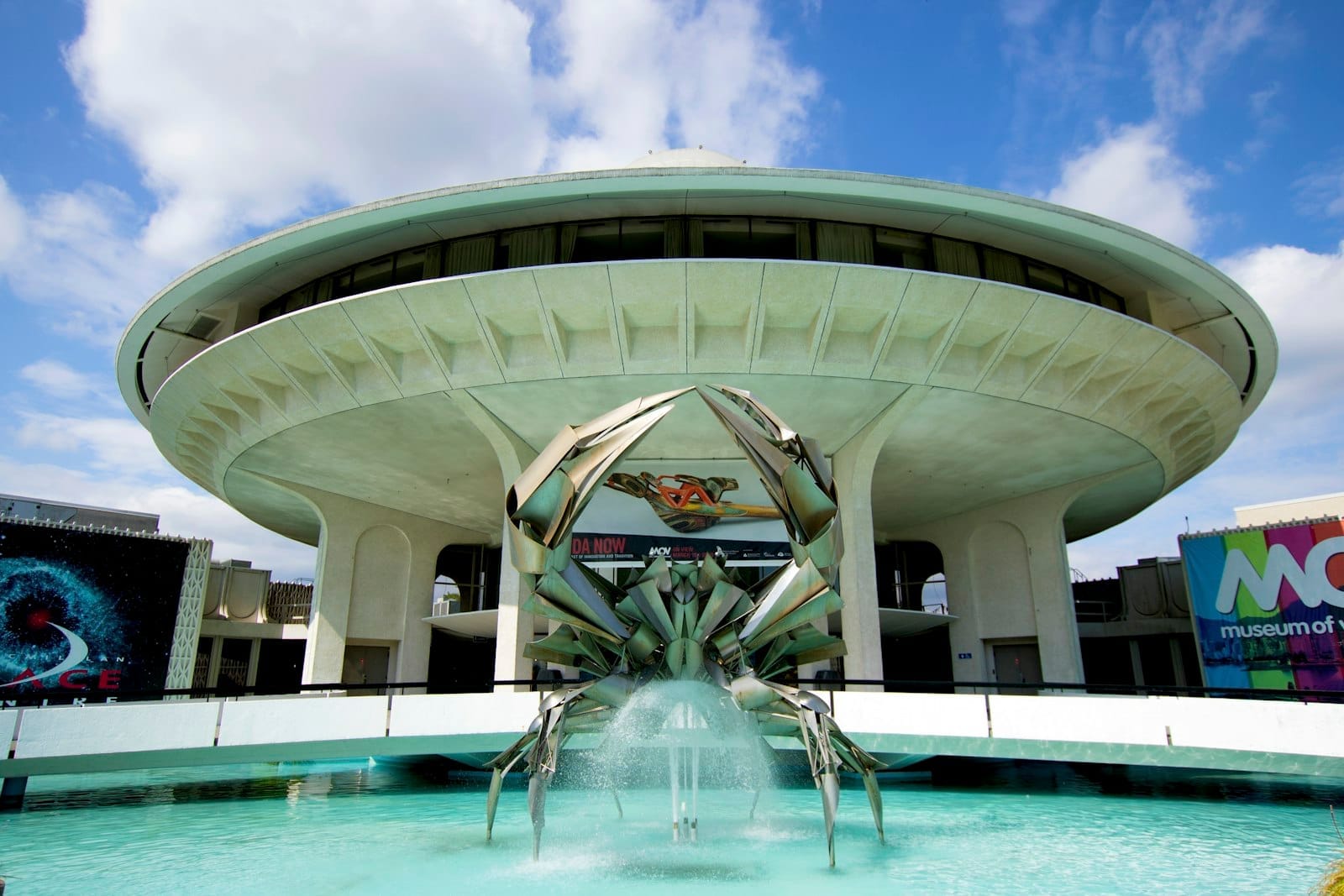
The building itself is worth pausing over before you even walk through the door. Designed by Gerald Hamilton, the circular structure is capped by a flat, wide roof that is meant to evoke a Coast Salish woven hat. The crab sculpture out front, created by George Norris, references the haida crab that, in some local Indigenous stories, guards the entrance to the underworld. Whether you buy the symbolism or not, it is a striking combination on a clear day, with the North Shore mountains framing the background.
ℹ️ Good to know
The Museum of Vancouver is located next to the H.R. MacMillan Space Centre in Vanier Park. If you plan to visit both, check for combination ticket options on the museum's official site before arriving.
The Permanent Collection: More Than Nostalgia
The permanent galleries walk visitors through Vancouver's transformation from the mid-19th century onward. Early display cases cover the period when the city was less than a decade old and already exporting timber and salmon to world markets. But the collection does not flatten this history into a civic success story. Galleries dealing with the experiences of Chinese, Japanese, and South Asian communities in Vancouver address exclusionary immigration policies, the 1907 anti-Asian riots, and the internment of Japanese Canadians during World War II with the kind of specificity that a surface-level exhibit would avoid.
One of the more memorable sections covers the counterculture years of the 1960s and 70s, when Kitsilano itself was the geographical centre of Vancouver's hippie movement. Period furniture, concert posters, and clothing from that era fill the room with a specificity that makes it read as documentation rather than nostalgia. The smell of old wood and aged fabric in parts of the gallery is not unpleasant, but it is present, and it adds to the sense that this material was genuinely used by real people rather than produced for display.
The museum's approach to Indigenous history has evolved significantly. Permanent displays acknowledge that Vancouver sits on the unceded traditional territories of the Musqueam, Squamish, and Tsleil-Waututh Nations, and some objects are presented in direct collaboration with those communities. For a deeper engagement with Pacific Northwest Indigenous material culture, the Museum of Anthropology at UBC offers one of the world's finest collections, but the Museum of Vancouver's treatment provides useful historical context for the city specifically.
Tickets & tours
Hand-picked options from our booking partner. Prices are indicative; availability and final rates are confirmed when you complete your booking.
Vancouver Art Gallery Tickets
From 19 €Instant confirmationFree cancellationVancouver Stanley Park cycling tour
From 56 €Instant confirmationFree cancellationWhistler, Shannon Falls and Sky Gondola tour from Vancouver
From 135 €Instant confirmationFree cancellationVancouver City and Capilano Suspension Bridge tour with lunch
From 292 €Instant confirmationFree cancellation
Rotating Exhibitions: Where the Museum Takes Its Biggest Swings
The temporary exhibition programme is where the museum most clearly distinguishes itself from a heritage archive. Past exhibitions have explored Vancouver's relationship with neon signage (hundreds of original signs were preserved and displayed), the city's activist history, and the social geography of specific neighbourhoods. These shows tend to attract local audiences who might skip the permanent collection, which means the temporary gallery space often has a different energy: quieter, more deliberate, with visitors reading label text at length.
Check the current programme on the official website before your visit. If an exhibition aligns with your interests, budget extra time. If nothing in the temporary programme appeals, the permanent collection alone justifies a visit of around 90 minutes.
💡 Local tip
The museum's gift shop stocks a genuinely good selection of locally authored books on Vancouver history, Indigenous art, and urban planning. It is worth a browse even if you are on a tight budget.
Getting There and When to Arrive
Vanier Park sits at the western edge of Kitsilano, south of the Burrard Bridge. Bus routes 2 and 32 stop at Cornwall Avenue and Cypress Street, leaving a short walk to the museum entrance. The more scenic option, particularly in summer, is the False Creek Ferries service, which docks directly at the Vanier Park wharf. The ferry connects to False Creek stops including the Granville Island dock, making it easy to combine the museum with a morning at the market.
If you are cycling, the seawall route runs through the area, and Mobi Bike Share stations are available nearby. Parking is available in the Vanier Park lot, though spaces fill on weekends in summer when the park also hosts events.
Weekday mornings before noon are the quietest period. School groups occasionally visit during the week, particularly in spring, and they do generate noise in the permanent galleries. Weekend afternoons in July and August are the most crowded, partly because visitors combine the museum with nearby attractions and the adjacent beach. The interior lighting is consistent regardless of weather, making this one of the better options for a rainy Vancouver day, and the city gets plenty of those from October through March.
⚠️ What to skip
Opening hours and admission prices are subject to change. Always verify current details at museumofvancouver.ca before your visit rather than relying on third-party listings.
The Vanier Park Cluster: Planning Your Day
The Museum of Vancouver sits within a small constellation of cultural institutions at Vanier Park. The H.R. MacMillan Space Centre shares the same building and is worth pairing if you have children or an interest in astronomy. The Vancouver Maritime Museum is a short walk west. Combining all three in a single day is possible but would be tiring; two of the three is a more comfortable pace.
The park itself borders the water and has unobstructed views across English Bay toward the West End. On clear days the mountain backdrop is dramatic. Vanier Park also hosts the Vancouver International Children's Festival in spring and the Bard on the Beach Shakespeare festival in summer, so the site can be significantly busier during those events.
Kitsilano Beach is less than ten minutes on foot from the museum entrance, making it a natural endpoint for a summer afternoon. The Kitsilano neighbourhood itself extends east along 4th Avenue, with independent cafes and bookshops if you want to extend the day at street level after the galleries.
Is it worth your time?
The Museum of Vancouver will not suit every visitor. Travelers who have spent only two or three days in Vancouver and are choosing between major attractions will likely find that Stanley Park, Granville Island, or the Museum of Anthropology offers a more immediately spectacular experience per hour spent. The Museum of Vancouver rewards patience and an existing curiosity about the city's social history rather than delivering visual spectacle.
For anyone planning a longer stay, living in Vancouver, or trying to understand what the city is and how it got this way, the museum provides context that no amount of waterfront walking can replicate. The curatorial decisions show a genuine wrestling with difficult history rather than a sanitised civic celebration, which makes the experience more interesting and occasionally uncomfortable in the way that honest museums sometimes are.
The admission price of CAD $24 for adults is not negligible. Weigh it against the current temporary exhibition and your own interests. If the permanent collection alone is your motivation, factor in that 90 minutes is likely enough to cover it thoroughly.
Insider Tips
- The False Creek Ferries dock at Vanier Park is a much more pleasant arrival than the bus, particularly on a clear day. Buy a one-way ferry ticket from Granville Island to Vanier Park, visit the museum, and walk or bus back.
- Ask at the front desk about any free or discounted admission days. Many Vancouver museums offer reduced admission on certain evenings or through the Vancouver Public Library's museum pass programme.
- The crab sculpture outside the main entrance faces northwest, which means it catches the best light in the late afternoon. If you want a photograph without other visitors in frame, morning visits are significantly cleaner for exterior shots.
- The museum cafe and seating areas near the entrance are usable even without a full admission ticket. If you arrive early and exhibitions are not yet open, the foyer area shared with the Space Centre offers a dry, quiet place to wait.
- Check the museum's online calendar before visiting. Evening events, talks, and community programmes sometimes occur on weekday evenings and offer a different atmosphere from standard daytime visits, often at lower cost.
Who Is Museum of Vancouver For?
- Visitors on extended trips who want social and historical context for what they are seeing across the city
- Rainy-day alternatives: the covered galleries make this an ideal backup plan for inclement weather
- Families with children aged 10 and older who have some interest in history and can engage with text-based displays
- Newcomers to Vancouver who want to understand the city's neighbourhood geography and community history
- Travelers combining a cultural morning with an afternoon at Kitsilano Beach or Granville Island
Nearby Attractions
Other things to see while in Kitsilano:
- H.R. MacMillan Space Centre
Tucked inside Vanier Park on the Kitsilano waterfront, the H.R. MacMillan Space Centre delivers immersive planetarium shows, hands-on space science exhibits, and occasional observatory evenings. It's a serious science destination that works equally well for curious adults and school-age children.
- Jericho Beach
Jericho Beach is a wide, west-facing public beach on Vancouver's west side with unobstructed views of the North Shore mountains, English Bay, and Vancouver Island on clear days. Free to access year-round, it draws a quieter crowd than Kitsilano Beach and carries layers of Indigenous, military, and maritime history beneath its relaxed surface.
- Kitsilano Beach
Kitsilano Beach stretches along the north edge of the Kitsilano neighbourhood, facing English Bay with clear sightlines to the North Shore mountains. Free to access year-round, it draws swimmers, volleyball players, and sunset-watchers from across the city. The beach is also home to Kitsilano Pool, reputed to be the longest outdoor pool in Canada and one of the longest saltwater pools in North America.
- South Granville
South Granville is a walkable stretch of Granville Street running south from the Granville Street Bridge to around West 16th Avenue. Known for its concentration of commercial art galleries, interior design showrooms, independent clothing boutiques, and serious restaurants, it offers a different pace and character from downtown Vancouver's busier retail strips.