Solo Travel in Vancouver: The Complete Guide to Tips, Safety & Best Experiences
Vancouver is one of the most approachable solo travel destinations in North America. From the Stanley Park Seawall to Granville Island's food stalls, this guide covers everything you need to plan a confident, well-timed solo trip to British Columbia's Pacific coast city.
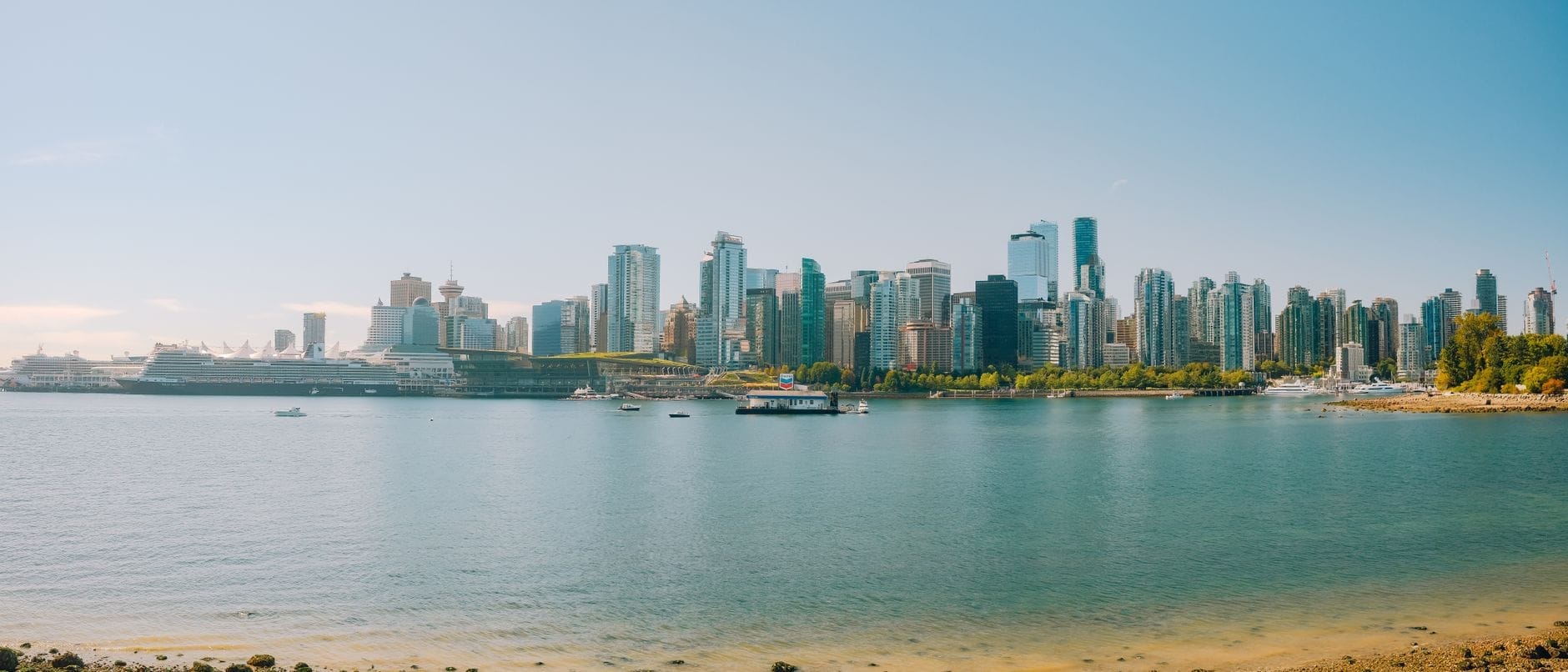
Plan and book this trip
Tools from our partner Travelpayouts help you compare flights and hotels. If you book through them, we may earn a commission at no extra cost to you.
Flights
Hotels map
TL;DR
- Vancouver ranks among the safest major cities in North America for solo travel, including for solo female travelers, though standard urban precautions still apply.
- The Canada Line SkyTrain connects Vancouver International Airport (YVR) to downtown in about 25 minutes, making arrival straightforward. See our full guide to getting around Vancouver for transit details.
- June through August offers the driest, warmest weather, but shoulder seasons (May and September) mean fewer crowds and lower accommodation costs.
- Stanley Park, Granville Island, Gastown, and Kitsilano are the most solo-friendly areas to base your days around. Check the full Vancouver things-to-do guide for more inspiration.
- Always verify current admission prices and opening hours directly with attractions before visiting, as both change seasonally.
Is Vancouver Safe for Solo Travelers?
The short answer is yes. Vancouver consistently appears on lists of the safest cities in North America, and violent crime rates are low compared with cities of similar size. Canada as a whole is rated by multiple travel indices as one of the safest countries for international visitors, including solo female travelers. That said, Vancouver is still a major city of over 660,000 people in a metro area of more than 2.8 million, and the same common-sense habits that apply anywhere apply here.
The Downtown Eastside (DTES), roughly the area around Hastings and Main Street east of Gastown, is a neighbourhood with visible social challenges including open drug use and a high concentration of shelters. It is not a place most solo travelers need to pass through, but it borders some tourist areas. Walking through it during daylight is generally considered safe, but it can be disorienting if you are not expecting it. Stick to Cordova Street or Water Street when moving between Gastown and Chinatown.
ℹ️ Good to know
Phone snatching and pickpocketing are not widespread concerns in Vancouver according to local traveler reports, but keeping your phone in a front pocket on busy transit and at crowded markets is sensible practice anywhere.
Late-night safety is rarely an issue on the main commercial strips like Granville Street, Robson Street, and Davie Village, which stay lively well into the evening and have consistent foot traffic. Quieter residential streets in the West End and Kitsilano are also low-risk at night. The main precautions worth taking: avoid leaving bags unattended, stay aware of your surroundings after midnight in unfamiliar areas, and keep a copy of your passport somewhere separate from the original.
Getting to Vancouver and Around the City
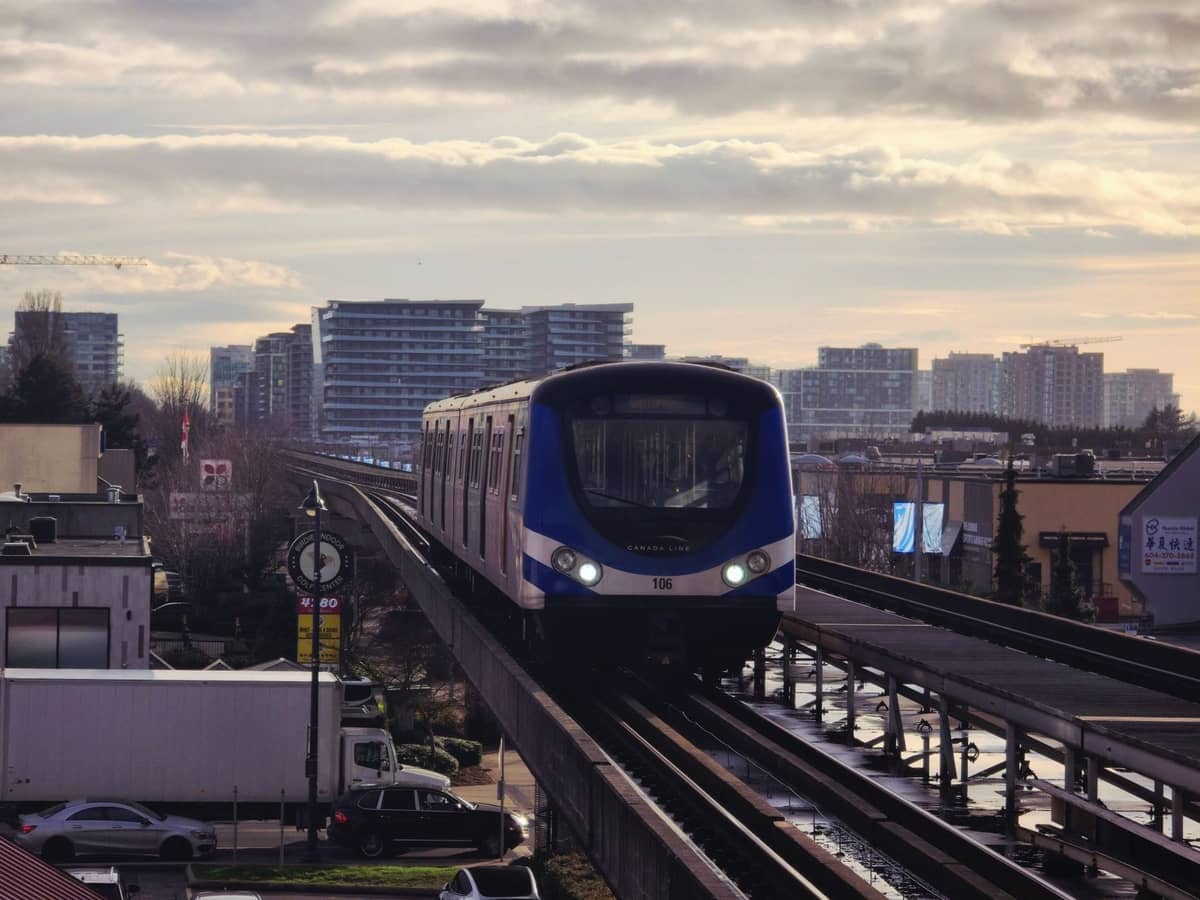
Vancouver International Airport (YVR, IATA code) is located on Sea Island in Richmond, about 12 km south of downtown. The Canada Line SkyTrain runs directly from the airport to Waterfront Station in downtown in around 25 minutes. Note that departing from the airport adds a YVR surcharge on top of the standard adult fare, so confirm current pricing on the TransLink website before travel. For most solo travelers, the Canada Line is the obvious choice over taxis or ride-hailing: it is fast, reliable, and drops you at the centre of the transit network. Once downtown, the SkyTrain, SeaBus, and bus network managed by TransLink covers virtually every area a visitor would want to reach.
- SkyTrain Three lines (Expo, Millennium, Canada) link downtown to key neighbourhoods, the airport, and suburban cities. Runs frequently from around 5am to 1:30am daily.
- SeaBus A passenger ferry between Waterfront Station and Lonsdale Quay in North Vancouver. Takes 12 minutes and uses the same TransLink fare. Excellent for a quick trip to the North Shore.
- Bus network Extensive coverage across Vancouver and surrounding municipalities. The 99 B-Line along Broadway is one of the busiest bus routes in Canada.
- Uber and Lyft Both operate in Metro Vancouver since 2020. Useful for late nights or trips to areas with less frequent bus service, but not necessary for most tourist routes.
- False Creek Ferries and Aquabus Small private ferry services crossing False Creek between Granville Island, Yaletown, and Vanier Park. Around $5-8 per crossing. Practical and enjoyable.
💡 Local tip
Load a Compass Card (TransLink's reloadable transit card) at the airport station or any SkyTrain station on arrival. It gives you a small per-trip discount over paying cash fare, and tapping on and off is faster than buying tickets each time. Verify current fares on the TransLink website before your trip.
Best Areas and Experiences for Solo Travelers
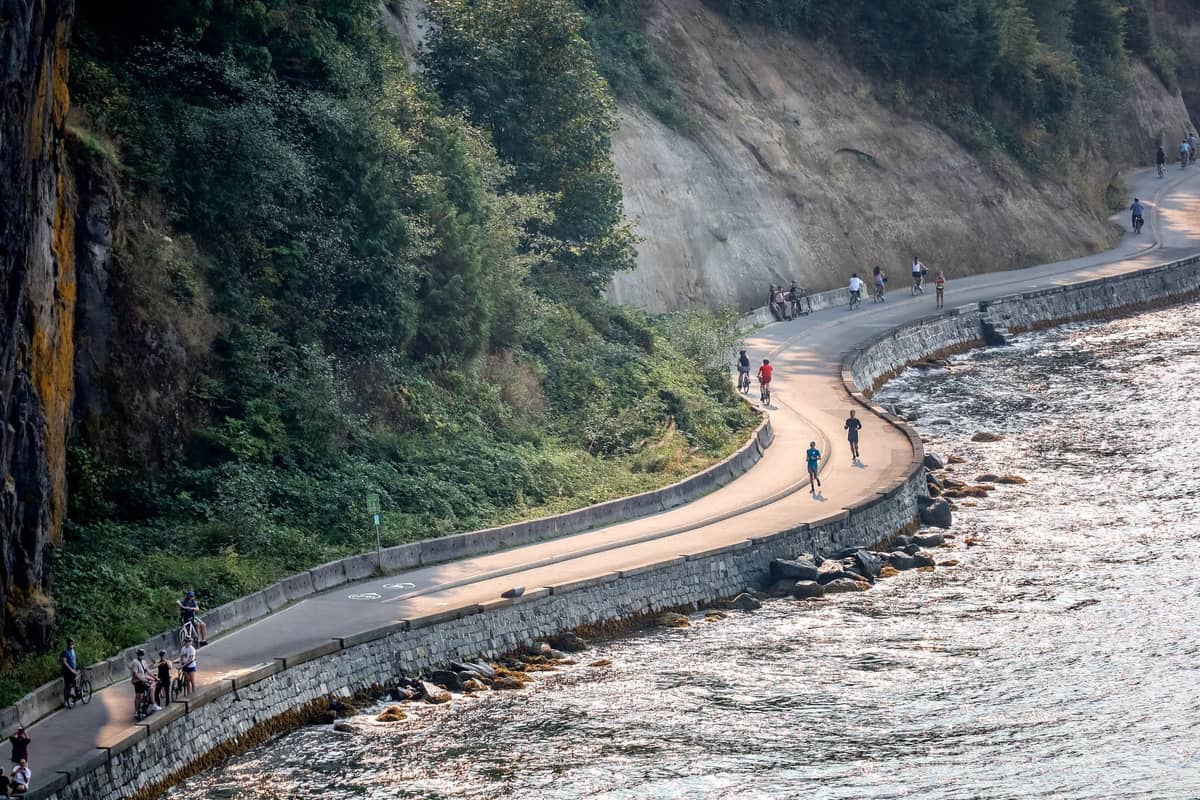
Solo travel rewards people who move at their own pace, and Vancouver is built for exactly that. The Stanley Park Seawall is the obvious starting point: an approximately 9 km paved loop around the park's perimeter that combines ocean views, mountain backdrops, beach access, and shaded forest paths. You can walk the full loop in 2.5 to 3.5 hours or rent a bike from stands near the park entrance for around $10-15 per hour. The seawall is free to access and open year-round, though summer weekend mornings get crowded between 10am and 1pm.
For solo foodies, Granville Island Public Market is the best few hours you can spend on your own in the city. The indoor market runs daily (generally 9am to 6pm, though individual vendors vary), and the format is perfect for solo eating: grab a bowl of chowder, some fresh-baked bread, or a pastry and find a spot at one of the communal tables or outside by the water. No need to book, no minimum spend, and the people-watching is excellent.
History and culture work well alone too. Gastown, Vancouver's original settlement district, is compact and walkable, with cobblestone streets and heritage brick buildings concentrated around Water Street and Blood Alley Square. The Gastown Steam Clock draws crowds every 15 minutes when it chimes, but the real appeal is the architecture and the independently owned restaurants and shops on the surrounding streets. From Gastown, it is a short walk to Vancouver's Chinatown, one of North America's largest historic Chinatowns and home to the Dr. Sun Yat-Sen Classical Chinese Garden, a genuine Ming Dynasty-style garden that is far more interesting than it sounds.
For outdoor adventures a bit farther afield, the North Shore delivers. Capilano Suspension Bridge is the most commercially developed option, with dynamically priced tickets (book online to avoid surcharges) and a free shuttle from downtown. It is busy and polished but genuinely impressive. A less crowded and completely free alternative is the Lynn Canyon Suspension Bridge in North Vancouver, which offers a similar experience in a quieter forest setting.
- Stanley Park Seawall: Free, 10km loop, best visited before 10am on weekends in summer
- Granville Island Public Market: Daily, around 9am-6pm, ideal for solo eating and browsing
- Gastown and Chinatown: Half-day walking loop, free to explore, about 1.5 km between the two
- Vancouver Art Gallery: Check for free Tuesday evenings (verify current offers on their site)
- Grouse Mountain: Accessible by SkyTrain plus bus from downtown, seasonal activities from hiking to skiing
- Kitsilano Beach: Best urban beach for a relaxed afternoon; outdoor saltwater pool nearby (small fee)
- Deep Cove: A 45-minute bus and SeaBus journey northeast, excellent for kayaking rentals and the Quarry Rock hike
- VanDusen Botanical Garden: approximately 55 acres of themed gardens in south Vancouver, best in May-June when roses bloom
✨ Pro tip
The Grouse Grind, a steep 2.5 to 2.9 km trail up Grouse Mountain with about 800 metres of elevation gain, is a local rite of passage. It is free to hike up but you pay the gondola fare to ride down. Solo hikers should start before noon and carry water. Average completion time is 1.5 to 2 hours. Do not attempt it in wet weather if you are not used to steep, rooted terrain.
When to Visit Vancouver as a Solo Traveler
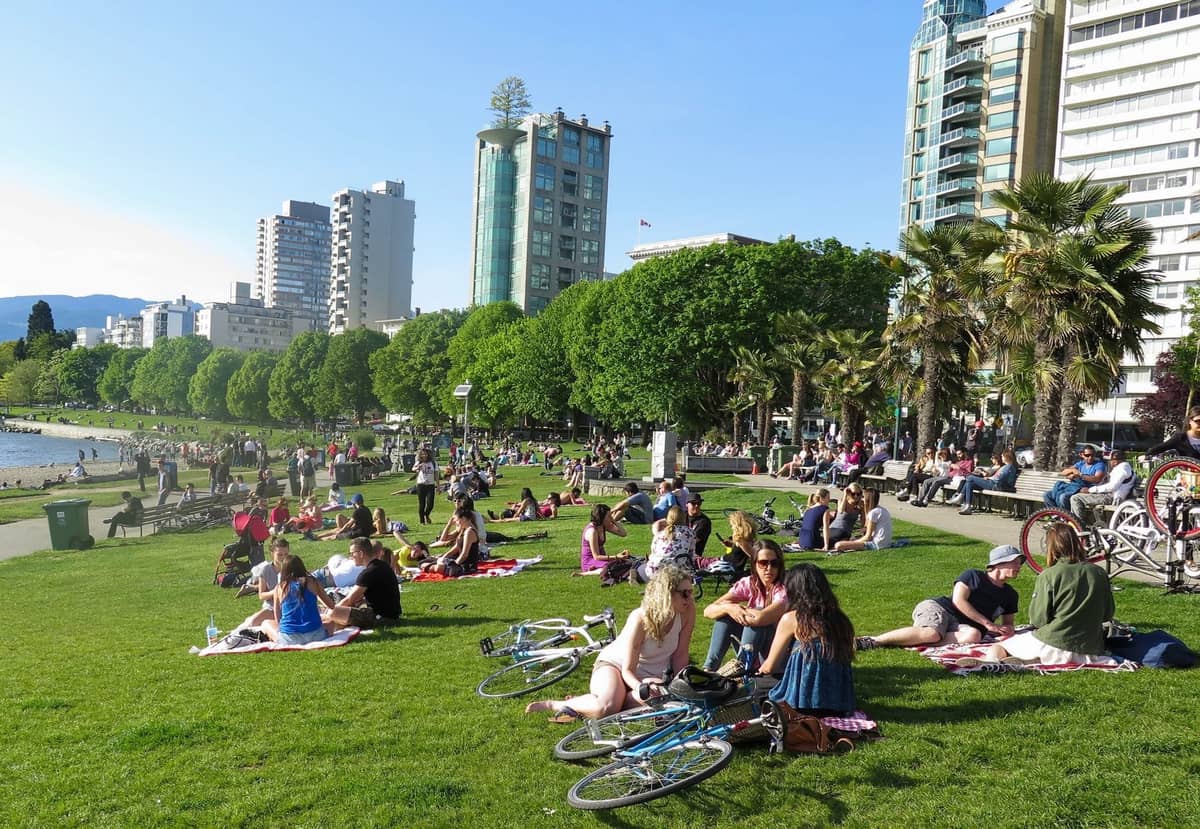
Vancouver's climate is temperate oceanic, which means mild temperatures year-round but significant rainfall from October through March. Mean July temperature sits around 18–19°C (64–66°F), and the driest months are June through August. If you want the full outdoor experience, including the seawall, beaches, and mountain hikes without rain gear, July and August are the obvious choice. But they are also the most expensive and most crowded. See the full breakdown in the best time to visit Vancouver guide for month-by-month detail.
May and September are arguably better for solo travelers on a budget. Accommodation rates drop, the main attractions are still fully operational, and you will share the seawall with far fewer people. May can be unpredictable weather-wise but often delivers stretches of clear, warm days. September is consistently pleasant, with average highs around 18-20°C and minimal rain.
Winter in Vancouver is not the grey washout its reputation suggests. The city rarely freezes at sea level, and while November through January sees the most rain, the mountains above the North Shore get consistent snow. Grouse Mountain and Cypress Mountain both operate as ski areas, with Grouse accessible from downtown in under an hour by public transit and Cypress typically taking around an hour or more using a combination of transit and shuttle, making Vancouver a rare city where you can genuinely ski or snowboard in the morning and eat at a waterfront restaurant the same evening. For a fuller picture of what December looks like, the Vancouver in winter guide covers festivals, crowd levels, and practical logistics.
Practical Logistics Every Solo Traveler Should Know
Canada's emergency number is 911, covering police, fire, and ambulance. The country code is +1, and Vancouver area codes include 604, 778, 236, and 672. Tap water in Vancouver is treated to meet or exceed Canadian drinking water guidelines, so you do not need to buy bottled water. Electricity runs at 120V/60Hz using Type A and B plugs, which are the same physical plug types as the US standard, so travelers from the UK, Europe, or Australia will need an adapter.
Tipping is customary in Canada. The standard range is 15-20% at restaurants, and it is expected for most personal services including taxis and tour guides. Many payment terminals now suggest 18%, 20%, or 22% as default options. You are not obligated to match these amounts but declining to tip at all in a sit-down restaurant is considered rude in Canadian dining culture.
Entry requirements to Canada vary by nationality. Visitors from many countries need either a Temporary Resident Visa or an Electronic Travel Authorization (eTA) when flying in. US citizens do not need either for short visits but must carry valid travel documents such as a U.S. passport. Check the official Government of Canada website before booking flights, as eligibility categories change. Currency is the Canadian dollar (CAD). Vancouver is expensive by North American standards, particularly for accommodation. Solo travelers can save significantly by staying in hostels in Gastown, the West End, or near Commercial Drive, and by using the free experiences the city offers in abundance. For budget-specific strategies, the Vancouver on a budget guide is worth reading before you book.
⚠️ What to skip
Vancouver is one of the most expensive cities in Canada for accommodation. Book hostels and hotels at least 6-8 weeks in advance for summer travel. Last-minute options in July and August are extremely limited and prices spike sharply. The West End and Gastown have the best concentration of budget accommodation close to the main attractions.
Tours and Experiences Worth Booking Solo
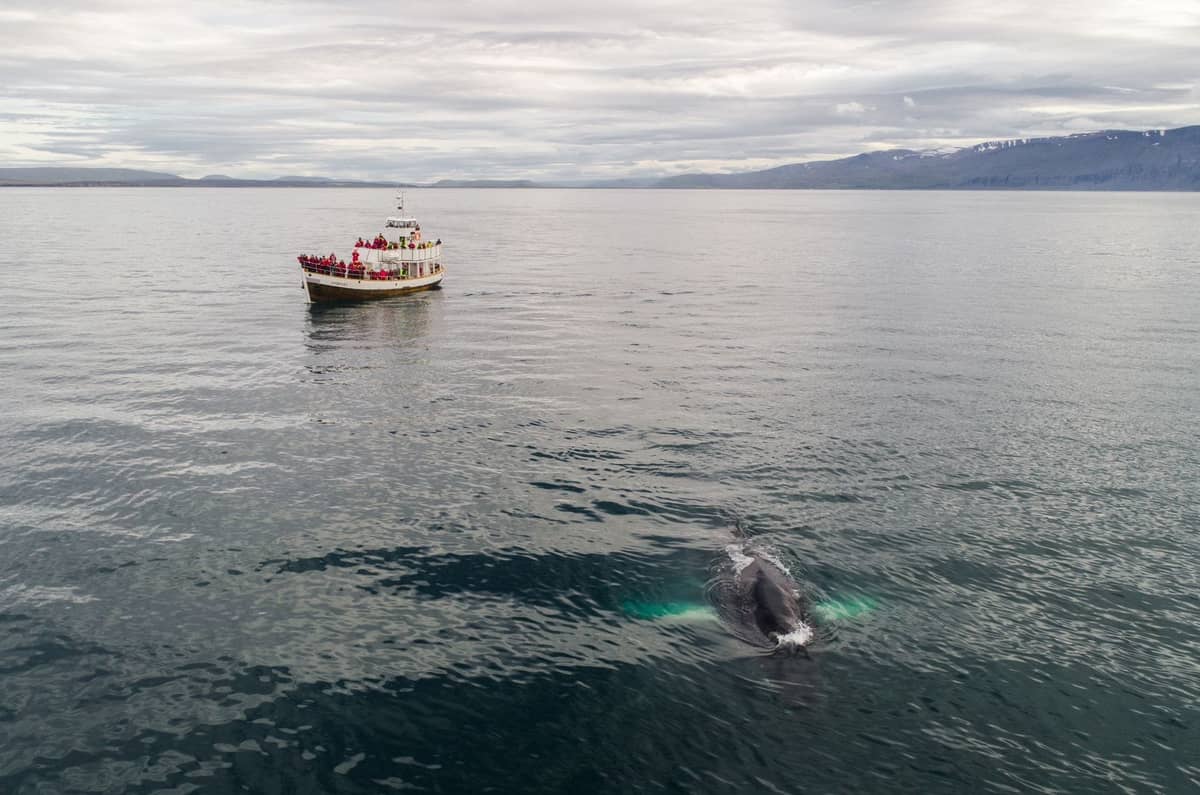
Vancouver offers a strong range of guided experiences that work well for solo travelers, partly because group tours naturally create social opportunities. Whale-watching excursions depart from the downtown waterfront and run as half-day or full-day trips, typically from May through October when orca and humpback sightings are most reliable. Kayaking tours out of Deep Cove or False Creek are popular for solo participants, and rental companies generally provide brief orientation sessions for independent paddlers. Walking tours of Gastown and Chinatown run regularly and are a good way to get historical context for two of the city's most characterful areas.
Vancouver for Solo Female Travelers
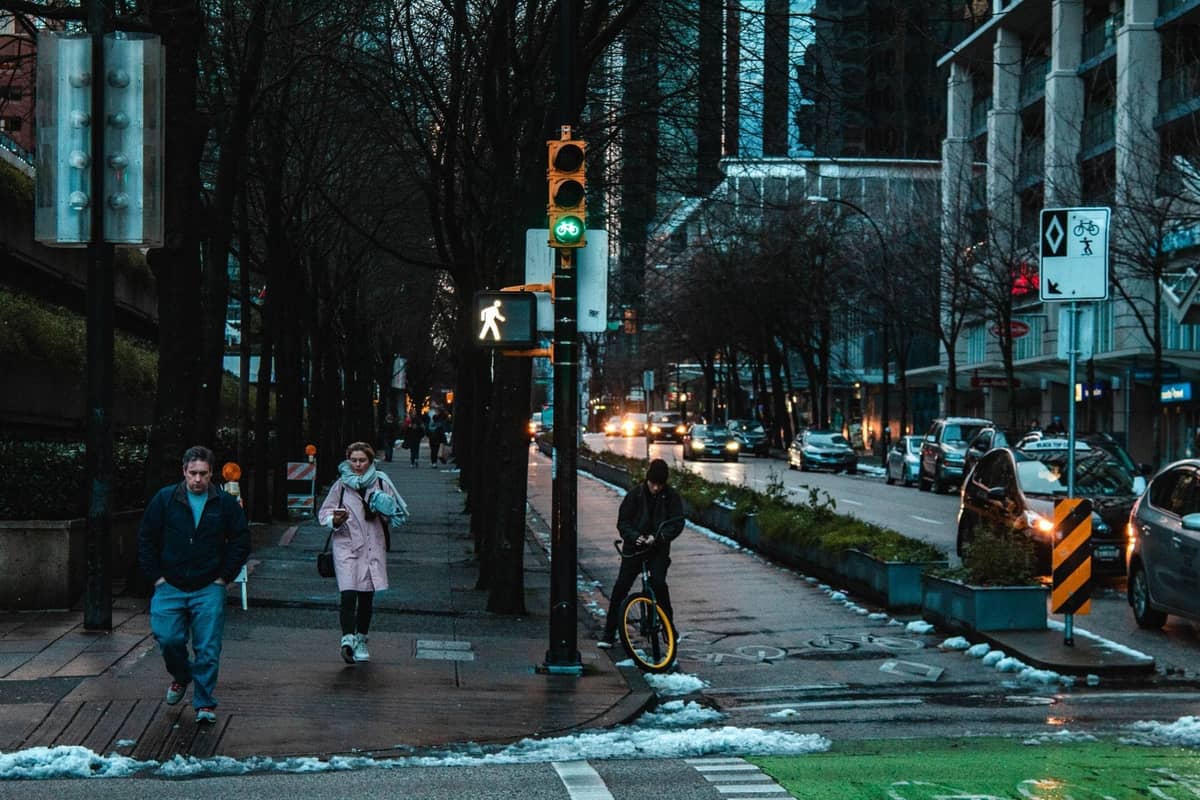
Vancouver is consistently rated as one of the safest cities in the world for solo female travel. The main tourist areas, including the West End, Kitsilano, Yaletown, and downtown, have consistent foot traffic during evening hours and well-lit streets. The West End neighbourhood in particular, home to English Bay Beach and the city's LGBTQ+ community hub along Davie Street, is known for being welcoming and inclusive.
Practical advice specific to solo women: the Canada Line and SkyTrain stations are well-monitored with CCTV and station attendants during operating hours. Buses have a 'request stop' program after 9pm on some routes, where drivers can stop between designated stops on request for passenger safety. Check with TransLink for current details on which routes participate. Rideshare apps (Uber and Lyft) are readily available if you prefer a direct journey after a late night out.
FAQ
Is Vancouver safe for solo travelers?
Yes, Vancouver has low violent crime rates compared with most North American cities of similar size. The main area to be aware of is the Downtown Eastside near Hastings and Main, which has visible social challenges but is not considered dangerous to walk through during daylight. Standard urban precautions apply everywhere: watch your belongings on transit, avoid leaving bags unattended, and stay aware of your surroundings late at night.
What is the best time of year for solo travel in Vancouver?
July and August offer the driest weather and the most outdoor activity options, but are the most expensive and crowded months. May and September offer excellent conditions with fewer tourists and lower prices. Winter (November through February) is rainy at sea level but good for skiing at Grouse Mountain and Cypress Mountain, both accessible by public transit.
How do I get from Vancouver Airport to downtown on my own?
Take the Canada Line SkyTrain from YVR-Airport station to Waterfront Station in downtown Vancouver. The journey takes around 25 minutes and runs frequently throughout the day and evening. There is an additional YVR surcharge on top of the standard transit fare when departing the airport. Confirm current pricing on the TransLink website before travel.
What are the best free things to do in Vancouver alone?
The Stanley Park Seawall (10km waterfront loop), beaches at Kitsilano and English Bay, Gastown's historic streets, the Capilano River Regional Park (a free canyon and forest alternative near the paid Capilano Suspension Bridge), Pacific Spirit Regional Park near UBC, and the Dr. Sun Yat-Sen Classical Chinese Garden's exterior courtyard (admission charged for the full garden) are all excellent free or low-cost options.
Do I need a visa to visit Vancouver from the UK, Australia, or Europe?
Most visitors from the UK, EU countries, and Australia do not need a visa but must obtain an Electronic Travel Authorization (eTA) before flying to Canada. The eTA is applied for online and typically approved quickly, but it must be obtained before boarding your flight. US citizens do not need a visa or eTA for short visits. Always verify current requirements on the official Government of Canada website before booking, as eligibility rules change.