Best Things to Do in Vancouver BC: The Definitive Guide
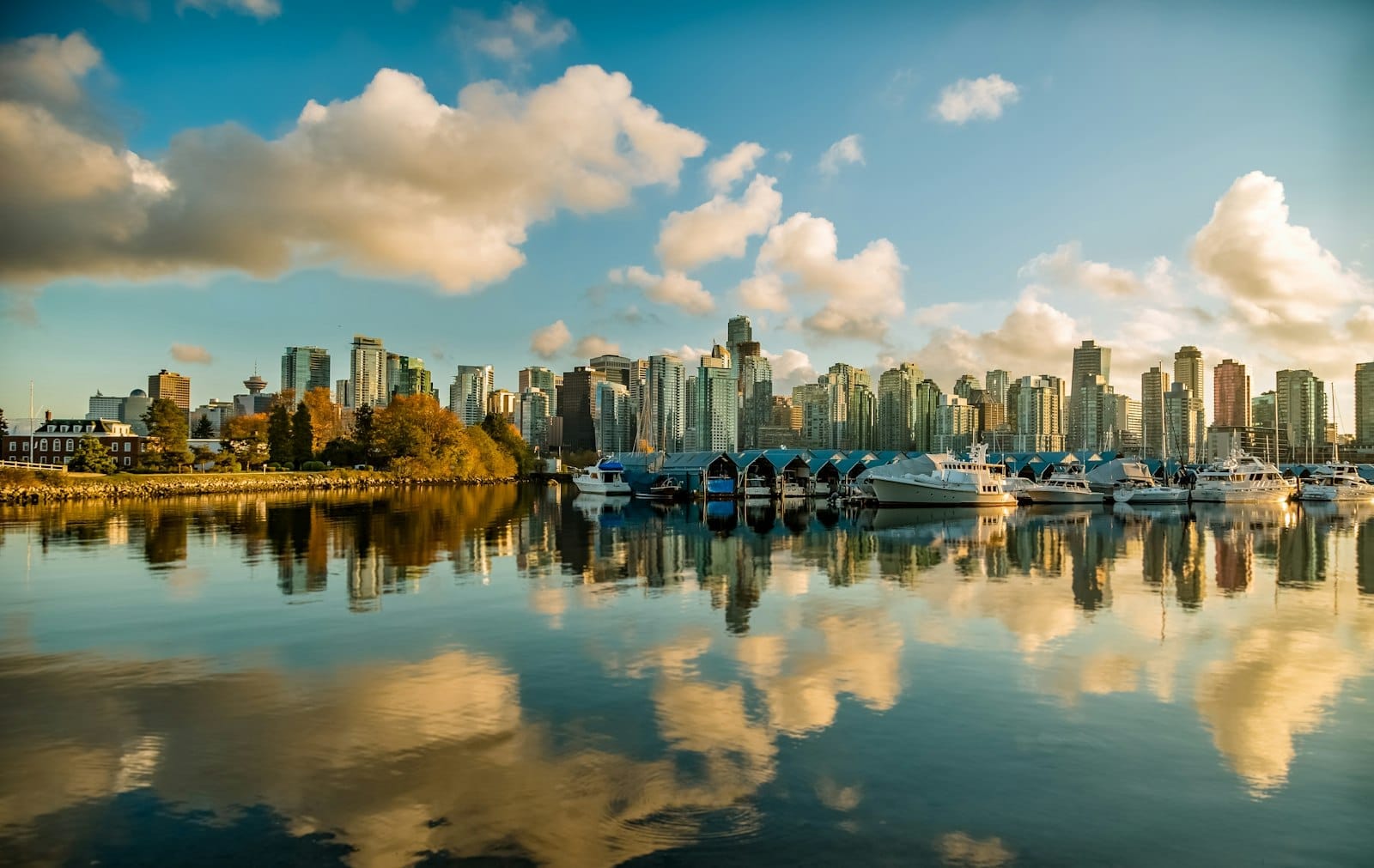
Vancouver packs an extraordinary range of experiences into a compact, walkable city on Canada's Pacific coast. This guide covers the best things to do in Vancouver BC, from iconic outdoor adventures to neighbourhood deep-dives, with practical assessments, current pricing context, and logistics to help you make the most of your time.
Plan and book this trip
Tools from our partner Travelpayouts help you compare flights and hotels. If you book through them, we may earn a commission at no extra cost to you.
Flights
Hotels map
TL;DR
- Stanley Park and the Stanley Park Seawall are free to access and genuinely worth the hype — plan at least 2-3 hours to do them justice.
- Lynn Canyon is a legitimate free alternative to the Capilano Suspension Bridge; Capilano charges CAD $60-$80 for adults but offers a more developed experience.
- The Canada Line SkyTrain connects the airport to downtown in about 25 minutes — skip the taxi queue. See the full getting around Vancouver guide for transit details.
- June through August is the driest, warmest window for outdoor activities; the rest of the year brings frequent rain but rarely cold temperatures.
- Vancouver BC is a completely different city from Vancouver, Washington — make sure you're booking for the right one.
Stanley Park: The Urban Wilderness That Actually Delivers
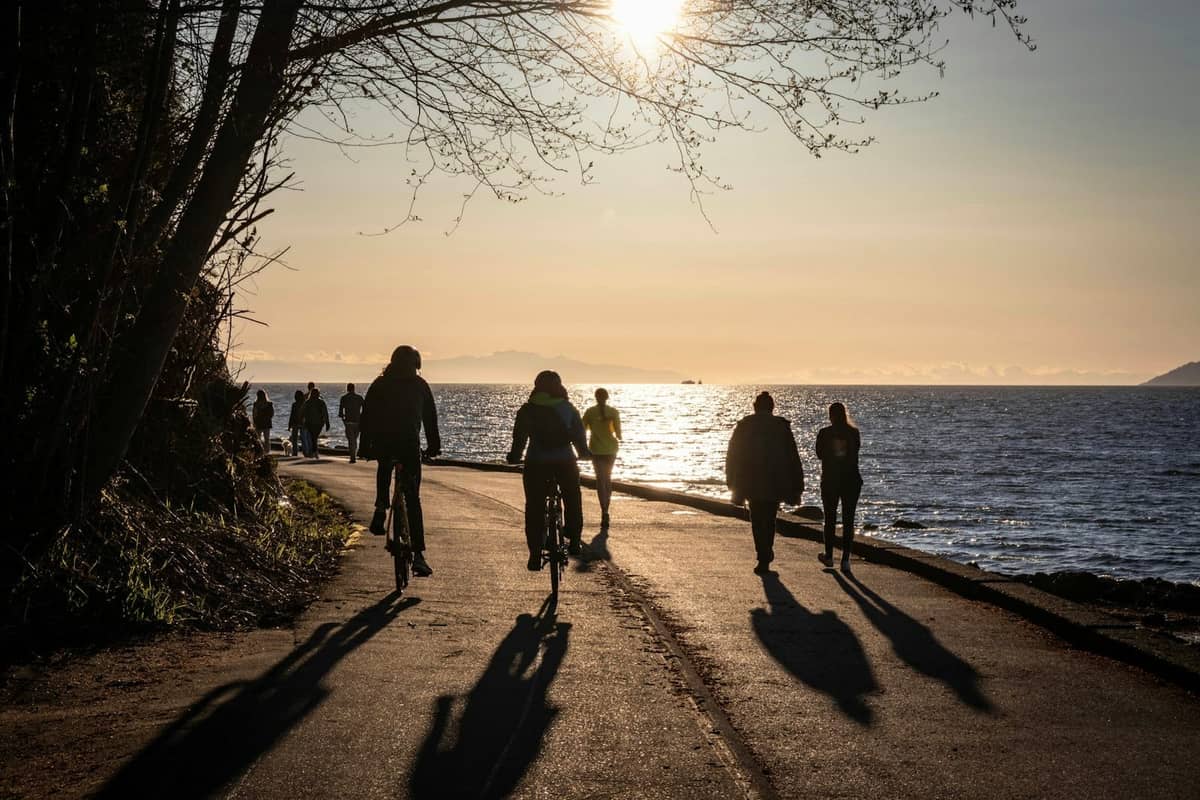
Stanley Park is 405 hectares of old-growth forest sitting on a peninsula at the edge of downtown. Entry to the park and the Seawall is free, which makes it one of the best-value things to do in Vancouver BC regardless of your budget. The Seawall loop runs just over 9 kilometres and takes most people 2 to 3 hours to walk at a relaxed pace. It is not the flat promenade some visitors expect: there are short inclines and exposed sections along the water, so plan accordingly.
Beyond the Seawall, the park holds the Brockton Point totem poles, Lost Lagoon, Second Beach, and Prospect Point with its views across Burrard Inlet to the North Shore mountains. Parking in the official lots costs approximately CAD $3 per hour during the paid season (March 1 to October 31, 8am–6pm), with time limits and seasonal maximums that vary by lot. Cycling the Seawall is faster and more popular in summer; rental shops cluster near the Denman Street entrance.
💡 Local tip
The Seawall is one-way for cyclists (counter-clockwise). Arrive before 9am on summer weekends to avoid crowds near the totem poles and Second Beach. The Vancouver Aquarium is inside the park and costs roughly CAD $42–58 per adult for timed-entry tickets (plan-ahead pricing at vanaqua.org) — book online in advance.
The North Shore: Mountains, Bridges, and Serious Outdoor Options
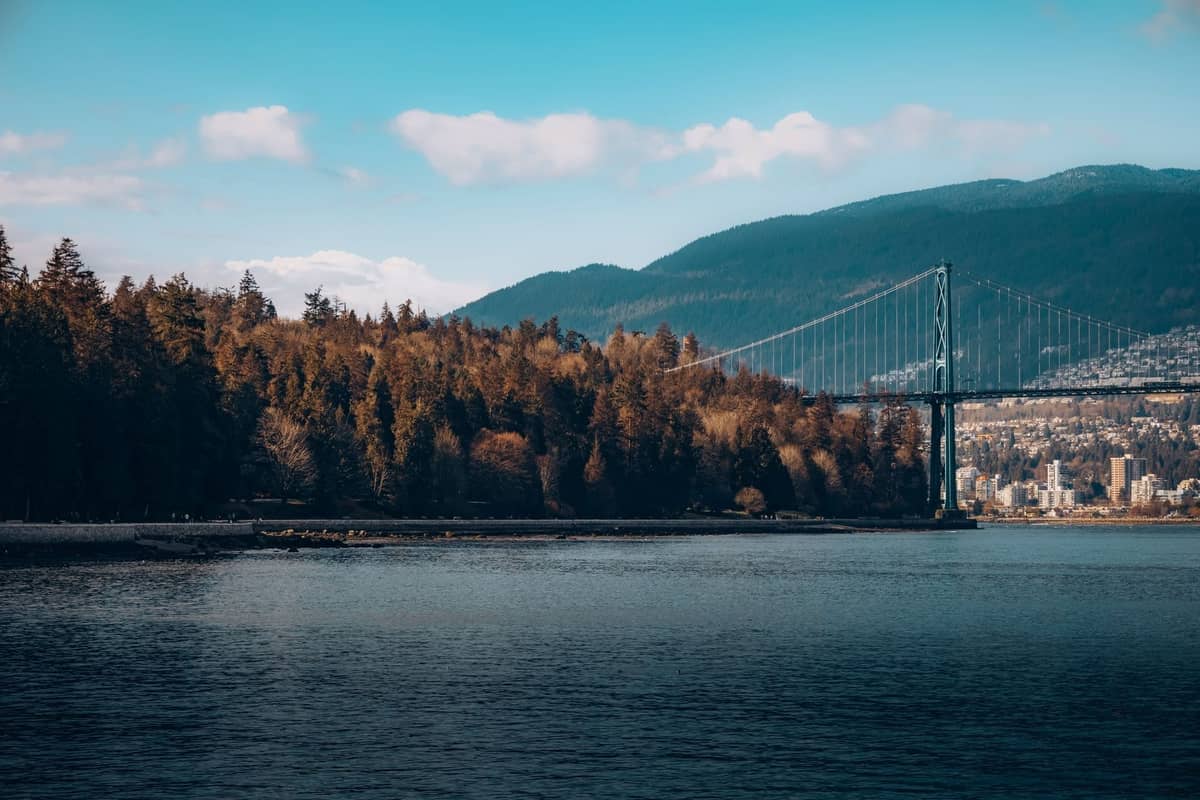
The mountains north of the city are visible from almost everywhere in Vancouver, and getting up to them is easier than it looks. TransLink's SeaBus crosses Burrard Inlet from Waterfront Station to North Vancouver in 12 minutes, and buses connect to major trailheads from there.
- Capilano Suspension Bridge Park The most-visited attraction on the North Shore. The park includes the main bridge, the Cliffwalk cantilevered walkway, and Treetops Adventure among the Douglas firs. Adult admission runs approximately CAD $60-$80 with dynamic seasonal pricing — check the official site before visiting. It is polished, well-staffed, and crowded on summer weekends.
- Lynn Canyon Suspension Bridge Operated by the District of North Vancouver, this bridge and the surrounding canyon park are free to access (paid parking applies). The experience is less developed than Capilano but the canyon itself is genuinely dramatic. A common misconception is that both bridges charge entry fees — Lynn Canyon does not.
- Grouse Mountain The Skyride gondola and on-mountain activities are bundled under 'Mountain Admission', currently around CAD $74–89 for adults depending on residency (verify at grousemountain.com). In summer, this includes hiking access, lumberjack shows, and birds of prey demonstrations. In winter, it covers skiing, snowboarding, and snowshoeing. The Grouse Grind trail runs uphill only — most visitors take the paid Skyride back down.
- Quarry Rock, Deep Cove A 4-kilometre return hike through forest to a granite outcrop above Indian Arm. The trailhead is in Deep Cove, a 30-minute bus ride from Phibbs Exchange. Free to hike, but the parking lot fills fast on weekends. The views reward the effort.
⚠️ What to skip
Mountain trails on the North Shore can be snow-covered or icy from November through April. Check BC Parks and local trail reports before heading out. The Grouse Grind itself is typically closed in winter — the Skyride is the only uphill option during ski season.
Granville Island, False Creek, and the Water Routes
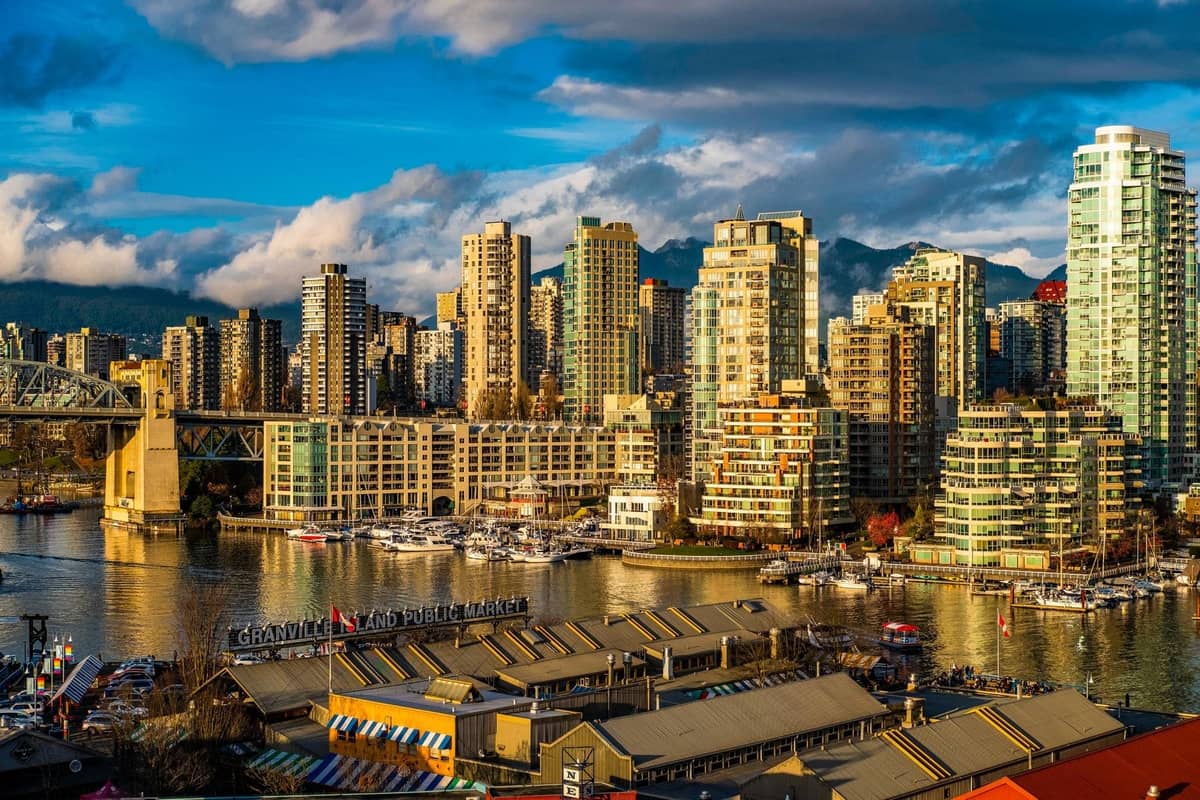
Despite the name, Granville Island is not an island in any traditional sense. It sits in False Creek, a sheltered urban inlet south of downtown. The Granville Island Public Market opens daily around 9:00am and closes at 6:00pm, though individual vendor hours vary. The market sells local produce, seafood, baked goods, and prepared food from dozens of stalls — it is genuinely good, and genuinely crowded on Saturday afternoons.
The most enjoyable way to reach Granville Island from downtown is by the small passenger ferries operated by Aquabus and False Creek Ferries. One-way adult fares run approximately CAD $3-$7 depending on the route. These ferries also connect Granville Island with Yaletown, Olympic Village, and the waterfront near Science World, making them a practical and scenic way to move around the south side of the city.
Neighbourhoods Worth Exploring on Foot
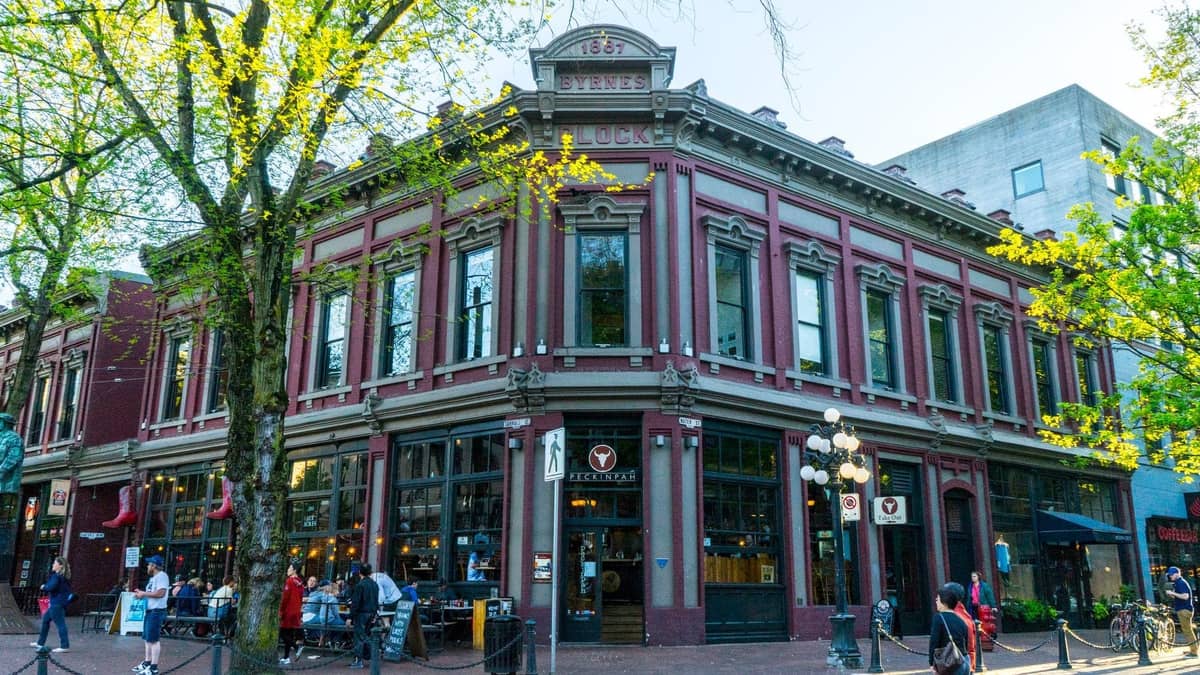
Gastown is Vancouver's original settlement, now a heritage district of cobblestone streets and brick warehouses converted into restaurants, bars, and design studios. The Gastown Steam Clock at Water Street is genuinely historic and worth a quick stop, but do not spend more than a few minutes there — the neighbourhood itself is the real draw.
Chinatown is one of North America's largest historic Chinese Canadian districts and sits a short walk east of Gastown. The Dr. Sun Yat-Sen Classical Chinese Garden is a scaled-down Song Dynasty scholar's garden — genuinely peaceful and architecturally precise. Chinatown has been through significant changes and some streets feel quieter than they once were, but the cultural heritage is real and the food options are excellent.
Kitsilano is the neighbourhood across False Creek from downtown, facing English Bay. Kitsilano Beach has an outdoor saltwater pool (open summer only) and consistently draws locals for beach volleyball, swimming, and general beach life. The stretch of 4th Avenue running through Kitsilano has independent bookshops, coffee roasters, and restaurants that give a more accurate picture of how Vancouverites actually live.
- Yaletown Former warehouse district with heritage brick buildings, upscale restaurants, and the Yaletown Seawall connecting to the broader False Creek path system. Better for an evening dinner than an afternoon of sightseeing.
- Mount Pleasant and Main Street A mix of craft breweries, independent record stores, vintage clothing, and some of Vancouver's best coffee. Less tourist infrastructure but more representative of the city's creative scene.
- West End Densely residential neighbourhood between downtown and Stanley Park, with Robson Street for shopping and Davie Village for LGBTQ+ nightlife and culture. Walkable and genuinely liveable-feeling.
Museums, Galleries, and Indoor Experiences
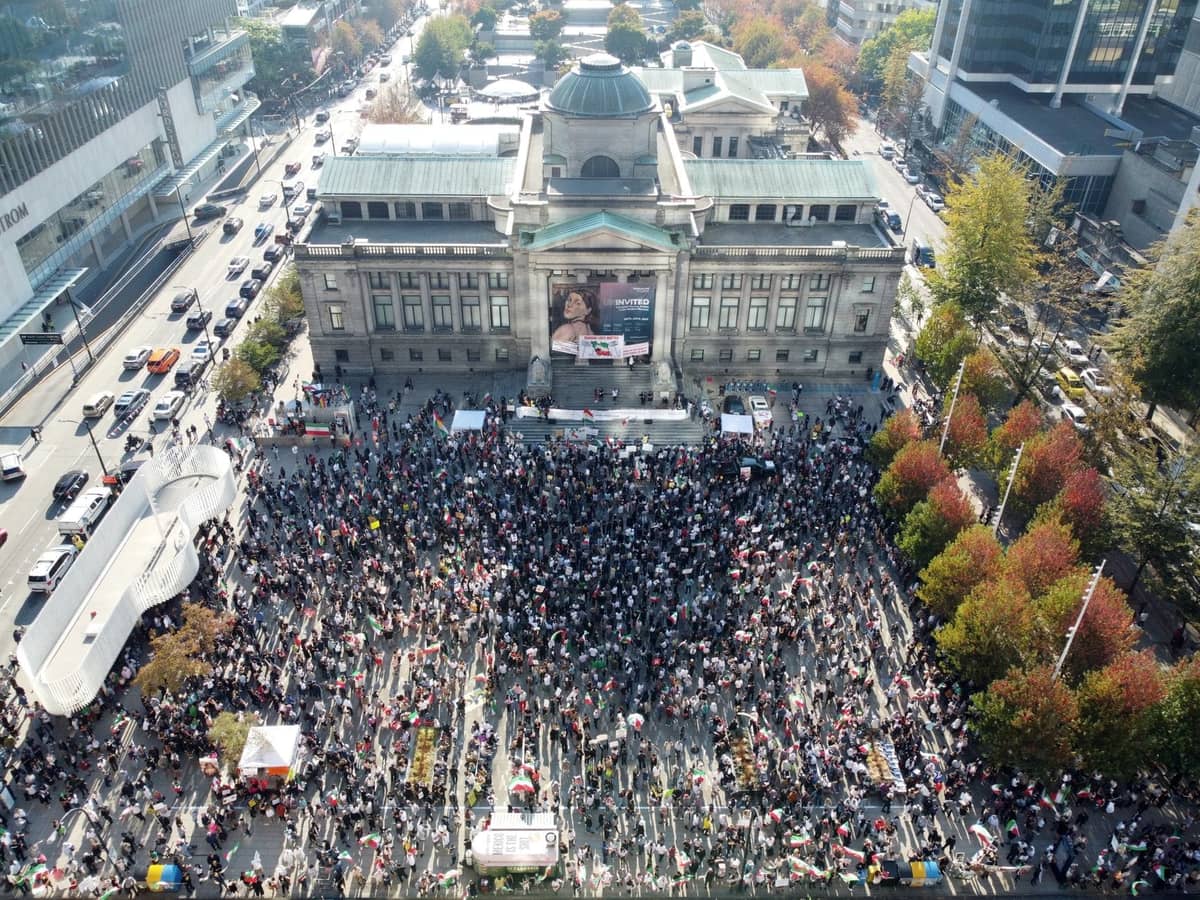
Vancouver's indoor culture is strongest in art, natural history, and Indigenous heritage. The Vancouver Art Gallery occupies a neo-classical courthouse in downtown and focuses significantly on Canadian artists, particularly Emily Carr. Adult admission runs CAD $35 for out-of-province visitors and $29 for BC residents (ages 18 and under free); there are periodic by-donation evenings. It is a serious institution, not a tourist checkbox.
The Museum of Anthropology at UBC houses one of the most significant collections of Northwest Coast Indigenous art in the world, including a major collection of works by Haida and other First Nations artists. The museum has undergone major renewal and seismic upgrades in recent years — confirm current opening status and hours directly on the MOA website before planning a visit. The UBC campus itself, at the western tip of the Point Grey peninsula, is worth the trip for the UBC Botanical Garden and the views across the Strait of Georgia.
Science World sits at the east end of False Creek under its distinctive geodesic dome. It skews toward families with children but holds genuinely engaging exhibits for adults. The Vancouver Lookout is a rotating observation deck atop Harbour Centre downtown — entry costs around CAD $21 for adults (including tax; verify at vancouverlookout.com) and the ticket is valid all day, so you can go up at midday for orientation and return at dusk for the city lights.
✨ Pro tip
UBC's Museum of Anthropology, the Nitobe Memorial Garden, and the UBC Botanical Garden can all be combined into a half-day on the Point Grey campus. The 99 B-Line (99 UBC/Commercial–Broadway) express bus runs from Commercial–Broadway Station to the UBC loop in about 20–30 minutes; from downtown you first connect by SkyTrain or bus, making this an easy trip without a car.
Practical Planning: Getting Here, Getting Around, and Getting the Timing Right
Vancouver International Airport (YVR) is on Sea Island in Richmond, about 12 kilometres from downtown. The Canada Line SkyTrain connects the airport to Waterfront Station in approximately 25 minutes and costs a standard adult fare plus a YVR surcharge when departing the airport — check the TransLink website for current pricing. Taxis operate on published zone-based flat rates from YVR; ride-hailing through Uber and Lyft is also available at designated pickup areas.
Within the city, TransLink's SkyTrain, SeaBus, and extensive bus network cover most visitor destinations. A standard single-zone adult cash fare is CAD $3.25; a Compass Card reduces cost and eliminates fumbling for change. The SeaBus between Waterfront Station and North Vancouver runs every 15-30 minutes and is a scenic crossing in its own right. For the North Shore mountains, buses connect from Lonsdale Quay after the SeaBus crossing.
For seasonal planning: June through August brings the driest weather and warmest temperatures (average July high around 23°C / 73°F), along with summer events like the Honda Celebration of Light fireworks over English Bay Beach. This is also peak tourism season — beaches, the Seawall, and popular attractions are crowded on weekends. September and early October offer mild temperatures with thinning crowds and fall colours in parks. November through March brings frequent rain; most outdoor attractions remain accessible, but mountain trails require checking conditions. See the best time to visit Vancouver for a month-by-month breakdown.
- Tipping is customary in restaurants: 15-20% on the pre-tax bill is standard in Vancouver.
- Tap water is safe to drink throughout the city — Metro Vancouver's supply meets or exceeds Canadian drinking water guidelines.
- Emergency services: dial 911. Country code for Canada is +1; Vancouver area codes include 604, 778, 236, and 672.
- Electricity runs at 120V / 60Hz with Type A and B plugs (same as the US), so North American devices work without adapters.
- Most visa-exempt nationals need an Electronic Travel Authorization (eTA) when flying into Canada; US citizens generally do not, but should carry valid travel documents. Check the Government of Canada website before travel as rules change.
FAQ
What are the best free things to do in Vancouver BC?
Stanley Park and the Seawall are free to enter, as are most of Vancouver's beaches including Kitsilano, English Bay, Jericho, and Spanish Banks. Lynn Canyon Suspension Bridge (parking fees apply) is a free alternative to Capilano. The city's neighbourhoods — Gastown, Chinatown, Kitsilano, and Mount Pleasant — cost nothing to explore on foot. For a curated list, see the free things to do in Vancouver guide.
How do I get from Vancouver airport to downtown?
The Canada Line SkyTrain is the fastest and most cost-effective option: about 25 minutes to Waterfront Station in downtown. Departures run frequently from the YVR-Airport station inside the terminal. Taxis operate on published flat-rate zones from the arrivals level. Uber and Lyft are available at designated pickup areas. Check current fares on the TransLink and YVR websites before travel.
Is Vancouver, BC the same as Vancouver, Washington?
No — these are two completely separate cities. Vancouver, British Columbia, Canada is a major Pacific coast city of about 670,000 people (over 2.8 million in the metro area). Vancouver, Washington is a smaller US city on the north bank of the Columbia River across from Portland, Oregon. When booking flights, hotels, or searching for things to do, always confirm you have the correct Vancouver.
What is the best time of year to visit Vancouver for outdoor activities?
June through August is the optimal window: the least rainfall, warmest temperatures (average July temperature around 18°C / 64°F with typical highs in the low-to-mid 20s Celsius), and full access to beaches, mountain trails, and outdoor events. September and early October are also excellent for hiking with fewer crowds. Winter months are mild by Canadian standards but wet, and North Shore mountain trails can be snow-covered — check conditions before heading out.
Is Capilano Suspension Bridge worth the price compared to Lynn Canyon?
It depends on what you want. Capilano Suspension Bridge Park (CAD $60-$80 for adults) is a polished attraction with the main bridge, Cliffwalk, and Treetops Adventure all included — well-maintained, well-staffed, and genuinely spectacular. Lynn Canyon is free (apart from parking) and more rugged, with a real canyon and forest environment. If budget is a consideration, Lynn Canyon absolutely holds up. If you want the full developed experience and do not mind the price, Capilano earns it.