Vancouver Lookout at Harbour Centre: Everything You Need to Know Before You Go
Perched 168 metres above downtown Vancouver, the Vancouver Lookout at Harbour Centre delivers unobstructed 360-degree views of the city, the North Shore mountains, and the Pacific coast. A glass elevator ride of just 40 seconds gets you there, and your ticket is valid all day.
Quick Facts
- Location
- 555 W Hastings St, Downtown Vancouver, BC
- Getting There
- Waterfront Station (2-min walk); Granville Station (5-min walk)
- Time Needed
- 45 minutes to 1.5 hours
- Cost
- Paid admission; verify current pricing at vancouverlookout.com
- Best for
- City orientation, photography, clear-day panoramas
- Official website
- vancouverlookout.com
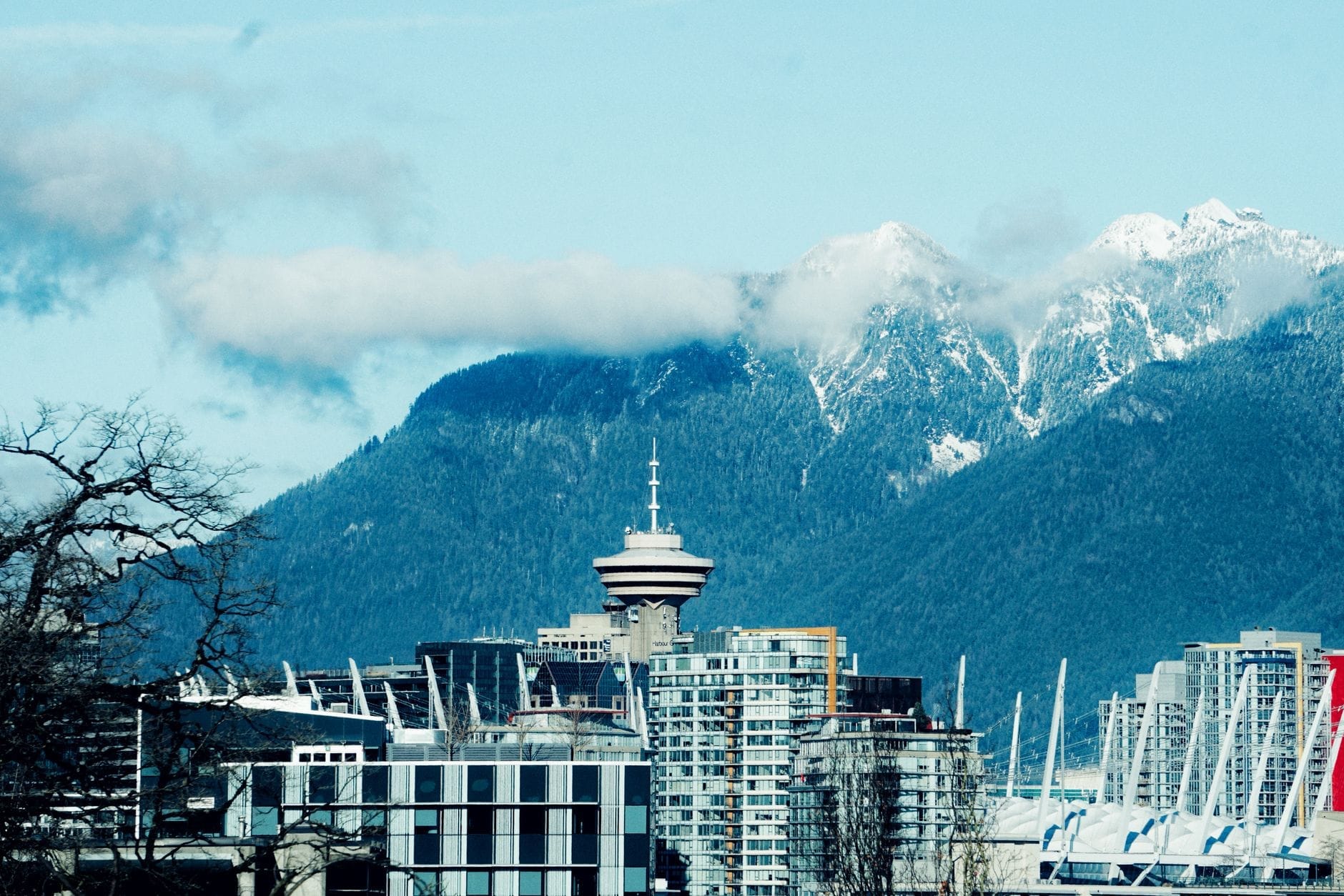
Vancouver Lookout: an overview
The Vancouver Lookout is an observation deck sitting at approximately 168 metres (553 feet) above street level, at the top of Harbour Centre, a downtown skyscraper completed and opened in 1977. The deck wraps around the building in a full circle, offering uninterrupted 360-degree views across the city in every direction. It is one of the few places in downtown Vancouver where you can take in the entire geography of the city in a single sweep, from the North Shore mountains to the Gulf Islands and south toward the Fraser River delta.
On 13 August 1977, astronaut Neil Armstrong officially opened the Vancouver Lookout, a piece of trivia that still appears on interpretive panels inside. The building itself is a distinctive piece of downtown architecture: a cylindrical glass observation pod crowning a concrete tower, visible from many parts of the city and from across Burrard Inlet.
ℹ️ Good to know
Your admission ticket is valid for the entire day, meaning you can ride up in the morning, leave to explore the city, and return later for the evening light. This makes it significantly better value than a single timed visit.
The Ride Up and the First Impression
Access to the observation deck is by glass elevator, which travels the height of the tower in approximately 40 seconds. The elevator is positioned on the exterior of the building, so the ascent itself is part of the experience: the city drops away below your feet almost immediately, and by the time you clear the surrounding rooftops, the scale of the urban grid and the waterfront becomes clear. For visitors who are uneasy with heights, the speed of the ascent can feel disorienting for a moment, but the elevator is enclosed and the ride is smooth.
Stepping onto the observation level, the first thing most visitors notice is the silence relative to the street below. The glass panels wrap continuously around the deck, and the floor-level windows allow for low-angle photography. The interpretive panels around the perimeter identify landmarks visible from each compass point, which is genuinely useful for first-time visitors trying to orient themselves to the city's layout.
Tickets & tours
Hand-picked options from our booking partner. Prices are indicative; availability and final rates are confirmed when you complete your booking.
Vancouver City and Capilano Suspension Bridge tour with lunch
From 292 €Instant confirmationFree cancellationSmall-group sightseeing city tour with Vancouver Lookout
From 45 €Instant confirmationFree cancellationCity highlights guided tour of Vancouver
From 45 €Instant confirmationFree cancellationVancouver City and The Lookout
From 56 €Instant confirmationFree cancellation
What You Can See: The 360-Degree Panorama
Looking north, the view is dominated by Burrard Inlet and the North Shore mountains, with Grouse Mountain identifiable on clear days by the gondola infrastructure on its face. The inlet's shipping traffic is visible as container vessels move between the Port of Vancouver terminals. To the northeast, the Second Narrows bridge connects the north and south shores of the inlet.
Looking west, the downtown peninsula spreads out below, with the towers of the West End visible and Stanley Park beyond them, the dense forest of the park forming a sharp contrast to the built environment. On a clear day, you can trace the shoreline of English Bay and identify Kitsilano across False Creek. The view south takes in the geometric grid of residential Vancouver stretching toward the Fraser River, with the low rise of the Coast Mountains forming the eastern horizon.
The eastern view looks directly over Gastown, the oldest part of the city, and beyond it toward the commercial and industrial areas of East Vancouver. On exceptionally clear days in summer, Mount Baker in Washington State is visible to the southeast, its snow-capped peak rising above the horizon well into the distance.
💡 Local tip
The clearest views typically occur in the 24 to 48 hours after a rainfall system passes through, when the air has been washed clean. Winter and early spring visits after a storm front can produce dramatically sharp panoramas.
How Time of Day Changes the Experience
Morning visits, especially on weekdays, are the quietest. The deck tends to have few visitors before noon, and the light from the east catches the glass towers of the downtown core well. Haze can be an issue on warm summer mornings before the sea breeze picks up, which sometimes reduces visibility toward the mountains.
Midday brings the most consistent light for photography, but also the most visitors. Weekend afternoons between roughly 1pm and 4pm are the busiest periods, when families and tour groups cycle through. If crowds reduce your enjoyment of a viewpoint, aim for a weekday morning or late afternoon.
The lookout currently opens at 10am and closes at 6pm, with the last elevator up 30 minutes before closing, although hours can occasionally vary for special events. This means sunset visits are only possible if sunset falls well before 6pm, which limits golden-hour photography to autumn and winter months. Summer sunsets in Vancouver occur well after 9pm, so the lookout does not capture them. If sunset panoramas are your goal, consider this a significant limitation: the lookout is primarily a daytime attraction.
⚠️ What to skip
The Vancouver Lookout is generally open 10am to 6pm, with last entry at 5:30pm, but hours can vary for special events or early closures. Summer sunsets in Vancouver occur after 9pm, so this is not a venue for golden-hour or sunset photography during long summer days.
Historical and Architectural Context
Harbour Centre was developed as a mixed commercial and observation tower and opened in 1977, at a time when downtown Vancouver was undergoing significant urban redevelopment. The building sits on West Hastings Street at the edge of what was then the retail and financial core, close to Gastown, the original townsite of Vancouver. The flywheel-shaped observation pod at the top was an architectural statement of its era, and the Neil Armstrong connection gave the opening a degree of international attention unusual for a commercial tower.
At 168 metres, Harbour Centre was among the tallest structures in Vancouver at the time of its completion. The city's skyline has changed dramatically since then, and the tower is no longer close to the tallest building downtown. However, the observation deck remains the only publicly accessible elevated viewpoint in the downtown core itself, which preserves its relevance even as taller residential towers have been constructed nearby.
Getting There and Practical Logistics
The Vancouver Lookout is located at 555 West Hastings Street in downtown Vancouver. The nearest SkyTrain station is Waterfront Station, which is served by the Expo and Canada Lines, and is approximately a 2-minute walk from the building entrance. Waterfront Station is also the terminus for the SeaBus ferry to North Vancouver. Granville Station, served by the Expo and Millennium Lines, is about a 5-minute walk to the west. For a broader guide to getting around the city, the getting around Vancouver guide covers transit options in detail.
The building is generally open daily from 10am to 6pm, with the last elevator up at 5:30pm, though hours may vary for special events or early closures. Hours are subject to special closures for private events, so checking the official website before visiting is advisable, particularly around public holidays. Admission is charged per person; verify current pricing at vancouverlookout.com, as prices are updated periodically. Tickets purchased on arrival are all-day passes, which is the most useful feature of the admission structure.
Photography is permitted throughout the observation deck. The glass panels are generally clean but will catch reflections in bright conditions; a polarizing filter reduces glare significantly. The deck is fully enclosed, so there is no wind exposure and no significant temperature difference from street level, which means no special clothing is needed for the observation level itself. Accessibility details for wheelchair users and visitors with mobility requirements are not fully documented in publicly available sources; contact the venue directly if this is relevant to your visit.
Is It Worth the Admission Cost?
That depends on what you are looking for. The Vancouver Lookout is the only enclosed 360-degree observation deck in central Vancouver, and on a clear day the panorama is genuinely impressive, particularly for understanding the city's geography in relation to the mountains, ocean, and surrounding region. The all-day pass structure adds real value if you plan to return for different light conditions. For visitors who want a high viewpoint with less admission cost and more physical engagement, Queen Elizabeth Park offers elevated city views for free, and several viewpoints in Stanley Park provide mountain and water panoramas without an entry fee.
On overcast or rainy days, which are common in Vancouver from October to March, visibility from the lookout may be significantly reduced or the surrounding mountains entirely obscured. A low cloud ceiling can cut off the mountain views entirely, leaving only the urban grid visible. This is an honest limitation worth considering before paying admission: check the forecast and the webcam on the official website before deciding to visit on marginal weather days.
Visitors focused purely on free activities may prefer to explore the city's many no-cost viewpoints instead. The free things to do in Vancouver guide covers alternatives.
Insider Tips
- Your all-day ticket allows unlimited re-entry. Use this: go up in the morning for city orientation, then return in late afternoon when the light on the North Shore mountains is warmer and the downtown towers begin to glow.
- The interpretive panels around the deck identify specific landmarks at each compass point. Read them on your first circuit before you start photographing; they help you understand what you are looking at and make for more intentional shots.
- Weekday mornings before noon are significantly less crowded than weekend afternoons. If you want the deck largely to yourself, arrive shortly after 10am on a Tuesday or Wednesday.
- Check the official Vancouver Lookout website before visiting on borderline weather days. The site sometimes displays a live or recent webcam image that gives a realistic sense of current visibility before you commit to the ticket price.
- The building entrance is directly off West Hastings Street. Waterfront Station is the most convenient transit stop and also puts you close to Coal Harbour and Canada Place for a natural continuation of the day.
Who Is Vancouver Lookout For?
- First-time visitors to Vancouver who want a geographic overview of the city before exploring on foot
- Photographers working in winter or early spring when sunset falls within operating hours
- Travelers combining downtown sightseeing with Gastown and Waterfront in a single half-day loop
- Visitors who want a fully enclosed, weather-protected viewpoint on an overcast but high-visibility day
- Families with children who want a quick, accessible elevation experience without a strenuous hike
Nearby Attractions
Other things to see while in Downtown Vancouver:
- BC Place
BC Place is Vancouver's premier indoor stadium and event venue, sitting on the north side of False Creek on the southeastern edge of downtown. From BC Lions football to Whitecaps soccer, international concerts, and trade expos, this retractable-roof arena is the city's largest indoor gathering space. Here is what it is actually like to visit, and how to make the most of your time there.
- Bill Reid Gallery of Northwest Coast Art
Opened in 2008, the Bill Reid Gallery of Northwest Coast Art is Canada's only public gallery dedicated entirely to Indigenous art of the Northwest Coast. Tucked into a quiet courtyard in downtown Vancouver, it offers an intimate, carefully curated encounter with Haida and other Northwest Coast artistic traditions.
- Canada Place
Canada Place anchors Vancouver's downtown waterfront with its sail-shaped roof, working cruise terminal, and free public promenade overlooking Burrard Inlet. Whether you're passing through or planning your first visit, here's what actually makes it worth your time.
- Coal Harbour
Coal Harbour is a free-to-explore waterfront neighbourhood on Burrard Inlet, stretching between Canada Place and the edge of Stanley Park. It combines a paved seawall, marina views, mountain backdrops, and one of the most photographed skylines in western Canada.