What to Eat in Vancouver: A Food Lover's Guide
Vancouver's food scene is one of the most diverse in North America, shaped by Pacific seafood, deep Asian culinary traditions, and a thriving modern restaurant culture. This guide breaks down what to eat, where to eat it, and what to skip across the city's best food neighborhoods.
Plan and book this trip
Tools from our partner Travelpayouts help you compare flights and hotels. If you book through them, we may earn a commission at no extra cost to you.
Flights
Hotels map
TL;DR
- Vancouver's food identity goes far beyond sushi — Chinese, Korean, Japanese, South Asian, and contemporary Pacific Northwest cuisines all have serious footholds here.
- Richmond, just south of the city, rivals any Chinatown in North America for Chinese regional cooking — it deserves its own half-day trip from downtown Vancouver.
- The Granville Island Public Market is the best single stop for local produce, artisan foods, and casual eating under one roof.
- Budget tip: lunch specials at Asian restaurants often cost $12-18 CAD for dishes that run $22-30 CAD at dinner — timing matters.
- Tipping 15-20% is standard at sit-down restaurants across the city.
Why Vancouver's Food Scene Is Worth Taking Seriously
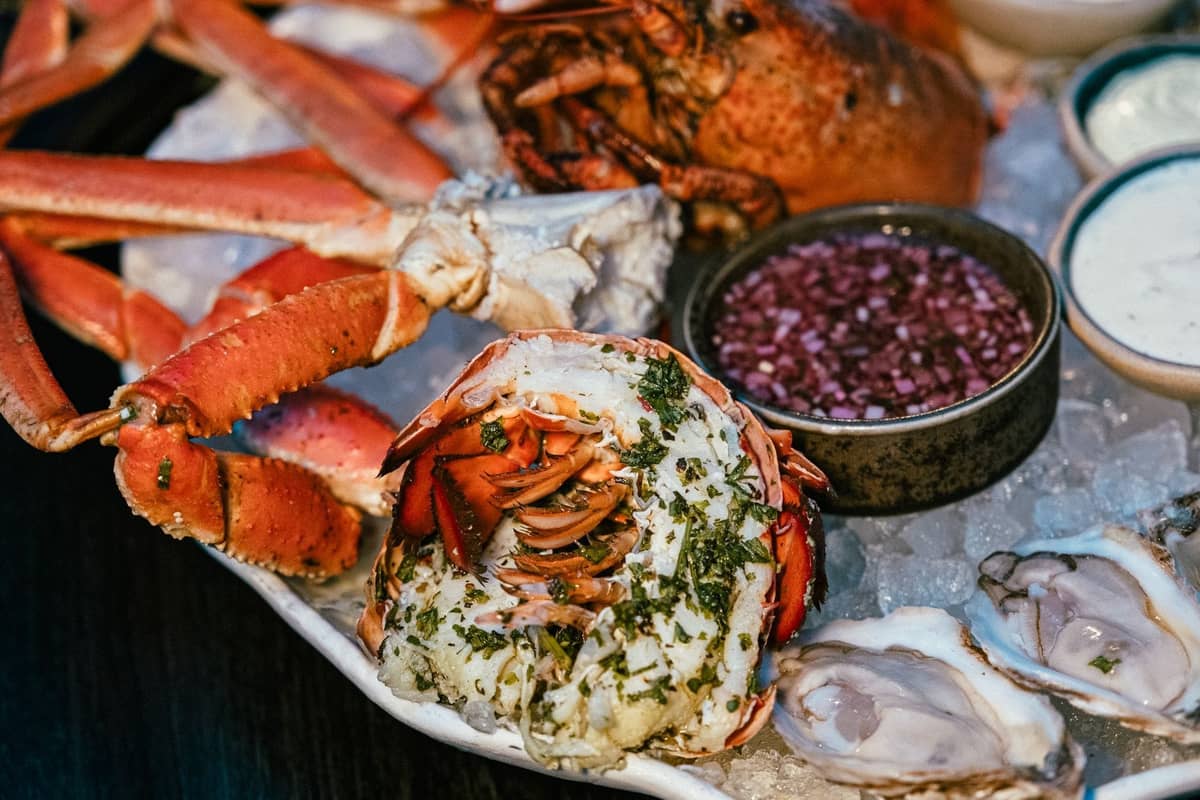
Vancouver sits on the Pacific coast with access to some of the best wild salmon, Dungeness crab, spot prawns, and Pacific halibut in the world. Layer that foundation with a population where Cantonese, Mandarin, Punjabi, Tagalog, and Korean are among the most spoken mother tongues, and you get a food city that isn't performing multiculturalism — it's just living it. The result is a place where a $14 bowl of hand-pulled noodles and a $120 tasting menu can both be legitimate answers to the question of what to eat in Vancouver.
The MICHELIN Guide has recognized Vancouver's dining scene, and the city has produced chefs who work seriously with local ingredients — BC spot prawns in late spring, wild salmon from June through September, Okanagan produce through summer and fall. Seasonality shapes menus at better restaurants in ways that matter to the actual flavor on your plate, not just as marketing copy.
ℹ️ Good to know
A common misconception: Vancouver is not just a sushi-and-salmon town. While both are excellent here, the city's deeper food strengths lie in Cantonese cuisine, ramen, Korean BBQ, and a contemporary Pacific Northwest style that draws on Indigenous ingredients like fiddlehead ferns, pine mushrooms, and bannock.
The Food Neighborhoods Worth Knowing
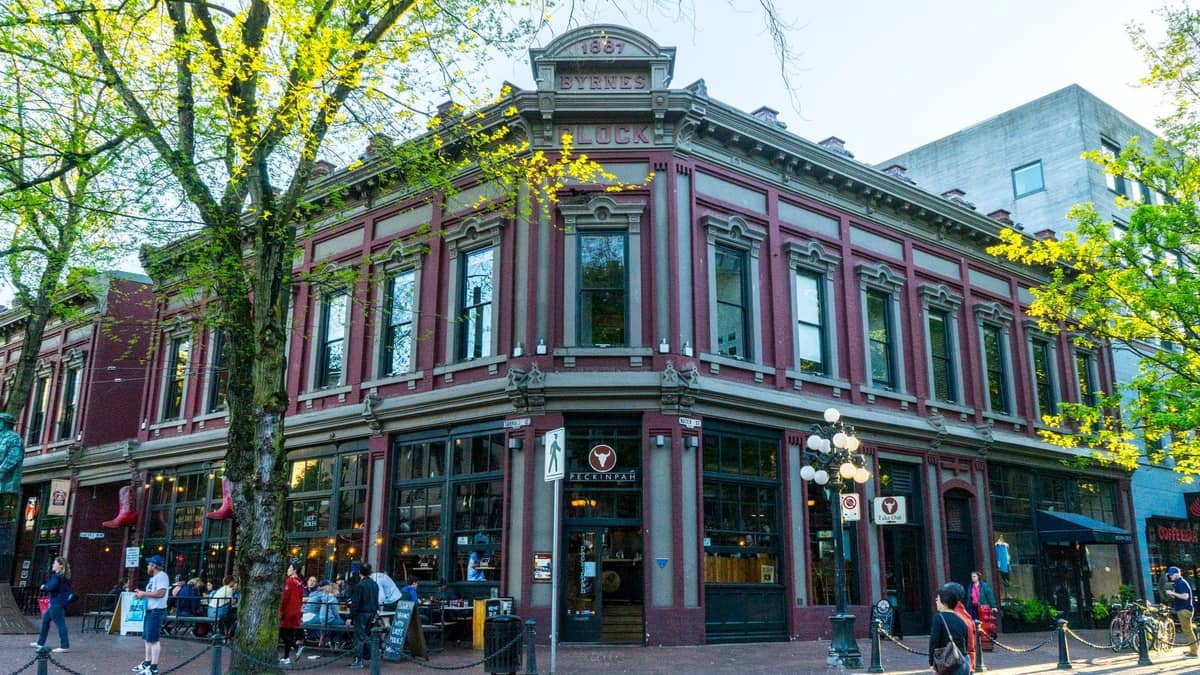
Start with Gastown, the original settlement district northeast of downtown. Today it functions as Vancouver's most concentrated zone for modern, chef-driven restaurants. The cobblestone streets and heritage brick buildings attract a restaurant crowd that leans toward creative menus, craft cocktails, and shared plates. Prices here sit at the higher end — expect $20-35 CAD for mains at dinner — but the quality of cooking generally justifies it. It's where you go for a considered meal, not a quick lunch.
Chinatown is one of North America's largest historic Chinese Canadian districts, and it's going through a complicated period: longtime institutions sit alongside newer cafes, and the neighborhood is worth visiting for both. Look for Chinese bakeries selling pineapple buns and egg tarts in the morning, dim sum at lunch, and roast duck or BBQ pork from the hanging-meat shops that have operated here for decades. The Dr. Sun Yat-Sen Classical Chinese Garden area has a cluster of updated restaurants that put a modern spin on traditional flavors without abandoning their roots.
The West End is where Vancouver's ramen scene really concentrates. Denman Street and Robson Street are lined with Japanese, Korean, and other Asian restaurants that cater to a dense residential population — meaning they have to be good to survive. This is the neighborhood for late-night Korean fried chicken, tonkotsu ramen, Japanese curry, and izakaya-style small plates. Prices are generally mid-range, and many spots stay open past midnight on weekends.
Kitsilano across the water has a different energy: more brunch-forward, health-conscious, and neighborhood-local. Fourth Avenue and Broadway are the main dining corridors, with a mix of contemporary casual restaurants, coffee roasters, and wine bars. It's a good area for a relaxed meal without downtown crowds or prices.
Mount Pleasant and Main Street south of False Creek has become one of the more interesting food corridors in the city over the past decade. Independent coffee shops, natural wine bars, and casual restaurants from chefs who don't want downtown rents have built a low-key dining scene here. It skews younger and more experimental than Gastown, with fewer tourists and smaller price tags.
Richmond: The Serious Chinese Food Destination
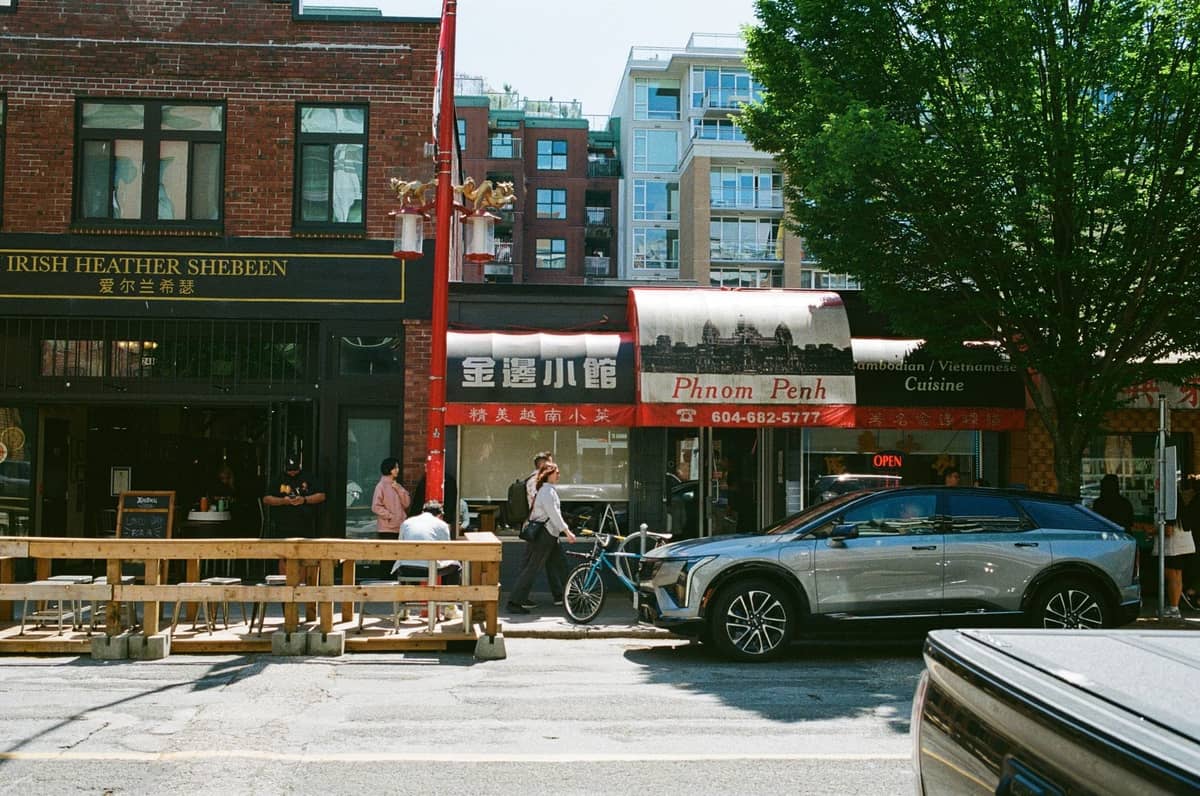
Richmond is technically a separate city within Metro Vancouver, accessible by SkyTrain's Canada Line in about 25 minutes from downtown. It has one of the highest concentrations of ethnic Chinese residents of any city outside Asia, and the food scene reflects that depth. This is not fusion or approximation — this is Cantonese roast meats, Shanghainese soup dumplings, Sichuan hot pot, Hong Kong-style milk tea, and Hong Kong-style café (cha chaan teng) cooking at serious levels.
The Aberdeen Centre and Parker Place food courts offer some of the most affordable and authentic eating in the region — dishes running $10-16 CAD for full plates at lunch. For a sit-down experience, the restaurants along No. 3 Road serve regional Chinese cuisines that many visitors from Vancouver proper don't bother to make the trip for, which is a mistake. If you only have one meal budget to spend on Chinese food, spend it in Richmond rather than downtown Vancouver.
✨ Pro tip
Richmond's best restaurants often have minimal English signage and no online presence. Go with a local if you can, or look for restaurants where the majority of diners are eating in Cantonese — that's consistently the most reliable quality signal in this neighborhood.
What to Actually Order: Key Dishes and Food Experiences
- BC Spot Prawns Available fresh from late April through June at Granville Island and seafood markets. Sweet, firm, and best simply steamed or sautéed with butter. Out of season, frozen versions circulate but the live-caught spring experience is different in kind.
- Wild Pacific Salmon Sockeye and chinook are the varieties to seek out from June to September. Look for 'wild BC salmon' on menus — farmed Atlantic salmon is a different (and inferior) product that many restaurants substitute without flagging.
- Dim Sum Chinatown and Richmond both have strong options. A proper dim sum lunch with har gow, siu mai, turnip cake, and cheung fun runs $20-35 CAD per person. Weekend mornings get very busy — arrive before 11am or expect a wait.
- Ramen The West End and downtown have multiple Japanese ramen shops worth knowing. Tonkotsu is the most common style but look for spots doing shio or shoyu variations. A bowl runs $16-20 CAD, often with add-ons.
- Granville Island Market Food Salmon candy (candied smoked salmon), fresh sourdough, local cheese, and charcuterie are legitimate picnic building blocks. The market's prepared food stalls serve smoked salmon chowder, crepes, and fresh-shucked oysters for eating in place.
- Korean BBQ Several corridors in the West End and North Burnaby have table-grill Korean restaurants open late. Galbi (short ribs) and samgyeopsal (pork belly) are the standards. Expect $35-55 CAD per person with banchan and rice.
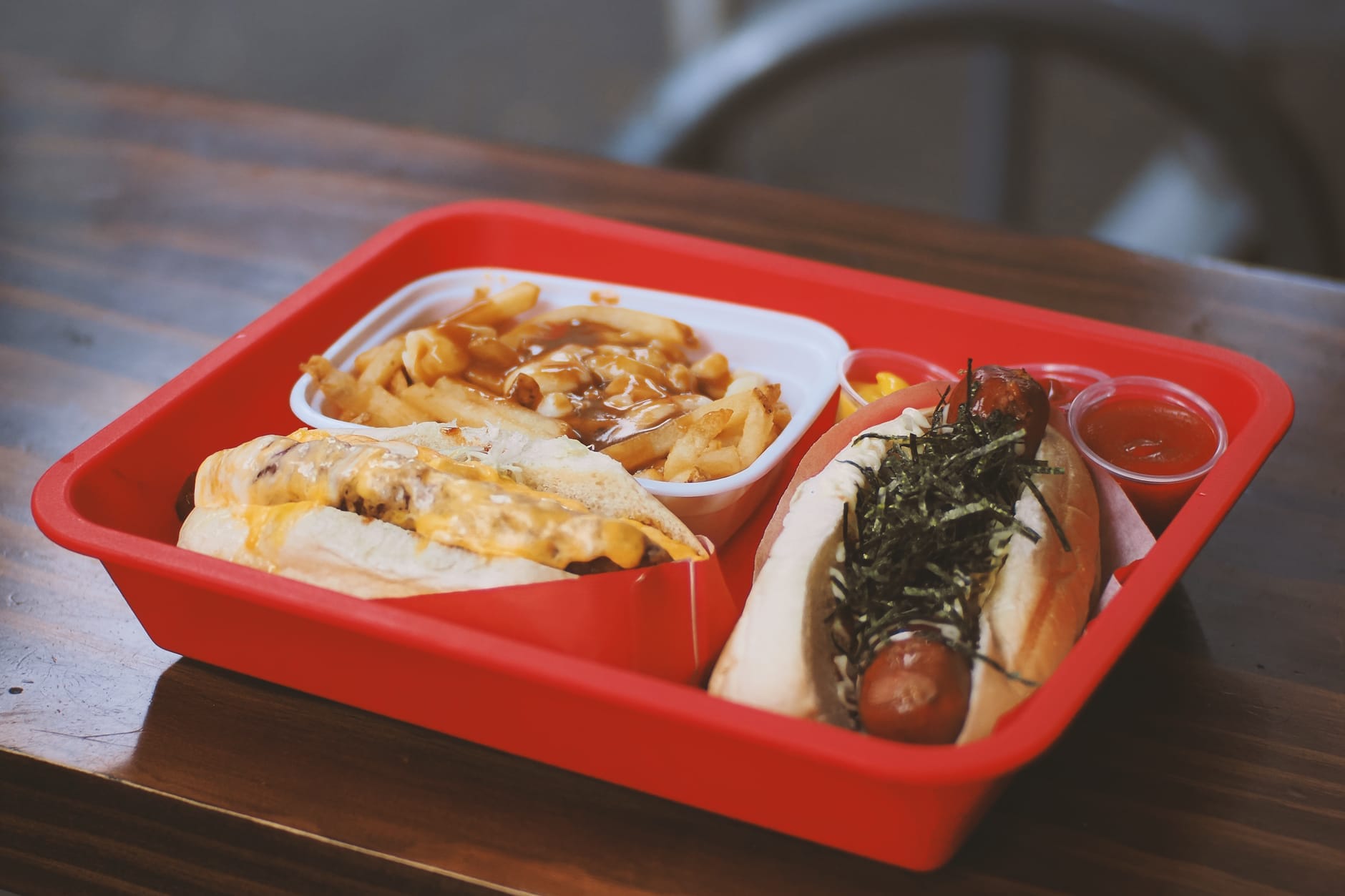
- Japadog The Japanese-style hot dog cart that became a Vancouver institution. Not haute cuisine, but an honest $7-10 CAD street snack with toppings like teriyaki sauce, seaweed, and bonito flakes. Multiple downtown locations.
Granville Island Public Market: What to Know Before You Go
The Granville Island Public Market is not a tourist trap, but it requires some navigation to use well. The vendors selling actual local produce, BC seafood, and artisan food products are the reason to go. The souvenir stalls and overpriced prepared food counters in the main hall are not. On weekday mornings, the market feels genuinely local — fishmongers, cheese vendors, and produce sellers dealing with restaurant buyers and neighborhood regulars. On summer weekends, it fills with visitors and the vibe shifts.
For food shopping: pick up smoked salmon from one of the seafood counters (Longliner Seafoods and Seafood City are established vendors), grab bread from the artisan bakeries, and build a meal. The False Creek Ferries dock right outside, so you can combine a market visit with a short ferry ride from downtown for around $4-7 CAD each way.
⚠️ What to skip
Granville Island is not closed on Mondays (the Public Market itself is open daily, but many individual vendors and surrounding studios close Monday). Parking is a genuine problem on weekends — arrive by ferry or transit if possible.
Budget Eating vs. Splurge Dining: A Practical Breakdown
Vancouver is an expensive city by Canadian standards, but food doesn't have to break your budget if you know where to look. The price gap between a $12 bao from a counter-service spot and a $45 tasting-menu appetizer can both be worth it depending on what you're after.
- Under $15 CAD Richmond food court dishes, ramen lunch specials, banh mi from Commercial Drive shops, Japadog carts, and dim sum per-item pricing at off-peak hours.
- $15-35 CAD per person Most sit-down Asian restaurants at lunch, neighborhood casual spots in Kitsilano and Mount Pleasant, izakaya shared plates in the West End, and market-sourced sandwiches or chowder at Granville Island.
- $50-100+ CAD per person Gastown's chef-driven restaurants, contemporary Pacific Northwest tasting menus, upscale Japanese omakase counters in downtown, and hotel dining rooms with waterfront views.
For a full overview of stretching your food budget without compromising quality, the Vancouver on a budget guide covers specific neighborhoods and timing strategies. And if you're planning a longer stay, the things to do in Vancouver overview pairs well with this eating guide to structure your days around both food and sights.
Seasonal Eating: When Ingredients and Timing Matter
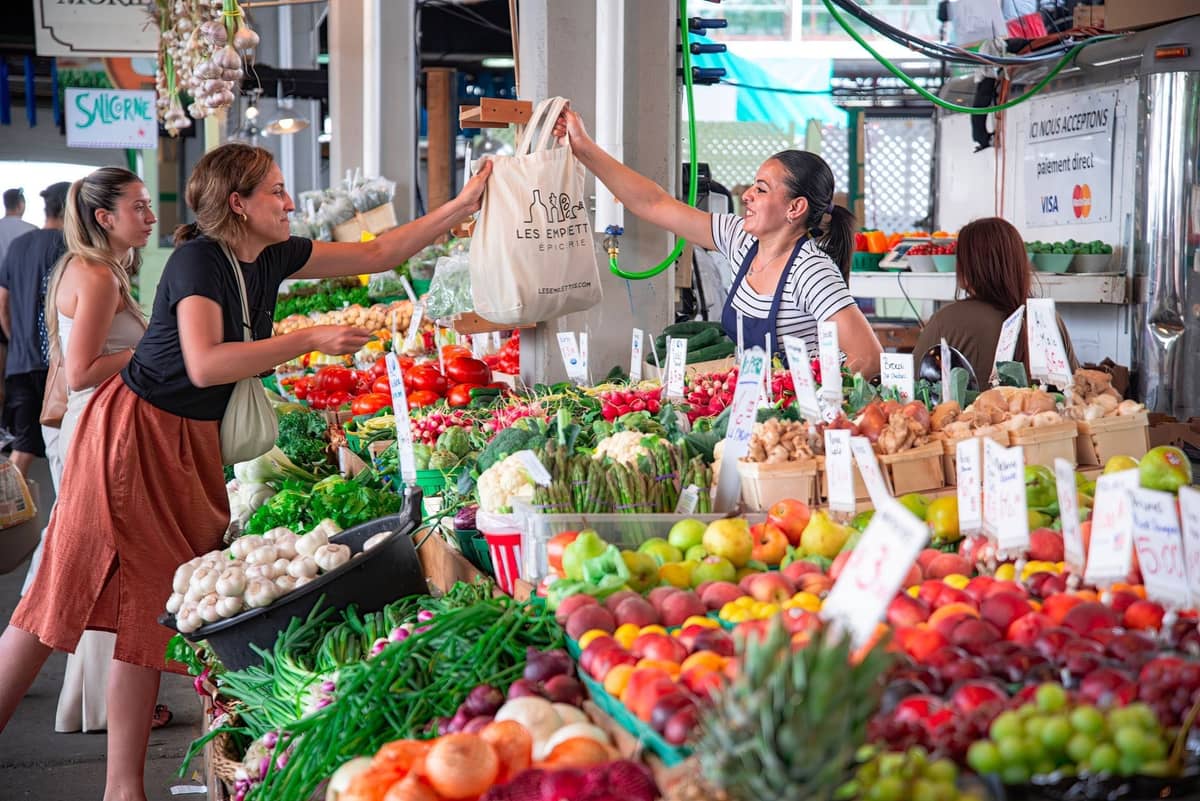
Vancouver's driest and warmest months run from June through August — the same window when BC seafood is at its best. Spot prawns peak in May and June. Wild salmon runs from late June through September. Summer farmers markets across the city peak with Okanagan peaches, BC cherries, and corn from the Fraser Valley in July and August.
Fall brings pine mushrooms and chanterelles to restaurant menus, and many chefs build specific dishes around the brief foraging season from September through October. Winter is when Dungeness crab is at its sweetest and most available at seafood counters. If you're visiting in December, the Vancouver in December guide has context on what's open and worth the trip during the quieter season.
One practical note: many of Vancouver's better small restaurants close Sunday and Monday, and some reduce hours significantly in January and February. If you're planning a specific dinner at a notable spot, check current hours directly before your visit — operating schedules shift seasonally and are not always reliably updated on third-party platforms.
FAQ
What food is Vancouver most known for?
Vancouver is known for its Pacific seafood (wild salmon, spot prawns, Dungeness crab), its exceptional Chinese and Japanese cuisines shaped by one of North America's most significant Asian diaspora communities, and a contemporary Pacific Northwest style of cooking that uses local and Indigenous ingredients. It's not a one-cuisine city.
Is Richmond better than Vancouver for Chinese food?
For Chinese regional cooking, most food-focused visitors consider Richmond superior to Vancouver's Chinatown. Richmond has a larger Chinese population and a broader range of regional specialties — Cantonese, Shanghainese, Sichuan, Hong Kong-style — at better value. It's worth the 20-minute SkyTrain ride from downtown for at least one meal.
What is a reasonable food budget per day in Vancouver?
A practical budget for someone eating three meals ranges from $40-60 CAD per day at the lower end (food courts, counter-service, lunch specials) to $80-120 CAD at mid-range sit-down restaurants. A dinner at a Gastown chef-driven restaurant with wine can easily run $100+ CAD per person on its own.
When is the best time to visit Granville Island Public Market?
Weekday mornings between 9am and noon give you the market at its most local and least crowded. Weekend afternoons in summer are the most congested and least pleasant for shopping. The market is open daily but individual vendors have varying days off — Monday sees the fewest vendors operating.
Are there good vegetarian and vegan options in Vancouver?
Yes, significantly so. Vancouver has a large vegetarian and vegan dining culture, and most neighborhoods have dedicated plant-based restaurants. The West End, Kitsilano, and Main Street all have options beyond salads — Korean temples cooking, Japanese vegetarian ramen, and modern plant-based tasting menus all exist here at reasonable quality.