Vancouver with Kids: The Best Family Activities in the City
From Stanley Park playgrounds to Science World and the Granville Island Kids Market, Vancouver delivers serious family value across every budget and season. Practical logistics, clear assessments, and the specific details parents actually need.
Plan and book this trip
Tools from our partner Travelpayouts help you compare flights and hotels. If you book through them, we may earn a commission at no extra cost to you.
Flights
Hotels map
TL;DR
- Stanley Park, Granville Island, and Science World are the three anchors of any family trip — build your itinerary around them first. See our full Vancouver guide for broader context.
- Summer (June to September) unlocks beaches, outdoor water parks, and seawall biking — the city's best family season by a wide margin.
- Most major attractions cluster around False Creek, making it possible to hit three or four spots in a single day using the small passenger ferries.
- Many of the best kids activities in Vancouver are free or low-cost: Stanley Park, Spanish Banks, and Lynn Canyon cost nothing to enter.
- Rain does not shut Vancouver down for families — pack layers and gear, and use the Vancouver weather guide to plan around the wettest months.
The Top Family Attractions in Vancouver
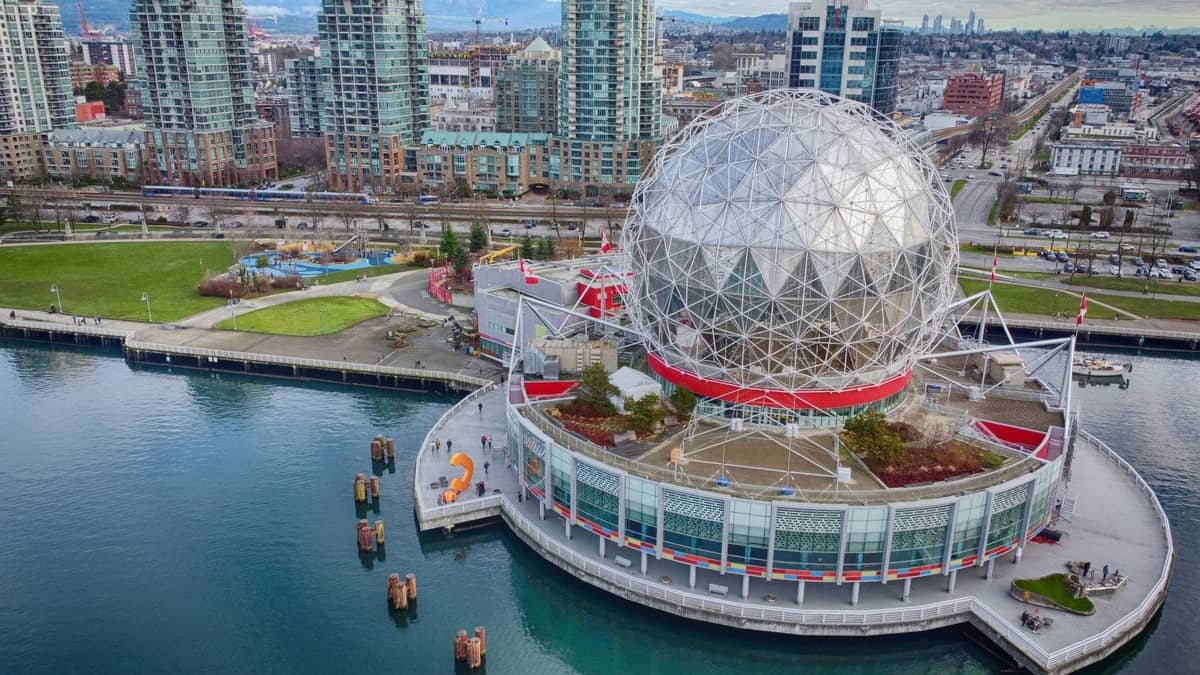
Vancouver kids activities are genuinely concentrated in a compact geography. The False Creek basin and the Burrard Peninsula hold the majority of what families come for, which means you can combine multiple stops in one day without much logistical pain. Start with the big three: Stanley Park, Granville Island, and Science World. Everything else slots in around them.
- Stanley Park Over 400 hectares of old-growth forest, beaches, and seawall paths. The park has multiple playgrounds, a miniature railway (seasonal), and the Vancouver Aquarium inside its borders. The flat seawall is fully stroller-friendly and bike-rentable.
- Granville Island The Kids Market is a two-storey building dedicated entirely to children's retail, play, and entertainment. The seasonal outdoor water park on the island runs in summer and is free. The Public Market overwhelms toddlers and feeds hungry older kids equally well.
- Science World The geodesic dome at the east end of False Creek houses hands-on galleries built for curious minds from age 3 upward. Older kids gravitate toward the feature exhibitions; younger ones rarely leave the Kidspace gallery. Buy tickets online to skip the entry line.
- Vancouver Aquarium Located inside Stanley Park, the aquarium covers Pacific Northwest marine life, beluga whales, sea otters, and tropical species. Admission is significant (verify current pricing on their site), so factor it into your budget. Most families spend two to three hours here.
- VanDusen Botanical Garden The hedge maze alone justifies a visit with kids between roughly ages 4 and 12. The garden runs a spectacular Festival of Lights in December. Adult tickets have been cited around $7–15 depending on season; children under 4 typically enter free — confirm current pricing before visiting.
💡 Local tip
The False Creek Ferries and Aquabus run small passenger boats between Granville Island, Yaletown, the Olympic Village, and Vanier Park. A one-way ride takes about five minutes and kids find it genuinely exciting. Day passes are available and make hopping between Science World, Granville Island, and Kitsilano Beach an easy loop without a car.
Free and Low-Cost Activities for Families
Vancouver has a reputation for being expensive, and for adults that reputation is largely earned. For families, though, the calculus is better than it looks. A significant share of the city's best kid-friendly experiences cost nothing at all, which gives you room to spend on the paid attractions that genuinely warrant it.
- Stanley Park seawall and playgrounds: free entry, open year-round
- Lynn Canyon Suspension Bridge and ecology centre: free (unlike the commercial Capilano bridge, Lynn Canyon charges nothing to cross)
- Spanish Banks and Jericho Beach: free access, large sandy stretches with shallow water ideal for young children
- Granville Island water park: free seasonal outdoor water play area on the island
- Second Beach outdoor pool in Stanley Park: nominal seasonal fee, verify current pricing
- Brockton Point totem poles and seawall loop: free, roughly 9 km flat circuit around the peninsula
For families stretching a budget further, free things to do in Vancouver covers additional options across neighborhoods. The Vancouver on a budget guide adds specific pricing strategies for accommodation and transport.
⚠️ What to skip
Capilano Suspension Bridge is heavily marketed to families and the setting is genuinely impressive — but admission runs over $60 CAD per adult and proportionally for children. Lynn Canyon offers a similar suspension bridge experience at no cost, with shorter trails more manageable for young children. Unless you have a specific reason for Capilano (the cliffwalk, the treetops), Lynn Canyon is the smarter family call.
Seasonal Guide: When to Go and What Changes
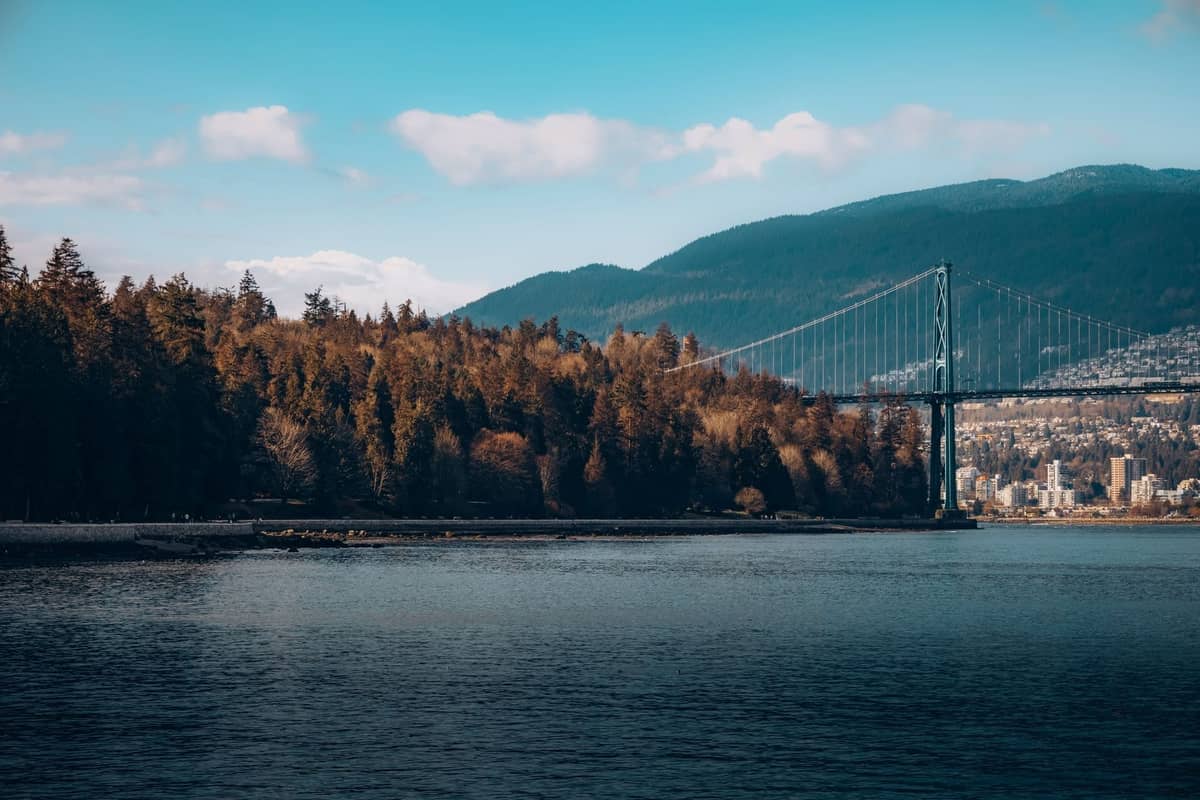
Vancouver's climate shapes the family experience more than almost any other factor. The city records its highest rainfall between October and March, with mean January temperatures around 3.9°C (39°F). Summers are genuinely warm and dry: July averages around 18°C (64°F), and rainfall drops sharply from June onward. That gap between seasons creates very different family trips.
Summer, roughly June through early September, is the peak family season. Beaches at English Bay, Kitsilano Beach, and Spanish Banks fill up fast on sunny weekends. The Granville Island water park runs through summer. Outdoor festivals, farmers markets, and free concerts stack up from July onward. The tradeoff is crowds: Science World, the Vancouver Aquarium, and Granville Island get extremely busy on weekends between late June and August. Weekday visits are noticeably quieter.
Winter flips the equation toward indoor and mountain experiences. Grouse Mountain on the North Shore operates ski and snowboard terrain, and its free (with lift ticket) outdoor skating rink and resident grizzly bears make it compelling even for non-skiers. Science World and the aquarium see steady family traffic all winter precisely because Vancouver residents use them as rain-day destinations. Book weekend tickets to both in advance from November onward.
Spring (March to May) is underrated for families. Crowds thin, prices ease slightly, and the VanDusen Botanical Garden and Queen Elizabeth Park come into bloom. Rainfall is still regular but rarely all-day; most mornings clear by midday. The seawall and Stanley Park are perfectly usable with rain gear, and the city feels genuinely local rather than tourist-saturated.
✨ Pro tip
If you're visiting in December, VanDusen's Festival of Lights is one of the most family-friendly events in the city — a walkthrough light installation across the garden grounds. It books up fast and tickets are timed entry; purchase well in advance. The Bloedel Conservatory in Queen Elizabeth Park is also an excellent warm indoor option on cold or rainy winter days.
Getting Around Vancouver with Children
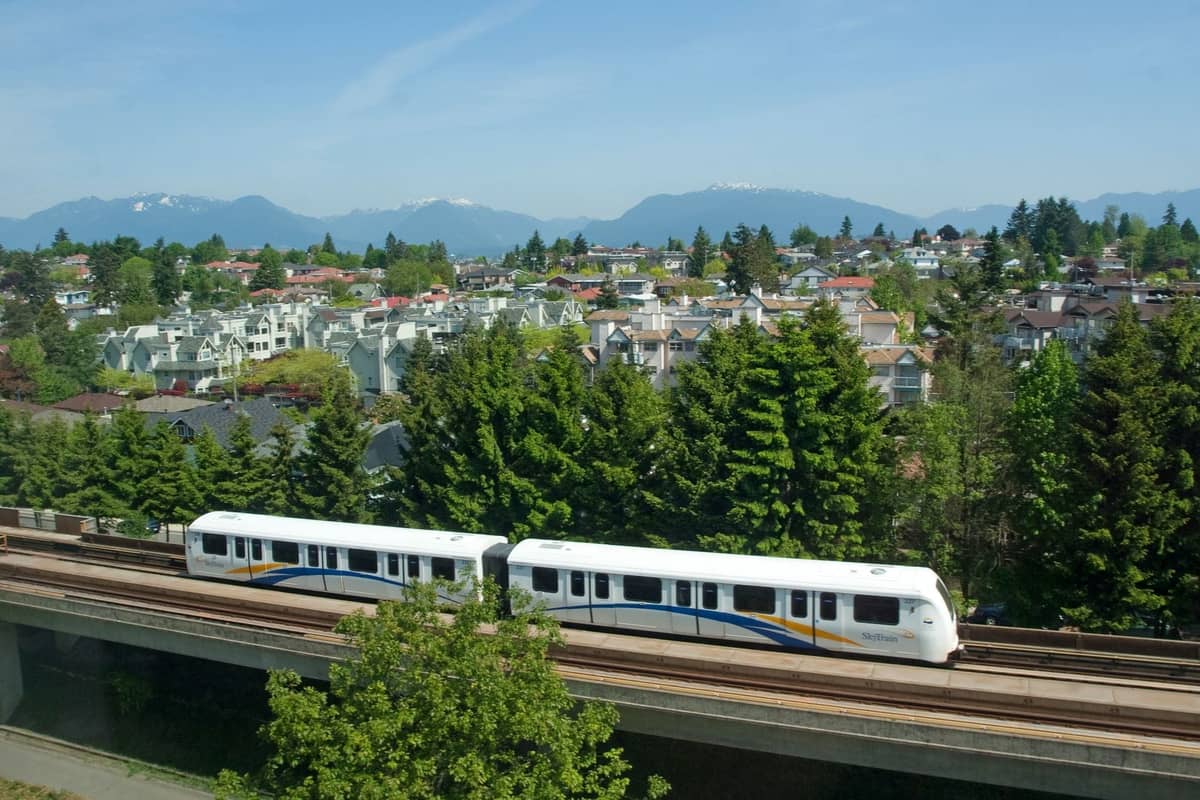
Vancouver is one of the more manageable large Canadian cities for families without a car. The SkyTrain network covers downtown, the airport (Canada Line), and extends east and south through the metro area. Buses fill in the gaps. For the False Creek cluster of attractions, the small passenger ferries are genuinely more convenient and more fun for kids than any land-based alternative.
The False Creek Ferries and Aquabus run overlapping routes connecting Granville Island, the Olympic Village, Yaletown, Vanier Park (near the Maritime Museum and HR MacMillan Space Centre), and Stamp's Landing. For a family day covering Science World, Granville Island, and the Kitsilano museum cluster, the ferry loop is genuinely the most efficient routing. All boats accommodate strollers. Check their sites for current fares and day-pass options before visiting.
- SkyTrain: Compass Card tap-to-pay, stroller-accessible at all stations, no need to fold the stroller
- False Creek Ferries / Aquabus: short hops of 5-10 minutes, day passes available, runs seasonally with reduced winter schedules
- SeaBus: 12-minute crossing from downtown Waterfront to North Vancouver, included as part of the standard TransLink fare, connects to buses for Grouse Mountain and Lynn Canyon
- Bike rental: multiple operators near Stanley Park rent child seats, tag-alongs, and cargo bikes for the seawall loop
- Ride-hailing: Uber and Lyft operate in Metro Vancouver and handle car-seat requests — confirm in-app when booking
Neighborhood Breakdown: Where to Base a Family Trip
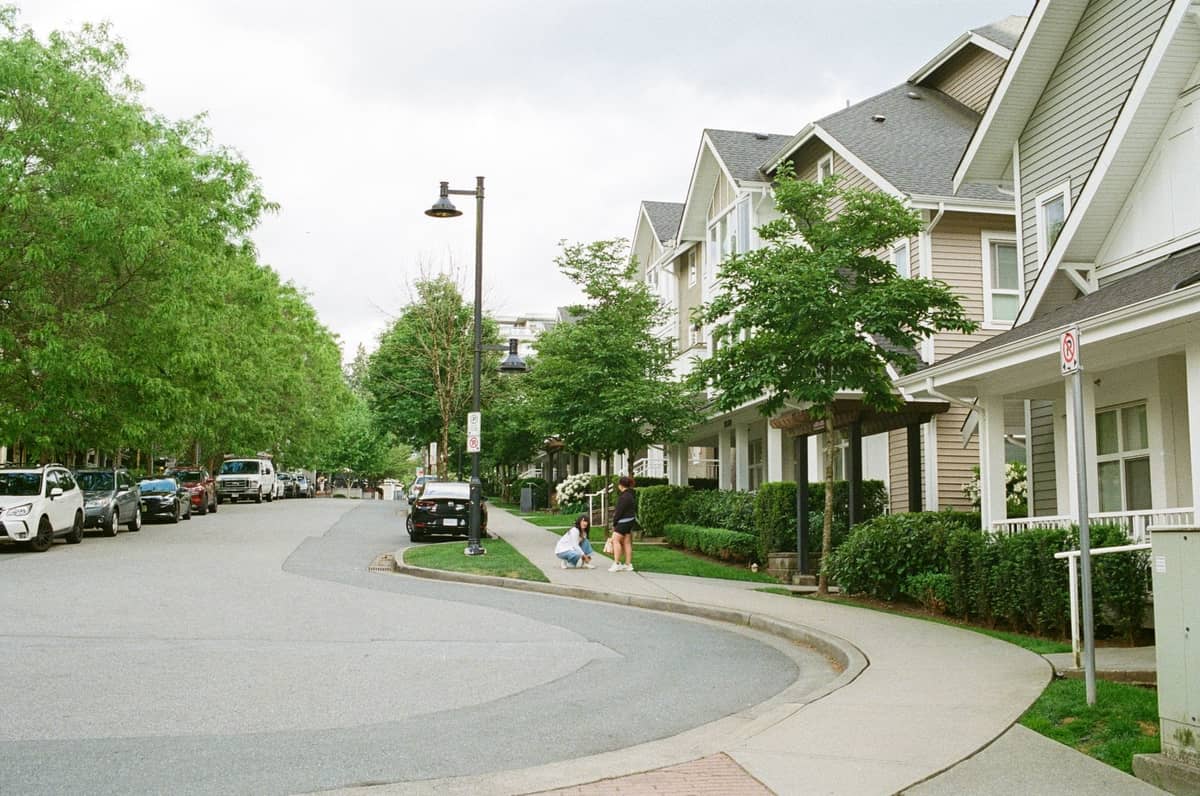
Where you stay significantly affects how easy the family logistics are. The West End is the most practical base for families focused on Stanley Park and English Bay: it puts you within walking distance of the park entrance, the beach, and multiple grocery stores. It's also the most stroller-friendly part of downtown, with wide sidewalks and relatively flat terrain.
Families who want easier access to Granville Island and the False Creek ferry network often prefer Yaletown or the Olympic Village area. Both sit directly on the seawall and put Science World, the ferries, and Granville Island within a 15-minute walk or quick ferry hop. Kitsilano across False Creek is quieter, more residential, and close to the beach museum cluster — good for families who prefer a neighborhood feel over a hotel-district atmosphere.
For full accommodation context including family-friendly hotel and rental options by area, see the where to stay in Vancouver guide.
Practical Tips for Families Visiting Vancouver
Vancouver runs on Canadian dollars (CAD). Tipping is standard practice at around 15-20% in restaurants. Tap water is safe to drink throughout the city. Emergency services are reached at 911. The country dialing code is +1; Vancouver area codes include 604, 778, and 236.
- Book indoor attractions in advance Science World, the Vancouver Aquarium, and VanDusen Festival of Lights all sell timed-entry or date-specific tickets online. Walk-up availability on busy summer weekends and holiday periods is unreliable.
- Pack rain gear regardless of season Vancouver receives significant rainfall October through March, and even summer afternoons can bring short showers. A packable rain jacket for each family member eliminates the 'do we go out?' debate.
- Use the SkyTrain for the airport The Canada Line connects YVR to downtown in about 25 minutes. It accommodates strollers easily and avoids the unpredictability of taxi queues with tired post-flight children.
- Child fares on TransLink Children under 5 ride free on all TransLink services. Ages 5-13 qualify for concession fares. Confirm current fare categories at translink.ca before travel.
- Grocery access is easy Major supermarkets (Safeway, Whole Foods, T&T Supermarket) operate throughout the downtown peninsula and West End. Self-catering for at least some meals is practical and cuts costs significantly.
FAQ
What is the best area in Vancouver for families with young children?
The West End is the top pick for families with toddlers and young children, given its immediate access to Stanley Park, English Bay beach, playgrounds, and flat walkable streets. Yaletown and the Olympic Village area are strong alternatives if you prioritize proximity to Granville Island and Science World.
Is Vancouver a good destination for kids in winter?
Yes, with the right expectations. Indoor attractions like Science World, the Vancouver Aquarium, and the Bloedel Conservatory are excellent year-round. Grouse Mountain offers snow activities for older children when conditions permit. The city receives regular rainfall from October through March, so rain-ready clothing is non-negotiable. The upside: winter crowds are significantly smaller than summer.
How do families get to Granville Island?
The most enjoyable way is the False Creek Ferries or Aquabus passenger boats, which run from docks near Science World, Yaletown, and Vanier Park. The ride takes about five minutes and kids consistently enjoy it. You can also walk or cycle from downtown via the seawall, or take the 50 bus from downtown. Driving to Granville Island is possible but parking is limited and expensive.
Are there free activities for kids in Vancouver?
Quite a few. Stanley Park and its seawall are free. Lynn Canyon Suspension Bridge costs nothing to cross. Spanish Banks and Jericho Beach are free public beaches. The Granville Island outdoor water park (summer only) is free. The seawall loop from Coal Harbour through Stanley Park and back to Granville Island can be done entirely for free on foot or by rental bike.
How many days do you need in Vancouver with kids?
Three to four full days covers the core family attractions: Stanley Park and the aquarium, Granville Island and Science World, the North Shore (Lynn Canyon or Grouse Mountain), and at least one beach or neighborhood exploration day. A three-day itinerary is workable but leaves little margin for slow mornings, which are inevitable with children. Five days is comfortable without feeling rushed.