Where to Stay in Vancouver: Best Neighbourhoods & Hotels for Every Traveller
Choosing where to stay in Vancouver shapes your entire trip. This guide covers every major neighbourhood, realistic price ranges, seasonal timing, and clear trade-offs so you can match your accommodation to how you actually plan to spend your days.
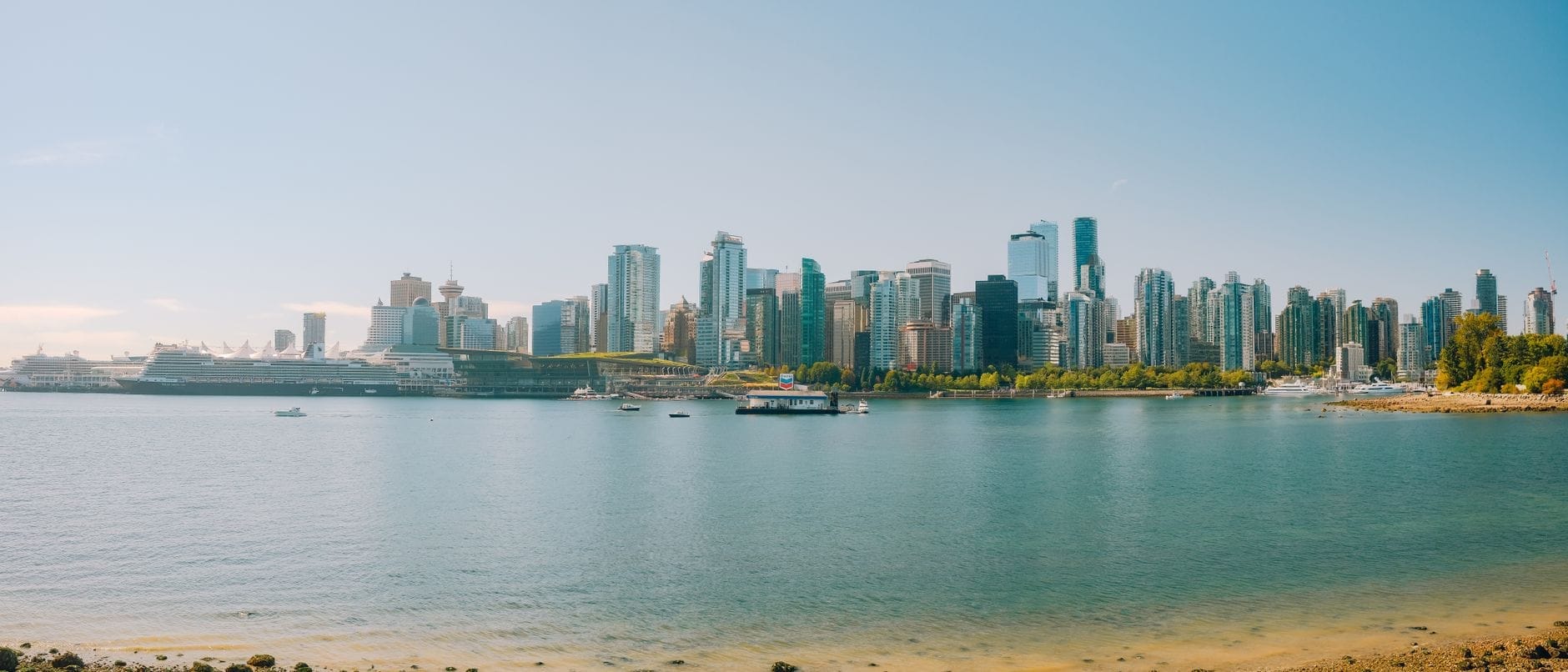
Plan and book this trip
Tools from our partner Travelpayouts help you compare flights and hotels. If you book through them, we may earn a commission at no extra cost to you.
Flights
Hotels map
TL;DR
- Downtown Vancouver (including Coal Harbour and the West End) gives first-timers the best combination of walkability, transit access, and hotel variety.
- Yaletown suits design-conscious travellers who want upscale dining and nightlife at slightly lower prices than Coal Harbour.
- Midrange Vancouver hotels in high season typically run CAD $200–350+ per night; budget hostels and dorms come in under CAD $80–150. Check current rates and compare deals on our Vancouver budget travel guide.
- Kitsilano and UBC have very few traditional hotels — short-term rentals dominate, which matters for your booking platform strategy.
- North Vancouver offers cheaper rates and great mountain access, but factor in SeaBus or SkyTrain commute time. See our full guide to getting around Vancouver before deciding.
How Vancouver's Neighbourhoods Are Laid Out
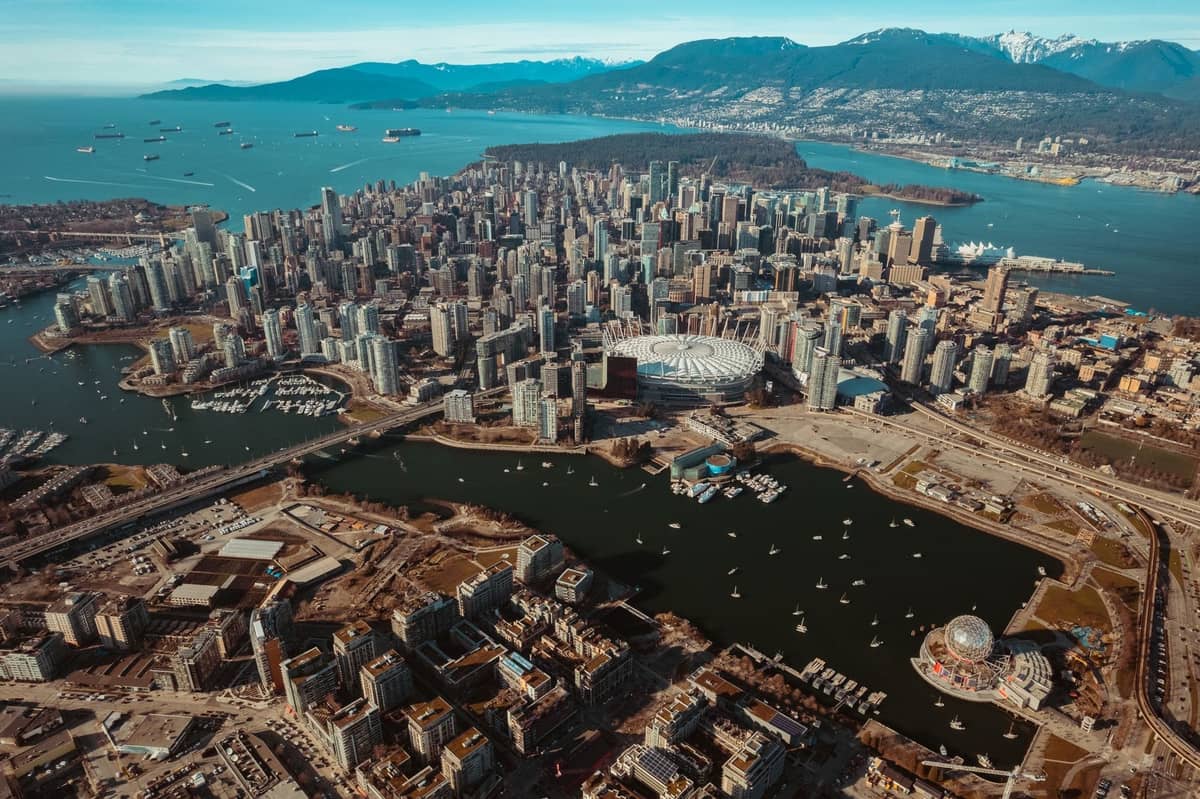
Vancouver sits on a peninsula bounded by Burrard Inlet to the north and the Fraser River delta to the south, with the Coast Mountains as a backdrop. The city proper covers just under 115 km², but the Metro Vancouver region stretches far wider. For accommodation purposes, most travellers are choosing between the downtown peninsula, the residential neighbourhoods south of False Creek, or the North Shore municipalities of North Vancouver and West Vancouver across Burrard Inlet.
The downtown core is compact and walkable. You can cross it on foot in about 30 minutes, which is why hotels in downtown Vancouver, Coal Harbour, and the West End cover the widest audience. The SkyTrain Canada Line connects Vancouver International Airport (YVR, about 12 km south of downtown) to Waterfront Station in roughly 26 minutes, making the central peninsula especially convenient for arriving travellers.
ℹ️ Good to know
A note on geography: Vancouver, BC, Canada is a completely different city from Vancouver, Washington, USA (across the Columbia River from Portland). Make sure your booking platform and maps app have the correct city before you confirm anything.
Downtown, Coal Harbour & West End: The Core Choices
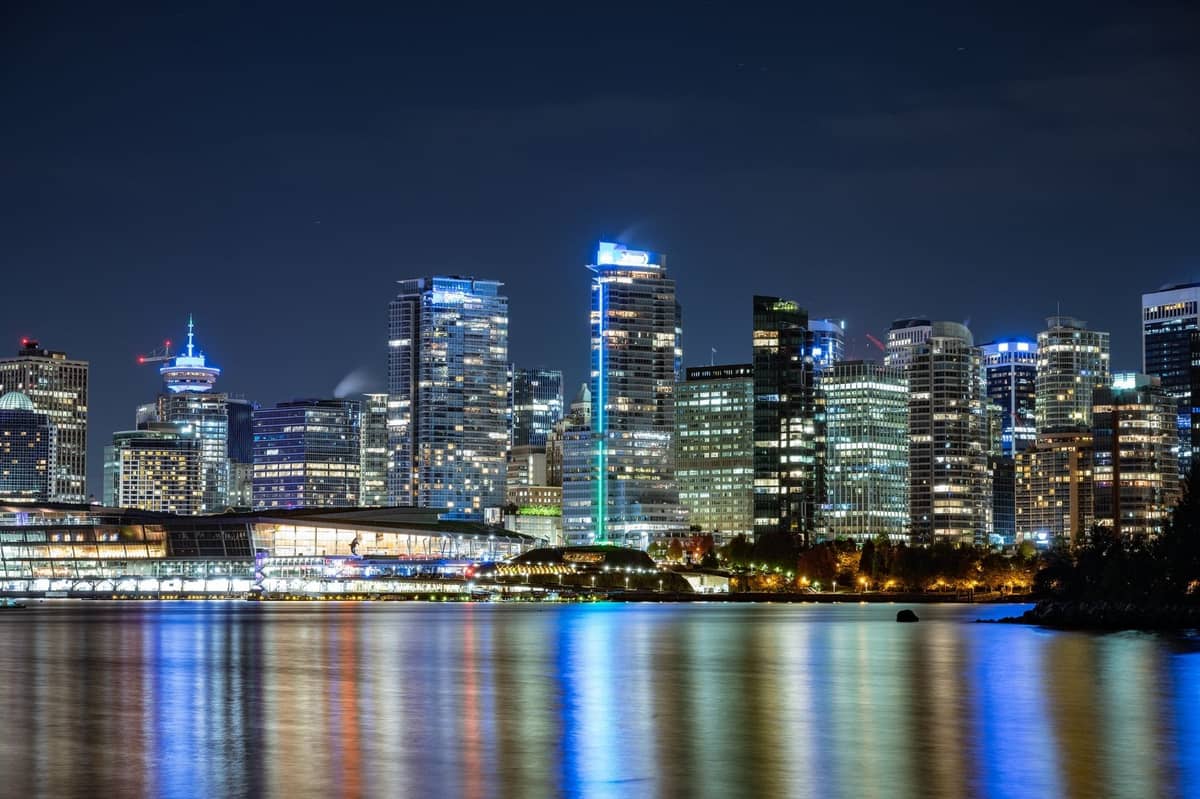
For first-time visitors, the downtown peninsula is the default answer to where to stay in Vancouver — and with good reason. The hotel density here is the highest in the city, transit connections are excellent, and major attractions are within walking distance. The nuance is in choosing which sub-area within downtown fits your priorities.
- Coal Harbour The waterfront strip running west from Canada Place is the city's luxury corridor. Hotels here command premium prices for harbour and mountain views. It's the natural choice for cruise passengers given its proximity to Canada Place cruise terminal, and for anyone who wants the quietest, most polished downtown experience.
- Central Downtown / Robson Street Robson Street is Vancouver's main shopping and dining artery. Hotels in this corridor put you a short walk from the Vancouver Art Gallery, Pacific Centre mall, and multiple SkyTrain stations (Burrard, Granville). It's the most versatile location for first-timers.
- Granville Entertainment District Concentrated on Granville Street between Robson and Davie, this area has dense nightlife and some mid-range hotels. The upside is price and bar access; the downside is noise. If you're a light sleeper, request a room facing away from Granville Street or stay one block off the strip. Weekend nights can get loud until 3 AM.
- West End Technically part of the downtown peninsula but distinctly residential in feel. The West End borders Stanley Park and English Bay Beach, making it ideal for travellers whose itinerary is heavy on the park and seawall. Hotels here tend to be slightly more affordable than Coal Harbour while offering real neighbourhood character — cafés, grocery stores, a local rhythm.
The West End is also home to Davie Village, Vancouver's LGBTQ+ neighbourhood, which has a welcoming and well-established community. If Stanley Park is high on your list, staying in the West End saves you the trip entirely — you walk out the door and you're already at the park's edge.
Yaletown & Gastown: Character Over Convenience
Yaletown is a former warehouse district that was redeveloped in the 1990s into one of Vancouver's most design-forward neighbourhoods. The heritage brick buildings now house boutique hotels, high-end restaurants, and cocktail bars. It's a strong choice if you want the upscale dining scene but find Coal Harbour prices too steep. The Yaletown–Roundhouse SkyTrain station on the Canada Line keeps it well-connected, and the seawall along False Creek is steps away.
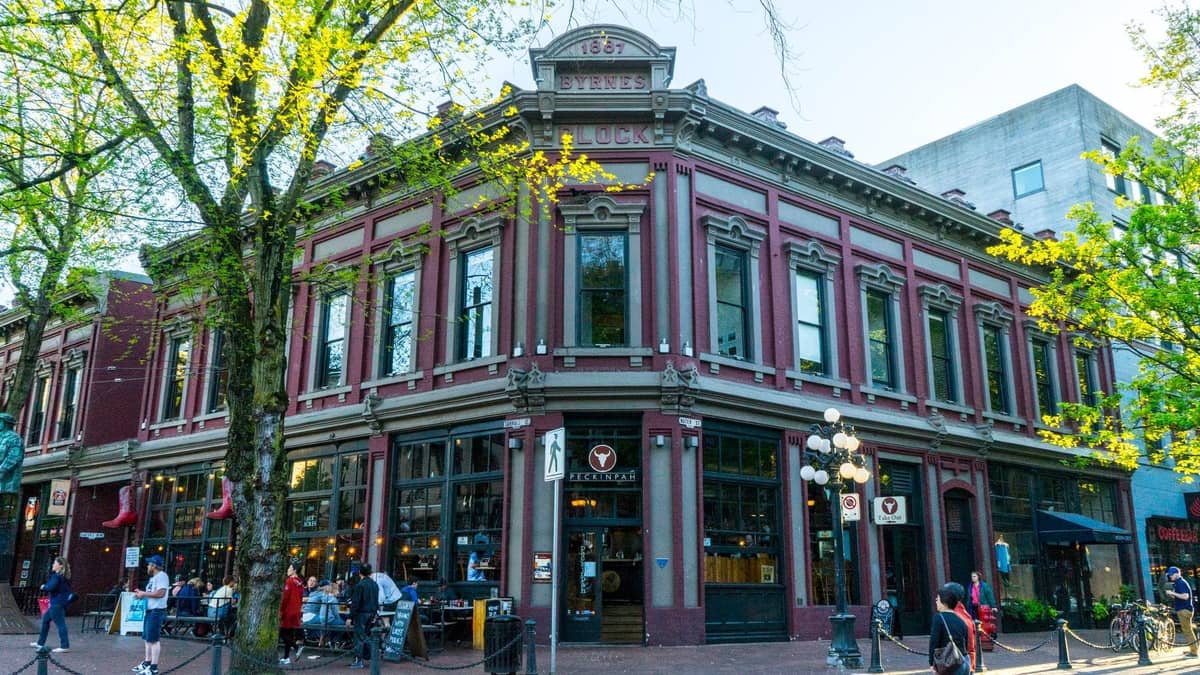
Gastown is Vancouver's oldest neighbourhood, with cobblestone streets, the famous steam clock on Water Street, and a growing independent restaurant and bar scene. The honest reality: hotel stock in Gastown is thin. You'll find hostels (the Cambie Hostel is the well-known budget option), a handful of boutique properties on the neighbourhood's fringes, and not much else. If you want the atmosphere, you can eat and drink here from anywhere in downtown. Choosing to actually sleep here requires accepting limited options and verifying you're comfortable with the neighbourhood at night, which can be quieter than it looks on Instagram.
⚠️ What to skip
The Downtown Eastside borders the eastern edge of Gastown. Some blocks in this area have visible social challenges including homelessness and open drug use. This doesn't make Gastown itself unsafe for most travellers, but it's worth understanding the geography before booking and having realistic expectations about the immediate surroundings.
Kitsilano, UBC & South of False Creek: For the Beach and Outdoors Crowd
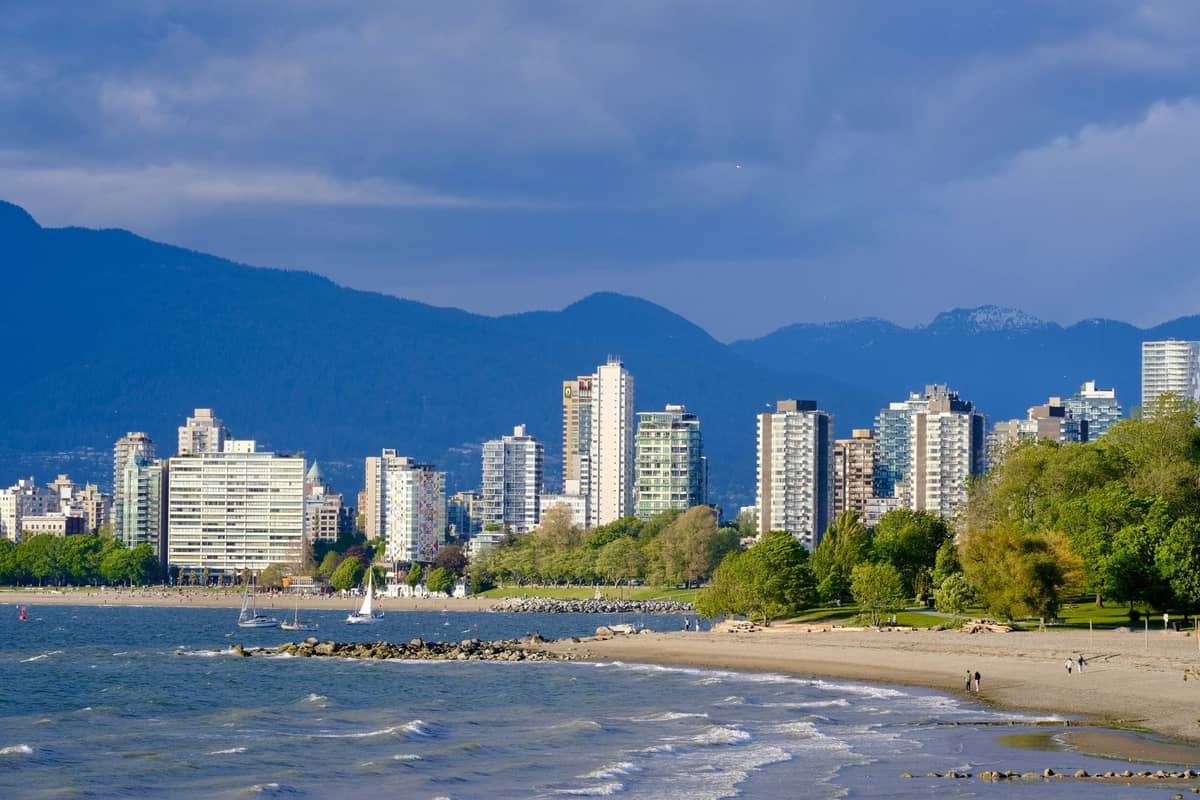
If your Vancouver trip centres on beaches, the seawall, and access to Pacific Spirit Park, staying south of False Creek makes sense. The catch is that Kitsilano has almost no traditional hotels. The neighbourhood is dominated by residential buildings, and accommodation here comes primarily through short-term rental platforms. If you're comfortable booking an apartment or condo rather than a hotel room, Kits puts you within walking distance of Kitsilano Beach, a short bike ride to Granville Island, and easy bus access to downtown.
The UBC and West Point Grey area is further from downtown (roughly 35–45 minutes by bus from UBC to the downtown core) but offers a different kind of stay. The HI Jericho Beach Hostel near Jericho Beach is the standout budget option in this part of the city, popular with backpackers and solo travellers who want beach access and affordability. The Museum of Anthropology and UBC Botanical Garden are nearby. For anyone attending events at UBC or spending significant time on the western side of the city, this area avoids a lot of unnecessary transit.
💡 Local tip
If your priority is beach access combined with the option to cook your own meals, a short-term rental in Kitsilano or Mount Pleasant will stretch your budget further than a downtown hotel. Bring or rent a bike and the seawall connects it all.
North Vancouver: Cheapest Rates, Best Mountain Access
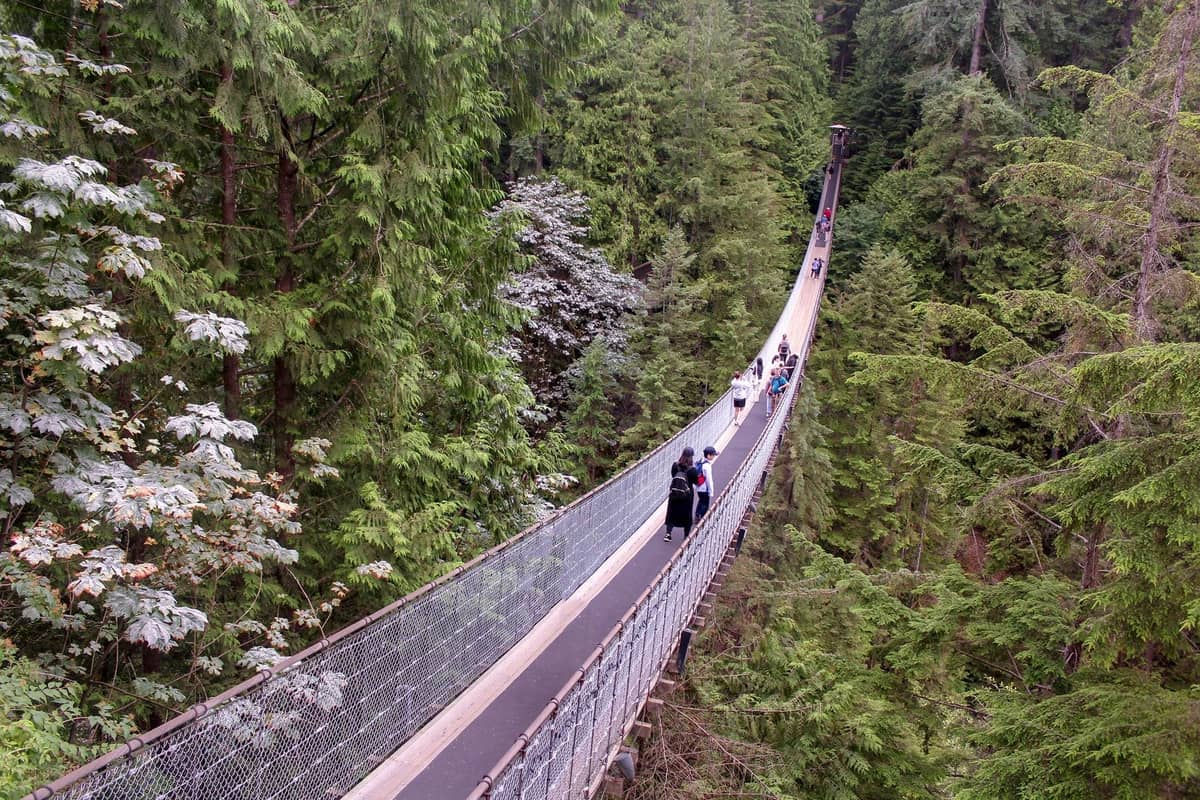
North Vancouver sits across Burrard Inlet on the North Shore and offers a compelling trade-off: hotel rates that are generally lower than comparable downtown options, and immediate access to Grouse Mountain, Capilano Suspension Bridge, and Lynn Canyon. If your itinerary is heavy on outdoor activities — hiking, skiing in winter, exploring the North Shore — this is the most logical base.
The transit math matters here. The SeaBus from Lonsdale Quay to Waterfront Station downtown takes about 12 minutes and runs frequently. From Waterfront you're on the SkyTrain network. It's genuinely convenient, but it does add 25-35 minutes each way to any downtown excursion. For a short city break focused on central Vancouver, that accumulates. For a trip where you're heading into the mountains every other day, North Vancouver makes more sense than spending a premium to stay downtown.
Prices, Seasons & Booking Strategy
Vancouver hotel pricing has a clear seasonal pattern. The driest and warmest months (June through August, with mean July temperatures around 18°C) are peak season. Downtown midrange hotels commonly list in the CAD $200–350+ per night range during summer, with luxury waterfront properties going considerably higher. Shoulder season (April–May and September–October) brings better value with similar weather to what many visitors expect. Winter rates drop significantly, though October through March brings Vancouver's wettest weather, with November often the rainiest month.
- Book 2-3 months ahead for summer travel, especially around major events like the Vancouver International Jazz Festival (late June/July) or Celebration of Light fireworks — verify current event dates before planning.
- Major OTAs (Booking.com, Expedia, Hotels.com) carry the widest inventory. Brand sites (Marriott, Rosewood, Sandman) sometimes offer rate-match guarantees worth checking.
- For budget travellers, hostel dorms and basic private rooms in Gastown or near Jericho Beach typically come in under CAD $80–150 per night on Hostelworld and Booking.com.
- Transit fares on TransLink change periodically — check translink.ca for current pricing before budgeting your ground transport from YVR.
- Avoid rooms directly on Granville Street if you're sensitive to noise. The entertainment district is legitimately loud on Friday and Saturday nights.
One practical note for international travellers: Canada uses the Canadian dollar (CAD), country calling code +1, and Vancouver area codes include 604, 778, 236, and 672. The city operates on Pacific Standard Time (UTC−8) in winter and Pacific Daylight Time (UTC−7) in summer. Tipping at restaurants is customary at 15–20%. For general trip planning across different budgets, see our overview of things to do in Vancouver.
Travellers should also check Canadian entry requirements before arriving. Many visitors from visa-exempt countries need an Electronic Travel Authorization (eTA) when flying in; others require a Temporary Resident Visa. US citizens generally don't need either for short visits but must carry valid travel documents. Because eligibility changes, check the Government of Canada's official site. For broader trip context, the best time to visit Vancouver guide covers seasonal trade-offs in more depth.
✨ Pro tip
The Canada Line SkyTrain from YVR Airport to Waterfront Station downtown takes roughly 25 minutes and is almost always faster and cheaper than a taxi or rideshare during normal traffic. An airport AddFare applies when departing YVR — check TransLink's site for the current amount. Taxis from YVR use zone-based flat rates to downtown; confirm the current published rate with YVR before assuming a price.
FAQ
What is the best area to stay in Vancouver for first-time visitors?
Central downtown, specifically the Robson Street corridor or Coal Harbour, gives first-timers the best combination of walkability, transit access, and hotel variety. You're within walking distance of the major sights and a short SkyTrain ride from the airport. If you're on a tighter budget, the West End offers a quieter, slightly more affordable alternative on the same downtown peninsula.
Are there good hotels near Vancouver Airport (YVR)?
Yes. Several major chain hotels are located in Richmond, directly adjacent to YVR on Sea Island, as well as along the Canada Line corridor. Airport hotels make sense if you have an early departure or late arrival and don't want to navigate downtown at odd hours. They're about 12 km from downtown, with the Canada Line providing fast, frequent connections.
How much do Vancouver downtown hotels cost per night?
In peak summer season (June–August), midrange downtown Vancouver hotels typically list in the CAD $200–350+ per night range on major booking platforms. Budget options like hostels come in under CAD $80–150 for dorms or basic private rooms. Prices drop meaningfully in the fall and winter shoulder seasons. Always check current rates directly, as prices fluctuate by day, event, and how far in advance you book.
Is Kitsilano a good place to stay in Vancouver?
Kitsilano is a good location if you prioritize beach access and a neighbourhood feel over hotel choice. The problem is that traditional hotels are nearly non-existent there — you'll be booking through short-term rental platforms like Airbnb or Booking.com apartments. If you're comfortable with that format and want Kitsilano Beach steps from your door, it works well. If you want a conventional hotel stay, stay downtown.
Is it worth staying in North Vancouver instead of downtown?
It depends on your itinerary. North Vancouver offers lower hotel rates and immediate access to Grouse Mountain, Capilano Suspension Bridge, Lynn Canyon, and North Shore hiking trails. The SeaBus to downtown Waterfront Station takes about 12 minutes and runs regularly, but the overall commute into the city centre adds 25-35 minutes each way. For outdoor-focused trips it's a smart choice. For a short urban break where you'll be downtown most days, the transit overhead gets old quickly.