Is Vancouver Safe? A Practical Safety Guide for Visitors
Vancouver is one of Canada's most visited cities, and for good reason. But visitors increasingly ask: is Vancouver safe? This guide uses recent crime data, neighborhood-by-neighborhood context, and practical tips so you can explore with confidence.
Plan and book this trip
Tools from our partner Travelpayouts help you compare flights and hotels. If you book through them, we may earn a commission at no extra cost to you.
Flights
Hotels map
TL;DR
- Vancouver is considered a low-risk destination by both the Canadian and U.S. governments, with an overall Canada advisory to 'take normal security precautions.'
- Violent crime has fallen over the past decade, but property crime and vehicle break-ins remain a practical concern for visitors.
- Street disorder, open drug use, and aggressive panhandling are most concentrated in the Downtown Eastside and parts of Gastown — areas most tourists visit for their heritage character.
- Most visitors complete entire trips without any safety incident, especially if they stay alert in specific pockets of downtown.
- Practical precautions: don't leave valuables in your car, be aware after dark near Hastings Street, and use TransLink or ride-hail for late-night travel.
How Safe Is Vancouver?
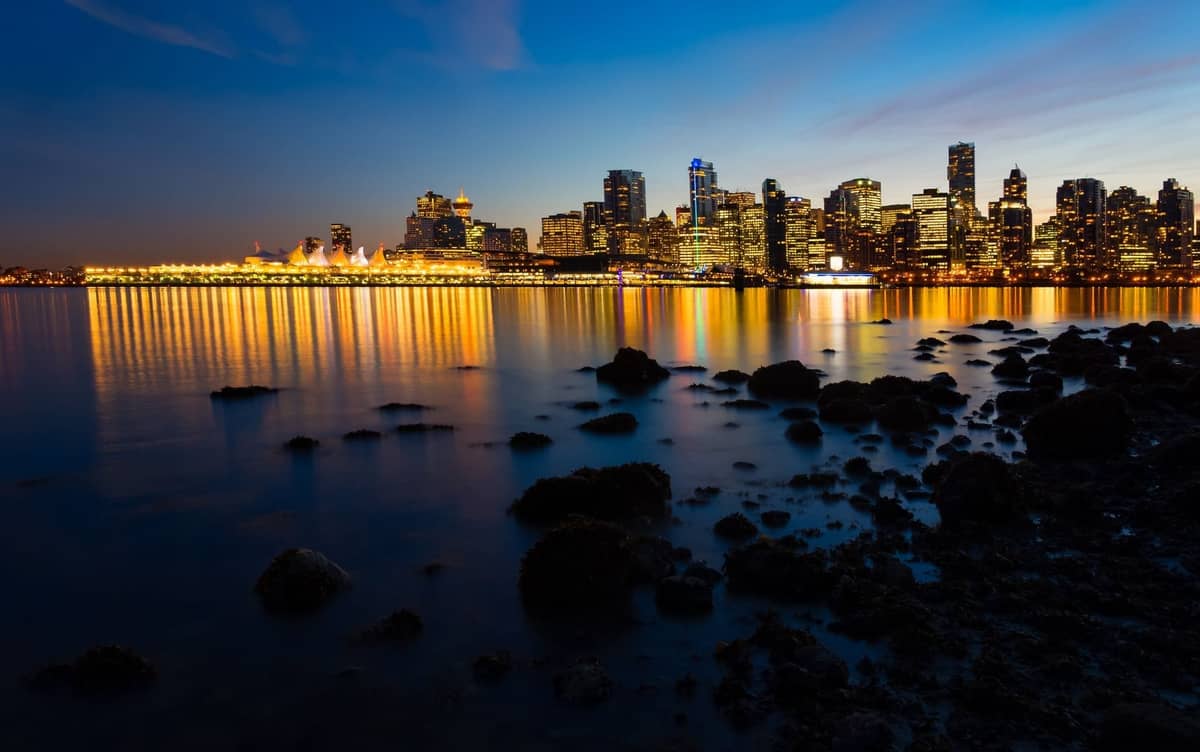
Is Vancouver safe? By the standards of major North American cities, yes. Both the Canadian government's Travel.gc.ca and the U.S. State Department advise travelers to 'take normal security precautions' (Level 1) for Canada, which places Vancouver in a low‑risk category among major global cities. That framing matters: it does not mean danger-free, but it does mean the risks are manageable and predictable.
The numbers back this up, with some caveats. According to Statistics Canada's 2024 police-reported data, Vancouver's census metropolitan area recorded a crime rate of 5,438 incidents per 100,000 residents — roughly 4% below the Canadian national average of 5,672, and down 9% from 2023. The Crime Severity Index has also trended downward in recent years. Property crime — particularly vehicle break-ins and theft from vehicles — remains the category most likely to affect visitors, especially near trailheads, beaches, and busy parking areas. That gap largely explains why many visitors return home having felt completely safe, while others report a car window smashed or a bag grabbed in a crowded market.
ℹ️ Good to know
Crime statistics reflect reported incidents. Property crime in Vancouver — especially vehicle break-ins and bike theft — is widely considered under-reported. The practical takeaway: treat your belongings as if theft is more likely here than in smaller Canadian cities, because statistically, it is.
Neighborhood-by-Neighborhood Safety Context
Vancouver's safety picture is highly uneven by neighborhood, and understanding that geography is more useful than any city-wide statistic. The vast majority of visitor-facing areas are low-risk by any reasonable measure. A few concentrated zones warrant genuine awareness.
- Downtown Core and Coal Harbour Generally safe day and night. Business hotels, waterfront attractions, and the convention district see heavy foot traffic, which keeps risk low. Petty theft and pickpocketing are the main concerns in crowded areas like Robson Street.
- Gastown The heritage district around Water Street is popular with tourists and largely safe during the day. After dark, the eastern edge of Gastown blurs into the Downtown Eastside; street disorder and erratic behaviour become more common the further east you go past Main Street.
- Downtown Eastside (DTES) This is Vancouver's most concentrated area of poverty, open drug use, and street disorder. The zone around Hastings and Main streets is not a typical tourist destination, and most visitors have no reason to be there. Awareness, not avoidance at all costs, is the right posture — but walking through late at night is not advisable.
- Chinatown Directly adjacent to the DTES, Vancouver's historic Chinatown has faced spillover effects from the drug crisis. Daytime visits to the Dr. Sun Yat-Sen Garden and the market streets are generally fine. Evening hours are quieter, and street behaviour can be unpredictable on blocks closer to Hastings.
- West End, Yaletown, and Kitsilano These are among the safest and most visitor-friendly neighborhoods in the city. Yaletown in particular feels like a contained, well-lit, well-monitored area. Kitsilano's beach strips and residential streets are calm and family-appropriate at virtually all hours.
- Stanley Park The park itself is extremely safe during daylight and early evening. Isolated trails after dark are another matter — as with any large urban park, stick to lit paths and the seawall loop if you're out late.
For visitors doing a standard tourist circuit — Stanley Park, Granville Island, Gastown, and the waterfront — the actual risk of any safety incident is low. The areas that generate concern in local media are largely disconnected from the visitor experience.
Property Crime: The Risk That Actually Affects Tourists
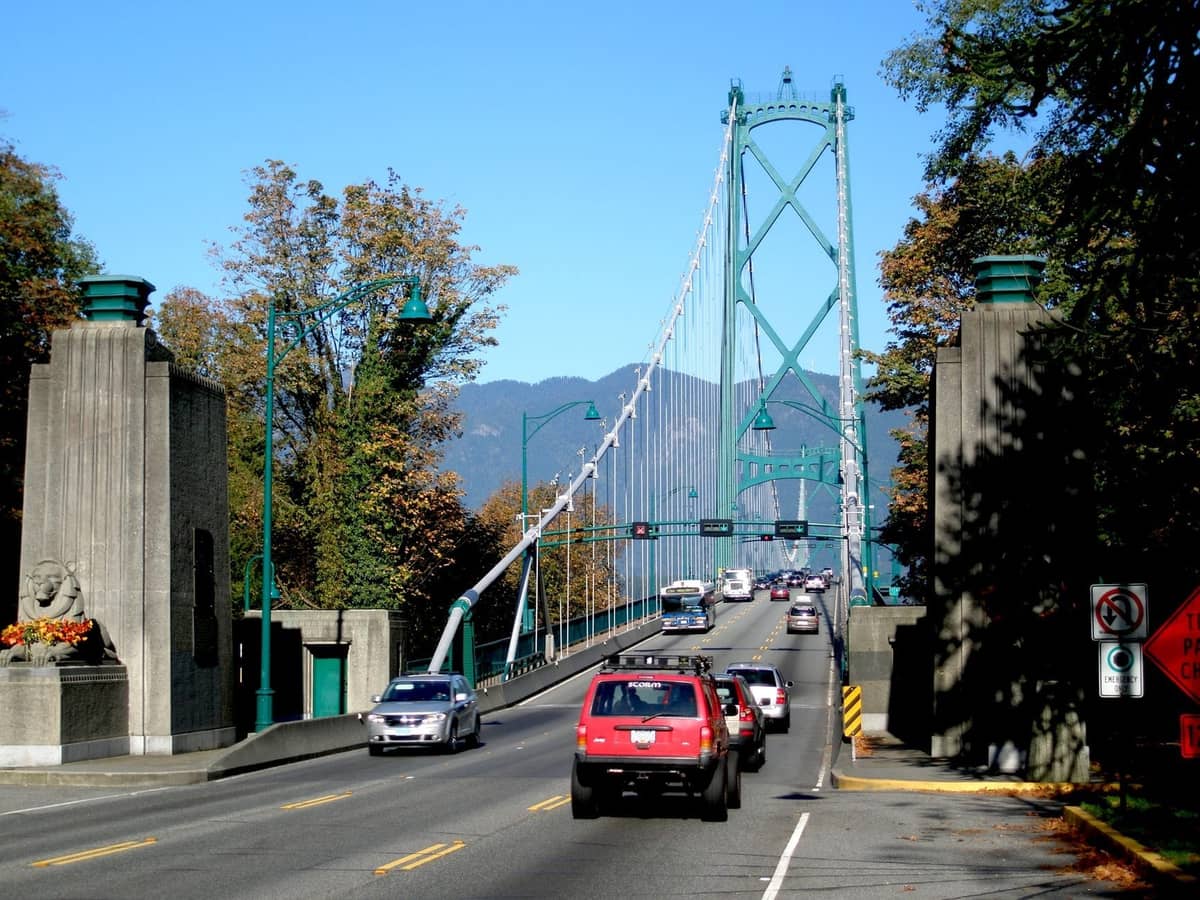
Vehicle break-ins are Vancouver's most notorious crime problem, and it disproportionately affects visitors who don't know the patterns. Rental cars — especially those with visible luggage, maps, or equipment inside — are frequent targets in parking areas near trailheads, beaches, and tourist attractions. Parking areas near popular attractions such as Capilano Suspension Bridge, trailheads around Deep Cove, and some lots along the seawall have all been identified as higher-risk areas for car break-ins.
⚠️ What to skip
Never leave anything visible in a parked car in Vancouver — not a gym bag, not a phone charger, not a jacket. If it can be seen, it can attract a break-in. This applies to tourist parking areas more than almost anywhere else in the city.
Pickpocketing and bag theft are less systemic than in some European capitals, but they do occur in crowded venues. The Granville Island Public Market on a summer weekend, the busy blocks of Robson Street, and SkyTrain platforms during events at BC Place are the environments where bag-snatching and distraction theft are most likely. Keep bags in front of you, use inside pockets for passports and cards, and apply the same common sense you would in any busy urban market.
Street Disorder and the Opioid Crisis
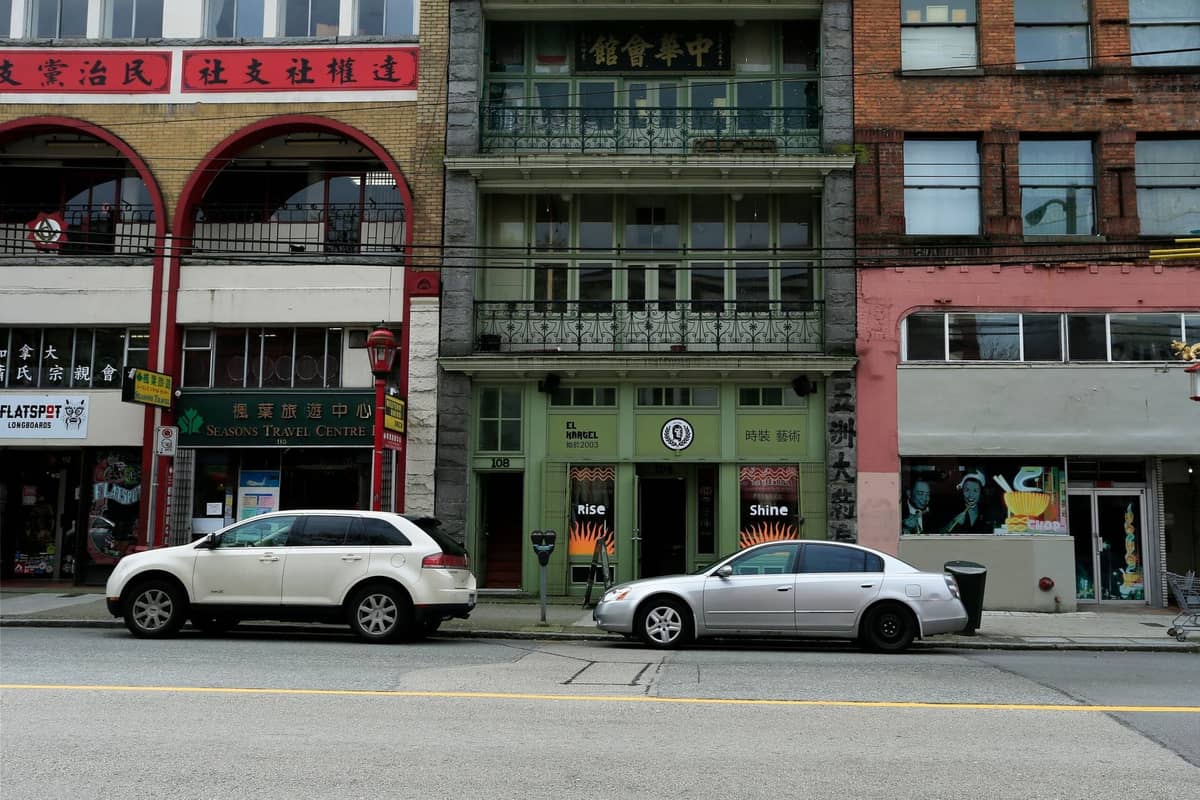
Vancouver's visible street disorder is a real phenomenon, and pretending it doesn't exist would be doing visitors a disservice. The city sits at the center of Canada's opioid crisis, and the Downtown Eastside has one of the highest concentrations of people experiencing homelessness and addiction in the country. The effects radiate outward into parts of Gastown and Chinatown in ways that can feel disorienting if you're not expecting them.
Tourism surveys have captured this tension: only about four in ten Vancouver residents reported feeling very safe walking alone after dark, according to Statistics Canada data, and women in particular report higher rates of unwanted behaviour in public and on transit. These numbers matter, but context does too. The areas generating those responses are largely specific to the DTES corridor. For most of the city's geography, after-dark comfort levels are comparable to any mid-size North American city.
✨ Pro tip
If you're navigating Gastown or Chinatown and feel uncomfortable, simply head toward busier streets or flag a ride-hail. Uber and Lyft both operate in Metro Vancouver and respond quickly in central areas. You don't need to push through any situation that doesn't feel right.
Practical Safety Tips for Visitors
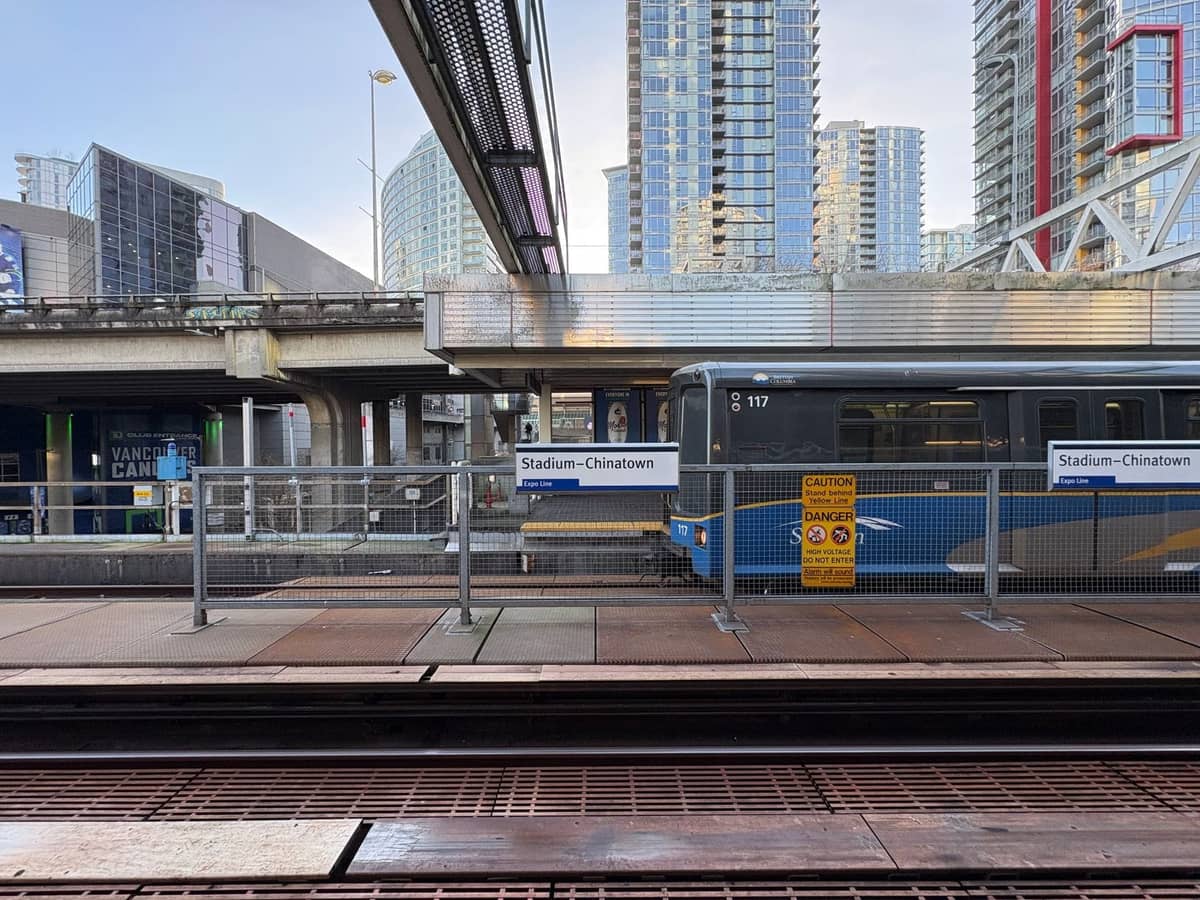
Getting around safely in Vancouver is largely a function of using good transit infrastructure and planning your routes with awareness. The TransLink network — SkyTrain, buses, and SeaBus — is generally safe, well-monitored, and runs until around 1:00 AM on most lines, with night bus service supplementing gaps. The Canada Line from downtown to YVR takes about 25 minutes and is a reliable, safe option at virtually any hour.
- Emergency: dial 911 for police, fire, or ambulance anywhere in Canada.
- Non-emergency police in Vancouver: call the VPD non-emergency line at 604-717-3321 to report crimes that don't require immediate response.
- Tap water is safe to drink throughout Metro Vancouver — you do not need to buy bottled water.
- The standard tipping expectation in restaurants is 15-20% on the pre-tax bill; it is customary, not optional in the social sense.
- Electricity is 120V/60Hz with Type A and B plugs — travelers from the US will not need adapters; most others will.
- Canada's country code is +1; Vancouver area codes include 604, 778, 236, and 672.
- Carry your passport or a photocopy; ID may be required at bars and some venues.
- Travel insurance with medical coverage is strongly recommended — Canadian healthcare does not cover non-residents.
For visitors planning active outdoor adventures, safety takes a different shape. Hiking near Vancouver is genuinely accessible and rewarding, but mountain weather changes fast and search-and-rescue calls spike when people head out unprepared. The Grouse Grind, trails on the North Shore, and routes near Cypress Mountain all require appropriate footwear and clothing, especially outside of summer months.
Seasonal Safety Considerations
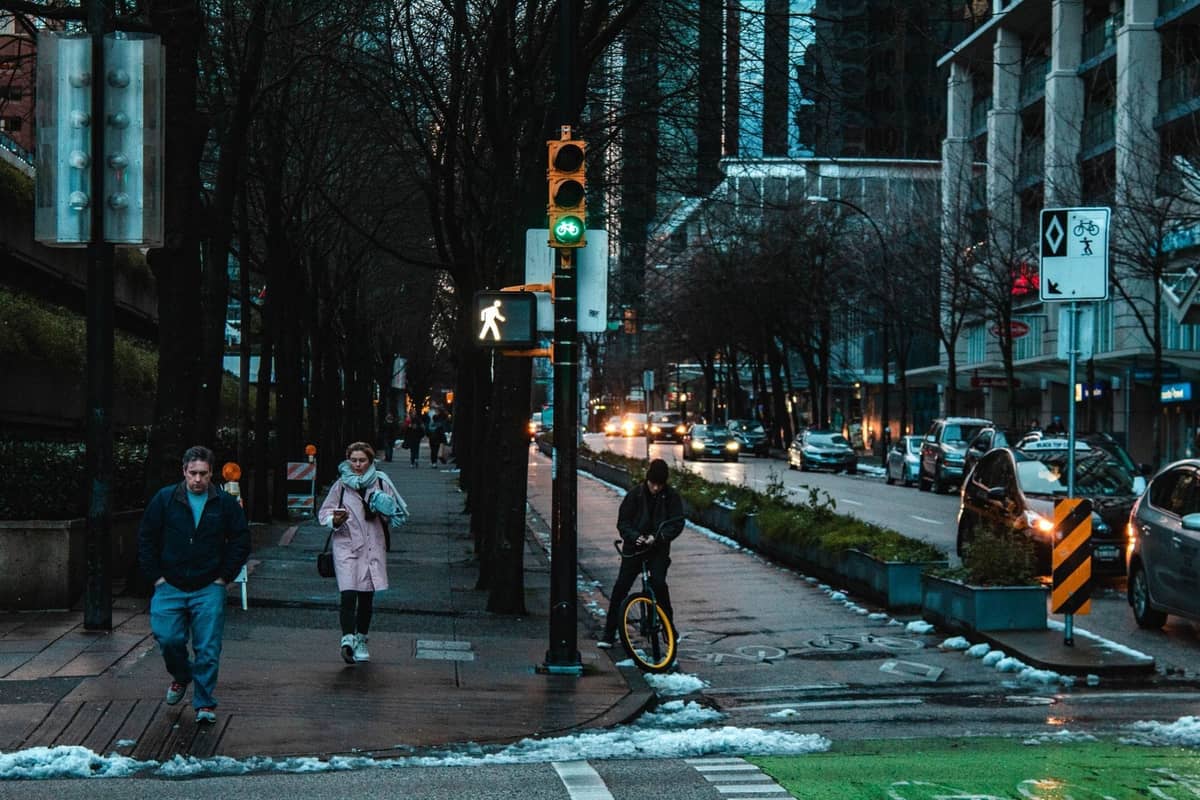
Vancouver's climate shapes some of its safety considerations in ways that aren't obvious from a distance. Winters are mild by Canadian standards — average January temperatures hover around 3.9°C — but the November through March window is consistently wet, with December averaging around 150–160 mm of rainfall. Slippery seawall sections, reduced visibility on mountain roads, and icy conditions at elevation all become real factors. If you're visiting Grouse Mountain or the North Shore mountains in winter, treat it like genuine mountain travel: check conditions, dress in layers, and tell someone your plans.
Summer brings the opposite challenge: heat and crowd density. July and August see Vancouver's highest temperatures, occasionally pushing past 30°C during heat events. The 2021 heat dome was an extreme case, but it demonstrated that Pacific coastal cities can experience serious heat. Staying hydrated at outdoor events, knowing where cooling centers are, and checking Vancouver's seasonal weather patterns before you travel is genuinely useful planning, not just boilerplate advice.
FAQ
Is Vancouver safe for solo travelers?
Yes, for the most part. Solo travelers — including solo women — consistently report positive experiences in Vancouver's main visitor areas. The main precaution for solo travelers is the same as in any city: be more alert after dark in less-populated areas, use TransLink or ride-hail rather than walking long stretches alone at night, and stay on busier streets around the Downtown Eastside. The West End, Kitsilano, and Yaletown are particularly comfortable neighborhoods for solo visitors.
Is it safe to walk around downtown Vancouver at night?
Most of downtown Vancouver is fine after dark, particularly the areas around Coal Harbour, Robson Street, Yaletown, and the seawall. The main exception is the eastern edge of Gastown and the blocks around Hastings and Main in the Downtown Eastside, where street disorder is more concentrated. If you're heading back from a late dinner or show, a ride-hail app is a practical choice for crossing longer distances.
What is the most dangerous neighborhood in Vancouver?
The Downtown Eastside (DTES), particularly the Hastings and Main corridor, has the highest concentration of crime, poverty, open drug use, and street disorder in the city. It is not a typical tourist destination and most visitors have no reason to pass through it. Adjacent areas of Gastown and Chinatown experience spillover effects but are manageable during daylight hours.
Is Vancouver safe compared to other Canadian cities?
Vancouver's overall police-reported crime rate in 2024 was slightly below the Canadian national average, and violent crime severity has improved over the past decade. Property crime — particularly theft from vehicles — remains a practical concern for visitors, with rates that tend to run higher than in cities like Calgary or Ottawa. Compared to many large U.S. cities, Vancouver remains low-risk on violent crime measures.
Is the SkyTrain safe to use?
The SkyTrain is generally safe and is used by hundreds of thousands of commuters and visitors daily. TransLink employs transit police and security staff on the network. As with any urban transit system, the risk of petty theft and occasional aggressive behaviour rises during late-night hours and on heavily used platforms. Keep your bag in front of you, stay in populated car sections after midnight, and you are unlikely to have any issues.