Chinese New Year in Vancouver: What to Expect
Vancouver hosts one of Canada's largest Lunar New Year celebrations, anchored by a 1.3 km parade through historic Chinatown and a full 15-day festival season. This guide covers the parade route, top events across Metro Vancouver, transport logistics, and what first-timers often get wrong.
Plan and book this trip
Tools from our partner Travelpayouts help you compare flights and hotels. If you book through them, we may earn a commission at no extra cost to you.
Flights
Hotels map
TL;DR
- The Vancouver Chinatown Spring Festival Parade is recognized as the biggest Spring Festival celebration in Canada, running about 1.3 km through Pender, Gore, and Keefer Streets.
- Lunar New Year falls between January 21 and February 20; Vancouver celebrations typically continue for the full 15 to 16 days through the Lantern Festival.
- Events extend far beyond Chinatown, with markets, performances, and lantern installations across Metro Vancouver. The Chinatown neighbourhood is the cultural heart of the festivities.
- Take transit: Stadium-Chinatown SkyTrain station is the practical choice, as road closures and parking in Chinatown during the parade are both challenging.
- This is not just a Chinese holiday. Vancouver's Lunar New Year events officially recognize Chinese, Korean, Vietnamese, Mongolian, Indonesian, and Tibetan communities.
When Lunar New Year Happens in Vancouver
Lunar New Year does not follow the Gregorian calendar, so the date shifts each year, falling somewhere between January 21 and February 20. The celebration in Vancouver is not a one-day event. The festival period spans 15 to 16 days, running from New Year's Day through to the Lantern Festival, and the city schedules events across that entire window. The parade itself usually takes place on a Sunday within the first two weeks, but check the current year's schedule because the exact date changes annually.
Weather during this period is typical Vancouver winter: mild by Canadian standards but cool and wet. Average temperatures hover around 3 to 6 degrees Celsius in late January and February, and rain is common. If you are planning to watch the parade outdoors for two or more hours, a waterproof jacket is not optional. Layers underneath help, since you will be standing relatively still on streets that funnel the wind off Burrard Inlet.
💡 Local tip
Event dates, parade start times, and ticketed show schedules change every year. Always confirm details through the Vancouver Chinatown BIA, the Chinese Cultural Centre of Greater Vancouver, or Destination Vancouver's events calendar before you visit.
The Chinatown Parade: Route, Scale, and What You Will See
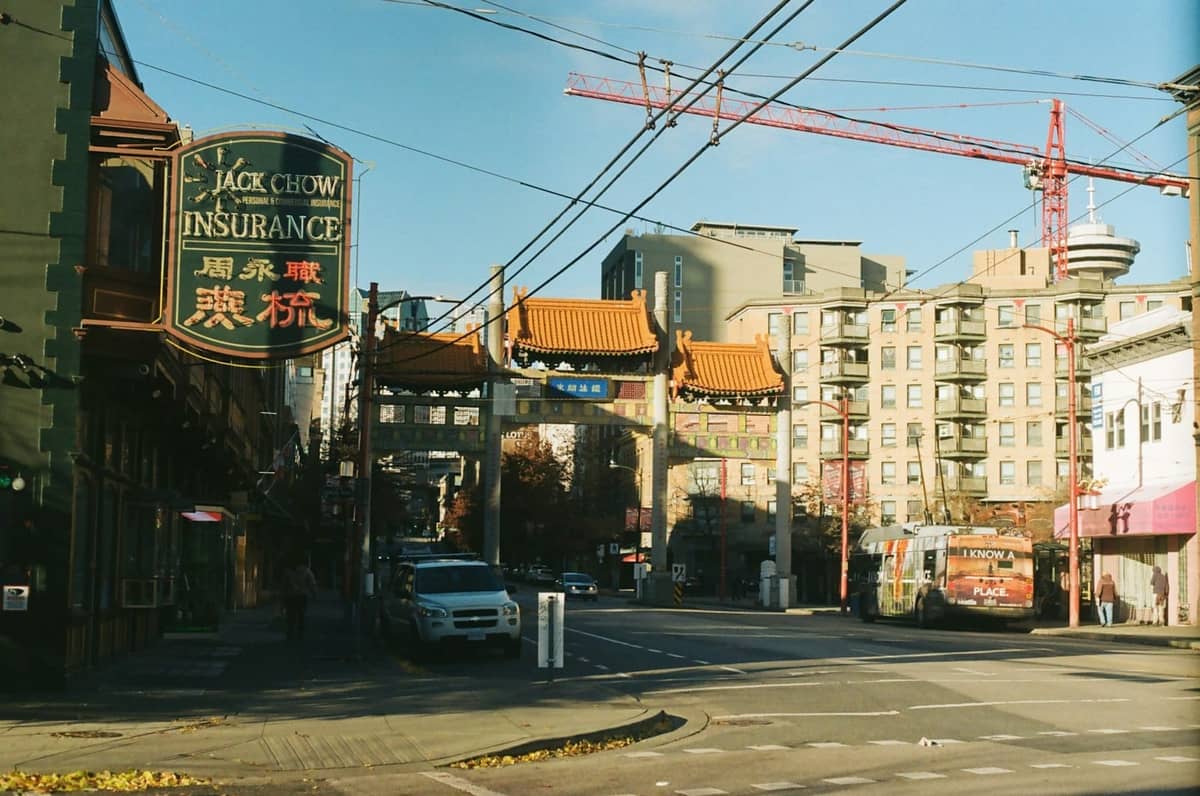
The Vancouver Chinatown Spring Festival Parade is the centrepiece of the entire celebration and is consistently cited as the largest Spring Festival parade in Canada. The route runs approximately 1.3 km through the heart of historic Chinatown, starting at the Millennium Gate on Pender Street, proceeding east along Pender, then south on Gore Street and west along Keefer Street before ending near Carrall Street. Plan to arrive at least 30 to 45 minutes early if you want a front-row spot along the barricades, particularly near the Millennium Gate where photography is best.
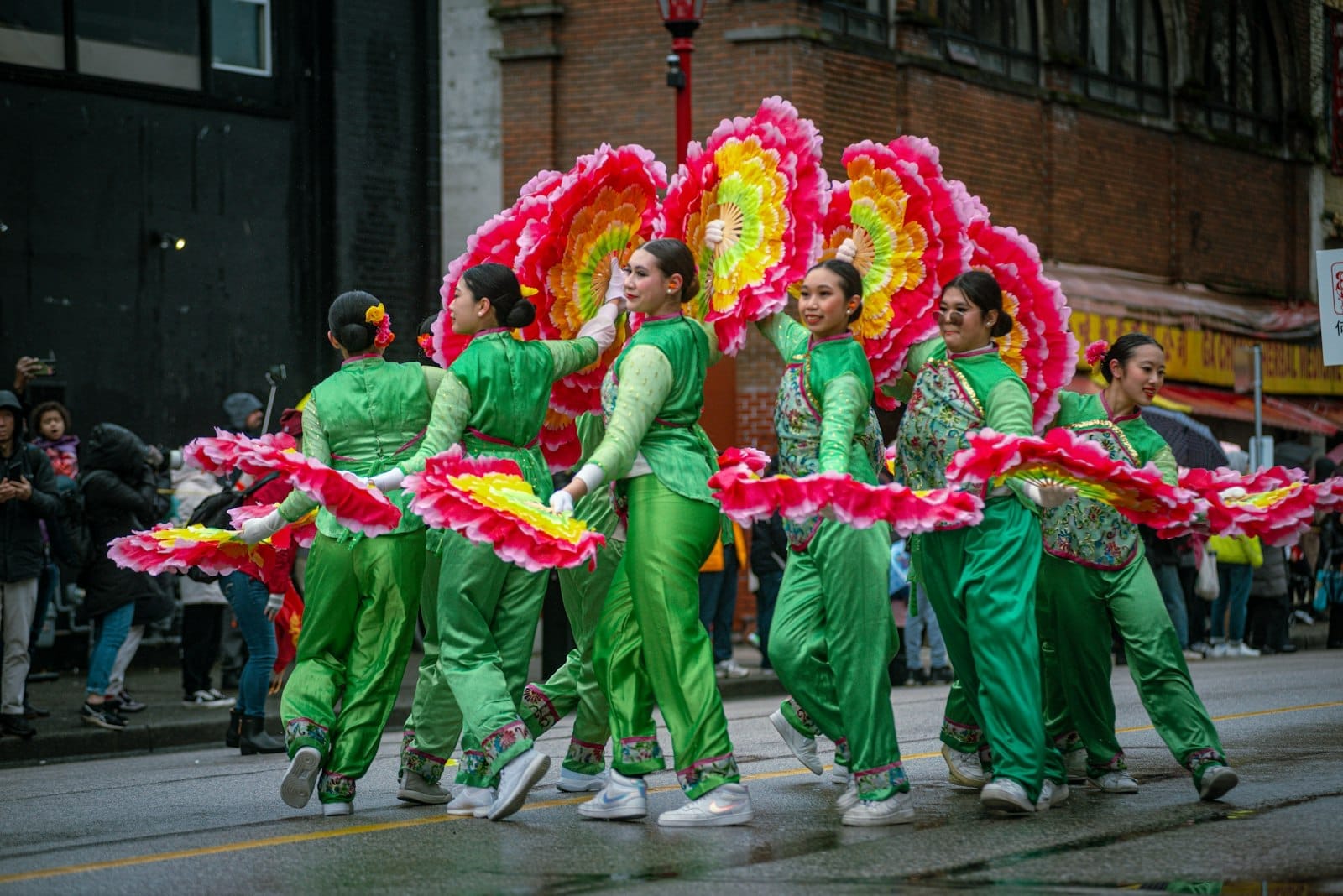
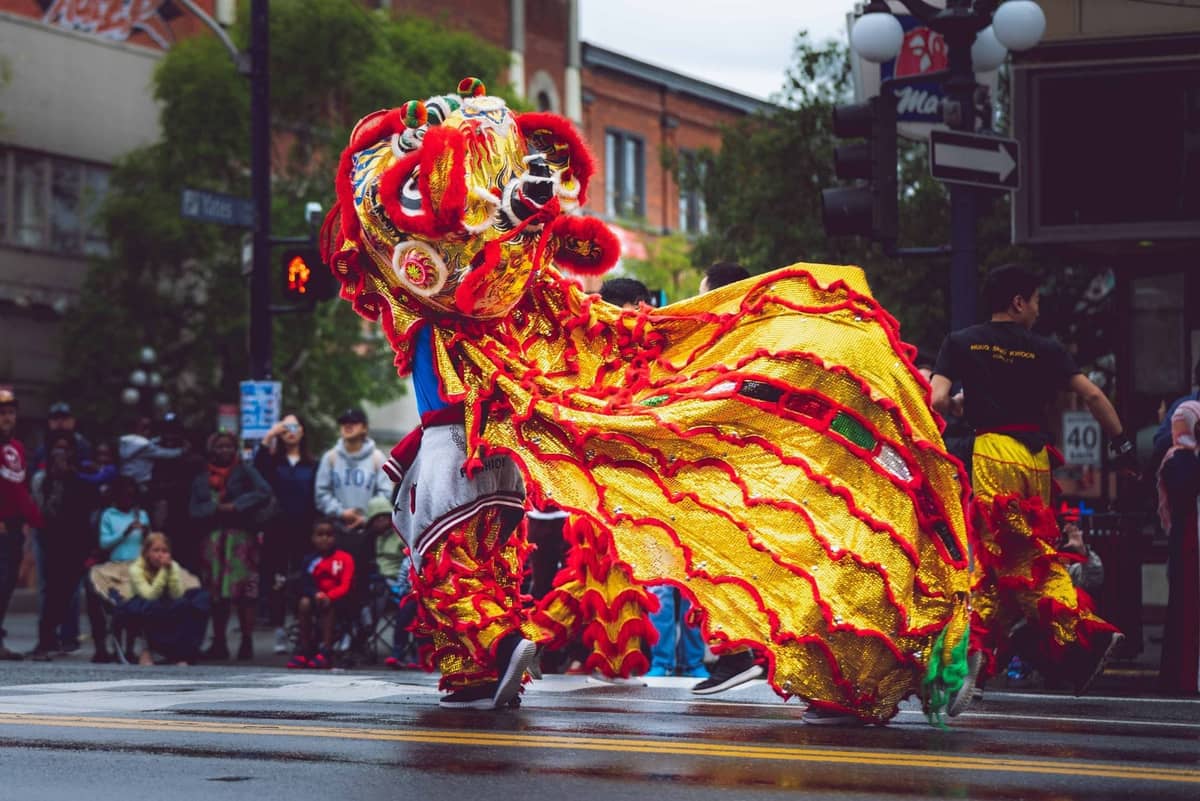
The parade itself takes roughly two to two and a half hours to pass any fixed point on the route. Expect lion and dragon dance troupes, martial arts demonstrations, cultural dance groups representing multiple Asian communities, high school marching bands, and floats from local businesses and community organizations. The noise level from firecrackers and drums is significant and can surprise visitors who are not expecting it. If you are bringing young children who are sensitive to loud sounds, position yourself further from the percussion clusters near the start of the route.
- Best viewing spots Near the Millennium Gate at Pender and Taylor Streets for the start of proceedings and best photo opportunities.
- Arrive early Crowds fill the prime spots 30 to 45 minutes before the parade begins. Latecomers end up several rows deep.
- What to bring Waterproof jacket, comfortable shoes, and cash for nearby food vendors. Most street vendors do not take cards.
- With kids Position younger children away from the percussion-heavy start zone. Ear protection is practical for toddlers.
- Photography The dragon and lion troupes move quickly. A position at a corner on the route gives you more reaction time.
Beyond the Parade: Events Across the City
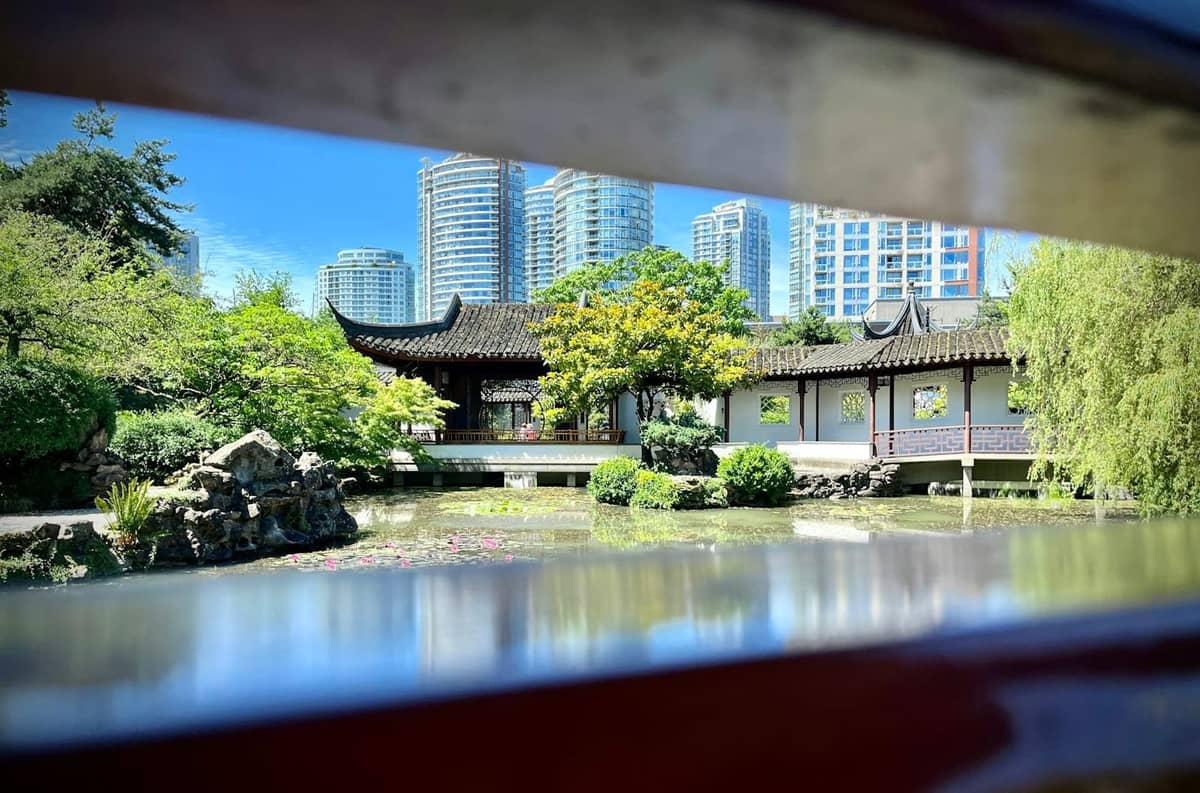
The parade is the headline event, but the full 15-day festival generates programming across Metro Vancouver that is easy to miss if you only look at Chinatown listings. The Dr. Sun Yat-Sen Classical Chinese Garden in Chinatown typically runs Lunar New Year cultural programs and performances. Admission applies, and specific events change each year, so check the garden's calendar directly.
The UBC Botanical Garden has hosted Lunar New Year markets with lantern installations and cultural vendors, making it a worthwhile destination if you want something less crowded than Chinatown on parade day. The UBC Point Grey campus area is accessible by transit via the 99 B-Line express bus from downtown. Gateway Theatre in Richmond also runs dedicated Lunar New Year theatrical productions, often selling out quickly. Richmond, while outside the City of Vancouver proper, deserves mention here: its Lunar New Year events, particularly the Richmond Night Market-adjacent celebrations and restaurant offerings along No. 3 Road, draw enormous crowds from across the region.
Museums and cultural institutions across the city also add relevant programming during the festival window. Check listings at Science World, the Museum of Vancouver, and the Chinese Cultural Centre of Greater Vancouver, which anchors community events in Chinatown itself. The range of events genuinely spans free outdoor installations to ticketed performances costing $30 to $80 or more depending on the show. Budget accordingly if you want to do more than the free parade.
ℹ️ Good to know
Vancouver's Lunar New Year events officially recognize multiple communities beyond Chinese Canadians, including Korean (Seollal), Vietnamese (Tết), Mongolian (Tsagaan Sar), Indonesian (Imlek), and Tibetan (Losar) traditions. This is reflected in the multicultural programming lineup across the city.
Getting There and Moving Around During the Festival
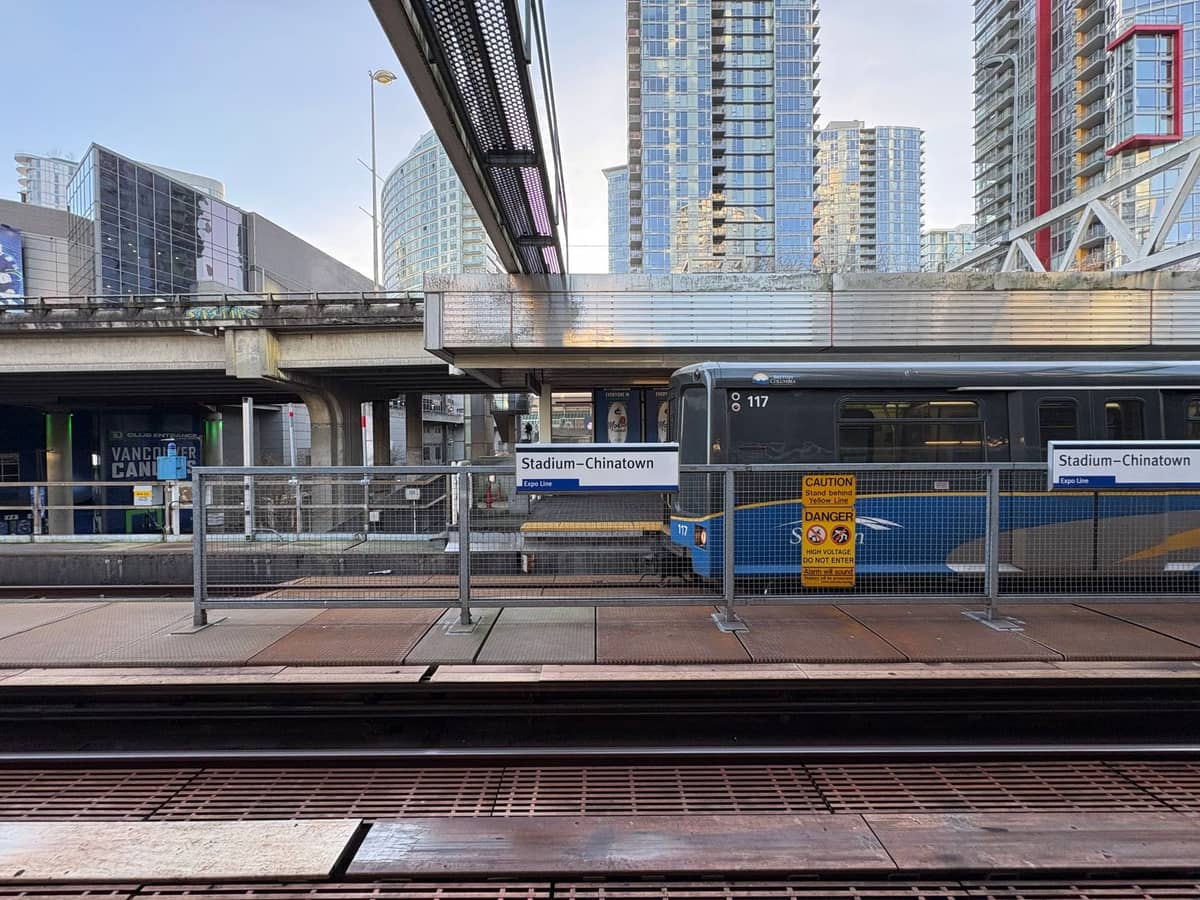
On parade day, driving to Chinatown is a mistake. Pender, Gore, and Keefer Streets are closed to traffic during the event, parking in the area fills hours in advance, and post-parade congestion can trap your car for a long time. The practical approach is to take the SkyTrain to Stadium-Chinatown Station on the Expo Line, which puts you within walking distance of the entire parade route. Consult the guide to getting around Vancouver for full transit options and fare details.
If you are coming from the suburbs or from Richmond, the Canada Line connects to downtown, where you can transfer to the Expo Line for Stadium-Chinatown Station. The SeaBus from North Vancouver to Waterfront Station, followed by a short SkyTrain ride, is the cleanest route from the North Shore. Uber and Lyft operate in Metro Vancouver but drop-off zones near Chinatown on parade day can be chaotic. If you use ride-hailing, set a pickup point at least two blocks from the closure perimeter.
⚠️ What to skip
TransLink fares and zone structures change periodically. Check the TransLink website for current pricing before you travel. A Compass Card is cheaper than paying cash fares at the gate.
Food, Shopping, and the Full Chinatown Experience
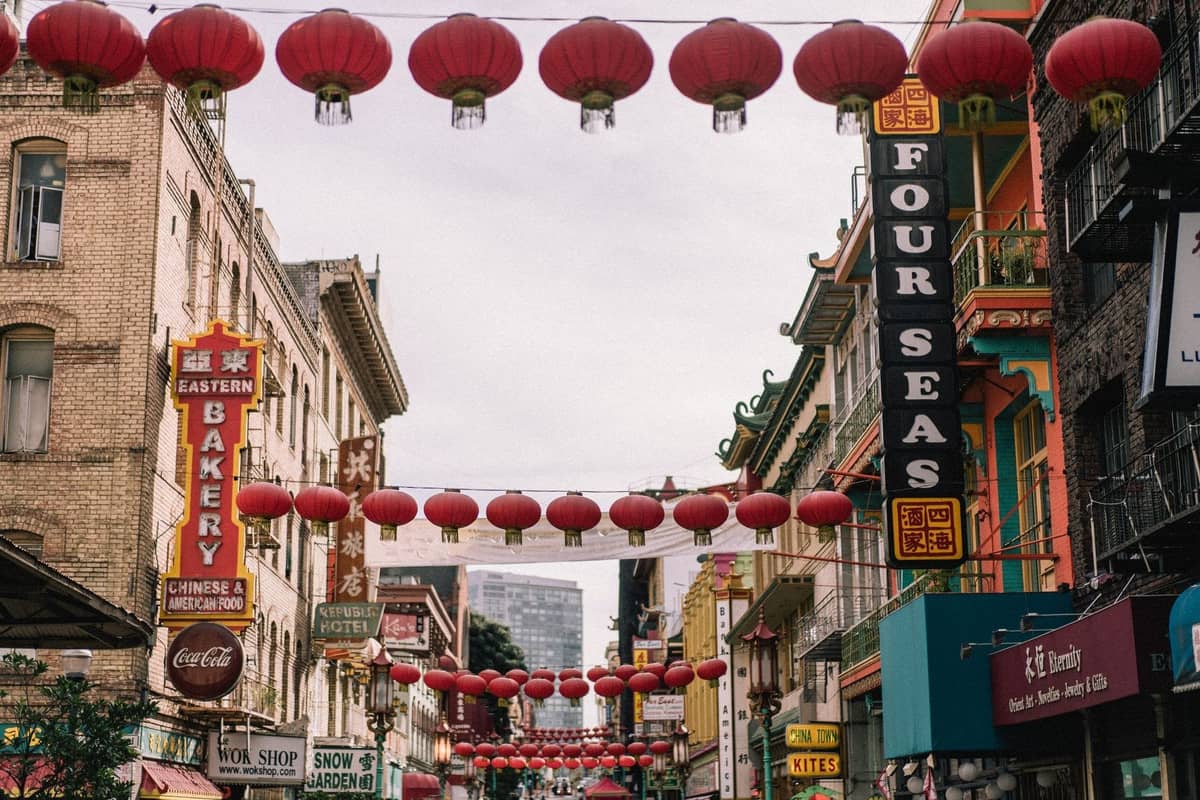
Lunar New Year is one of the best times to eat your way through Vancouver's Chinatown. Restaurants along Keefer Street and East Pender Street fill up fast on parade weekend; reservations made days in advance are common for dim sum spots. If you miss a table reservation, the street vendor food along the parade perimeter is legitimate: barbecue skewers, steamed buns, and pineapple cake are standard, and most vendors accept cash only.
For a broader food experience during the full 15-day festival, Richmond's Golden Village area along No. 3 Road and Alexandra Road is worth the 30-minute Canada Line trip from downtown. The concentration of Hong Kong-style cafes, Shanghainese restaurants, and bakeries running Lunar New Year specials has no equivalent inside the City of Vancouver. It pairs well with a visit to Richmond's Aberdeen Centre mall, which puts on some of the most elaborate Lunar New Year decorations in the region. For more ideas on what and where to eat across the city, the Vancouver food guide is a solid starting point.
- Dim sum at Chinatown's classic restaurants: reserve at least 2 to 3 days ahead for parade weekend
- Street vendor food near the parade route: bring cash, most vendors are cash only
- Richmond Golden Village for Hong Kong-style cafes, Shanghainese restaurants, and bakeries with Lunar New Year specials
- Supermarkets in Chinatown and Richmond stock seasonal items: nian gao (sticky rice cake), mandarin oranges, and red envelope sets
- Bakeries along Keefer and Pender Streets sell pineapple cakes and wife cakes that are worth picking up as edible souvenirs
Practical Tips for First-Timers
If this is your first Lunar New Year in Vancouver, the most common mistake is treating it as a single afternoon outing. The parade alone takes two or more hours to watch, and if you plan to eat in Chinatown before or after, factor in another hour or two. A realistic estimate for a full parade day, including transit, watching, eating, and exploring the neighbourhood, is five to six hours minimum.
Chinatown has had well-documented challenges with safety and vacancy in recent years, which is worth acknowledging honestly. During Lunar New Year, the neighbourhood is activated in a way it is not year-round, with heavy foot traffic and a strong community presence. Still, if you are planning to walk around after dark following evening events, staying on the main streets around Pender and Keefer and being aware of your surroundings is sensible. For broader context on staying safe in the city, see the Vancouver safety guide.
If you are in Vancouver specifically for Lunar New Year and want to combine it with other sightseeing, the festival window in late January or February aligns with a quieter overall tourism period. Hotel rates are lower than summer peaks, major attractions are less crowded, and the winter Vancouver experience has its own distinct character. Pairing a Chinatown parade day with a visit to the Dr. Sun Yat-Sen Classical Chinese Garden or a walk through Gastown makes for a coherent itinerary without requiring a car.
FAQ
When is Chinese New Year in Vancouver in 2026 and 2027?
Lunar New Year falls on February 17 in 2026 (Year of the Horse), with the Vancouver Chinatown parade scheduled for Sunday, February 22, 2026. In 2027, Lunar New Year falls on February 6 (Year of the Goat). The Vancouver Chinatown parade typically takes place on a Sunday within the first two weeks of the festival, but the exact date must be confirmed through the Vancouver Chinatown BIA each year.
Is the Chinatown Lunar New Year parade free to watch?
Yes, watching the parade from the street is free. There is no ticket or reserved seating for the public sections of the route. Some community organizations may sell ticketed grandstand spots in specific years, but general street viewing costs nothing.
How do I get to the Vancouver Chinatown parade by transit?
Take the SkyTrain Expo or Millennium Line to Stadium-Chinatown Station. This puts you within a short walk of the entire parade route on Pender, Gore, and Keefer Streets. Driving is strongly discouraged: multiple streets are closed to traffic and parking in the area is extremely limited on parade day.
How long does the Vancouver Lunar New Year parade last?
The parade typically takes two to two and a half hours to pass any fixed point along the 1.3 km route. Arrive 30 to 45 minutes early to secure a good viewing position, particularly near the Millennium Gate where the parade begins.
Are Vancouver's Lunar New Year events only for the Chinese community?
No. Vancouver's Lunar New Year programming officially recognizes multiple communities that observe the festival, including Chinese, Korean (Seollal), Vietnamese (Tết), Mongolian (Tsagaan Sar), Indonesian (Imlek), and Tibetan (Losar) communities. The events across the city reflect this multicultural scope.