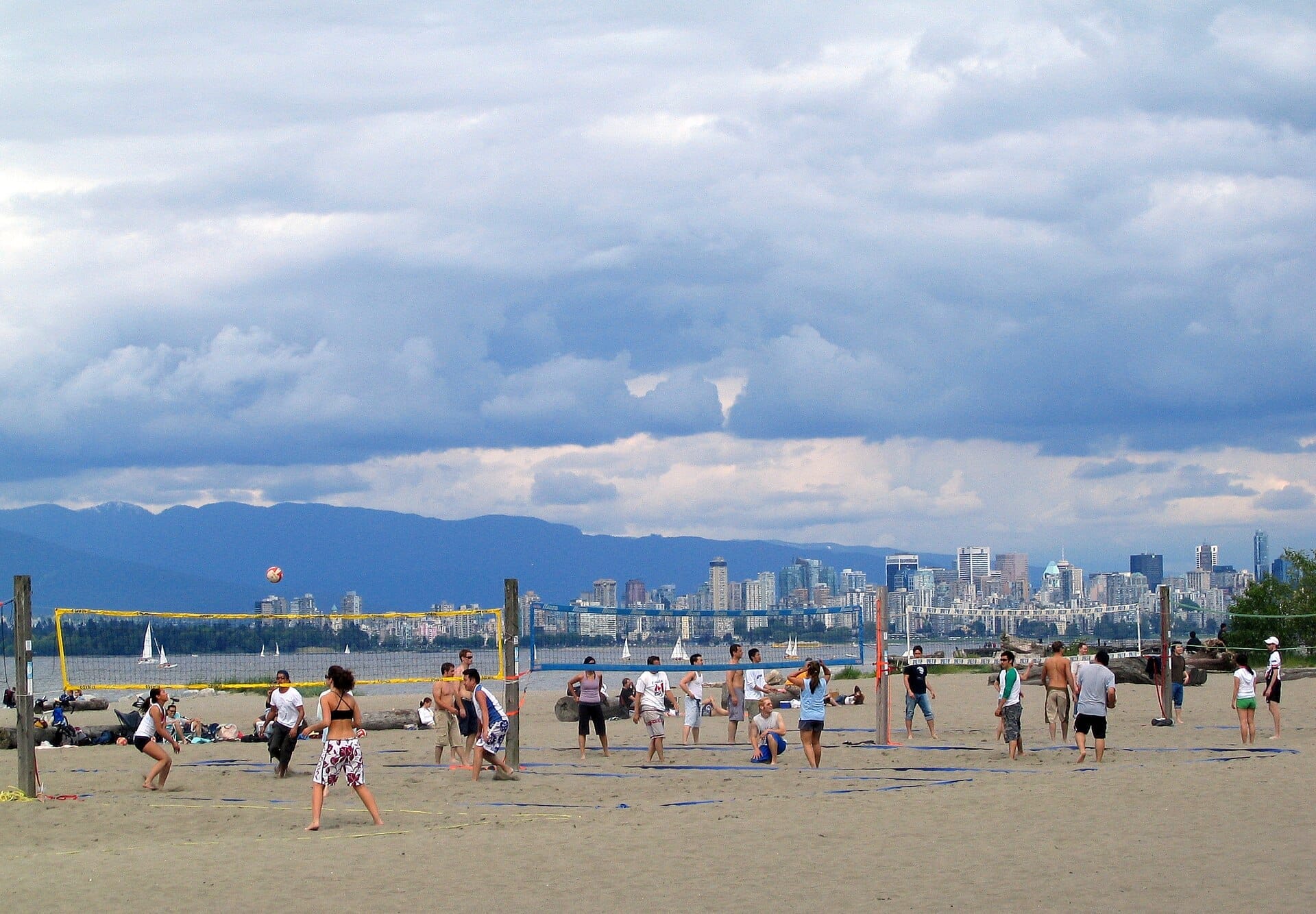
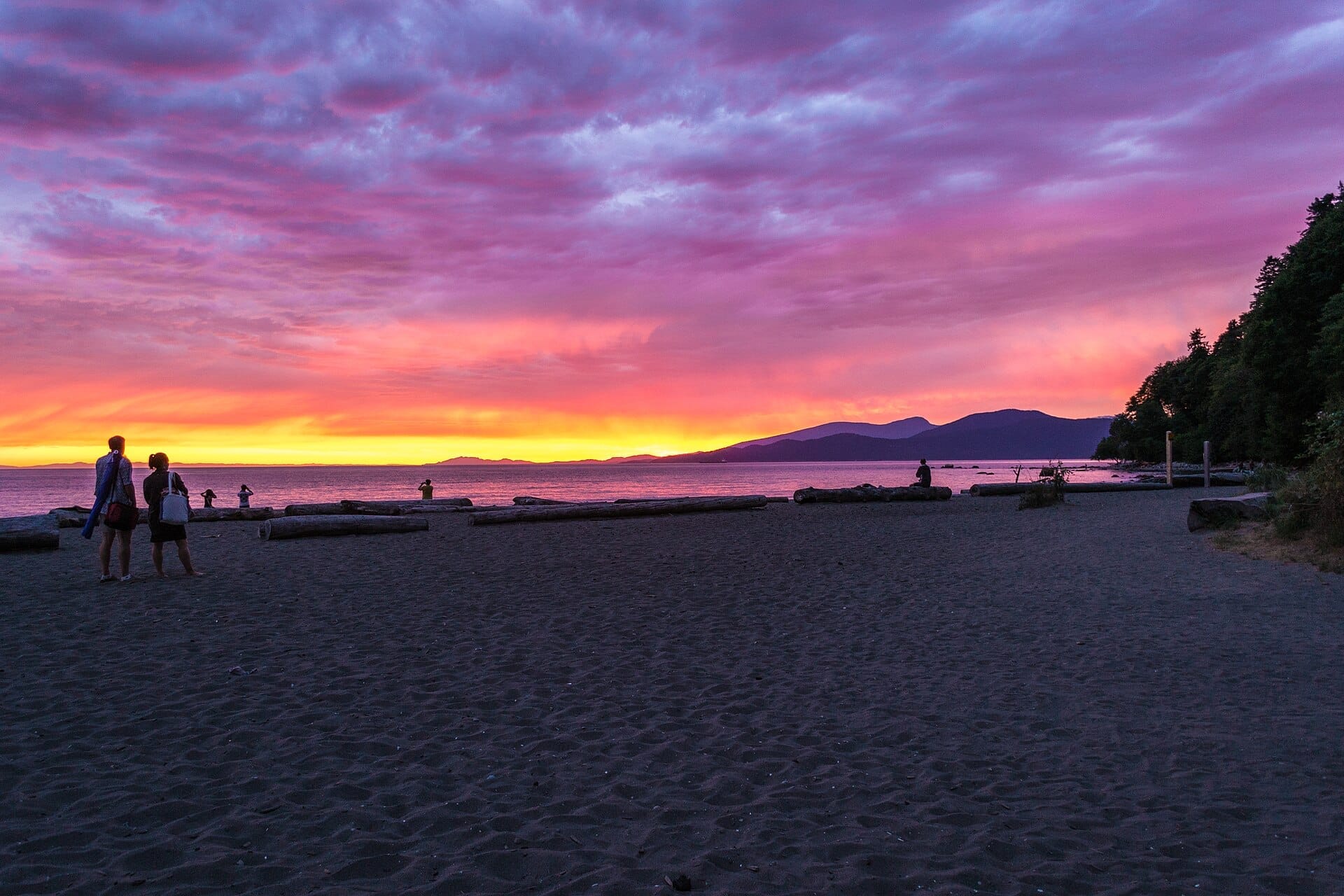
UBC and Point Grey occupy the far western tip of Vancouver, where a world-ranked university campus meets old-growth forest and dramatic clifftop coastline. This is a neighborhood unlike any other in the city: academic, scenic, and genuinely removed from the downtown core, yet packed with cultural institutions, wild beaches, and some of the best views in British Columbia.
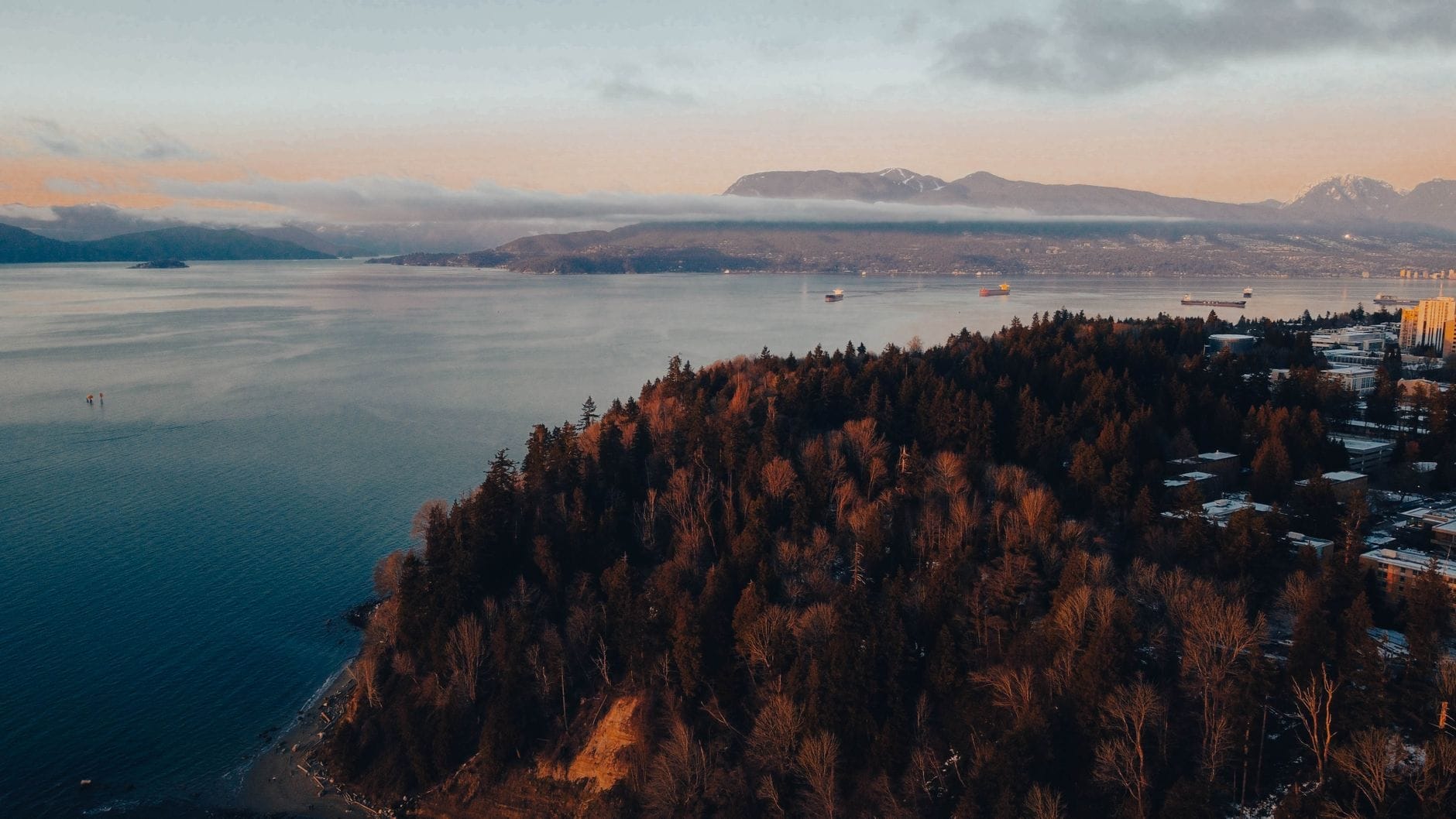
UBC and Point Grey sit at the western extreme of Vancouver's west side, where the city gradually gives way to forest, cliff, and open ocean. The University of British Columbia's Point Grey campus anchors the area, surrounded by Pacific Spirit Regional Park and framed by sweeping views of English Bay, the Strait of Georgia, and the mountains of Vancouver Island on a clear day. It is the kind of place that makes you feel like you have stepped off the edge of the city into something quieter and more elemental.
Orientation
UBC and Point Grey form a distinct peninsula at the westernmost end of Vancouver's west side, roughly 11 kilometres from downtown. The Point Grey headland juts into the water between English Bay to the north and the Strait of Georgia to the west and south, giving the area a geography that feels genuinely coastal rather than simply urban-adjacent.
The neighbourhood is best understood in three layers. At the centre is the UBC Point Grey campus itself, one of the largest university campuses in Canada, covering about 400 hectares. Wrapped around it to the east and north is Pacific Spirit Regional Park, a 763-hectare urban forest that acts as a green buffer separating the campus from the rest of the city. Between the park and Alma Street lies the residential West Point Grey neighbourhood, a quiet, established community of older homes, low-rise apartments, and a handful of local commercial strips.
The eastern boundary of the broader district follows roughly Alma Street and the western edge of Pacific Spirit Park, where West 16th Avenue and West 4th Avenue serve as the main east-west corridors feeding into the area. To the north, the land drops sharply to the beaches along English Bay. To the south, the cliffs fall away to Wreck Beach and the shoreline along the strait. There are no SkyTrain stations in this part of Vancouver; the area is served exclusively by TransLink bus routes, which makes it feel more self-contained than most parts of the city.
For context, Kitsilano lies immediately to the east along the shoreline, connected by West 4th Avenue and West Broadway. Downtown Vancouver is roughly a 30-minute bus ride away. The separation from the rest of the city is part of what defines the character of this place.
Character & Atmosphere
Mornings in UBC and Point Grey have a particular stillness. The residential streets of West Point Grey see dog walkers and cyclists before the campus routes fill with students. On West 10th Avenue near Sasamat Street, the small neighbourhood commercial strip comes to life early, with coffee shops drawing a mix of professors, local families, and graduate students working through laptops. The light at this hour, filtered through the big leaf maples that line many of the streets, falls in long pale strips across the sidewalk.
The campus itself shifts registers depending on the time of year. During the academic year, the main pedestrian routes through UBC, including University Boulevard and the paths around the Rose Garden, carry a purposeful, collegiate energy. In summer, the pace slows considerably. Conference visitors, summer students, and tourists exploring the museums give the place a more relaxed, exploratory feel. The campus is genuinely beautiful in a way that rewards slow walking: the terrain changes from formal gardens to old-growth forest edges within a few hundred metres.
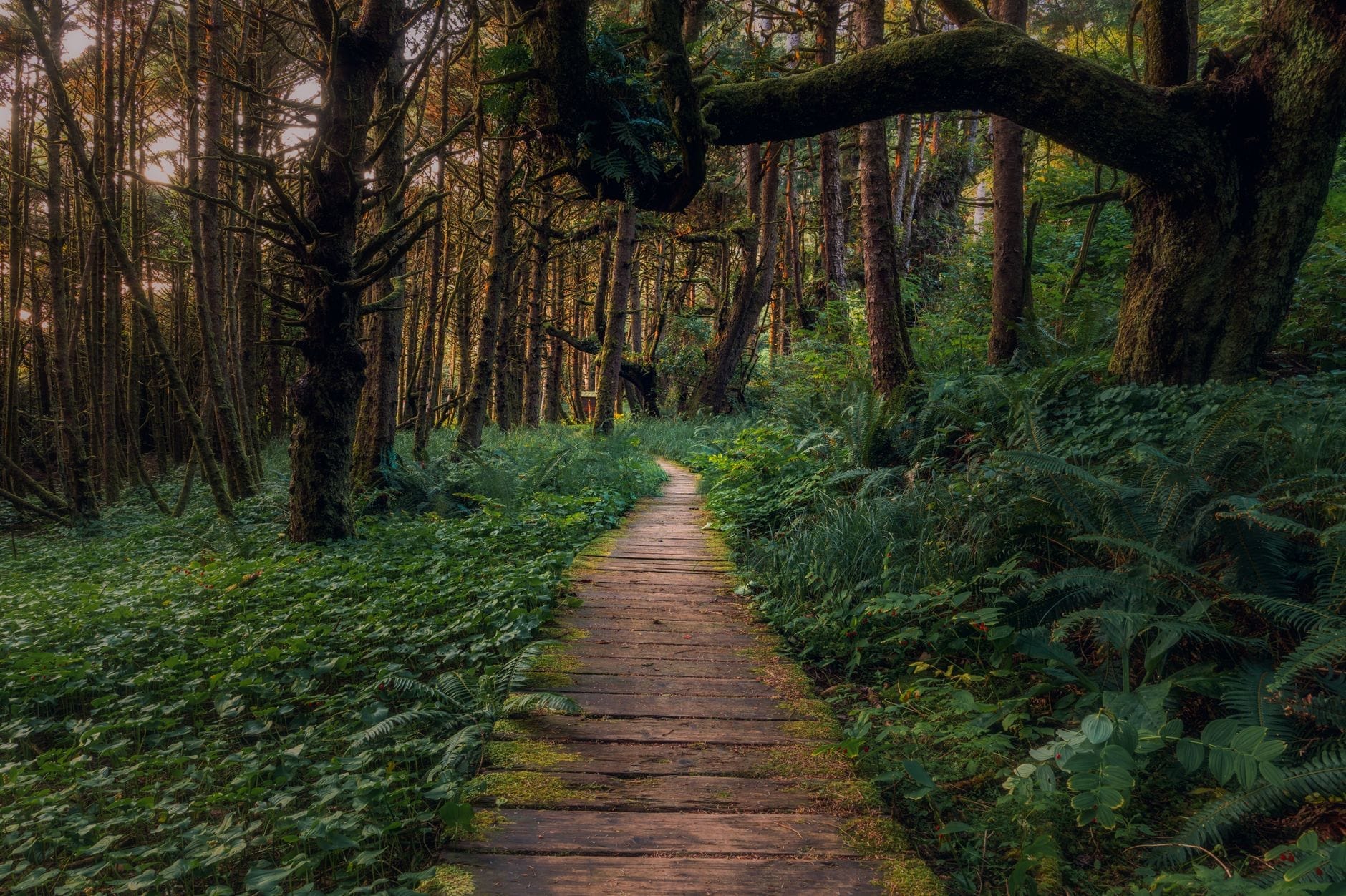
Pacific Spirit Regional Park is where the neighbourhood becomes something else entirely. The forest here is dense and genuine, with trails running through stands of Douglas fir, western red cedar, and hemlock that block out the city almost completely. On a weekday afternoon, it is possible to walk the Admiralty Trail or the Imperial Drive Trail for 30 minutes without encountering another person. The sounds are wind, birds, and the occasional dog. It is a striking contrast to the fact that you are technically still within the city of Vancouver.
After dark, the area is quiet and residential. The campus has its own evening economy around student pubs and event spaces, but the surrounding streets close down early. This is not a neighbourhood you come to for nightlife. The trade-off is that it feels genuinely safe and unhurried, even late at night on the main routes.
ℹ️ Good to know
UBC's Point Grey campus sits on the traditional, ancestral, and unceded territory of the xʷməθkʷəy̓əm (Musqueam) Nation, whose village of c̓əsnaʔəm is one of the oldest continuously inhabited sites in the region. The Museum of Anthropology addresses this history directly and it is worth engaging with before or during your visit.
What to See & Do
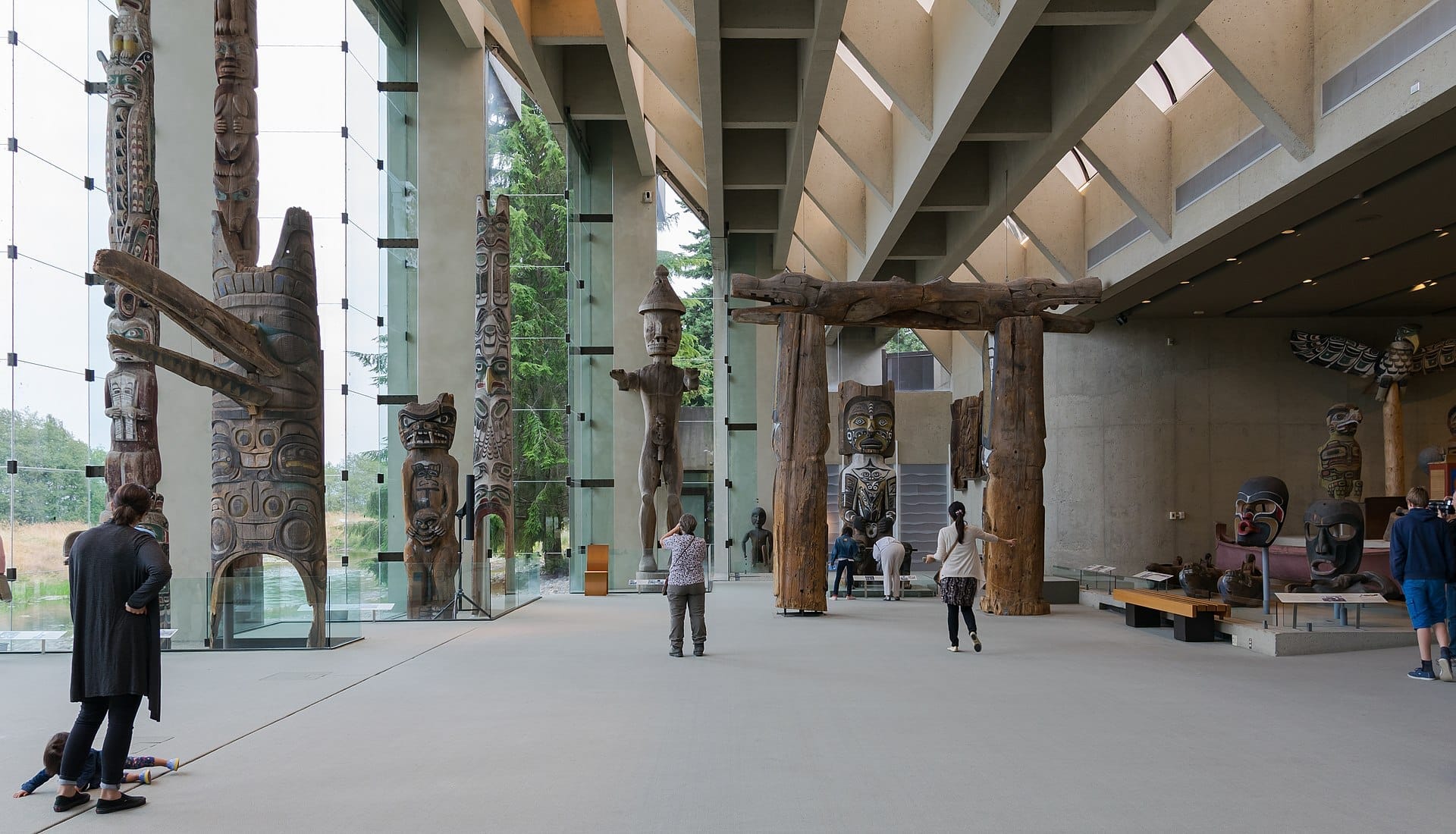
The Museum of Anthropology is the single most important cultural institution on campus and one of the finest museums of its kind in North America. Designed by Arthur Erickson and opened in 1971, the building itself is architecturally significant: its massive Great Hall, with floor-to-ceiling glass walls framing Haida and other Northwest Coast monumental poles against the treeline and ocean, is one of the most powerful interior spaces in Vancouver. The museum's collection of First Nations art and cultural objects is extraordinary in both scale and significance. Allow at least two hours.
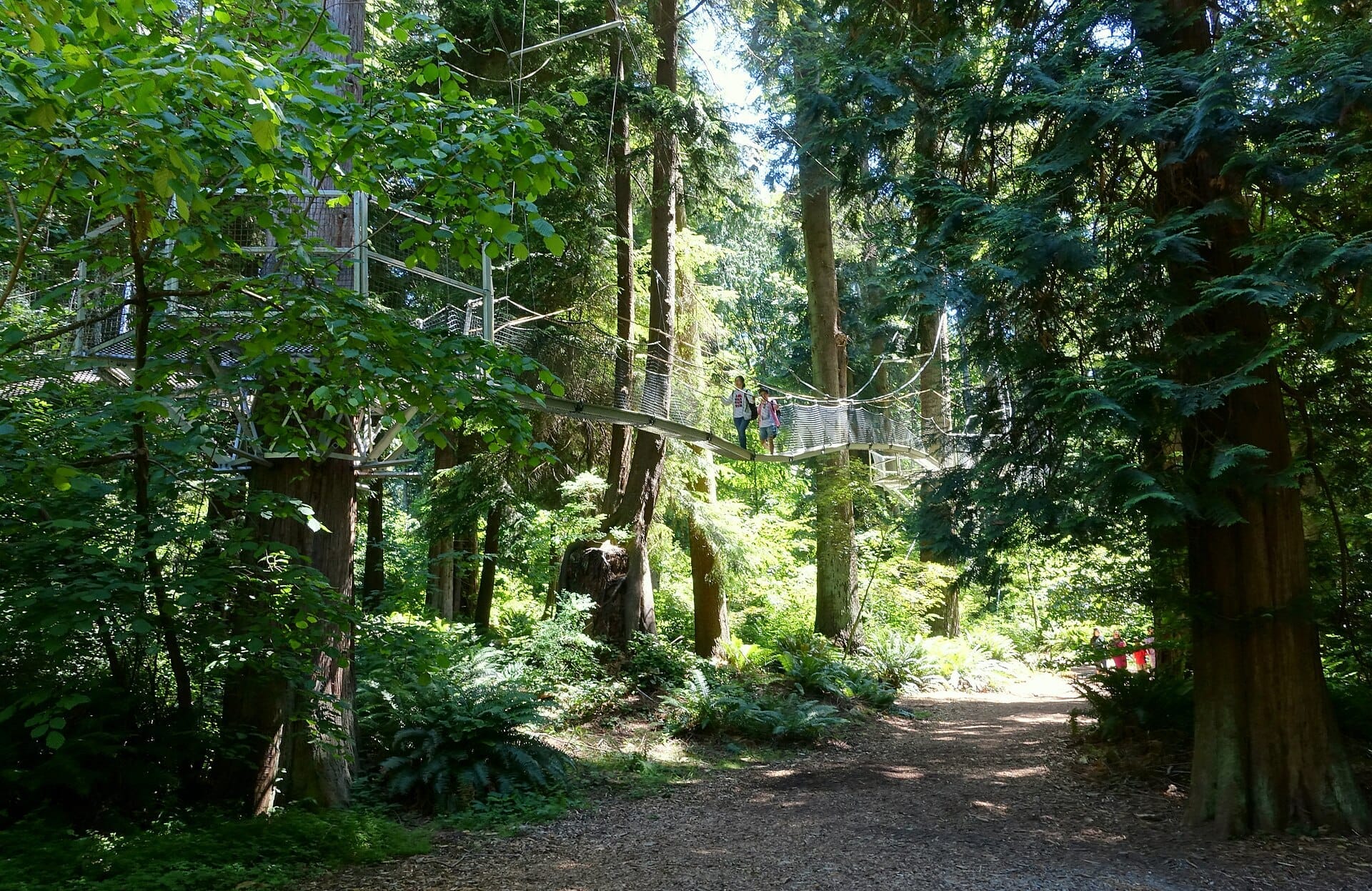
The UBC Botanical Garden and the adjacent Greenheart TreeWalk offer a very different kind of experience. The botanical garden spans approximately 44 hectares and contains thousands of plant species organized into distinct collections, including a notable BC native garden and a winter garden that rewards visits even in the grey months. The TreeWalk suspends visitors among the canopy of an old-growth forest on a series of elevated rope bridges, which gives children and adults alike a genuinely unusual perspective on the Pacific Northwest forest ecosystem.
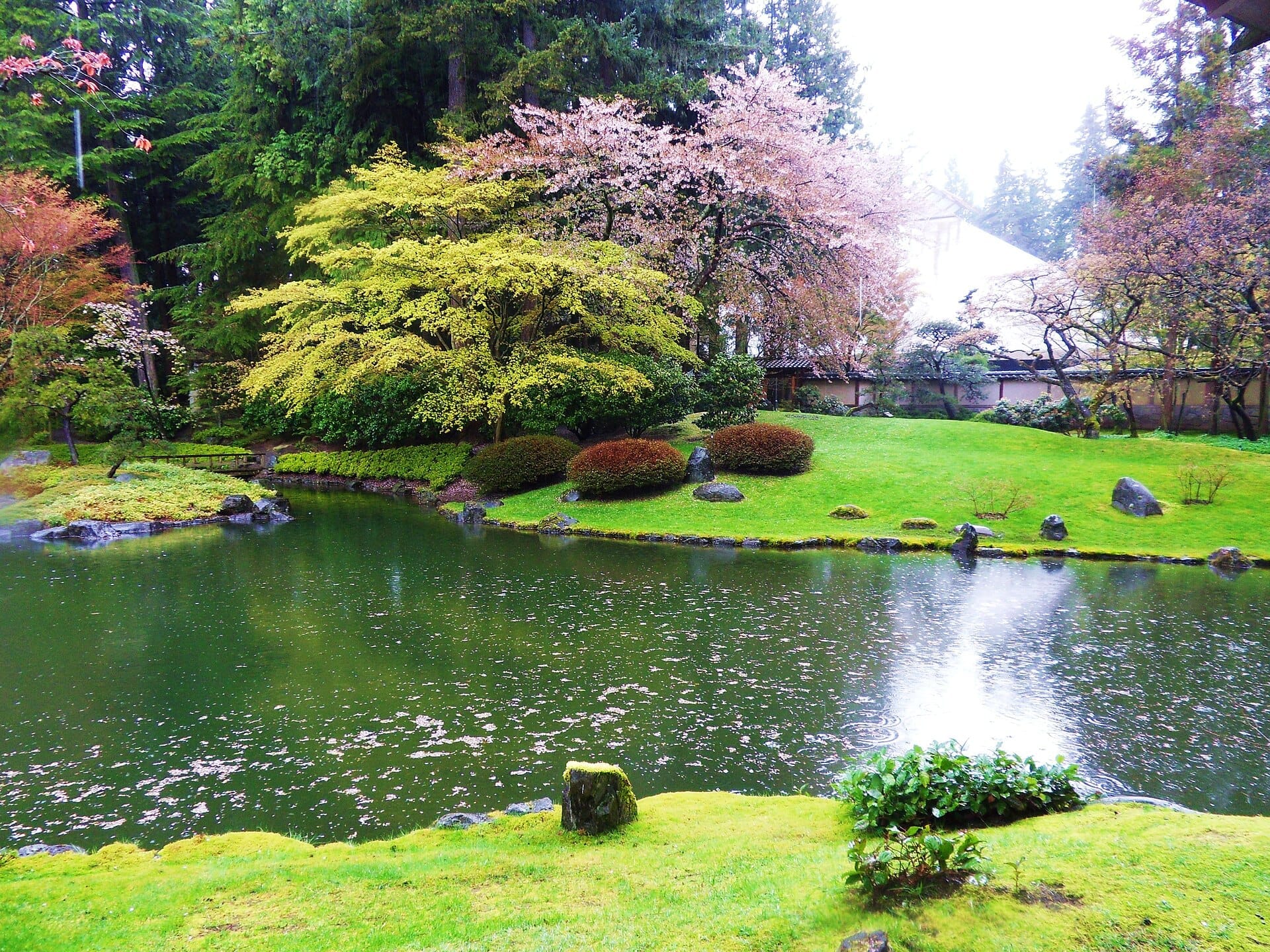
The Nitobe Memorial Garden is a small, meticulously maintained traditional Japanese garden on the edge of campus, widely considered one of the most authentic Japanese gardens outside Japan. It is a quiet and contemplative space, especially effective in spring when the cherry blossoms are out and in autumn when the maples turn.
The clifftop trails along the north edge of campus lead to views across English Bay toward the North Shore mountains that rival anything accessible from downtown. On a clear day, standing near the Rose Garden overlook, you can see across to the North Shore and, in the far distance, the peaks of Vancouver Island. These views are free, accessible, and underused by visitors who do not make it this far west.
Wreck Beach is one of Vancouver's most distinctive experiences. Located at the base of steep cliffs below the campus, accessible via Trail 6 (a staircase of nearly 500 steps), it is North America's largest clothing-optional beach. The beach itself stretches for several kilometres along the Strait of Georgia, with vendors selling food, drinks, and various items. The atmosphere is relaxed and genuinely non-judgmental. The hike down is easy; the hike back up in summer heat is a different matter.
Museum of Anthropology: world-class Northwest Coast Indigenous art collection in an Erickson-designed building
UBC Botanical Garden and Greenheart TreeWalk: 28 hectares of curated plantings plus a canopy walkway
Nitobe Memorial Garden: one of the most authentic traditional Japanese gardens in North America
Wreck Beach: dramatic clothing-optional beach below the cliffs, accessed via steep forest trails
Pacific Spirit Regional Park: 73 kilometres of forested trails through genuine urban wilderness
Rose Garden overlook: free clifftop views across English Bay to the North Shore mountains
WWII gun emplacements near the Museum of Anthropology: remnants of coastal defence infrastructure now partially absorbed into the campus landscape
💡 Local tip
The Museum of Anthropology and UBC Botanical Garden both charge admission, but the fees are modest by Vancouver standards. If you are planning to visit multiple UBC attractions, check for combination tickets or reciprocal membership agreements with other cultural institutions.
Eating & Drinking
The food scene in UBC and Point Grey is more varied than most visitors expect, though it operates on a different scale and logic than the rest of Vancouver. On campus, the University Village area along University Boulevard and the Student Union Building plaza host a range of quick-service restaurants, cafes, and food courts catering to students and staff. Quality varies, but prices are generally lower than the city average, and the variety is genuine, including Japanese, Korean, Vietnamese, and South Asian options alongside campus staples.
The West Point Grey neighbourhood has a quieter, more local-serving food strip along West 10th Avenue between Sasamat and Trimble Streets. This is where you find small independent coffee shops, a neighbourhood pub, and a handful of restaurants with a loyal local clientele rather than a tourist-facing profile. The atmosphere is unhurried and genuinely residential, which makes it a good place to decompress after a morning at the museums.
West 4th Avenue, running through Kitsilano to the east, offers significantly more dining depth and is only a short bus ride away. For a full range of restaurant options at all price points, most visitors to UBC find themselves heading east along 4th Avenue or West Broadway after their campus exploration. The campus itself is not a dining destination in the way that Gastown or Main Street are, but it is far from a culinary wasteland.
On Wreck Beach in summer, the informal vendor culture is part of the experience. Various vendors sell food, cold drinks, and snacks on the beach itself, operating in a long-established unofficial economy. It is not gourmet, but sitting on the sand at the base of the cliffs with a cold drink after the hike down is hard to argue with.
Getting There & Around
UBC is one of the largest bus terminals in the TransLink network. The R4 41st Ave RapidBus and the 99 B-Line, running along Broadway from Commercial–Broadway Station through Kitsilano and out to UBC, is the primary rapid bus connection and runs frequently throughout the day. The 44 bus along West 4th Avenue and the 41 and R4 along West 41st Avenue provide additional connections. Journey time from downtown Vancouver to the UBC bus loop is typically 30 to 45 minutes depending on traffic and time of day.
There is no SkyTrain access to UBC, a long-standing gap in Vancouver's transit network. The Broadway Subway extension of the Millennium Line is under construction to extend service westward along Broadway as far as Arbutus Street, which will improve connections toward UBC; check TransLink's current service updates for the latest status. For general navigation of Vancouver's transit system, the getting around Vancouver guide covers fares, routes, and transit cards in detail.
Cycling is a practical option, particularly via the dedicated paths along West 4th Avenue and the gentler sections of West 10th Avenue. The ride from Kitsilano Beach to the UBC campus takes roughly 20 to 25 minutes at a moderate pace. The terrain is mostly flat until you reach the campus itself, where the grounds are hilly. Bike parking on campus is extensive.
Driving to UBC is straightforward via West 16th Avenue or West 4th Avenue from the east, but parking on campus is metered and fills quickly on weekday mornings during the academic year. On weekends and in summer, parking is less competitive. Uber and Lyft both serve the area, and the ride from downtown to campus typically takes 20 to 30 minutes outside of rush hour.
Within the campus and the West Point Grey neighbourhood, walking is the most effective way to get around. The campus grounds are pedestrian-friendly, with clear wayfinding signage, and most of the key attractions are within 15 to 20 minutes of each other on foot once you are on site. Pacific Spirit Park's trails are well-marked, though a trail map is advisable before entering the denser sections.
⚠️ What to skip
The trails down to Wreck Beach and the cliffs along the Point Grey headland involve steep, sometimes uneven terrain. Appropriate footwear matters, particularly after rain when wooden staircases and trail surfaces become slippery. The beach is not accessible to visitors with limited mobility. Avoid isolated forested trails after dark.
Where to Stay
UBC is not a conventional accommodation district for tourists, but it does have options that suit specific types of visitors. The UBC campus offers hotel-style accommodation at Gage Suites and other conference centre facilities, which are available to the general public during periods when student accommodation is not in full use, particularly in summer. These rooms are functional rather than luxurious, with the significant advantage of being on campus and walking distance to the museums and gardens.
For visitors who want to explore UBC as part of a wider Vancouver itinerary, staying in Kitsilano to the east gives much better access to restaurants, cafes, and the English Bay beach strip while keeping UBC within easy cycling or bus distance. Downtown Vancouver, covered in detail in the where to stay in Vancouver guide, remains the practical hub for most visitors who want flexibility across the whole city.
The West Point Grey residential neighbourhood has some bed-and-breakfast style options and short-term rental properties in its quiet streets, which appeal to visitors who want a neighbourhood experience away from the downtown core. The trade-off is a 30 to 40-minute commute to central Vancouver by bus for anything beyond the UBC precinct itself.
Who this neighbourhood suits
UBC and Point Grey reward visitors who come with a specific purpose: to see the Museum of Anthropology, to walk in a genuine urban forest, to sit on a clifftop beach, or to experience a world-class university campus in a dramatic natural setting. It is not a neighbourhood for people who want the density of options and the street-level energy that characterises Gastown, Yaletown, or the West End.
The distance from downtown is a genuine consideration. A day trip combining the Museum of Anthropology, a walk through Pacific Spirit Park, lunch on campus, and a visit to Wreck Beach is a full and satisfying day. But it requires commitment to get there and back, and visitors on short itineraries should weigh this against other priorities. If you are working through a three-day Vancouver itinerary, UBC merits a dedicated half-day at minimum, ideally a full day.
For travellers interested specifically in Indigenous art and culture, the Museum of Anthropology is not optional. It stands apart from anything else in Vancouver in this regard. Pair it with a visit to the Bill Reid Gallery downtown for a comprehensive picture of Northwest Coast art across different institutional contexts.
TL;DR
UBC and Point Grey are best suited to culturally curious visitors with at least one full day to spend; the Museum of Anthropology alone justifies the journey from downtown.
Pacific Spirit Regional Park offers the most genuinely forested trail experience within Vancouver's city limits, with 70+ kilometres of maintained paths through old-growth and second-growth forest.
Wreck Beach is a one-of-a-kind experience: North America's largest clothing-optional beach at the base of dramatic cliffs, but the steep access trail and distance from the city centre make it a destination rather than a casual stop.
There is no SkyTrain access; all transit connections rely on the bus network, with the 99 B-Line from Broadway the fastest option. Budget 30 to 45 minutes from downtown each way.
Not ideal for visitors who prioritise nightlife, dense restaurant options, or central location. Those looking for a lively neighbourhood base should consider Kitsilano, Yaletown, or the West End instead.
Three days is enough time to cover Vancouver's best neighbourhoods, waterfront parks, and mountain views without feeling rushed. This itinerary organizes the city logically by geography, cuts out the tourist traps, and works whether you're on foot, SkyTrain, or a borrowed bike.
Vancouver's art scene spans a former provincial courthouse turned major museum, an intimate Haida gallery downtown, a world-class anthropology collection at UBC, and a full gallery district along South Granville. This guide covers the best art galleries in Vancouver for every interest and budget.
Vancouver has over 18 kilometres of oceanfront beaches, from lively urban strands with mountain backdrops to tidal flats perfect for families. This guide covers every beach worth your time, with clear notes on what to expect at each one.
Vancouver's museum scene spans world-class Indigenous art collections, civic history, space science, maritime heritage, and forensic curiosities. These are the best museums in Vancouver, organized by theme and neighbourhood, with practical tips for each.
Vancouver's temperate oceanic climate means it's visitable year-round, but each season offers a completely different experience. This guide breaks down weather, crowds, hotel prices, and key events by season so you can pick the right time for your trip.
Vancouver is one of the most visually dramatic cities in the world, where a downtown skyline meets ocean inlets and snow-capped peaks. This guide covers the best viewpoints across the city, from free hilltop parks and seawall walks to mountaintop gondolas and elevated observation decks.
Vancouver's garden scene ranges from a world-class 55-acre botanical garden to an authentic Japanese tea garden and a tropical conservatory open year-round. This guide covers every significant plant-focused attraction in the city, with notes on the best seasons to visit each.
Vancouver sits at the gateway to some of the most dramatic scenery in North America. Whether you head north toward Whistler, west to Vancouver Island, or east into the Fraser Valley, these are the best day trips from Vancouver, with realistic travel times, transport options, and what to prioritise once you arrive.
Vancouver is one of Canada's most expensive cities, but a remarkable number of its best experiences cost nothing. These 22 free activities cover Stanley Park, beaches, North Shore hikes, waterfront walks, and neighbourhood explorations across the city.
Vancouver's transit network is one of the best in North America, but navigating zones, passes, and peak hours takes some planning. This guide covers every mode of transport, from the Canada Line SkyTrain to cycling the seawall, with current fares and practical tips on when to skip the car entirely.
Vancouver sits at the edge of one of the most dramatic hiking landscapes in North America. These are the best trails near the city, from steep North Shore climbs to peaceful forest walks, chosen for scenery, accessibility, and what makes each one worth the effort.
Vancouver delivers a compelling luxury travel proposition: world-class 5-star hotels steps from the waterfront, a dining scene that punches well above its size, and wilderness experiences that no other major city can match. This guide covers where to stay, when to book, what to spend, and how to get the most out of high-end Vancouver.
Vancouver packs an extraordinary range of experiences into a compact, walkable city on Canada's Pacific coast. This guide covers the best things to do in Vancouver BC, from iconic outdoor adventures to neighbourhood deep-dives, with practical assessments, current pricing context, and logistics to help you make the most of your time.
Vancouver hosts one of Canada's largest Lunar New Year celebrations, anchored by a 1.3 km parade through historic Chinatown and a full 15-day festival season. This guide covers the parade route, top events across Metro Vancouver, transport logistics, and what first-timers often get wrong.
Vancouver sets a high bar for romantic travel. Mountains meet ocean, world-class restaurants sit steps from forested trails, and the city shifts beautifully with every season. This guide covers the best things to do in Vancouver BC for couples, from free waterfront walks to splurge-worthy experiences worth every dollar.
December transforms Vancouver into one of Canada's most festive winter cities, with major light displays, Christmas markets, and ice skating — all against a backdrop of mild, rainy Pacific weather. This guide covers everything you need to plan a December visit, from the best seasonal events to practical logistics.
Summer is Vancouver's best season by most measures: dry weather, long daylight hours stretching past 9 pm, and a calendar packed with outdoor events. This guide covers what to do each month, how much it costs, where crowds get bad, and what the city actually feels like when temperatures hit their annual peak.
Getting from Vancouver to Vancouver Island is straightforward once you know which route to take, when to book, and what to expect on the water. This guide covers every BC Ferries route, current fare ranges, reservation rules, and practical tips for making the most of a day trip or longer stay.
Vancouver's after-dark scene spans gritty dance clubs on the Granville Strip, polished cocktail lounges in Yaletown, independent craft beer bars on Main Street, and live music in Gastown. This guide breaks down where to go, what to expect, and how to avoid a bad night out.
Vancouver has a reputation for being pricey, and on accommodations and dining, that reputation is earned. But a huge share of what makes the city worth visiting costs nothing at all. This guide breaks down real daily costs, the best free attractions, affordable food strategies, and how to get around without spending a fortune.
Vancouver is one of Canada's most visited cities, and for good reason. But visitors increasingly ask: is Vancouver safe? This guide uses recent crime data, neighborhood-by-neighborhood context, and practical tips so you can explore with confidence.
The Vancouver Seawall is the world's longest uninterrupted waterfront path, stretching about 22 km along the waterfront from Coal Harbour to Kitsilano Beach, with some sources including extensions out to roughly 28–30 km. This guide covers every section of the route, cycling rules, seasonal conditions, rental options, and the best spots to stop along the way.
Vancouver's shopping scene spans luxury boutiques on Alberni Street, 330-store malls reachable by SkyTrain, a working public market on a former industrial island, and independent-label strips on Main Street and Commercial Drive. This guide breaks down every major option by neighbourhood, budget, and transit access so you can shop smarter.
Vancouver is one of the most approachable solo travel destinations in North America. From the Stanley Park Seawall to Granville Island's food stalls, this guide covers everything you need to plan a confident, well-timed solo trip to British Columbia's Pacific coast city.
The trip from Vancouver to Calgary covers roughly 970 km and can be done by plane, car, or bus. Each option has real trade-offs. This guide breaks down the costs, logistics, and seasonal considerations so you can choose the route that actually works for your trip.
The Vancouver to Seattle corridor is one of the most-traveled cross-border routes in North America. Whether you're driving I-5, riding the Amtrak Cascades train, or taking a budget coach, this guide breaks down travel times, costs, border logistics, and the smartest ways to avoid delays.
Everything you need to plan the Vancouver to Whistler drive via Highway 99, including key stops along the Sea to Sky corridor, shuttle alternatives, winter driving laws, and the best times to make the trip. Whether you're heading up for ski season or a summer adventure, this guide covers it all.
Vancouver's temperate oceanic climate means mild, rainy winters and warm, relatively dry summers — but the details matter for trip planning. This guide breaks down Vancouver weather month by month, covering temperatures, precipitation, crowd levels, and what to pack for every season.
From Stanley Park playgrounds to Science World and the Granville Island Kids Market, Vancouver delivers serious family value across every budget and season. Practical logistics, clear assessments, and the specific details parents actually need.
Vancouver's food scene is one of the most diverse in North America, shaped by Pacific seafood, deep Asian culinary traditions, and a thriving modern restaurant culture. This guide breaks down what to eat, where to eat it, and what to skip across the city's best food neighborhoods.
Choosing where to stay in Vancouver shapes your entire trip. This guide covers every major neighbourhood, realistic price ranges, seasonal timing, and clear trade-offs so you can match your accommodation to how you actually plan to spend your days.