Vancouver to Vancouver Island: Ferry Routes, Fares & Day Trip Planning
Getting from Vancouver to Vancouver Island is straightforward once you know which route to take, when to book, and what to expect on the water. This guide covers every BC Ferries route, current fare ranges, reservation rules, and practical tips for making the most of a day trip or longer stay.
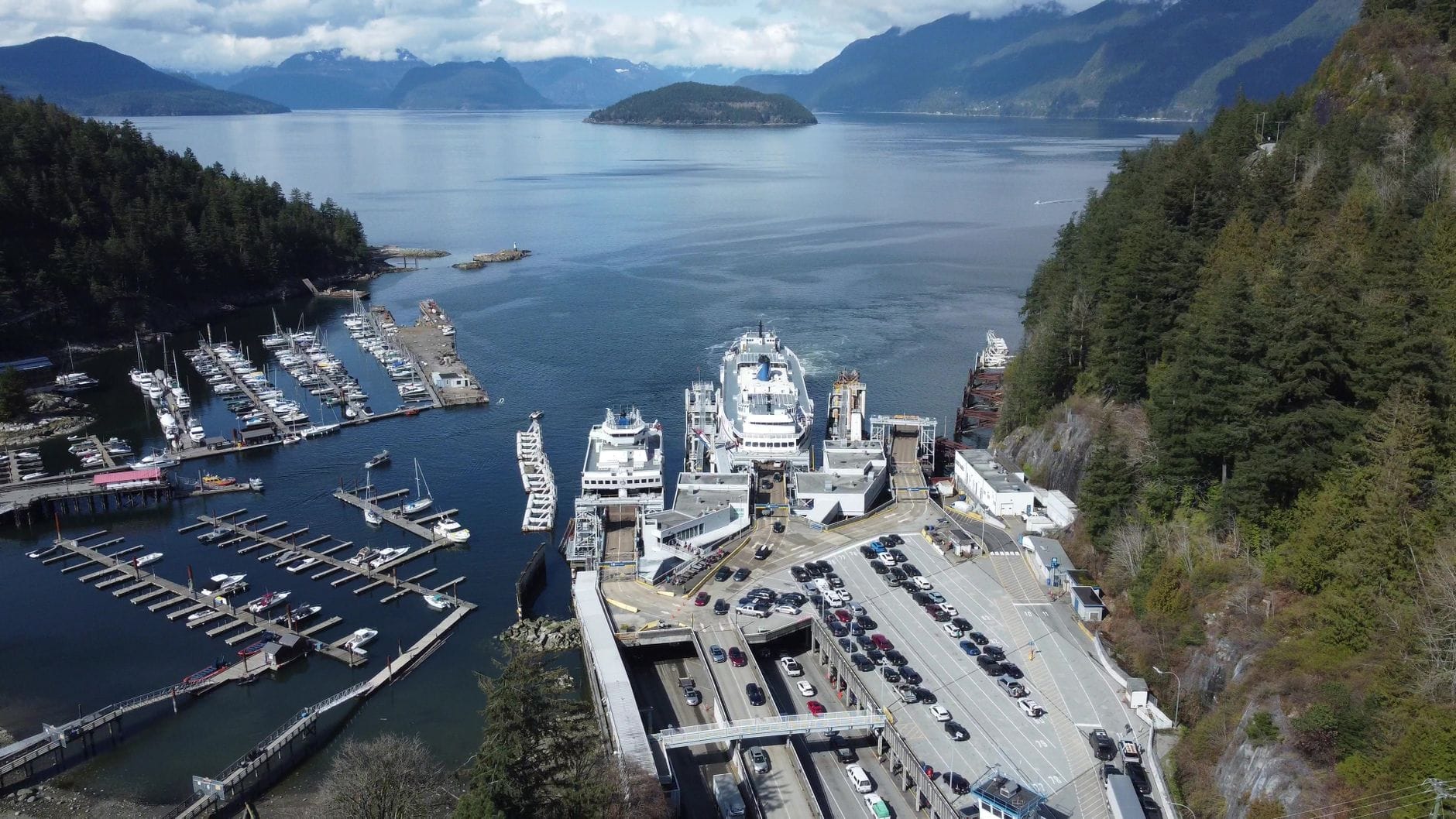
Plan and book this trip
Tools from our partner Travelpayouts help you compare flights and hotels. If you book through them, we may earn a commission at no extra cost to you.
Flights
Hotels map
TL;DR
- BC Ferries operates three main routes connecting Metro Vancouver to Vancouver Island, with crossings ranging from 95 minutes to 2 hours.
- Walk-on adult fares start around CA$20 one-way; vehicles typically cost CA$85-120+ depending on route and season. Always plan your transit to the ferry terminal in advance.
- Vehicle reservations are mandatory on the Horseshoe Bay to Departure Bay route; drive-up is no longer available in that direction.
- Summer sailings run roughly hourly on major routes but waits can be long for vehicles without reservations.
- The ferry does not run downtown-to-downtown: terminals sit 30-45 minutes' drive from city centres on both sides. Factor this into your day trip timing.
Understanding the Routes: Which Ferry Should You Take?
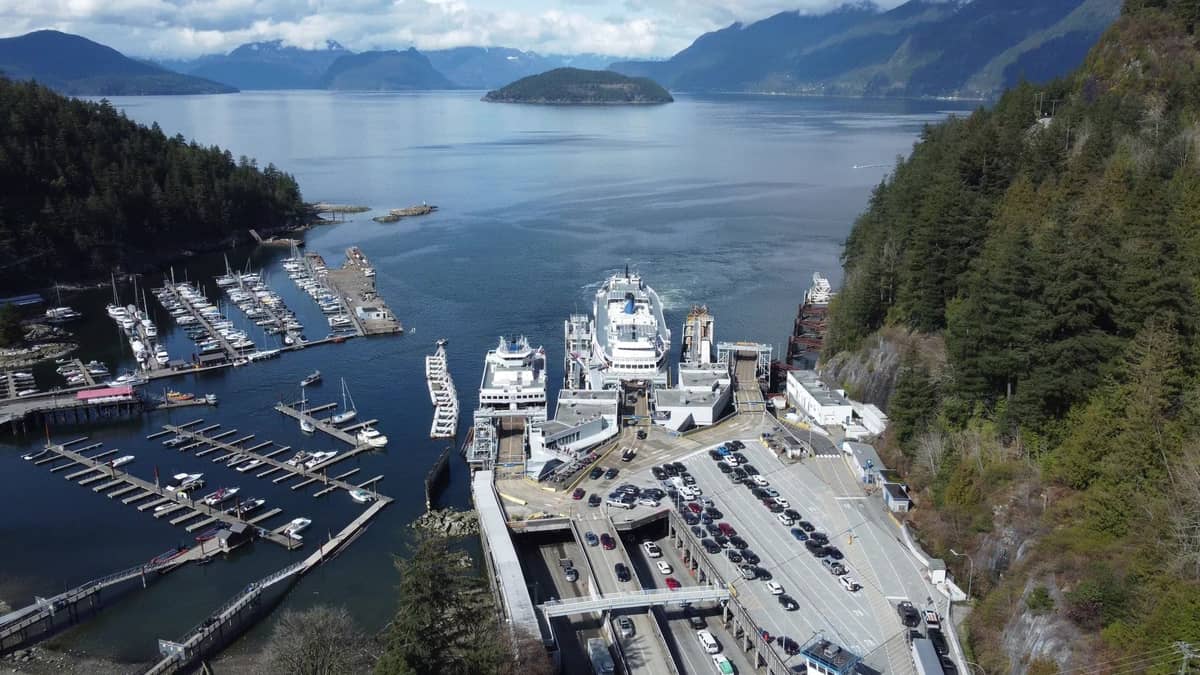
Vancouver Island sits across the Strait of Georgia from Metro Vancouver, separated by roughly 30-50 kilometres of open water depending on the crossing point. BC Ferries runs the main vehicle and passenger service on three principal routes, each serving a different purpose depending on where you are coming from and where on the island you want to go.
- Tsawwassen to Swartz Bay (for Victoria) The most popular route for visitors heading to Victoria or the southern island. Crossing time is approximately 95 minutes. Tsawwassen terminal is about 35-40 km south of downtown Vancouver; Swartz Bay is about 30 km north of Victoria's city centre. This is the route most day-trippers use.
- Horseshoe Bay to Departure Bay (for central Nanaimo) Departs from West Vancouver's Horseshoe Bay terminal, roughly 20 km northwest of downtown Vancouver. Crossing time is about 1 hour 40 minutes. Arrival is at Departure Bay in Nanaimo, convenient for central and northern Vancouver Island destinations. Vehicle reservations are mandatory on this route; drive-up is no longer accepted toward Nanaimo.
- Tsawwassen to Duke Point (for south Nanaimo) A longer crossing of approximately 2 hours that arrives at Duke Point terminal, just south of Nanaimo. Less scenic than the Horseshoe Bay route but useful if you're coming from south of Vancouver and want to avoid the city entirely. Good option for travelers heading further north on the island.
⚠️ What to skip
The ferry does NOT run from downtown Vancouver to downtown Victoria. The Tsawwassen-Swartz Bay route requires 35-40 minutes of driving on each end to reach city centres. Build at least 90 minutes of ground travel into your schedule on top of the sailing time.
BC Ferries Fares: What It Actually Costs
Fares are not fixed year-round. BC Ferries uses a variable pricing model that shifts by route, season, vehicle size, and demand. The figures below are general reference ranges; always confirm current fares at bcferries.com before booking.
- Walk-on adult passenger From approximately CA$20 one-way on major routes. Children and seniors qualify for reduced fares. Foot passengers can typically board without reservations, though online check-in is available at no extra cost.
- Standard vehicle plus driver (up to 20 ft) Approximately CA$85-120+ one-way depending on route and season. Vehicle fares do not include passenger fares, which are charged separately per person.
- Vehicle length surcharges Reference fares for Nanaimo routes have listed approximately CA$63.85 for standard vehicles under 20 ft, plus around CA$7.25 per extra foot. Larger vehicles, RVs, and trailers should calculate costs carefully before assuming a standard fare.
- Reservation fees A reservation fee applies when booking vehicles in advance. This is separate from the fare itself and is non-refundable if you miss your sailing. Check the BC Ferries site for current reservation fee amounts.
💡 Local tip
Going as a foot passenger is the most economical and flexible option for a day trip. You skip vehicle waits entirely, can board standby, and on the Victoria end you can reach downtown via public transit from Swartz Bay. Round-trip walk-on costs around CA$40 for an adult, making it competitive with many other day excursions.
Schedules, Reservations & Seasonal Logistics
On the Tsawwassen-Swartz Bay route, sailings run several times daily year-round. In peak summer (late June through August), frequency climbs to roughly hourly in each direction. Shoulder seasons (May, September, October) see departures every couple of hours. Winter schedules are reduced further. The BC Ferries app and website show live schedules and current capacity.
The single most important logistics decision for anyone taking a vehicle is whether to reserve. On the Horseshoe Bay to Departure Bay route, reservations for vehicles are mandatory when traveling toward Nanaimo. On other routes, reservations are optional for vehicles but strongly advised on summer weekends and holidays. Without a reservation in peak season, you may wait through multiple sailings before getting on, especially on Friday afternoons and Sunday evenings.
✨ Pro tip
If you're doing a summer day trip to Victoria without a car, take the first sailing of the day from Tsawwassen (often departing around 7-8am) and book the last sailing back. This maximizes time on the island. The terminal is accessible via transit from downtown Vancouver, though you'll need to leave early to make it.
Getting to Tsawwassen from downtown Vancouver without a car takes roughly 60-75 minutes via TransLink. Take the Canada Line SkyTrain south to Bridgeport Station, then catch the 620 bus to Tsawwassen Ferry Terminal. For a full overview of transit options in the city, see the getting around Vancouver guide. Horseshoe Bay terminal in West Vancouver is accessible via bus from downtown, but connections are less direct and take about 45-60 minutes.
Alternative Ferry Options Worth Knowing
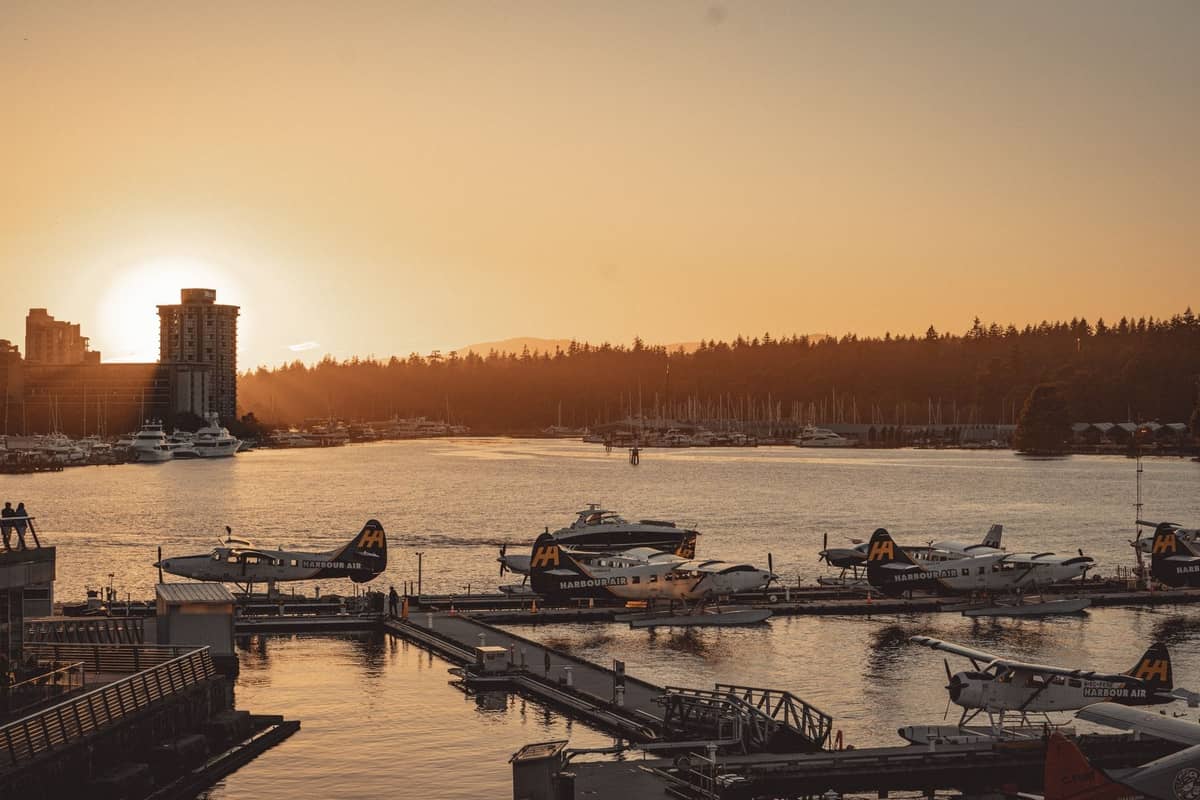
BC Ferries is not the only option. Two alternatives serve specific needs and are frequently overlooked.
Hullo operates high-speed passenger-only ferries between downtown Vancouver (Waterfront) and Nanaimo. The crossing takes under an hour and departs from central locations on both ends, eliminating the terminal driving problem entirely. This is particularly convenient for travellers staying downtown who want to reach Nanaimo quickly without a car. No vehicle transport is available.
Black Ball Transport runs the Coho Ferry between Port Angeles, Washington and Victoria. This is not a Vancouver departure point, but travelers doing a loop between Vancouver, Victoria, and the US Pacific Northwest sometimes use it as an exit or entry point. As of recent schedules, walk-on fares were listed around US$25 per adult and vehicle fares around US$88 for vehicles under 18 ft plus driver, with reservation fees on top. Confirm current fares with Black Ball directly before planning around this route.
What to Do Once You Arrive: Day Trip Options by Route
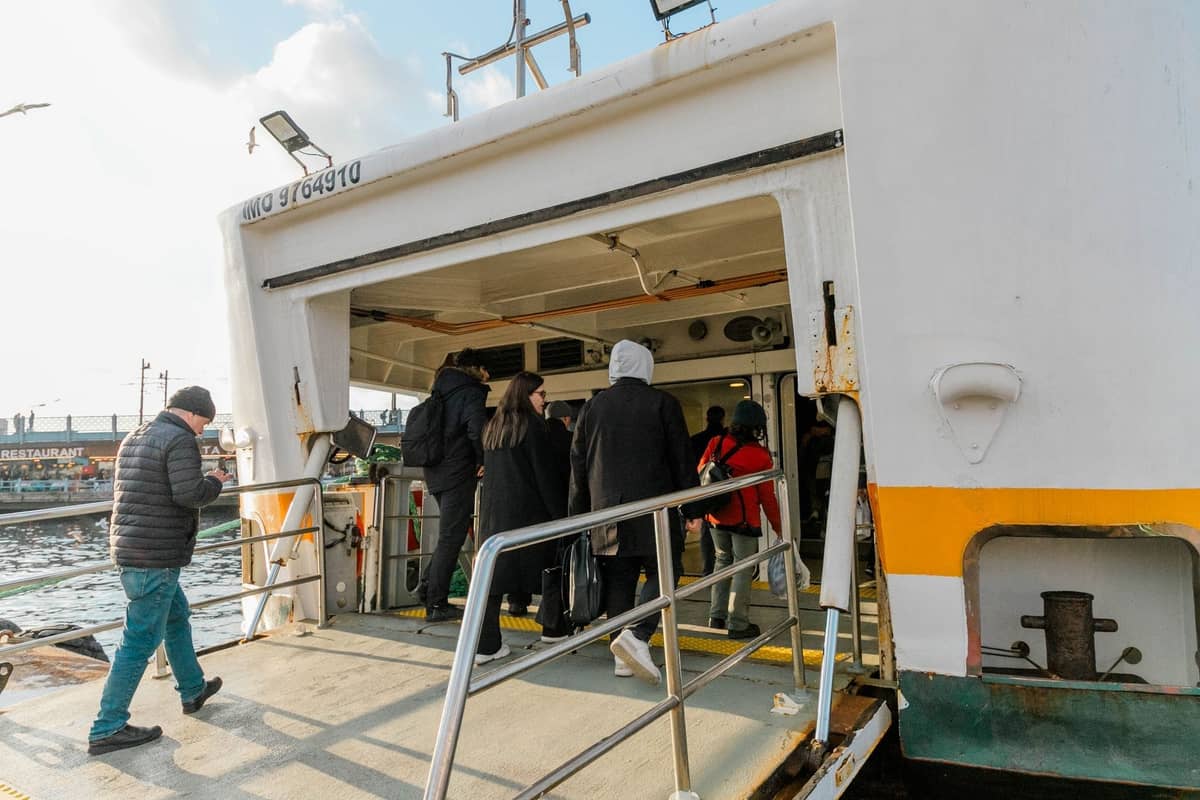
Most day-trippers use the Tsawwassen-Swartz Bay route to reach Victoria. The city is compact and walkable, with the historic Inner Harbour, the BC Legislature buildings, and the Royal BC Museum all within easy reach. If you're spending a day in Vancouver beforehand, pair the trip with time in Gastown or Granville Island Public Market before catching an early ferry the next morning.
Nanaimo, accessible via either the Horseshoe Bay or Tsawwassen-Duke Point routes, is a practical base for exploring central Vancouver Island. The Old City Quarter downtown is walkable from Departure Bay terminal. From Nanaimo you can connect to Parksville, Qualicum Beach, or Tofino, though those destinations require additional driving time and are better suited to overnight trips than single-day excursions from Vancouver.
Vancouver Island weather follows a similar oceanic pattern to Vancouver, with mild winters and dry summers, but the west coast of the island (Tofino, Ucluelet) receives dramatically more rainfall. For detailed planning around weather windows, check the Vancouver weather guide for mainland conditions, and factor in additional travel time if you're heading to the island's west coast.
If you're combining a day trip to the island with broader exploration of the region, the day trips from Vancouver guide covers other options including Whistler, the Fraser Valley, and the Gulf Islands. For visitors with more time, the 3 days in Vancouver itinerary can be extended with an island overnight before returning.
Common Mistakes and Things People Get Wrong
The biggest planning errors on this route are consistently the same: underestimating total travel time, assuming you can drive up without a reservation, and not checking seasonal schedule changes.
- Assuming drive-up is available everywhere Horseshoe Bay to Departure Bay no longer accepts drive-up vehicle fares toward Nanaimo. Showing up without a reservation means you cannot board. This policy change catches many regular travellers off guard.
- Treating the schedule as fixed year-round Summer and winter timetables are substantially different. A route that runs hourly in July may run every two to three hours in November. Always check the current schedule before locking in plans.
- Forgetting about Vancouver Island marmots The Vancouver Island marmot is one of Canada's most endangered mammals, endemic only to the mountains of Vancouver Island. If wildlife is part of your trip, note that sightings require specific mountainous areas and are not guaranteed. They are not roadside attractions.
- Underestimating terminal-to-city travel Add 35-45 minutes on each end for Victoria (Swartz Bay to downtown), and 20-30 minutes for Nanaimo (Departure Bay to city centre). A 95-minute crossing does not mean you arrive in Victoria 95 minutes after leaving Vancouver.
- Skipping the ferry map before arrival The Tsawwassen terminal is significantly south of Vancouver, while Horseshoe Bay is northwest in West Vancouver. Many visitors search for a Vancouver island map and are surprised by how far the terminals are from downtown. Allow time for terminal access regardless of your transport method.
FAQ
How long does the ferry from Vancouver to Vancouver Island take?
It depends on the route. Tsawwassen to Swartz Bay (for Victoria) takes approximately 95 minutes. Horseshoe Bay to Departure Bay (Nanaimo) is about 1 hour 40 minutes. Tsawwassen to Duke Point (south Nanaimo) is about 2 hours. These are sailing times only and do not include driving to and from terminals.
Do I need to book BC Ferries in advance?
For vehicles on the Horseshoe Bay to Departure Bay route, reservations are mandatory. On other major routes, reservations are optional but strongly recommended in summer, on weekends, and during holidays to avoid missing multiple sailings. Foot passengers can generally board without advance booking, though online check-in is available at no extra cost.
How much does the Vancouver to Vancouver Island ferry cost?
Walk-on adult fares start from around CA$20 one-way. Vehicle fares (standard car up to 20 ft plus driver) typically range from CA$85 to CA$120+ one-way depending on route and season. Passenger fares are charged separately on top of the vehicle fare. Fares change by season and route, so check bcferries.com for current pricing before booking.
Can I do a day trip to Victoria from Vancouver?
Yes, but it makes for a long day. The Tsawwassen-Swartz Bay route is the standard choice. Take an early morning sailing, spend 5-6 hours in Victoria, and return on an evening departure. Going as a foot passenger simplifies logistics, and public transit connects Swartz Bay to downtown Victoria. The total round-trip travel time including terminals is around 5-6 hours, leaving limited time in the city.
What is the Vancouver Island marmot and where can I see one?
The Vancouver Island marmot is a critically endangered rodent found only in the high subalpine meadows of Vancouver Island's mountains, making it one of the rarest mammals in Canada. They are not found near ferry terminals or in urban areas. Conservation programs operate in specific mountainous zones. If wildlife viewing is your goal, research dedicated marmot recovery sites before your trip, as sightings are not guaranteed.