Vancouver to Calgary: Best Ways to Travel & What to Expect
The trip from Vancouver to Calgary covers roughly 970 km and can be done by plane, car, or bus. Each option has real trade-offs. This guide breaks down the costs, logistics, and seasonal considerations so you can choose the route that actually works for your trip.
Plan and book this trip
Tools from our partner Travelpayouts help you compare flights and hotels. If you book through them, we may earn a commission at no extra cost to you.
Flights
Hotels map
TL;DR
- Vancouver to Calgary is about 970–1,000 km by road, or a 1-hour flight.
- Flying is the fastest option (around CA$100–200 one way); driving via the Trans-Canada is the most scenic — see our day trips from Vancouver guide if you want to break the journey up.
- There is no direct passenger train between Vancouver and Calgary — only premium tourist rail with road transfers.
- The best road-trip window is mid-May to mid-October; winter mountain driving is serious and requires winter tires.
- If you're driving through the national parks, budget for a Parks Canada pass.
The Basics: Distance, Time, and Options at a Glance
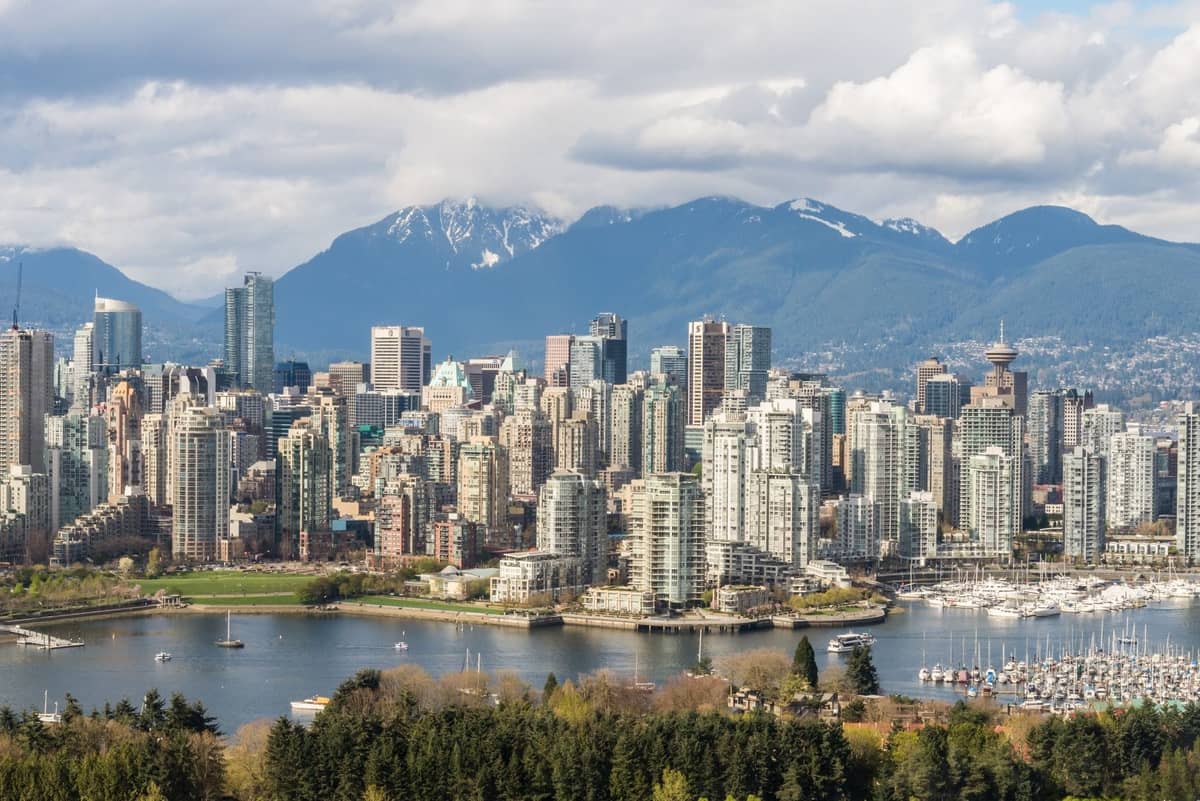
Vancouver and Calgary sit at opposite ends of Canada's most dramatic mountain corridor. The straight-line distance is around 675 km, but the road distance via the Trans-Canada Highway stretches to roughly 970–1,000 km because of the terrain. That context matters: this is not a quick trip by car, and the geography shapes every option you have.
Vancouver itself is one of Canada's most geographically striking cities, positioned on a peninsula between Burrard Inlet and the Fraser River delta. Before you head east, getting around Vancouver by transit is straightforward thanks to TransLink's SkyTrain and bus network, so you don't need a car on the Vancouver end unless you're planning to drive the full route.
- By plane Around 1 hour non-stop from YVR to YYC. Fastest option, best value when booked in advance.
- By car 10–12 hours non-stop via Trans-Canada Hwy 1. Best if you want to see the Rockies or need a vehicle in Calgary.
- By bus (Rider Express) Around 15 hours. Budget-friendly but long. Good for solo travelers without a car.
- By scenic rail (Rocky Mountaineer) Multi-day luxury experience via Banff or Jasper. Not a transport option — it's a touring experience with premium pricing.
Flying Vancouver to Calgary: The Practical Choice
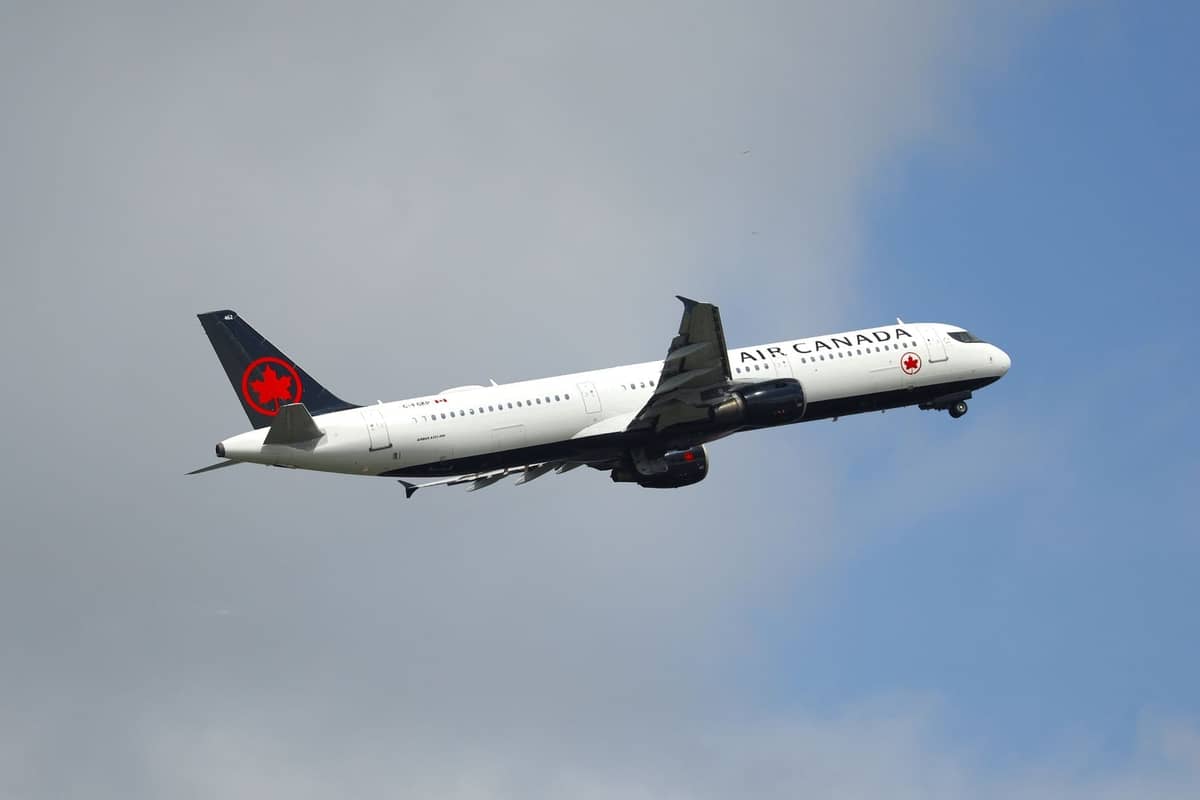
For most travelers, flying is the obvious answer. Air Canada and WestJet both run frequent non-stop services between Vancouver International Airport (YVR) and Calgary International Airport (YYC). During peak travel periods, departures run roughly every one to two hours throughout the day. The flight itself is about 60–70 minutes in the air.
Advance-purchase one-way fares typically start around CA$100–200 on both carriers, though prices spike during summer, long weekends, and the holiday season. If you're flexible on dates, midweek departures (Tuesday and Wednesday especially) tend to be cheaper. Budget enough time for the airport: YVR is about 12 km south of downtown Vancouver via the Canada Line SkyTrain, which takes around 25 minutes to Waterfront Station.
💡 Local tip
Book flights at least 3–4 weeks out for the best fares on this route. Last-minute pricing between Vancouver and Calgary can spike significantly, especially on Friday afternoons and Sunday evenings when the business travel crowd dominates.
One honest drawback of flying: once you factor in getting to YVR, security, boarding, the flight, baggage claim, and getting into Calgary from YYC, door-to-door time is closer to 4–5 hours. Flying wins on overall speed, but not by as wide a margin as the 1-hour flight time implies.
Driving Vancouver to Calgary: Routes, Timing, and What to Expect
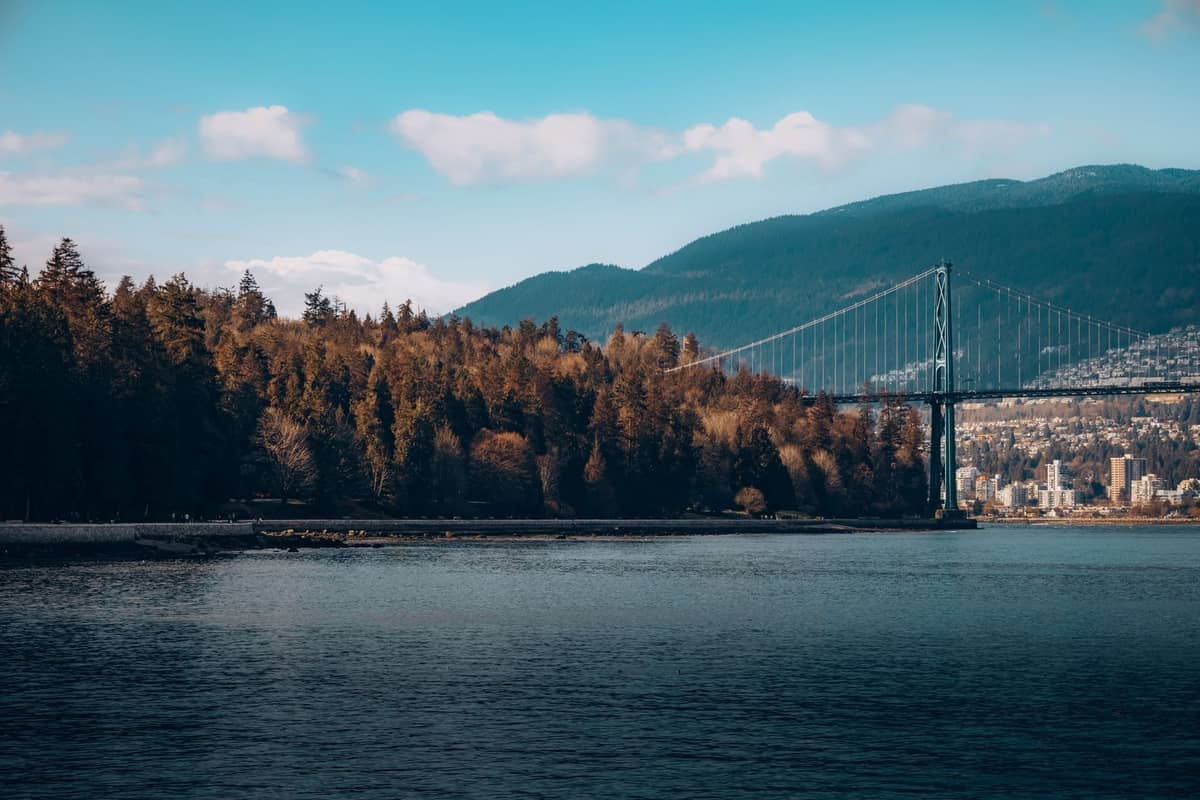
The standard route follows the Trans-Canada Highway (Hwy 1) east through Kamloops, then over Rogers Pass through Revelstoke and Golden, and into Alberta via Banff. Non-stop, this is a 10–12 hour drive. Most people who do it in a single push leave Vancouver by 6 or 7am to arrive in Calgary before dark — feasible, but exhausting. A two-day itinerary with an overnight in Revelstoke or Golden is a far better experience.
Two alternative routes exist. The first goes north on Hwy 99 through Whistler and Lillooet before connecting back to the Trans-Canada. It's more scenic but adds time and is genuinely challenging in winter. If you're considering it, check out our guide to Vancouver to Whistler for what to expect on the northern leg. The second alternative heads south through the Fraser Valley and east via Hwy 3 through the Okanagan or the Crowsnest Pass. It's longer overall but gentler terrain.
⚠️ What to skip
Winter driving on mountain passes is not casual. BC regulations require winter tires (M+S, three-peaked mountain and snowflake, or equivalent) on most BC highways from October 1 to March 31. The Hwy 99 Duffy Lake section is specifically noted for avalanche risk and can close without notice. Check DriveBC (drivebc.ca) before departure and 511 Alberta once you cross the border.
The drive through Rogers Pass and into Banff National Park is genuinely one of the best road trips in North America. Stopping at Revelstoke National Park, the town of Golden, and at least one pull-out in Banff is worth the extra day. Cell service drops out on several stretches — notably between Revelstoke and Golden and between Golden and Lake Louise — so download offline maps before you leave.
- Parks Canada pass: required for stops inside Glacier, Yoho, Banff, Kootenay, or Jasper National Parks. Buy online in advance or at park gates.
- Gas up in Revelstoke: there are long gaps between stations in the mountains.
- Rogers Pass (elevation about 1,330 m) can see snow any month. Even in July, morning fog is common.
- Banff townsite gets extremely crowded in July and August — arrive early or pass through.
- Wildfire season (late June to mid-August) can reduce visibility significantly and occasionally force road closures in BC.
Taking the Bus: Rider Express and the Budget Option
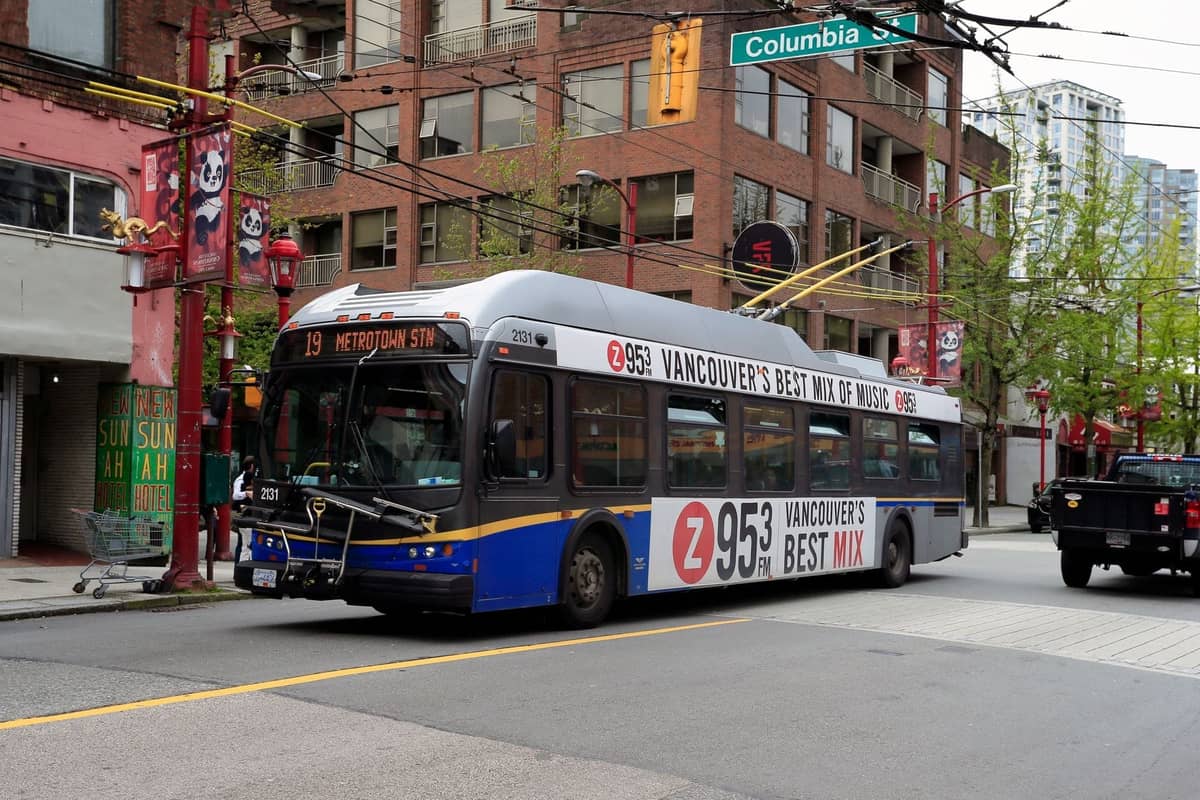
Rider Express operates a coach service between Vancouver and Calgary. Travel time is around 14–16 hours, and one-way fares have generally been in the CA$150–170 range, though pricing varies by date and how far in advance you book. It's not glamorous, but it's a legitimate option for travelers who don't need to arrive quickly and want to avoid both rental car costs and the stress of mountain driving.
The bus departs from Vancouver and makes stops along the route. Confirm current schedules and pick-up points directly on the Rider Express website before booking, as these details change. This option works best for solo travelers heading to Calgary without needing a vehicle on arrival.
ℹ️ Good to know
There is no Greyhound service on this route. Greyhound Canada suspended all Canadian operations in 2021. Rider Express is currently the main scheduled coach operator for the Vancouver–Calgary corridor.
Train Travel: What Actually Exists (and What Doesn't)
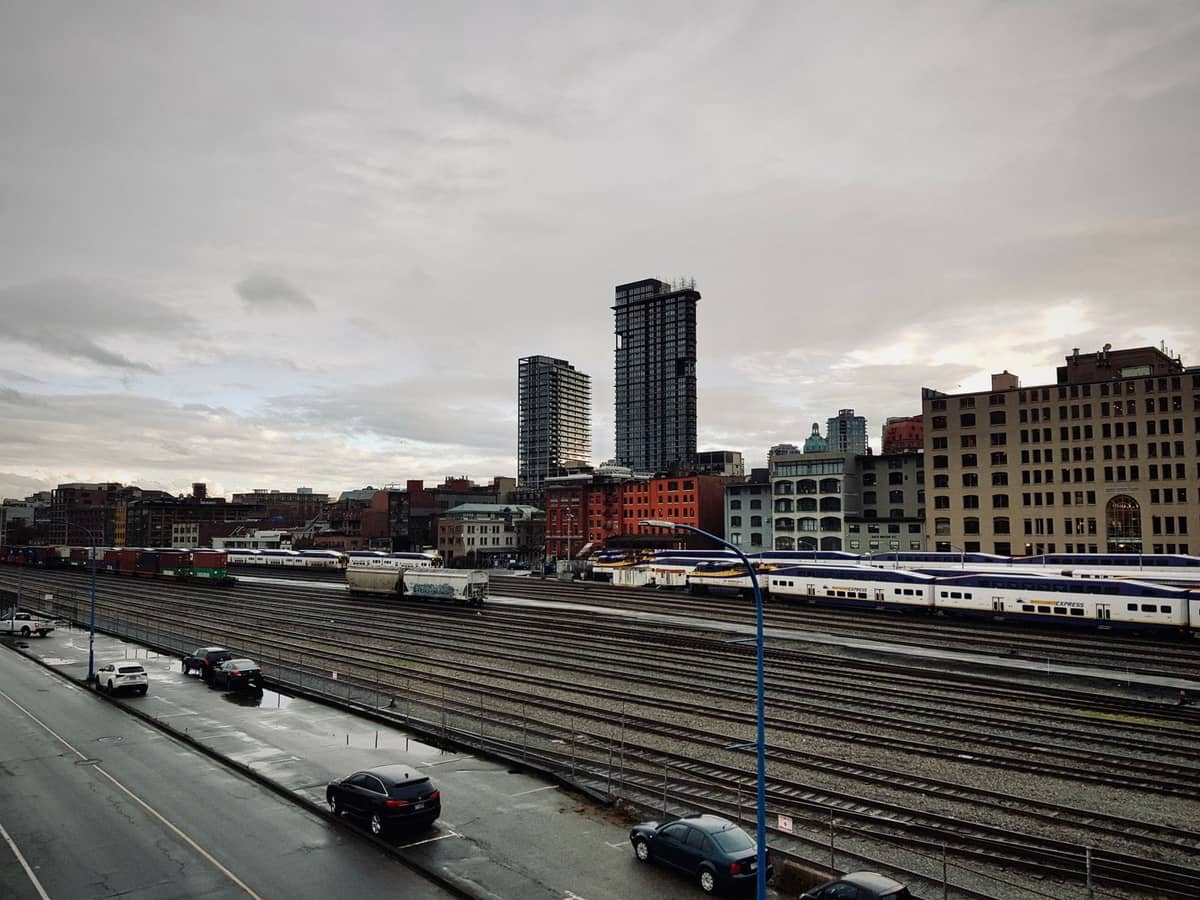
This is one of the most common misconceptions about this route: there is no direct public passenger train between Vancouver and Calgary. VIA Rail does not serve this corridor. The Rocky Mountaineer is often mentioned in the same breath, but it is a luxury touring experience rather than a transport link.
The Rocky Mountaineer runs multi-day scenic rail journeys on routes such as Vancouver to Jasper (Rainforest to Gold Rush route) and Vancouver to Banff or Lake Louise (Journey through the Clouds route). These are two-day rail experiences with overnight stops in Kamloops. Reaching Calgary from Banff or Jasper still requires a road transfer. Pricing is in the premium range — this is a bucket-list experience, not a budget transport option. If that kind of trip interests you, book well in advance as departure dates sell out.
Seasonal Timing: When to Go and What Changes
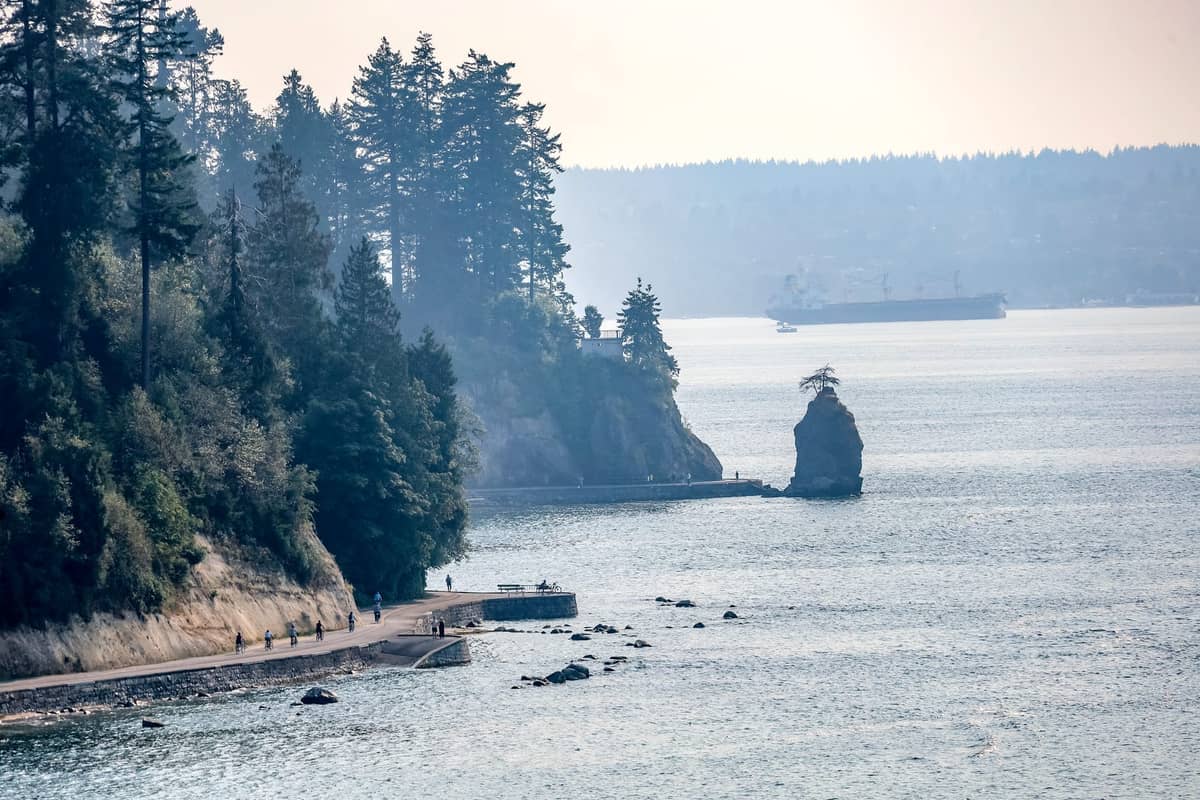
The best overall window for the road trip is mid-May through mid-October. Mountain trails open progressively through June, and the national parks are at their most accessible in July and August — though that's also when crowds peak in Banff and Jasper. For weather in Vancouver before you depart, our best time to visit Vancouver guide covers the full seasonal picture.
If you're planning a summer departure, be aware that wildfire smoke is a real factor from late June through August. Some years the Rockies are clear and spectacular; other years smoke from BC and Alberta fires reduces visibility substantially and can force trail closures. Check AirNow or Environment Canada's air quality forecast before heading out. For those interested in combining Vancouver sightseeing with the trip east, Vancouver in summer covers the city's best seasonal activities.
Shoulder season (May–June and September–October) offers a genuine sweet spot: fewer crowds, lower accommodation prices in Banff and Jasper, and the fall larch season in late September is one of the most photogenic spectacles in the Canadian Rockies. Snow is possible at elevation in both May and October, so check road conditions and pack layers regardless.
Winter travel by car is possible but should not be underestimated. Rogers Pass averages several metres of snowfall annually and is actively managed with avalanche control. Drivers need proper winter tires, not just all-seasons, and should be comfortable in icy mountain conditions. Flying in winter is simply easier and safer for most people.
FAQ
How long does it take to drive from Vancouver to Calgary?
Non-stop, the drive takes 10–12 hours via Trans-Canada Hwy 1. Most people break it into two days with an overnight stop in Revelstoke or Golden. Adding national park stops in Glacier, Yoho, or Banff will add 2–4 hours.
What is the cheapest way to get from Vancouver to Calgary?
The cheapest option depends on timing. Budget flights on Air Canada or WestJet booked in advance can be as low as CA$100 one way. The Rider Express bus costs around CA$150–170 but takes 15 hours. Driving is cost-effective if you're splitting costs with passengers, but factor in fuel, tolls, and potential park passes.
Is there a train from Vancouver to Calgary?
No direct public passenger train exists. VIA Rail does not serve this route. The Rocky Mountaineer offers luxury multi-day scenic rail journeys via Kamloops to Banff or Jasper, but it is a touring experience that still requires a road transfer to reach Calgary.
Is the Vancouver to Calgary drive safe in winter?
It can be done but it requires proper preparation. BC mandates winter tires on most highway sections from October to April. Rogers Pass and the Hwy 99 Duffy Lake corridor are particularly challenging. Check DriveBC and 511 Alberta for current conditions before departure, and be prepared for possible closures.
What is the most scenic route from Vancouver to Calgary?
The Trans-Canada via Revelstoke, Rogers Pass, Golden, and Banff is the classic scenic route. For more scenery at the cost of extra time, Hwy 99 through Whistler and Lillooet is dramatic, though it is a more demanding drive and closes more readily in winter.