Vancouver in Summer: What to Do in June, July & August
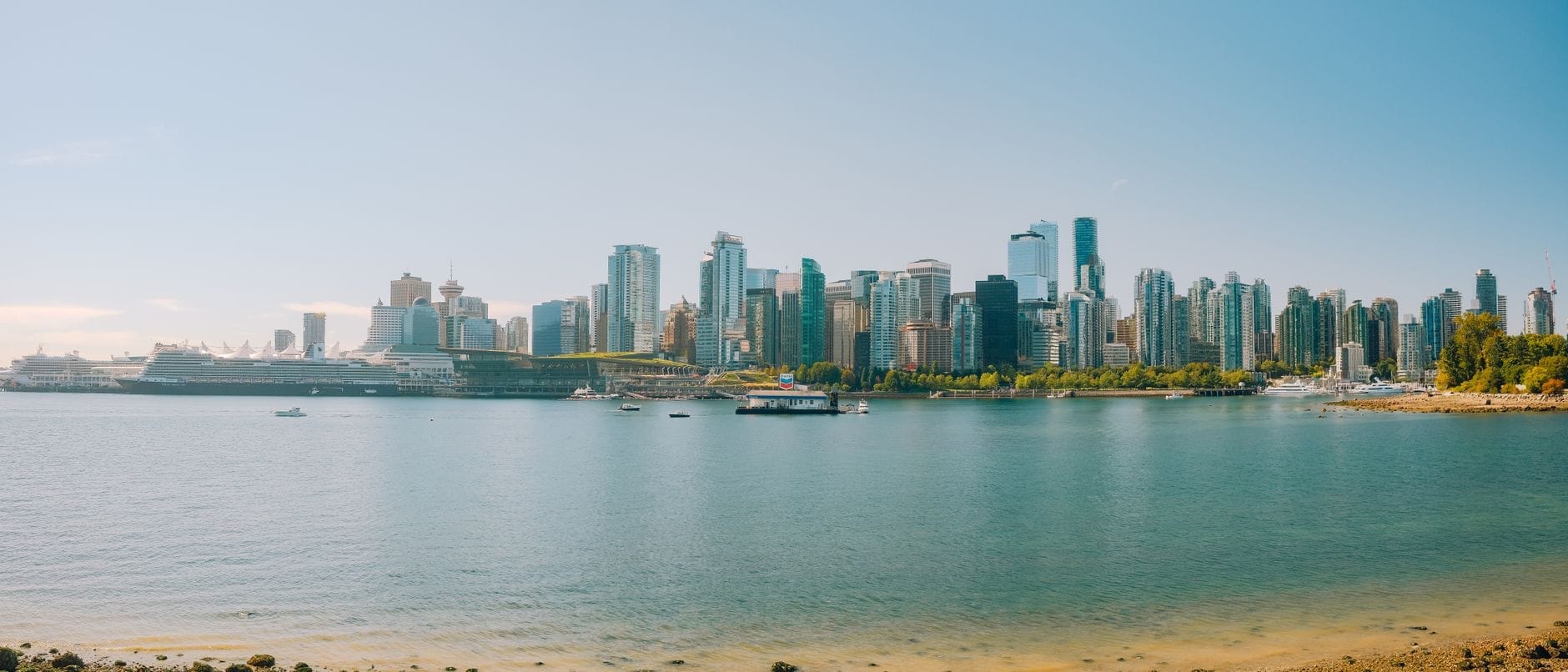
Summer is Vancouver's best season by most measures: dry weather, long daylight hours stretching past 9 pm, and a calendar packed with outdoor events. This guide covers what to do each month, how much it costs, where crowds get bad, and what the city actually feels like when temperatures hit their annual peak.
Plan and book this trip
Tools from our partner Travelpayouts help you compare flights and hotels. If you book through them, we may earn a commission at no extra cost to you.
Flights
Hotels map
TL;DR
- Summer (June–August) is Vancouver's driest season, with average July highs around 22°C and sunset after 9 pm near the solstice.
- July and August are high season — book accommodations, Capilano Suspension Bridge, and Grouse Mountain tickets in advance.
- The Stanley Park Seawall, Kitsilano Beach, and Granville Island Public Market are free to access and worth your time any day of the week.
- Ocean water sits around 15–18°C in summer — refreshing for a swim, but colder than most visitors expect.
- Late summer (August) can bring wildfire smoke from the BC Interior; check the Air Quality Health Index before planning long hikes.
What Vancouver's Summer Weather Actually Feels Like
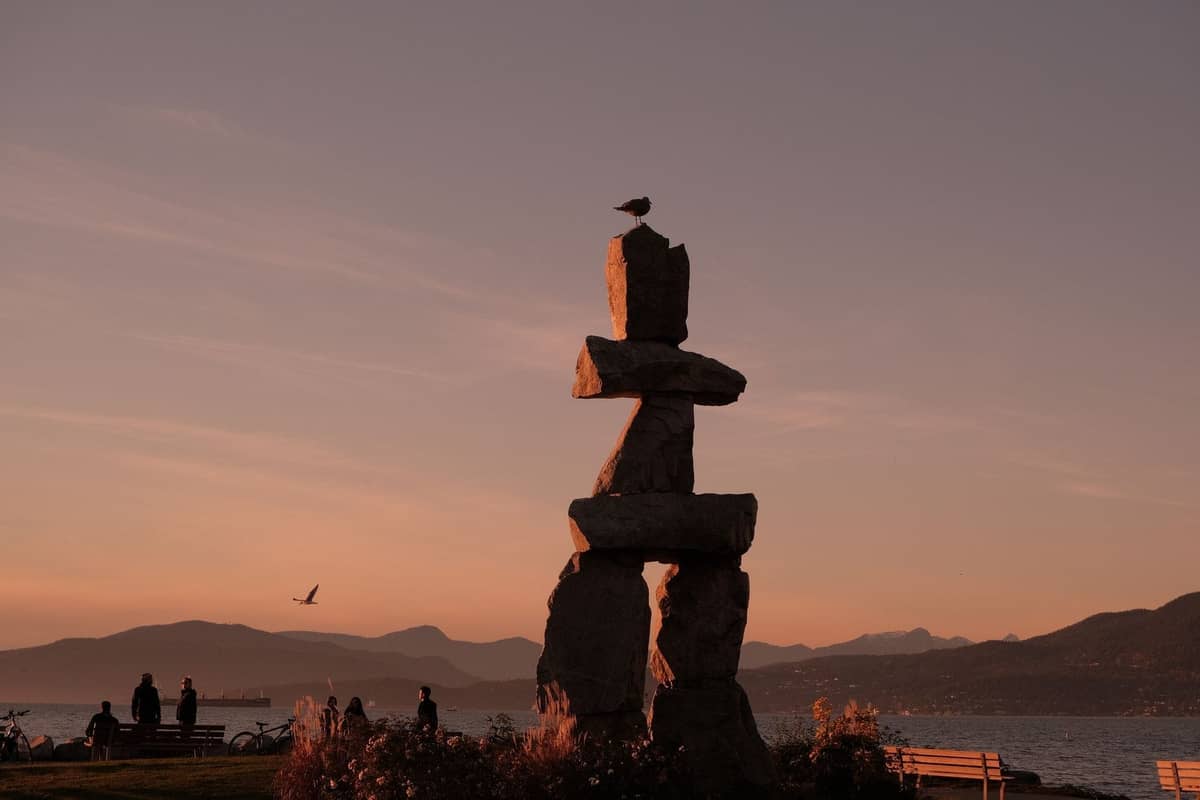
Vancouver has a temperate oceanic climate, which means summers are warm and reliably dry rather than hot and humid. July and August average highs of 20–23°C, with overnight lows around 13–15°C. June is the transition month — expect highs around 19°C but still a real chance of rain, particularly in the first half. Locals call it 'Junuary' for a reason.
Daylight is one of summer's underappreciated assets. Around the June solstice, sunset falls around 9:20 pm, giving you over 16 hours of usable light. Even by late August, you still get evenings that stretch past 8 pm. Evening walks along the seawall, late patio dinners, and outdoor concerts all benefit from this.
⚠️ What to skip
Don't assume Vancouver summers are consistently warm. Pack a light jacket for evenings — temperatures drop noticeably after sunset, especially near the water. June in particular can be overcast for days at a stretch, and rain is still possible throughout the season.
By late July and through August, wildfire smoke from the BC Interior occasionally drifts over the city, reducing visibility and degrading air quality. On bad smoke days, the mountains disappear from view and outdoor exercise becomes uncomfortable. Before planning strenuous hikes or cycling days, check Environment Canada's Air Quality Health Index (AQHI) — anything above 4 warrants caution for sensitive individuals, and above 7 affects everyone.
Major Summer Events and Festivals
Vancouver's summer event calendar is genuinely substantial. The city hosts Shakespeare festivals, Indigenous cultural events, music series, outdoor cinema, and international sporting events, often simultaneously. The key is knowing which events require tickets purchased weeks out and which you can walk into on the day.
- Bard on the Beach (June–September) Shakespeare productions performed in large tents at Vanier Park, with the North Shore mountains as a backdrop. Runs most of the summer with multiple productions in rotation. Book tickets ahead for weekend performances — popular shows sell out.
- Celebration of Light (late July–early August) A large international fireworks competition held over English Bay, with competing countries performing on different nights. The seawall and beach fill up hours in advance. Arrive by 7 pm if you want a reasonable spot for the 10 pm show.
- Pride Week (late July–early August) The Vancouver Pride Parade draws hundreds of thousands of people along Davie Street and Denman Street through the West End. The surrounding week includes parties, community events, and performances across the city.
- Pacific National Exhibition / PNE (mid-August–Labour Day) An annual fair combining concerts, carnival rides, agricultural exhibits, and food vendors at Hastings Park. The fair runs daily in its final weeks and is one of the largest events of the summer.
- Khatsahlano Street Party (July) A free street festival on West 4th Avenue in Kitsilano featuring dozens of live music acts and local vendors. One of the genuinely low-key, community-oriented events worth adding to your calendar.
ℹ️ Good to know
In 2026, Vancouver is hosting FIFA World Cup matches (June 14 – July 6, 2026), with an associated FIFA Fan Festival at the PNE running June 11 – July 19. This will significantly increase hotel demand and transit congestion during that window. If your trip overlaps, book accommodation at least 4–6 months in advance and budget extra time for getting around. Always verify current event schedules on the Destination Vancouver events calendar, as lineups and dates change annually.
Outdoor Activities Worth Your Time (and What They Cost)
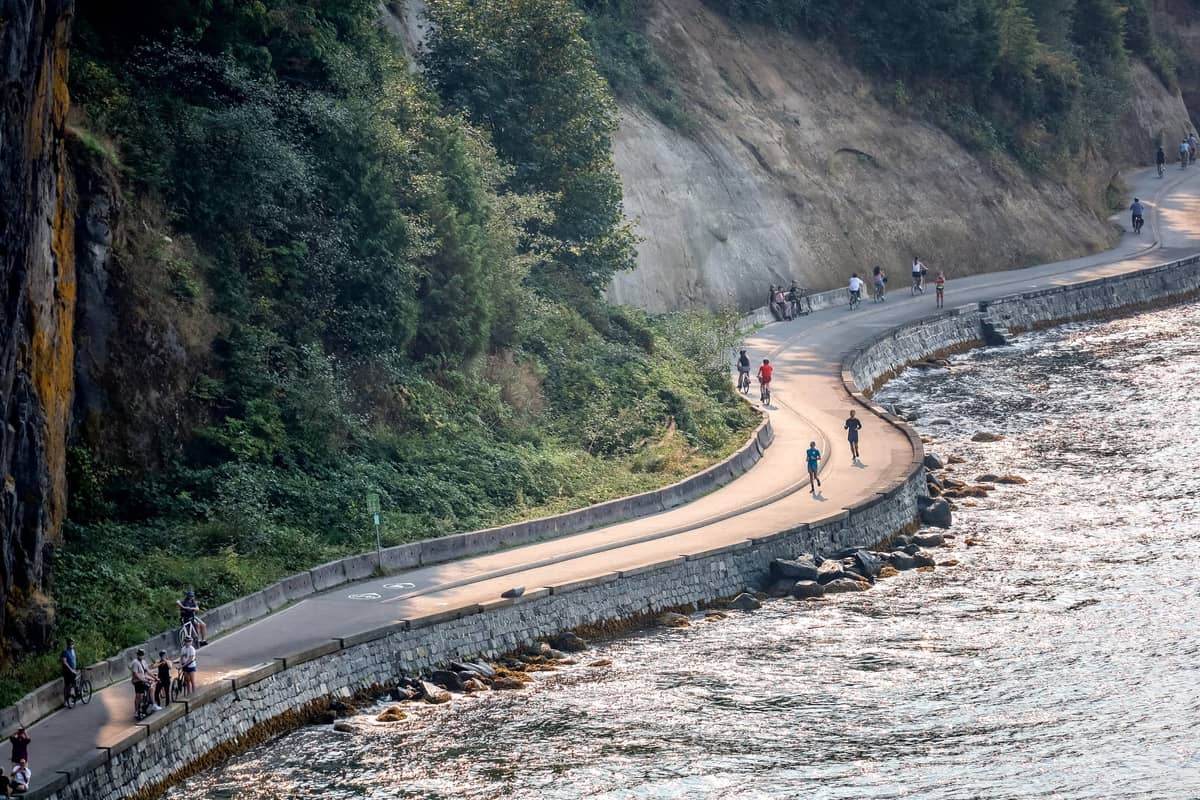
Summer is when Stanley Park earns its reputation. The 1,000-acre park borders downtown on three sides and offers beaches, forest trails, the seawall, and the Vancouver Aquarium in one continuous space. Biking the full seawall loop (around 21 km from Canada Place and back) takes 2–3 hours at a relaxed pace. Bike rentals from shops near the park entrance typically run around CA$10–15 per hour for a basic bike, with better rates for half-day or full-day rentals.
The beaches along the seawall — Second Beach, English Bay Beach, and Kitsilano Beach — are free and genuinely good on a warm afternoon. Keep expectations calibrated on water temperature: the ocean runs 15–18°C in summer, which is cool for sustained swimming but fine for a quick dip. Kitsilano Beach also has an outdoor saltwater pool (fee applies) if you want warmer water.
- Capilano Suspension Bridge Park The most-visited paid attraction in the region. Adult tickets typically run CA$60+ and must be booked online in peak season — walk-up entry on a July Saturday is genuinely difficult. Worth it for the cliff walk and tree tops adventure, but go on a weekday morning to avoid the worst crowds.
- Grouse Mountain The Skyride gondola plus mountain access is typically CA$70+ for adults. The Grouse Grind trail up the mountain face is free to hike up (you pay for the gondola down). Trail takes most visitors 1.5–2.5 hours. Popular from June onward — arrive before 9 am or after 4 pm to avoid lineup.
- Sea to Sky Gondola (Squamish day trip) About 45 minutes north on the Sea to Sky Highway, with adult day tickets around CA$65+. The summit trail network is excellent and substantially less crowded than Grouse Mountain. Pairs well with a stop in Squamish or continuing to Whistler.
- Whale watching tours Departing from downtown Vancouver or from Steveston in Richmond, tours typically run 3–5 hours and cost CA$180–230+ per adult in summer. Humpback and orca sightings are genuinely common in July and August. Book at least a week ahead.
- Kayaking and paddleboarding Rentals and guided tours operate from several locations including Deep Cove in North Vancouver and False Creek. Deep Cove is particularly scenic, with calm water and easy paddling to Quarry Rock trailhead. Expect to pay around CA$30–50 for a kayak rental depending on duration.
Neighbourhoods to Focus On in Summer
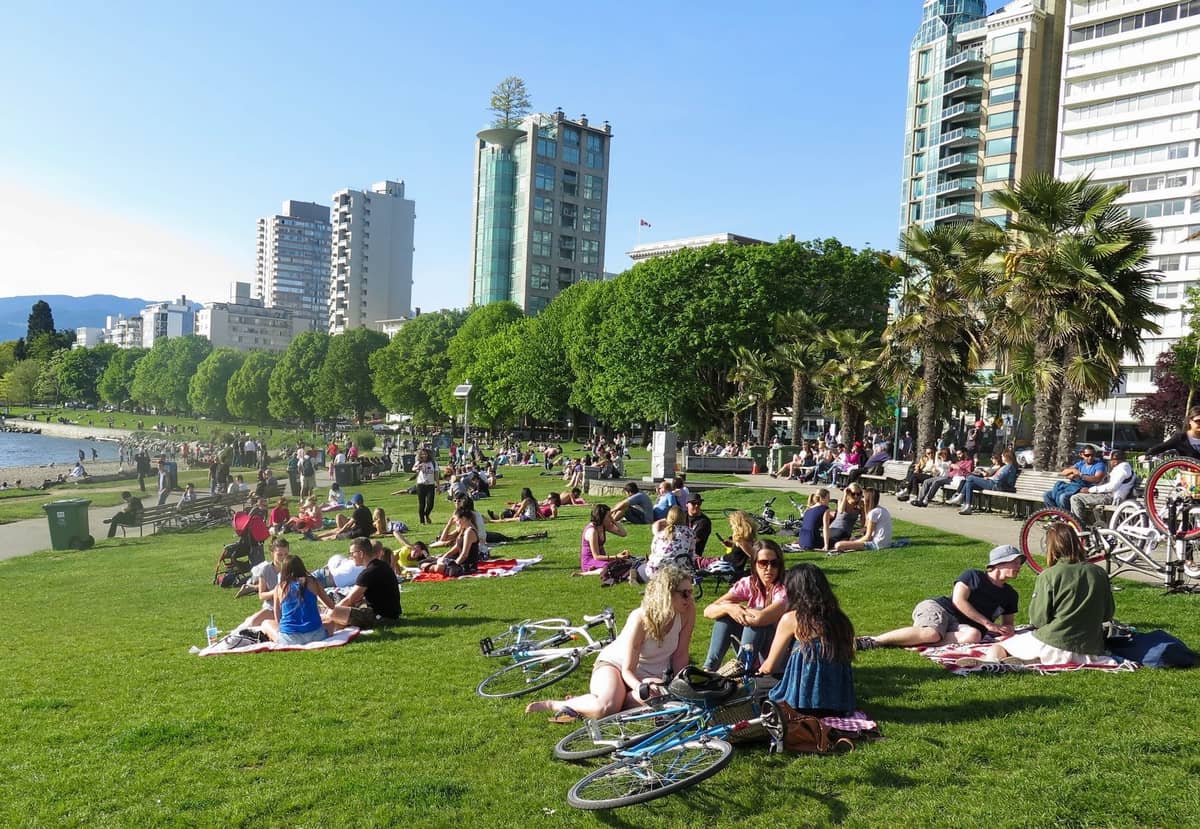
In summer, the city's coastal and waterfront neighbourhoods come fully alive. Kitsilano is arguably at its best in July and August: the beach is packed by noon, West 4th Avenue's restaurants and patios fill up by evening, and the neighbourhood has a relaxed, genuinely local energy that downtown loses to tourist traffic in peak season.
Granville Island is worth a morning visit for the Public Market — local produce, baked goods, seafood, and prepared foods — but crowds build quickly after 11 am on weekends. The surrounding arts district has working studios, independent theatres, and galleries that are easy to explore on foot. False Creek Ferries connect Granville Island to the seawall and Yaletown, and the short trip is scenic and inexpensive.
Gastown and Chinatown are walkable from each other and manageable in a half-day. Gastown's cobblestones, heritage buildings, and the famous steam clock attract significant tourist foot traffic, but the surrounding independent restaurant scene is genuinely good. Chinatown is home to the Dr. Sun Yat-Sen Classical Chinese Garden, one of the few authentic Ming Dynasty-style gardens outside China. The garden is small but historically significant and rarely overcrowded.
✨ Pro tip
The North Shore mountains are visible from most of Vancouver's waterfront on clear days, but the best elevated views of the city and surrounding water require getting above sea level. Queen Elizabeth Park (152 m elevation, free to enter) gives a 360-degree panorama including the downtown skyline and North Shore peaks — and it's far less crowded than the paid observation decks.
Getting Around Vancouver in Summer
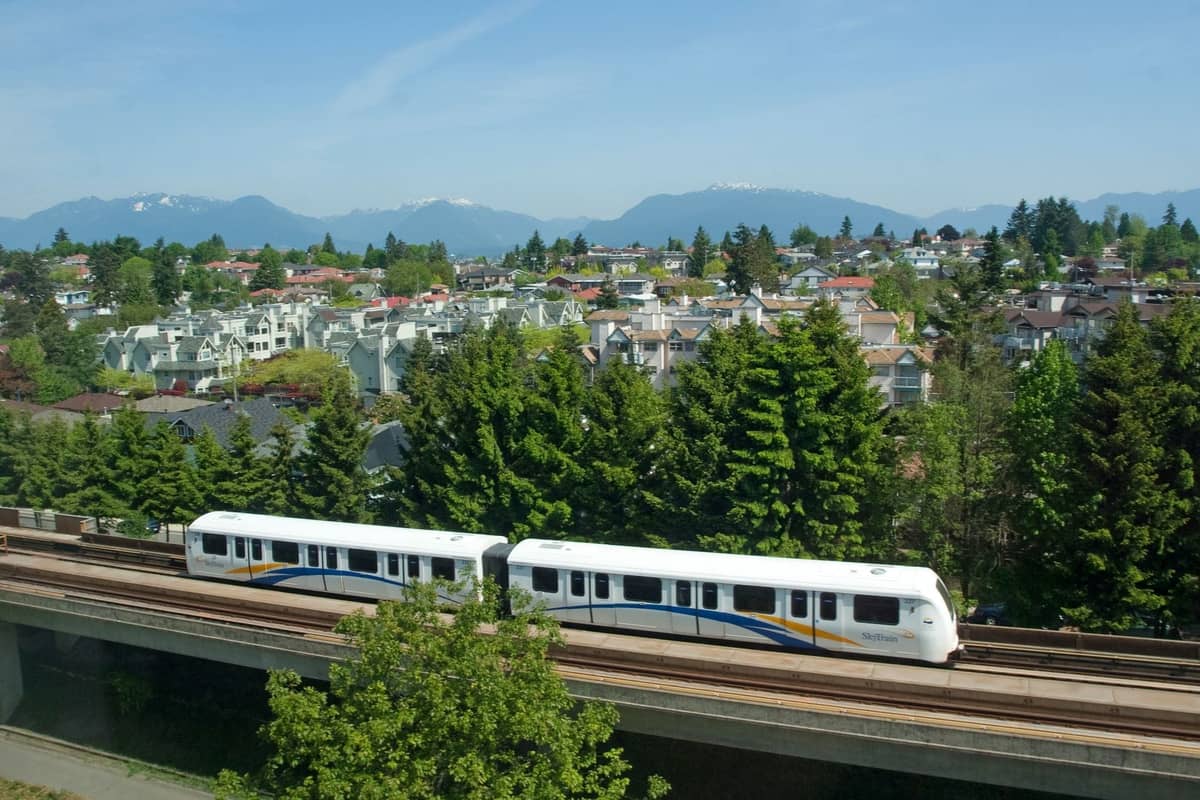
TransLink's SkyTrain, buses, and SeaBus cover the city well enough that a rental car is unnecessary for most visitors staying downtown. The Canada Line connects Canada Place and Waterfront Station to the airport in about 25 minutes, making it the most practical option for airport transfers. Standard adult cash fares start around CA$3.25 for one zone; contactless credit and debit cards are accepted on most services, so you can tap on without buying a separate card.
Cycling is a genuinely good option in summer. The seawall is one of the longest urban waterfront paths in North America, and separated bike lanes connect major neighbourhoods. Bike-share (Mobi by Rogers) operates across Vancouver with pay-per-ride and day-pass options. Uber and Lyft both operate in Metro Vancouver if you need a direct ride.
For day trips, the Sea to Sky Highway to Squamish and Whistler is among the most scenic drives in Canada. If you don't have a car, companies such as SkyLynx and Epic Rides run scheduled services to Whistler. The Vancouver to Whistler route takes about 2 hours by car or 2.5–3 hours by bus. For more day trip ideas beyond the city, the day trips from Vancouver guide covers Whistler, the Sunshine Coast, Vancouver Island, and more.
Practical Summer Tips: Costs, Crowds, and Timing
July and August are unambiguously high season. Hotel rates climb substantially compared to spring or fall, and popular properties in downtown, the West End, and Kitsilano fill up weeks in advance. If you're visiting during a major event weekend (Celebration of Light, Pride, PNE opening weekend), expect a price premium of 30–50% or more over standard summer rates. Book at least 6–8 weeks out for a reasonable selection.
For budget-conscious visitors, Vancouver's free activities are plentiful in summer: all the main beaches, the seawall, Stanley Park trails, the Granville Island market (free to browse), the Capilano River Regional Park, and most neighbourhood festivals cost nothing to attend. The Vancouver on a budget guide covers this in more detail.
- Book Capilano Suspension Bridge and Grouse Mountain online before you arrive — summer walk-up queues are long and tickets sometimes sell out on busy weekends.
- Parking near Stanley Park fills completely on warm weekends by 10 am. Take the bus (routes 19 and R5 serve the park) or bike in from downtown.
- The Granville Island Public Market is most enjoyable before 11 am on weekdays. Saturday afternoons are genuinely difficult to navigate.
- Whale-watching tours run most reliably in July and August when pods are predictable. June departures see more variability in sightings.
- Apply sunscreen even on overcast days — UV index in Vancouver can be high in summer despite cloud cover, and many visitors underestimate this.
💡 Local tip
Tipping in Vancouver follows standard Canadian norms: 15–20% at restaurants and for taxi or ride-share drivers is customary. Many point-of-sale terminals now default to 18–20% suggested tips. Tap water throughout the city is safe to drink directly from the tap, which saves on bottled water costs.
FAQ
Is Vancouver hot in summer?
Warm but not hot by most standards. July and August average highs of 20–23°C, with cool evenings around 13–15°C. Temperatures above 30°C are rare and typically last only a day or two at a time. June is cooler and wetter. Pack layers for evenings regardless of the month.
What is the best month to visit Vancouver in summer?
July is the most reliable month: statistically the driest, warmest, and with the most daylight. August is comparable but occasionally sees wildfire smoke from the BC Interior reducing air quality. June has appeal for lower prices and fewer crowds, but weather is less predictable.
How crowded does Vancouver get in summer?
Significantly crowded at major attractions. Stanley Park seawall, Capilano Suspension Bridge, Grouse Mountain, and Granville Island all see peak visitor volumes in July and August. Weekday mornings (before 10 am) are consistently less crowded than weekend afternoons. Book paid attraction tickets online before you arrive.
Can you swim at Vancouver beaches in summer?
Yes, but the water is cool. Ocean temperatures at Vancouver's beaches typically range from 15–18°C in July and August — manageable for swimming but noticeably colder than Atlantic or Mediterranean beaches. Kitsilano Beach has an outdoor pool with warmer water if that's a factor.
What should I know about getting around Vancouver in summer?
TransLink's SkyTrain and bus network covers most visitor destinations and is the most practical option for getting around without a car. Contactless credit and debit cards work on most services. Cycling is excellent in summer with the seawall and separated bike lanes. Rental cars are useful mainly for day trips out of the city (Whistler, Squamish, Sunshine Coast) — driving within Vancouver during summer can be slow and parking expensive.