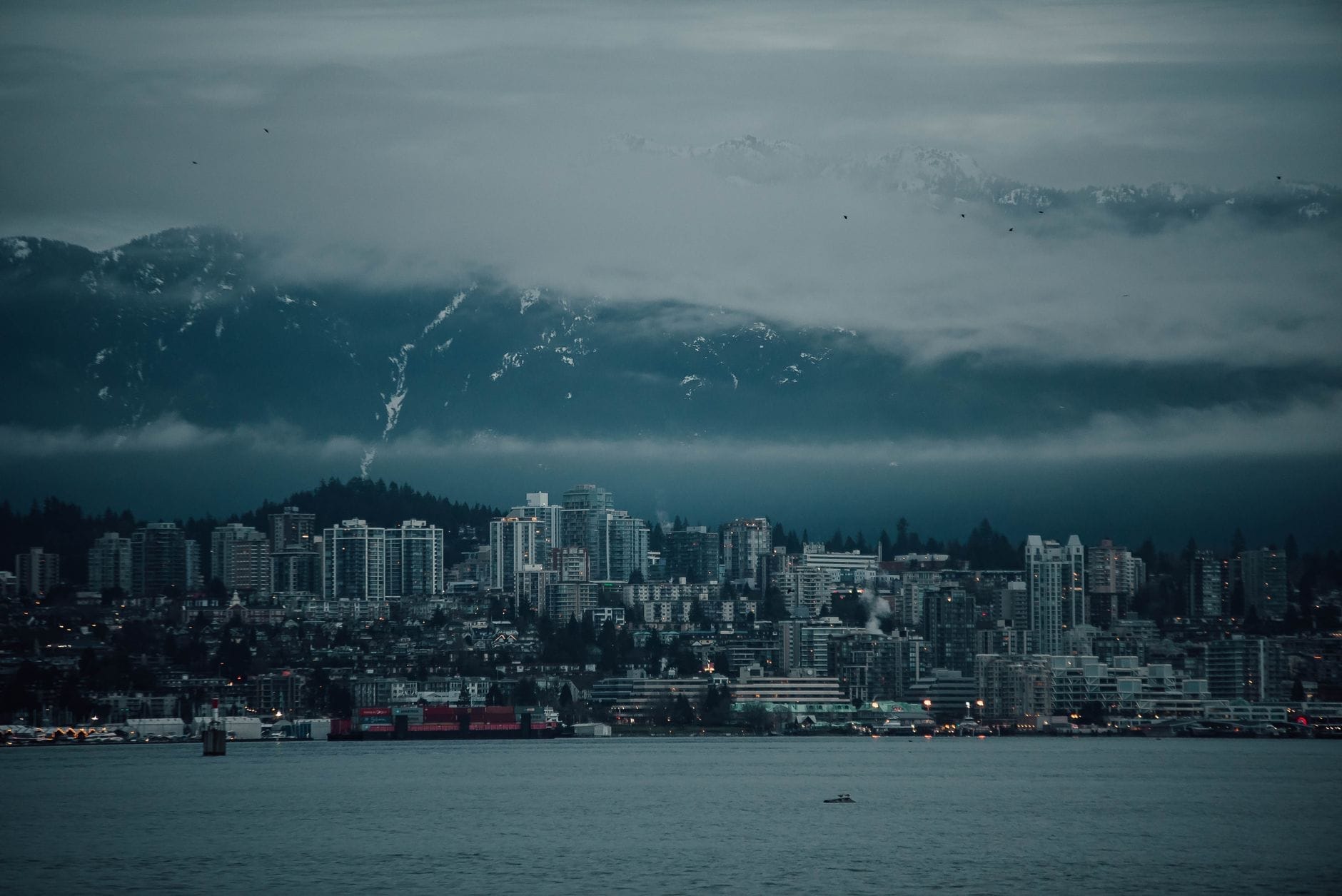
The North Shore sits across Burrard Inlet from downtown Vancouver, encompassing the City of North Vancouver, District of North Vancouver, and District of West Vancouver. It is where suburban streets end and mountain wilderness begins, making it one of the most dramatically situated urban areas in Canada.
The North Shore is Vancouver's mountain backyard: a collection of three distinct municipalities pressed between Burrard Inlet and the steep, forested peaks of the North Shore Mountains. Cross the Lions Gate Bridge or hop the SeaBus from Waterfront Station, and within minutes the skyline recedes and the terrain starts climbing. This is where Vancouverites go to ski before work, hike on weekends, and breathe air that tastes noticeably different from the downtown peninsula.
Orientation
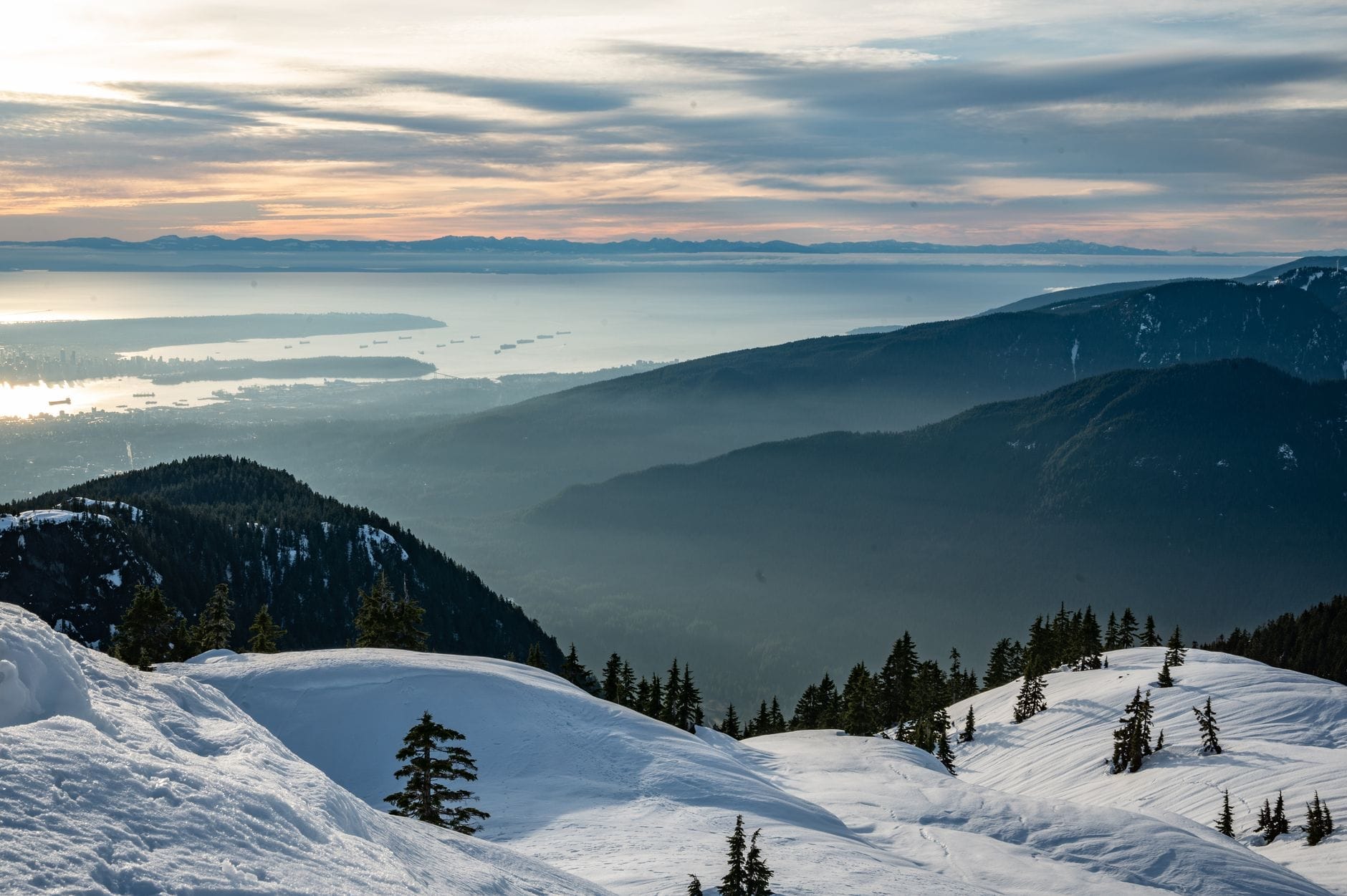
The North Shore is not a single neighbourhood but a geographic and cultural zone covering three separate municipalities on the north shore of Burrard Inlet: the City of North Vancouver, the District of North Vancouver, and the District of West Vancouver. Together they form a continuous urban and suburban band roughly 20 to 25 kilometres wide, backed by mountains that rise from sea level to about 1,250 metres within a few kilometres of the waterfront.
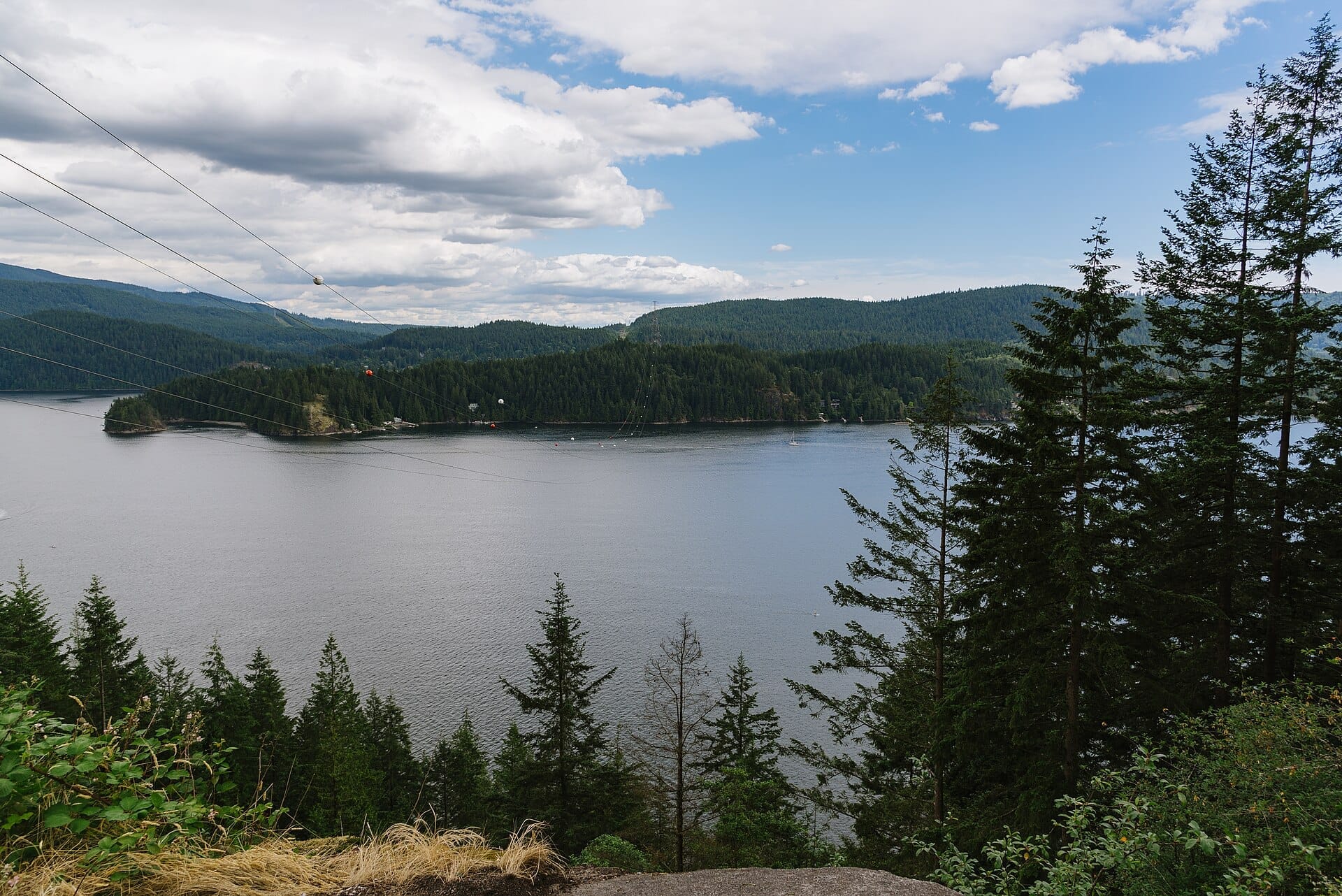
The southern boundary is Burrard Inlet itself, with the deep natural harbour separating the North Shore from the City of Vancouver. Two bridges carry road traffic across: the Lions Gate Bridge connects West Vancouver and the western part of North Vancouver to downtown Vancouver's West End, while the Ironworkers Memorial Second Narrows Crossing on Highway 1 links the eastern side of the District of North Vancouver to East Vancouver and Burnaby. The SeaBus passenger ferry provides a third crossing, running between Lonsdale Quay in the City of North Vancouver and Waterfront Station in downtown.
Within the North Shore, Lonsdale Avenue is the main commercial spine of the City of North Vancouver, running north from the waterfront up a steady grade toward the mountains. West Vancouver has its own commercial core along Marine Drive and around the Park Royal shopping centre near the south end of the Lions Gate Bridge. The District of North Vancouver is largely residential and forested, with the mountain parks of Grouse, Seymour, and Cypress defining its northern edge.
ℹ️ Good to know
The North Shore municipalities are separate from the City of Vancouver and operate their own services, but TransLink integrates public transit across the region. A single transit fare covers the SeaBus, buses, and SkyTrain connections.
Character and Atmosphere
What makes the North Shore feel different from the rest of Metro Vancouver is elevation and forest. Standing on Lonsdale Quay in the morning, the mountains are directly in front of you, close enough that you can see the tree line and the ski runs on Grouse Mountain without any zoom. The air is cooler and often carries the faint smell of fir and cedar. On clear mornings, the light hits the water of Burrard Inlet first, then climbs the face of the mountains in stages. It is one of the better views in the region, and it is available for free from the public market at the quay.
The City of North Vancouver around Lonsdale Quay has the most urban energy on the North Shore: cafes, restaurants, the public market, and a street grid that feels walkable. Walk north up Lonsdale Avenue past 3rd Street and the density drops quickly into a mix of low-rise commercial buildings, independent shops, and residential streets. By the time you reach upper Lonsdale, you are in suburb territory, with single-family homes and the mountain parks beginning just beyond.
West Vancouver has a markedly different character: wealthier, quieter, and more spread out. Marine Drive through Dundarave and Ambleside has a small-town quality, with independent restaurants and shops facing the water. The residential streets above Marine Drive are lined with large houses and tall conifers, and the sidewalks are often empty by mid-morning. Park Royal, near the Lions Gate Bridge approach, is a major indoor shopping mall that draws visitors from across the region, breaking that quiet considerably.
After dark, the North Shore is not a nightlife destination. The restaurant scene is solid but concentrated, and things quiet down earlier than in downtown Vancouver or Mount Pleasant. The real after-dark draw is the mountain: Grouse Mountain operates night skiing in winter, and on a clear evening the gondola ride up offers one of the most striking views of the city lights reflected in the inlet below.
What to See and Do
The North Shore's main draw is outdoor access, and it delivers this at every level of commitment, from a paved waterfront stroll to serious backcountry hiking. But the urban attractions are worth knowing too, especially for visitors who want to pair a mountain excursion with a meal or some time at the water.
Mountain Parks and Hiking
Grouse Mountain sits directly above the City of North Vancouver and is reachable by an aerial tramway from the base at the end of Nancy Greene Way. In summer, the summit offers hiking trails, wildlife exhibits, and a view across the entire Lower Mainland. In winter, it operates as a ski and snowboard area with night skiing. Serious hikers can also ascend on foot via the Grouse Grind, a steep 2.5- to 2.9-kilometre trail that climbs about 800 metres of vertical gain and is considered one of the most demanding urban hikes in Canada. The Grind is one-way up only; you descend on the gondola.
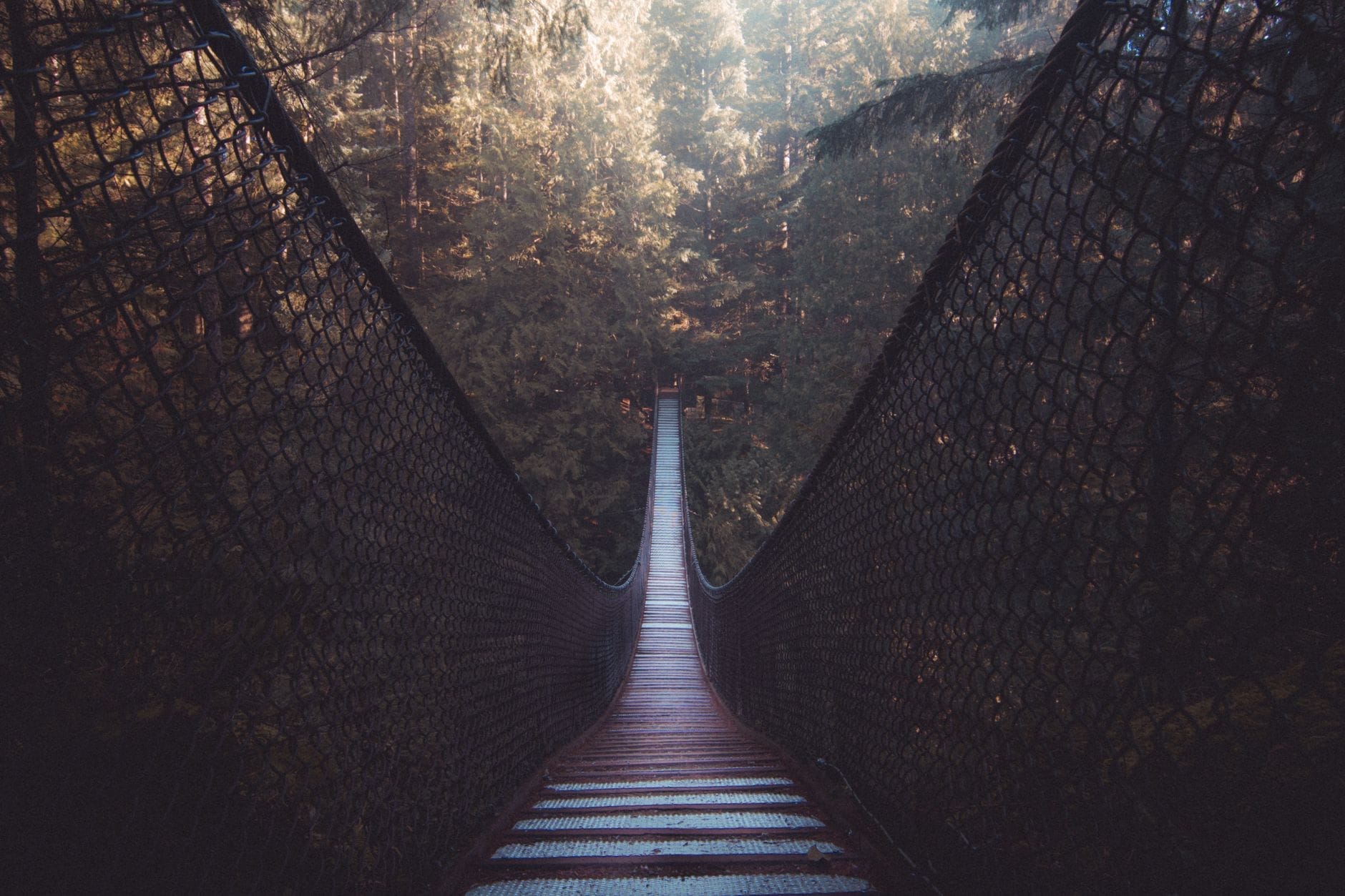
For a less crowded experience, Lynn Canyon Park in the District of North Vancouver offers a free suspension bridge over Lynn Canyon, forest trails, and swimming holes along Lynn Creek. It lacks the commercial infrastructure of Capilano, which makes it considerably less busy on summer weekends. The park connects to an extensive trail network that reaches into the mountains.
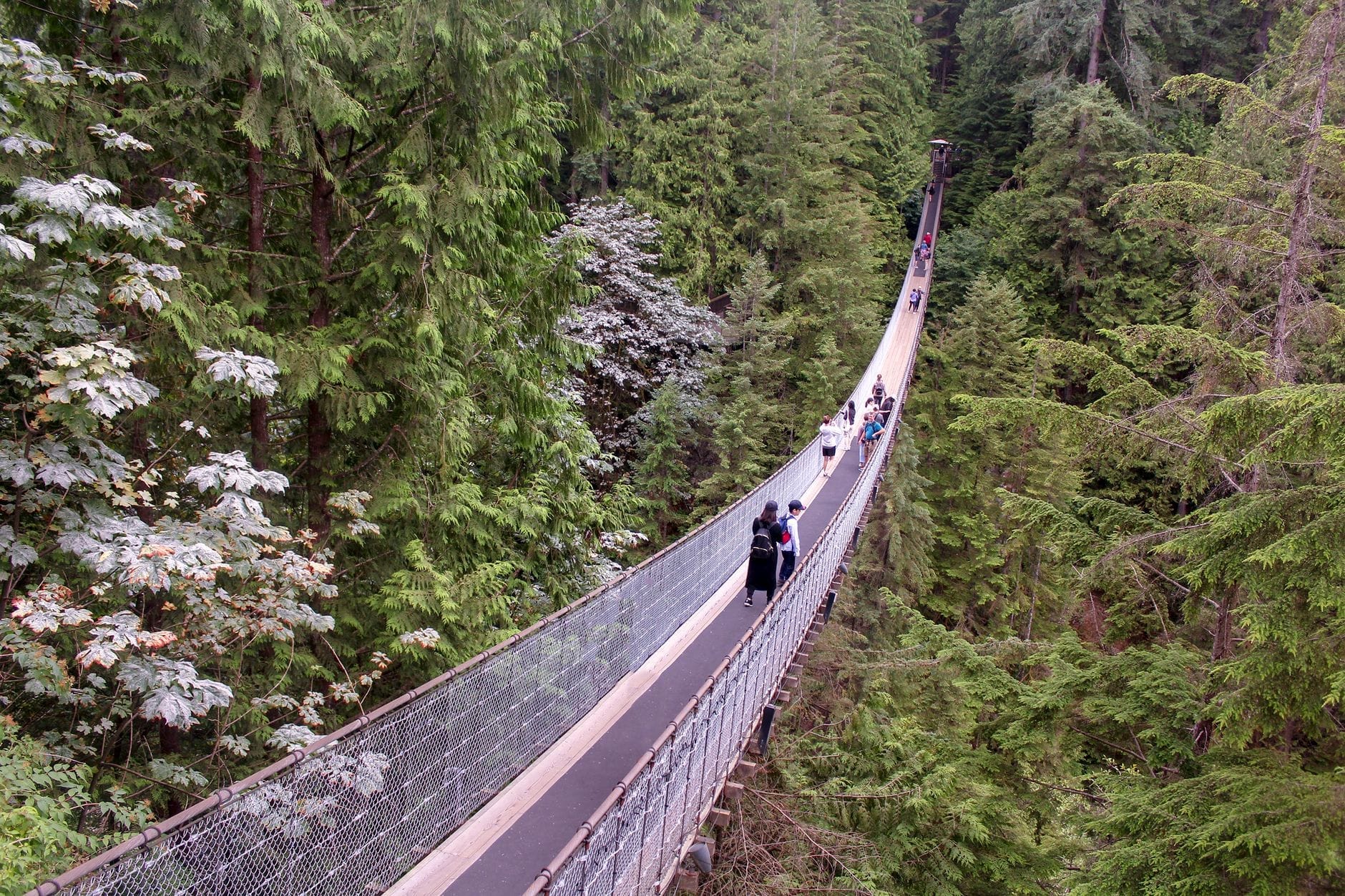
The Capilano Suspension Bridge is the North Shore's most visited paid attraction. The main bridge spans 137 metres across the Capilano River canyon, about 70 metres above the river. The park also includes a treetop walk among the Douglas firs and a cliffwalk cantilevered over the canyon edge. It is genuinely impressive, though the admission price is significant and the crowds on summer afternoons can be dense. Arriving early in the morning makes a real difference.
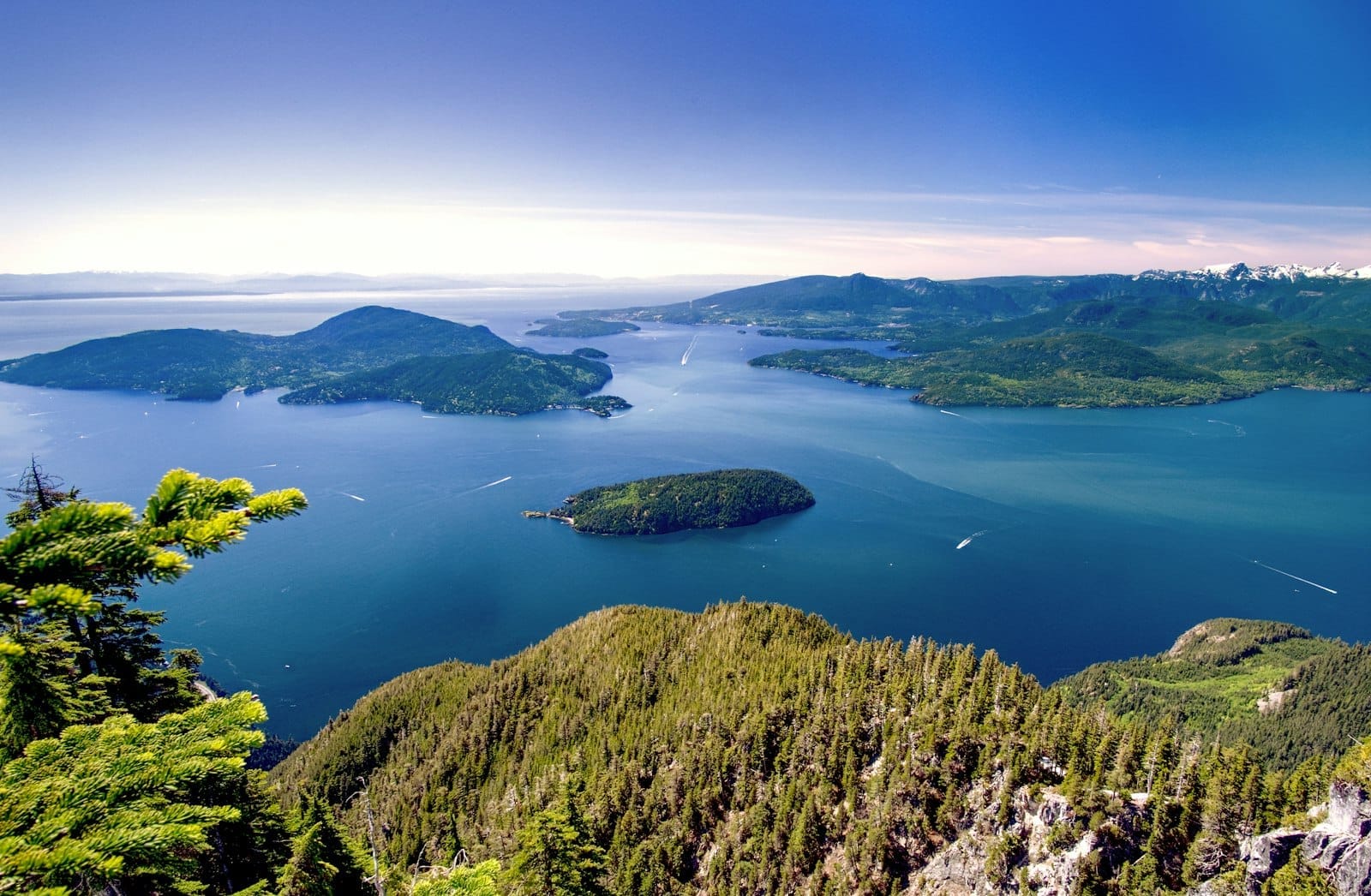
Cypress Mountain, in West Vancouver, is the third of the North Shore's major mountain destinations. It offers skiing and snowboarding in winter and trail access in summer. It hosted the freestyle skiing and snowboard events during the 2010 Winter Olympics. For hikers, the trails around Cypress Bowl reach subalpine terrain and offer views across Howe Sound toward Vancouver Island. For context on how all of these outdoor options fit into a broader Vancouver trip, the hiking near Vancouver guide covers the full range of options.
Waterfront and Urban Sights
Lonsdale Quay itself is worth time, not just as a ferry terminal. The public market on the ground floor sells produce, seafood, and prepared food from local vendors. The upper level has independent shops and a hotel. Outside on the waterfront walkway, the view back across the inlet to the downtown skyline and the mountains beyond Stanley Park is one of the best unobstructed city panoramas in Vancouver, and it costs nothing.
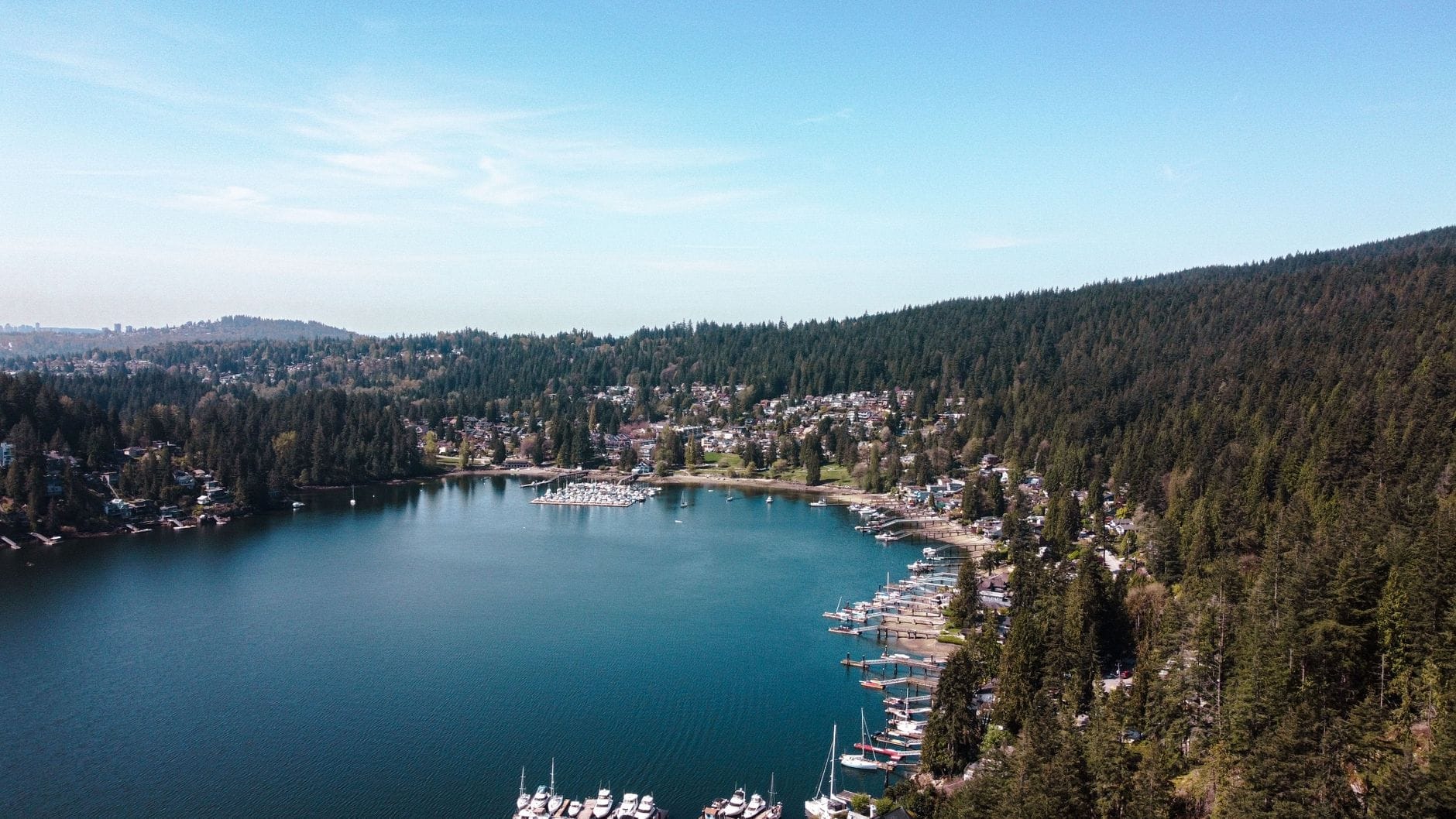
Horseshoe Bay, at the far western tip of West Vancouver, is primarily a BC Ferries terminal serving Vancouver Island and the Sunshine Coast. But the village itself, tucked around a small cove, has a relaxed waterfront character with a few restaurants and a pleasant walk along the bay. It is worth combining with a day trip rather than making a dedicated journey, but if you are catching a ferry, arriving with extra time to walk around is worthwhile.
⚠️ What to skip
Mountain conditions on the North Shore change rapidly. Trails that are clear at the base can have snow, ice, or fog higher up, even in summer. Local authorities consistently advise hikers to carry layers, rain gear, navigation tools, and sufficient water, and to stay on marked trails. North Shore Rescue conducts frequent searches for unprepared hikers in these mountains.
Eating and Drinking
The North Shore food scene is more varied than its suburban reputation suggests, though it is spread across a large geographic area rather than concentrated in a compact strip. Lonsdale Quay and the surrounding blocks of lower Lonsdale Avenue have the densest cluster of restaurants and cafes in the City of North Vancouver. You will find everything from Vietnamese pho to Korean barbecue, Japanese ramen, and traditional breakfast spots within a few blocks of the ferry terminal.
The stretch of Lonsdale from the quay up to about 13th Street has seen consistent growth in independent restaurants over the past decade. There are solid craft beer spots, wine bars, and a handful of places doing Pacific Northwest cooking that emphasizes local seafood and seasonal ingredients. Price ranges are generally moderate, slightly lower than comparable restaurants in Yaletown or Kitsilano.
West Vancouver's dining is more scattered. Dundarave Village, along Marine Drive near 25th Street, has a cluster of neighbourhood restaurants with views toward the water. The quality is generally reliable. Park Royal mall has predictable chain options if you need them. For craft brewing, there are a number of microbreweries operating in North Vancouver's light industrial areas, which have become a draw in their own right for locals and visitors on weekend afternoons.
Lower Lonsdale: highest concentration of restaurants, cafes, and bars near the SeaBus terminal
Upper Lonsdale corridor: neighbourhood spots with fewer tourists and more local clientele
Dundarave Village (West Vancouver): waterfront dining with a quieter, residential feel
Horseshoe Bay village: a handful of seafood-focused spots good for a pre-ferry meal
North Vancouver craft breweries: concentrated in the light industrial zones east of Lonsdale, best explored on a weekend
Getting There and Around
The SeaBus is the most practical and enjoyable way to reach the North Shore from downtown Vancouver. The crossing from Waterfront Station to Lonsdale Quay takes about 12 minutes and runs frequently throughout the day, with reduced service in the late evening. It is covered by a standard TransLink fare, which also gives you access to connecting buses on the North Shore side. Waterfront Station connects directly to the SkyTrain Expo and Canada Lines, making the SeaBus a seamless link from almost anywhere in Metro Vancouver.
From downtown by road, the Lions Gate Bridge connects to Marine Drive and the lower North Shore in about 15 minutes outside rush hour. In heavy traffic, the Lions Gate can back up significantly, particularly on weekday mornings heading into the city and afternoons heading out. The Ironworkers Memorial Bridge on Highway 1 offers an eastern alternative but adds distance from the downtown core. For general transit planning across Vancouver, the getting around Vancouver guide covers all the major options.
Once on the North Shore, local TransLink buses connect Lonsdale Quay to most residential areas, Grouse Mountain's base, and Park Royal in West Vancouver. The bus network is functional but designed for commuters rather than tourists, so journey times to the mountain parks can be longer than expected. Ride-hailing via Uber or Lyft is available throughout the area and is often the most efficient way to reach Capilano Suspension Bridge or the Grouse Mountain gondola base from Lonsdale Quay without waiting for bus connections.
Driving with a rental car makes the North Shore significantly easier to explore comprehensively, particularly if you want to visit multiple mountain parks or reach Cypress Mountain in West Vancouver. Parking at most parks and attractions is available but fills up by mid-morning on summer weekends.
💡 Local tip
The Capilano Suspension Bridge Park offers a free shuttle from downtown Vancouver hotels during peak season. Check the park's official website before booking a taxi or rental car, as this can save considerable time and cost.
Where to Stay
The North Shore is not a primary hotel district for most Vancouver visitors, but staying here makes sense for a specific type of trip: one focused on outdoor activities, mountain access, or travel through Horseshoe Bay. Accommodation is spread across the three municipalities, with the main concentration in the City of North Vancouver near Lonsdale Quay.
Staying near the lower Lonsdale waterfront gives you the SeaBus connection to downtown, which means you can access central Vancouver in under 20 minutes from your hotel. This makes the North Shore a genuinely viable base for exploring the city, often at lower accommodation rates than comparable downtown hotels. The trade-off is that late nights in downtown require a late SeaBus or a ride back across the bridge.
For visitors focused on skiing or mountain hiking, staying in North Vancouver reduces the morning commute to the gondola bases considerably. For a broader overview of where to base yourself in Vancouver, the where to stay in Vancouver guide covers the full range of neighbourhoods and their trade-offs.
Practical Considerations
The North Shore's mountain proximity means weather can diverge from central Vancouver. It rains more at elevation, clouds can sit on the mountains when downtown is clear, and winter brings snow to the residential streets above 200 metres. Pack accordingly, particularly if you are planning a Grouse Mountain visit, where temperatures at the summit are significantly colder than at the base.
The North Shore is generally safe. The urban areas around Lonsdale Quay and the commercial strips are active and well-lit during the day. The primary safety concern is the mountain and forest environment, which transitions from urban street to wilderness within a surprisingly short distance. Trails are well-marked within the parks, but the terrain is genuinely steep and the forest is dense. North Shore Rescue, the volunteer search and rescue organization, responds to dozens of calls per year from hikers who underestimated conditions.
For travelers planning a broader Vancouver itinerary that includes the North Shore, it pairs naturally with a day on the Stanley Park Seawall or an afternoon in Gastown before crossing on the SeaBus. The contrast between the city's historic core and the mountain wilderness visible across the inlet is one of the most effective ways to understand why Vancouver occupies such an unusual geographic position.
TL;DR
The North Shore covers three municipalities (City of North Vancouver, District of North Vancouver, District of West Vancouver) on the north side of Burrard Inlet, accessible by SeaBus, Lions Gate Bridge, or Ironworkers Memorial Bridge.
Best suited for travelers who want hiking, skiing, or mountain experiences within reach of an urban base: Grouse Mountain, Capilano Suspension Bridge, Lynn Canyon, and Cypress Mountain are all here.
Lonsdale Quay is the transit and commercial hub for the City of North Vancouver, with a 12-minute SeaBus connection to downtown Waterfront Station making it a practical base for city exploration.
Not the right choice if you want walkable nightlife, a wide dining district, or easy access to Vancouver's south-side attractions like Granville Island or Kitsilano Beach.
Mountain safety is a real consideration: conditions change fast, trails gain elevation quickly, and the line between urban park and serious backcountry is closer than it looks on the map.
Three days is enough time to cover Vancouver's best neighbourhoods, waterfront parks, and mountain views without feeling rushed. This itinerary organizes the city logically by geography, cuts out the tourist traps, and works whether you're on foot, SkyTrain, or a borrowed bike.
Vancouver's art scene spans a former provincial courthouse turned major museum, an intimate Haida gallery downtown, a world-class anthropology collection at UBC, and a full gallery district along South Granville. This guide covers the best art galleries in Vancouver for every interest and budget.
Vancouver has over 18 kilometres of oceanfront beaches, from lively urban strands with mountain backdrops to tidal flats perfect for families. This guide covers every beach worth your time, with clear notes on what to expect at each one.
Vancouver's museum scene spans world-class Indigenous art collections, civic history, space science, maritime heritage, and forensic curiosities. These are the best museums in Vancouver, organized by theme and neighbourhood, with practical tips for each.
Vancouver's temperate oceanic climate means it's visitable year-round, but each season offers a completely different experience. This guide breaks down weather, crowds, hotel prices, and key events by season so you can pick the right time for your trip.
Vancouver is one of the most visually dramatic cities in the world, where a downtown skyline meets ocean inlets and snow-capped peaks. This guide covers the best viewpoints across the city, from free hilltop parks and seawall walks to mountaintop gondolas and elevated observation decks.
Vancouver's garden scene ranges from a world-class 55-acre botanical garden to an authentic Japanese tea garden and a tropical conservatory open year-round. This guide covers every significant plant-focused attraction in the city, with notes on the best seasons to visit each.
Vancouver sits at the gateway to some of the most dramatic scenery in North America. Whether you head north toward Whistler, west to Vancouver Island, or east into the Fraser Valley, these are the best day trips from Vancouver, with realistic travel times, transport options, and what to prioritise once you arrive.
Vancouver is one of Canada's most expensive cities, but a remarkable number of its best experiences cost nothing. These 22 free activities cover Stanley Park, beaches, North Shore hikes, waterfront walks, and neighbourhood explorations across the city.
Vancouver's transit network is one of the best in North America, but navigating zones, passes, and peak hours takes some planning. This guide covers every mode of transport, from the Canada Line SkyTrain to cycling the seawall, with current fares and practical tips on when to skip the car entirely.
Vancouver sits at the edge of one of the most dramatic hiking landscapes in North America. These are the best trails near the city, from steep North Shore climbs to peaceful forest walks, chosen for scenery, accessibility, and what makes each one worth the effort.
Vancouver delivers a compelling luxury travel proposition: world-class 5-star hotels steps from the waterfront, a dining scene that punches well above its size, and wilderness experiences that no other major city can match. This guide covers where to stay, when to book, what to spend, and how to get the most out of high-end Vancouver.
Vancouver packs an extraordinary range of experiences into a compact, walkable city on Canada's Pacific coast. This guide covers the best things to do in Vancouver BC, from iconic outdoor adventures to neighbourhood deep-dives, with practical assessments, current pricing context, and logistics to help you make the most of your time.
Vancouver hosts one of Canada's largest Lunar New Year celebrations, anchored by a 1.3 km parade through historic Chinatown and a full 15-day festival season. This guide covers the parade route, top events across Metro Vancouver, transport logistics, and what first-timers often get wrong.
Vancouver sets a high bar for romantic travel. Mountains meet ocean, world-class restaurants sit steps from forested trails, and the city shifts beautifully with every season. This guide covers the best things to do in Vancouver BC for couples, from free waterfront walks to splurge-worthy experiences worth every dollar.
December transforms Vancouver into one of Canada's most festive winter cities, with major light displays, Christmas markets, and ice skating — all against a backdrop of mild, rainy Pacific weather. This guide covers everything you need to plan a December visit, from the best seasonal events to practical logistics.
Summer is Vancouver's best season by most measures: dry weather, long daylight hours stretching past 9 pm, and a calendar packed with outdoor events. This guide covers what to do each month, how much it costs, where crowds get bad, and what the city actually feels like when temperatures hit their annual peak.
Getting from Vancouver to Vancouver Island is straightforward once you know which route to take, when to book, and what to expect on the water. This guide covers every BC Ferries route, current fare ranges, reservation rules, and practical tips for making the most of a day trip or longer stay.
Vancouver's after-dark scene spans gritty dance clubs on the Granville Strip, polished cocktail lounges in Yaletown, independent craft beer bars on Main Street, and live music in Gastown. This guide breaks down where to go, what to expect, and how to avoid a bad night out.
Vancouver has a reputation for being pricey, and on accommodations and dining, that reputation is earned. But a huge share of what makes the city worth visiting costs nothing at all. This guide breaks down real daily costs, the best free attractions, affordable food strategies, and how to get around without spending a fortune.
Vancouver is one of Canada's most visited cities, and for good reason. But visitors increasingly ask: is Vancouver safe? This guide uses recent crime data, neighborhood-by-neighborhood context, and practical tips so you can explore with confidence.
The Vancouver Seawall is the world's longest uninterrupted waterfront path, stretching about 22 km along the waterfront from Coal Harbour to Kitsilano Beach, with some sources including extensions out to roughly 28–30 km. This guide covers every section of the route, cycling rules, seasonal conditions, rental options, and the best spots to stop along the way.
Vancouver's shopping scene spans luxury boutiques on Alberni Street, 330-store malls reachable by SkyTrain, a working public market on a former industrial island, and independent-label strips on Main Street and Commercial Drive. This guide breaks down every major option by neighbourhood, budget, and transit access so you can shop smarter.
Vancouver is one of the most approachable solo travel destinations in North America. From the Stanley Park Seawall to Granville Island's food stalls, this guide covers everything you need to plan a confident, well-timed solo trip to British Columbia's Pacific coast city.
The trip from Vancouver to Calgary covers roughly 970 km and can be done by plane, car, or bus. Each option has real trade-offs. This guide breaks down the costs, logistics, and seasonal considerations so you can choose the route that actually works for your trip.
The Vancouver to Seattle corridor is one of the most-traveled cross-border routes in North America. Whether you're driving I-5, riding the Amtrak Cascades train, or taking a budget coach, this guide breaks down travel times, costs, border logistics, and the smartest ways to avoid delays.
Everything you need to plan the Vancouver to Whistler drive via Highway 99, including key stops along the Sea to Sky corridor, shuttle alternatives, winter driving laws, and the best times to make the trip. Whether you're heading up for ski season or a summer adventure, this guide covers it all.
Vancouver's temperate oceanic climate means mild, rainy winters and warm, relatively dry summers — but the details matter for trip planning. This guide breaks down Vancouver weather month by month, covering temperatures, precipitation, crowd levels, and what to pack for every season.
From Stanley Park playgrounds to Science World and the Granville Island Kids Market, Vancouver delivers serious family value across every budget and season. Practical logistics, clear assessments, and the specific details parents actually need.
Vancouver's food scene is one of the most diverse in North America, shaped by Pacific seafood, deep Asian culinary traditions, and a thriving modern restaurant culture. This guide breaks down what to eat, where to eat it, and what to skip across the city's best food neighborhoods.
Choosing where to stay in Vancouver shapes your entire trip. This guide covers every major neighbourhood, realistic price ranges, seasonal timing, and clear trade-offs so you can match your accommodation to how you actually plan to spend your days.