Vancouver to Seattle: Every Way to Get There (Train, Bus, Drive)
The Vancouver to Seattle corridor is one of the most-traveled cross-border routes in North America. Whether you're driving I-5, riding the Amtrak Cascades train, or taking a budget coach, this guide breaks down travel times, costs, border logistics, and the smartest ways to avoid delays.
Plan and book this trip
Tools from our partner Travelpayouts help you compare flights and hotels. If you book through them, we may earn a commission at no extra cost to you.
Flights
Hotels map
TL;DR
- Vancouver to Seattle is roughly 225 km (140 miles) and takes 3-4 hours by car under normal conditions, longer with border wait times.
- The Amtrak Cascades train is the most relaxed option at around 4 hours, with scenic views and no border stress — see getting around Vancouver for city-side transit connections.
- Budget coaches (FlixBus and others) are the cheapest option but take longer due to the border stop.
- You need a valid passport regardless of which mode of transport you choose — no exceptions.
- Avoid Friday afternoon and Sunday evening crossings; border waits can add 1-2 hours to any journey.
The Route at a Glance
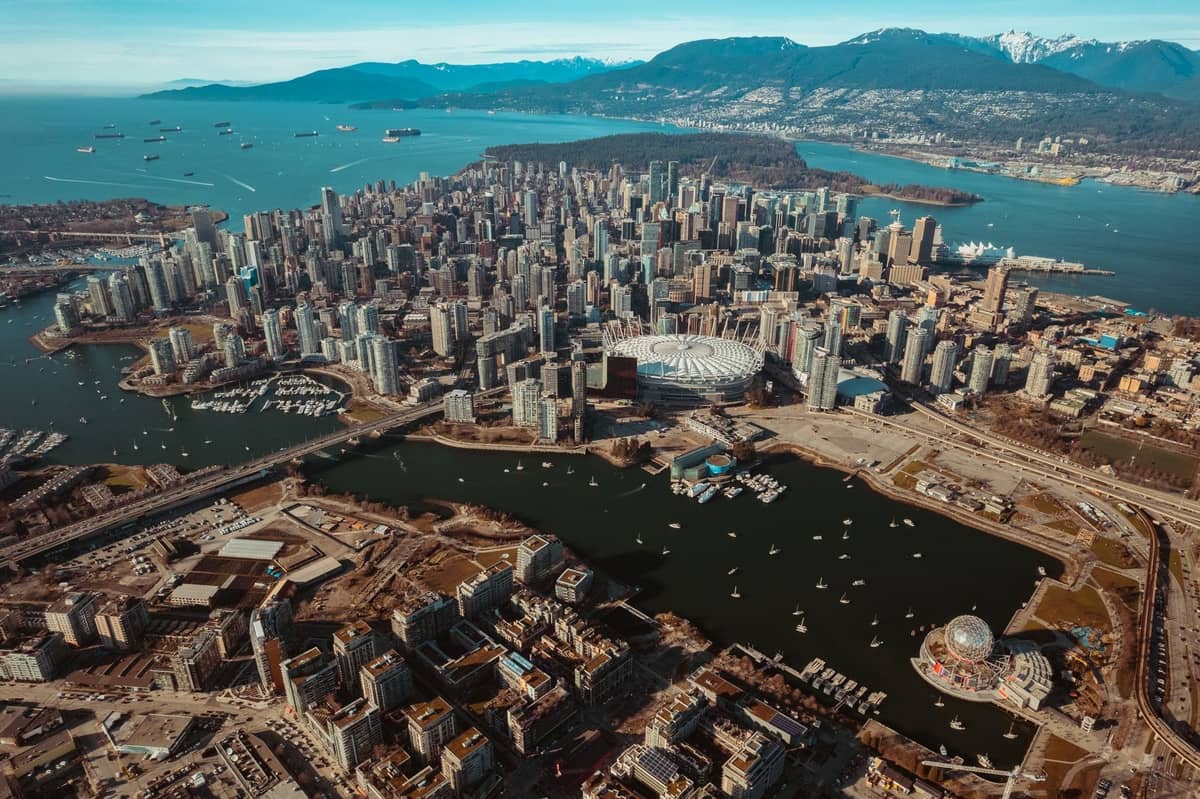
Vancouver, British Columbia sits about 225 km (140 miles) north of Seattle, Washington. The two cities are connected by a single dominant corridor: BC-99 south from Vancouver to the Peace Arch Border Crossing at Surrey/Blaine, then I-5 south into Seattle. It sounds simple, and it is — except for the international border in the middle, which can compress a 2.5-hour drive into a 4-hour ordeal on a bad weekend.
One important clarification before anything else: this guide covers the route between Vancouver, British Columbia, Canada and Seattle, Washington. Vancouver, Washington is a completely separate city on the north bank of the Columbia River near Portland. If you're heading there, you're on the wrong page.
ℹ️ Good to know
Documents required: Most travelers crossing the Canada-U.S. land border need a valid passport or other approved Western Hemisphere Travel Initiative (WHTI) document. U.S. citizens do not need a visa to enter Canada for short visits but must carry a valid passport or other accepted WHTI document such as an enhanced driver's license at eligible land crossings. Check the Government of Canada and U.S. Customs and Border Protection websites for current entry requirements before you travel, as rules can change.
Driving Vancouver to Seattle
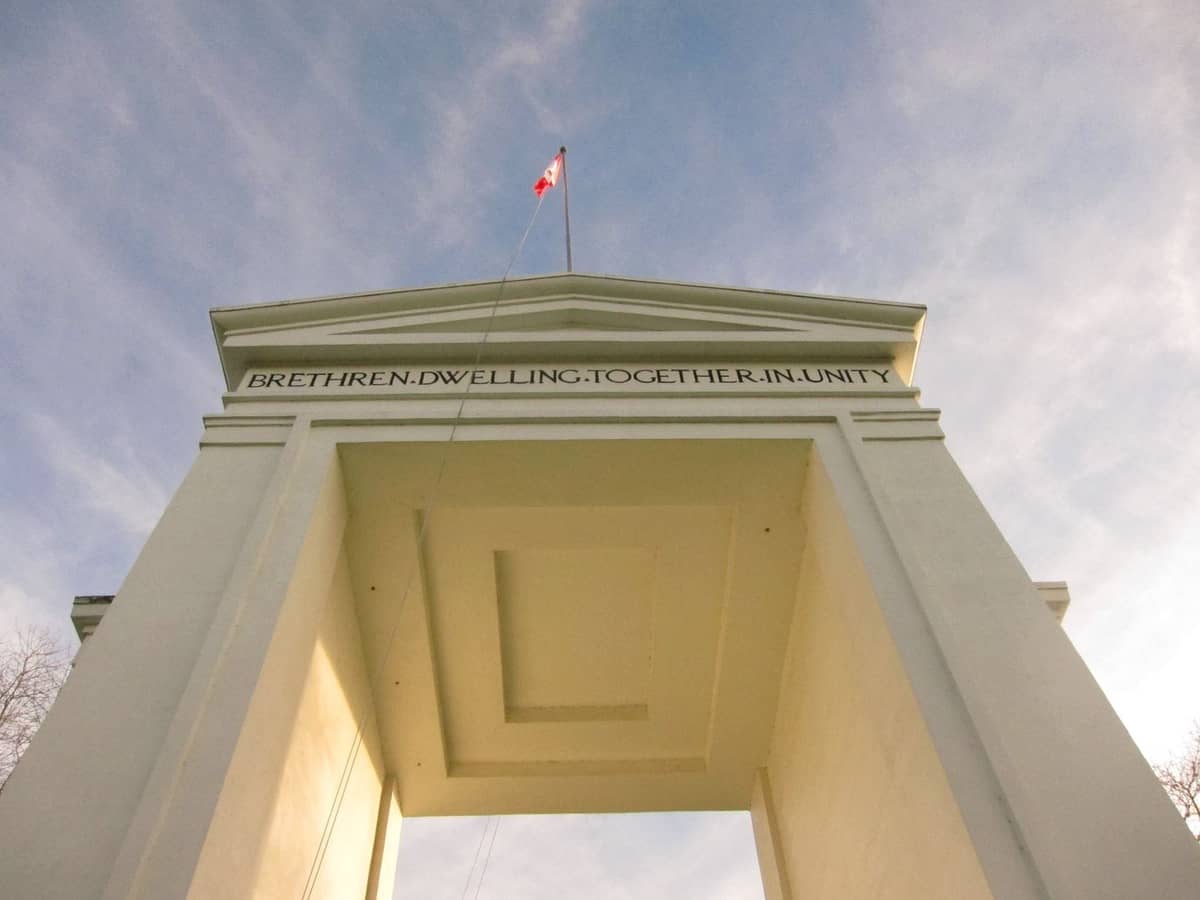
Driving is the most flexible option and the default choice for most travelers. The route is straightforward: take BC-99 south from downtown Vancouver through Surrey, cross the border at the Peace Arch (or the nearby Pacific Highway crossing, which handles commercial traffic and also has NEXUS lanes for eligible passenger vehicles), and continue on I-5 south to Seattle. Point-to-point driving time without traffic or border delays is around 2.5 hours. In practice, budget 3.5 to 4.5 hours.
- Best time to cross Early morning on weekdays, typically before 8am, sees the shortest wait times. Friday afternoon and Sunday evening are reliably the worst, with waits of 1-2 hours not uncommon at the Peace Arch in summer.
- NEXUS card If you cross the border regularly, a NEXUS card lets you use dedicated lanes and drastically cuts wait times. Applications are processed through the Canada Border Services Agency and U.S. Customs and Border Protection.
- Check wait times live The U.S. Customs and Border Protection website and the CBSA Border Wait Times page both publish live wait times at Pacific crossings. Check these 30 minutes before you plan to arrive at the border.
- Fuel and currency Gas is priced in Canadian dollars per litre on the BC side and U.S. dollars per gallon on the Washington side. If your tank is low, note that fuel is generally cheaper in Washington state.
- Skagit Valley detour (April-May) The Skagit Valley tulip fields, about 90 minutes south of Vancouver along I-5, are a popular stop during the Tulip Festival. Roozengaarde is one of the best-known farms. Traffic around La Conner and Mount Vernon can be heavy on weekends in peak bloom.
⚠️ What to skip
Cannabis is legal in both British Columbia and Washington State, but transporting it across the international border is a federal offense in both countries. Do not carry any cannabis products when crossing — even if you have a legal prescription. Border agents can and do search vehicles.
Vancouver to Seattle by Train
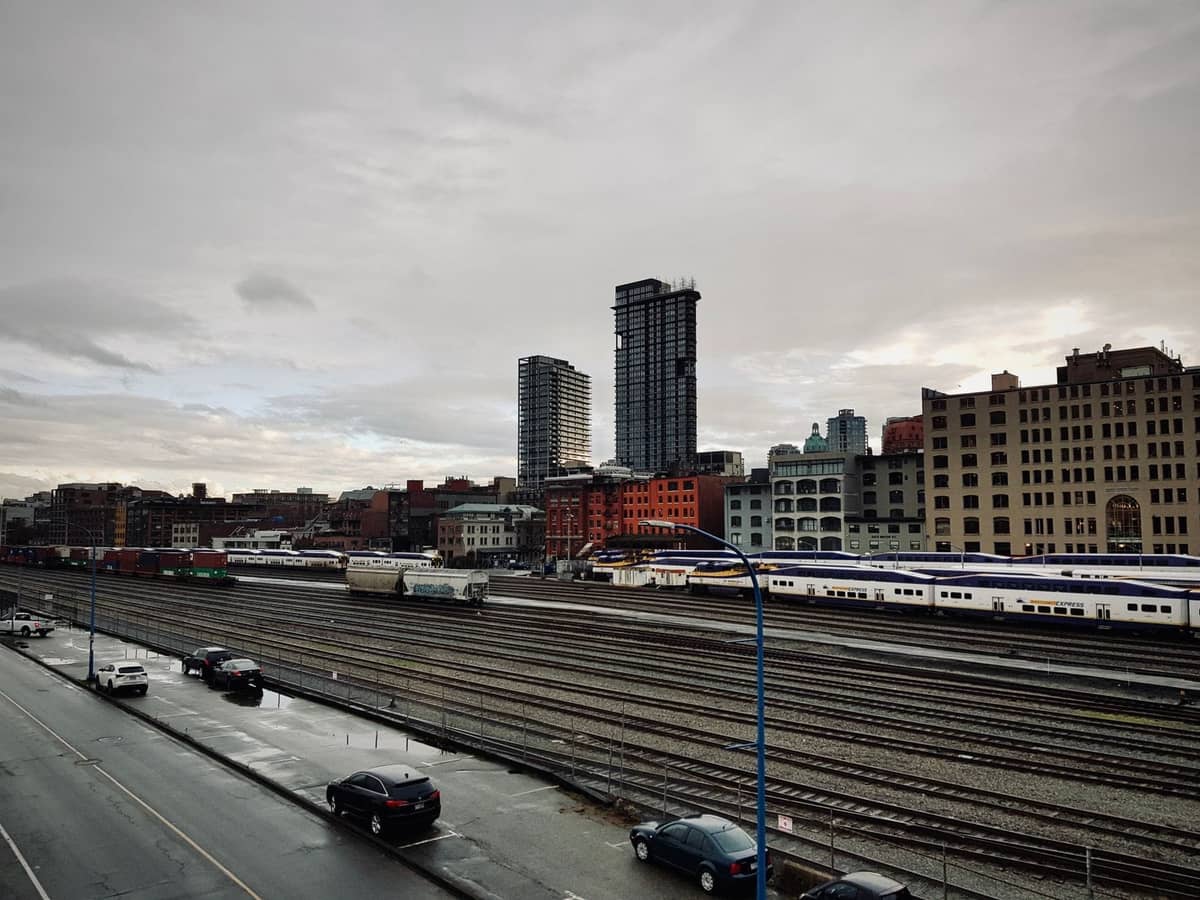
The Amtrak Cascades service is, for many travelers, the best way to make this trip. The train runs between Vancouver's Pacific Central Station and Seattle's King Street Station, with journey times typically around 4 to 4.5 hours. You sit back, watch the scenery roll by, and let someone else handle the border. It's worth noting that the downtown Vancouver area is well-connected by transit to Pacific Central Station, which is located near Main Street-Science World on the SkyTrain Expo Line.
Customs and immigration processing for this route currently takes place in-station rather than at a separate border stop, with inspections handled by officers before or after boarding. Tickets are booked directly through Amtrak and prices vary significantly based on how far in advance you book. Discounted fares can be quite reasonable; last-minute tickets cost considerably more. There are typically two departures per day in each direction, so check the current Amtrak Cascades schedule before planning around this option.
✨ Pro tip
Book Amtrak Cascades tickets at least 2-3 weeks in advance for the best fares. The train can sell out on summer weekends and around major holidays. Business class upgrades are modestly priced and include extra legroom and a meal service on some trips.
Vancouver to Seattle by Bus
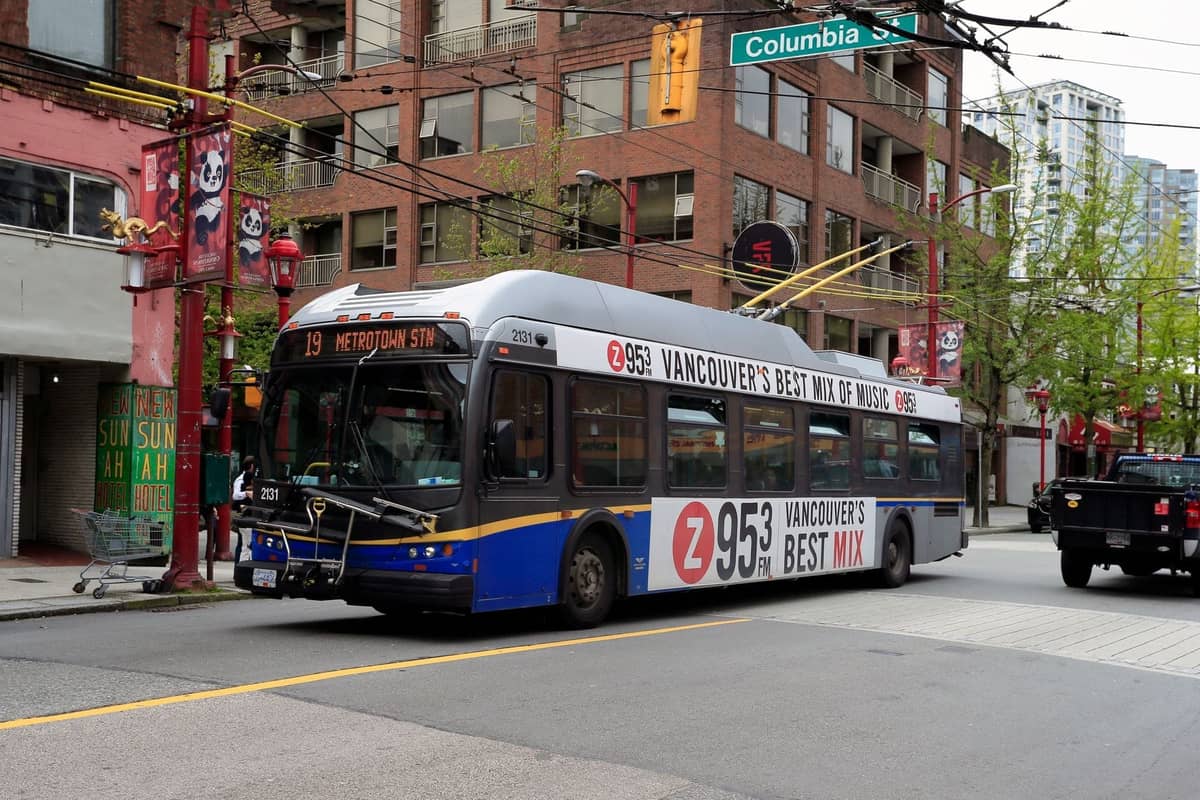
Coach services are the budget choice for this route. FlixBus operates cross-border service and is among the most visible options, with tickets sometimes available for under typical walk-up prices when booked in advance. Several other operators also run this corridor. Total journey time by bus is typically 4 to 5 hours, partly because coaches must stop for a thorough border inspection where all passengers disembark with their luggage for customs processing.
Bus departures in Vancouver typically originate near downtown or at Pacific Central Station. In Seattle, arrivals are generally near downtown or at Seattle's transit hub. Always verify pickup and drop-off points when booking, as these can differ by operator. The bus is a perfectly solid option if you're traveling light, don't have time pressure, and want to minimize cost.
- FlixBus One of the most frequently available options with online booking. Prices fluctuate by demand; midweek departures are usually cheapest.
- Quick Shuttle A long-running cross-border shuttle service that offers door-to-hotel pickup options in both cities. More convenient than standard coaches but priced higher.
- Greyhound Canada Greyhound significantly reduced its Canadian operations in recent years. Verify current availability before relying on this option.
Comparing Your Options
There is no single best way to travel from Vancouver to Seattle. The right choice depends on your priorities: flexibility, cost, comfort, or time. Here's an honest comparison.
- Driving: Best for flexibility Ideal if you're continuing beyond Seattle, traveling with family, or making stops along the way. Can be frustrating if you hit bad border traffic. Rental cars may have cross-border restrictions — check your rental agreement.
- Train: Best overall experience Comfortable, scenic, no driving stress, and border processing is handled on board. The main downside is the limited departure schedule and the fact that you'll need to arrange transport at both ends.
- Bus: Best for budget travelers Lowest upfront cost but longest overall journey. The border stop with full luggage inspection adds unpredictability to the schedule.
Getting to and From Each City's Transit Hub
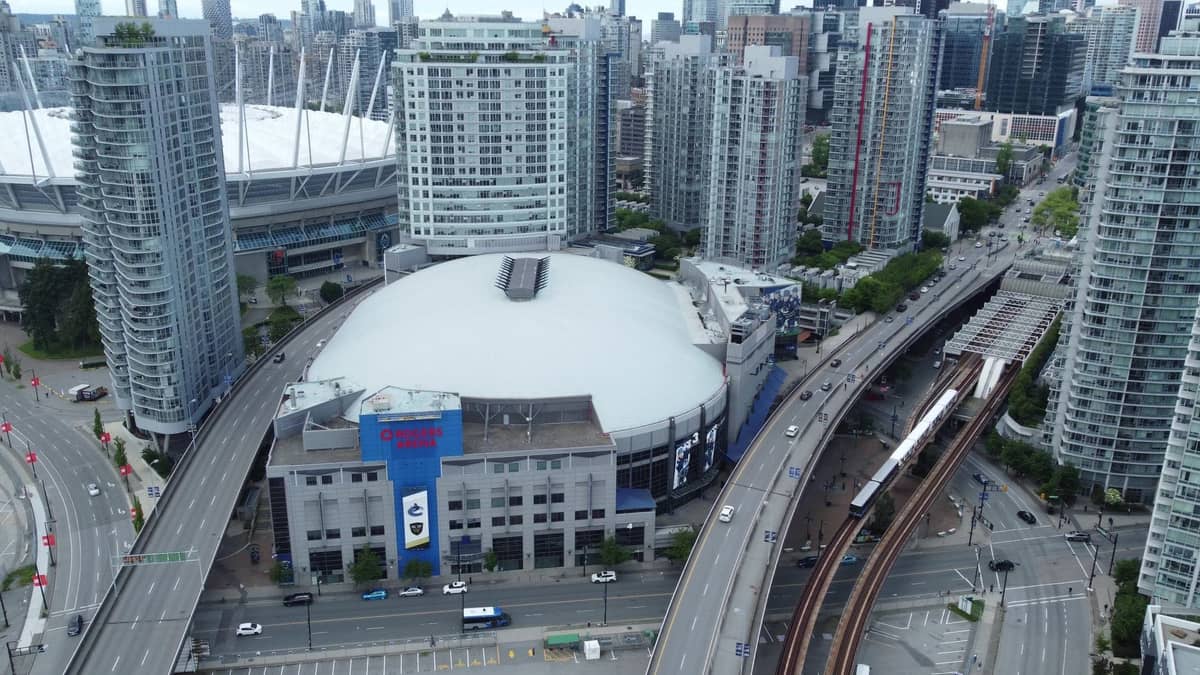
In Vancouver, the main intercity transit point is Pacific Central Station on Main Street. The SkyTrain Expo Line stops at Main Street-Science World station, a short walk from the station entrance. If you're arriving from or departing to Gastown or downtown Vancouver, the SkyTrain is the quickest connection. Taxis and ride-hailing (Uber, Lyft) are also readily available.
If you're flying into Vancouver from Seattle or vice versa, Vancouver International Airport (YVR) is about 12 km south of downtown on Sea Island in Richmond. The Canada Line SkyTrain connects YVR to downtown in approximately 25 minutes. For a broader look at how to navigate the city once you arrive, the getting around Vancouver guide covers SkyTrain routes, bus passes, and the SeaBus ferry to North Shore in detail.
If you're making this trip part of a longer Pacific Northwest itinerary, Vancouver rewards extra time. The 3 days in Vancouver itinerary is a good starting point, or if you're considering extending north, the Vancouver to Whistler guide covers that two-hour drive up the Sea-to-Sky Highway in detail.
💡 Local tip
If you're planning to explore Vancouver before or after your Seattle trip, July and August offer the most reliable weather: dry, warm, and ideal for outdoor activities. October to March brings frequent rain, so pack layers and a waterproof jacket regardless of season.
Practical Details Worth Knowing
Currency shifts at the border. You'll be spending Canadian dollars (CAD) in Vancouver and U.S. dollars (USD) in Seattle. The exchange rate fluctuates, so check current rates before you go. Most merchants in Vancouver will not accept USD, and vice versa. Credit cards handle the conversion automatically but may charge a foreign transaction fee depending on your card.
Tipping norms are broadly similar in both cities: 15-20% is standard at restaurants, and tipping taxi and ride-hailing drivers is customary. One difference worth noting is that Washington State has no state income tax, which means Seattle workers often rely more heavily on tips. Vancouver's hospitality workers also appreciate tips, with 15-18% being the common range. For more on day-to-day costs in Vancouver, the Vancouver on a budget guide has specific price benchmarks for food, transport, and accommodation.
If you're considering other cross-border or cross-country journeys from Vancouver, it's worth knowing the options. The day trips from Vancouver guide covers shorter excursions including the ferry to Vancouver Island. For a longer overland journey east, the Vancouver to Calgary guide details the Trans-Canada route through the Rockies.
FAQ
How long does the drive from Vancouver to Seattle take?
Without border delays, the drive is about 2.5 hours covering roughly 230 km (143 miles) via BC-99 and I-5. In practice, budget 3.5 to 4.5 hours to account for border wait times, especially on Friday afternoons and Sunday evenings in summer. Checking live border wait times before you leave can save significant frustration.
Is there a train from Vancouver to Seattle?
Yes. The Amtrak Cascades train runs between Vancouver's Pacific Central Station and Seattle's King Street Station, with a typical journey time of around 4 to 4.5 hours including border processing. There are usually two departures daily in each direction. Tickets are booked through Amtrak's website and prices vary based on availability and how far in advance you book.
What documents do I need to cross the border?
Most travelers need a valid passport or other approved WHTI-compliant document. U.S. citizens crossing at land borders can also use an Enhanced Driver's License where accepted. Canadian citizens heading into the U.S. need their passport or other accepted NEXUS documentation. Visa requirements depend on your nationality — check the U.S. Customs and Border Protection website and the Government of Canada's entry requirements page before travel.
What is the cheapest way to get from Vancouver to Seattle?
Budget coach services like FlixBus typically offer the lowest fares, sometimes under $20 CAD when booked well in advance. The trade-off is a longer total journey time (4-5 hours) and a border stop where all passengers must disembark for customs processing. Amtrak Cascades can also be quite affordable with advance booking and is generally a more comfortable experience.
Can I drive a rental car from Vancouver to Seattle?
Many rental car companies prohibit or restrict cross-border travel. Some do allow it with advance notice and may charge an additional fee. Always read your rental agreement carefully and call the company to confirm before attempting to cross the border in a rental vehicle. Failure to declare a rental car at the border can cause serious delays.