Cypress Mountain: Vancouver's Backyard Winter Resort
Perched within Cypress Provincial Park on Vancouver's North Shore, Cypress Mountain Ski Area puts over 600 skiable acres and 61 runs within 30 minutes of downtown. From Olympic-pedigree terrain to family-friendly snow tubing, it delivers genuine mountain experience without a full resort trip.
Quick Facts
- Location
- 6000 Cypress Bowl Road, West Vancouver, BC (within Cypress Provincial Park)
- Getting There
- Car recommended: cross Lions Gate Bridge, take Upper Levels Hwy, exit onto Cypress Bowl Road. Approx. 30 min from downtown Vancouver.
- Time Needed
- Half day to full day, depending on activity
- Cost
- Lift tickets, Nordic passes, and snow tubing passes priced in CAD; rates vary by date and activity. Check cypressmountain.com for current pricing.
- Best for
- Skiers, snowboarders, Nordic enthusiasts, families, and day-trippers from Vancouver
- Official website
- www.cypressmountain.com
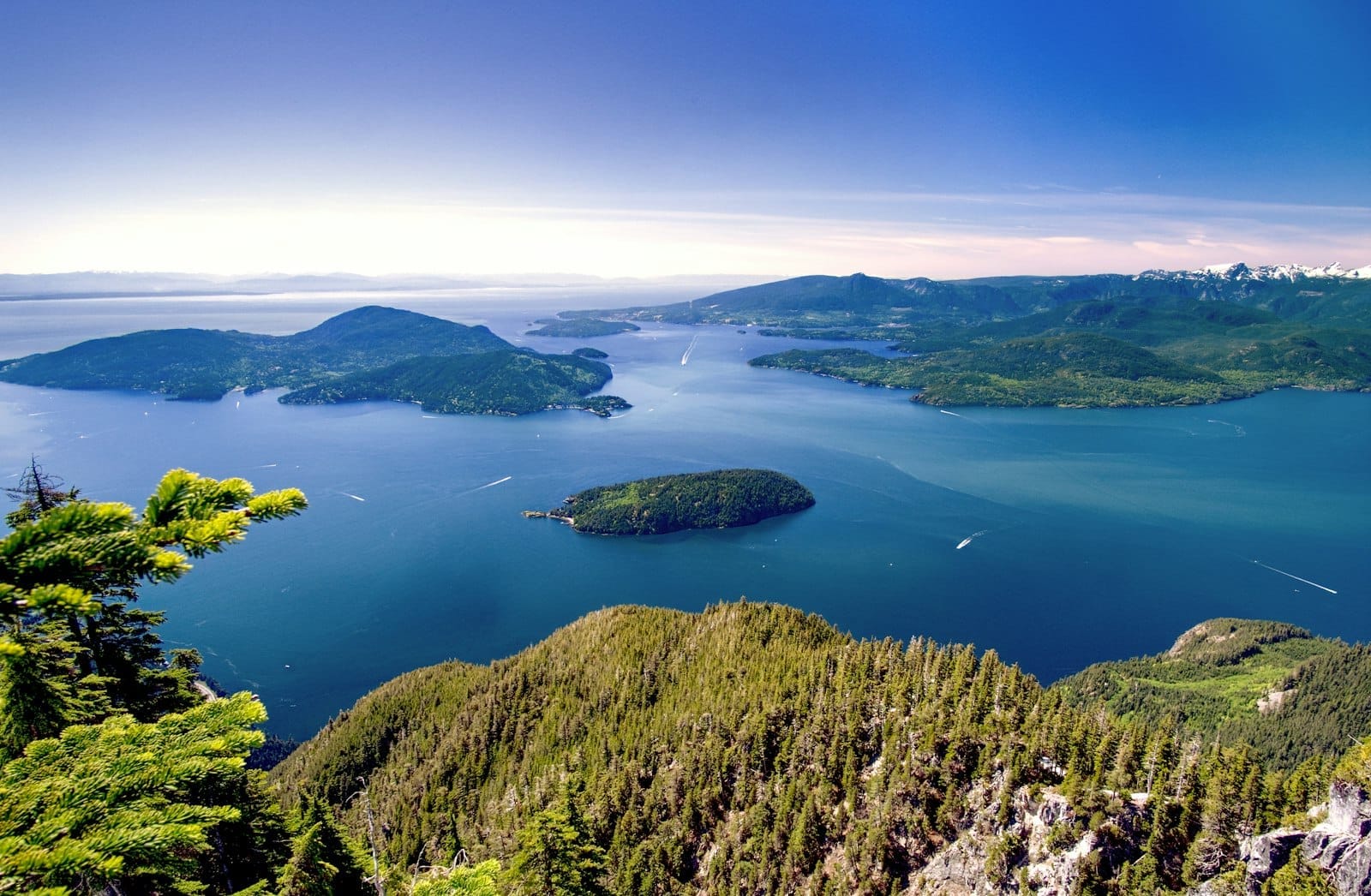
About Cypress Mountain
Cypress Mountain Ski Area sits inside Cypress Provincial Park in West Vancouver, roughly 824 metres above sea level on the North Shore mountains. It is a working ski resort, not a scenic lookout or casual park trail, so the experience here is defined by snow conditions, lift operations, and the specific activities you choose. The resort operates under the name Cypress Bowl Recreational Limited Partnership and covers more than 600 skiable acres across 61 marked runs. It is genuinely one of the closest ski hills to a major Canadian city, which makes it exceptional in context but also means it draws significant weekend crowds from the Greater Vancouver area.
There are two distinct zones at Cypress: the Alpine (downhill) area at the top of Cypress Bowl Road, and the Hollyburn Nordic area reached by turning off about 2 kilometres before the alpine base. They serve different visitors and have separate ticketing. If you arrive without a clear plan for which area you are visiting, you can easily end up at the wrong lot.
💡 Local tip
Decide before you drive: Alpine (downhill skiing and snowboarding) and Hollyburn (Nordic/cross-country skiing and snowshoeing) have separate parking areas and ticket structures. Check the resort's Mountain Report at cypressmountain.com before leaving home.
The Mountain's Place in History
Cypress Mountain's profile rose dramatically when it served as the official venue for freestyle skiing and snowboard events at the Vancouver 2010 Winter Olympic Games. The halfpipe and slopestyle courses drew global attention to what Vancouverites had long treated as their local hill, and the Olympic legacy is still referenced in the resort's identity. For visitors who followed those Games, standing at the base of the halfpipe area carries a specific resonance.
The surrounding Cypress Provincial Park has protected the broader landscape since the 1970s. The park encompasses old-growth forest, alpine meadows, and several peaks, and the ski area operates as a defined footprint within it. This context matters when you are deciding between a ski day and a walk through the park itself: the provincial park terrain beyond the ski runs offers a different, quieter experience, particularly in shoulder seasons when the lifts are not running.
Tickets & tours
Hand-picked options from our booking partner. Prices are indicative; availability and final rates are confirmed when you complete your booking.
Grouse Mountain and Capilano Suspension Bridge Park tour
From 252 €Instant confirmationFree cancellationGrouse Mountain small group express with skyride
From 110 €Instant confirmationFree cancellationGrouse Mountain Admission Ticket
From 51 €Instant confirmationFree cancellationNorth Shore Mountain tour with Capilano Suspension Bridge
From 141 €Instant confirmationFree cancellation
Alpine Skiing and Snowboarding: What to Expect
The alpine terrain at Cypress is distributed across a range of abilities, with a genuine mix of beginner, intermediate, and expert runs. The summit elevation provides consistent snow quality when Lower Mainland temperatures are sitting at rain level in Vancouver. On a clear day, the views from the upper runs stretch across Burrard Inlet toward Vancouver Island, which is a rare combination: a city view with actual ski terrain beneath your feet.
Morning is the optimal time to ski Cypress. The slopes are freshly groomed, lift lines are shorter, and if you are arriving on a weekend, the parking lots fill up quickly after 10am. Arriving before 9am makes a material difference. By early afternoon on busy Saturdays, some lots close and the access road can back up significantly. The resort does operate a snow tubing area for non-skiers, which works well for families with younger children who are not ready for ski lessons.
⚠️ What to skip
Weekend parking at Cypress fills fast. If you plan to arrive after 10am on a Saturday or Sunday, check the resort's real-time parking updates and consider carpooling. The Cypress Bowl Road has limited roadside stopping and is a mountain road subject to winter conditions — carry chains or ensure your vehicle has winter tires.
Rental equipment is available at the resort, as are ski and snowboard lessons through the ski school. Families planning their first ski day will find the lesson infrastructure useful, though booking ahead during peak periods (holiday weekends, school breaks) is strongly advised. Show up walk-in during a busy holiday week and you may find limited availability.
Nordic Skiing and Snowshoeing at Hollyburn
The Hollyburn Nordic area is a quieter, slower-paced counterpoint to the alpine zone. The trail network covers groomed cross-country loops and snowshoe routes through old-growth forest, with the kind of stillness that is harder to find in the alpine base area. Early mornings here, before the day-trippers arrive, the forest is nearly silent except for the creak of loaded Douglas fir branches overhead.
Hollyburn is genuinely accessible to people who do not ski downhill. Nordic equipment rentals and lessons are available, and snowshoeing requires minimal prior experience. The terrain is more forgiving, the pace is self-directed, and the old-growth trees at this elevation are a specific draw. If you are visiting Vancouver in winter and want a mountain experience that does not require skill or nerve, Hollyburn is the more honest recommendation.
How Weather and Season Shape the Visit
Vancouver's temperate oceanic climate means the North Shore mountains do not always behave like a reliable ski destination. The season traditionally opens around mid-November, weather permitting, and the key phrase is weather permitting. Warm spells and rain events are a real part of the winter calendar at this elevation. When rain is falling in downtown Vancouver, it is often falling as snow at Cypress, but the transition zone can be unpredictable. Always check the Mountain Report before driving up.
The best snow conditions at Cypress tend to fall between late December and February. March can still produce good skiing but conditions become less consistent. The shoulder days, where it rained the night before and then froze, produce icy surfaces that experienced skiers can navigate but that are hard on beginners and children. This is the kind of detail the resort's own snow report will tell you, so the Mountain Report is genuinely useful and not just a marketing tool.
For a broader read on how Vancouver's weather affects outdoor plans throughout the year, the Vancouver weather guide covers seasonal patterns that apply to North Shore activities as much as city visits.
ℹ️ Good to know
The Cypress Bowl Road is a mountain road that can close or require chains and winter tires during heavy snowfall or icing events. BC road conditions can be checked at DriveBC (drivebc.ca) before heading up.
Getting to Cypress Mountain
A private vehicle is the practical choice for most visitors. The route from downtown Vancouver involves crossing the Lions Gate Bridge, picking up the Upper Levels Highway (Highway 1/99) at Taylor Way in West Vancouver, and then exiting onto Cypress Bowl Road. The mountain road from the highway to the alpine base is roughly 15 kilometres of winding switchbacks, and it takes longer than its length suggests. Budget around 30 to 45 minutes from downtown, with the longer end applying in traffic or poor road conditions.
There is no direct SkyTrain or bus service to the ski area itself. TransLink bus routes serve West Vancouver, but a connection to the resort requires a transfer and significant travel time. For a ski day where you are arriving with gear, carpooling or driving is the realistic option. Some private shuttle services operate from Vancouver during the ski season; check current availability closer to your travel date.
If you are oriented toward the broader North Shore experience, including the Lynn Canyon area or the waterfront at the base of the mountains, the North Shore Vancouver guide covers the full range of what is accessible from Vancouver by bridge.
Who Will Get the Most from Cypress Mountain
Cypress works best for visitors who are already based in Vancouver and want a proper mountain day without a multi-hour drive to Whistler. It is also a strong option for families with children at early stages of skiing, given the accessible terrain and ski school infrastructure. Nordic visitors who want cross-country skiing or snowshoeing through old-growth forest on a scale not available within the city limits will find Hollyburn particularly rewarding.
Visitors expecting a destination resort on the scale of Whistler Blackcomb should recalibrate. Cypress has 61 runs across a meaningful area of terrain, but it is a day ski area rather than a full resort with slopeside accommodation and village amenities. There are no ski-in ski-out hotels, and dining options are limited to what is available at the base lodge. For a multi-day ski holiday, it functions better as a component of a broader North Shore itinerary than as a standalone destination.
For those planning a dedicated ski trip from Vancouver, the Vancouver to Whistler guide covers the highway route and what to expect at a full mountain resort comparison.
Visitors building a multi-day itinerary who want to balance mountain time with city exploration might find the 3 days in Vancouver framework useful for anchoring Cypress within a broader trip structure.
Insider Tips
- Book lift tickets online in advance rather than at the window. Online tickets are often cheaper, and buying them ahead locks in pricing on busy holiday weekends when walk-up rates may differ.
- The Hollyburn warming hut is a historic log structure in the Nordic area that provides a genuine break point on a snowshoe route. It is not always open, but on days when it is, it offers shelter and a sense of how the mountain was used before the modern ski area existed.
- If the weather forecast shows rain at sea level and temperatures near freezing, check the Cypress base elevation snow report specifically. The freeze level is the critical number: if it sits above the ski area, you will have soft or wet snow; if it drops below, conditions can harden quickly.
- Midweek days, particularly Tuesday through Thursday outside school holidays, are significantly less crowded than weekends. The mountain experience on a quiet Wednesday is categorically different from a busy Saturday.
- The view from the upper alpine runs toward the city is best in the first hour after lifts open on a clear morning, before haze builds over the Lower Mainland. Bring a phone with a charged battery: the combination of a city skyline below and ski terrain underfoot is a specific Vancouver photograph worth taking.
Who Is Cypress Mountain For?
- Vancouver-based skiers and snowboarders looking for a quick mountain fix without a long drive
- Families with young or beginner skiers who want structured lessons and forgiving terrain
- Nordic and snowshoe enthusiasts seeking old-growth forest trails close to the city
- Winter visitors to Vancouver wanting a full mountain day as a counterpoint to the urban itinerary
- Photography-focused travelers wanting city-and-mountain views from an accessible elevation
Nearby Attractions
Other things to see while in North Shore:
- Capilano Suspension Bridge
Stretching 137 metres across and hanging 70 metres above the Capilano River in North Vancouver, the Capilano Suspension Bridge is one of Canada's most visited attractions. This guide covers what the experience is actually like, how to time your visit, and whether the price of admission is worth it for your travel style.
- Deep Cove
Deep Cove is a compact waterfront community in the District of North Vancouver, set where the mountains meet Indian Arm. Free to enter and easy to reach by car or transit, it offers kayaking, the Quarry Rock trail, and a walkable village strip within about 30 minutes of downtown Vancouver.
- Grouse Grind
The Grouse Grind is a 2.5 km trail on the south slope of Grouse Mountain in North Vancouver, gaining 800 metres in elevation across 2,830 steps. Free to hike up, it demands real fitness and rewards you with sweeping city views at the top. Descent is by paid gondola only.
- Grouse Mountain
Rising to over 1,200 metres above North Vancouver, Grouse Mountain delivers sweeping city views, grizzly bear encounters, winter skiing, and the legendary Grouse Grind trail. Whether you ride the Skyride gondola or earn the summit on foot, the mountain rewards visitors in every season.