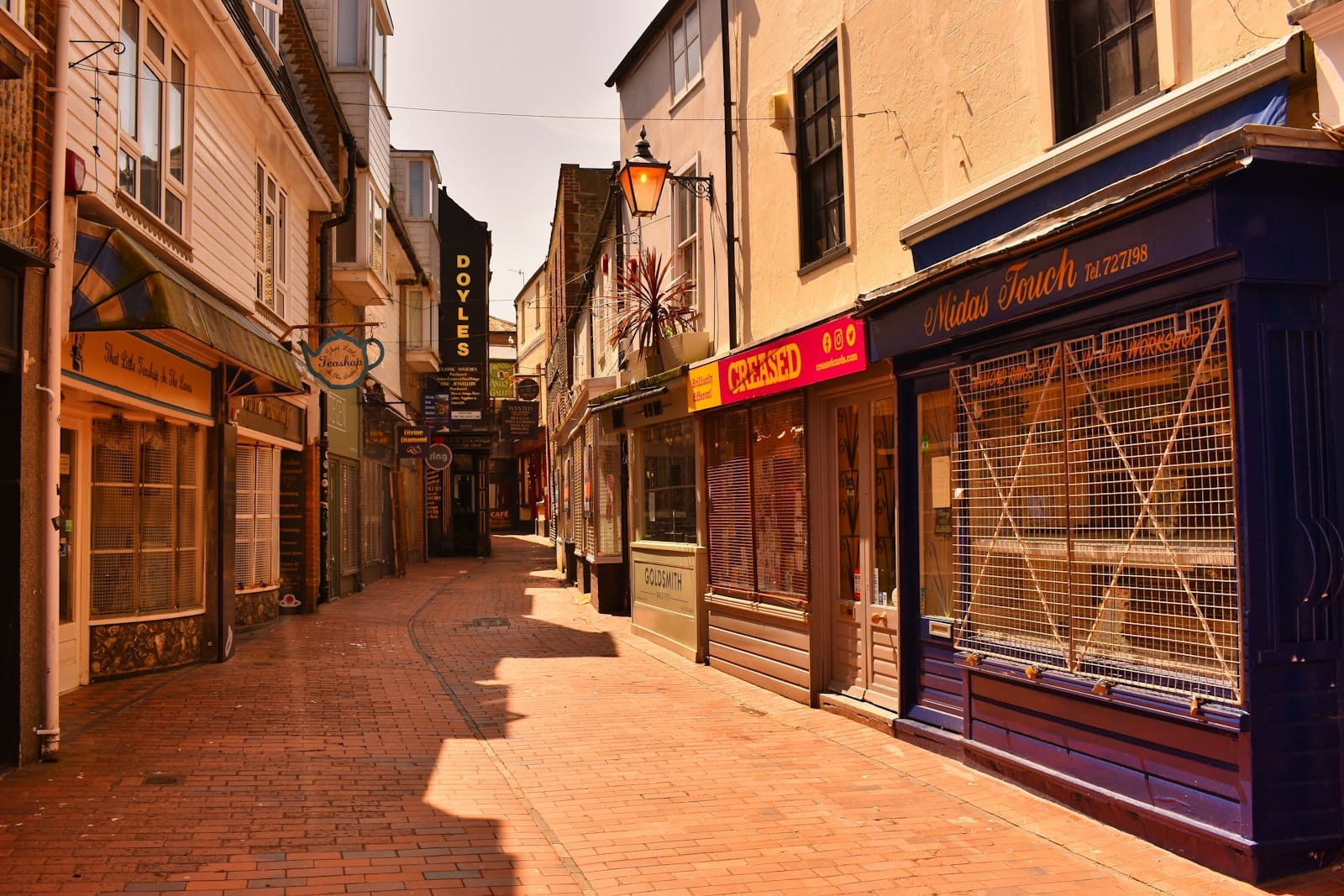
The Lanes is Brighton's oldest surviving quarter, a compact network of narrow pedestrian alleys built on the footprint of the original fishing village of Brighthelmstone. Packed with independent jewellers, boutiques, seafood restaurants, and centuries-old pubs, it sits at the heart of central Brighton, just minutes from the seafront and the Royal Pavilion.
The Lanes is where Brighton's history is most physically present: a grid of narrow historic alleys, so-called twittens, that trace the layout of a 16th-century fishing settlement. Today those same lanes are lined with jewellers, independent shops, and some of the city's most atmospheric drinking and dining spots, all within a five-minute walk of the sea.
Orientation
The Lanes occupies a compact block in central Brighton, roughly bounded by North Street to the north, East Street to the east, Prince Albert Street and Bartholomew Square to the south, and Ship Street to the west. The whole area is small enough to cross on foot in under ten minutes, yet dense enough to disorient a first-time visitor within the first few turns.
To the south, the streets open onto Brighton's seafront and the Kings Road Arches are just a short walk down Ship Street or Middle Street. To the north, crossing North Street puts you immediately into North Laine, Brighton's other major independent shopping quarter, though the two areas have very different characters. The Lanes feels enclosed and historic; North Laine is more open, more bohemian, and more sprawling.
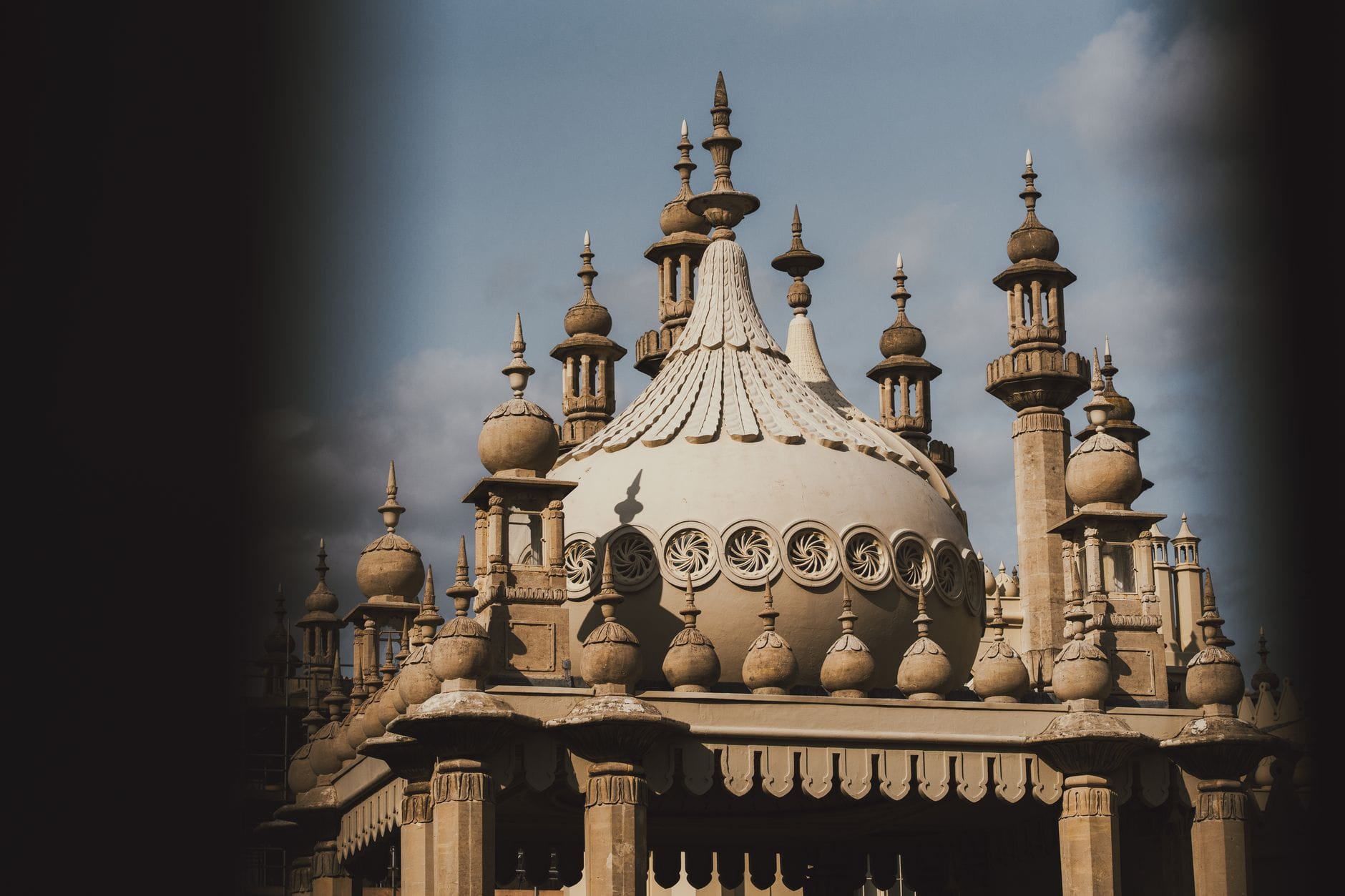
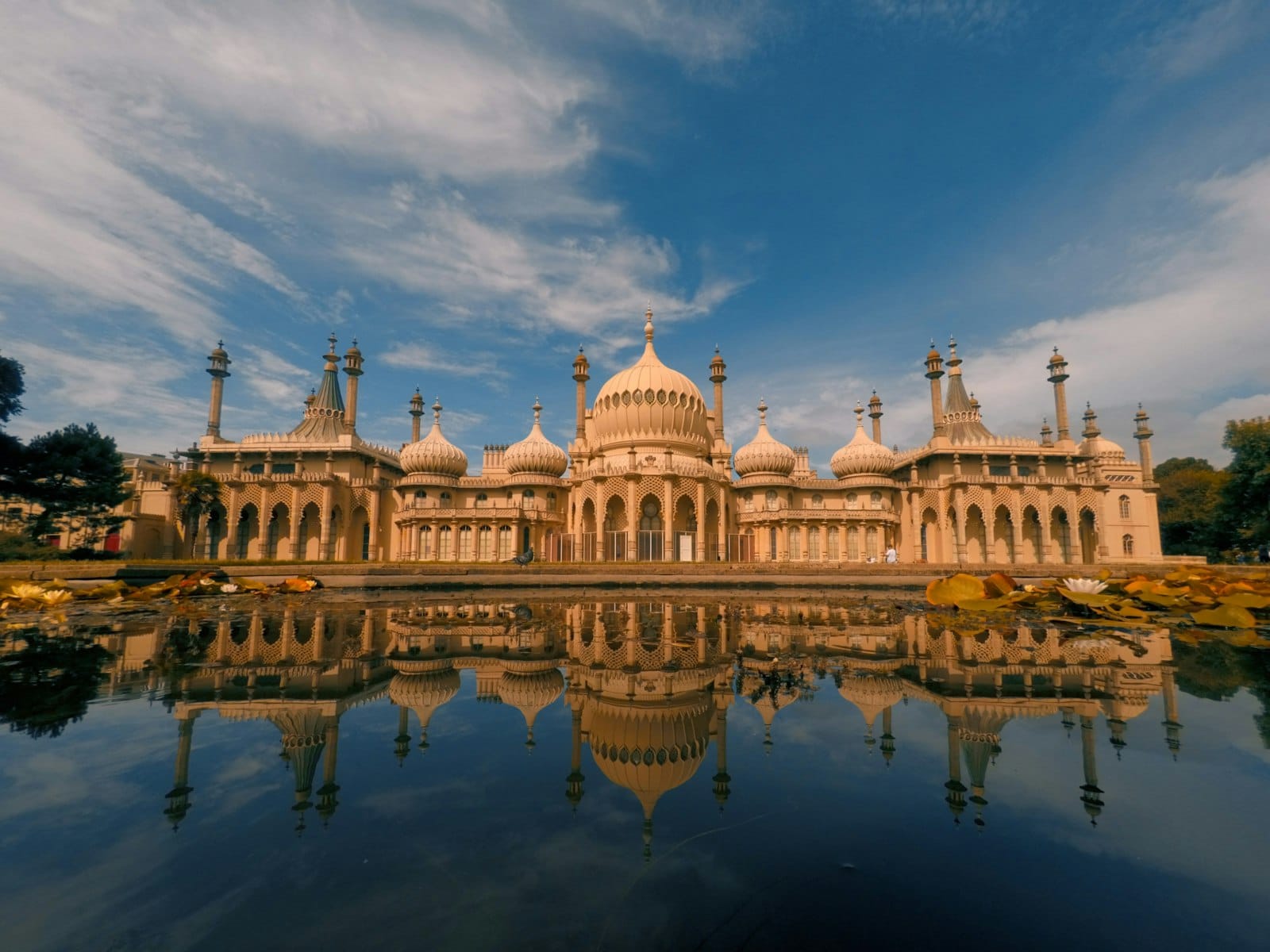
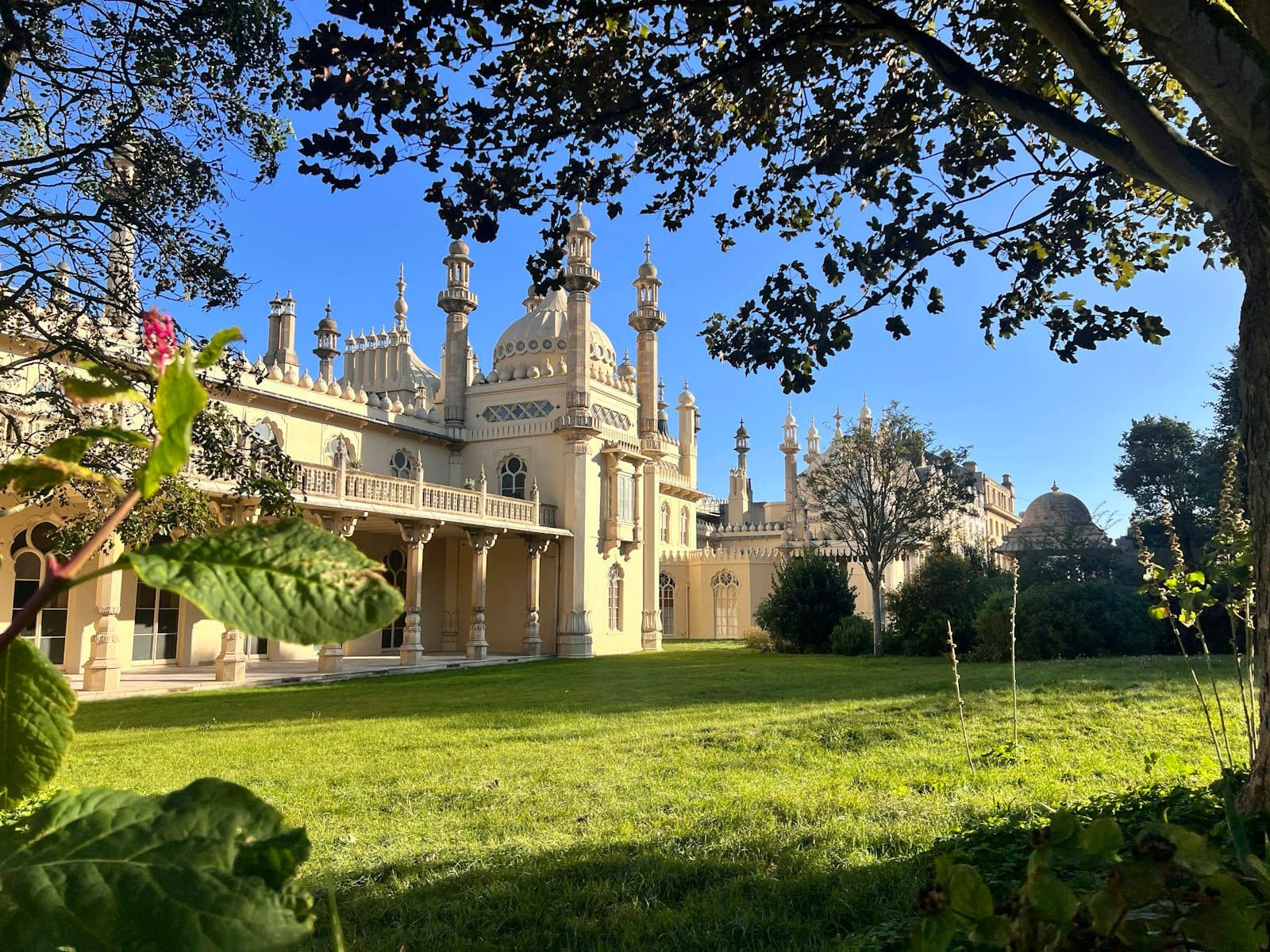
The Royal Pavilion sits just to the northeast, about a five-minute walk along Church Street. Brighton Palace Pier and the main seafront are roughly the same distance to the south. This central position makes The Lanes one of the most convenient bases in the city for accessing multiple attractions on foot.
ℹ️ Good to know
The Lanes and North Laine are not the same place, though visitors often confuse them. The Lanes is the older, more southerly area with an early street plan and a stronger focus on jewellery and upscale independents. North Laine is the larger Victorian quarter north of North Street, known for vintage clothing, record shops, and a more alternative atmosphere.
Character and Atmosphere
The Lanes works on a scale that most British shopping streets have abandoned. The lanes themselves, known locally as twittens, are sometimes barely wide enough for two people to pass comfortably. The building stock is low-rise, irregular, and worn in the best sense: shopfronts lean slightly, brickwork is uneven underfoot, and signage is restrained rather than corporate. This is the original street plan of Brighthelmstone, the fishing village that preceded the Georgian resort town, and you can feel the age of the place in the way it refuses to conform to a grid.
Early on weekday mornings, before the shops open around 10am, The Lanes belongs to delivery drivers, café staff pulling down awnings, and the occasional early walker. The light at that hour hits the upper storeys of the taller buildings on East Street while the lanes themselves stay in cool shadow. It is one of the few times you can hear the ambient sound of the place: gulls, distant traffic from North Street, the metallic clank of a roller shutter going up.
By midday on a weekend, the character shifts completely. Visitors fill the lanes shoulder-to-shoulder on busy summer days, and the sound becomes a continuous murmur of conversation punctuated by the occasional street performer near Bartholomew Square. The jewellery shops, which are genuinely one of the defining features of the area, draw browsers as much as buyers: Brighton has a long-established reputation as a centre for independent and antique jewellery, and a significant number of those businesses are concentrated here.
After dark, The Lanes reorganises itself around its pubs and restaurants. The lanes themselves are quieter than the surrounding streets, with warm light spilling from bar windows onto the brick pavements. The Cricketers Arms on Black Lion Street, which dates to around 1547 and is widely regarded as one of Brighton's oldest pubs, tends to fill quickly on weekend evenings. The atmosphere is less raucous than the seafront and less sceney than Kemp Town: it sits somewhere between a neighbourhood local and a tourist destination, which is probably an accurate description of The Lanes as a whole.
💡 Local tip
Visit on a weekday morning if you want to browse without the weekend crowds. Shops typically open by 10am, and the lanes are noticeably quieter before noon Monday to Friday, especially outside school holiday periods.
What to See and Do
The primary draw of The Lanes is the street-level experience itself: navigating the twittens, discovering dead ends, finding the passage that connects two lanes you didn't expect to be adjacent. It rewards slow walking and occasional wrong turns. There is no single attraction to queue for inside The Lanes; the area is the attraction.
That said, several specific points of interest are worth seeking out. Black Lion Lane is one of the more historically resonant streets, associated in local legend with Charles II's escape route following the Battle of Worcester in 1651. Whether the story holds up to strict historical scrutiny is debatable, but the lane itself is atmospheric regardless. Quadrophenia Alley, a narrow passage decorated with imagery from the 1979 film and its 1960s Mod subculture setting, is a reference point for anyone interested in Brighton's counterculture history.
Hannington's Lane is a more recent addition, opened in 2018 on the site of a former department store. It brings a deliberate contemporary feel to the area, with a planted green wall, murals, and a curated set of independent food and drink operators. It works well as a contrast to the older lanes and is a useful rest stop in the middle of the quarter.
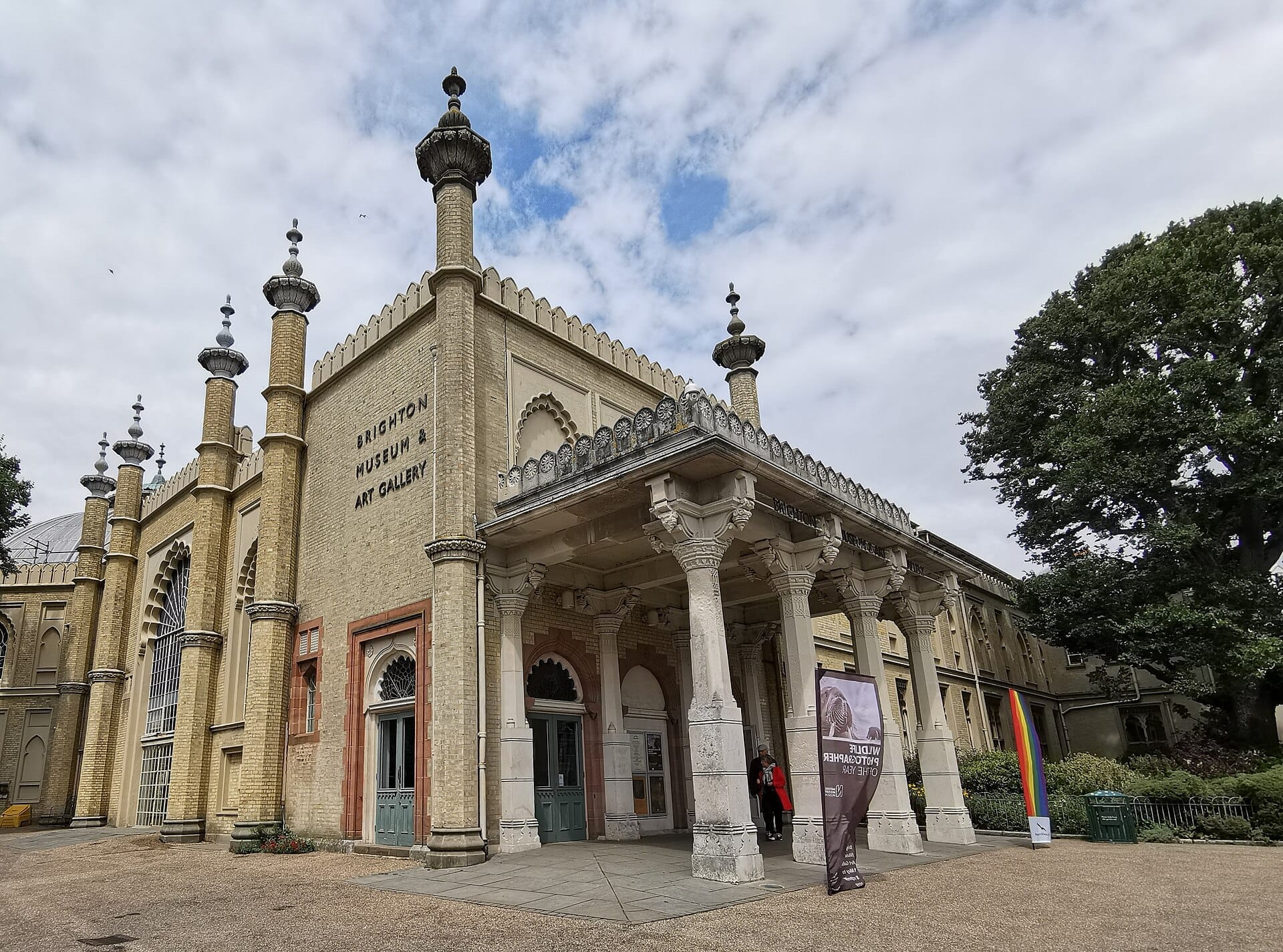
Just beyond the boundaries of The Lanes, several major attractions are within easy walking distance. The Brighton Museum and Art Gallery is about a five-minute walk northeast via New Road. The Brighton Palace Pier is roughly the same distance to the southeast. For those interested in Regency architecture, the streets surrounding The Lanes, particularly along the seafront and toward the Old Steine, offer some of the best examples in the city, covered in detail in the Brighton Regency architecture guide.
Walk the main twittens: Meeting House Lane, Market Street, and Brighton Place are among the most characteristic
Look for the Cricketers Arms on Black Lion Street, dating to around 1547
Find Quadrophenia Alley for a piece of Brighton's Mod history
Explore Hannington's Lane for contemporary independent retail and street art
Browse the independent jewellery shops, a long-standing local speciality
Use The Lanes as a base for walking to the seafront, Royal Pavilion, and North Laine
Eating and Drinking
The food and drink scene in The Lanes is dense for such a small area. Restaurants, cafés, and bars occupy most of the ground-floor units alongside the shops, and the range covers everything from a quick coffee to a long seafood lunch. Quality is generally solid rather than exceptional at the budget end, and the tourist footfall in the area means some places price accordingly. It pays to look slightly beyond the most obvious frontages.
Seafood features prominently, which makes sense given the area's origins as a fishing quarter and its proximity to the coast. Brighton has a tradition of fish restaurants and seafood purveyors that the Lanes area supports well. For a broader picture of what to eat across the city, the Brighton food guide covers local specialities and where to find them.
The pubs in The Lanes skew toward traditional formats: real ale, dark wood interiors, and weekend live music in some cases. The Cricketers on Black Lion Street is the most historically notable, and tends to operate at near capacity on Friday and Saturday evenings. There are also more café-bar hybrids in Hannington's Lane and along some of the wider sections near East Street, which work better for an afternoon drink than a late-night session.
Brighton has a strong independent café culture overall, and The Lanes benefits from this. Options range from third-wave coffee spots to older-style tea rooms. Visitors with specific dietary requirements will find the city generally accommodating: the vegan and vegetarian guide to Brighton is a useful resource, and The Lanes itself has several plant-friendly options among its restaurants.
⚠️ What to skip
Prices in The Lanes can be noticeably higher than in surrounding areas, particularly for sit-down restaurants on the main lanes. If you're on a budget, it's worth walking a few minutes north to North Laine or east toward the Old Steine for cheaper lunch options. The Brighton on a budget guide has practical alternatives across the city.
Getting There and Around
Brighton railway station is the main arrival point for most visitors. From the station, The Lanes is around a ten-minute walk heading south down Queen's Road and then through the centre of town via Clock Tower and North Street. The route is straightforward and well-signposted. There is no metro system in Brighton; the city relies on buses and rail.
Buses run frequently along North Street, which forms the northern boundary of The Lanes, and along Old Steine and Pool Valley to the east and south. Pool Valley, just beyond the eastern edge of The Lanes near the seafront, functions as Brighton's main coach terminus and is a major local bus interchange. Brighton and Hove Buses operate the majority of city services; routes along North Street and to Pool Valley give easy access to most parts of the city from The Lanes.
The seafront is a five-minute walk south, and from there the Volks Electric Railway runs east along the beach toward Kemp Town during its operating season. The Brighton seafront promenade is entirely pedestrian-friendly and connects The Lanes westward toward Hove and eastward toward Kemp Town without needing to use the road.
Within The Lanes itself, all movement is primarily on foot. The lanes are largely pedestrianised with very limited vehicle access, mostly for deliveries at set times. Mobility note: the brick paving in parts of The Lanes is uneven and some passages are narrow, which can be challenging for pushchairs or wheelchair users. The main streets around the perimeter, East Street, North Street, and Ship Street, are more accessible. Hannington's Lane has a more modern, level surface.
For visitors arriving from London, direct trains from London Victoria and London Bridge reach Brighton in approximately 60–70 minutes, with some faster services; from Gatwick Airport, Southern and Thameslink services take around 30 minutes to Brighton station. Full details on getting around the city, including bus routes and walking times between neighborhoods, are covered in the getting around Brighton guide.
Where to Stay
Staying in or immediately around The Lanes puts you within walking distance of the seafront, the Royal Pavilion, and the main shopping areas, which makes it one of the most convenient locations in Brighton for a short visit. The area itself is primarily commercial rather than residential, so most accommodation options are hotels and guesthouses rather than apartments, though self-catering options exist nearby. The Brighton accommodation guide covers the full range of options across the city.
The streets immediately surrounding The Lanes, particularly toward the seafront along Kings Road and westward into the Regency squares, have a higher density of hotels ranging from boutique independents to larger chain properties. These locations are quiet enough in the early morning but can generate significant pedestrian noise on Friday and Saturday nights when the bars close. The lanes themselves are pedestrianised, which reduces traffic noise, but the central location means ambient noise from the surrounding streets is a factor on busy nights.
The Lanes is best suited to visitors who want to be close to multiple attractions and comfortable with a lively urban environment. Families, couples, and solo travellers who prioritise location over quietness will find it well-positioned. Those seeking a calmer base might consider the Regency squares closer to Hove, which offer similar architectural character with less foot traffic.
Who The Lanes Is For
The Lanes is one of the most photogenic and historically layered parts of Brighton, and it earns its reputation as a central stop on any visit to the city. But it is not the best place to find a quiet afternoon. On summer weekends and during major events like Brighton Festival or Pride, the narrow lanes become genuinely overcrowded, and the commercial character of the area means the experience can feel more like an outdoor shopping centre than a historic quarter.
For visitors who want to go beyond the obvious, The Lanes rewards those who take the time to explore its less-visited edges: the quieter passages off Ship Street, the streets between The Lanes and the seafront, and the transition zone between The Lanes and North Laine around North Street. The Brighton hidden gems guide points to some of these less-trafficked spots across the city.
On balance, The Lanes is worth an afternoon for almost any visitor to Brighton, and worth a longer stay for anyone interested in independent retail, food, or the city's pre-Georgian history. It is not the right base for those who want a purely residential feel, and it is not the cheapest part of the city to eat and drink. But as a concentration of character in a small space, it remains one of the defining experiences of a Brighton visit.
TL;DR
The Lanes is Brighton's oldest surviving quarter, built on the street plan of a 16th-century fishing village, and the most historically atmospheric part of the city centre.
Best visited on weekday mornings to avoid crowds; summer weekends can make the narrow lanes uncomfortably congested.
Strong for independent jewellery, boutique shopping, seafood restaurants, and traditional pubs, with Hannington's Lane adding a contemporary food and retail dimension.
Centrally located: around ten minutes on foot from Brighton station, and about five minutes from the seafront and Royal Pavilion, making it an efficient base for a short city visit.
Best suited to visitors who want easy access to multiple attractions and are comfortable with a lively, sometimes crowded urban environment; not ideal for those seeking quiet or budget dining.
Brighton's coastline is one of England's most famous, but there's far more to it than the main pebble beach by the pier. This guide covers the best beach spots in Brighton and Hove, plus the coastal walks and waterfront attractions that make the most of the seafront.
Brighton has a strong museum culture for a coastal city. From a royal palace to a Victorian toy trove and a natural history collection currently closed for essential works, here are the finest museums the city has to offer, covering art, history, heritage, and the sea.
Brighton rewards visitors differently depending on the season. This guide breaks down the weather, crowds, events, and costs month by month so you can pick the right time for your trip — whether you want sunshine on the beach, festival energy, or a quiet winter escape.
At roughly 47 miles and one hour by train, Brighton is London's most accessible seaside escape. This guide covers every transport option, the best things to do in a single day, and the practical details that make the difference between a good trip and a great one.
Brighton Festival and Brighton Fringe run simultaneously across three weeks each May, turning the city into one of England's most concentrated arts events. This guide covers the key differences between the two, how tickets work, where events happen, and how to plan your visit without the usual confusion.
Brighton rewards those who look beyond the pier and Pavilion. From Victorian curiosities under railway arches to dramatic chalk cliff walks, these lesser-known attractions reveal a city of real depth and character.
Brighton in summer draws hundreds of thousands of visitors to its shingle beach, Regency architecture, and independent neighbourhoods. This guide covers what the weather actually delivers, when crowds peak, what to book ahead, and how to get the most from the city between June and August.
Brighton in winter is quieter, cheaper, and surprisingly rewarding. This guide covers what stays open, what closes, what the weather actually feels like, and how to make the most of a visit between November and February.
Brighton has a reputation for being pricey, but the reality is more nuanced. From free beaches and seasonal pier admission (often free for residents) to paid museums with resident discounts and a walkable city centre, this guide covers every practical angle for stretching your pounds further on the Sussex coast.
Brighton Pride is the UK's largest Pride festival, drawing hundreds of thousands of people over the first weekend of August. This guide covers the 2026 dates and headline acts, how to get tickets before they sell out, travel logistics, road closures, and the honest breakdown of what costs money and what doesn't.
Brighton holds one of the most complete collections of Regency architecture in Britain, from John Nash's exotic Royal Pavilion to Charles Busby's sweeping Brunswick Town terraces. This self-guided tour walks you through the key buildings, explains what makes each significant, and gives you the practical information to plan your visit.
Brighton sits at the centre of one of England's most varied day-trip networks. Within two hours you can reach chalk cliffs, medieval towns, Roman ruins, and island ferries, most of it without a car. This guide covers the best options by transport type, season, and budget.
Brighton is one of the easiest UK cities to navigate without a car. This guide covers every transport option — from the city's excellent bus network to bike share, taxis, and rail connections — with clear guidance on what works, what to skip, and how to keep costs down.
Brighton is a strong shopping city for independents. The Lanes and North Laine together offer hundreds of independent boutiques, vintage dealers, and artisan makers within walking distance of the seafront. This guide covers the best spots to browse, buy, and discover across every corner of the city.
Brighton packs more into 82 square kilometres than almost any seaside city in England. This guide covers the iconic attractions, the best neighbourhoods for exploring, seasonal considerations, and clear guidance on what to skip — everything you need to plan a trip that actually delivers.
Brighton has a very high concentration of vegan and vegetarian restaurants in the UK, with well over 150 plant-based listings. This guide covers the best spots across every neighbourhood, budget, and food style, from fine dining to vegan junk food.
Brighton is one of the UK's best cities for vintage shopping, with dozens of shops, indoor markets, and antique dealers concentrated around North Laine, Kemptown, and Hove. This guide covers where to go, what to expect to pay, and how to plan your visit season by season.
Brighton packs a remarkable amount into a small area: a historic pier, a Regency palace, independent shopping streets, serious restaurants, and one of England's most distinctive seafronts. This two-day itinerary cuts through the noise and tells you exactly how to spend 48 hours in the city, season by season.
Brighton's food scene is unusually strong for a coastal city of its size. This guide covers the essential dishes, best neighbourhoods for eating, market options, plant-based dining, and practical tips for every budget — from a quick seafront chippy to a full evening meal in Kemp Town.
Choosing where to stay in Brighton shapes your entire trip. This guide breaks down every major neighbourhood by character, price range, and who it suits best, so you can book with confidence rather than luck.