Best Day Trips from Brighton: Where to Go and How to Get There
Brighton sits at the centre of one of England's most varied day-trip networks. Within two hours you can reach chalk cliffs, medieval towns, Roman ruins, and island ferries, most of it without a car. This guide covers the best options by transport type, season, and budget.
Tickets & tours
Live prices and dates from our booking partner. If you book, we may earn a commission at no extra cost to you.
TL;DR
- Most day trips from Brighton are reachable by train or bus in under 2 hours, including the Seven Sisters, Rye, Chichester, and Eastbourne.
- You do not need a car: the South Downs National Park and coastal cliffs are served by scheduled buses and trains from Brighton station.
- Guided full-day tours to the South Downs typically cost around £80-90 per person; independent rail trips to the same areas cost a fraction of that.
- Summer (May to September) gives the best conditions for cliff walks and outdoor sites, but historic towns and Roman remains work equally well in winter.
- Check our Brighton day trip from London guide if you are planning to visit Brighton itself as a destination.
Why Brighton Works So Well as a Day-Trip Base
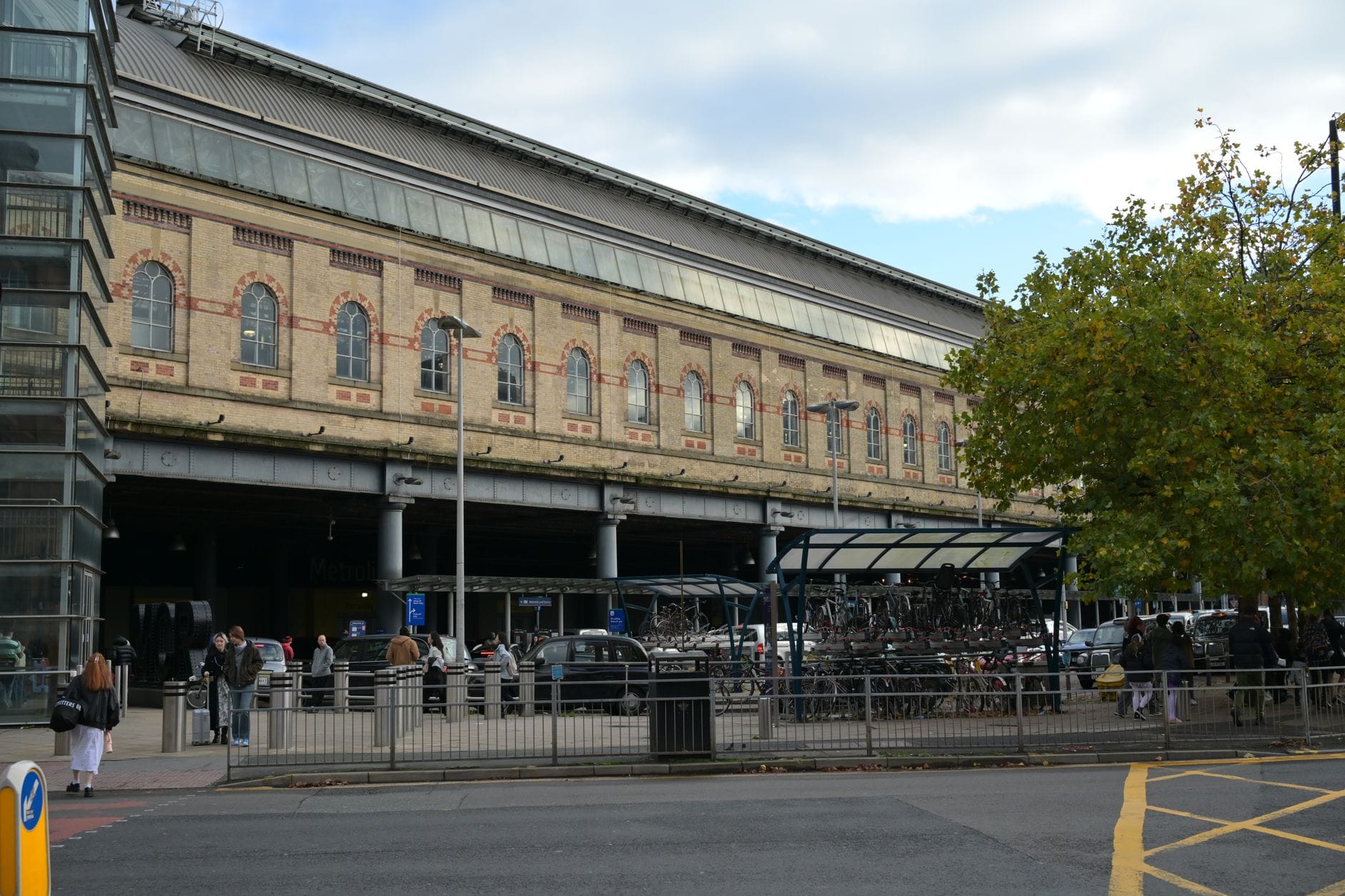
Brighton railway station is one of the best-connected in southern England. Direct Southern services reach London Victoria in under an hour, and Thameslink services run to London Bridge and other London termini in similar times, and the same network fans out eastward to Eastbourne and Hastings, westward to Chichester and Portsmouth, and northward toward Gatwick and London Bridge. The local bus network extends that reach into the South Downs, where trains do not go. In short, most destinations in the guide below require nothing more than an Oyster-free rail ticket and a bit of planning.
Brighton is officially part of the city of Brighton and Hove in East Sussex, sitting on the south coast at approximately 50.82° N. Its position means the South Downs rise immediately to the north, the English Channel stretches south, and a chain of market towns, castles, and Roman sites sit within a 30-60 minute radius by rail. That geography is what makes the day-trip options here so varied.
💡 Local tip
Buy a Network Railcard if you are travelling with one or more companions. It gives 34% off most rail fares across South East England and pays for itself quickly on a single day out to Rye or Chichester. Check National Rail for current eligibility and pricing before booking.
South Downs National Park: Devil's Dyke, Seven Sisters, and Beachy Head
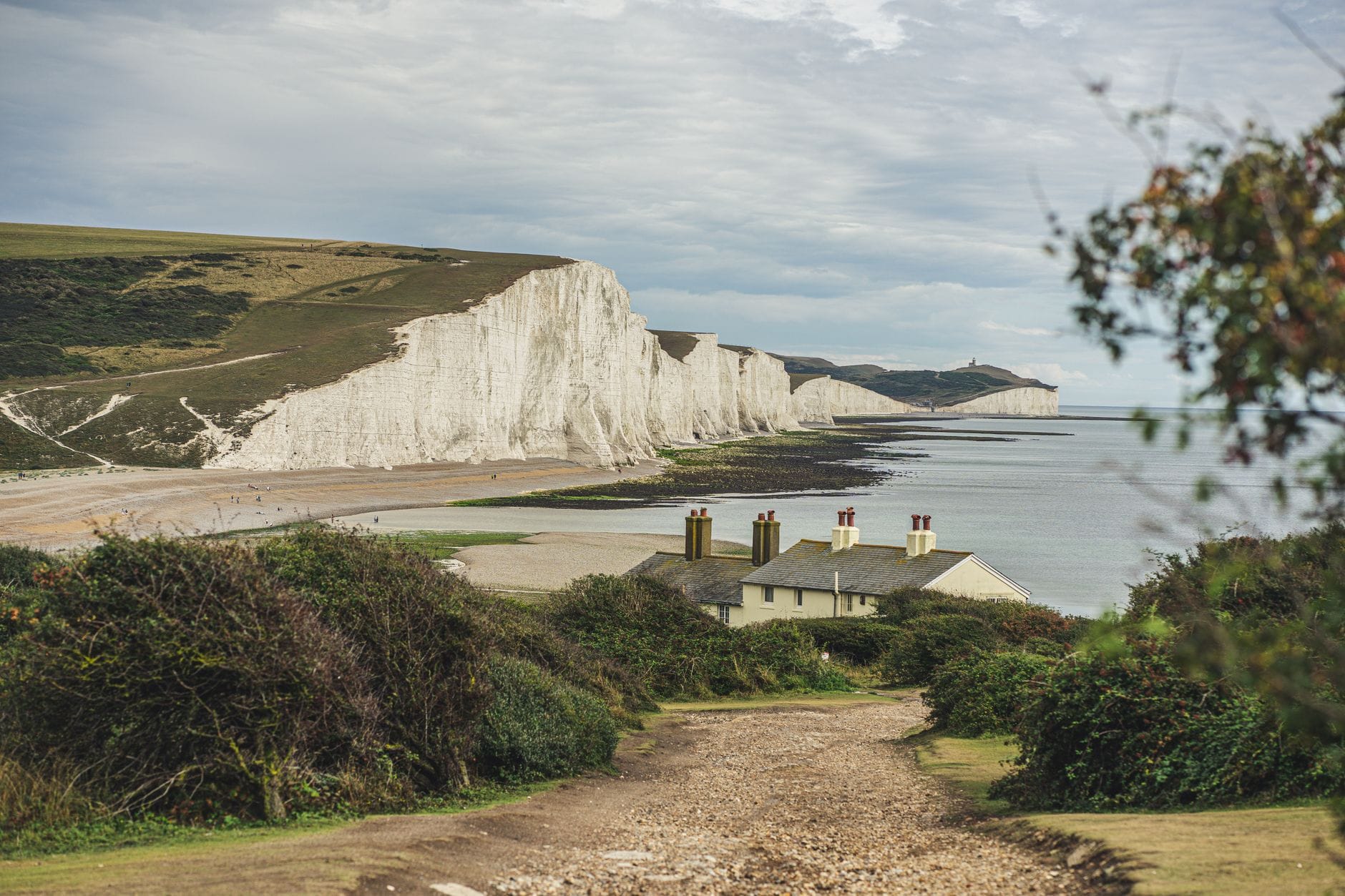
The South Downs National Park is the most obvious day trip from Brighton, and the one that surprises most people who assume you need a car to reach it. Devil's Dyke, the dramatic dry valley northwest of Brighton, is served by the number 77 bus from Brighton station on weekends and bank holidays in the main season, running roughly every 30-40 minutes when operating. The journey takes around 30 minutes and the views from the top across the Weald are among the most underrated in southern England.
For the Seven Sisters chalk cliffs and Birling Gap, take a train to Eastbourne (around 30 minutes from Brighton) then a bus west toward Seaford. Devil's Dyke is better for a quick half-day; the Seven Sisters circuit from Birling Gap to Cuckmere Haven and back is a proper full-day walk of around 8-10 miles. Beachy Head sits just east of Birling Gap and is reachable on foot from there. The white cliffs are genuinely spectacular, but the paths near the cliff edge require care, especially after rain or in high winds.
- Devil's Dyke (half-day) Bus 77 from Brighton station on weekends/bank holidays. Around 30 minutes each way. Free entry to the site itself. Good for panoramic views and short walks.
- Seven Sisters and Birling Gap (full day) Train to Eastbourne (around 30 min), then bus 13X or 12 toward Seaford. Allow 6-8 hours on the ground. National Trust car park at Birling Gap has a cafe for supplies.
- Beachy Head (full or half day) Accessible from Eastbourne on foot (about 4 miles one way) or by local bus. The lighthouse at the base of the cliff is one of the most photographed in England.
- Guided tours (all-inclusive) Full-day minibus tours from Brighton typically cover Devil's Dyke, Seven Sisters, Birling Gap, and Beachy Head in one loop. Prices around £80-90 per person. Useful if you want commentary and no logistics to manage.
⚠️ What to skip
The cliff paths at Seven Sisters and Beachy Head are unfenced in many sections. Erosion is ongoing and sections can be closer to the edge than they look. Keep well back from the top, especially with children, and avoid these routes in fog or strong winds. The South Downs National Park Authority publishes updated path conditions on its website.
Historic Towns Within Two Hours by Train
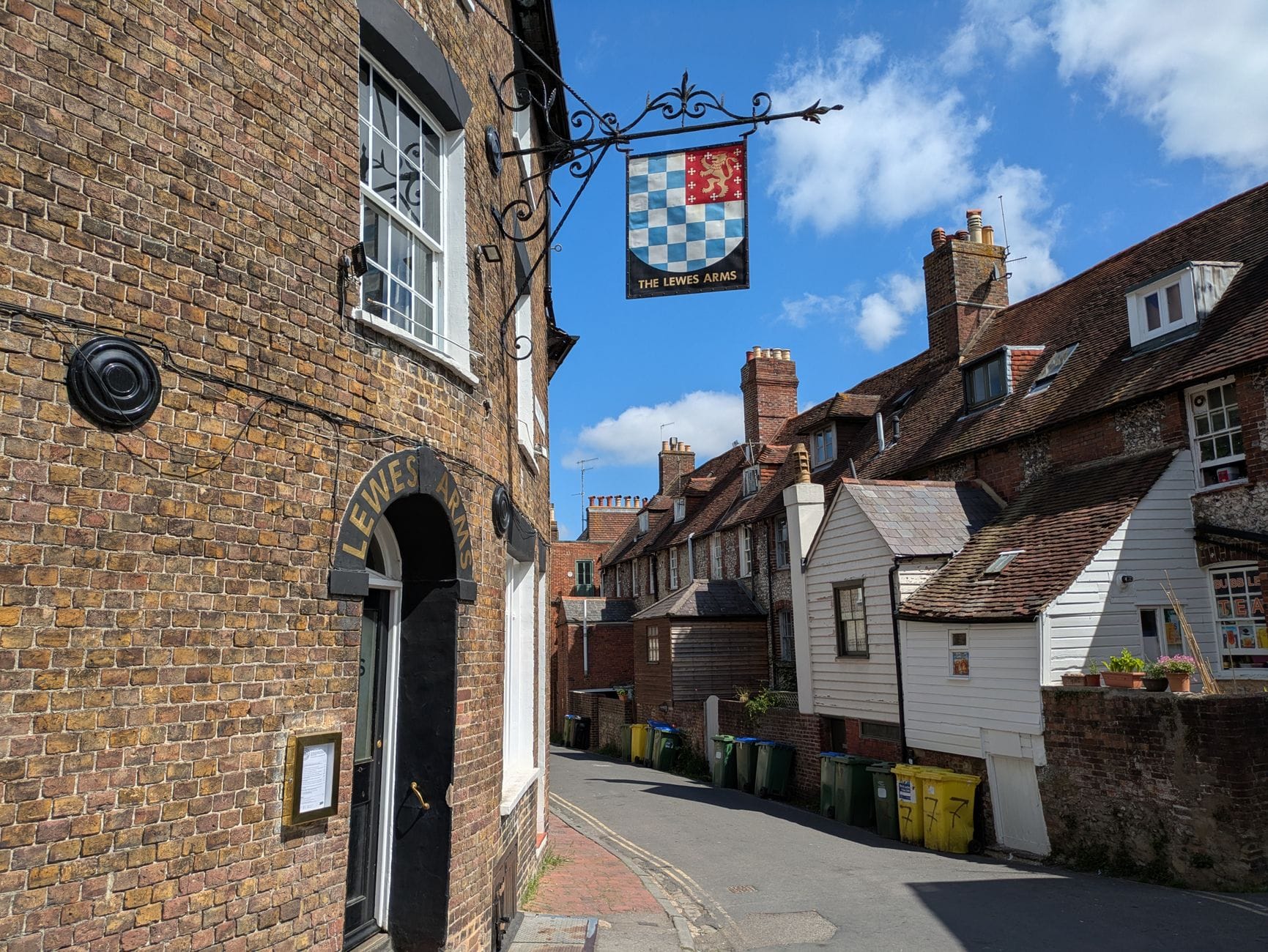
This is where Brighton's rail connections really earn their reputation. The towns below are all reachable as comfortable same-day returns, and each one offers something distinct enough to justify a dedicated trip rather than trying to cram multiple stops into one day.
- Rye, East Sussex (around 1 hr 15 min by train) One of the best-preserved medieval towns in England, with cobbled streets, a 12th-century church, and a working fishing harbour. Take the train to Hastings then a local service or bus onward. Busiest on summer weekends, quieter and genuinely atmospheric midweek in autumn.
- Chichester, West Sussex (around 50 min by train) A Roman-walled market city with a Norman cathedral, excellent independent food scene, and the Festival Theatre. Combine with Fishbourne Roman Palace (2 miles west, bus accessible), which has the finest in-situ Roman mosaic floors in Britain.
- Eastbourne (around 30 min by train) More than just a gateway to the Seven Sisters. The Towner Eastbourne gallery holds a significant collection of British modern art. The Victorian seafront and bandstand are well maintained and considerably less crowded than Brighton in summer.
- Hastings (around 1 hr by train) Hastings Old Town is a distinct neighbourhood from the modern resort, with independent shops, a working beach-launched fishing fleet, the UK's steepest funicular railways, and a castle ruin above the cliff. Worth at least half a day on its own.
- Arundel (around 1 hr by train) A small market town dominated by a Victorian Gothic castle and a Roman Catholic cathedral, positioned along the River Arun. Arundel Castle and its grounds are the main draw. The town is compact and walkable in under two hours.
A note on timing: most of these towns are at their quietest on Tuesday and Wednesday, and at their most crowded on Saturday afternoons in July and August. If you can travel midweek, the difference in atmosphere at places like Rye is considerable. Train fares booked in advance through National Rail or a booking app will almost always be cheaper than buying at the station on the day.
The Isle of Wight: A Long Day Trip Worth Planning Carefully
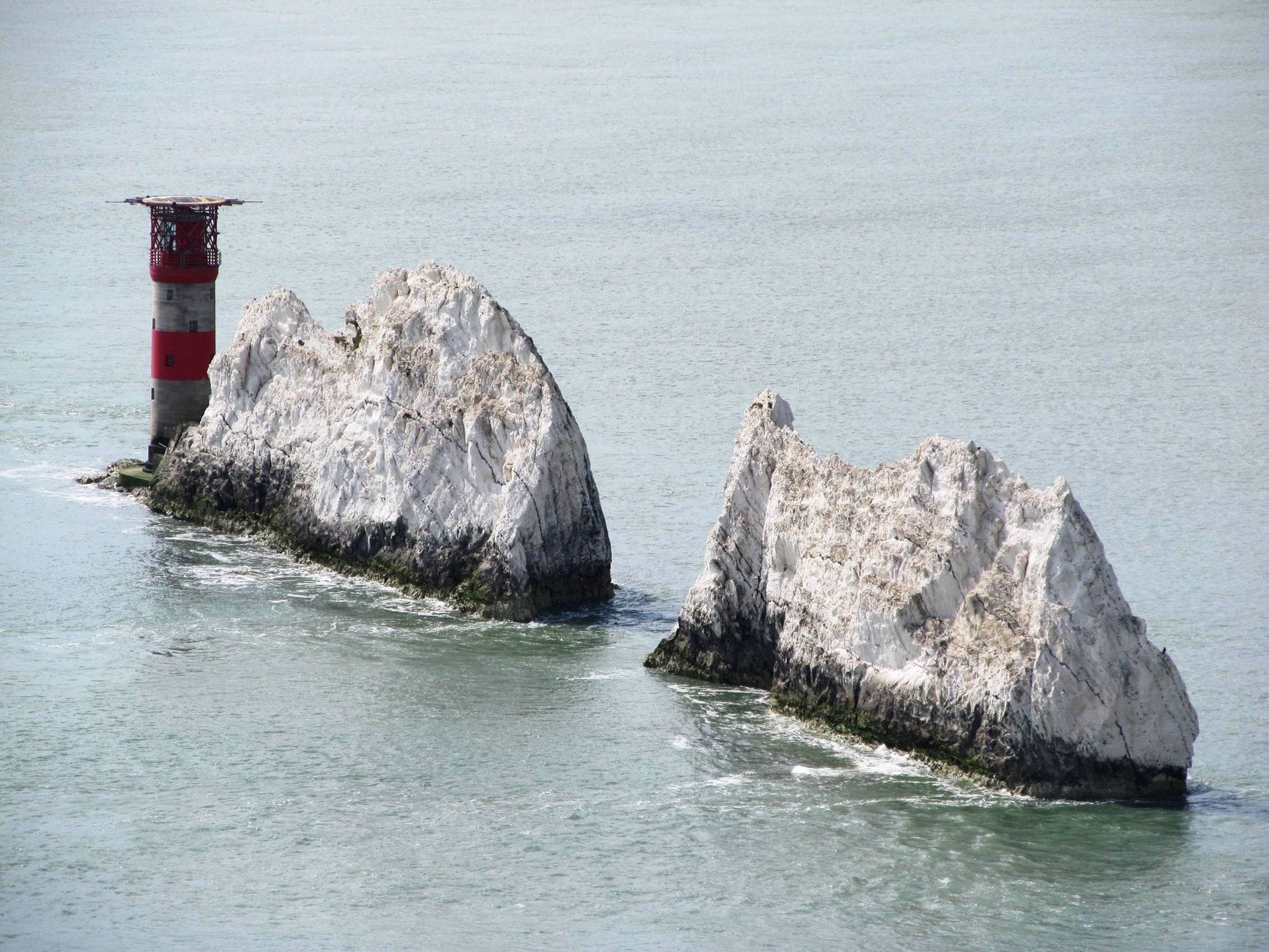
Getting to the Isle of Wight from Brighton in a single day is absolutely possible, but it requires an early start and some discipline about return times. The standard route is train from Brighton to Portsmouth Harbour (around 1 hour 20 minutes), then the Wightlink or Hovertravel ferry to Ryde or Fishbourne on the island. Ferry crossings range from about 10 minutes on the hovercraft to around 45 minutes on the car ferry, depending on which service and crossing you choose.
On the island, the most practical approach for a day trip is to focus on one area rather than attempting a circuit. The Needles chalk stacks on the western tip, Carisbrooke Castle in the centre, and Osborne House (Queen Victoria's seaside retreat, managed by English Heritage) are all strong options. Some guided tours from Brighton bundle the Portsmouth Historic Dockyard and an island ferry crossing together, arriving on the island around midday. That leaves roughly four to five hours before needing to catch a return ferry, which is tight but workable if you choose one site.
✨ Pro tip
Book Wightlink ferry tickets in advance online, particularly for summer weekends, as the car ferry can sell out. Foot passenger spaces are rarely an issue, but reserving your crossing removes uncertainty on a time-sensitive day. Check Wightlink's website for current fares and timetables before travelling.
Inland Day Trips: Roman Ruins, Castles, and Country Houses
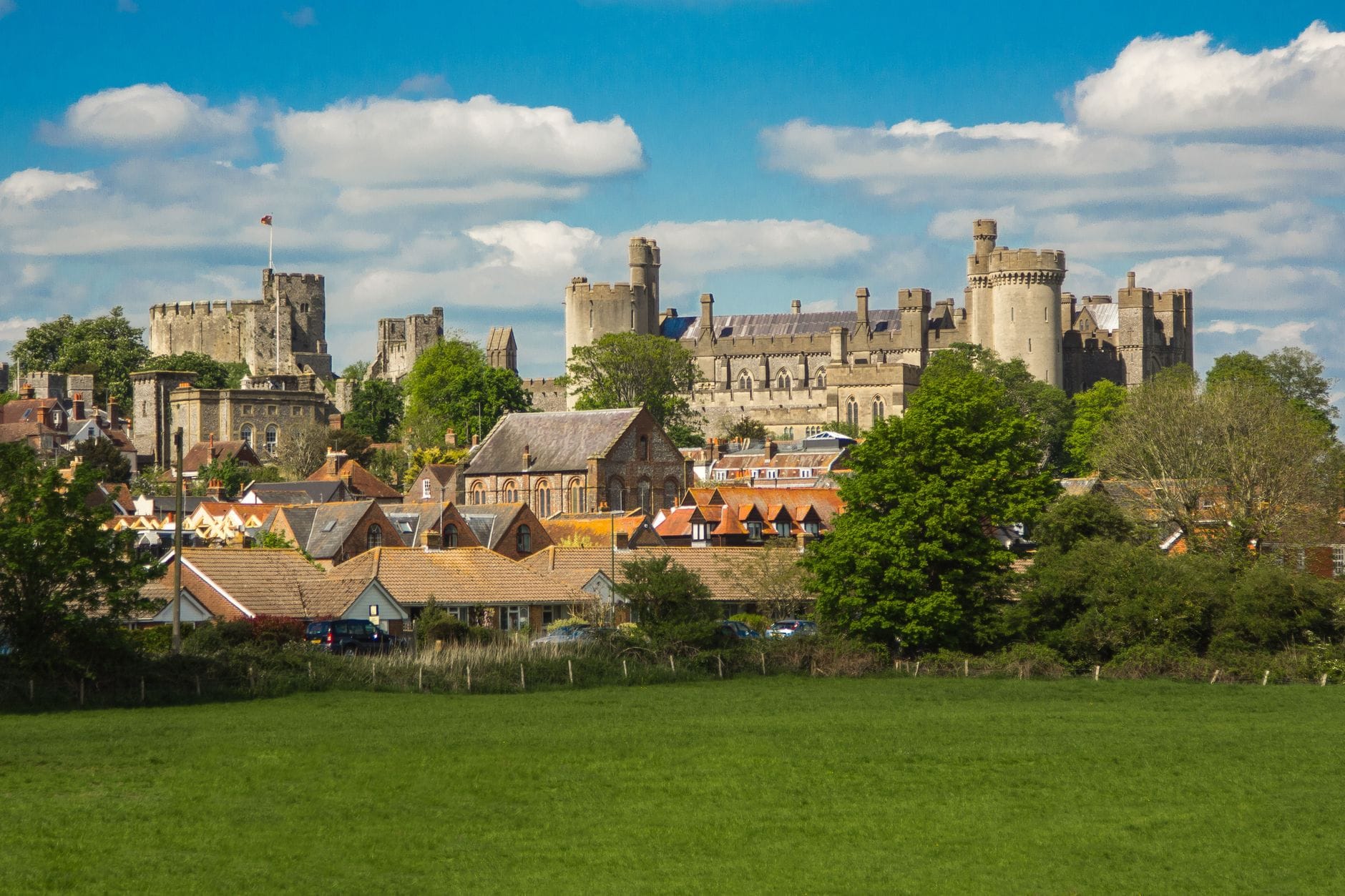
The assumption that day trips from Brighton are all coastal or chalk-cliff-focused is one of the more persistent myths about the area. Within roughly an hour of Brighton by train or bus, there are prehistoric sites, Roman remains, medieval castles, and Georgian country houses. Many visitors overlook these entirely, which means they are considerably less crowded than the coastal alternatives. Brighton itself has Preston Manor, an Edwardian house museum north of the city centre, and Stanmer Park just beyond that, but the genuinely rewarding sites require a bit more travel.
Fishbourne Roman Palace near Chichester (covered above) is the standout archaeological site in the region. Bignor Roman Villa, further north in West Sussex, is smaller and less visited but has exceptional mosaic floors including a long Venus and gladiator pavement. It is accessible by car or by a combination of train and taxi from Amberley station. Leeds Castle in Kent is around 2 hours from Brighton by train and bus, and while it is heavily marketed and priced accordingly, it is genuinely impressive as a lakeside fortification. For something more off the beaten path, Bodiam Castle in East Sussex (14th-century moated fortress, built 1385, managed by the National Trust) is about 90 minutes by train to Robertsbridge then taxi or bus.
Seasonal Advice and Practical Logistics
Brighton has a temperate maritime climate with average summer highs of around 19–21°C and winter daytime temperatures around 8–9°C, which means most day trips are physically comfortable year-round. but the experience varies significantly by season. The South Downs and cliff walks are best from late April through October, when paths are drier, daylight extends past 7pm, and the landscape is at its greenest. Winter trips to the chalk cliffs are not impossible, but short daylight hours and muddy paths reduce the appeal considerably.
Historic towns and indoor sites, by contrast, are genuinely good in winter. Rye in November is a completely different experience to Rye in August: fewer people, lower accommodation prices if you extend to an overnight stay, and a quieter atmosphere that suits the medieval setting. The same applies to Chichester and its cathedral. For more on timing your wider trip, see the best time to visit Brighton guide, which covers seasonal crowd patterns and local events that might affect day-trip logistics.
- Book train tickets as far in advance as possible. Advance single fares on Southern services for shorter routes like Brighton to Eastbourne or Brighton to Chichester are usually significantly cheaper than walk-up fares, which can be double or triple the advance price.
- Arrive at Brighton station at least 10 minutes before your train, particularly on summer weekends when platforms can be crowded.
- Download the Trainline or National Rail app for live departure boards and platform confirmations, which matter when services are disrupted.
- For bus-dependent routes like Devil's Dyke on weekends, check Brighton & Hove Buses route 77 timetables in advance as frequency changes seasonally.
- Carry cash for smaller cafes and National Trust entry points that may not accept cards reliably in rural locations.
- If visiting Fishbourne Roman Palace or any English Heritage/National Trust site regularly, annual membership pays for itself quickly and covers many of the best inland sites.
If you are planning a longer stay in the area rather than a single day out, the weekend in Brighton guide covers how to structure two days between the city and its surroundings. For those travelling on a tight budget, the Brighton on a budget guide includes transport tips that apply equally to day trips.
FAQ
What are the best day trips from Brighton without a car?
Rye, Chichester, Eastbourne, Hastings, and Arundel are all straightforward by train from Brighton station, with journey times of 30 minutes to just over an hour. Devil's Dyke in the South Downs is served by the number 77 bus on weekends and bank holidays. The Seven Sisters cliffs are reachable via train to Eastbourne and then a local bus. None of these require a car.
How long does it take to get to the Seven Sisters from Brighton?
Allow about 50–70 minutes total travel time. Take a train to Eastbourne (around 40 minutes) then catch the 12, 12A or 12X bus west toward Seaford. The bus drops you close to Birling Gap, where the Seven Sisters walk begins. Return the same way or continue to Seaford for the train back to Brighton.
Can you do a day trip to the Isle of Wight from Brighton?
Yes, but it is a long day. Train from Brighton to Portsmouth Harbour takes around 1 hour 20 minutes, then a ferry crossing to the island of between 10 and 45 minutes depending on the service. You will have roughly four to five hours on the island if you take a morning train. Focus on one site rather than trying to see the whole island.
Are there guided day tours from Brighton to the South Downs?
Yes. Several operators run full-day minibus tours covering Devil's Dyke, Seven Sisters, Birling Gap, and Beachy Head from Brighton. Typical prices are around £80-90 per person. These tours are bookable through platforms like GetYourGuide. They include transport and a guide, which makes them worthwhile if you want context or prefer not to manage the logistics independently.
What is the best day trip from Brighton for history?
Chichester combined with Fishbourne Roman Palace is the strongest single-day option for history. The palace has the finest in-situ Roman mosaics in Britain, and Chichester itself has a Norman cathedral, Roman walls, and good independent restaurants. The train to Chichester takes around 50 minutes from Brighton. Rye is the better choice if medieval architecture and a well-preserved town layout interest you more than Roman remains.
Tickets & tours
Live prices and dates from our booking partner. If you book, we may earn a commission at no extra cost to you.
Planning a trip? Discover personalized activities with the Nomado app.