Brighton on a Budget: How to Enjoy the City Without Overspending
Brighton has a reputation for being pricey, but the reality is more nuanced. From free beaches and seasonal pier admission (often free for residents) to paid museums with resident discounts and a walkable city centre, this guide covers every practical angle for stretching your pounds further on the Sussex coast.
Plan and book this trip
Tools from our partner Travelpayouts help you compare flights and hotels. If you book through them, we may earn a commission at no extra cost to you.
Flights
Hotels map
TL;DR
- Brighton's beach and promenade are completely free — on Brighton Palace Pier, you only pay the small admission charge during peak periods plus any rides or games you choose.
- The city centre, The Lanes, and North Laine are entirely walkable, so transport costs can be near zero for many visitors.
- Brighton Museum & Art Gallery charges £10.50 standard adult admission (child £5; residents/students typically £8).
- Accommodation and food costs spike sharply in July and August — visiting in May, June, or September saves real money.
- Brighton is cheaper than London and far more manageable on a tight budget than its seaside reputation suggests — see our guide to the best time to visit Brighton for timing your trip right.
Is Brighton Actually Expensive?
Brighton on a budget is entirely achievable, but it helps to understand where costs concentrate. The city sits in the mid-range of UK cities for cost of living: more expensive than cities like Sheffield or Liverpool, but noticeably cheaper than London. For visitors, the biggest budget killers are accommodation during peak season, seafront restaurants where tourist markup is heavy, and paid attractions that aren't worth the entry fee.
The good news is that Brighton's most compelling features — the beach, the pier walkway, the architecture, the street life of North Laine — cost nothing to access. A day that involves walking the seafront, browsing The Lanes, picking up cheap food from a market, and watching the sun set over the West Pier ruins can cost under £20 including lunch.
ℹ️ Good to know
Brighton and Hove uses GBP (pound sterling). Tap water is safe to drink throughout the city, which helps if you're carrying a reusable bottle. UK emergency services are reached on 999.
Free Things to Do in Brighton
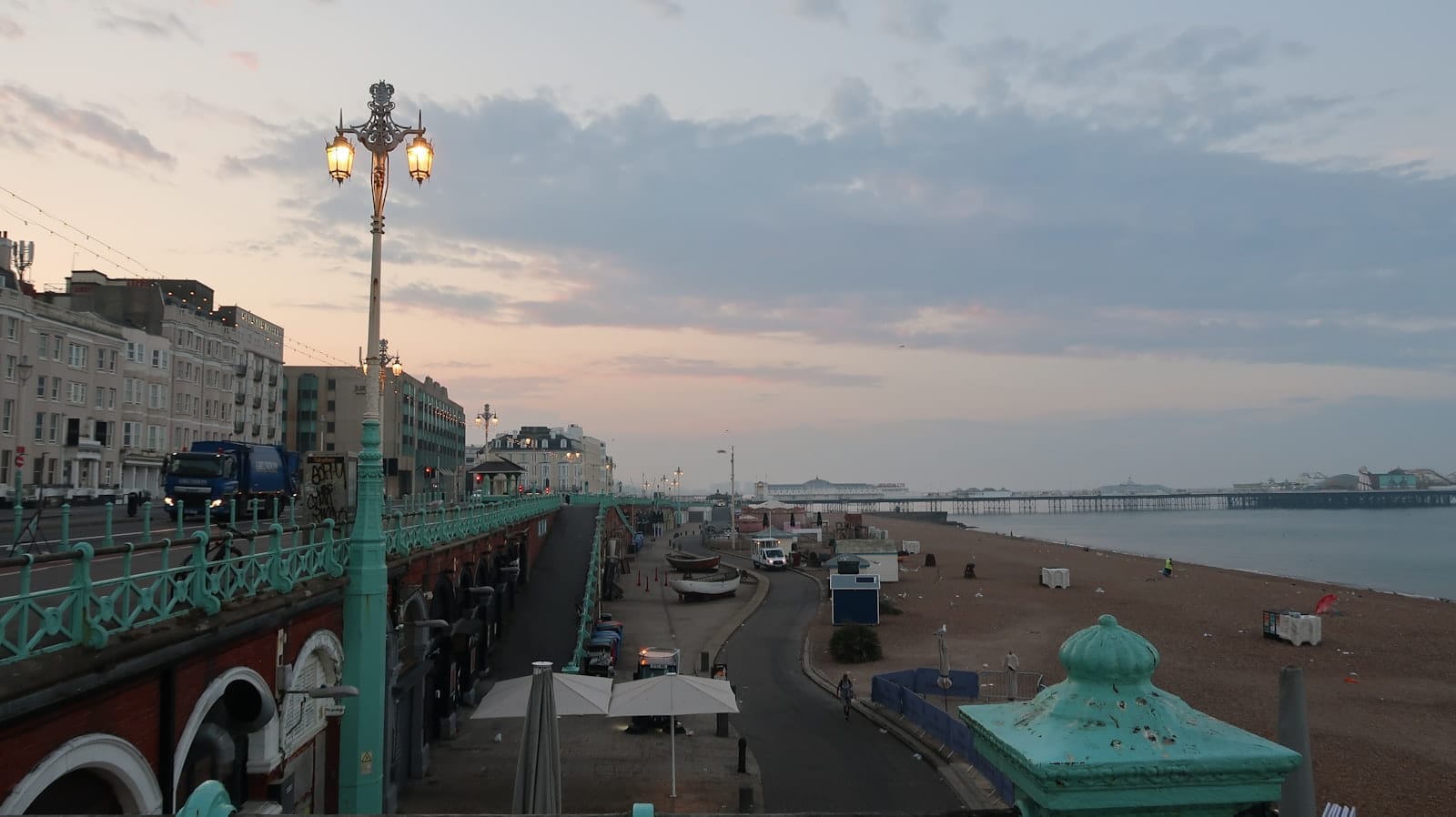
The single biggest draw in Brighton costs nothing: Brighton Beach and the seafront promenade are free to use year-round. The beach itself is shingle rather than sand, which puts some visitors off, but it's a genuinely atmospheric spot at any time of day. Deckchair hire runs around £3–£4 if you want to settle in, but bringing your own mat costs nothing.
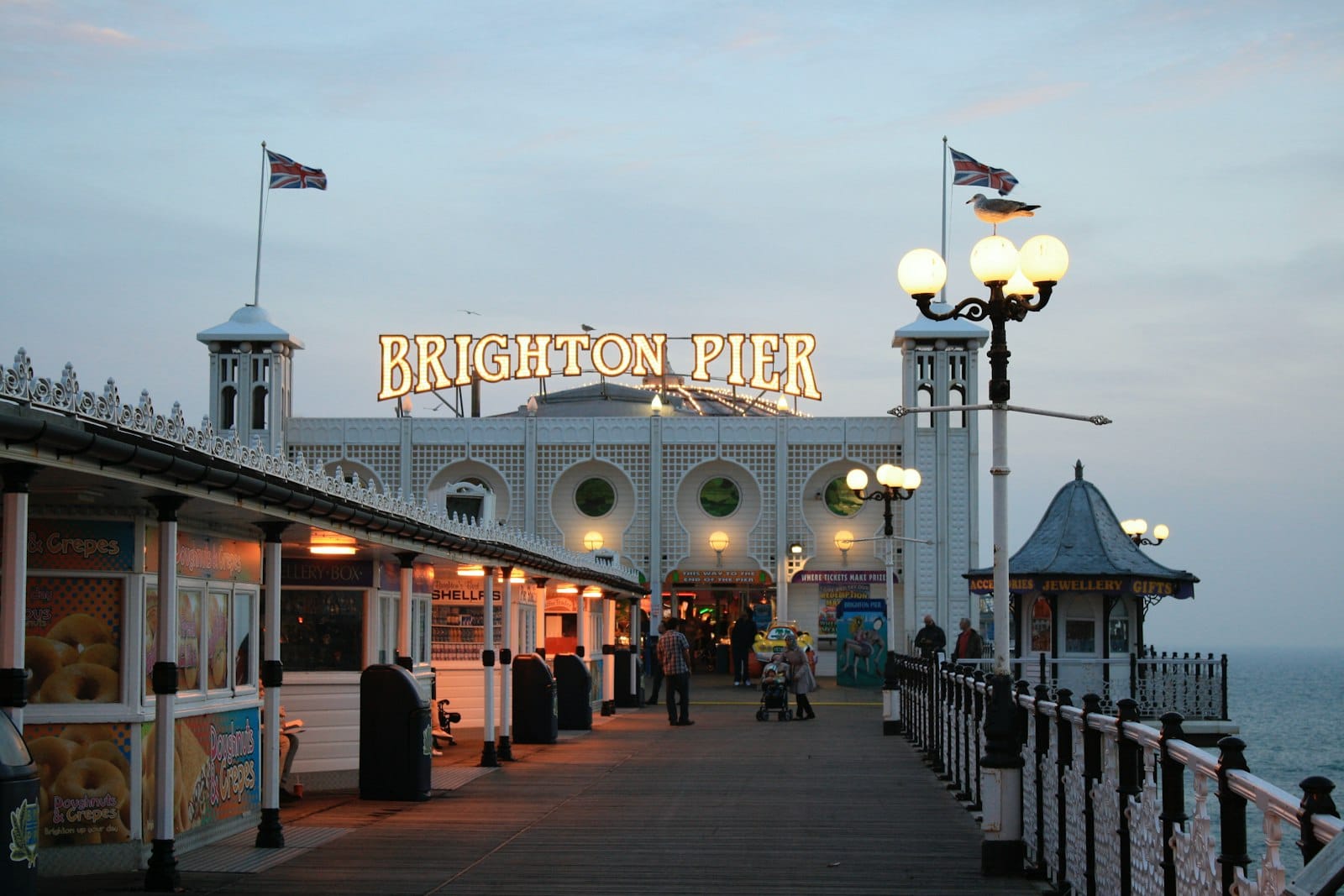
Entry to Brighton Palace Pier is seasonal for most visitors: outside peak charging periods (and for under-2s, Local Resident Card holders, and pre-booked wristband visitors) you walk on free, but during typical March–October peak periods non-residents usually pay £1 admission. Rides and arcade games cost money (individual rides run around £5, or wristbands with unlimited rides are available online at around £26 for adults and £21 for children), but the pier views themselves remain the main draw once you are on the deck.
- Royal Pavilion Gardens The ornamental gardens surrounding the Royal Pavilion are free to enter and make a pleasant spot for a picnic. The Pavilion itself charges admission, but the gardens give you an excellent close-up view of the exterior for free.
- West Pier Ruins The skeletal remains of the West Pier, visible from the promenade, are one of Brighton's most photographed sights. Viewing is free from the beach or the seafront path.
- North Laine and The Lanes Both districts reward slow exploration on foot. The architecture, street art, market stalls and independent shop windows are the attraction, and none of it costs anything unless you buy something.
- Brighton Bandstand The Victorian bandstand on the seafront hosts free events during summer months, including live music performances. Check local listings before your visit.
- Preston Park and Stanmer Park Both offer large green spaces north of the city centre. Preston Park is walkable from the centre; Stanmer Park requires a short bus ride but is substantially larger.
💡 Local tip
The Undercliff Walk, running east from Brighton towards Rottingdean, is one of the most scenic free walks in the area. It follows the base of the chalk cliffs along the shoreline and is about 2.5 miles each way. Go at low tide and wear shoes with grip on the pebbles.
Low-Cost Paid Attractions Worth the Money
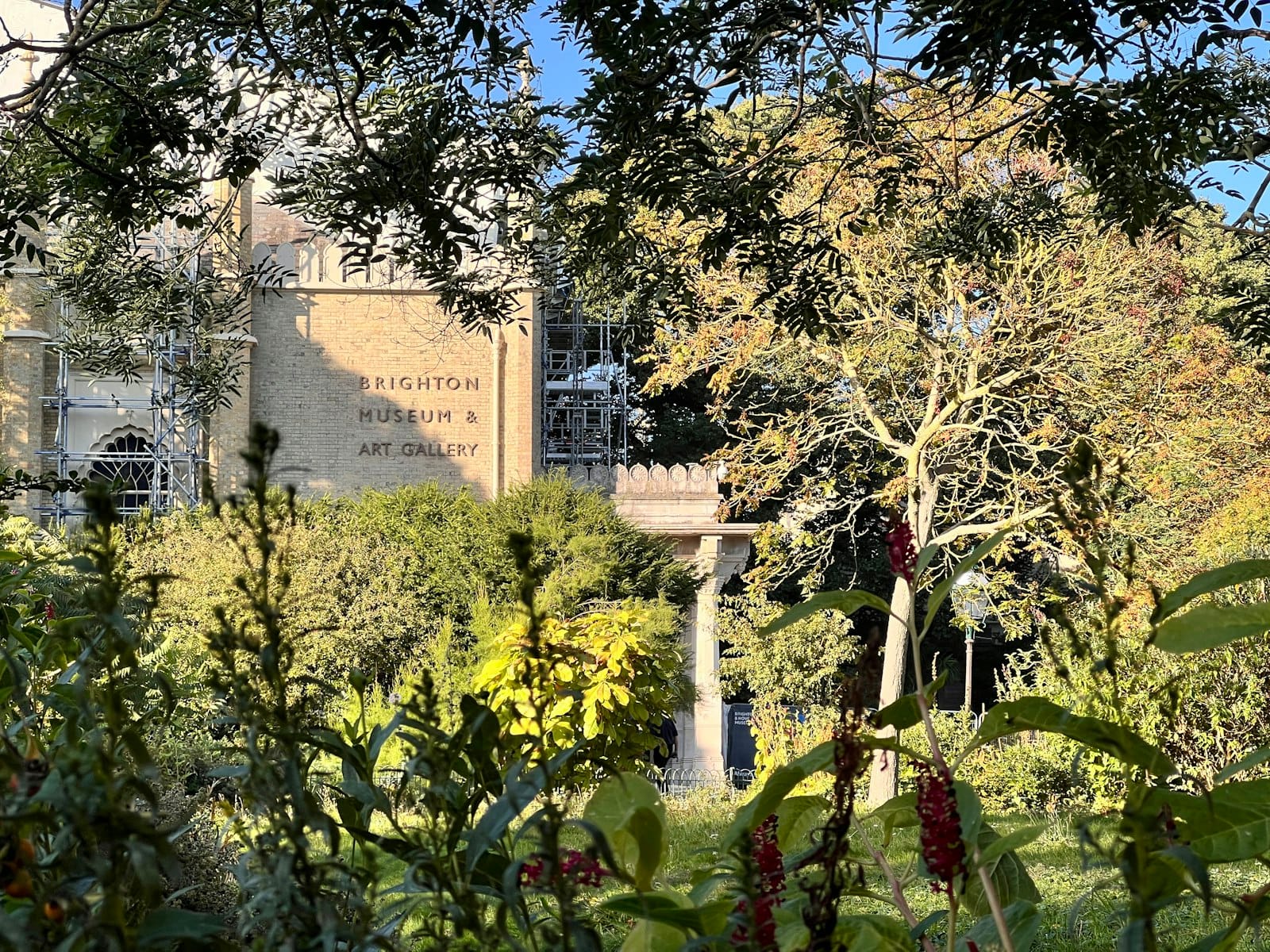
Not everything worth seeing is free, but Brighton has several paid attractions that offer genuine value. Brighton Museum and Art Gallery charges £10.50 for standard adult admission (£5 for children; residents and students typically £8 — verify current prices). The collection covers fine art, fashion history, and Brighton social history, and the building itself — inside the Royal Pavilion estate — is worth seeing. It's one of the better regional museums in the south of England for the price.
The Booth Museum of Natural History on Dyke Road has been closed to the public since 20 April 2025 for essential works, with special event days only and reopening targeted for later 2026 or early 2027. When open, admission is free. Check brightonmuseums.org.uk/booth/ before planning a visit.
If you're drawn to the Royal Pavilion itself, adult admission is £21.50 (child £13; Brighton & Hove residents £16.50 for 1 Apr 2026–31 Mar 2027 — verify current prices directly with the Royal Pavilion and Museums Trust before visiting). It's not cheap, but the interior is unlike anything else in England — an Indo-Chinese-Gothic fantasy built for the Prince Regent. Whether it's worth the money depends on your interest in Regency history and decorative arts. For casual visitors, the free exterior view from the gardens may be enough.
- Volks Electric Railway The world's oldest operating electric railway runs along the seafront between Brighton Pier and Black Rock. Single fares are low and the short ride is a piece of living transport history rather than a tourist gimmick.
- Brighton Fishing Museum Located in the King's Road Arches beneath the seafront road, this small museum documents Brighton's fishing history and is free to enter.
- Sea Life Brighton On the pricier end — standard walk-up tickets can reach £25 or more. Book online in advance for significant discounts, or skip it if budget is tight. It's a solid attraction but not essential.
Getting Around Brighton on a Budget
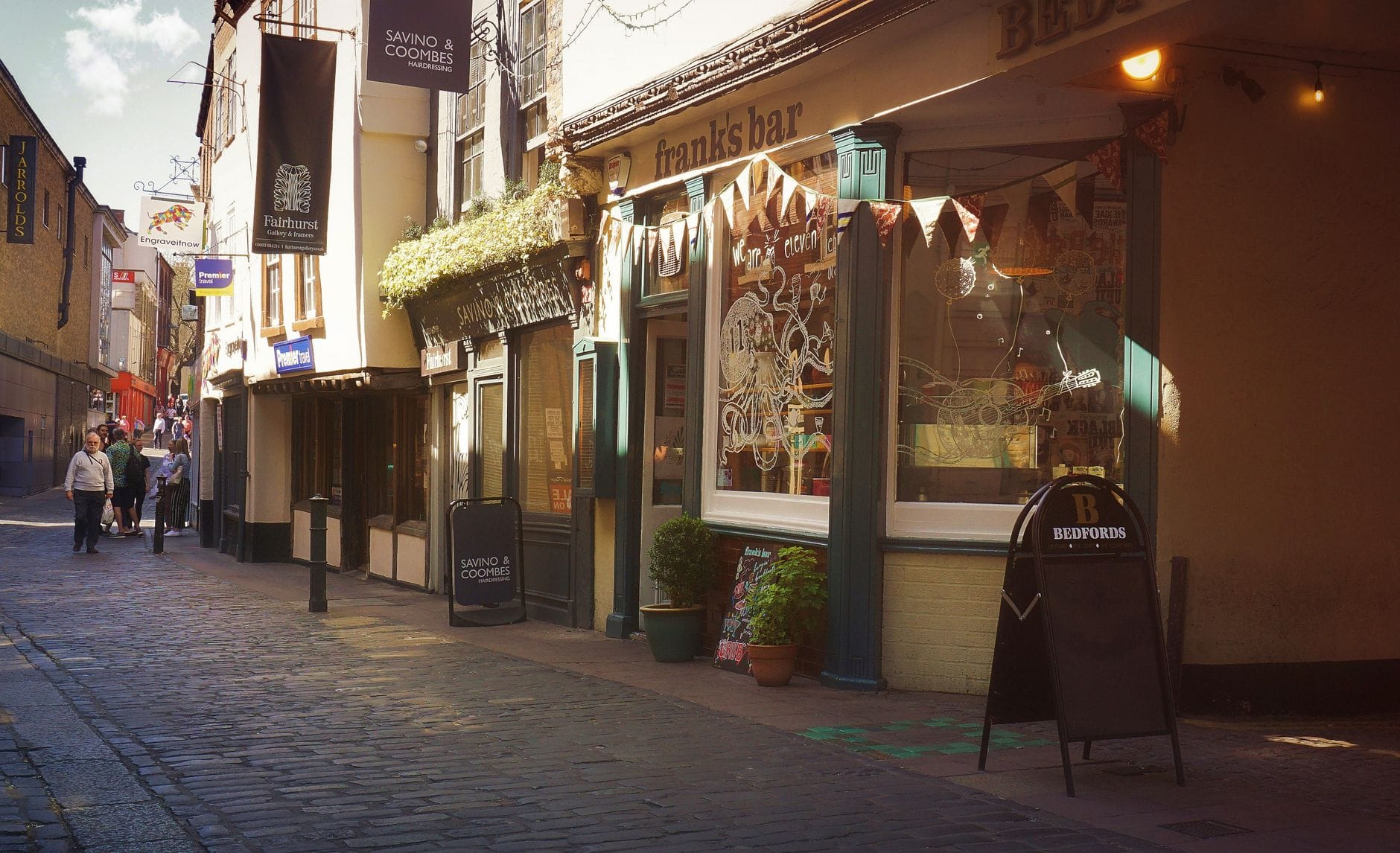
The single most effective way to keep transport costs at zero is to walk. Brighton's main visitor areas — the seafront, The Lanes, North Laine, Kemp Town — are all within a roughly 20-minute walk of each other. The city centre is compact enough that most people don't need public transport at all during a standard day visit.
When you do need a bus, Brighton and Hove Buses operates the main local network. Single fares run in the £2-£3 range for most journeys within the city. Day tickets offer better value if you're making multiple trips. Getting around Brighton covers the full transport picture including routes to outer areas like Devil's Dyke and Stanmer Park.
⚠️ What to skip
Taxis and ride-hailing apps (Uber and Bolt both operate in Brighton) are convenient but expensive relative to the distances involved. A short seafront taxi ride that looks negligible on a map can still cost £8-12. Use buses or walk wherever possible if budget is a priority.
Getting to Brighton from London by train is the main cost for day-trippers. Advance tickets from London Victoria or London Bridge to Brighton can sometimes drop to around £15–£20 single if booked early, while walk-up off-peak returns more commonly run around £30–£40. Avoid peak morning and evening trains if possible — the pricing difference is significant. From Gatwick Airport, direct Southern or Thameslink services take around 30 minutes and advance singles often fall in the £10-20 range.
Eating and Drinking Without Overspending
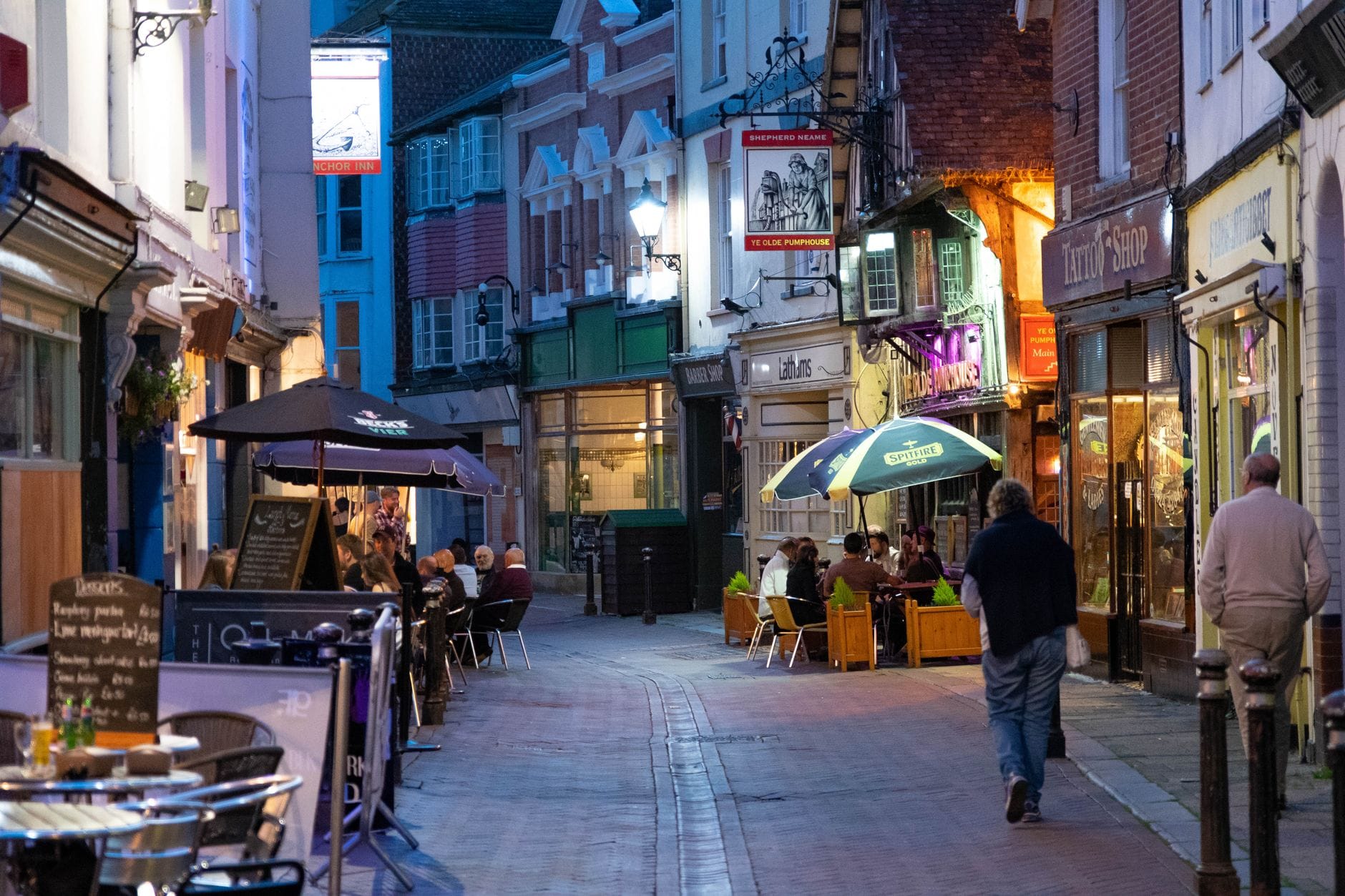
Brighton's food scene skews towards independent restaurants and cafes, which is good news for quality but means prices vary widely. The seafront strip between the pier and the i360 concentrates the most tourist-facing places with the heaviest markup. Stepping one or two streets back into North Laine brings you to cafes and lunch spots where a solid meal costs £8-12 rather than £15-20.
Brighton has a strong vegan and vegetarian food culture, and many of the city's plant-based cafes are among the better-value lunch options. The vegan and vegetarian Brighton guide covers the best options across price ranges. For street food and fresh produce, the Brighton Open Market near London Road has food traders and is cheaper than most seafront alternatives.
- Fish and chips from a seafront vendor is a Brighton staple and reasonable for a full meal — expect £8-12 for a standard portion.
- Supermarkets (Sainsbury's, Tesco and Lidl all have central Brighton branches) are the most economical option for picnic supplies to take to the beach.
- Many pubs in North Laine and Kemp Town serve food at lunch for under £10 and don't require booking.
- Coffee costs vary: independent cafes in North Laine typically charge £3-4 for a flat white, comparable to or slightly below London prices.
- Tipping is discretionary in the UK: around 10-15% is customary in restaurants where service isn't included, but you are never obligated.
When to Visit for the Best Value
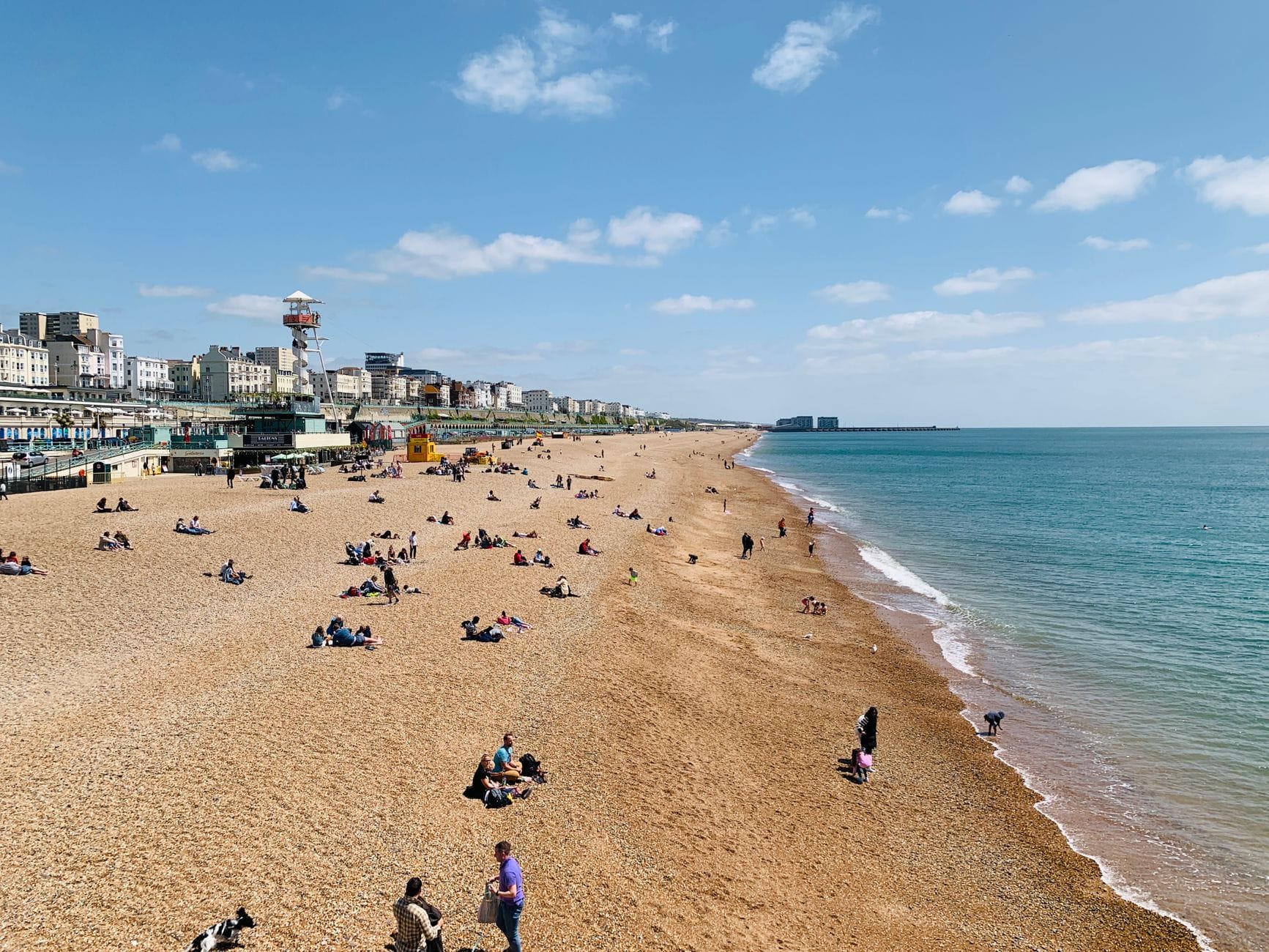
Timing matters more in Brighton than in most UK cities because the summer peak drives accommodation prices up sharply and the seafront becomes genuinely crowded. If budget is a priority, May, June, or September are the sweet spots: warm enough to use the beach comfortably (average highs around 16-21°C), long daylight hours, and accommodation rates that can be 30-50% lower than peak July-August. The Brighton in summer guide explains what to expect if you do visit during peak season.
Late July and August coincide with UK school summer holidays, which means maximum visitor numbers, maximum prices, and queues at popular spots. Brighton Pride (typically held in August) brings additional crowds and a significant accommodation price spike for that weekend specifically — essential to know if you're booking around that time. The Brighton in winter guide is worth reading if you're considering an off-season trip: the city is genuinely quieter, hotels are cheaper, and the seafront has a different but compelling atmosphere.
✨ Pro tip
Book accommodation midweek rather than Friday-Sunday if you have flexibility. Brighton is a popular weekend destination from London year-round, so Friday and Saturday night rates are consistently higher than Monday-Thursday even outside of summer. A Thursday arrival versus a Friday arrival can save £20-40 per night on the same hotel.
FAQ
Is Brighton expensive compared to other UK cities?
Brighton sits in the mid-range for UK cities: more expensive than most northern cities, but cheaper than London. Accommodation and seafront dining are the two main cost areas. Free attractions are genuinely plentiful, and a day trip can be done very cheaply if you walk rather than use taxis and buy food from supermarkets or market stalls rather than restaurants.
Do you have to pay to get onto Brighton Pier?
No. Entry to Brighton Palace Pier is free for under-2s, Local Resident Card holders, and some pre-booked wristband visitors, and free outside seasonal charging periods. Most other visitors pay £1 admission during typical March–October peak periods. You then pay for individual rides (around £5 each), unlimited ride wristbands (around £26 adult, £21 child — check the official Brighton Pier website for current prices), arcade games, and food and drink.
What is the cheapest way to get to Brighton from London?
The train is generally the most cost-effective option when booked in advance. Advance single fares from London Victoria or London Bridge to Brighton can fall to £10-15. Walk-up off-peak returns run around £20-30. Avoid peak commuter trains (roughly before 9:30am and 4-7pm on weekdays) to get cheaper fares. Coach services via National Express also operate and can be cheaper, though journey times are longer.
Are there free museums in Brighton?
Partly. The Booth Museum of Natural History on Dyke Road is free when open, but it has been closed to the public since 20 April 2025 for essential works (special event days only; reopen targeted later 2026 or early 2027). The Brighton Fishing Museum in the King's Road Arches is free. Brighton Museum and Art Gallery charges £10.50 for standard adult admission (child £5; residents/students typically £8). The Royal Pavilion Gardens are free, though the Pavilion interior requires a paid ticket.
When is Brighton cheapest to visit?
Late autumn through early spring (November to March) offers the lowest accommodation prices and fewest crowds. For a balance of decent weather and lower costs, May and September are generally the best months. Avoid August entirely if budget is a priority — it's the most expensive month by a significant margin, especially around Brighton Pride weekend.