Best Time to Visit Brighton: A Complete Seasonal Guide
Brighton rewards visitors differently depending on the season. This guide breaks down the weather, crowds, events, and costs month by month so you can pick the right time for your trip — whether you want sunshine on the beach, festival energy, or a quiet winter escape.
Tickets & tours
Live prices and dates from our booking partner. If you book, we may earn a commission at no extra cost to you.
TL;DR
- May to June is the sweet spot: mild weather, long days, fewer crowds than July-August, and lower prices.
- July and August bring the warmest temperatures (highs around 20-21°C) but also peak crowds and the highest hotel rates.
- September is underrated: summer warmth lingers, the school holiday rush ends, and the sea reaches its peak temperature of around 17°C.
- Brighton's event calendar is a major factor: Brighton Pride in early August and the Brighton Festival in May transform the city for those weeks.
- Winter (December to February) is genuinely quiet and cold, but the city stays open, prices drop sharply, and day-trippers from London thin out considerably.
Brighton's Climate: What You're Actually Dealing With
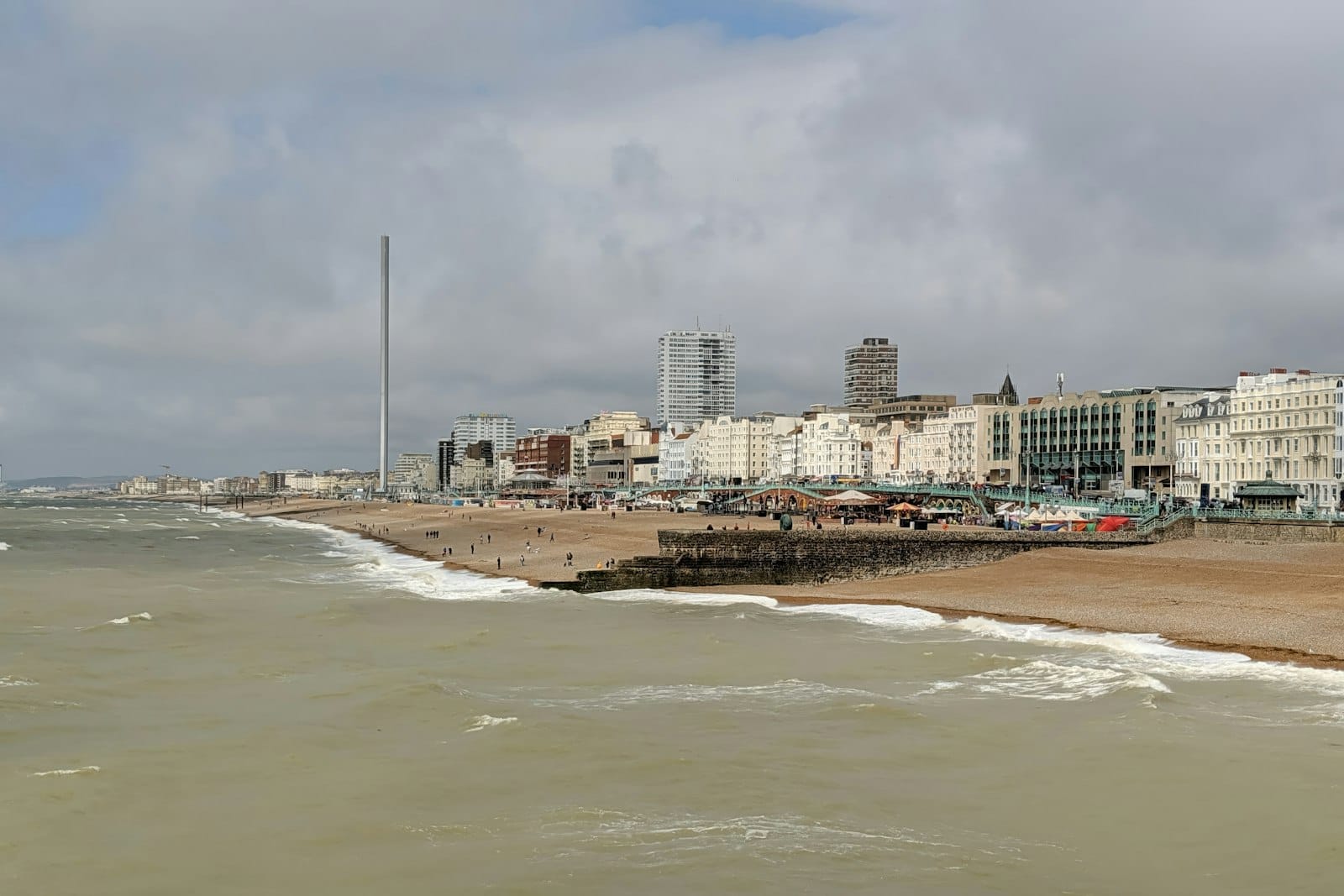
The best time to visit Brighton depends almost entirely on what you're trying to get out of the trip. Brighton sits on the south coast of England at around 50.8°N, which means it has a temperate maritime climate: mild, changeable, and rarely extreme in either direction. Average summer highs sit around 20-21°C, not the scorching Mediterranean beach weather some first-timers expect. Winter is grey and damp, with averages of 8-9°C during the day and dropping to 3-4°C at night. The city sees roughly 1,900 hours of sunshine a year, concentrated between May and August.
Rainfall spreads across the year at around 700–750mm annually, but the pattern matters: October through January is the wettest stretch, while April to July is comparatively drier. That said, 'drier' is relative on the English coast. Brief showers can arrive on any summer afternoon. The practical upshot is that a light waterproof layer is worth packing regardless of when you visit.
⚠️ What to skip
The sea around Brighton peaks at roughly 18°C (64°F) in August and September. That is cold by most standards. Swimming is possible, but uncomfortable for anyone not used to British coastal waters. The pebble beach also means no barefoot strolling — bring water shoes if you plan to swim.
Season by Season: What to Expect
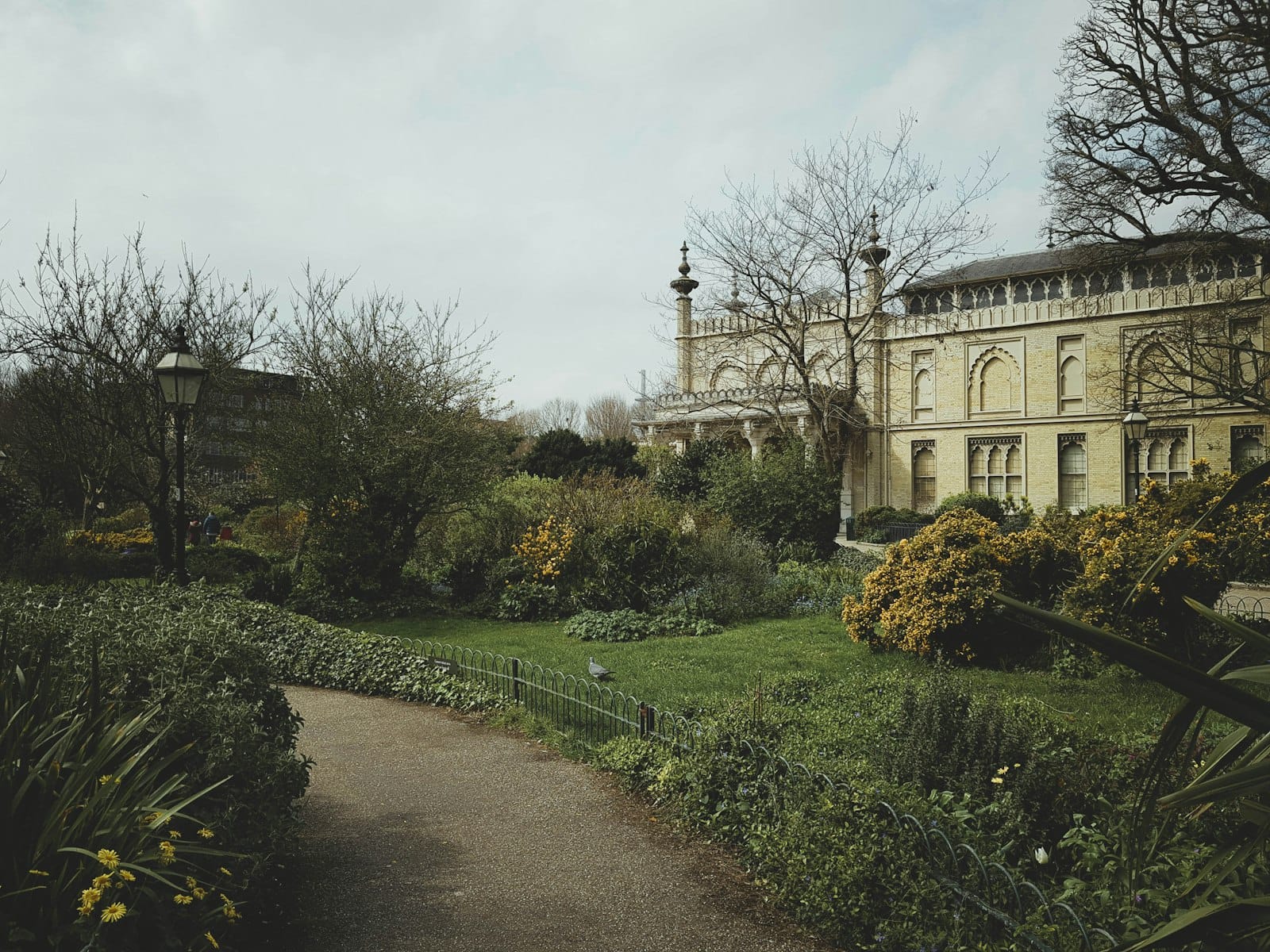
Spring (March to May) is when Brighton shakes off its winter quiet. March and April are still cool with highs of 11-16°C, and rain is regular. But daylight hours lengthen noticeably, and the city gradually comes back to life. By May, outdoor seating fills up along the seafront, the Royal Pavilion gardens look their best, and the Brighton Festival takes over the city for most of the month — bringing theatre, music, and street events to neighbourhoods across the city. Accommodation prices are reasonable in March and April, then start climbing as May progresses.
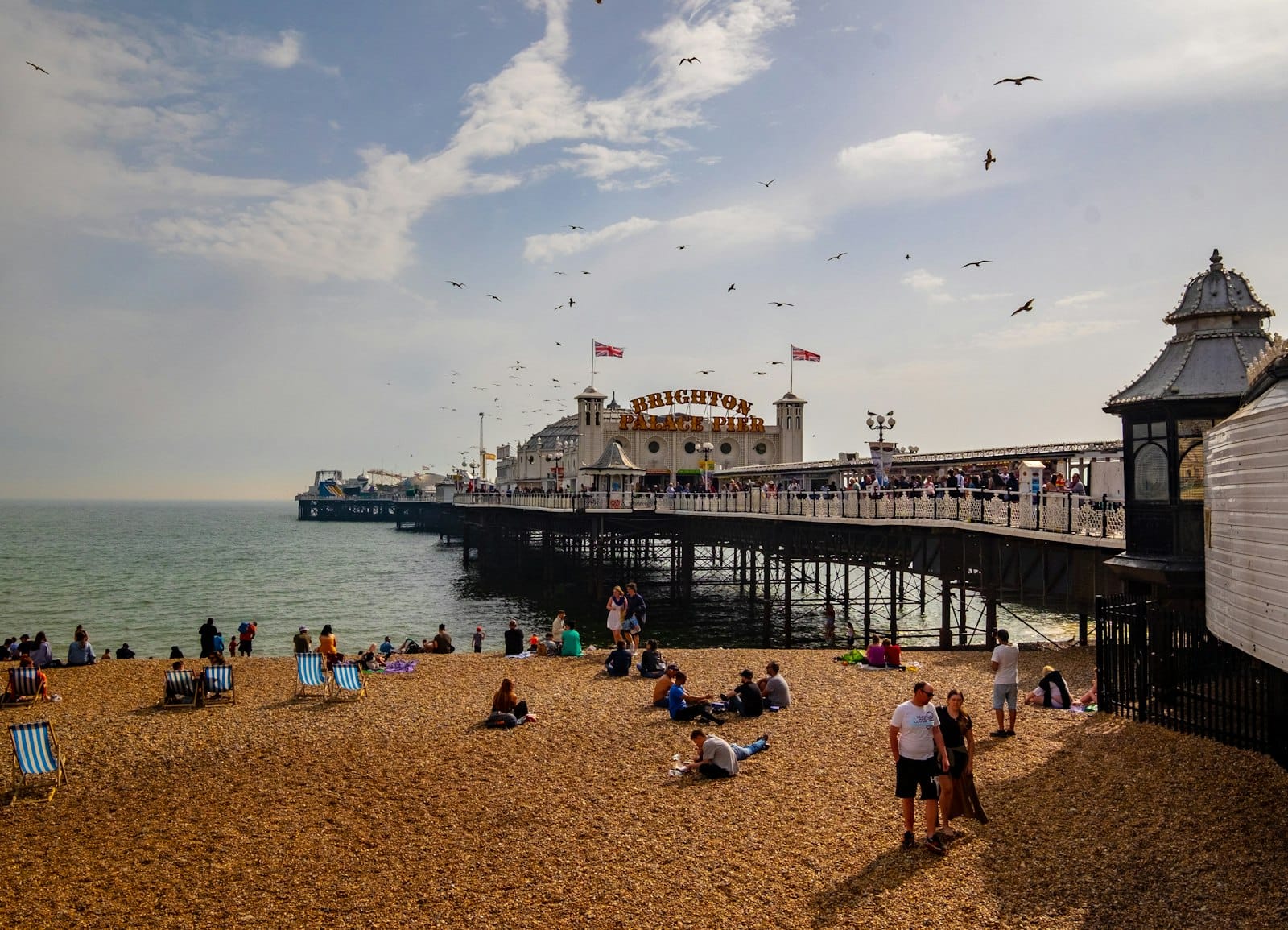
Summer (June to August) is peak season without question. June offers the best balance of good weather and manageable crowds before the UK school summer holidays begin in late July. July and August see Brighton at its most intense: the Brighton Palace Pier is packed, the Brighton seafront fills with sun-seekers from early morning, and hotel prices in peak weeks can be double what you'd pay in May. Brighton Pride, held over a weekend in early August, draws crowds of well over 300,000 people to the city and causes accommodation prices to spike sharply — book months in advance if you want to attend.
Autumn (September to November) is underappreciated. September is genuinely one of the best months to visit: the summer warmth holds on, school holidays are over so crowds thin noticeably, and the sea is at its warmest for the year. October brings more rain and cooler temperatures (highs dropping to around 14-17°C), but the city remains lively with events and weekend visitors from London. By November, the pace slows considerably and some outdoor operations scale back.
Winter (December to February) is Brighton at its quietest. Average daytime highs sit around 8-9°C, dropping to 3-4°C overnight, with 7-9 rainy days per month. Snow is rare but does occur. What winter does offer is a genuinely different version of the city: fewer tourists, easier access to popular attractions, lower prices, and the kind of raw coastal atmosphere that makes a windswept walk along the seafront feel dramatic rather than crowded. The week between Christmas and New Year sees a secondary spike in visitors as Londoners make the roughly 1-hour train trip for a festive break.
- March to April Cool (11-14°C highs), occasional rain, lower prices. Good for exploring the Lanes, North Laine, and indoor attractions without summer pressure.
- May to June Best overall balance of weather, value, and atmosphere. Brighton Festival in May adds a genuine cultural draw. Book ahead for May weekends.
- July to August Warmest and most energetic, but also most expensive and crowded. Pride weekend in August requires advance planning. Sea temperatures peak at around 17°C.
- September Shoulder season at its best. Warm enough for beach days, crowds drop sharply after the school term starts, and prices fall meaningfully.
- October to November Increasingly wet and cool. Good for budget travellers who want city exploration over beach time. Some seasonal attractions reduce hours.
- December to February Quiet, cold, and significantly cheaper. Christmas week is a brief exception. Indoor highlights like the Royal Pavilion and Brighton Museum are far less busy.
Events That Should Drive Your Timing
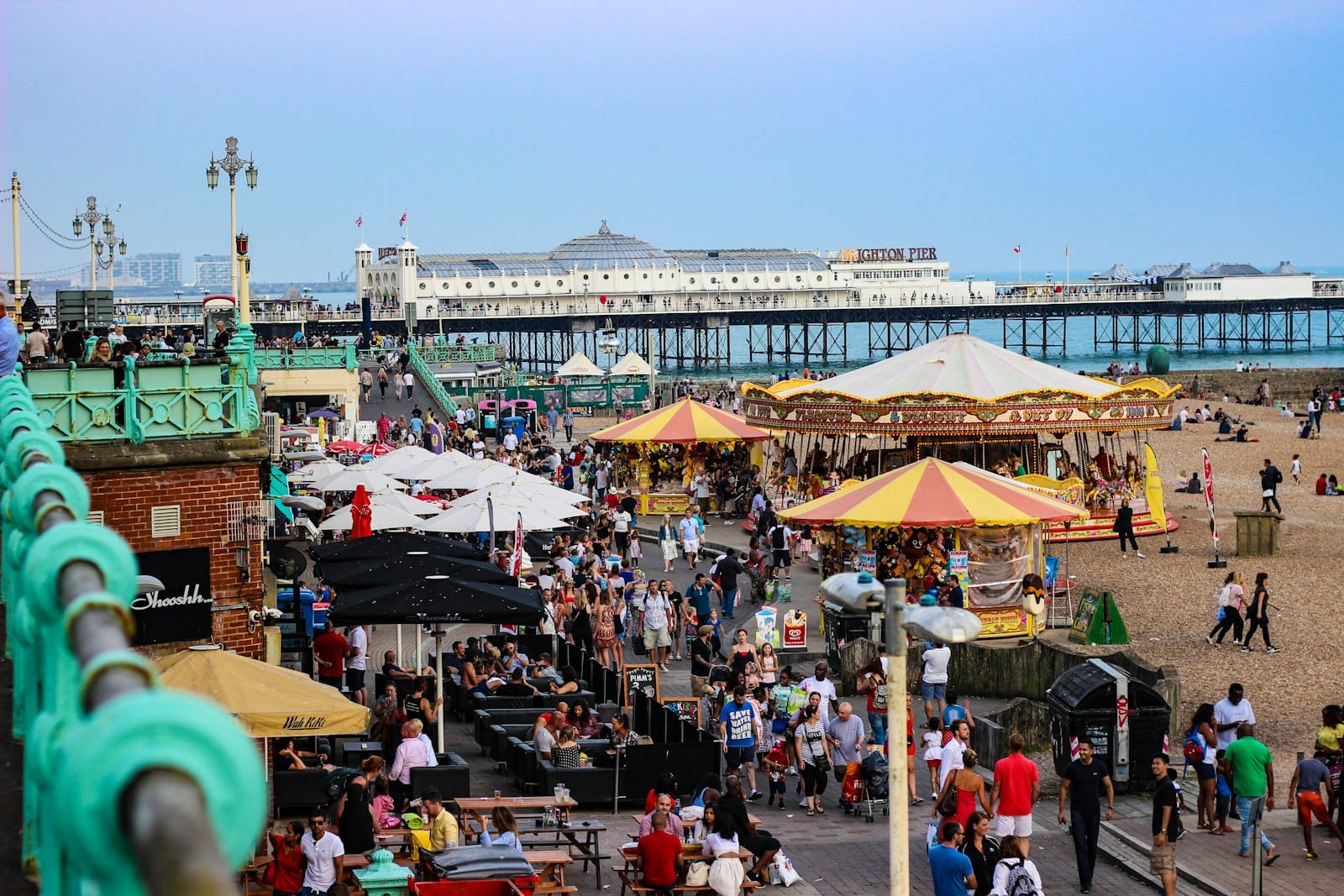
Brighton's event calendar is genuinely worth factoring into your dates. The Brighton Festival in May is one of England's largest arts festivals, running for around three weeks and covering theatre, dance, music, literature, and outdoor events. It coincides with Brighton Fringe, the Artists Open Houses trail, and a general spike in the city's creative energy. The Brighton Festival is worth building a trip around, but book accommodation as early as possible — the festival is well established on the London day-trip circuit.
Brighton Pride, held over a long weekend in early August, is one of the UK's largest Pride events. The parade on Saturday draws enormous crowds along the seafront and into Preston Park, followed by a ticketed music festival in the park over the weekend. If you are not specifically attending, this weekend is one to avoid unless you have accommodation locked in well in advance: hotels sell out months ahead and prices reach their annual peak. The city is celebratory but extremely busy.
The Brighton Marathon takes place in April and affects road access and accommodation around race weekend. The Great Escape music festival, focused on new artists, runs across venues throughout the city in May. In November, the city hosts various smaller festivals and the run-up to Christmas brings seasonal markets, though these are modest compared to larger UK cities. If your priority is avoiding event-driven price spikes and crowds, late September, October, and the first half of November represent the calmest period on the calendar.
✨ Pro tip
If you are visiting in August and not attending Pride, target the last two weeks of the month. The Pride weekend (early August) rush has passed, UK school holidays are technically still running but winding down, and temperatures remain warm. You get summer Brighton without the single most crowded weekend of the year.
Crowds, Costs, and Booking Timing
Brighton is unusual among UK seaside destinations because it draws significant crowds year-round, not just in summer. Its proximity to London (around 55 minutes by fast train from London Bridge or St Pancras) means it sees a near-constant flow of weekend day-trippers. Even on a grey February Saturday, the Lanes and North Laine will have visitors. The real difference is volume: summer weekends are genuinely intense, while winter weekdays can feel like a different city.
Accommodation prices follow a predictable curve: highest in July and August (especially Pride weekend), elevated but manageable in May, June, and September, and meaningfully cheaper from October through March. For budget-conscious travellers, visiting Brighton on a budget is most achievable between November and March, when hotel rates drop substantially and most of the city's core attractions remain open. The Royal Pavilion and Brighton Museum operate year-round; verify current admission prices directly with the Royal Pavilion and Museums Trust before visiting, as these are updated periodically.
Train fares from London also follow demand patterns. Advance tickets booked weeks or months ahead are significantly cheaper than walk-up fares, particularly for travel on Friday afternoons, Saturday mornings, and Sunday evenings — all popular directions. If you are travelling as a group of three or more, a Network Railcard covers the South East region and can cut rail fares by a third. Always check current fares via National Rail Enquiries or Trainline before booking.
- Book May weekends at least 6-8 weeks ahead due to the Brighton Festival.
- For Pride weekend in August, accommodation books out 3-4 months in advance. Do not leave it to the last minute.
- September midweek visits offer good weather and the lowest prices of any warm-weather period.
- December weekend rates can be competitive, but Christmas week (roughly 23-28 December) sees a secondary price spike.
- The roughly 1-hour train from London makes Brighton viable as a day trip, which keeps hotels slightly less pressured on weekdays year-round.
What Each Season Does Best
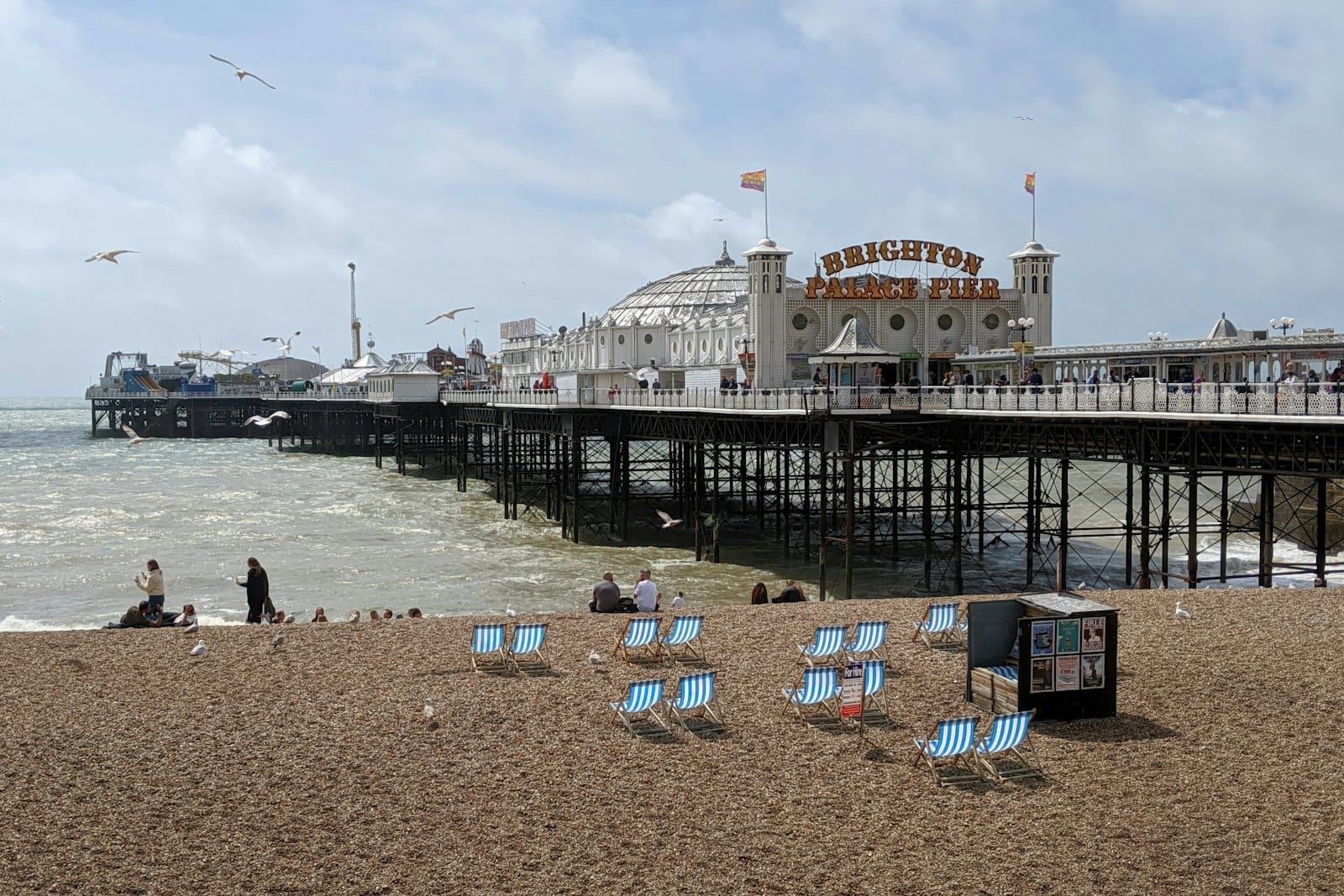
For beach and outdoor activities, the window is roughly late June to mid-September. The Brighton beach is a pebble beach, which keeps it usable even when wet, but the full seafront experience — deckchairs, busy bandstand, crowds at the Palace Pier — is a summer-only phenomenon. The Undercliff Walk from Brighton to Saltdean is walkable year-round but is most enjoyable in dry conditions, roughly May through September.
For cultural exploration, Brighton genuinely works in any season. The North Laine and The Lanes are year-round destinations — independent shops, cafes, and restaurants do not close for winter. The vintage shopping scene in North Laine is arguably better to explore in quieter months when the streets are not clogged with summer visitors. Similarly, Brighton in winter has its own character that regular visitors often prefer.
For walking and countryside trips, spring and early autumn are ideal. The South Downs National Park starts at the northern edge of the city, and destinations like Devil's Dyke are at their most rewarding in clear spring and autumn weather when visibility is sharp and the summer coach parties are absent. Day trips from Brighton into the surrounding countryside work best from April through October.
💡 Local tip
If visiting in winter, prioritise indoor attractions and save outdoor exploration for dry midday windows. Brighton's food and coffee scene is excellent, and the city's architecture — particularly the Regency terraces of Kemp Town and Hove — is actually easier to appreciate without summer crowds obscuring the streetscapes.
Common Misconceptions About Brighton's Weather
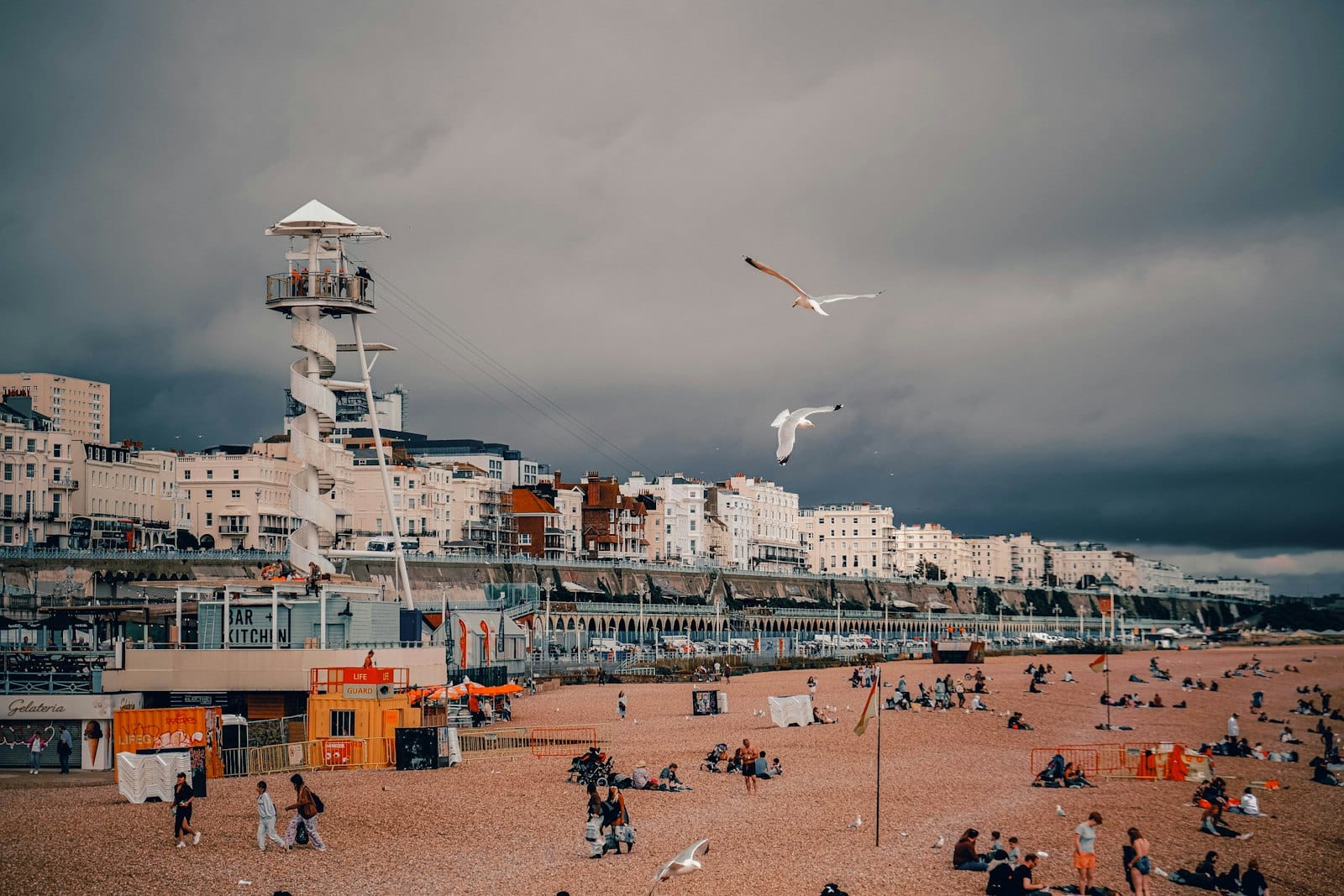
The most persistent myth about Brighton is that it offers Mediterranean-style beach summers. Average July and August highs sit around 20-21°C, and while heatwaves occasionally push temperatures above 30°C, these are short-lived events rather than the norm. Most summer visitors will want a layer for evenings, and a sudden cool, grey day in July is entirely normal and not unusual enough to complain about.
The opposite myth is that it rains constantly in summer. It does not. Summer is the drier half of the year, with roughly 9–10 rainy days per month in July and August, compared to 11–12 in December and January. Brief afternoon showers are common, but prolonged summer washouts are infrequent. Pack accordingly and do not let weather anxiety push you toward an unnecessary itinerary of indoor-only activities.
A third misconception is that Brighton effectively closes in winter. The city is a functioning urban area of around 277,000 people. Restaurants, shops, museums, and attractions operate year-round. What shuts down in winter is mostly the highly seasonal stuff: some seafront stalls, fairground rides, and the kind of outdoor operations that depend on warm-weather footfall. The Royal Pavilion, Brighton Museum, the Lanes, North Laine, and the city's food and drink scene remain fully operational throughout the year.
FAQ
What is the best month to visit Brighton?
May and June offer the best overall combination of mild weather (highs of 16-20°C), longer daylight hours, lower prices than peak summer, and a lively atmosphere boosted by the Brighton Festival in May. September is a close second for those who want summer warmth without the school holiday crowds.
Is Brighton worth visiting in winter?
Yes, with adjusted expectations. Winter (December to February) is cold (3-9°C), often grey, and some seasonal attractions scale back. But hotel prices drop significantly, the major indoor attractions are far less crowded, and the seafront has a dramatic, windswept quality that summer crowds completely obscure. It suits city explorers rather than beach-seekers.
How hot does Brighton get in summer?
Average summer highs are around 20-21°C in July and August, which is warm but not hot by most international standards. Heatwaves above 28-30°C do occur but are short-lived, typically lasting a few days at most. Brighton does not get the sustained heat of Southern European destinations.
When should I avoid Brighton?
Brighton Pride weekend in early August is the single most crowded and expensive weekend of the year. If you are not specifically attending, avoid it unless you have accommodation booked months in advance. UK school summer holidays (late July through August) also make the seafront and pier extremely busy on weekends. Late October to November is quiet but can be persistently wet and grey.
Does it rain a lot in Brighton in summer?
Less than autumn and winter, but summer showers are still common. July and August average around 9–10 rainy days per month, compared to 11–12 in December and January. Brief afternoon showers are frequent, but prolonged periods of summer rain are less common. A compact waterproof is worth packing regardless of the season.
Tickets & tours
Live prices and dates from our booking partner. If you book, we may earn a commission at no extra cost to you.
Planning a trip? Discover personalized activities with the Nomado app.