Brighton Festival & Fringe: The Complete Visitor Guide
Brighton Festival and Brighton Fringe run simultaneously across three weeks each May, turning the city into one of England's most concentrated arts events. This guide covers the key differences between the two, how tickets work, where events happen, and how to plan your visit without the usual confusion.
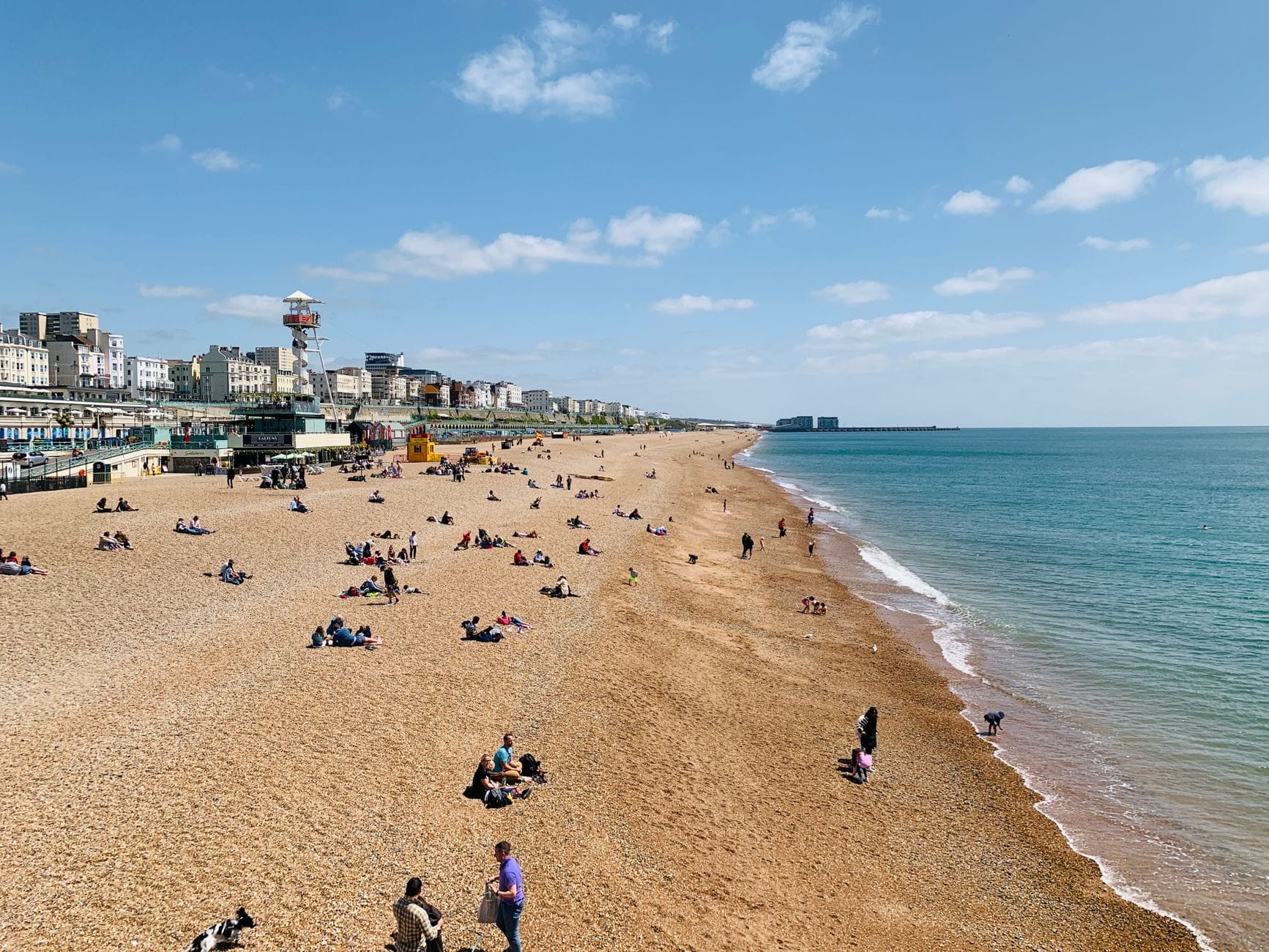
Plan and book this trip
Tools from our partner Travelpayouts help you compare flights and hotels. If you book through them, we may earn a commission at no extra cost to you.
Flights
Hotels map
TL;DR
- Brighton Festival (est. 1967) is the largest and most established curated multi-arts festival in England; Brighton Fringe runs alongside it as a separate, open-access event.
- Both happen across three weeks in May — book accommodation and headline shows early, as the city fills up fast.
- Ticket prices start around £10 for many Festival performances, with free outdoor events too — but check each listing individually on the Brighton events calendar before assuming anything is free.
- The Festival is centrally programmed; the Fringe is open-access. They feel very different in practice.
- Events span dozens of indoor and outdoor venues across Brighton, Hove, and parts of East Sussex — plan your routes in advance.
Brighton Festival vs. Brighton Fringe: Understanding the Difference
The single most common source of confusion for first-time visitors is treating Brighton Festival and Brighton Fringe as the same thing. They are not. They run concurrently each May, they share a city, and they occasionally share audiences — but their structures, programming philosophies, and ticket systems are entirely distinct.
Brighton Festival, established in 1967, is the largest and most established curated multi-arts festival in England. A Guest Director (a prominent artist or creative figure) shapes each year's programme, which spans music, theatre, dance, visual art, film, literature, debate, and large-scale outdoor events. Every show is selected, commissioned, or invited. Think of it as an edited, high-production festival with international names alongside emerging artists.
Brighton Fringe, by contrast, is open-access. Any artist or company can register to participate, making it far more unpredictable in quality — which is part of the appeal. Recent programmes have included around 1,000 events across more than 150 venues during May weekends. You will find experimental theatre in pub back rooms, comedy in converted arches, and site-specific dance in unexpected corners of the city. The ratio of brilliant-to-forgettable shows is wide, but that risk is intrinsic to fringe culture.
ℹ️ Good to know
Both events are officially distinct organisations with separate websites, ticketing systems, and programmes. Check brightonfestival.org for the curated Festival and brightonfringe.org for the open-access Fringe — do not assume one site covers both.
When It Happens and What to Expect in May
Both events run across approximately three weeks in May, generally starting in the first week and running through to the bank holiday weekend or beyond. May is one of the drier months on the Sussex coast, with average daily highs around 16°C — warm enough for outdoor events but cool enough in the evenings to warrant a layer. The city transforms noticeably: streets around North Laine and the seafront fill with performers, and even venues that sit quiet for most of the year spring back into use.
May is also peak season for weekend visitors coming down from London (Brighton is roughly 50 minutes by train from London Bridge or London Victoria), so accommodation prices spike sharply during Festival weeks. If you are arriving from Gatwick, Southern and Thameslink run direct services in around 30–35 minutes, with advance off-peak singles often in the £10–£20 range. Read more in our guide to doing Brighton as a day trip from London, though for the Festival, an overnight stay is strongly recommended if you want to see multiple shows.
⚠️ What to skip
Do not leave accommodation to the last minute. Brighton has a limited hotel stock relative to the visitor numbers the Festival draws. Book at least six to eight weeks ahead for May stays, and use the Festival's own 'Plan Your Visit' pages for venue locations before committing to a hotel area.
Tickets, Pricing, and What Is Actually Free
Brighton Festival tickets typically start around £10 for many performances, with larger productions and headline acts commanding more. The Festival offers reduced-price tickets for under-30s on selected events, worth checking at the time of booking. A portion of the programme is genuinely free — outdoor spectacles, community events, and some installations require no ticket at all. However, free events draw large crowds and no ticketing means no guaranteed entry, so arrive early.
Brighton Fringe ticket prices are set individually by each artist or company, so they vary enormously. Pay-What-You-Want shows exist alongside standard ticketed performances. Registration fees for artists participating in the Fringe are structured by event type and run capacity — that is a cost for performers, not audiences, but it explains why some Fringe shows set their minimum prices where they do.
- Curated Festival events Book through the official Brighton Festival website. Many sell out weeks in advance, particularly anything in the headline or Guest Director strand.
- Brighton Fringe shows Browse and book via the Brighton Fringe website or app. Use filters for venue, genre, and price to navigate the large programme.
- Free outdoor events Check the Festival's 'Free Events' listings separately. These often include large-scale outdoor works in venues like Preston Park or the seafront.
- Under-30 discounts Available on selected Brighton Festival shows. Proof of age required; check specific listings for eligibility.
- Last-minute Fringe tickets Unlike the curated Festival, many Fringe shows have unsold capacity up to the day. Showing up at smaller venues without a ticket sometimes works, though this is a gamble on popular shows.
✨ Pro tip
If you are on a tighter budget, prioritise free Festival events for the spectacle and use your paid ticket budget for one or two Fringe shows from established companies or acts with strong track records elsewhere. The Fringe programme is too large to navigate without a filter — reading short reviews or checking performer CVs before buying saves disappointment.
Key Venues and Neighbourhoods During the Festival
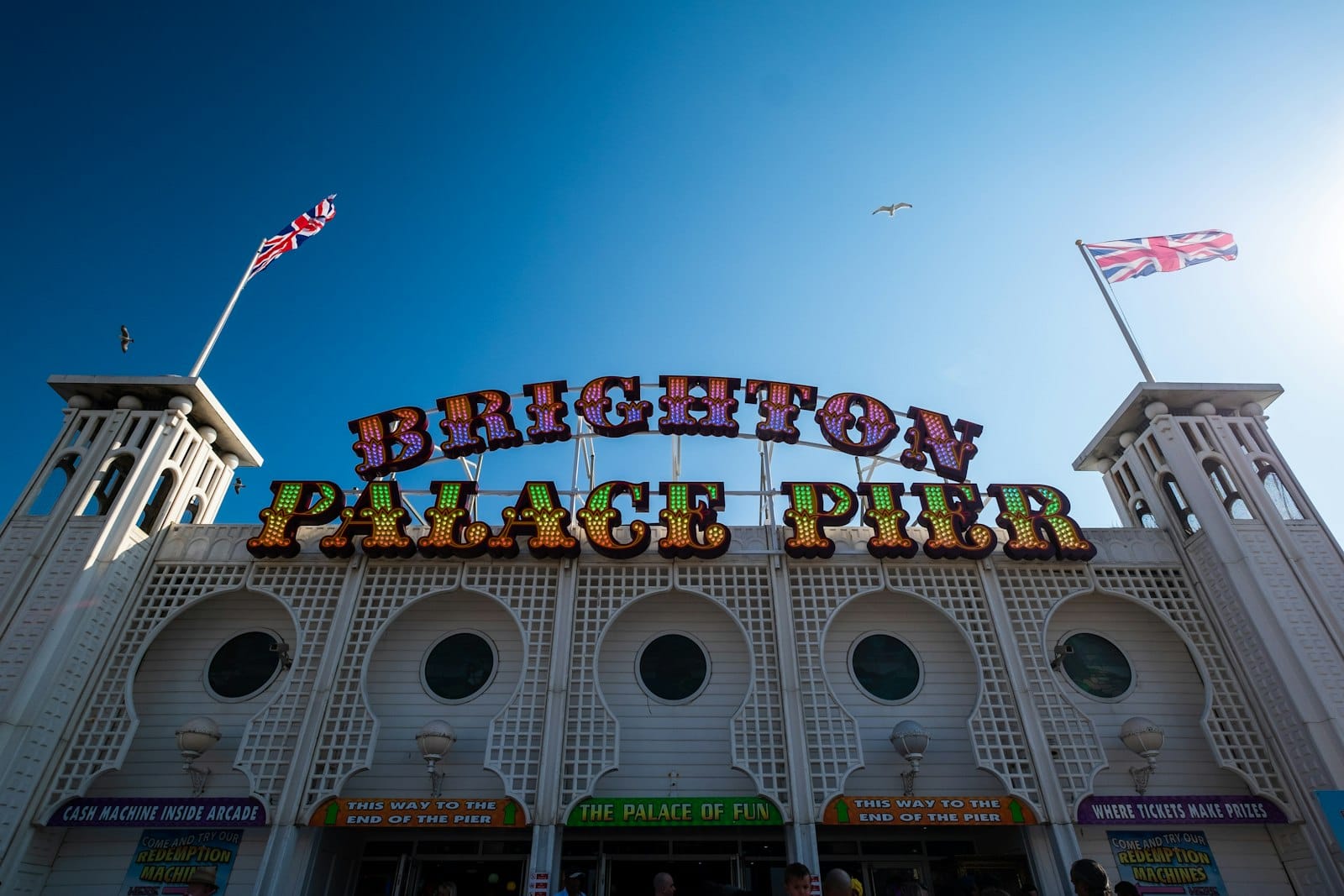
Festival and Fringe events are spread across a large footprint. The city centre, North Laine, The Lanes, and the seafront all host performances, installations, and open houses. The Brighton Dome — a Grade I listed complex adjacent to the Royal Pavilion — is the Festival's anchor venue, used for major music and theatre productions throughout the event.
The Royal Pavilion gardens serve as a focal outdoor space, particularly for free events and evening performances. Further along the coast, Kemp Town hosts a concentration of Fringe venues, including pub spaces and small independent venues that would otherwise see little live performance. Hove's quieter streets are not ignored either — some of the more interesting site-specific Fringe work historically appears in that part of the city.
Open House events are a distinctive feature of the Brighton Festival period. Local residents and artists open their private homes and studios for exhibitions, studio visits and occasional performances, often with invited audiences of 20 to 40 people. These are among the most memorable experiences the Festival offers, and they tend to book out quickly. They are listed on the Festival website under the 'Around the City' section.
- Brighton Dome complex: the main ticketed Festival venue for large-scale music, theatre, and dance
- Royal Pavilion Gardens: free outdoor events and spectacle works, no booking required but arrive early
- Preston Park: used for larger free outdoor events, approximately 1.5 miles north of the centre
- North Laine: concentration of Fringe venues in cafes, arts centres, and independent spaces
- Kemp Town: strong Fringe presence in pubs and small venues along St James's Street corridor
- Open Houses: across residential Brighton and Hove — listed individually on the Artists Open Houses site
Planning Your Visit: Practical Logistics
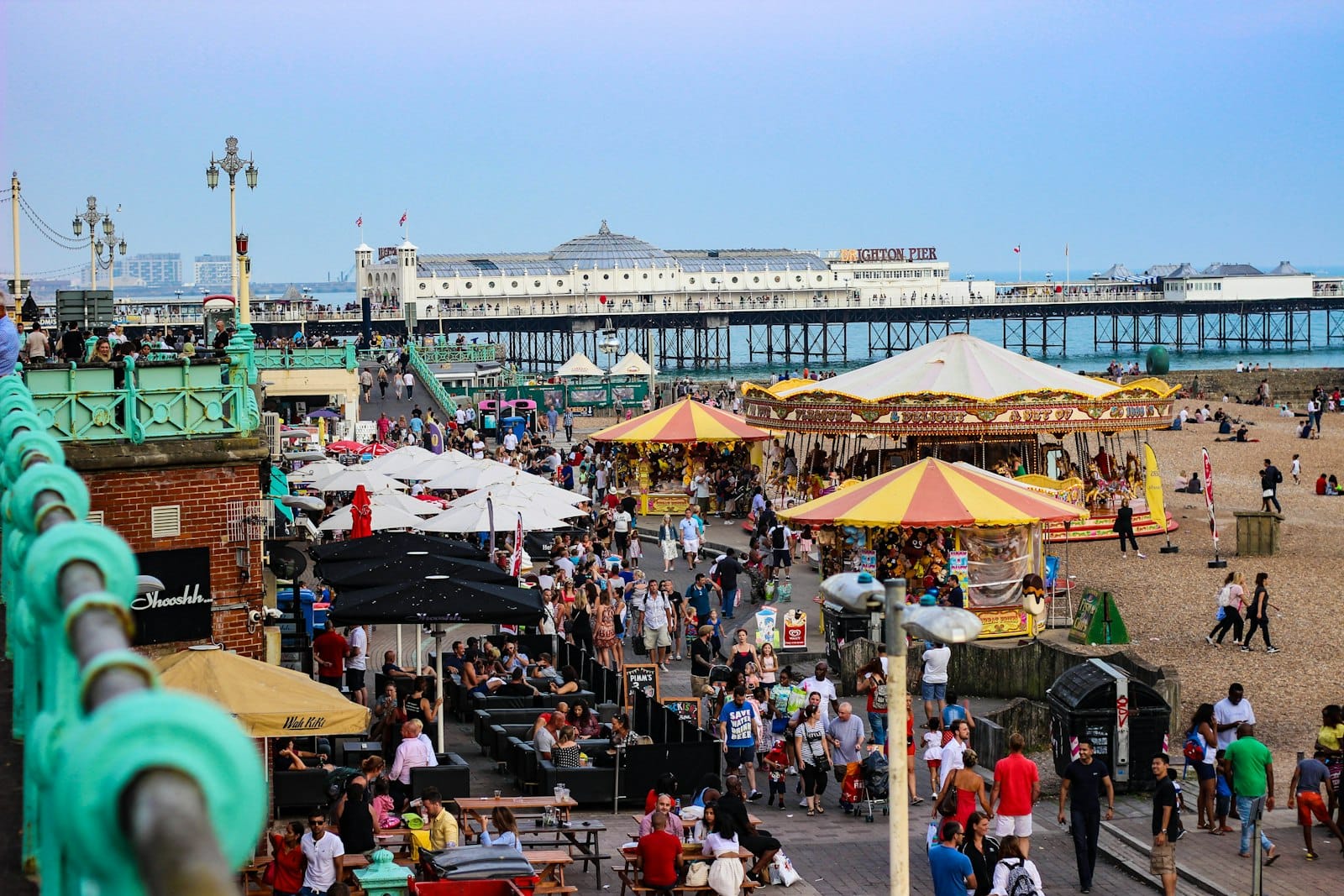
Brighton has no metro system. The city runs on buses (primarily Brighton and Hove Buses) and walking, with some use of taxis and ride-hailing apps including Uber and Bolt. During Festival evenings, particularly after major shows at the Dome, taxis are in short supply — plan for a 15-20 minute wait or walk your route. Our guide to getting around Brighton covers the full transport picture for visitors.
For accommodation, options range from seafront hotels to independent guesthouses in North Laine and Hove. During Festival weeks, mid-range hotels in central Brighton typically charge premium rates. If budget is a concern, staying slightly further from the centre and walking or busing in is practical — Brighton is a compact city. More detail is in our guide to where to stay in Brighton, which includes area-by-area breakdowns.
Evening shows at smaller Fringe venues often finish by 10pm, with Festival headline events running later. The city has plenty of late-night eating and drinking options, particularly around North Laine and the seafront. The area around Brighton station has several options for a post-show meal without needing to travel far if you are catching a late train back to London.
May is a solid month to be in Brighton beyond the Festival itself. The seafront is usable, Brighton Palace Pier is in full operation, and the city's independent food scene is at its best with the warmer weather. If you want to read about the full seasonal picture, the guide to the best time to visit Brighton is worth checking before you book.
💡 Local tip
Download the Brighton Fringe app before you arrive. The printed programme is large and unwieldy. The app lets you filter by venue, genre, date, and price, and you can bookmark shows to build a shortlist. For the curated Festival, the website works well on mobile but there is no dedicated app.
What to Watch Out For
The Fringe's open-access model means quality varies enormously. Some shows are genuinely excellent; others are early-career work that needs more development. The programme is not curated, so a five-star rating on a performer's own promotional material means very little. Look for Fringe shows from companies with external reviews, prior Edinburgh Fringe credits, or recommendations from people who have seen them.
Not every outdoor event runs regardless of weather. Brighton in May can produce an unseasonably cold or wet day. Some outdoor Festival events have rain contingencies (indoor backup venues or covered structures); others are postponed or cancelled. Check the specific event page for weather policy before heading out for an outdoor-only show.
The Festival period overlaps with heavy general tourism, and the city can feel crowded on weekends. If you want Brighton's character without the Festival crowds, consider visiting in spring before May or in early autumn. The guide to Brighton in winter covers the quieter season for those who prefer fewer crowds — though the Festival itself is genuinely worth the extra footfall.
FAQ
Is Brighton Festival the same as Brighton Fringe?
No. Brighton Festival is a centrally curated event programmed by a Guest Director, with selected international and UK artists. Brighton Fringe is open-access, meaning any artist can register and perform. They run simultaneously in May but have separate websites, separate ticketing, and a very different feel in practice.
How much do Brighton Festival tickets cost?
Many Brighton Festival performances start around £10, with prices varying by show and production scale. A number of events are free, particularly outdoor works. Under-30 discounts are available on selected shows. Always check the current listings on the official Brighton Festival website for accurate pricing, as these change year to year.
Do I need to book Brighton Festival tickets in advance?
Yes, especially for headline and Guest Director strand events, which regularly sell out weeks before the Festival begins. Free outdoor events do not require booking but draw large crowds. For Brighton Fringe shows, many have capacity right up to the day, but popular acts from known companies can sell out early.
Where are Brighton Festival events held?
The main anchor venue is the Brighton Dome complex, adjacent to the Royal Pavilion in the city centre. Events also take place in the Royal Pavilion Gardens, Preston Park, private Open House venues, and dozens of other locations across Brighton, Hove, and parts of East Sussex. Venue details are listed on each individual event page.
Can I visit Brighton Festival as a day trip from London?
Yes, though it limits how many events you can see. Trains from London Bridge or London Victoria reach Brighton in around 50 minutes, with frequent services. For evening shows that finish late, check the last train times back to London before you book. An overnight stay gives you far more flexibility and access to the full programme.