Brighton Day Trip from London: The Complete Guide
At roughly 47 miles and one hour by train, Brighton is London's most accessible seaside escape. This guide covers every transport option, the best things to do in a single day, and the practical details that make the difference between a good trip and a great one.
Tickets & tours
Live prices and dates from our booking partner. If you book, we may earn a commission at no extra cost to you.
TL;DR
- The fastest trains from London to Brighton take around 58 minutes; most journeys run between 1h 5m and 1h 23m from Victoria, London Bridge, or Blackfriars.
- Advance single fares start from around £6.50; off-peak day returns typically cost £37-£38. Book ahead for the best prices, but same-day tickets are usually available.
- Brighton's beach is shingle, not sand. Oyster and contactless cards only work as far as Gatwick Airport — you need a rail ticket for the full journey.
- Late May through September is the sweet spot for weather. Weekends in July and August get very crowded — arriving before 10am makes a real difference.
- A single day is enough to cover the seafront, The Lanes, North Laine, and the Royal Pavilion if you plan your time.
Getting from London to Brighton by Train
The train is by far the best way to make this journey. The distance is approximately 46–47 miles (74 km), and direct services run frequently from multiple central London stations throughout the day. There is no need to change trains, and Brighton station sits right in the city centre, about a ten-minute walk from the seafront.
- London Victoria The most popular departure point. Southern and Gatwick Express operate frequent direct services; fastest trains take around 58 minutes. First service after midnight, last around 23:25.
- London Bridge Thameslink runs regular direct services averaging around 1h 6m. First trains from approximately 05:35, last around 23:38. Convenient for anyone in south or east London.
- London Blackfriars Thameslink also departs from Blackfriars, useful if you are coming from the City or St Pancras area. Journey times are similar to London Bridge.
- London St Pancras International Thameslink connects St Pancras to Brighton, making it practical for Eurostar arrivals or those staying near King's Cross. Typically a 1h 10m to 1h 20m journey.
⚠️ What to skip
Oyster cards and contactless bank cards are NOT valid all the way to Brighton. Pay-as-you-go Oyster/contactless only covers journeys up to Gatwick Airport. You must buy a separate rail ticket for the London-Brighton leg — either at the station, via the National Rail website, or through an aggregator like Trainline.
Train Tickets: Prices, Timing, and How to Save Money
Rail fares on this route vary significantly depending on when you book and when you travel. Advance single fares, booked online in advance, can be as low as around £6.50 one way in Standard Class. Leave it until the day of travel and you will likely pay considerably more. Off-peak day return fares are commonly quoted in the £37-£38 range — always verify current prices on the National Rail website or with operators Southern or Thameslink before you book, as fares change frequently.
Off-peak travel times make a practical difference to your budget. On weekdays, off-peak generally starts after 09:30, meaning you avoid the morning rush-hour pricing. On weekends and bank holidays, off-peak fares usually apply all day. If you hold a 16-25 Railcard, 26-30 Railcard, Two Together Railcard, or Family and Friends Railcard, you can expect around one-third off eligible fares — well worth using if you have one.
✨ Pro tip
Buying a return ticket is often cheaper than two singles. If you plan to come back the same day, check the price of an off-peak day return against two separate advance singles. Also check split-ticketing options on sites like Trainline — buying London Victoria to Gatwick plus Gatwick to Brighton separately can occasionally save money, though this option requires the train to stop at Gatwick rather than a physical change.
By Coach, Car, or Taxi: The Alternatives
National Express operates coach services from London Victoria Coach Station to Brighton, with fares that can undercut the train when booked early — sometimes in the £8-£20 single range. The trade-off is time: coaches typically take 1h 45m to 2h 30m depending on traffic, and the A23 into Brighton is notorious for congestion on summer weekends. For a day trip where time is limited, the coach rarely makes sense unless you are very price-sensitive and travelling at off-peak hours.
Driving from central London takes roughly 1h 30m in good conditions, but factor in parking costs in Brighton, which can be steep in the city centre and near the seafront. Brighton and Hove has a Residents Parking Scheme covering many streets, so on-street parking near the beach is limited. There is currently no Park and Ride scheme in operation. Taxis or private hire from London are rarely practical for a day trip — the cost from central London would be substantial.
What to Do in Brighton in a Day
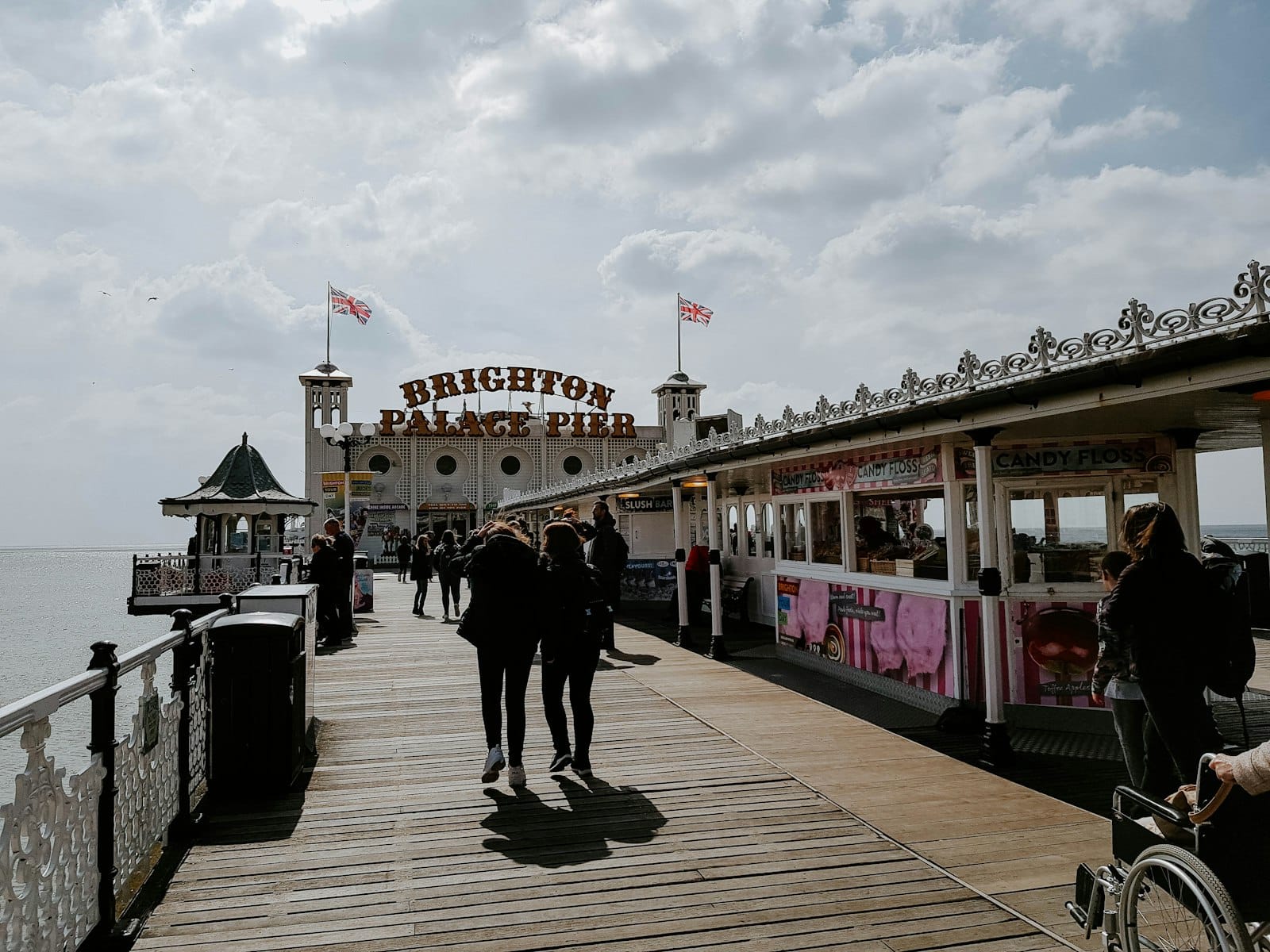
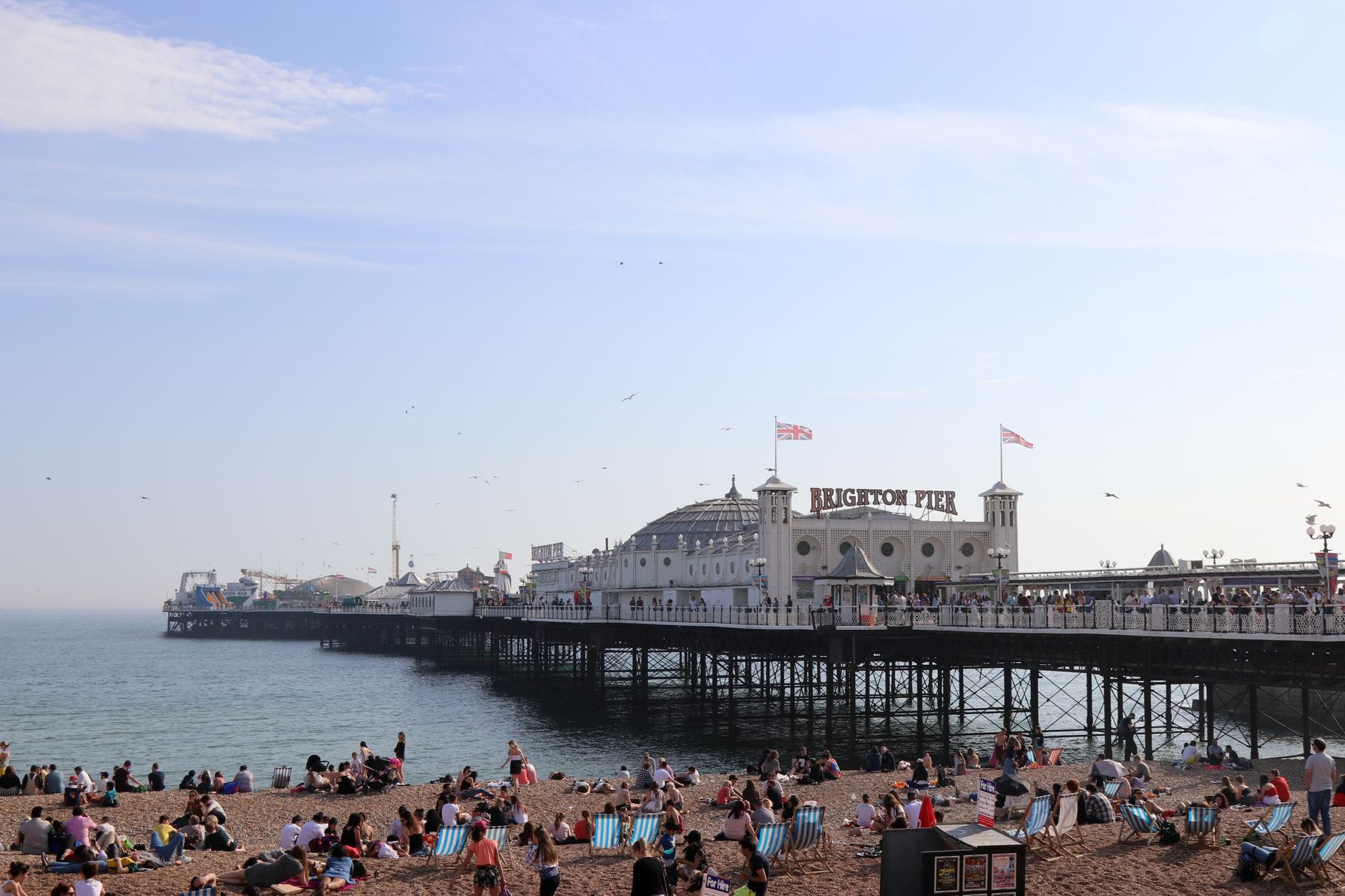
One day is enough to get a real sense of Brighton if you stay focused. From the station, head south toward the seafront along Queens Road — it takes around ten minutes on foot. The Brighton Palace Pier is the obvious first landmark: rides, arcade games, and food stalls on a Victorian iron structure extending 524 metres over the sea. Note that non-residents over age two are now charged a £1 entry fee. It is worth walking to the end for the views, but resist spending the whole morning here.
Turn west along the promenade and you will pass the striking West Pier ruins, now a skeletal iron frame rising from the water after two fires gutted it in the early 2000s. The Brighton i360 observation tower stands nearby — a 162-metre vertical ride offering panoramic views across the Sussex coastline and the South Downs. Tickets cost around £16-£18 for adults (verify current prices); it is genuinely impressive on a clear day but skippable if the weather is poor.
The Royal Pavilion is arguably Brighton's most distinctive building. Built for the Prince Regent (later George IV) and completed in 1823, it combines Indian exterior architecture with Chinese-influenced interiors in a way that has no real equivalent in Britain. Admission is charged; check current prices with the Royal Pavilion and Museums Trust before visiting. The surrounding Royal Pavilion Gardens are free to enter and provide a reasonable lunch spot in good weather.
- The Lanes A dense network of narrow medieval-origin streets south of North Street. Historically a fishing quarter, now home to jewellery shops, restaurants, and independent cafes. Best explored without a map — it is small enough that you cannot get truly lost.
- North Laine The area immediately south of the station, characterised by Victorian terraces converted into independent shops, record stores, vintage clothing, and cafes. Sydney Street and Kensington Gardens are the main arteries. More eclectic and less polished than The Lanes.
- Brighton Beach and Seafront The beach is shingle, not sand — bring something comfortable to sit on. The Kings Road Arches beneath the promenade house food vendors, bars, and a few small galleries. The Undercliff Walk east of the pier extends toward Saltdean and is worth a short walk for a different perspective on the coast.
- Brighton Museum and Art Gallery Located inside the Royal Pavilion grounds, the museum covers Art Deco design, local history, and world cultures. Free to enter for residents, charged for visitors — verify current admission. A good option if the weather turns.
💡 Local tip
Brighton is compact and very walkable. From Brighton station to the pier takes about 10 minutes on foot. From the pier to The Lanes is another 5 minutes. From The Lanes to North Laine is 10 minutes. You do not need a bus or taxi for any of these if you are reasonably mobile — save the local bus network for reaching Hove to the west or Kemp Town at the eastern end.
When to Go: Seasons, Crowds, and Timing Your Visit
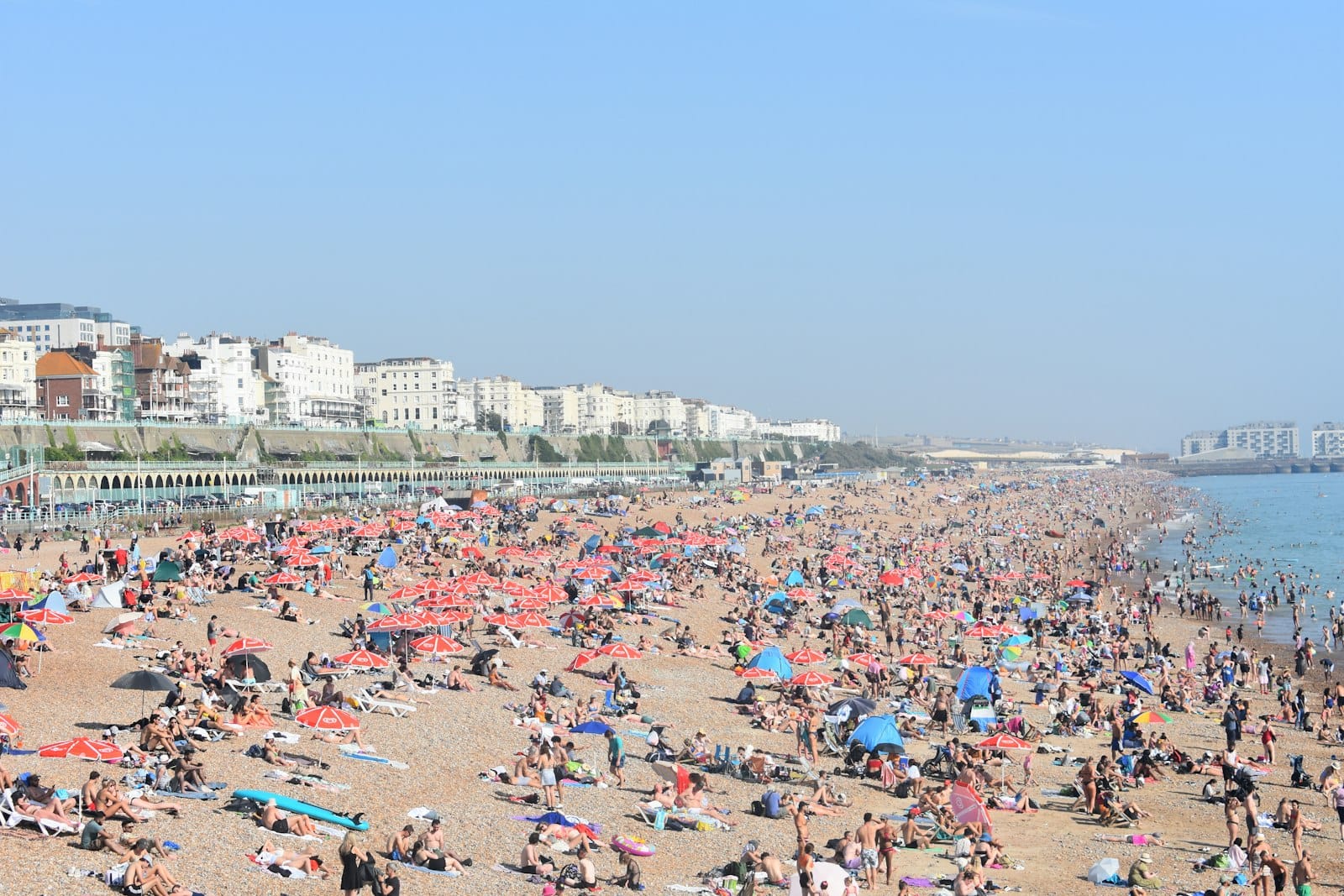
Late May through early September is when Brighton works best as a day trip. Summer temperatures average 19-21°C daily maximums, daylight runs until past 9pm in June and July, and the seafront has full energy. The UK school summer holidays (late July through August) bring peak crowds — trains from London fill up fast on Saturday and Sunday mornings, and the beach and pier become genuinely packed by midday. If you visit in this period, take an early train (pre-09:00) and head back before the evening rush. See our guide to Brighton in summer for a full seasonal breakdown.
May, June, and early September are arguably the best months: weather is good, the crowds are lighter than peak summer, and accommodation prices (useful if you extend to an overnight stay) are lower. Brighton Pride, one of the UK's largest LGBTQ+ festivals, typically takes place in August and draws huge numbers — check our Brighton Pride guide if you want to time your visit around it, or avoid it if you prefer quieter conditions. October to January brings the wettest weather on average, but Brighton in winter has its own appeal — fewer visitors, lower prices, and a different character to the city worth experiencing.
Practical Details: What to Know Before You Go
Brighton uses the pound sterling (GBP). Card payments are accepted almost everywhere in the city, including most food stalls and market vendors. The electrical supply is UK standard 230V with Type G three-pin plugs — relevant if you are coming from outside the UK and need to charge devices. Tap water is safe to drink throughout Brighton and Hove. Emergency services are reached on 999 (or 112 as an alternative). The country dialling code for the UK is +44.
Brighton and Hove has a temperate maritime climate, which means weather can change quickly regardless of the forecast. Even in summer, an afternoon sea breeze can feel sharp. Bring a light layer. The beach is pebble, so flat-soled shoes are more comfortable than flip-flops for walking on the shoreline. If you plan to eat on the seafront, prices at the kiosks and pier are tourist-oriented — better value sits one or two streets back in the side streets around The Lanes or in North Laine. For a deeper look at eating options, the Brighton food guide covers the best areas and specific recommendations.
ℹ️ Good to know
Tipping in restaurants: a 10-15% tip is customary when service is not already included in the bill. Many Brighton restaurants add an optional service charge — check your bill before adding extra. In taxis, rounding up or adding a small amount is standard but not required.
FAQ
How long does the train from London to Brighton take?
Most direct services take between 1 hour 5 minutes and 1 hour 23 minutes. The fastest trains from London Victoria take around 58 minutes. Services run roughly every 10-15 minutes throughout the day from Victoria, London Bridge, and Blackfriars.
How much does it cost to get from London to Brighton by train?
Advance single fares can be as low as around £6.50 when booked well ahead. Off-peak day return tickets typically run in the £37-£38 range, though prices vary by operator, time, and booking date. Always check live fares on National Rail or operator websites before booking, as prices change frequently.
Can I use my Oyster card on the London to Brighton train?
No. Oyster and contactless bank card pay-as-you-go only covers journeys within the TfL network and extends to Gatwick Airport at most. Beyond Gatwick, you need a separate rail ticket to reach Brighton. Buy this in advance online or at the station.
Is one day enough for a Brighton day trip from London?
Yes, easily. With a full day you can comfortably cover the seafront and pier, the Royal Pavilion, The Lanes, and North Laine, with time for lunch. Arriving by 10am and catching a return train around 7-8pm gives you a solid 9-10 hours. If you want to explore Hove, Kemp Town, or take a walk along the Undercliff, consider an early arrival or an overnight stay.
Does Brighton have a sandy beach?
No. Brighton's main beach is predominantly shingle — large, smooth pebbles. It is not uncomfortable to sit on but you will want a mat or towel for cushioning. Sandy beaches in the region, such as Camber Sands in East Sussex, are a separate trip and not within easy walking distance of Brighton station.
Tickets & tours
Live prices and dates from our booking partner. If you book, we may earn a commission at no extra cost to you.
Planning a trip? Discover personalized activities with the Nomado app.