What to Eat in Brighton: A Local Food Guide
Brighton's food scene is unusually strong for a coastal city of its size. This guide covers the essential dishes, best neighbourhoods for eating, market options, plant-based dining, and practical tips for every budget — from a quick seafront chippy to a full evening meal in Kemp Town.
Tickets & tours
Live prices and dates from our booking partner. If you book, we may earn a commission at no extra cost to you.
TL;DR
- Fish and chips remains the iconic Brighton seafront eat, but the city's food scene goes far beyond seaside classics.
- North Laine and The Lanes are the two best neighbourhoods for independent cafes, restaurants and street food — see our guide to North Laine for context.
- Brighton has one of the strongest plant-based dining scenes outside London, with dedicated vegan restaurants across the city.
- Brighton Open Market and the seafront arches are the best spots for local produce and casual daytime eating.
- Eating on a budget is very doable — check our Brighton on a budget guide for money-saving tips.
The Brighton Food Identity: What Makes It Different
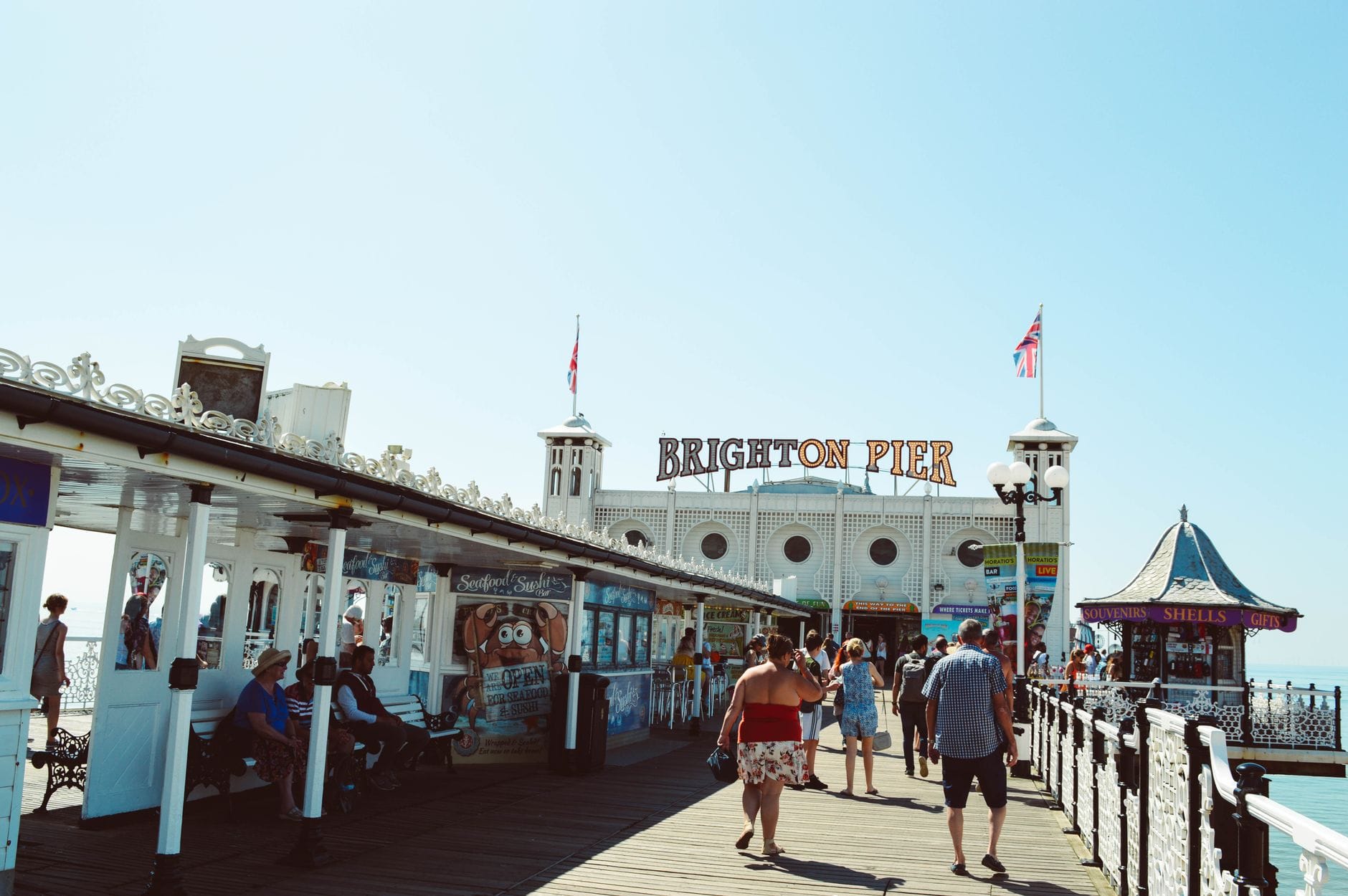
Brighton is a city of roughly 277,000 people on the south coast of England, and its food culture reflects that particular mix of seaside tradition, student population, arts community, and proximity to London. The result is a restaurant scene that holds genuinely interesting independent places alongside the expected high-street chains — and avoids the tourist-trap mediocrity that often plagues coastal towns.
The city sits close to productive Sussex farmland and the English Channel, which means locally sourced meat, dairy and seafood feature regularly on menus. The Brighton Open Market on Marshall's Row is the most accessible spot for local produce in the city centre — it runs year-round and is far less touristy than the Lanes area immediately to the south.
Brighton also has a well-established reputation for plant-based eating that predates the UK's recent vegan boom. This is not marketing — it is reflected in the number of long-standing dedicated vegan and vegetarian restaurants compared to cities of similar size. For visitors with dietary requirements, Brighton is one of the more accommodating places in England.
ℹ️ Good to know
Brighton and Hove operates on UK currency (pound sterling, GBP). Tipping at restaurants follows British custom: a service charge may already be included on the bill. Where it is not, 10-15% is standard but entirely discretionary. Always check the bill before tipping.
Essential Brighton Dishes and Where to Find Them
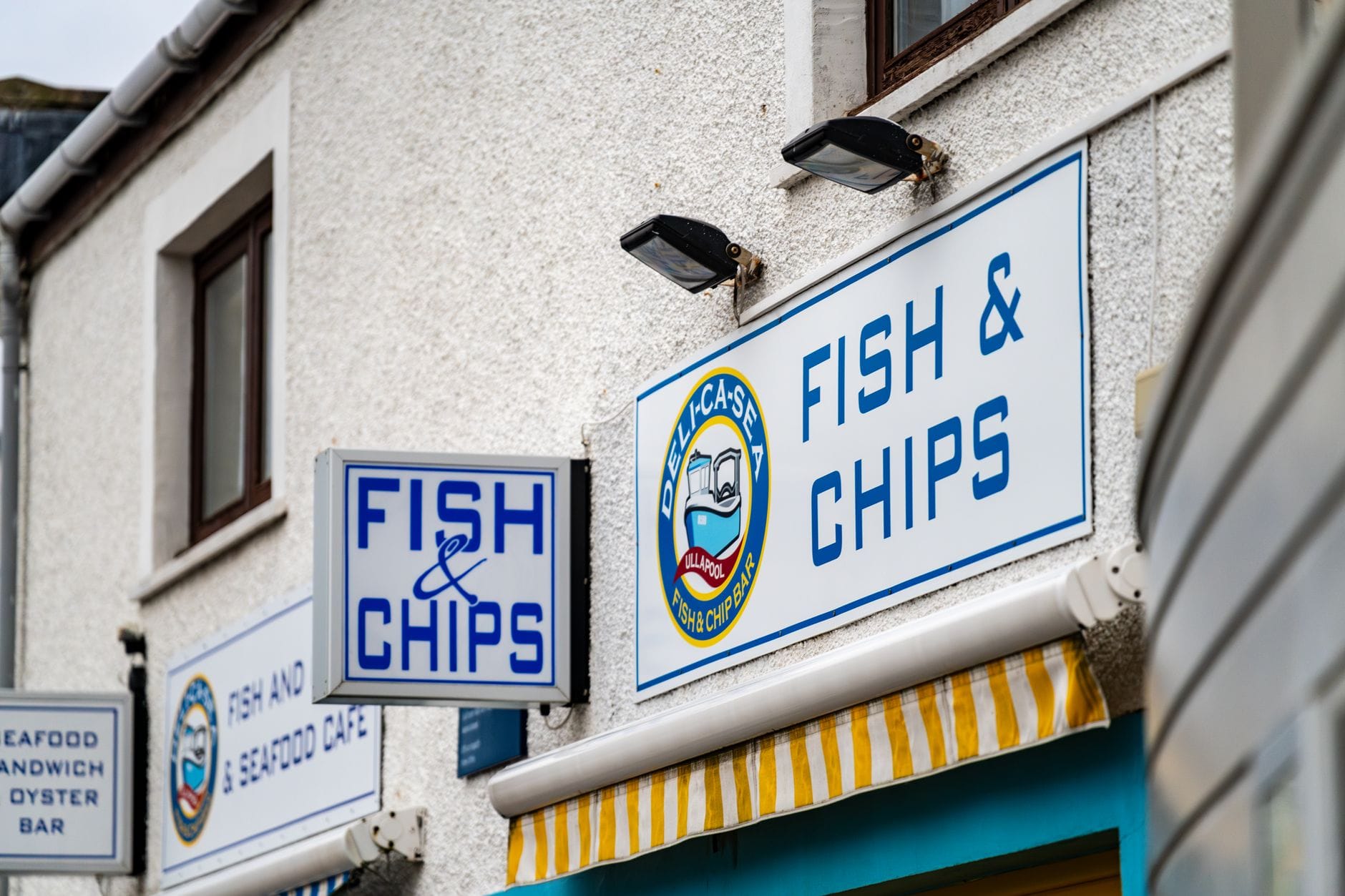
Fish and chips is the obvious starting point. On the seafront, the quality varies considerably — some places rely entirely on tourist footfall and the results show. The better chippies tend to be slightly away from the pier approach, where repeat local custom keeps standards up. Look for fresh rather than pre-battered fish, and ask if the chips are cooked to order.
Beyond fish and chips, Brighton's seafront food history is represented at places like the Brighton Fishing Museum on the lower promenade, which gives useful context for the city's working fishing tradition. The beach itself still has a small commercial fishing fleet launching from the shore near Black Lion Street, and fresh catch is occasionally sold directly from the boats — not a reliable daily option, but worth checking on a summer morning.
- Fish and chips The seafront classic — best eaten outside in summer. Haddock and cod are standard; expect to pay around £10-15 for a full portion at a sit-down place, less from a takeaway counter.
- Sussex cream tea Scones with clotted cream and jam, served in cafes across the city. Note that Sussex follows the Devon convention (cream first, then jam) rather than the Cornish method — locals will have opinions on this.
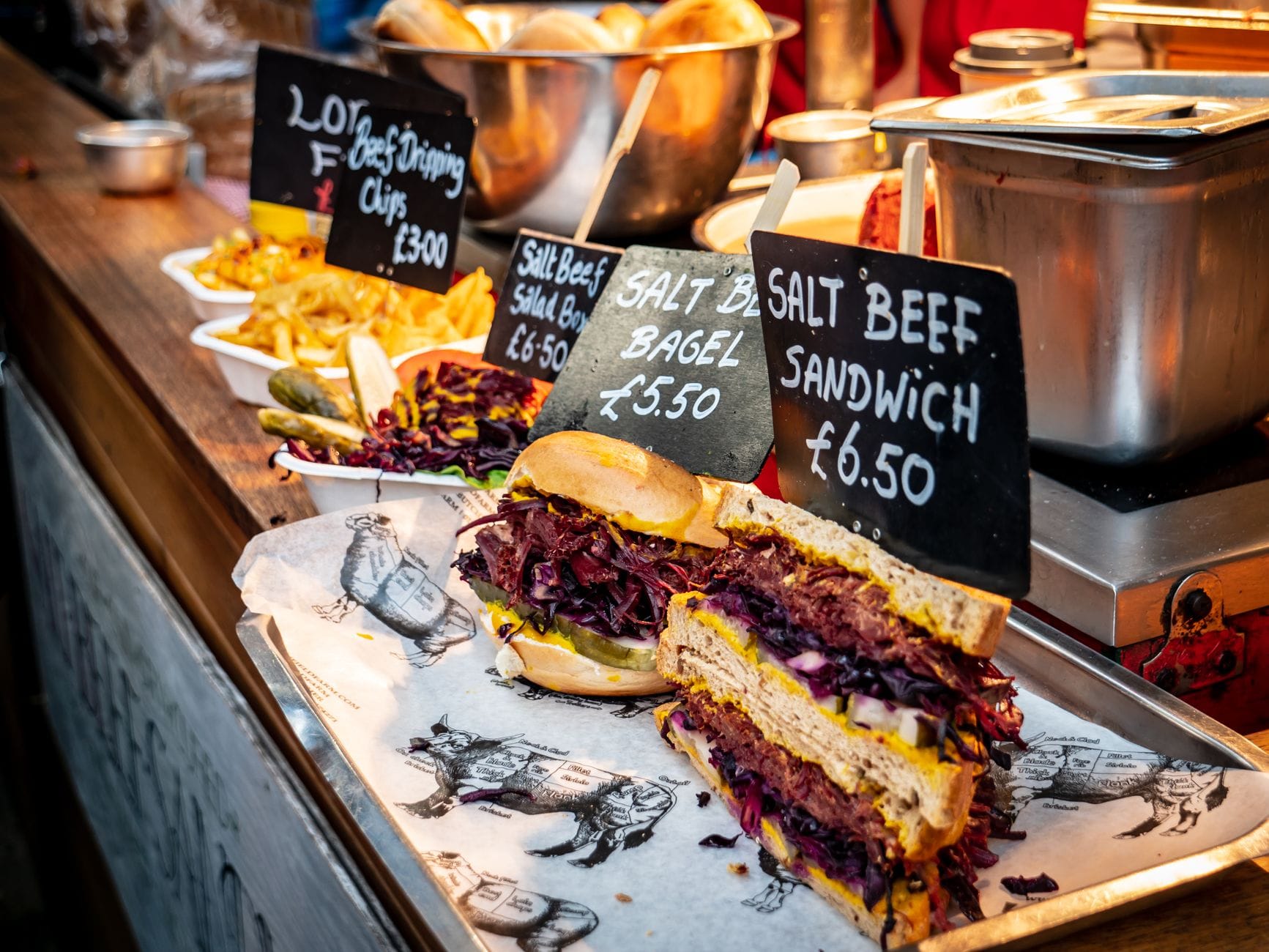
- Pulled pork and artisan burgers North Laine has a cluster of independent burger and street-food style restaurants that have been established for over a decade, with quality considerably above average.
- Plant-based full English breakfast Several cafes in North Laine and Kemp Town do vegan full breakfast that competes seriously with the meat version — not just a reduced plate.
- Local ales and craft beer Brighton has a strong microbrewery presence. Several pubs serve Sussex ales from producers like Harvey's of Lewes, which is the region's most established independent brewery.
Best Neighbourhoods for Eating in Brighton
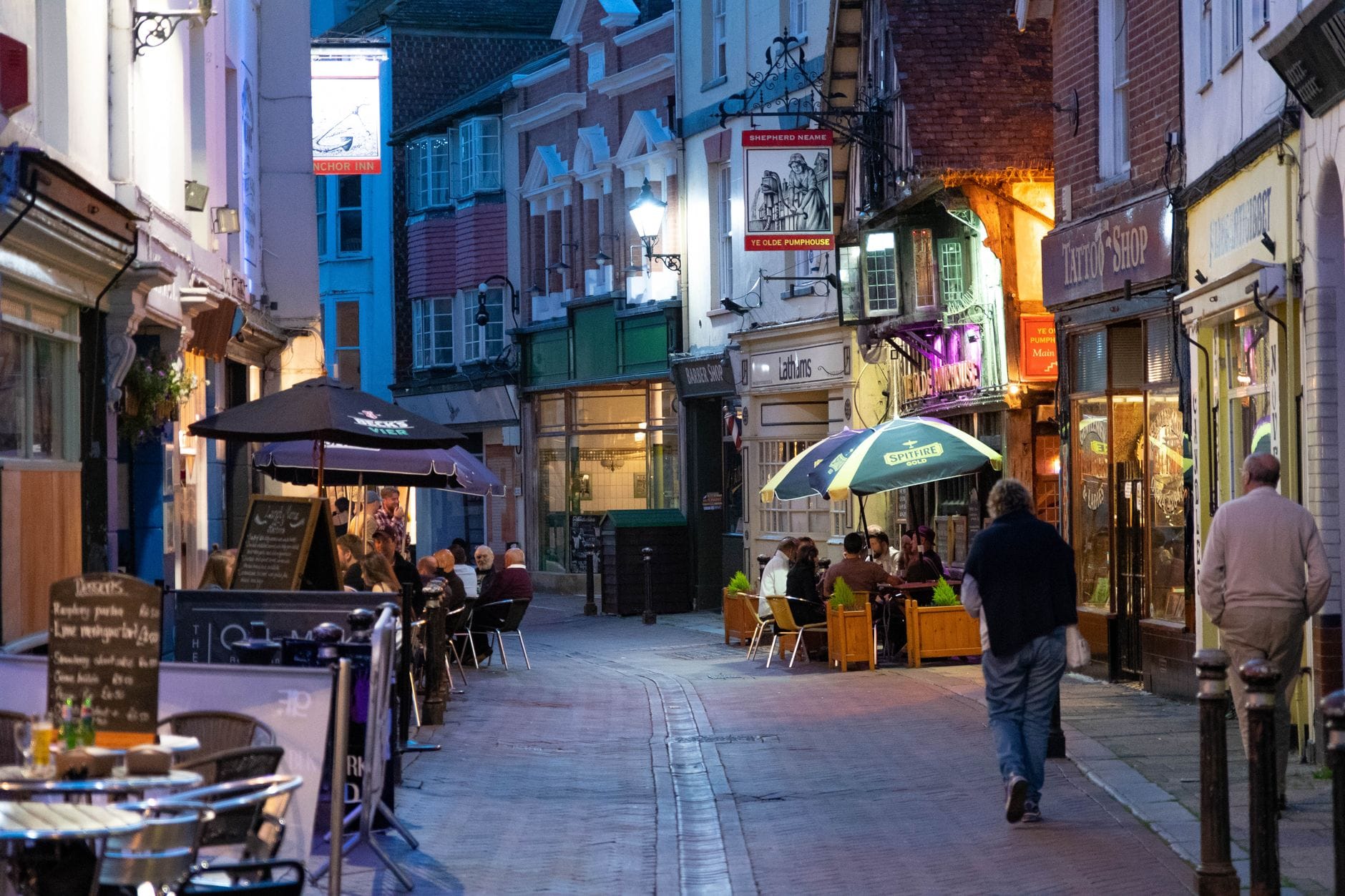
The food geography of Brighton divides fairly cleanly. The Lanes and North Laine offer the densest concentration of independent restaurants and cafes, while Kemp Town has a neighbourhood dining character that is slightly calmer and less tourist-facing. Hove, to the west, has its own restaurant strip along Church Road and Western Road with a more local demographic.
North Laine is the best single area for casual daytime eating. The density of cafes is high, the quality-to-price ratio is generally good, and independent operators outnumber chains. Weekend mornings draw crowds, so arrive before 10am or after 2pm to avoid queues at the more popular brunch spots.
Kemp Town is worth the ten-minute walk east from the centre for evening meals. St George's Road and St James's Street have a range of independent restaurants — Italian, Thai, and various fusion formats — at prices that tend to be slightly lower than equivalent places in the Lanes. The neighbourhood has a strong local dining culture that keeps standards honest.
The Brighton seafront is best for casual daytime eating rather than dinner. The Kings Road Arches beneath the promenade have been progressively converted into small food and drink outlets — the quality is patchy but improving, and it is the most atmospheric setting for a coffee or light lunch on a sunny day.
⚠️ What to skip
The restaurants immediately adjacent to Brighton Palace Pier are priced for passing tourists and generally offer poor value. Walk two or three streets north or east to find the same food at substantially lower prices and significantly better quality.
Plant-Based and Vegetarian Dining
Brighton's plant-based scene is covered in detail in our dedicated vegan and vegetarian Brighton guide, but the short version is this: Brighton is one of the best cities in England for meat-free eating, and has been for longer than the current trend would suggest. This is not just a matter of options — several restaurants are genuinely excellent on their own terms, not just acceptable compromises.
North Laine has the highest concentration of vegan-friendly venues, including fully plant-based cafes that have been operating for well over a decade. Kemp Town also has dedicated vegan options. Even in more traditional pub and restaurant settings, Brighton kitchens generally manage plant-based requests better than the UK average.
💡 Local tip
If you are visiting during Brighton & Hove Pride in early August, food options across the city are under pressure from crowd volumes. Book ahead for any sit-down meal and consider the areas slightly away from the main parade route — Hove seafront and North Laine side streets are less affected.
Markets, Street Food and Daytime Eating
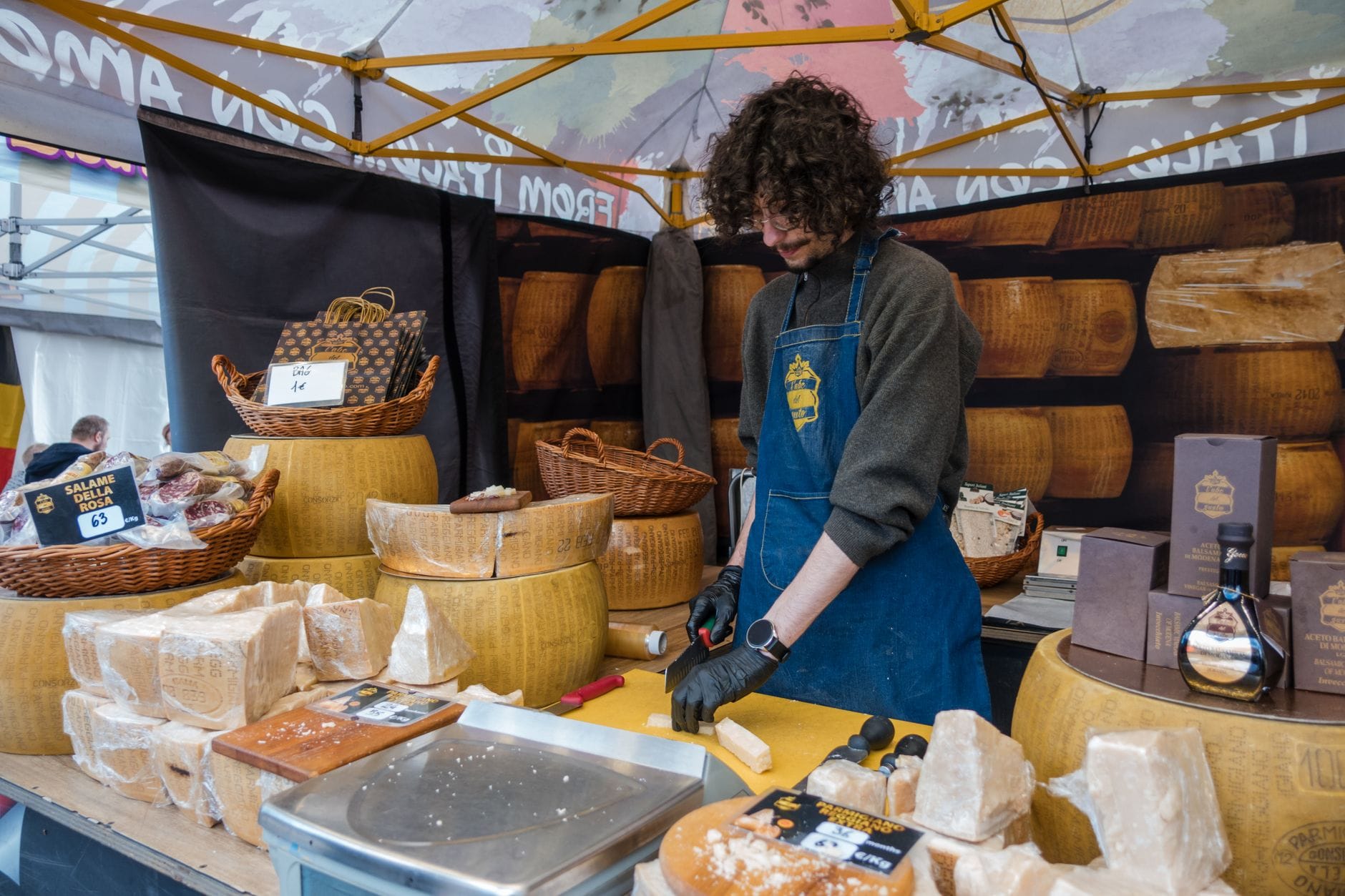
The Brighton Open Market is the most practical food market in the city for visitors. It operates year-round, unlike seasonal farmers' markets, and stocks fresh produce, street food stalls and a range of prepared foods. The location on Marshall's Row, just north of the Level park, puts it slightly off the main tourist circuit, which is precisely why it is worth seeking out.
For visitors researching 'Brighton farmers market', it is worth clarifying: the most commonly found online results refer to farmers' markets in Brighton, Massachusetts or Brighton, Michigan in the United States. Brighton, UK does host periodic farmers' markets and food events, but these are not a fixed weekly institution in the same format. Check local listings from Visit Brighton or the city council closer to your travel date for current market schedules.
Street food in Brighton operates most reliably during summer weekends, when pop-up stalls appear on the seafront and in North Laine. The annual food and drink festival brings temporary food markets to Preston Park in summer — check local event listings for the current year's dates, as these vary.
- Brighton Open Market: year-round, covered market with fresh produce, street food and local traders (open 7 days a week)
- Seafront summer stalls: seasonal, concentrated near the pier and beach volleyball area on hot weekends
- North Laine weekend pop-ups: informal, check social media for current operators as these change regularly
- Preston Park food festival: annual summer event, check Brighton & Hove council listings for current dates
- Too Good To Go app: widely used in Brighton for end-of-day surplus from cafes and restaurants at reduced prices
Budget Eating and Practical Tips
Brighton is not a cheap city by UK standards, but eating well on a modest budget is achievable with some direction. The key principle is distance from the seafront: prices drop noticeably as you move north from the beach, and a meal that costs £16 near the pier can often be found for £10-12 in North Laine or Kemp Town.
Lunch deals are common at mid-range restaurants, particularly on weekdays. Many places offer a two-course set lunch in the £12-18 range that represents considerably better value than the evening menu. The university student population keeps a segment of the market genuinely price-competitive, particularly around the London Road area.
For a broader range of money-saving strategies beyond food, the Brighton on a budget guide covers accommodation, transport and free attractions alongside eating tips.
✨ Pro tip
Harvey's Sussex Best Bitter is the regional ale you should try at least once. It is brewed in nearby Lewes and widely available in traditional pubs across Brighton. Treat any pub that charges significantly above typical local prices (around £5–£5.50 for a pint) as a likely tourist-pricing signal.
Seasonal Eating in Brighton
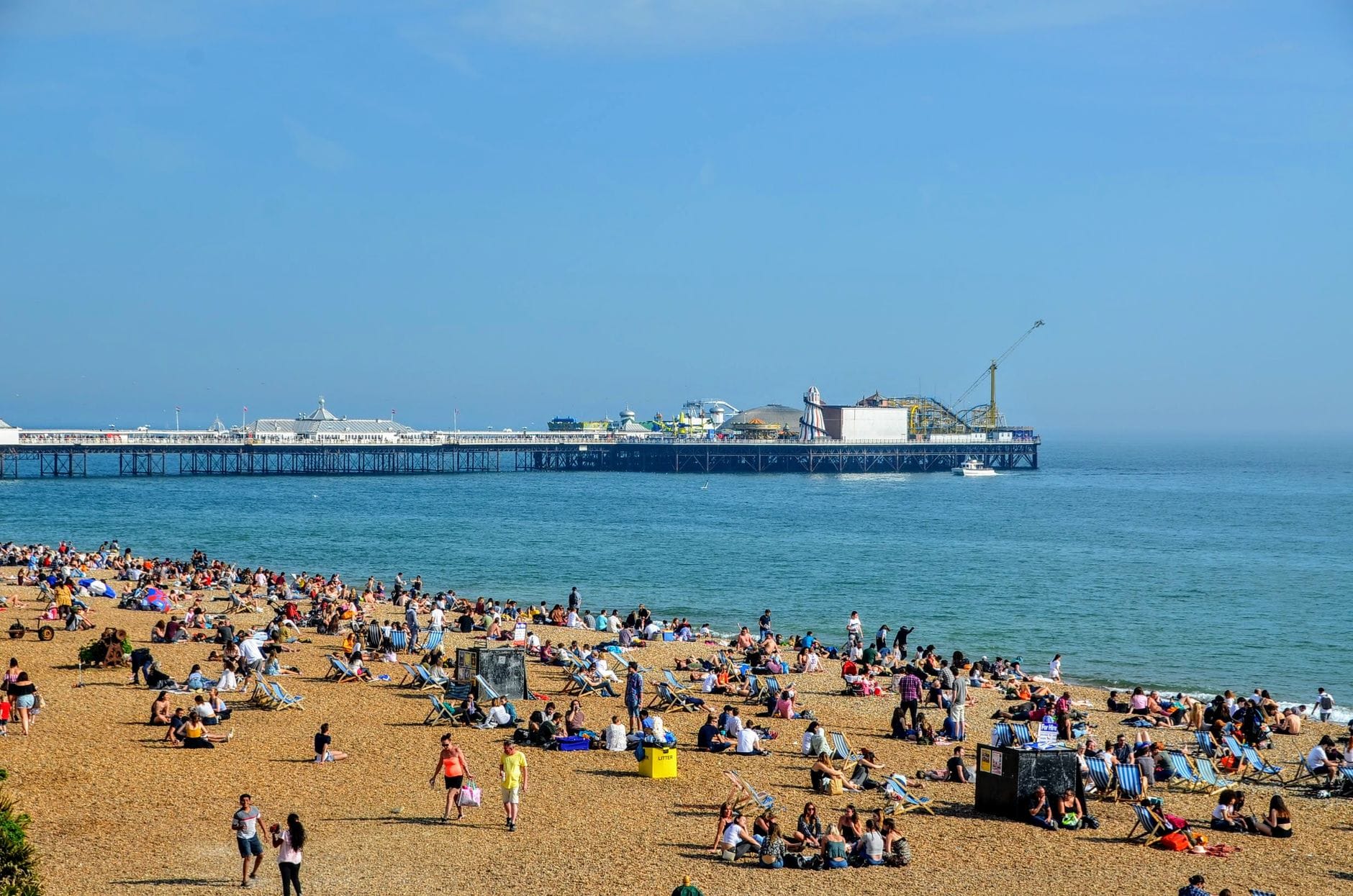
Brighton's food scene operates differently depending on when you visit. Summer (June to August) brings the full range of options: seafront stalls are open, restaurant gardens fill up, and the city supports a much larger daily visitor population. This also means higher prices, longer waits and more variable quality at popular spots as kitchens scale up.
Winter is a different proposition. Seasonal closures affect some seafront operations, but the core restaurant scene in North Laine and Kemp Town runs year-round and is often better value and more relaxed from November to March. Brighton in winter is genuinely underrated for food tourism precisely because the competition for tables disappears and kitchens focus on local regulars rather than throughput.
Spring (April to May) and early autumn (September to October) represent the best combination of good weather for outdoor eating, reasonable prices and manageable crowds. Local produce is at its most varied in this window, and many restaurants update menus seasonally to reflect what is available from Sussex farms and the coast.
FAQ
What is the must-try food in Brighton?
Fish and chips is the unavoidable answer, but eat it from a good chippy rather than the nearest place to the pier. Beyond that, Brighton is worth exploring for its plant-based cafes, Sussex ales (especially Harvey's Best Bitter from Lewes), and the independent brunch culture in North Laine.
Is Brighton good for vegetarians and vegans?
Yes, significantly above the UK average. Brighton has a long-established plant-based dining scene with multiple fully vegan restaurants and strong vegan menu options at most independent cafes. North Laine and Kemp Town are the best areas to focus on.
Where is the best place to eat in Brighton on a budget?
North Laine and Kemp Town offer the best value. Weekday lunch deals at mid-range restaurants typically run £12-18 for two courses. The Brighton Open Market is good for cheap daytime food. Avoid restaurants within eyeline of Brighton Palace Pier for anything budget-related.
Does Brighton have a good farmers' market?
Brighton, UK does host periodic farmers' markets and food events, but there is no fixed large-scale weekly farmers' market equivalent to those in some other UK cities. The Brighton Open Market on Marshall's Row is the best year-round option for fresh local produce. Check the Brighton & Hove city council website or Visit Brighton for current market schedules.
When is the best time to visit Brighton for food?
Spring and early autumn (April-May and September-October) offer the best combination of seasonal produce, good weather for outdoor eating, and manageable crowd levels. Winter is underrated for sit-down restaurant dining as the city is quieter and restaurants are less stretched.
Tickets & tours
Live prices and dates from our booking partner. If you book, we may earn a commission at no extra cost to you.
Planning a trip? Discover personalized activities with the Nomado app.