Brighton in Winter: Is It Worth Visiting? (Honest Guide)
Brighton in winter is quieter, cheaper, and surprisingly rewarding. This guide covers what stays open, what closes, what the weather actually feels like, and how to make the most of a visit between November and February.
Tickets & tours
Live prices and dates from our booking partner. If you book, we may earn a commission at no extra cost to you.
TL;DR
- Brighton is worth visiting in winter, especially for indoor culture, independent shopping, and weekend breaks from London.
- Daytime temperatures sit around 5–10°C with frequent overcast skies, so pack layers and a waterproof jacket. See our best time to visit Brighton guide for a full seasonal breakdown.
- Key attractions including the Royal Pavilion, Brighton Palace Pier, and most museums stay open year-round, often with shorter queues than summer.
- Train from London Victoria takes around 1 hour; from Gatwick Airport, roughly 30 minutes. Both routes run throughout winter.
- Hotel rates drop significantly after the summer peak, making winter a smarter time to visit on a budget.
What Brighton in Winter Actually Looks Like
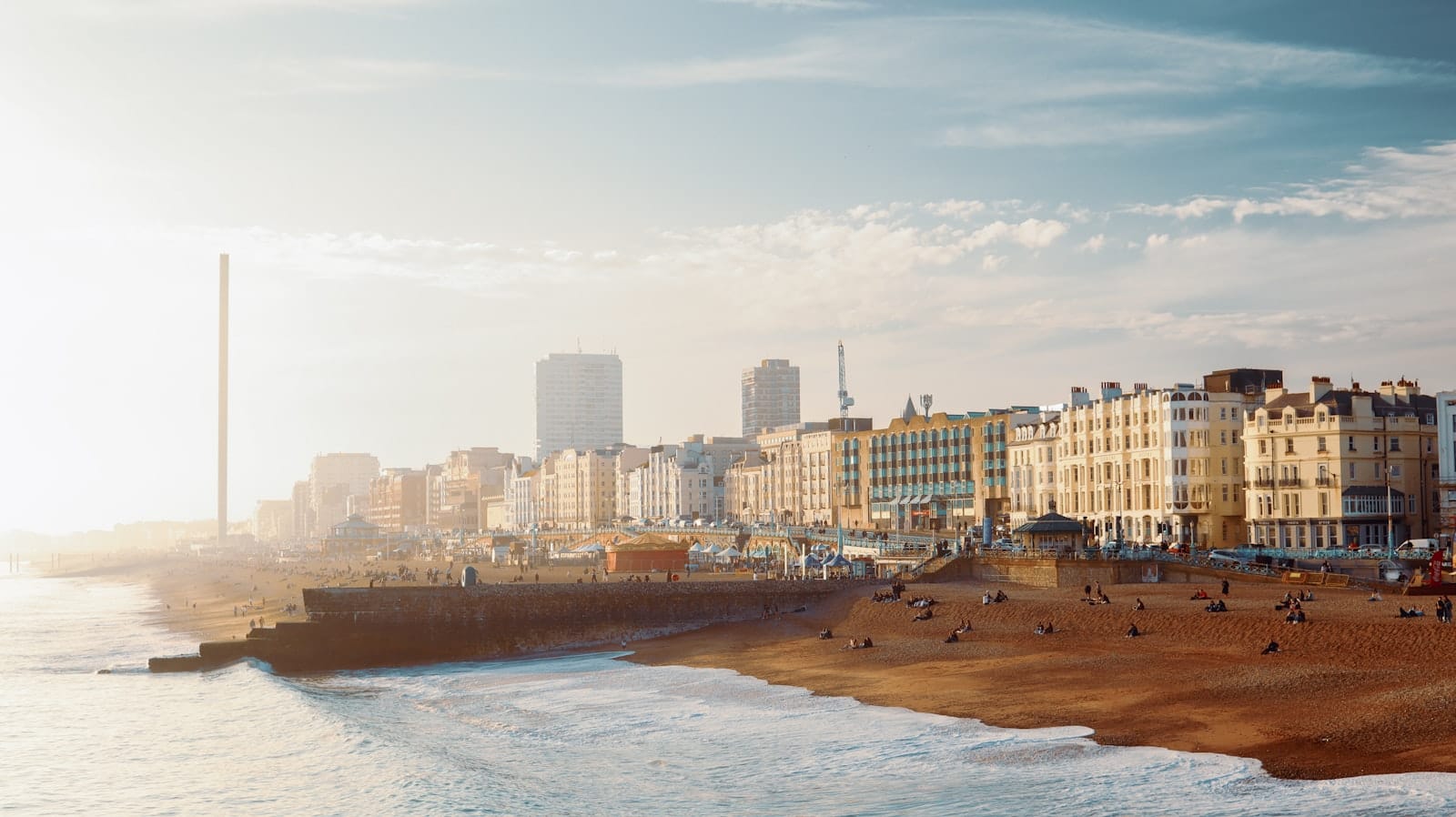
Brighton has a temperate maritime climate, which means winter is mild rather than brutal. Temperatures typically range from around 3–4°C overnight to 8–9°C during the day. Snow is rare and usually light when it does occur. What you will encounter more consistently is wind off the Channel and overcast skies, particularly in December and January, which are among the wettest months on the Sussex coast.
That said, Brighton gets a reasonable number of crisp, bright winter days, especially in late November and February when high pressure occasionally settles over the south coast. A sharp winter day on the seafront, with the shingle reflecting pale sunlight and the West Pier ruins silhouetted against the sky, has a particular atmosphere that summer crowds completely obscure.
💡 Local tip
Layer up and bring a wind-resistant jacket rather than just a heavy coat. The seafront promenade is exposed, and even a modest breeze feels sharp when you're walking westward toward Hove in January.
For visitors focused on indoor experiences, winter removes most of the downsides. The Royal Pavilion is considerably easier to explore when it's not packed with summer tourists. The same applies to the Brighton Museum and Art Gallery and the city's independent cafes and restaurants, which are quieter but fully operational.
What Stays Open (and What Doesn't)
The core of Brighton's appeal operates year-round. This is not a seasonal resort that pulls its shutters down in October. The distinction to understand is between permanent attractions and weather-dependent or seasonal operations.
- Royal Pavilion Open year-round. Standard adult admission is £21.50 (child £13; residents £16.50 for 1 Apr 2026–31 Mar 2027), with family tickets available. Winter is the best time to visit without queuing. Always verify current hours and prices directly with Brighton Museums Trust before travel.
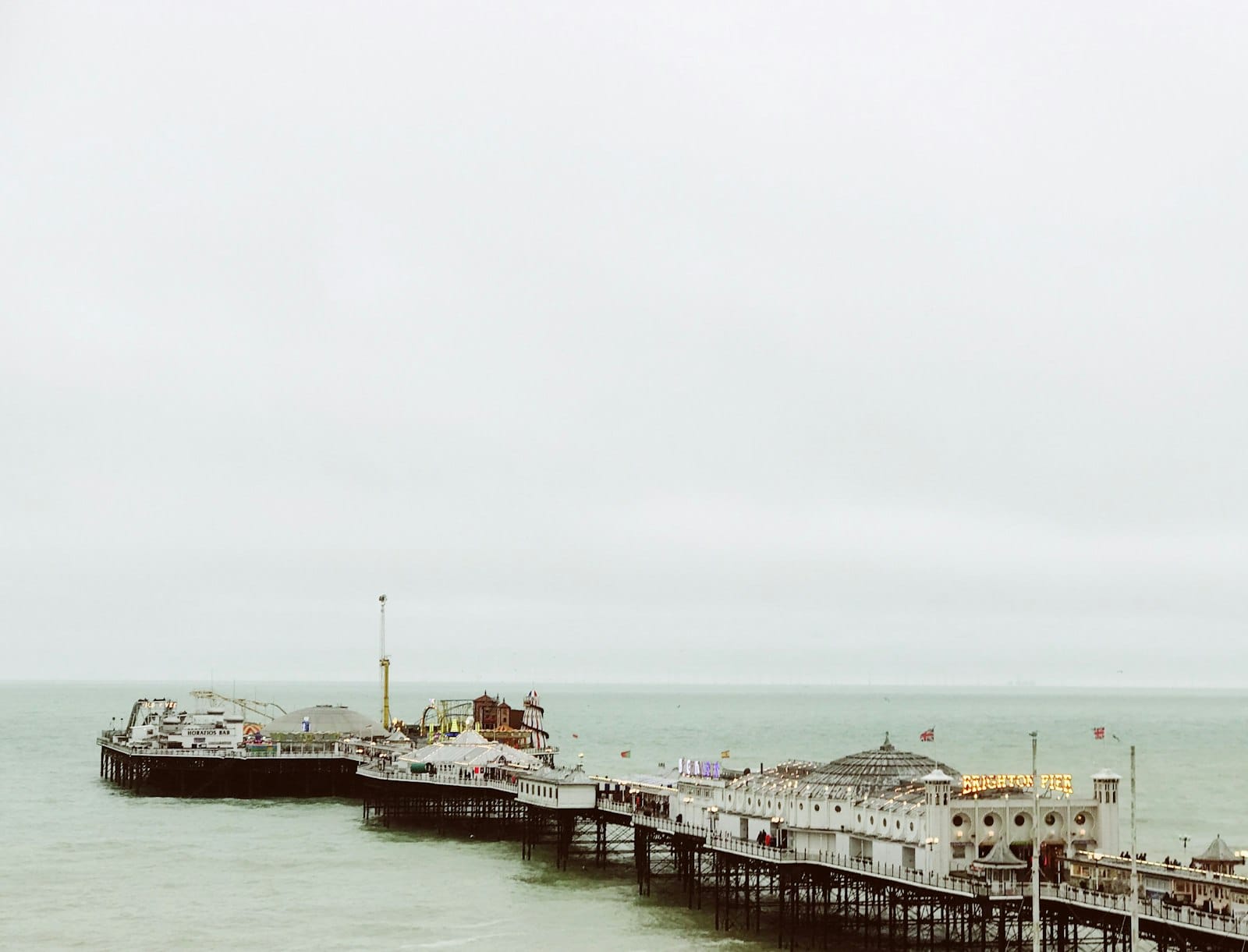
- Brighton Palace Pier Free entry throughout the year. Individual rides and some outdoor facilities may close temporarily in bad weather or for maintenance, but the pier structure and many attractions stay accessible. Pay-per-ride or wristband options apply.
- Brighton i360 The seafront observation tower runs year-round with timed viewing flights. Adult tickets are typically in the £15–£20 range. On a clear winter day, the views across the coast toward the South Downs are genuinely impressive.
- Brighton Museum and Art Gallery Fully operational in winter. Adult admission is £10.50 (child £5; residents/students typically £8). Housed in the Royal Pavilion estate, making it easy to combine both visits in one afternoon.
- The Lanes and North Laine Independent shops, cafes, and restaurants here operate year-round. Winter footfall is lower, which means easier browsing and no queues for the more popular brunch spots.
- Volks Electric Railway This historic seafront railway typically closes in winter, running seasonally from around Easter to October. Check the official Volks Railway website before planning around it.
⚠️ What to skip
Some outdoor amusements on the pier, seafront paddling pools, and seasonal beach bars close between October and March. Do not build an itinerary around these without checking current winter schedules directly with the operator.
Getting to Brighton in Winter
Transport links are one of Brighton's genuine winter strengths. The city is well connected to London year-round, with no meaningful reduction in rail services during the off-season. Southern and Thameslink operate frequent direct services from London Victoria and London Bridge, with typical journey times of around 1 hour from Victoria and approximately 1 hour 20 minutes from London Bridge depending on the service.
From Gatwick Airport, direct trains to Brighton take roughly 30 minutes. This makes Brighton a realistic option even for international visitors arriving via Gatwick. For tips on navigating the city once you arrive, the getting around Brighton guide covers local bus routes, the seafront, and walkability in detail.
Advance rail tickets from London can be as low as around £10–£20 for a single, though this depends heavily on booking lead time, time of day, and operator. Coach services via National Express also connect London and Gatwick to Brighton, typically in the £8–£20 single range, but journey times are longer and less predictable in winter traffic.
✨ Pro tip
Book rail tickets at least two to three weeks ahead to access the cheapest advance fares. Flexible off-peak tickets cost more but allow you to travel on any off-peak service, which is useful if your plans might change.
Winter Events and Seasonal Highlights
Brighton's cultural calendar doesn't hibernate in winter. The city has a year-round events scene driven by its large student population, resident arts community, and proximity to London audiences.
In late November and December, central Brighton runs Christmas lights and seasonal markets, though these vary in scale year to year and are worth checking via VisitBrighton's events calendar before travel. The Brighton Dome and Brighton Theatre Royal both run winter programmes including pantomimes and seasonal concerts that often sell out early.
January and February are the quietest months for events, but this also means accommodation prices hit their annual low and popular restaurants are genuinely easy to book. If your priority is exploring Brighton at a relaxed pace rather than attending a specific event, January is actually an underrated month to visit.
- Late November to December: Christmas markets and festive lighting in the city centre and at the Royal Pavilion
- December: Pantomime season at Brighton Theatre Royal, typically running through to early January
- December to January: Reduced but operational Brighton Palace Pier, often with off-peak pricing on rides
- February: Half-term week brings a modest uptick in families but remains much quieter than summer
- Year-round: Independent cinema at Duke of York's Picturehouse, live music venues, and gallery openings
The Seafront and Outdoors in Winter
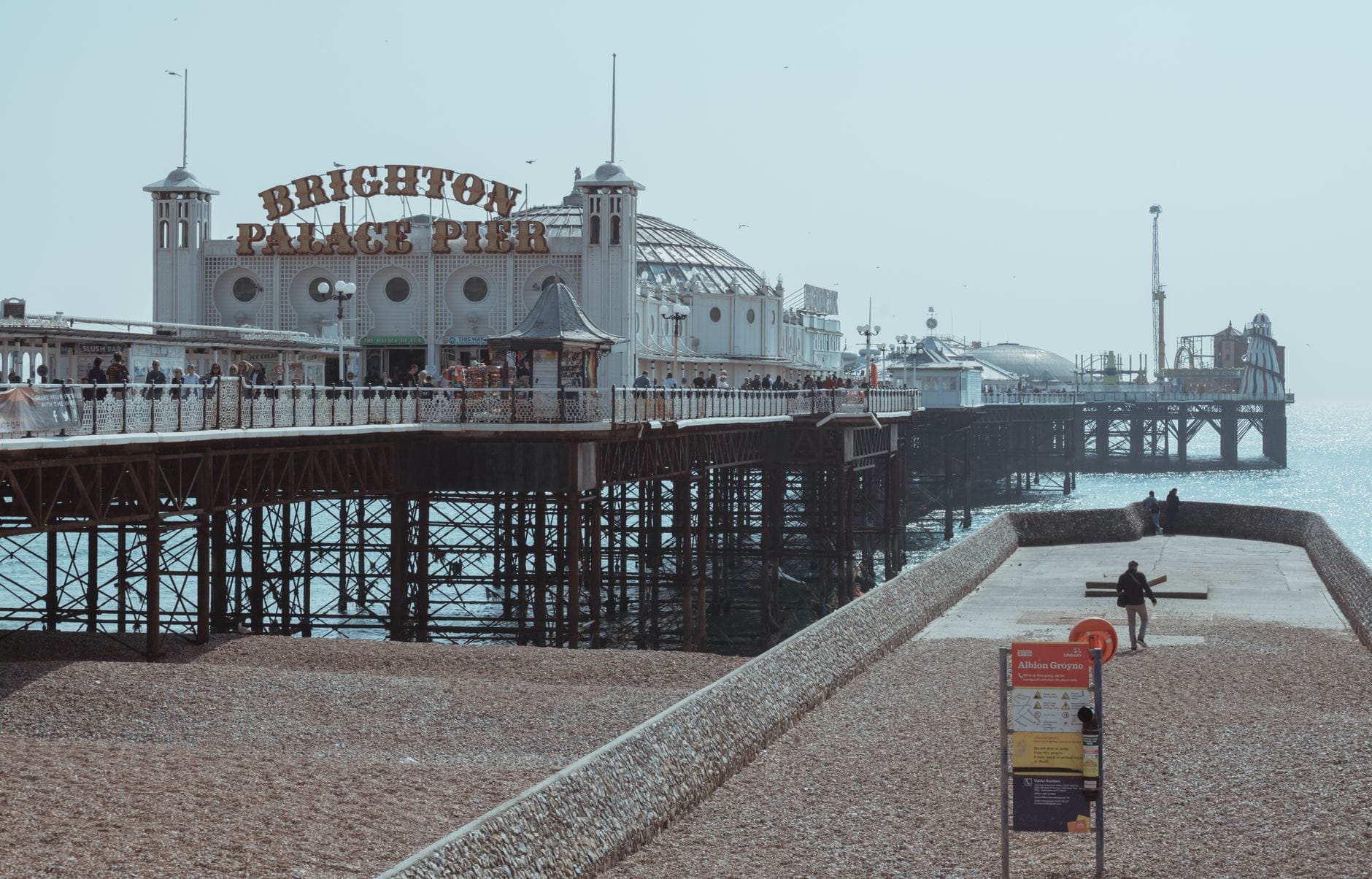
The Brighton beach and seafront promenade are free to access year-round and attract a different kind of visitor in winter. You will find local dog walkers, joggers, and cold-water swimmers rather than summer sunbathers. The Undercliff Walk, a paved coastal path east of Brighton toward Saltdean, is particularly good in winter when the crowds are thin and the chalk cliffs are at their most dramatic against a grey-green sea.
For those willing to venture inland, the South Downs National Park starts just north of the city. Devil's Dyke, accessible by bus from Brighton city centre, offers panoramic views across the Weald and the coast on clear days. Winter conditions on the Downs can be muddy, so proper footwear is essential.
Wild swimming in the sea is practiced year-round by a dedicated local community, but average winter sea temperatures drop to around 7–9°C. This is strictly for experienced cold-water swimmers. Anyone else should treat the seafront as a walking and viewing destination rather than a swimming one between November and March.
Costs, Crowds, and Practical Logistics
Winter is the most affordable time to visit Brighton. Hotel rates drop sharply compared to summer, particularly on weekdays. A city-centre hotel that costs £150–£200 per night in August might be available for £80–£120 in January. Check platforms like Booking.com and compare directly with hotels. For broader accommodation advice, the where to stay in Brighton guide covers options across different budgets and neighborhoods.
Restaurants and cafes in North Laine and the Lanes are easier to book in winter, and some offer off-peak lunch deals not available in the summer rush. Brighton has an unusually strong plant-based food scene, which operates fully year-round. The vegan and vegetarian Brighton guide is a useful reference regardless of season.
Parking is also considerably easier to find and often cheaper in winter. If you're arriving by car, note that Brighton's central parking is expensive year-round, but weekend rates in January and February are as low as they get. The city is compact and walkable, so parking on the outskirts and walking or busing into the centre makes sense.
FAQ
Is Brighton worth visiting in winter?
Yes, for the right type of trip. Indoor attractions, independent shopping, restaurants, and cultural venues operate year-round and are significantly less crowded in winter. The seafront is atmospheric rather than warm. It's not the right trip if you want beach weather or a full range of outdoor amusements, but for a weekend city break it offers real value.
What is the weather like in Brighton in December and January?
Typical daytime temperatures are 5–9°C, with overnight lows around 3–4°C. Rain and overcast skies are common, particularly in December and January which are among the wettest months. Snow is rare. Wind off the Channel can make it feel colder than the temperature suggests, especially on the seafront.
Is the Brighton Palace Pier open in winter?
Yes, Brighton Palace Pier is open year-round with free entry. Some individual rides and outdoor facilities may close temporarily during poor weather or for maintenance, but the pier itself remains accessible. Check the pier's official website for current winter schedules before visiting.
How do I get from London to Brighton in winter?
Direct trains from London Victoria take approximately 1 hour; from London Bridge, around 1 hour 20 minutes on most services. Southern and Thameslink operate these routes year-round with frequent departures. Advance single tickets can be found from around £10–£20, though peak-time fares are higher. Always book via National Rail or the operator's website.
Are there Christmas markets in Brighton?
Brighton does run Christmas lights and some seasonal market activity in late November and December, though these vary in size from year to year and are not on the scale of larger UK city Christmas markets. The Royal Pavilion estate often features seasonal events. Check VisitBrighton's events calendar for confirmed dates in the year you're travelling.
Tickets & tours
Live prices and dates from our booking partner. If you book, we may earn a commission at no extra cost to you.
Planning a trip? Discover personalized activities with the Nomado app.