Getting Around Brighton: The Complete Transport Guide
Brighton is one of the easiest UK cities to navigate without a car. This guide covers every transport option — from the city's excellent bus network to bike share, taxis, and rail connections — with clear guidance on what works, what to skip, and how to keep costs down.
Plan and book this trip
Tools from our partner Travelpayouts help you compare flights and hotels. If you book through them, we may earn a commission at no extra cost to you.
Flights
Hotels map
TL;DR
- Brighton's city centre is compact and walkable — most major attractions sit within 20-30 minutes on foot from Brighton railway station.
- Brighton & Hove Buses runs a frequent, city-wide network; day saver tickets offer better value than paying per journey — check our budget Brighton guide for money-saving transport tips.
- Don't drive into central Brighton: parking is expensive, road layouts are confusing, and buses or taxis will get you there faster.
- BTN BikeShare docking stations are spread across the city and work well for seafront or cross-city trips on dry days.
- From London Gatwick Airport, a direct Southern or Thameslink train to Brighton takes around 30 minutes — far faster than any road option. See our Brighton day trip from London guide for full arrival logistics.
Walking: The Most Underrated Way to See Brighton
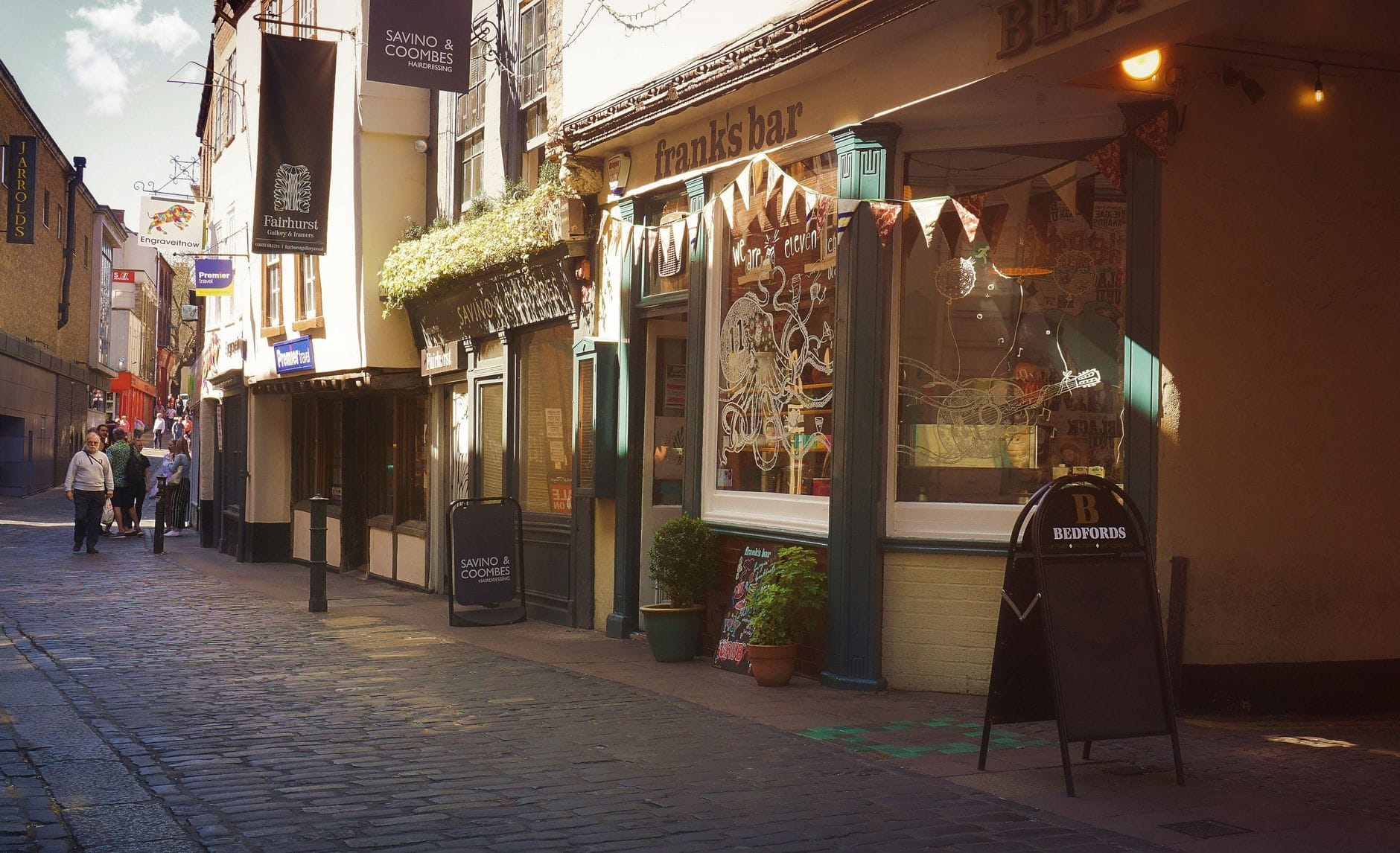
For most visitors, walking is the default mode of transport — and rightly so. The core areas of Brighton are tightly packed along a north-south axis between the railway station and the seafront, a distance of roughly 1.2 km (about 15 minutes on foot). The Lanes, North Laine, the Royal Pavilion Gardens, and the seafront promenade are all reachable from each other within 10 to 20 minutes of walking.
The one thing to know: Brighton is not flat. The city rises noticeably from the seafront northwards, so heading from The Lanes up into North Laine or toward the station involves a genuine uphill climb. Heading east from the centre toward Kemp Town is mostly flat along the seafront, which makes the coastal promenade one of the best walking corridors in the city.
💡 Local tip
The seafront promenade runs continuously from the West Pier ruins all the way east past Brighton Palace Pier toward Kemp Town — it's flat, traffic-free, and takes you past many of the city's main sights. On a clear day this walk is hard to beat for orientation.
Brighton & Hove Buses: The Backbone of Local Transport
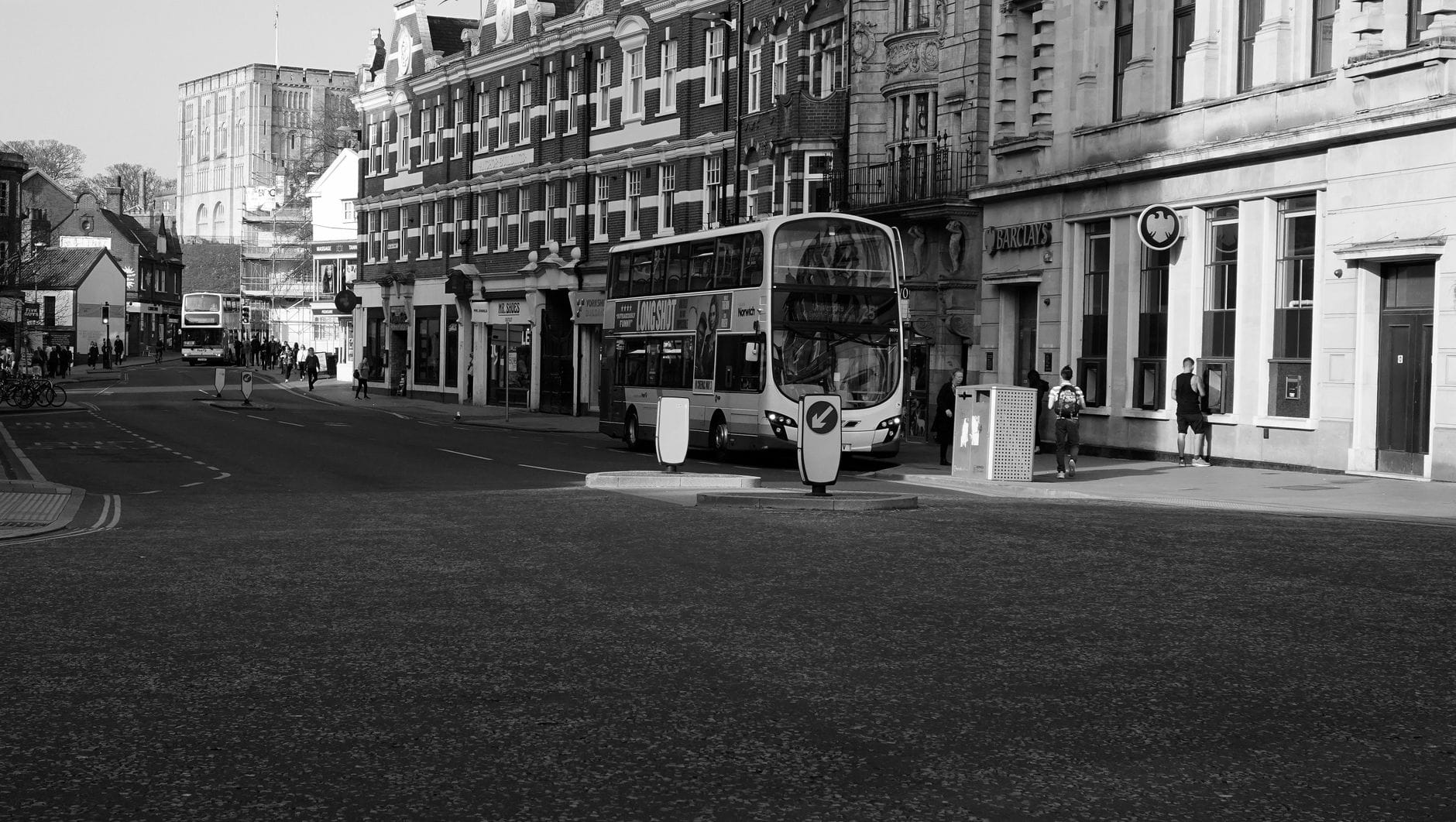
Brighton & Hove Buses operates the primary bus network across the city and into the surrounding area. Coverage is genuinely good — frequency on main routes can be every few minutes during daytime hours, and the network reaches residential areas, university campuses, and the outer suburbs that are beyond walking distance from the centre.
Fares are paid by contactless card or cash on board, though contactless is faster and often slightly cheaper. The real value lies in day saver and multi-day tickets, which provide unlimited travel across the network for a fixed price. If you plan to take more than two or three bus journeys in a day, a day saver will almost certainly save you money. Weekly and monthly passes are available for longer stays. Always verify current fares directly with Brighton & Hove Buses, as prices are reviewed periodically.
- Route 1/1A One of the city's busiest corridors, running roughly east-west along the seafront and through the city centre — useful for reaching Hove from the pier area.
- Route 7 Runs Marina–Hangleton via the seafront — useful for travelling along the coast without walking the full promenade.
- Route 27/27A A local Brighton & Hove service serving western and central neighbourhoods — not the Lewes route. For Lewes, use routes 28 or 29.
- Night buses A limited night bus service operates on key routes; check the Brighton & Hove Buses app for current schedules before a late night out.
✨ Pro tip
Download the Brighton & Hove Buses app before you arrive. Real-time tracking means you can see exactly when the next bus is coming, which is far more reliable than printed timetables — especially during summer when services can run close to capacity.
Rail: Arriving, Departing, and Day Trips
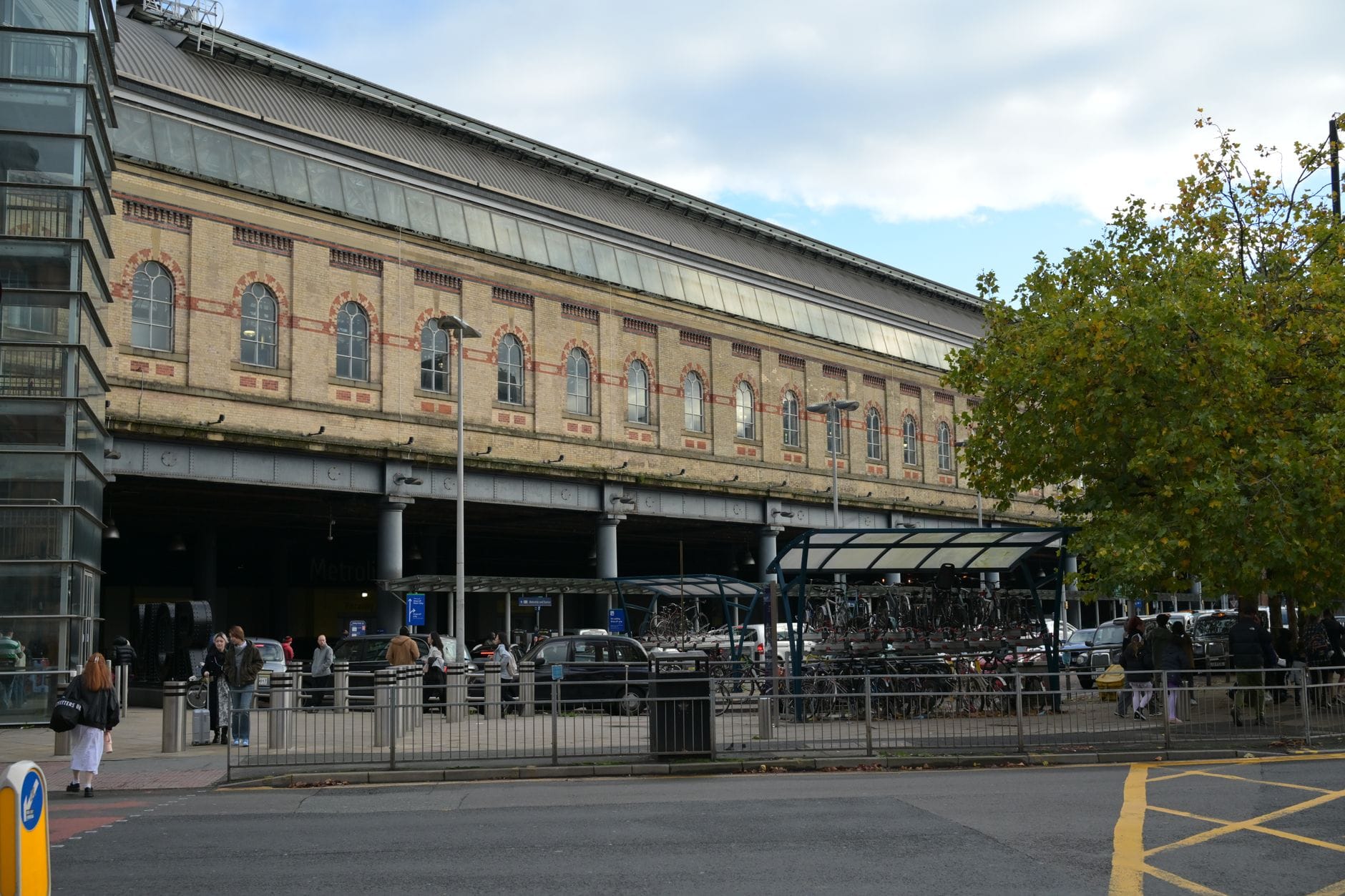
Brighton railway station sits at the top of Queen's Road, roughly 1.2 km from the seafront. It is a major rail hub on the Southern and Thameslink networks, with frequent services to London Victoria, London Bridge, and London St Pancras International via Gatwick. London journeys take between 50 minutes and just over an hour depending on the service and stopping pattern. Trains run regularly throughout the day and into the late evening.
For arrivals from London Gatwick Airport (IATA: LGW), approximately 28 miles north of Brighton, direct Southern and Thameslink trains run from the airport station to Brighton in around 30 minutes. Off-peak advance single fares are typically in the £10-20 range, though prices vary significantly by time of day and how far in advance you book. Taxis from Gatwick to Brighton are considerably more expensive — usually £60 or above — and take longer in traffic. The train is the clear choice. For full journey planning from London, see our guide to visiting Brighton from London.
Rail is also the best way to reach destinations like Lewes (15 minutes), Eastbourne (30-40 minutes), and Worthing (20 minutes) for day trips out of Brighton. The station has step-free access on the main platforms, left luggage facilities, and direct links to taxis outside the main entrance. For a broader look at what you can reach by train, check day trips from Brighton.
Taxis and Ride-Hailing Apps
Licensed taxis (black cabs and private hire vehicles) are plentiful in Brighton, particularly around the city centre, the railway station, and the seafront on weekend nights. The main taxi ranks are at East Street, Queen's Square (near the station), and Hove Town Hall. Brighton & Hove Radio Cabs is one of the larger local operators and can be booked by phone. Fares run on a metered system for hackney carriages; private hire fares should be agreed in advance.
Uber and Bolt both operate in Brighton and Hove. App-based options are useful for late-night journeys when street-hailing isn't straightforward, though during peak periods like weekend nights or after major events such as Pride, surge pricing can make them significantly more expensive. During Brighton's August bank holiday weekend in particular, expect high demand and long wait times across all taxi options.
⚠️ What to skip
Avoid unlicensed minicabs, which sometimes operate around the pier and nightlife areas on busy nights. Only use vehicles licensed by Brighton & Hove City Council, or book through an established app. Unlicensed cabs carry no insurance protection for passengers.
Cycling and BTN BikeShare

Brighton has a growing cycling infrastructure, including dedicated lanes on some main roads and the largely traffic-free coastal promenade, which runs along the Brighton Beach and extends east toward the Undercliff Walk beyond Kemp Town. The BTN BikeShare scheme provides smart docking stations at multiple points across Brighton and Hove, making short-term rentals practical for visitors without their own bike.
Cycling works best for seafront or east-west journeys. The north-south gradient is steep enough that cycling uphill from the seafront into North Laine or toward the station is a genuine workout — fine if you're fit and up for it, tiring if you're not. Electric-assist bikes, where available through the scheme, handle the hills more comfortably. Registration for BTN BikeShare can be done via the app or at docking stations; pricing tiers and availability should be confirmed through the operator before your visit, as these change.
Driving and Parking: Why Most Visitors Should Avoid It
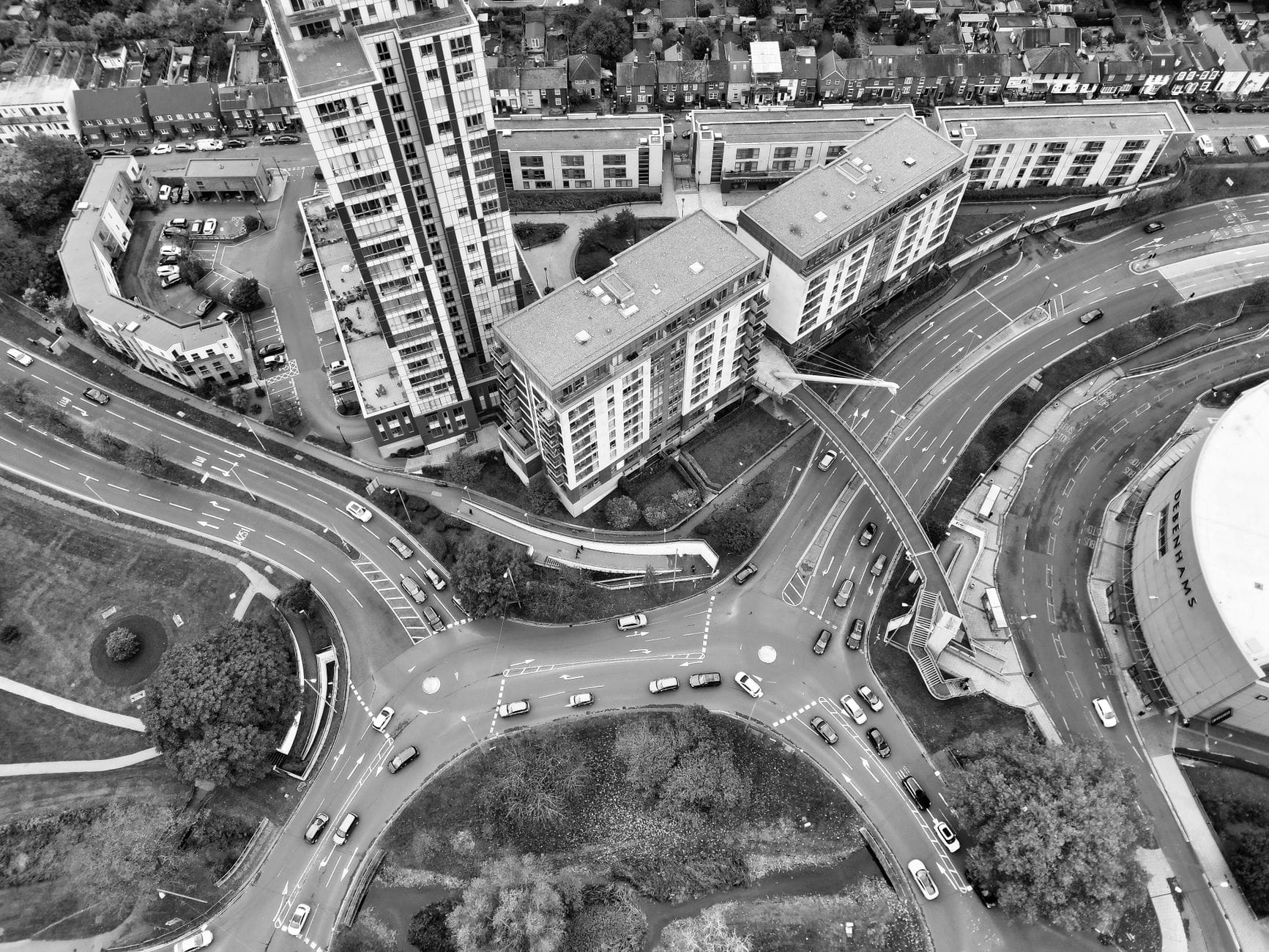
Driving into central Brighton is not recommended for visitors. The road layout in the historic core is complex, with many one-way streets, narrow lanes, and limited access zones. During summer weekends and bank holidays, traffic on the main approach roads from the A23 and A27 backs up considerably. Parking in the centre is expensive and availability is unpredictable.
If you arrive by car, the most practical approach is to find parking in the outer areas before taking a bus into the centre. Brighton & Hove City Council manages a network of pay-and-display car parks; prices and restrictions vary by zone and should be checked before arrival. For most itineraries involving the seafront, The Lanes, and North Laine, a car provides no real advantage over public transport or walking.
- Central Brighton parking can cost £4-8 per hour in prime areas — always verify current rates as these change.
- Many roads around The Lanes and North Laine are resident-only parking zones, particularly outside pay-and-display hours.
- The A23 into Brighton from London can be heavily congested on Friday evenings and Sunday afternoons — factor this in if driving.
- If staying in Hove, parking is generally easier and less expensive than the Brighton centre, though still restricted in some zones.
Navigating Between Brighton's Neighbourhoods
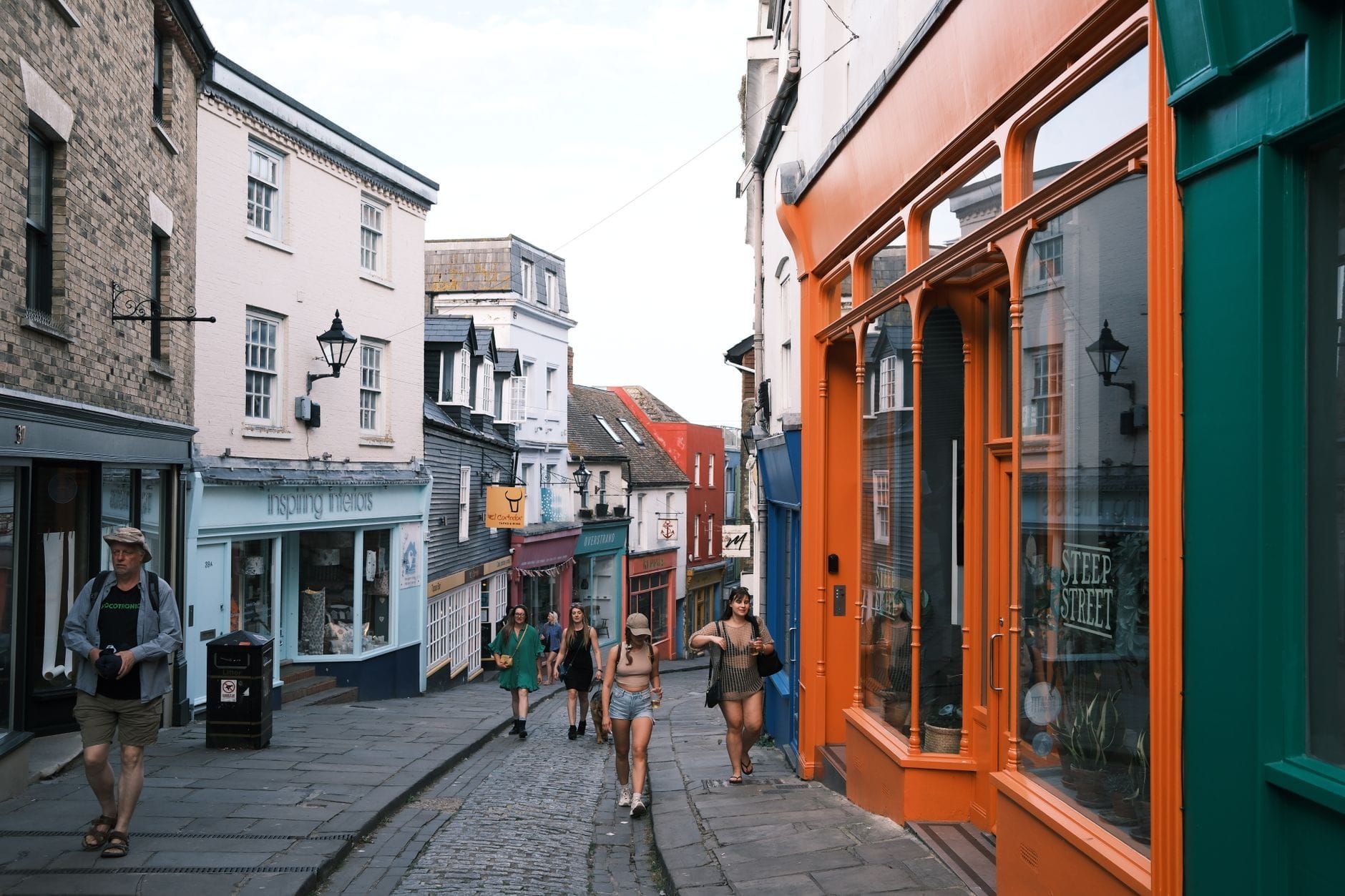
Understanding the basic geography saves time. Brighton's key visitor areas cluster tightly between the station and the sea. North Laine sits immediately south of the station, roughly a 5-minute walk down. The Royal Pavilion is another 5 minutes south from North Laine. The Lanes are directly south of the Pavilion, and the seafront is a further 3-4 minutes downhill. The whole north-to-south walk from the station to the pier takes about 20 minutes at a moderate pace.
Moving east from the centre toward Kemp Town takes about 20-25 minutes on foot along the seafront from the Palace Pier, or a few minutes on the number 7 bus. Hove lies to the west; the border between Brighton and Hove is roughly at the Peace Statue on the seafront. Walking from the Palace Pier to central Hove seafront takes around 30-40 minutes. The number 1 bus covers this corridor quickly. The historic Volks Electric Railway — the world's oldest electric railway — runs seasonally along the beach from Palace Pier toward Kemp Town and offers a novel (if slow) way to cover that stretch.
FAQ
Do I need a car to get around Brighton?
No. The vast majority of Brighton's visitor attractions, restaurants, shops, and beaches are within walking distance of each other or easily reached by bus. Driving into the city centre creates more problems than it solves — parking is expensive and availability is poor, especially in summer. Most visitors find a combination of walking, buses, and occasional taxis covers everything they need.
How do I get from Brighton railway station to the seafront?
Walk south down Queen's Road and then West Street — it's a straightforward downhill route that takes about 15-20 minutes on foot. You'll pass through the edge of North Laine and near the Royal Pavilion en route. Alternatively, several bus routes run from the station toward the seafront, or you can take a short taxi.
What is the best way to get from Gatwick Airport to Brighton?
The direct train from Gatwick Airport station to Brighton, operated by Southern and Thameslink, is by far the best option. Journey time is around 30 minutes and off-peak fares are typically in the £10-20 range. Taxis from Gatwick to Brighton are considerably more expensive (often £60 or more) and slower in traffic. Always check National Rail for current fares and schedules before travelling.
Is the Brighton bus network easy to use as a visitor?
Yes. Brighton & Hove Buses runs a clear, frequent network with route maps available at most stops and on their official app. Pay by contactless card for convenience. If you plan to take more than two or three bus journeys in a day, buy a day saver ticket — it's usually better value than paying per journey. The app also shows real-time bus locations, which is genuinely useful.
Can I cycle around Brighton?
Cycling works well for east-west routes, particularly along the seafront promenade. The BTN BikeShare scheme provides rental bikes at docking stations across the city. Be aware that central Brighton has significant hills — north-south routes involve notable gradients. Cycling is a good option for confident riders on dry days; less practical in wet weather on Brighton's often-crowded pavements and roads.