Where to Stay in Brighton: The Complete Neighbourhood Guide
Choosing where to stay in Brighton shapes your entire trip. This guide breaks down every major neighbourhood by character, price range, and who it suits best, so you can book with confidence rather than luck.
Tickets & tours
Live prices and dates from our booking partner. If you book, we may earn a commission at no extra cost to you.
TL;DR
- Brighton hotel rooms start around £33-£52 per night on quieter dates, rising sharply on weekends and in summer (July-August).
- The Lanes and seafront suit first-timers wanting to be close to Brighton Palace Pier and the Royal Pavilion; Hove suits those wanting a quieter base.
- Kemptown is the most characterful choice for LGBTQ+ travellers and those who prefer independent restaurants over chains.
- North Laine works well for arts lovers, independent shoppers, and anyone arriving by train at Brighton station.
- Book at least 6-8 weeks ahead for summer weekends and events like Brighton Pride — the city sells out fast.
Understanding Brighton's Layout Before You Book
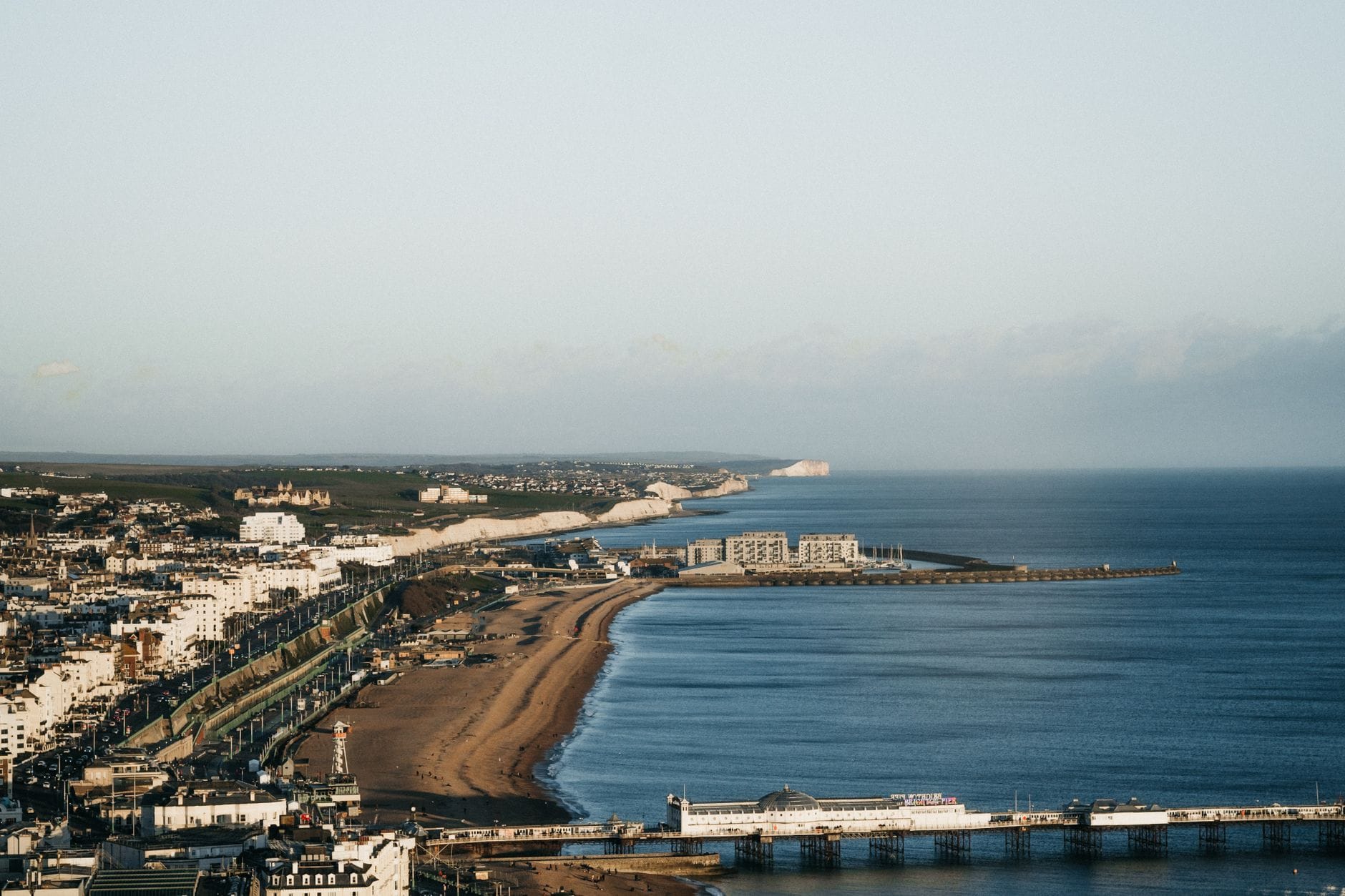
Brighton is more compact than most UK cities of comparable popularity, which means neighbourhood choice matters more than you might expect. The city stretches east to west along the English Channel coast, with the seafront running the full length and most visitor accommodation concentrated in a band no more than a mile deep from the beach. What varies between areas is atmosphere, noise levels, price, and how far you'll walk to reach specific attractions.
The official city is Brighton and Hove combined, The official city is Brighton and Hove combined, covering 82.77 km² with a population of around 283,870.. For accommodation purposes, think of it in five practical zones: the central seafront and Lanes area, North Laine, Kemptown to the east, Hove to the west, and the inland residential areas further north which are generally only worth considering for budget-conscious extended stays.
ℹ️ Good to know
Brighton does not have its own commercial airport. The main gateway is London Gatwick (LGW), roughly 28 miles north. Direct trains from Gatwick to Brighton take around 30 minutes, with off-peak advance fares typically £10-£20 each way. Verify fares on the National Rail website before booking.
The Lanes and Central Seafront: Best for First-Timers
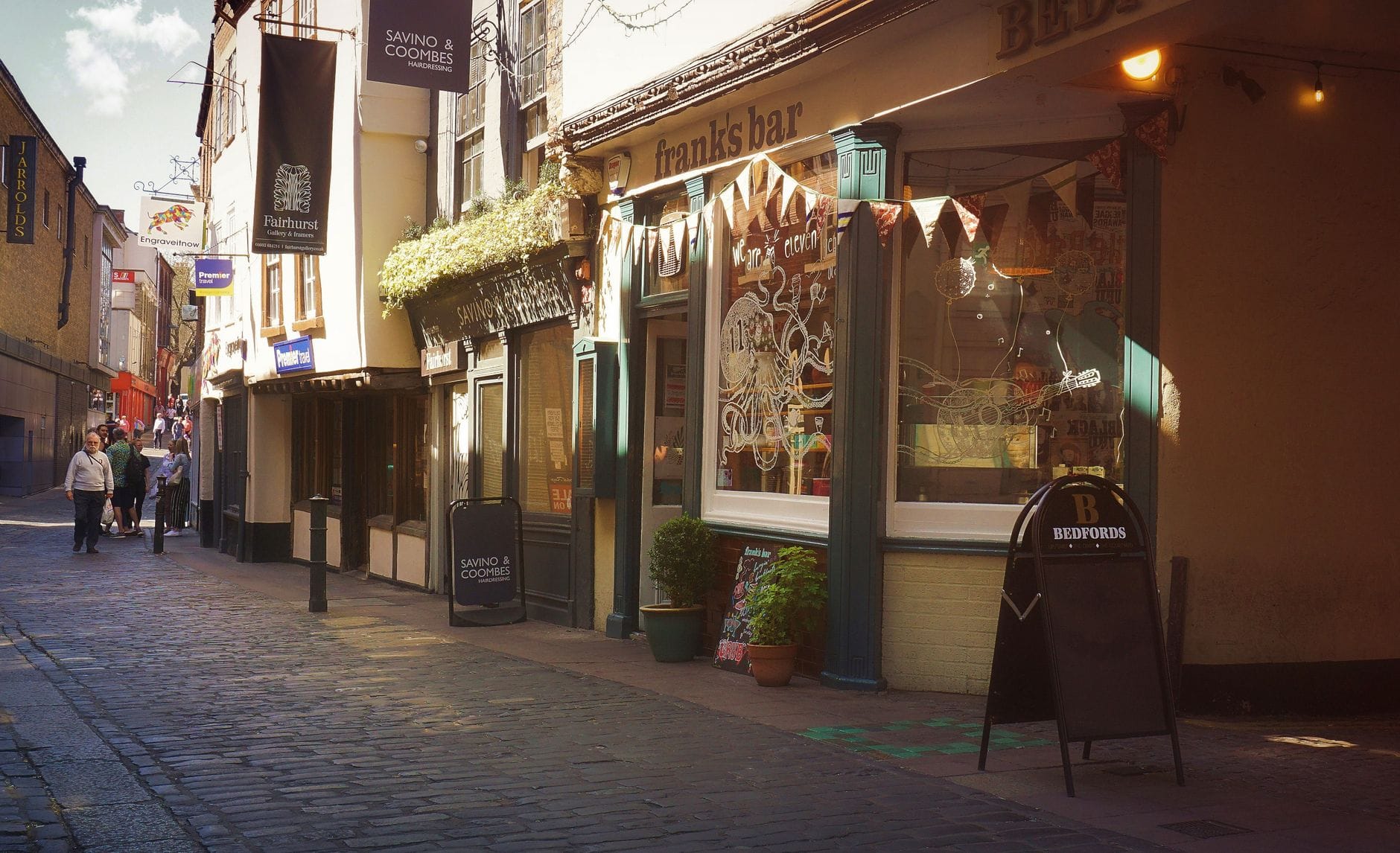
The Lanes is Brighton's most historically distinct neighbourhood, a compact network of narrow alleyways south of North Street with origins in the medieval fishing town's street pattern. It's listed as a conservation area by Historic England. Staying here or immediately adjacent puts you within easy walking distance of the Royal Pavilion, the beach, and the majority of Brighton's best-known restaurants and bars.
The trade-off is noise and price. Weekend nights, especially in summer, see significant foot traffic into the early hours. If you're a light sleeper, request a rear-facing room or choose a property on a quieter street just north of the main concentration. Hotels in this zone command a premium, particularly anything with a sea view. Expect to pay towards the upper end of Brighton rates: budget options are limited, though not entirely absent.
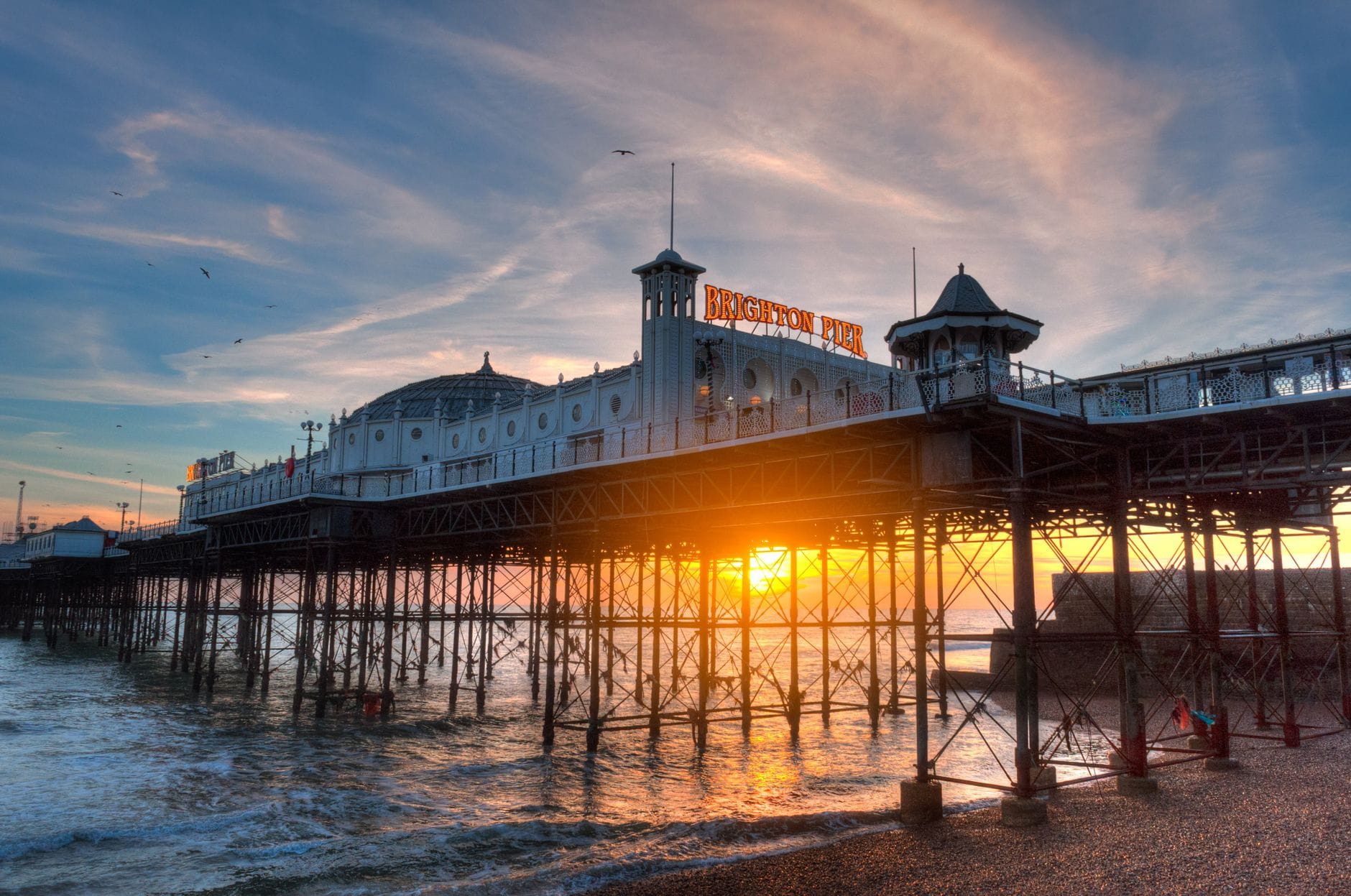
The central seafront itself, along Kings Road and the promenade, is where you'll find the larger hotels with the most polished facilities. This puts you closest to the Brighton i360 observation tower and the West Pier ruins. It's the most tourist-facing part of the city, which is both its strength and its weakness.
⚠️ What to skip
Sea-view rooms along Kings Road are significantly more expensive than equivalent rooms one or two streets back. If budget is a factor, the view rarely justifies the premium — Brighton's seafront is a 5-minute walk from most central accommodation regardless.
North Laine: Best for Arts Lovers and Independent Travellers
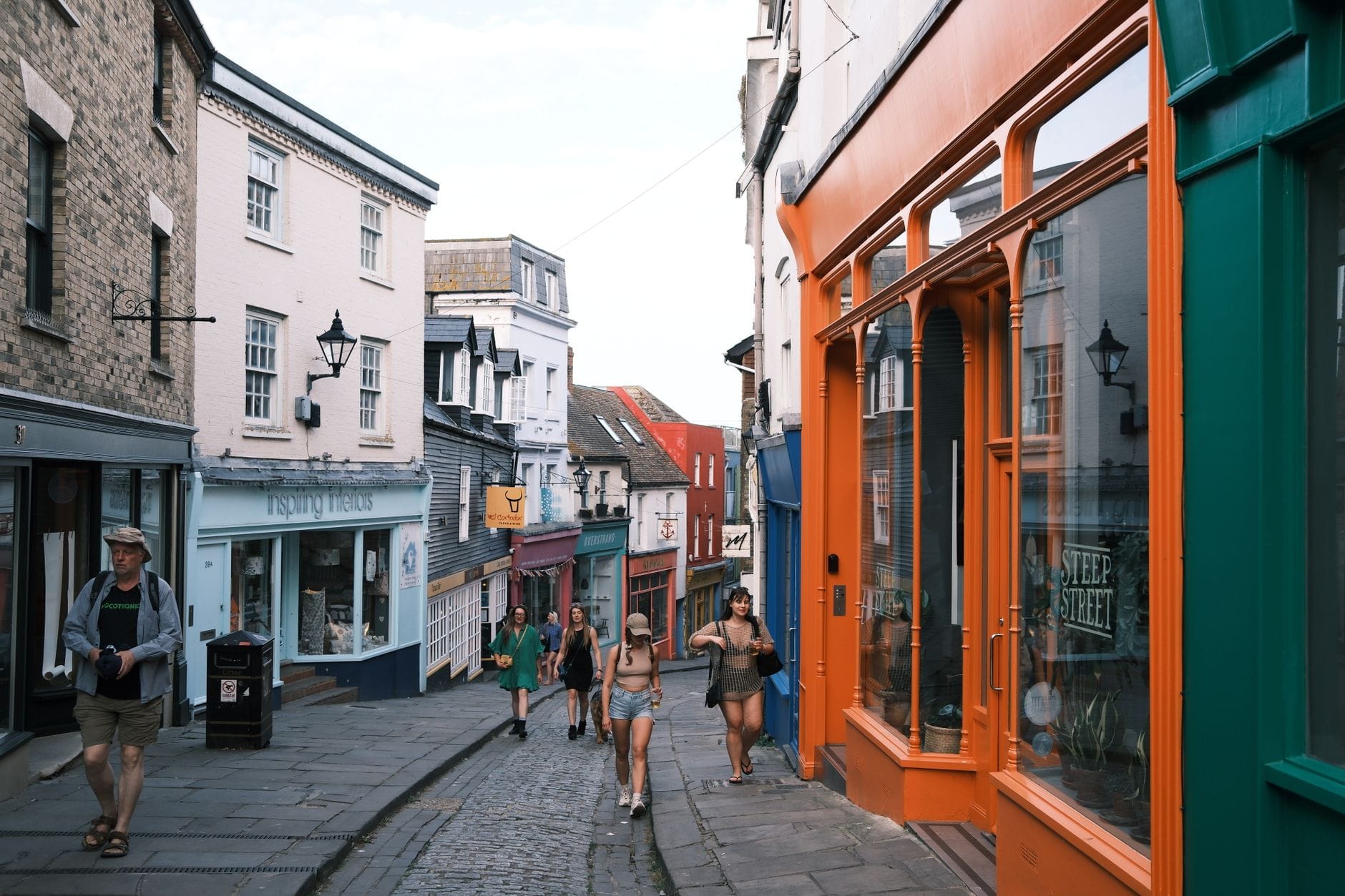
North Laine sits directly north of the Lanes and south of Brighton station, making it the most convenient neighbourhood if you're arriving by train from London. It's a dense Victorian conservation area characterised by independent shops, cafes, record stores, and venues. The Brighton Open Market operates year-round here, and the neighbourhood has a younger, more alternative energy than the polished seafront hotels.
Accommodation in North Laine skews towards boutique guesthouses, independent B&Bs, and self-catering flats rather than large chain hotels. Prices are generally a notch below the seafront, with more personality per pound. The area is walkable to the beach in about 10-15 minutes. It's particularly well-suited to visitors planning to spend time at the Brighton Dome arts complex or exploring the city's gallery scene.
Kemptown: Most Character, Best for LGBTQ+ Visitors
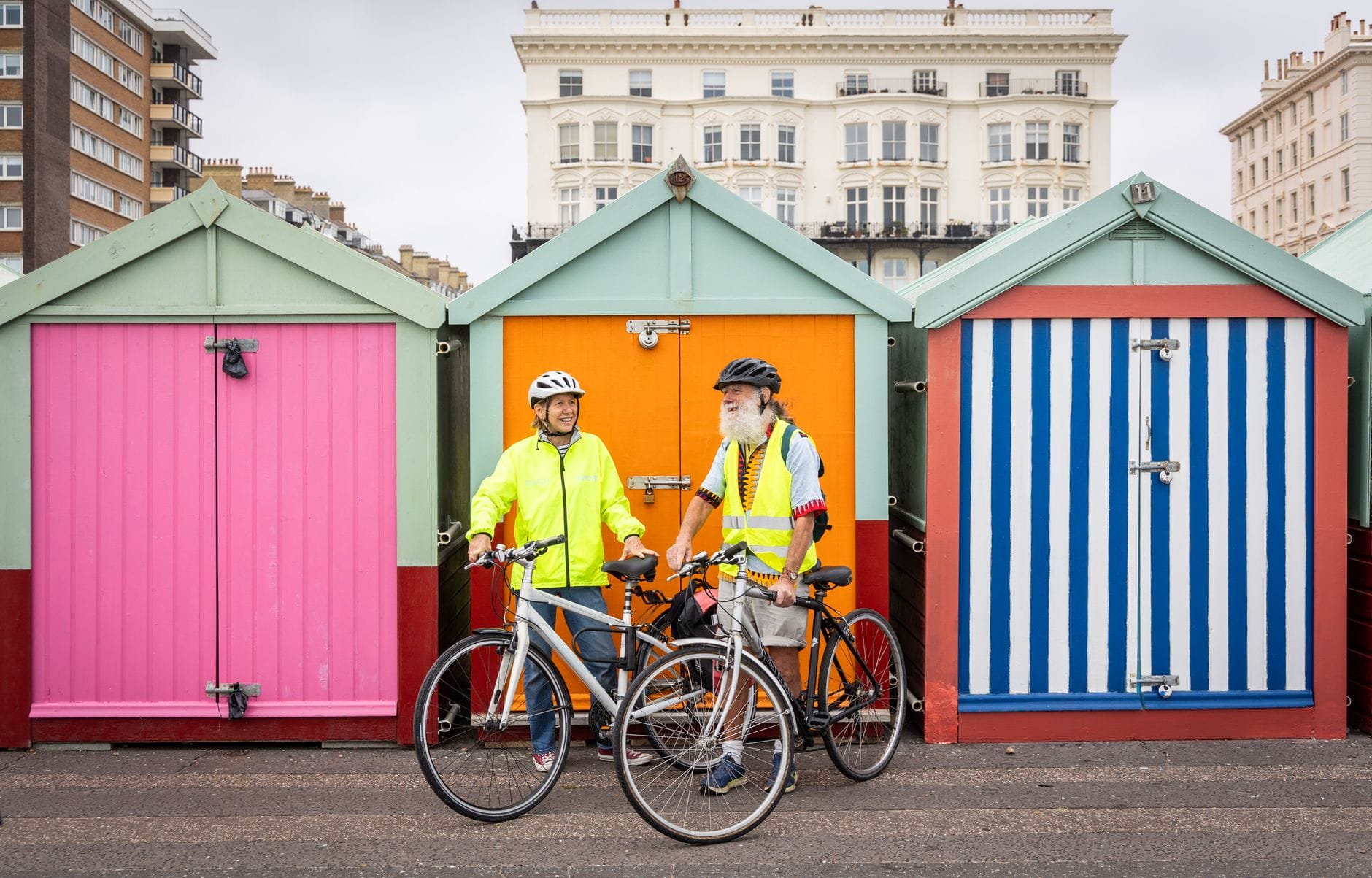
Kemptown occupies Brighton's eastern seafront, defined architecturally by Regency terraces and physically by its position east of the Palace Pier. It has long been established as Brighton's LGBTQ+ village, centred on St James's Street, and is the focal point of Brighton Pride each August. During Pride weekend, if you're not staying in Kemptown, factor in significant travel disruption to reach the main events.
Outside of events, Kemptown is one of Brighton's most genuinely neighbourhood-like areas: independent restaurants, small galleries, a real mix of residents, and considerably less tourist saturation than the central Lanes. The downside is distance from Brighton station (around 25-30 minutes on foot or a short bus ride) and fewer large hotel options. It suits visitors who want to explore beyond the obvious, are staying several nights, and don't mind being slightly further from the main sights.
✨ Pro tip
Kemptown's Regency terraces contain some of Brighton's best-value guesthouses: well-located, architecturally interesting, and often cheaper than equivalent rooms in the central Lanes. Look for properties on or just off Marine Parade for views without the Kings Road price premium.
Hove: Quieter, Residential, and Underrated
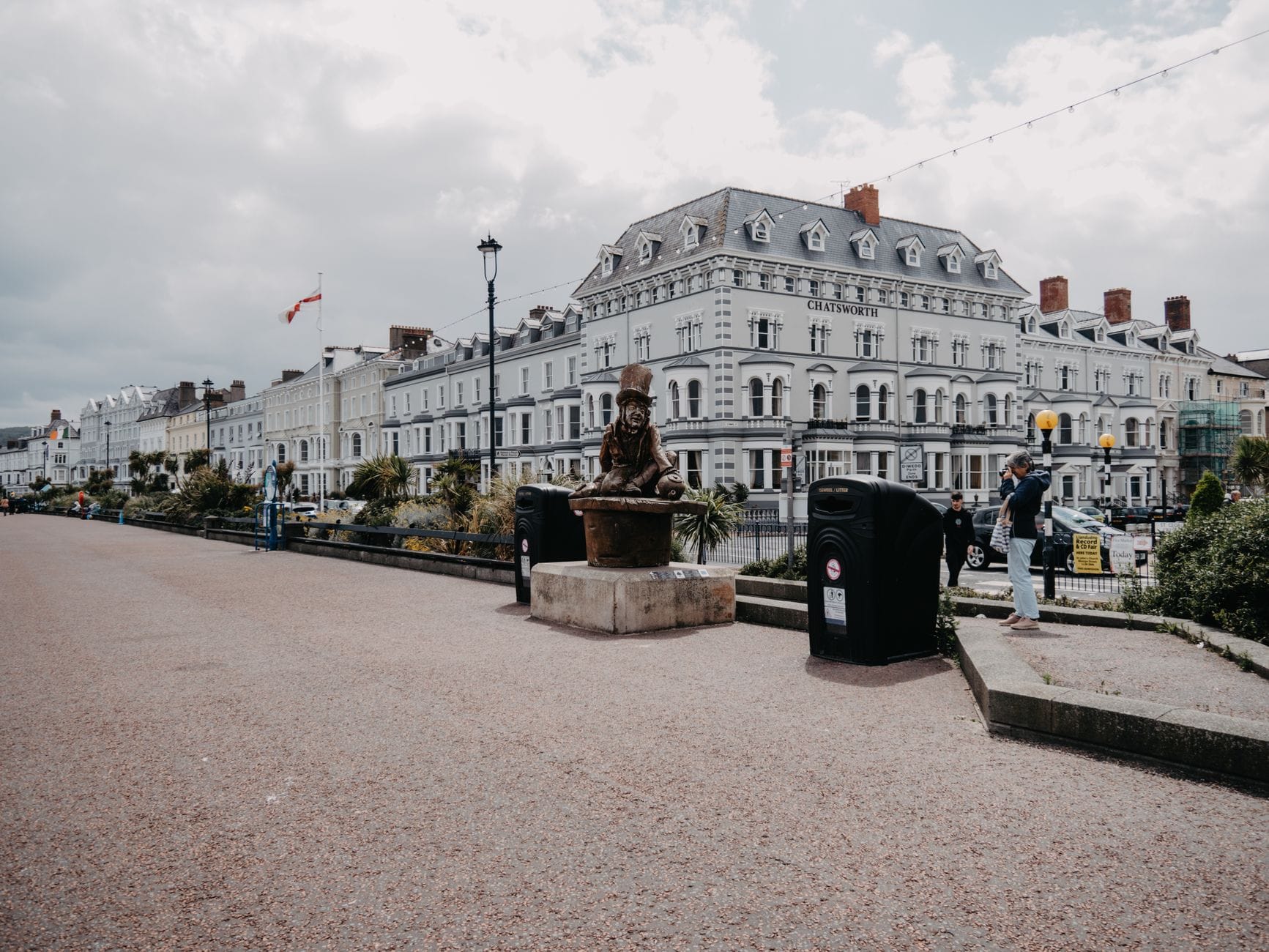
Hove is technically the western half of the same city, but it has a distinctly different character: quieter, more residential, with wide tree-lined avenues and late Victorian and Edwardian architecture rather than the Regency and medieval density of central Brighton. The seafront at Hove, including Hove Lawns and beach, is noticeably less crowded than Brighton's main beach in summer, and the promenade is popular with locals for walking and cycling.
Hove is often overlooked by first-time visitors, which is precisely why it can be a better choice for second visits or for travellers who want a calmer base. Church Road is the main commercial street, with independent cafes, delis, and restaurants that cater more to residents than tourists. Prices for accommodation here tend to be slightly lower than equivalent properties on Brighton's central seafront, though the gap is not always dramatic.
Getting around Brighton and Hove is straightforward on foot or by bus. Brighton and Hove Buses operate frequent services across the city. If you're visiting in winter, Hove's residential quiet makes it even more appealing — central Brighton can feel sparse out of season, whereas Hove's everyday neighbourhood life continues regardless.
Practical Booking Advice: Prices, Timing, and What to Avoid
Brighton accommodation pricing is highly seasonal and strongly influenced by day of the week. The baseline: hotel rooms from around £33-£52 per night on quiet midweek dates in autumn or winter, rising to significantly more on summer weekends, bank holidays, and during major events. Brighton is not a cheap city relative to most UK regional destinations outside London — cost-of-living data consistently places it among the more expensive cities in England, primarily because of accommodation costs.
- Peak season (July-August) UK school summer holidays bring full capacity across the city. Book 8-12 weeks ahead minimum for central locations. Rates rise sharply and last-minute availability is poor.
- Brighton Pride (early August) The single busiest accommodation event of the year. If attending, book 3-6 months ahead. Prices across the city, not just Kemptown, reflect the demand.
- Weekends year-round Brighton is a popular short-break destination from London (around 50 minutes by fast train). Friday and Saturday nights command a consistent premium over midweek rates.
- Off-season (November-March) The best value window, particularly midweek. Some smaller guesthouses close or reduce operations, but central hotels remain open and significantly cheaper.
- Brighton Festival (May) One of England's largest arts festivals. Good availability if booked a few weeks ahead, but central properties near the Dome book up quickly for the opening weekend.
For context on what's worth your time when you arrive, see our guide to things to do in Brighton and factor in your chosen neighbourhood's proximity to each. If your trip is primarily about the beach, staying anywhere along the central seafront or in Kemptown makes sense. If you're planning day trips from Brighton to the South Downs or beyond, a property near Brighton station will save you time each morning.
- Self-catering apartments and Airbnb-style rentals are widely available and worth considering for stays of 3 nights or more, particularly for groups or families.
- Most hotels in Brighton do not offer free parking. The city has several NCP and council car parks, but charges are not trivial. Arriving by train is strongly recommended.
- Breakfast is not always included in quoted rates, even at traditional B&Bs — check before booking, as the distinction between room-only and B&B rates is not always obvious on booking platforms.
- Bills-included pricing is standard in student and extended-stay accommodation but rare in standard hotel and guesthouse bookings.
- University halls of residence are for enrolled students and cannot be booked as tourist accommodation — this is a common misconception.
💡 Local tip
If you're visiting Brighton on a budget, midweek stays in Hove or North Laine represent the best value. Avoid booking sea-view rooms unless you specifically plan to spend time in your room — Brighton's promenade is free to access and a far better way to experience the seafront than a hotel window.
Brighton is well-covered by ride-hailing apps including Uber and Bolt, as well as a strong local bus network operated by Brighton and Hove Buses. This means you don't need to prioritise proximity to the seafront if you find better-value accommodation slightly inland. For full transport context, see our guide to getting around Brighton.
FAQ
What is the best area to stay in Brighton for first-time visitors?
The central Lanes area or the seafront between the two piers gives first-time visitors the most walkable access to Brighton's key attractions: the Royal Pavilion, Palace Pier, the beach, and the main restaurant and shopping streets. It is the most expensive zone but requires least planning to navigate.
How far in advance should I book accommodation in Brighton?
For summer weekends (June-August), book at least 6-8 weeks ahead. For Brighton Pride in early August, 3-6 months ahead is realistic for central and Kemptown properties. Midweek stays in spring and autumn can often be booked with a week or two's notice without issue.
Is Brighton accommodation expensive compared to other UK cities?
Yes, Brighton sits above the average for English cities outside London in terms of accommodation costs. Budget hotel rooms start around £33-£52 per night on low-demand dates, but realistic midweek rates in good locations are typically £80-£150 per night, rising further on weekends and in summer.
Is it better to stay in Brighton or Hove?
It depends on what you want. Central Brighton is noisier, more tourist-facing, and better for first-timers or short weekend visits. Hove is quieter, slightly cheaper in many cases, and better for those who want a more residential atmosphere — still with good beach access and easy transport links into central Brighton.
Can I stay in Brighton without a car?
Easily. Brighton is one of the better UK cities to visit without a car. Brighton station has frequent direct services from London (around 50-55 minutes on fast trains) and from Gatwick Airport (around 30 minutes). Local buses, ride-hailing apps, and walking cover the city well. Bringing a car to central Brighton adds parking costs and complications without meaningful benefit for most visitors.
Tickets & tours
Live prices and dates from our booking partner. If you book, we may earn a commission at no extra cost to you.
Planning a trip? Discover personalized activities with the Nomado app.