Brighton in Summer: What to Expect (Weather, Crowds, and What to Do)
Brighton in summer draws hundreds of thousands of visitors to its shingle beach, Regency architecture, and independent neighbourhoods. This guide covers what the weather actually delivers, when crowds peak, what to book ahead, and how to get the most from the city between June and August.
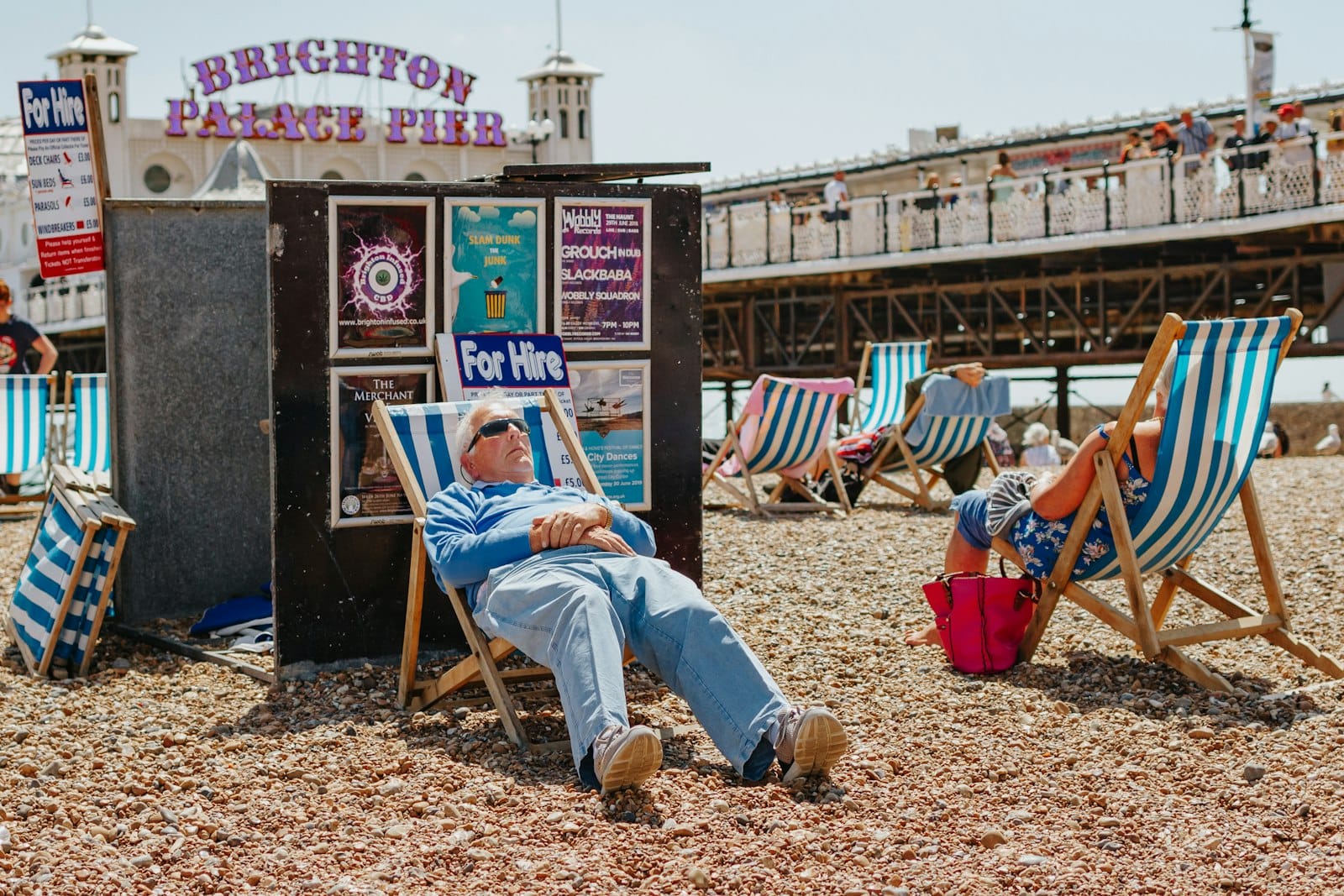
Plan and book this trip
Tools from our partner Travelpayouts help you compare flights and hotels. If you book through them, we may earn a commission at no extra cost to you.
Flights
Hotels map
TL;DR
- Summer temperatures average around 20–21°C (max), with frequent sea breezes that make the seafront feel cooler, especially evenings.
- July and August are peak season: beaches, the Brighton Palace Pier, and central areas get very busy, and accommodation prices rise significantly.
- Rain is possible any month, including July. Pack a compact waterproof regardless of the forecast.
- Brighton Pride (usually early August) and school summer holidays (late July to early September) drive the largest crowds of the year.
- June offers the best balance: longer days, fewer crowds, and lower prices. See our best time to visit Brighton guide for a full seasonal comparison.
Summer Weather in Brighton: The Honest Version
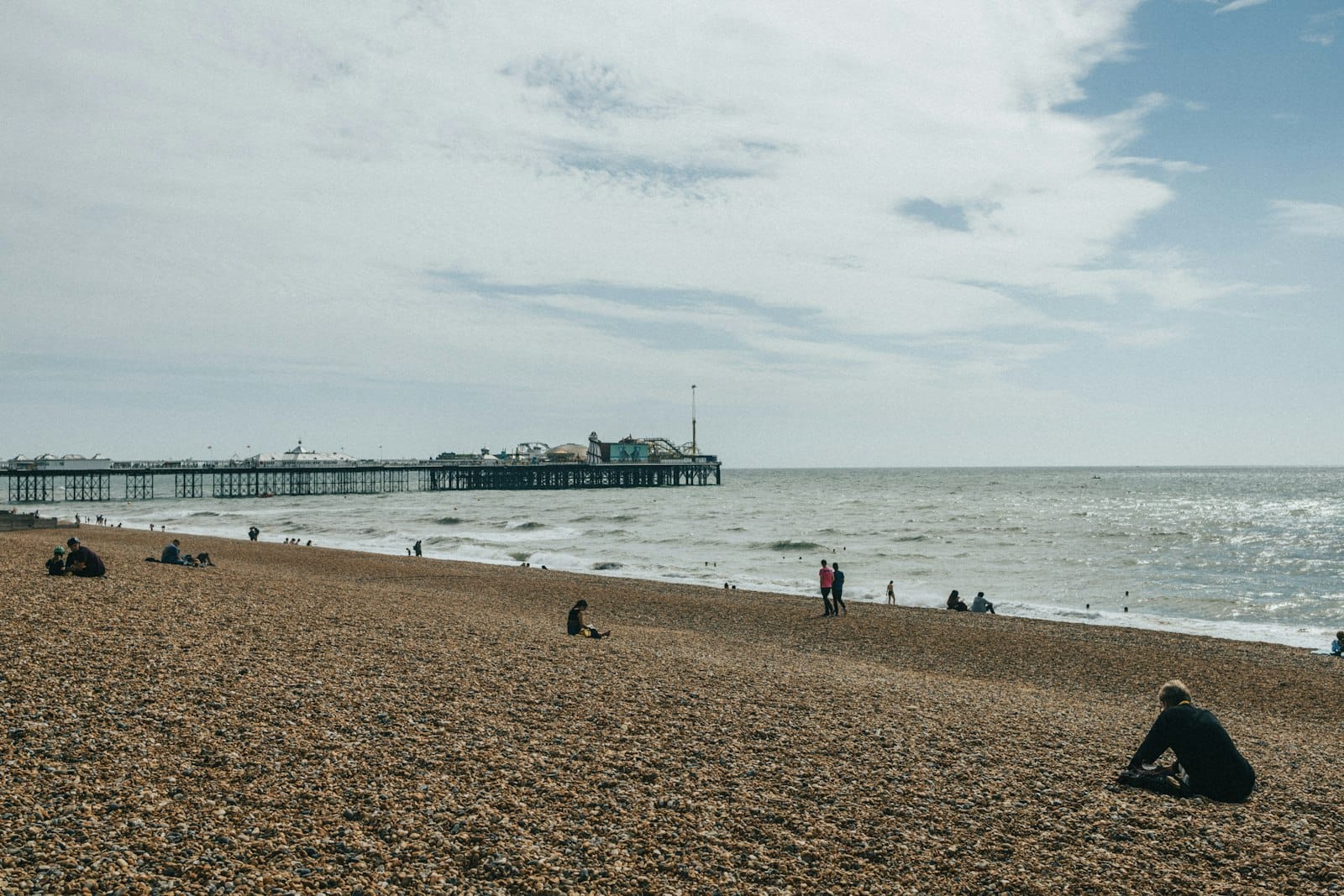
Brighton in summer is warm, changeable, and frequently breezy. Average daily maximums sit around 20–21°C in July and August, with overnight lows around 13–14°C. That sounds pleasant enough, but the coastal position matters: the English Channel funnels wind across the seafront, and what feels like a comfortable 20°C inland can feel noticeably cooler on the beach. Factor in wind chill when packing, particularly for evening plans along the promenade.
The single biggest misconception about a Brighton summer is that it delivers Mediterranean-style heat and reliable sunshine. It does not. The city sits in a temperate maritime climate zone, which means weather patterns shift quickly. A bright morning can give way to a grey, showery afternoon within hours. June tends to be the driest early-summer month, while July and August remain drier than autumn but still see regular rainfall. UV levels can reach 'very high' on clear days according to Met Office forecasts, so sunscreen is genuinely useful, not just a precaution.
💡 Local tip
Check the Met Office or BBC Weather Brighton forecast the morning of any beach day. Conditions change faster on the coast than forecasts 48 hours out can reliably predict. A compact waterproof jacket that fits in a day bag is essential kit from June through August.
Daylight hours are generous: Brighton gets just over 16 hours of daylight at the summer solstice, and even into late August evenings stay light until around 8pm. That extended daylight is one of summer's genuine advantages, giving you time to explore the city, walk the seafront, and still eat outdoors while the sun is up.
Crowds, Prices, and When to Visit Within Summer
The UK school summer holiday period runs from roughly late July to early September, and that window transforms Brighton. Day-tripper numbers from London (around 50–60 minutes by train from Victoria and about 70–90 minutes from St Pancras) spike sharply on weekends and during school holidays. Brighton Palace Pier, the beach between West Street and the pier, and the central Lanes area all become genuinely packed. Queues for seafront fish-and-chip shops can run to 20-30 minutes at peak times.
Brighton Pride, held over a weekend in early August, is the largest event of the city's calendar. The parade draws around 300,000 people and accommodation books up months in advance. If you are not attending Pride specifically, that weekend is one to avoid unless you book very early. For context on the full events calendar, our Brighton festival guide covers the major dates throughout the year.
- June (quieter, good value) Longest days of the year, lower accommodation rates than July-August, manageable crowds on weekdays. Weather is mild with less rain than autumn. Best month for exploring the city without fighting for space.
- July (building to peak) Schools begin breaking up mid-month. Weekends get busy fast. Accommodation prices climb. Seafront attractions are in full operation. Book ahead for weekends.
- August (peak season) Maximum crowds, maximum prices, maximum atmosphere. Brighton Pride typically falls early August. The beach is at its liveliest but also most crowded. Midweek visits are noticeably calmer than weekends.
⚠️ What to skip
Parking in central Brighton is limited and expensive in summer. The city centre is largely pedestrian-friendly and central car parks fill by mid-morning on summer weekends. Arriving by train from London Gatwick (about 30 minutes) or London Victoria (around 60 minutes) is significantly less stressful and often cheaper once parking costs are factored in.
What to Do in Brighton in Summer
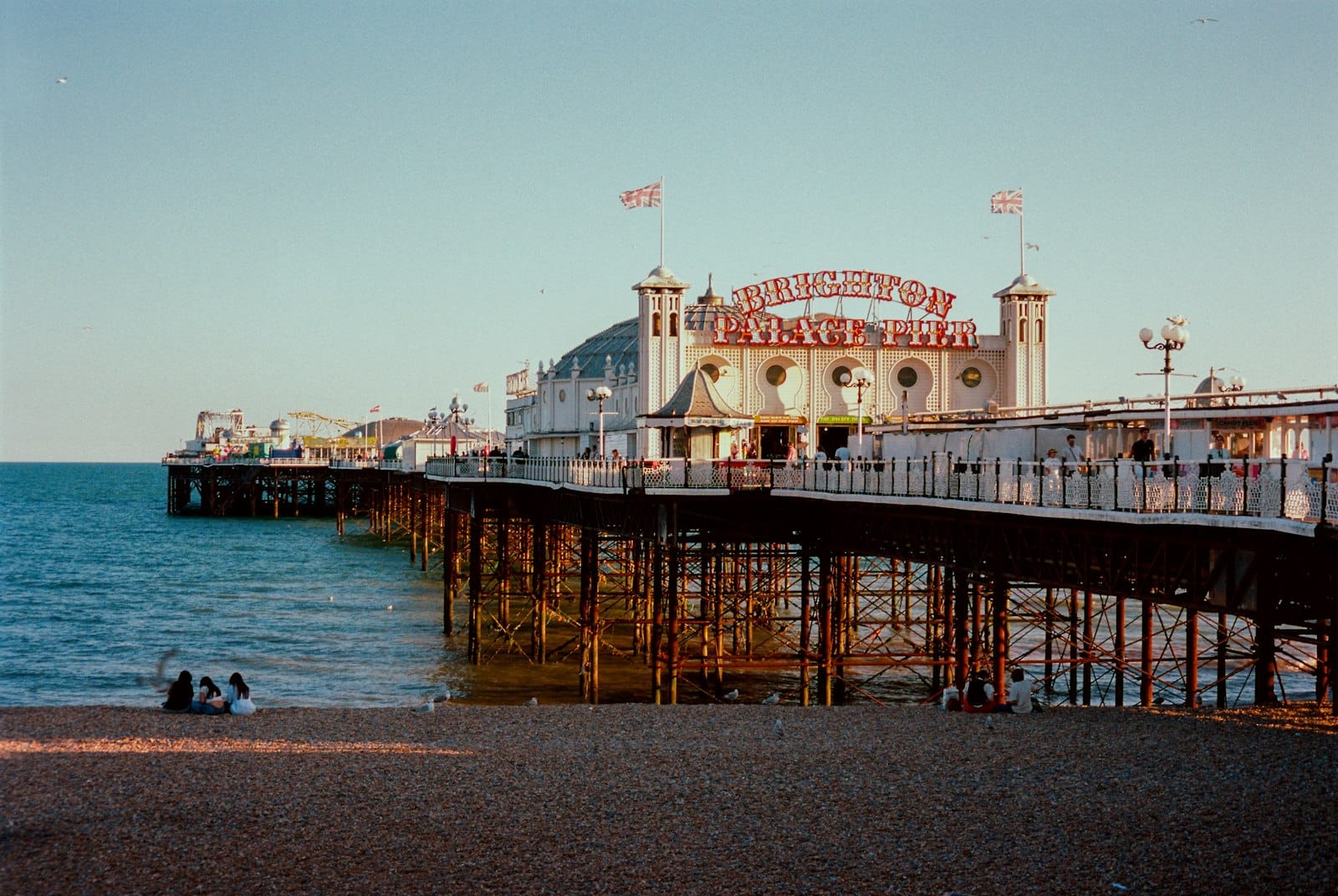
The beach is the obvious anchor, and Brighton Beach delivers a genuine seaside experience, though it is worth knowing it is shingle, not sand. Sun loungers and deckchairs are available for hire on the main stretch. For slightly less congestion, the beach west of the i360 tower and into Hove is significantly calmer than the area directly in front of the pier.
Summer is the best time to use the Volks Electric Railway, the world's oldest operating electric railway, which runs along the seafront from Palace Pier toward the marina. It operates seasonally and is a genuinely pleasant way to cover the eastern seafront. The Undercliff Walk east of the marina also rewards anyone wanting a coastal walk away from the main tourist drag.
- Brighton Palace Pier: rides, amusements, and fish and chips. Crowded but iconic. Go on a weekday morning to avoid the worst queues.
- Brighton i360: the vertical observation tower on the seafront. Book tickets in advance online for summer slots, as it can be very busy on peak days.
- Royal Pavilion and Gardens: the Regency-era royal pleasure palace is air-conditioned and a welcome refuge on hot days. Gardens are free and pleasant for picnics.
- North Laine and the Lanes: independent shopping, cafes, and street food. North Laine is less crowded than the Lanes and has a broader range of independent shops.
- Devil's Dyke: a short bus ride or drive north brings you to the South Downs. The views over the Weald are excellent on clear summer days.
- Sea Life Brighton aquarium: good option if the weather turns. Located on the seafront, it is an indoor alternative that works for all ages.
The Royal Pavilion is one of the most architecturally unusual buildings in England: an Indo-Saracenic fantasy built as a royal seaside retreat. It is worth visiting regardless of season, but summer brings open gardens that complement the exterior. Admission to the interior requires a ticket; check opening hours and prices directly with the Royal Pavilion and Museums Trust before visiting as these are updated seasonally.
Eating and Drinking in Summer Brighton
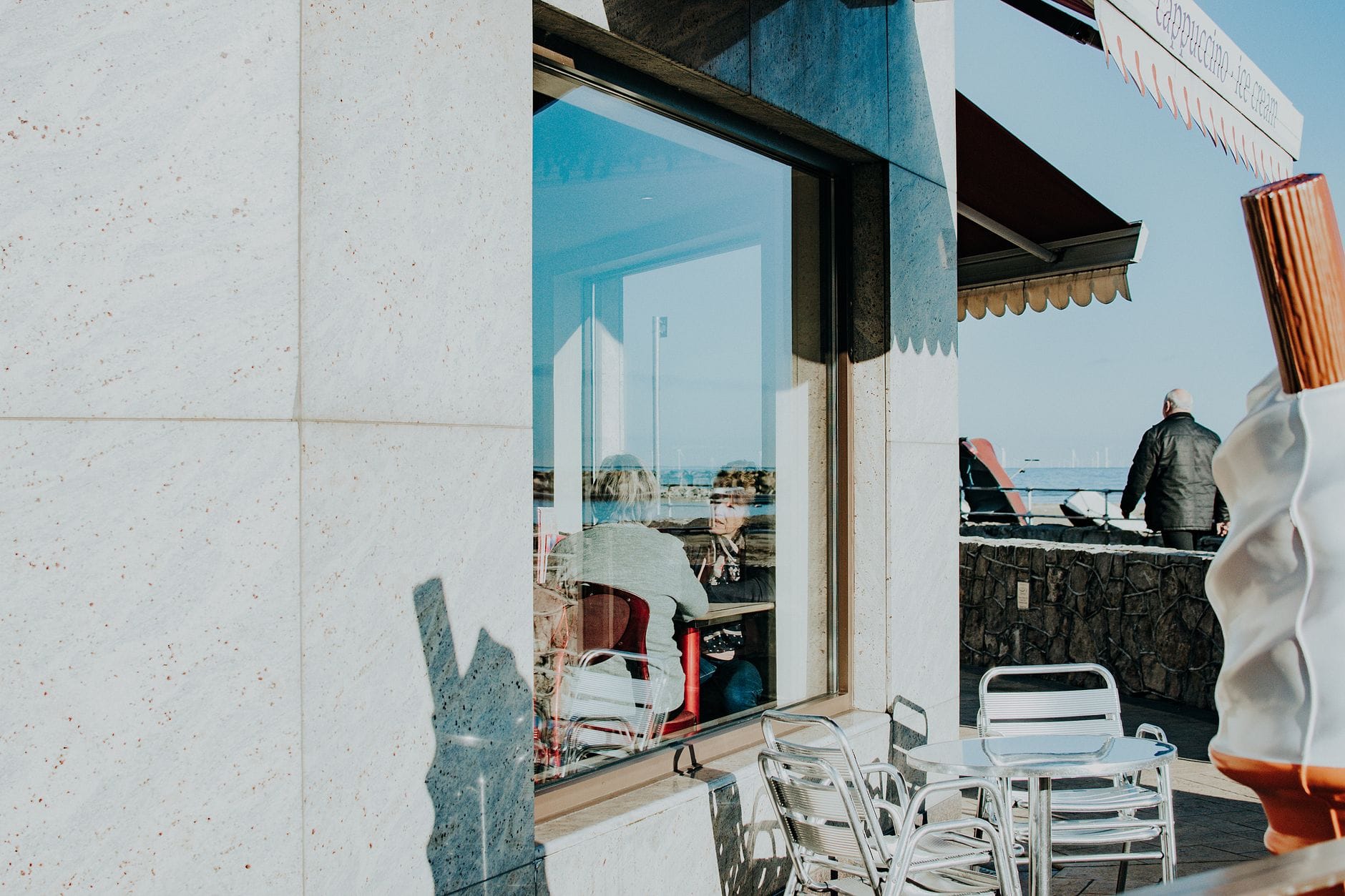
Brighton has a serious food culture year-round, but summer unlocks outdoor seating that changes the character of eating out considerably. The seafront arches along Kings Road Arches house several bars and restaurants with terrace seating directly facing the beach. These fill quickly on warm evenings, so arriving before 6pm or booking ahead is advisable.
Brighton has one of the strongest plant-based food scenes in the UK, and summer brings farmers markets and street food events that showcase local produce. The vegan and vegetarian dining scene in Brighton is genuinely good across all price points, not just a niche add-on. For a broader overview of what and where to eat, our guide to Brighton food covers the full range from cheap seafront snacks to sit-down restaurants.
✨ Pro tip
If you want seafood on the seafront without paying tourist premium prices, walk east past the pier toward Kemp Town. The further east you go from the main pier, the better the value-to-quality ratio in most seafront and side-street restaurants. The tourist mark-up is steepest in the 200 metres either side of Brighton Palace Pier.
Practical Planning: What to Book Ahead
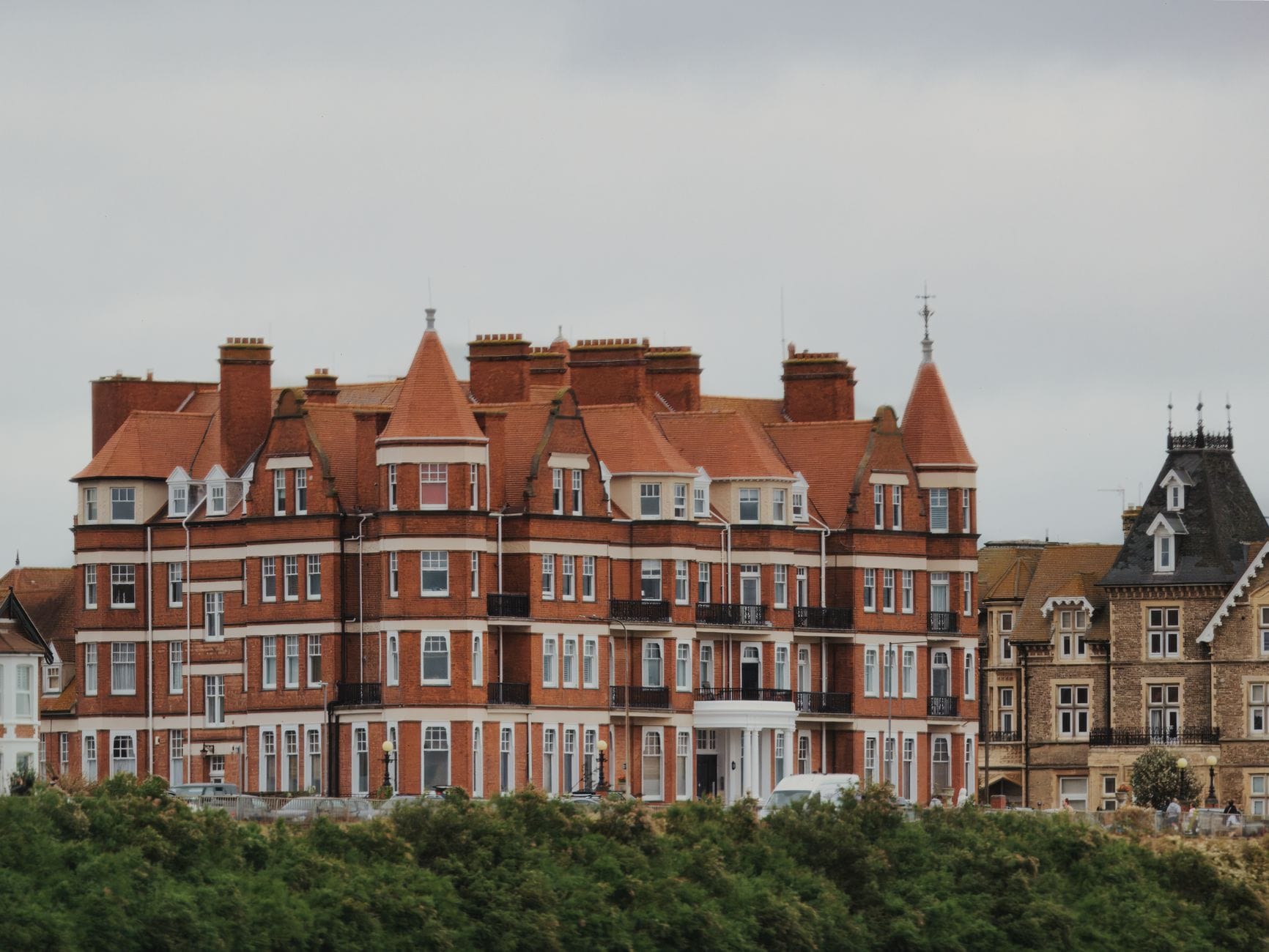
Accommodation in Brighton fills fast in summer. Weekends from mid-July through August see the highest rates of the year, particularly around Pride weekend. The full range of options, from boutique hotels near the seafront to guesthouses in Kemp Town and Hove, is covered in our Brighton accommodation guide. The general rule: book at least 6-8 weeks ahead for July and August weekends, and further out for Pride weekend specifically.
Train tickets from London should also be booked ahead. Southern and Thameslink operate frequent services from London Victoria and St Pancras International respectively, with journey times around 60 minutes from Victoria and about 70–90 minutes from St Pancras. Advance fares booked online weeks ahead are substantially cheaper than walk-up fares on busy summer Fridays. Gatwick Airport is on the same line and about 30 minutes north of Brighton, making it the most practical arrival point for international visitors.
- Brighton i360 tickets: book online in advance, especially for August weekends.
- Royal Pavilion entry: pre-booking recommended in peak season to guarantee entry.
- Brighton Pride (early August): accommodation books out 3-4 months ahead; verify exact dates each year with Brighton Pride official site.
- Popular restaurants: especially those with outdoor seating, book tables several days ahead on summer weekends.
- Day trips from Brighton to the South Downs or Lewes: no booking needed, but check bus timetables ahead as services can be infrequent on some rural routes.
If this is your first visit to Brighton, or if you are short on time, the weekend in Brighton itinerary covers a practical two-day structure that balances the seafront, the Lanes, and the city's cultural offer without trying to do everything.
FAQ
Is Brighton hot in summer?
Warm rather than hot. Average daily highs in July and August are around 19-21°C, but the coastal location means sea breezes frequently make it feel cooler, especially on the beach and in the evenings. Heatwaves do occur, but they are not the norm. Pack layers and a light waterproof regardless of what the forecast says.
How crowded does Brighton get in summer?
Very crowded in July and August, particularly on weekends and during school holidays (late July to early September). The beach, Palace Pier, and central areas become genuinely packed. Brighton Pride weekend in early August is the single busiest event of the year. June is notably quieter and offers better value on accommodation.
What is the best month to visit Brighton in summer?
June offers the best combination of long days, reasonable weather, manageable crowds, and lower accommodation prices. July is a good second choice but noticeably busier. August is peak season: lively but expensive, with the largest crowds of the year. Midweek visits in any summer month are considerably calmer than weekends.
Does it rain in Brighton in summer?
Yes, rain is possible throughout summer, including July and August. Brighton's temperate maritime climate means showers can arrive quickly even on otherwise sunny days. April to July are among the drier months compared to autumn and winter, but a compact waterproof is worth having in your bag on any summer day.
Is Brighton worth visiting in summer even with the crowds?
Yes, with realistic expectations. Summer is when Brighton is most alive: outdoor events, full operation of all seafront attractions, long evenings, and the full range of food and entertainment options. The crowds are manageable if you avoid the main beach strip at peak hours and explore neighbourhoods like Hove, Kemp Town, and North Laine where visitor numbers thin out quickly.