Weekend in Brighton: The Perfect 2-Day Itinerary
Brighton packs a remarkable amount into a small area: a historic pier, a Regency palace, independent shopping streets, serious restaurants, and one of England's most distinctive seafronts. This two-day itinerary cuts through the noise and tells you exactly how to spend 48 hours in the city, season by season.
Plan and book this trip
Tools from our partner Travelpayouts help you compare flights and hotels. If you book through them, we may earn a commission at no extra cost to you.
Flights
Hotels map
TL;DR
- Brighton is roughly 1 hour from London by train, making it one of the most accessible weekend escapes in England.
- A focused 2-day itinerary should cover the Royal Pavilion, The Lanes, North Laine, and the seafront on Day 1, then explore further afield on Day 2.
- Summer (June to August) is the busiest period; late May and September offer good weather with noticeably smaller crowds.
- The Brighton i360 tower is currently operational again under new ownership after reopening in 2025 following a period of closure and administration, so you may still see it listed in up-to-date itineraries.
- The city is more than a beach destination: culture, food, LGBTQ+ nightlife, and independent retail are equally central to a Brighton weekend.
Getting to Brighton and Arriving Well
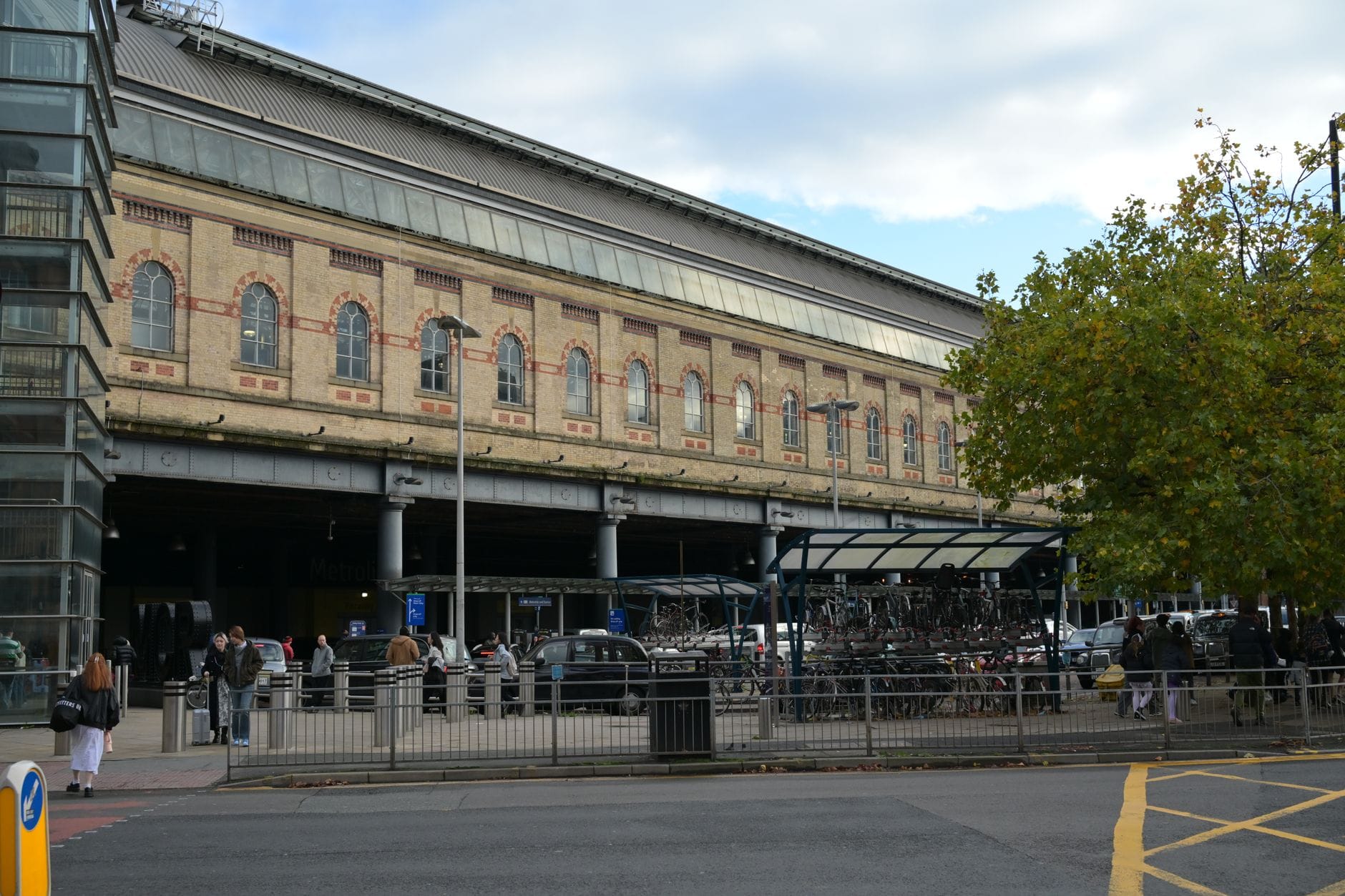
Brighton railway station sits right in the heart of the city, about a 10-minute walk from the seafront. From London Victoria or London Bridge, Southern and Thameslink run frequent direct services with journey times of around 50 to 60 minutes. Off-peak advance fares typically fall in the £10 to £20 single range, though prices vary significantly by time of day and how far in advance you book. Always check National Rail or the operator's own site before travelling, as fares change.
If you're flying into the UK, London Gatwick (LGW) is around 28 miles north of Brighton by road. A direct Southern train from Gatwick Airport station to Brighton takes roughly 30 minutes and is the fastest and cheapest airport transfer option, typically £10 to £20 for a single. Taxis from Gatwick to Brighton usually cost £60 or more depending on time of day and operator. London Heathrow (LHR) is a much longer journey, around 64 miles, and most travellers connect via central London or take a National Express coach, which adds 2 to 3 hours to the trip.
💡 Local tip
Arrive at Brighton station by 9:30am on Saturday to get ahead of the London day-tripper crowds, which peak on the seafront from around midday onwards in summer. If you're staying overnight, your hotel will almost certainly be within walking distance of everything in this itinerary.
Brighton and Hove Buses cover the city comprehensively. Uber and Bolt both operate here. But honestly, for a weekend visit, you'll walk almost everywhere: the distance from Brighton station to the Palace Pier is under 1 km. For the seafront stretch toward Hove, the Volks Electric Railway runs from near the Aquarium to Black Rock between spring and autumn, and it's a genuinely enjoyable short ride rather than just a transfer.
Day 1 Morning: The Royal Pavilion, The Lanes, and the Seafront
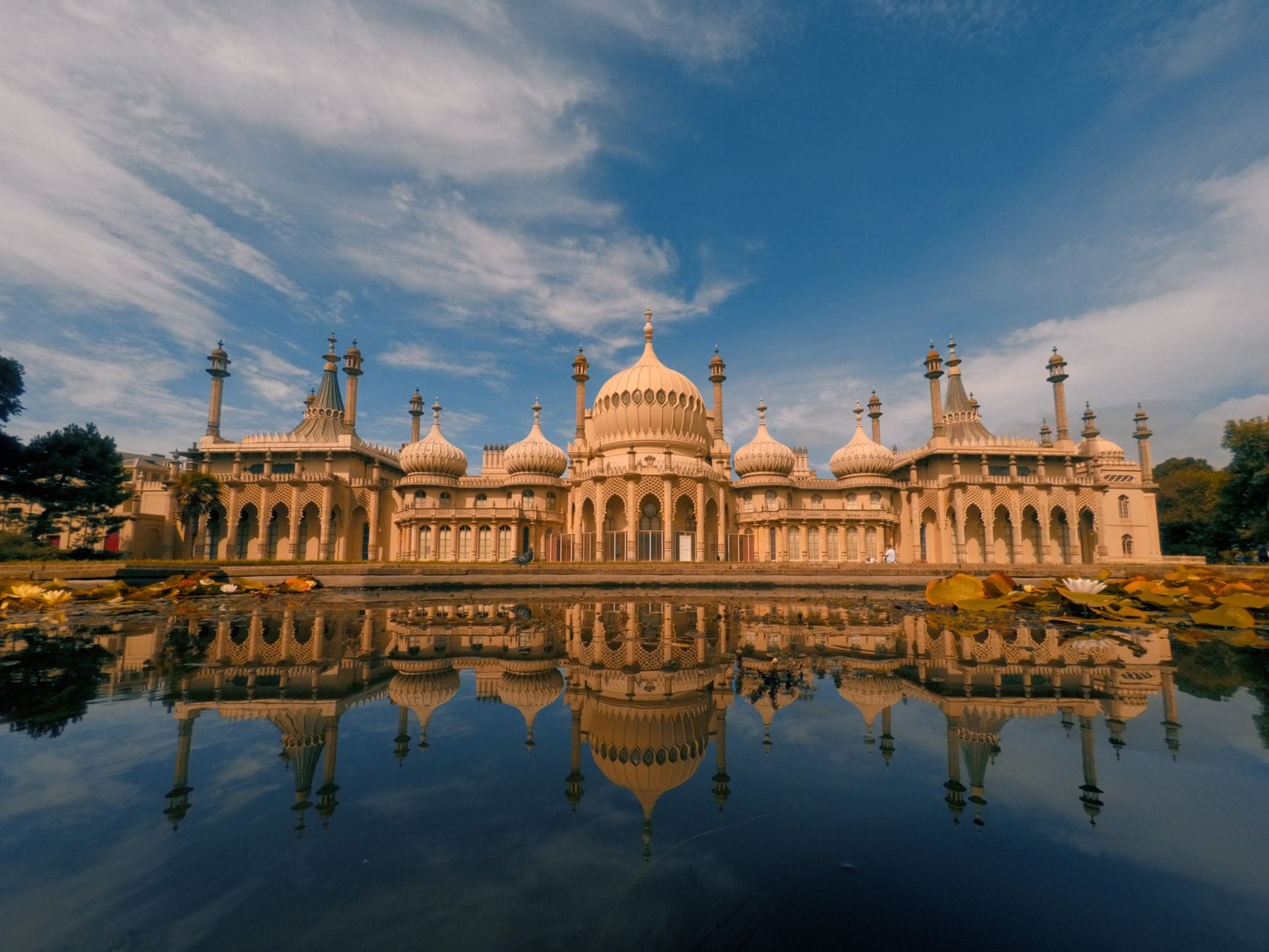
Start at the Royal Pavilion, Brighton's most architecturally distinctive building and the one attraction that genuinely warrants the admission fee. Built as a seaside retreat for the Prince Regent (later George IV) and completed in 1823, the exterior is Indo-Saracenic fantasy and the interiors are elaborate Regency chinoiserie. Plan around 90 minutes inside. The surrounding Royal Pavilion Gardens are free to enter and a good place to reorient after the visual overload inside.
From the Pavilion, walk south into The Lanes, a compact network of narrow passageways that follow the street pattern of the original fishing settlement. The Lanes are genuinely old: many of the alleys date to the 17th century. Today the area is best known for independent jewellers, antique dealers, and small restaurants. It photographs beautifully but can feel cramped on busy summer afternoons, so the morning visit pays off in terms of space and atmosphere.
⚠️ What to skip
Several cafes and restaurants in The Lanes lean heavily on tourist footfall and price accordingly. If you want good value, walk two minutes north to North Laine for independent coffee shops and lunch spots with more reasonable pricing and a less tourist-focused crowd.
Day 1 Afternoon: North Laine, the Seafront, and Brighton Palace Pier
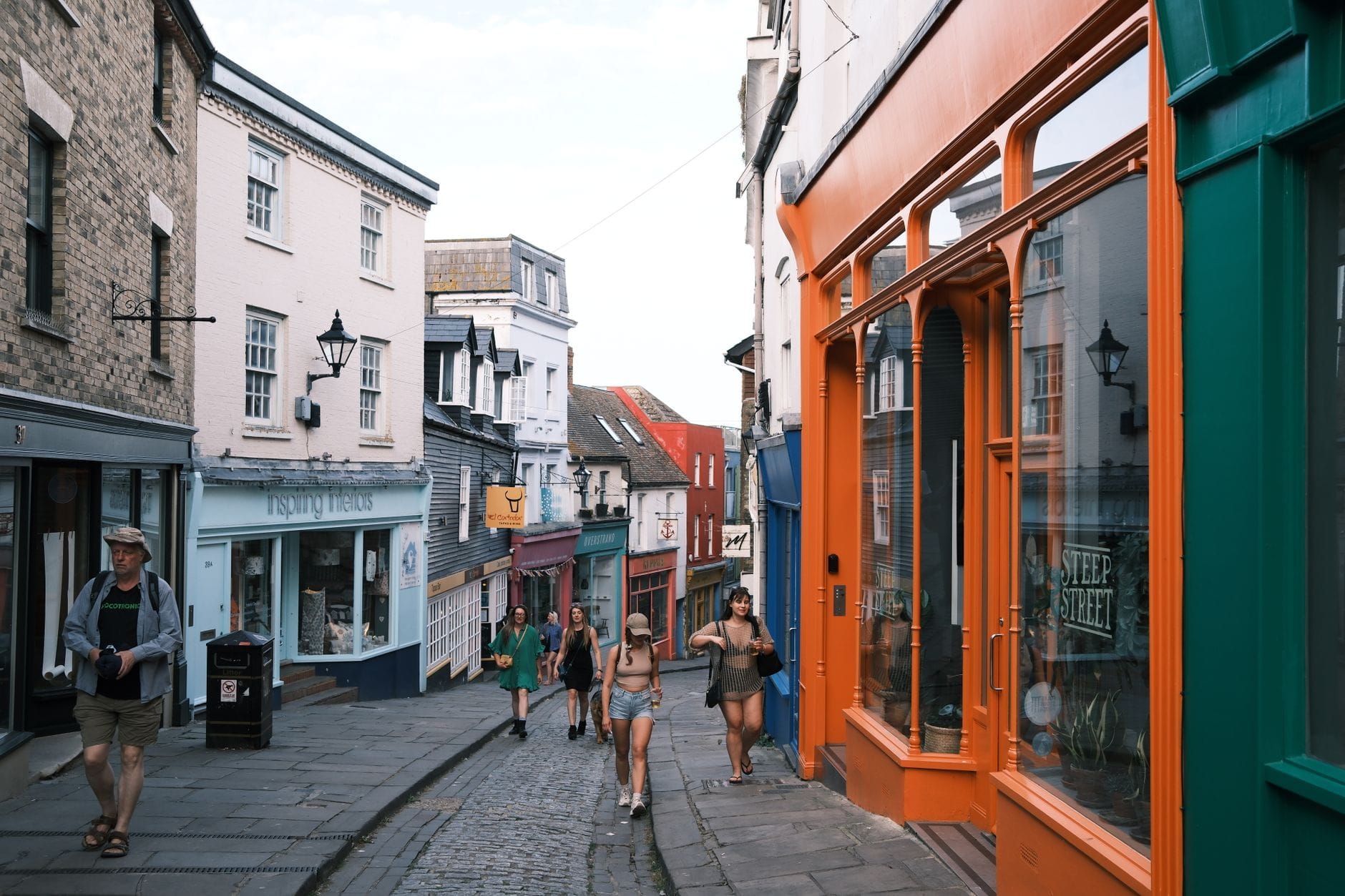
North Laine runs north from the main shopping streets toward the station. It's a Victorian neighbourhood of terraced streets converted almost entirely to independent retail: record shops, vintage clothing, bookshops, craft studios, and a high density of cafes and restaurants. Gardiner Street, Sydney Street, and Kensington Gardens are the main arteries. Budget 1 to 2 hours if you're the sort of person who stops to look at things. If you want more direction, the dedicated vintage shopping guide for Brighton covers the best spots in detail.
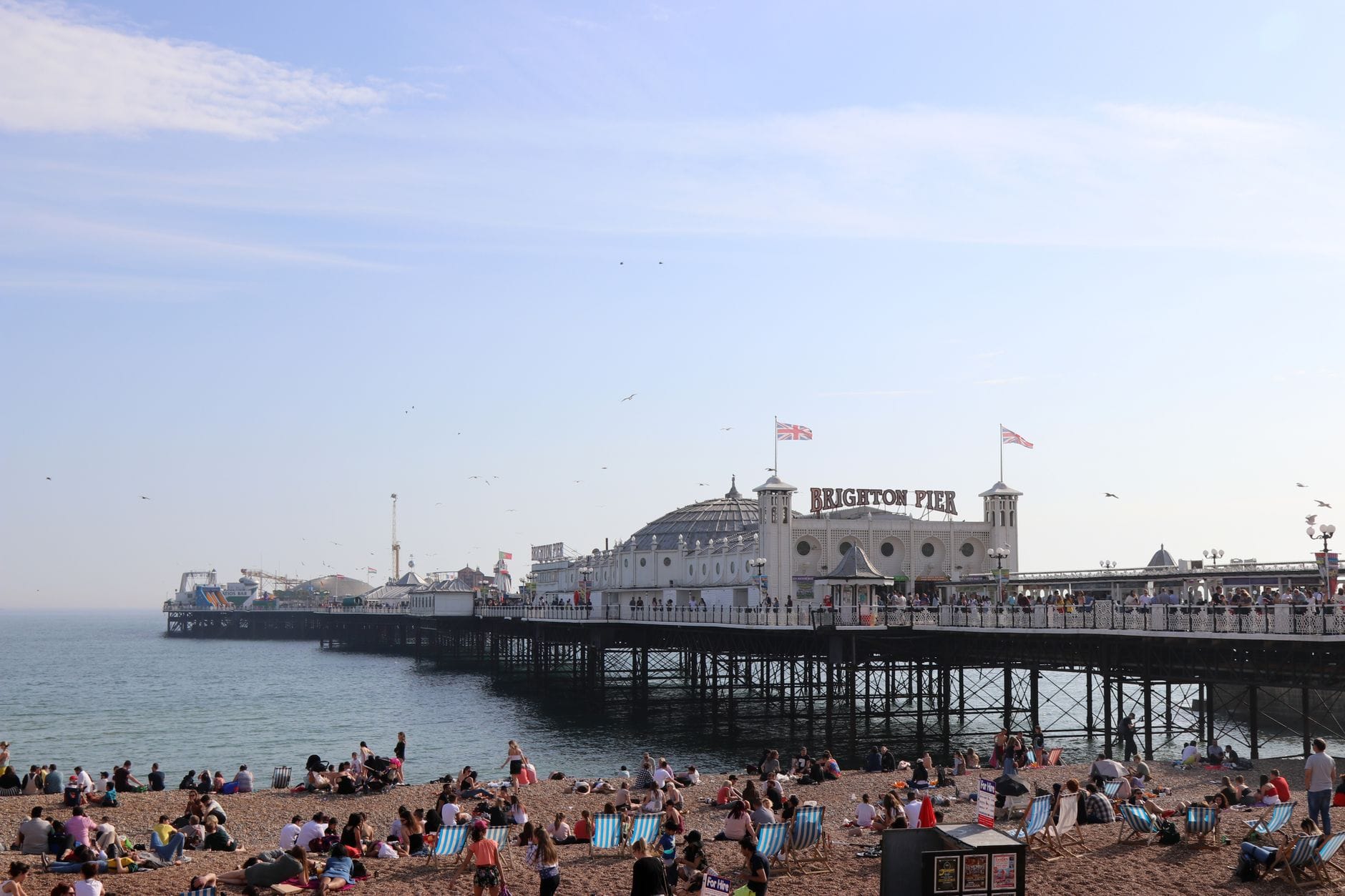
After lunch, head to the seafront. Brighton Beach is shingle, not sand, which surprises some visitors. The stones make it less comfortable for lounging than a sandy beach, but the water clarity and the drama of the seafront backdrop more than compensate. Walk east along Kings Road to reach Brighton Palace Pier. During peak periods most visitors pay a £1 seasonal admission; outside charging periods (and for under-2s, Local Resident Card holders, and pre-booked wristbands) entry is free. Fairground rides and amusement arcades are pay-as-you-go. It's deliberately kitsch and makes no apology for it. The views back toward the city are some of the best you'll get of the seafront skyline. Allow 45 minutes to an hour.
- West Pier Ruins The skeletal iron structure to the west of Palace Pier burned in 2003 and is now a protected ruin. The starling murmurations that gather here at dusk in autumn and winter are one of Brighton's most spectacular free sights.
- Kings Road Arches The network of arches beneath the seafront road houses independent food vendors, artists' studios, and small businesses. Worth a walk-through for a sense of the city's creative economy.
- Brighton Bandstand The restored Victorian bandstand hosts free and ticketed events throughout summer. Check the schedule before you go as live performances change the atmosphere of the seafront entirely.
Day 2: Kemp Town, Hove, and the Undercliff Walk
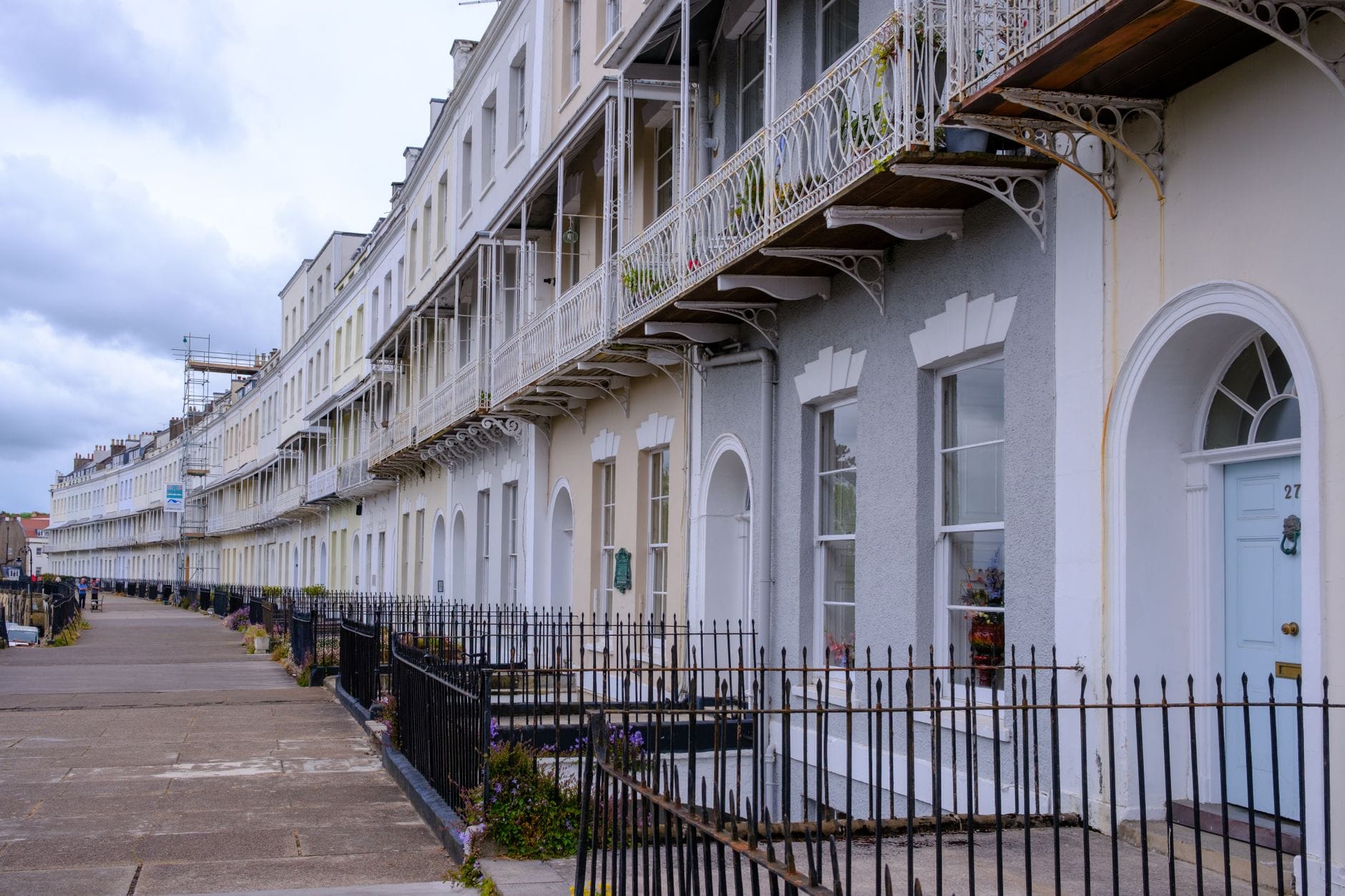
Use Day 2 to get past the central tourist circuit. Start in Kemp Town, the eastern neighbourhood built out in the 1820s and 1830s as a Regency development. Lewes Crescent and Sussex Square are among the grandest examples of Regency terraced architecture in England, comparable in scale to Bath and significantly less visited. Kemp Town also has a strong LGBTQ+ identity and some of Brighton's best independent restaurants and bars on St James's Street.
From Kemp Town, pick up the Undercliff Walk, a paved promenade that runs along the base of the chalk cliffs east of Brighton toward Rottingdean (about 4 km one way). It's one of the better coastal walks accessible from the city centre and puts you on chalk ledges directly above the sea. The path is at sea level, so it's straightforward walking even with a pushchair or cycling. On the return, the Volks Electric Railway provides an alternative to walking back.
In the afternoon, head west to Hove. The pace changes here: it's quieter, more residential, and the seafront has a longer, less crowded beach. Hove Lawns stretches for well over a kilometre of flat grass backing the beach, which is where you'll find locals playing bowls and sitting out in deckchairs rather than navigating fairground queues. The Hove Museum and Art Gallery on New Church Road houses one of the UK's most important early cinema collections and is free to enter.
✨ Pro tip
If the weather is poor on Day 2, pivot to the Brighton Museum and Art Gallery in the Royal Pavilion grounds, which has strong collections on Art Nouveau, Art Deco, and the history of the city itself. Admission is generally free for Brighton and Hove residents but has an entry charge for most visitors; check the current price and any concessions before going.
When to Visit: Seasons and Crowds
The practical reality of a Brighton weekend changes significantly depending on when you go. For a full breakdown by season, the best time to visit Brighton guide goes into detail on weather patterns and event calendars. The short version: summer (June to August) delivers the best beach weather, with average daily highs of 19 to 21°C, but the seafront and Palace Pier are genuinely packed on weekends, particularly during school summer holidays from late July. If you're not fussed about swimming, late May or September offers comparable warmth with noticeably thinner crowds.
- Brighton Fringe (May): one of the world’s largest fringe arts festivals, running across dozens of venues citywide.
- Brighton Pride (early August): one of the UK's largest Pride events, attracting around 160,000 people; accommodation prices spike sharply and should be booked months in advance.
- Winter (November to February): quiet, cheaper, and good for culture, food, and the city's independent shops without competition for pavement space. Average highs of 8 to 9°C mean the seafront is bracingly cold rather than inviting.
- Autumn starling murmurations at the West Pier ruins: typically October to February at dusk, entirely free, and one of the most dramatic natural spectacles in southern England.
ℹ️ Good to know
Brighton has a temperate maritime climate, which means rain is possible in any month. The wettest period is October to January; the driest months are April to July. Pack a layer regardless of season: the seafront wind makes it feel colder than the air temperature suggests.
Practical Logistics for a Brighton Weekend
Brighton is small enough that you don't need a car. Everything in this itinerary is walkable from the seafront, and the station is at the top of the hill connecting the centre to North Laine. For a longer stay or to explore the surrounding countryside and the South Downs, the getting around Brighton guide covers local bus routes, cycling options, and day trip logistics. If you're planning day trips to nearby villages or the Downs, the day trips from Brighton guide lists the most practical options by travel time.
- Where to stay Hotels and guesthouses cluster around the seafront, Kemp Town, and the area immediately south of the station. Seafront hotels command a premium for obvious reasons. For value, the residential streets of North Laine and Kemp Town have smaller B&Bs within easy walking distance of everything.
- Budget planning The Royal Pavilion is the main paid attraction that most visitors will want. Many of Brighton's best experiences, including the seafront walk, The Lanes, North Laine browsing, and the Undercliff Walk, are free. For more ways to keep costs down, the Brighton on a budget guide is useful.
- Food and drink Brighton has a strong food scene, particularly for plant-based eating. The city has a higher-than-average concentration of vegan and vegetarian restaurants. Tipping around 10 to 15% is common in sit-down restaurants where a service charge isn't already included.
- Electricity and practical basics UK standard is 230V, 50Hz, with Type G three-pin plugs. Tap water in Brighton is safe to drink. Emergency services: dial 999 (or 112). Country code for the UK: +44.
For food specifically, Brighton's restaurant scene rewards some research before you arrive. The city has a strong independent dining culture and a well-established reputation for plant-based options. The guide to what to eat in Brighton covers the best dishes and neighbourhoods to eat in, and the vegan and vegetarian Brighton guide is particularly useful for anyone with dietary preferences or restrictions.
FAQ
How many days do you need in Brighton?
Two full days is enough to cover the main areas without feeling rushed: the seafront, Royal Pavilion, The Lanes, North Laine, and at least part of Kemp Town or Hove. A third day lets you add the Undercliff Walk, a museum, or a day trip to the South Downs.
Is Brighton worth visiting for a weekend?
Yes, and it functions well as both an overnight trip from London and a standalone destination. The combination of architecture, seafront, independent retail, and food options gives it more substance than a typical beach town. It's not for everyone if you're looking for a sandy beach or quiet retreat, but for culture, eating, and walking, it holds up well across seasons.
How do I get from London to Brighton for a weekend trip?
Direct trains from London Victoria and London Bridge to Brighton take around 50 to 60 minutes. Off-peak advance fares are typically £10 to £20 single. Southern and Thameslink both serve the route with frequent departures. Check National Rail for current fares and timetables before booking.
What is there to do in Brighton on a rainy day?
Brighton handles bad weather better than most seaside towns. The Royal Pavilion, Brighton Museum and Art Gallery, Hove Museum and Art Gallery, and the Brighton Toy and Model Museum are all indoor options. The Lanes and North Laine are pleasant to browse under an umbrella. Sea Life Brighton is there if you're travelling with children.
Is the Brighton i360 still open?
No. Brighton i360 entered administration and closed in late 2024, but it was bought out of administration and reopened under new ownership in 2025, so it is currently open as an observation tower attraction.