Hove Museum of Creativity
Formerly known as Hove Museum & Art Gallery, Hove Museum of Creativity occupies a handsome Victorian villa on New Church Road and covers an unusually wide range of subjects: early cinema, studio craft, decorative arts, and rotating contemporary exhibitions. It is one of the quieter, more rewarding cultural stops on the western side of the city.
Quick Facts
- Location
- 19 New Church Road, Hove, BN3 4AB
- Getting There
- Hove station (20-25 min walk) or local bus along New Church Road / Kingsway
- Time Needed
- 1 to 2 hours
- Cost
- Free entry
- Best for
- Families, craft and design enthusiasts, film history fans, visitors wanting a quieter museum experience
- Official website
- brightonmuseums.org.uk
What Is Hove Museum of Creativity?
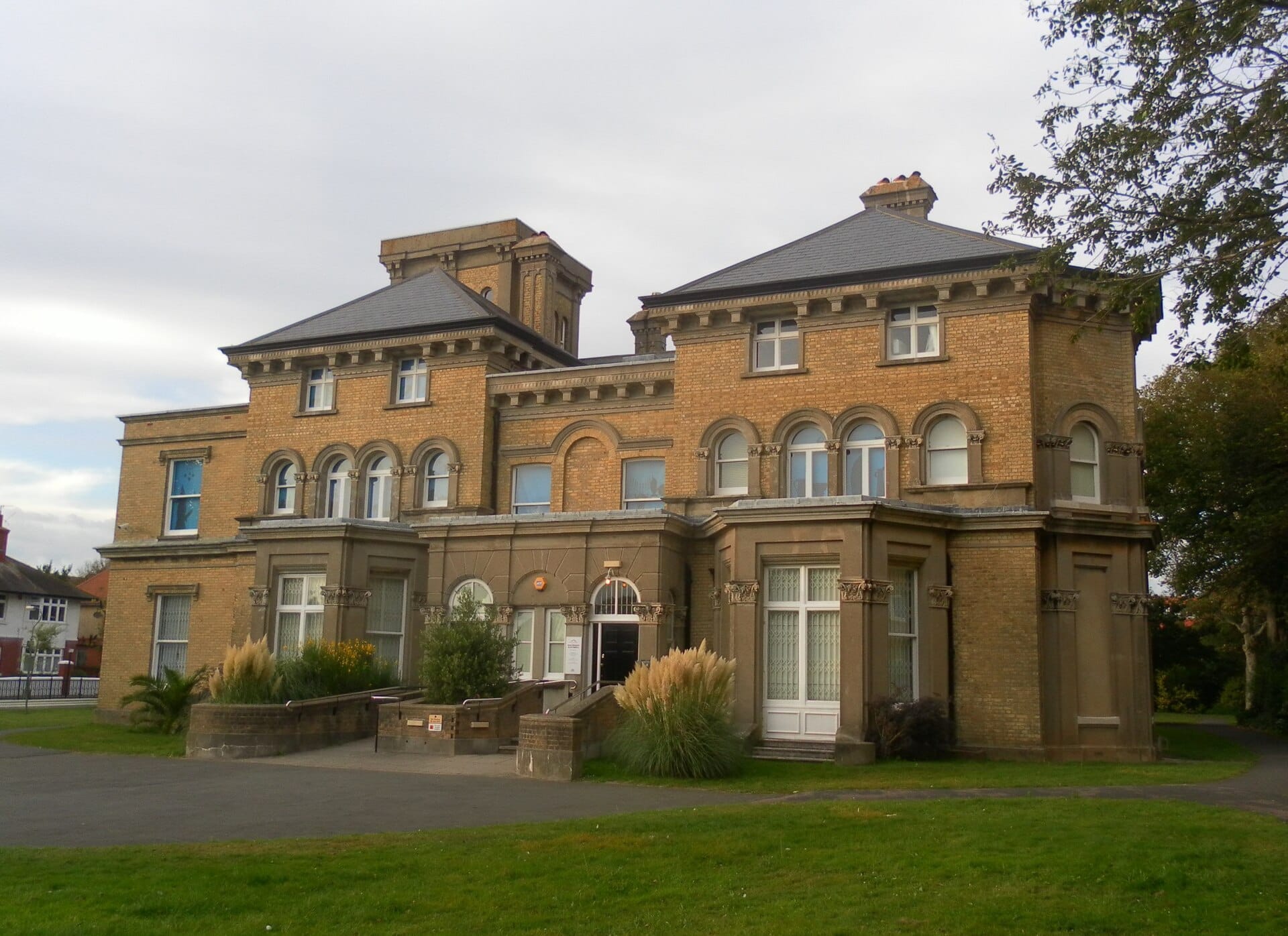
Hove Museum of Creativity — though many locals still use the older name Hove Museum & Art Gallery — is part of the Brighton & Hove Museums network. It sits in a residential stretch of New Church Road, a short walk north of the seafront, in a building that looks more like a large private house than a public institution. That impression is not misleading: the museum is housed in a Victorian villa designed by architect Thomas Lainson and built in the 1870s, originally as a private residence.
The building has an unusual history. It served as a private home until 1913. Hove Corporation purchased it in 1926 and opened it to the public as a museum in 1927. Nearly a century later, the scale and domesticity of the building shape the visitor experience in ways that larger civic museums cannot replicate: the rooms feel proportioned for actual looking, not crowd management.
💡 Local tip
Opening hours and admission prices are managed centrally by Brighton & Hove Museums and can change seasonally. Confirm current details at brightonmuseums.org.uk before you travel. Current opening hours are Monday, Thursday, Friday, Saturday and Sunday 10:00–17:00, with some seasonal closures possible.
The Collections: What You Actually Come To See
The museum's permanent collections cover four broad areas, and the range is genuinely surprising. The early cinema holdings are the most historically significant: Hove was, in the very early 1900s, a centre of British film production, and the museum holds material relating to that period in film history. Displays cover the technical and social dimensions of early moving images, and they tend to be the most absorbing section for adult visitors who arrive without expecting it.
The studio craft and decorative arts collections are strong, featuring ceramics, glass, and textiles from the twentieth century with an emphasis on the Arts and Crafts tradition and British studio pottery. The toy collection draws families with young children and is one of the elements that justifies the museum's repositioned identity around creativity and making. The gallery spaces also carry rotating contemporary art exhibitions, which vary considerably in subject and quality, so it is worth checking what is showing before you visit if that is your primary interest.
The collections complement rather than duplicate what you will find at the Brighton Museum & Art Gallery in the Royal Pavilion estate, which leans more heavily toward world cultures, fashion, and the Pavilion's own history. Hove's museum has a narrower and, in some ways, more coherent identity.
Tickets & tours
Hand-picked options from our booking partner. Prices are indicative; availability and final rates are confirmed when you complete your booking.
Brighton city lights flight with welcome drink
From 21 €Instant confirmationCycle along the beachfront with Brighton Beach Bikes hire
From 7 €Instant confirmationFree cancellationTour Brighton's highlights with an exploration game mobile app
From 10 €Instant confirmationFree cancellationExplore Brighton self-guided walking tour using an app
From 11 €Instant confirmation
The Building and Its Atmosphere
Walking up to the museum from New Church Road, the first thing you notice is how unassuming the frontage is. There is no grand civic portico, no wide staircase. The Victorian villa sits behind a modest garden with mature trees, and the entrance is quiet enough that first-time visitors sometimes check they have the right address. Inside, the scale remains domestic: ceiling heights are comfortable rather than imposing, and the light in the front rooms on a clear afternoon comes in at a warm angle through period windows.
Because the building was not designed as a museum, the flow between rooms requires a little orientation on arrival. Pick up the floor plan if one is available. The layout can feel slightly labyrinthine, but that also means there are fewer bottlenecks and less of the sense of being processed through an experience that plagues larger institutions. On a weekday morning the building is genuinely quiet: you may have certain rooms entirely to yourself, which changes how you engage with the objects on display.
The villa sits at the western end of a Hove that is worth exploring on foot. The surrounding streets have the character typical of late Victorian and Edwardian Hove: wide pavements, substantial terraces, and a lower density of tourists than you will find around the Royal Pavilion or The Lanes a mile to the east. If you are interested in the built environment of Brighton and Hove more broadly, a visit here pairs well with a walk along Hove's residential streets.
Visiting With Children
The museum works well for families, particularly those with children aged roughly 4 to 12. The toy and model collections are the obvious draw, but the scale of the building also helps: there are no vast echoing halls where children feel exposed or parents feel judged for normal child behaviour. The rooms are small enough that keeping track of young visitors is straightforward.
The creativity-focused rebranding has introduced more hands-on elements, though the extent of interactive programming varies by season and staffing. It is worth checking the Brighton & Hove Museums website for any scheduled workshops or family activities, especially during school holidays, when drop-in events tend to be more frequent.
For a fuller family day in this part of the city, the museum combines easily with time on Hove Lawns and beach, which is a ten-minute walk south. The lawns are significantly calmer than the Brighton seafront further east, and the combination of a museum visit and outdoor time makes for a satisfying half-day without the crowds.
Getting There and Practical Logistics
The museum's address is 19 New Church Road, Hove, BN3 4AB. The nearest railway station is Hove, which is served by Southern rail services from Brighton station and from London Victoria and London Bridge. From Hove station, the museum is roughly a 20 to 25 minute walk, or you can take one of the local bus services that run along New Church Road and Kingsway. Brighton & Hove Buses operate the local network and their route planner is the most reliable way to identify the correct service on the day of your visit.
There is on-street parking in the surrounding residential streets, though parking restrictions apply in some zones. Cycling is practical: the seafront cycle route runs along Kingsway a short distance south, and the museum is accessible from it via New Church Road.
ℹ️ Good to know
Accessibility: Brighton & Hove Museums provides step-free access information for their sites. For specific current provisions at Hove Museum of Creativity, including lift access, hearing loop availability, and parking for blue badge holders, contact the museum directly or consult the accessibility section at brightonmuseums.org.uk.
The building's Victorian structure does impose some physical constraints that a purpose-built modern museum would not have. If mobility or sensory access is a priority, it is worth a phone call before your visit to confirm exactly which areas and collections are currently accessible.
When to Visit and Who Might Be Disappointed
Weekday mornings are the least crowded, and the quality of natural light in the front galleries is better earlier in the day. The museum is unlikely to be overwhelmingly busy at any time given its off-pitch location, but school-holiday weekends will see more families and some of the smaller rooms can feel full with only a handful of groups present.
Weather does not affect the visit directly since the museum is fully indoors, which makes it a sound option for a rainy afternoon. On bright summer days, however, you may find yourself wanting to be outside rather than in; the galleries are engaging but not so unmissable that they compete with good weather on the seafront. The museum works best as a morning activity before the beach rather than instead of it.
Visitors seeking grand civic scale, a sweeping permanent art collection, or a comprehensive survey of Brighton's history will find Brighton Museum & Art Gallery a better fit. Hove Museum of Creativity rewards curiosity and a willingness to be surprised by its early cinema material and craft collections, but it is not a conventional art gallery and should not be approached as one. People who arrive expecting either a major contemporary art space or a traditional fine art collection may leave underwhelmed.
If your visit to Hove falls on a day when the museum is closed, the neighbourhood still rewards exploration. The seafront at Hove is quieter and less commercially dense than Brighton's beach strip, and the local architecture between the seafront and New Church Road includes some well-preserved examples of late Victorian and Edwardian terraced housing that feature in the broader story of the city's development.
Insider Tips
- The early cinema collection is the most historically distinctive part of the museum and is easy to overlook if you head straight for the toy galleries. Give it time: Hove's role in early British film production is genuinely significant and not widely known.
- The building's garden frontage is often empty and peaceful. Arrive a few minutes early and take a moment outside before going in: the Victorian villa reads differently once you understand it was a private house for forty years before it became a museum.
- Check the Brighton & Hove Museums website for temporary exhibition dates before you visit. The permanent collections are compact, and if there is a strong temporary show on, it will substantially change the value of your visit.
- If you are travelling with children, the museum pairs logically with Hove Lawns directly to the south. Plan the museum for the morning when energy is high, and leave the beach and lawns for the afternoon.
- Bus routes along Kingsway and New Church Road connect the museum directly to central Brighton. If you are without a car, the bus is more practical than the walk from Hove station, particularly with young children or if carrying equipment.
Who Is Hove Museum & Art Gallery For?
- Families with children aged 4 to 12 looking for a manageable, uncrowded museum experience
- Design and craft enthusiasts interested in British studio ceramics, textiles and decorative arts
- Film history buffs curious about the origins of British cinema and Hove's early role in film production
- Visitors who want a cultural stop in Hove that does not require navigating Brighton's busier centre
- Rainy-day itinerary planning: fully indoors, quiet, and walkable from the Hove seafront
Nearby Attractions
Other things to see while in Hove:
- Hove Lawns & Beach
Stretching along the Kingsway in Hove, Hove Lawns is a wide ribbon of seafront green space backed by a pebble beach. Less crowded than the Brighton Palace Pier end, it draws dog walkers, picnickers, swimmers, and anyone who wants open sky over the English Channel without the amusement arcade noise. The area is undergoing a significant upgrade with the newly named Hove Beach Park, voted into existence in 2024.
- St Ann's Well Gardens
St Ann's Well Gardens is a free public park in Hove with roots stretching back to an 18th-century chalybeate spring. Spread across a green wedge about half a mile from the seafront, it offers tennis courts, a scented garden, a fish pond, children's play areas and a café, all within a surprisingly calm residential setting.