The Old Police Cells Museum, Brighton: What to Expect Underground
Beneath Brighton Town Hall, the Old Police Cells Museum preserves Brighton Borough's historic main police station and holding cells, in use from the early 19th century through much of the 20th century. Tours run on a handful of days each week and must be booked in advance, making this one of the most distinctive and intimate history experiences in Brighton.
Quick Facts
- Location
- Brighton Town Hall, Bartholomew Square, Brighton, BN1 1JA
- Getting There
- 10–15 min walk from Brighton railway station; central bus routes stop nearby
- Time Needed
- Around 1 hour (guided tour format)
- Cost
- Ticketed; prices in GBP via Eventbrite — verify current rates before booking
- Best for
- History enthusiasts, true crime fans, curious visitors wanting something off the beaten path
- Official website
- www.oldpolicecellsmuseum.com
What the Old Police Cells Museum Actually Is
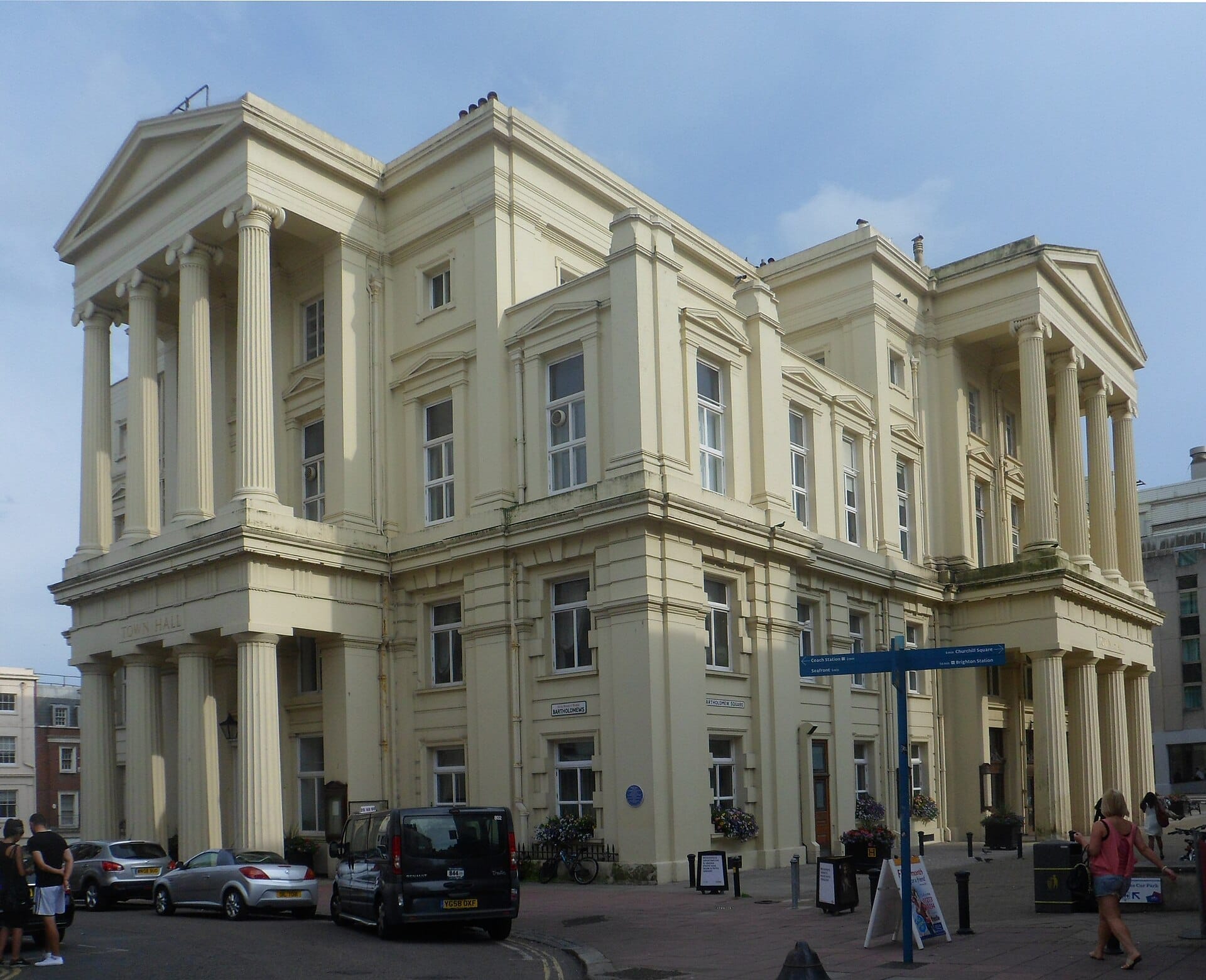
The Old Police Cells Museum occupies the basement of Brighton Town Hall on Bartholomew Square, a short walk from the seafront. This is not a reconstructed heritage display in a purpose-built visitor centre. These are the actual cells, corridors, and station rooms that served as Brighton Borough's main police station from 1830 to 1967. The brickwork, the doors, the cramped dimensions — none of it is theatrical.
The museum interprets the history of policing and crime in Sussex through the preserved fabric of the Victorian-era facility. Where other Brighton attractions compete for broad audiences with queues and souvenir shops, this one operates quietly in a basement, running a small number of guided tours each week to groups who have pre-booked. The scale is intimate. The atmosphere is not.
⚠️ What to skip
Booking ahead is strongly advised, as tours are usually pre-booked via Eventbrite and can sell out. Check current tour dates and times at oldpolicecellsmuseum.com or via the museum’s Eventbrite listings before making any plans.
Inside the Cells: What You Will See
The tour takes visitors into the basement level of the Town Hall, where the original cell block and operational rooms of the police station remain largely intact. The cells themselves are small — as you would expect from a Victorian holding facility — with low ceilings, thick brick walls, and the kind of institutional functionality that makes it easy to understand how oppressive the space would have felt to someone locked inside.
Displays and artefacts interpret day-to-day policing in 19th and early 20th century Brighton: equipment used by officers, records of crimes and criminals, and the administrative machinery of a working police station. The storytelling is grounded in local history rather than generic crime drama, which gives it specificity. These were the cells processing the drunks, petty thieves, and occasional more serious offenders of a rapidly expanding Victorian seaside town.
The spatial experience of the tour matters as much as the exhibits. Moving through narrow corridors between cell doors, the scale of the place communicates something that photographs or display panels cannot. A guided tour format means visitors hear context from a knowledgeable guide, and there is usually space for questions, which tends to be where the most interesting details emerge.
Tickets & tours
Hand-picked options from our booking partner. Prices are indicative; availability and final rates are confirmed when you complete your booking.
Brighton city lights flight with welcome drink
From 21 €Instant confirmationCycle along the beachfront with Brighton Beach Bikes hire
From 7 €Instant confirmationFree cancellationTour Brighton's highlights with an exploration game mobile app
From 10 €Instant confirmationFree cancellationExplore Brighton self-guided walking tour using an app
From 11 €Instant confirmation
Historical Context: Brighton Town Hall and its Police Station
Brighton Town Hall, completed in 1830, was designed by Thomas Cooper in a classical style and sits just north of the historic Lanes district. The police station in its basement served as the operational hub for Brighton's law enforcement for much of the 19th century — a period when the town was transforming rapidly from a fashionable Regency resort into a major urban centre. The Lanes area immediately surrounding the Town Hall retains much of the street pattern and building scale from that era, which adds context to what the museum presents underground.
The museum underwent a significant revival and reopening in partnership with Sussex Police and the Sussex Police and Crime Commissioner, bringing the space back into active use as a heritage site after years of limited access. The fact that it operates with limited weekly hours and pre-booked tours reflects both the constraints of the historic building and the volunteer-led nature of the project — and it keeps the experience from becoming crowded or superficial.
For visitors with a broader interest in Brighton's architectural and social history, the Regency architecture of Brighton provides useful context for understanding the period in which the town hall and police station were built and how policing fitted into the civic ambitions of the rapidly growing town.
Planning Your Visit: Times, Access, and Practicalities
Tours currently run three times a week on Thursdays, Fridays, and Saturdays, with exact start times varying by date. Because the museum has changed its operating patterns more than once, the single most important practical step is to check the current schedule and book directly through the museum's official Eventbrite page before committing to dates.
💡 Local tip
Book as far ahead as you can. Tour groups are small, and weekend slots in particular fill up. If you're visiting Brighton for a weekend, check availability before you book accommodation — not after.
The museum is located in the basement beneath Brighton Town Hall, with access involving steps and confined spaces. The environment may be challenging for some visitors; if accessibility is a concern, contact the museum directly before booking to discuss current arrangements.
Getting to Bartholomew Square is straightforward from anywhere in central Brighton. Brighton railway station is around 10 to 15 minutes on foot, heading south through the main shopping streets and then past The Lanes. City centre bus services stop within a few minutes' walk. There is no dedicated parking at the venue; Brighton's pay-and-display car parks are the practical option if you're driving.
In terms of what to wear and bring: the basement cells are not climate-controlled in the way a modern building would be, and temperatures underground can feel noticeably cooler than outside even in summer. A layer you can add or remove is worth having. The confined spaces and low light levels also mean this is not an environment where large bags are comfortable. Ticket prices are in GBP and paid through Eventbrite; check current rates when booking as they may change over time.
Photography and the Sensory Experience
The cells are lit for atmosphere rather than photography. Ambient light is low, and the surfaces — aged brick, iron door hardware, worn floors — absorb rather than reflect light. Phone cameras in auto mode tend to produce underexposed or grain-heavy results. If photography matters to you, a camera with manual settings or a night mode that handles low light well will produce noticeably better images. The architectural details are worth capturing: the proportions of the cell doors, the original fittings, the texture of walls that have not been cosmetically restored.
The sensory quality of the space deserves a mention on its own terms. The smell of old masonry and damp brick is present in a way that no amount of interpretation panels can replicate. Sound behaves differently in low-ceilinged stone corridors. These are small things, but they are exactly what makes visiting a preserved historic space more affecting than reading about it.
How It Fits Into a Brighton Itinerary
The museum sits at the edge of The Lanes, which means a visit can be combined naturally with time in that neighbourhood before or after the tour. The Royal Pavilion is a few minutes' walk north, and the Brighton Museum and Art Gallery is in the same Pavilion complex — both offer very different takes on the city's history and together with the police cells museum would make for a substantial and varied history-focused day.
The museum works well for visitors who want to look past Brighton's surface-level seaside identity. If your trip is structured around the full range of what the city offers, the broader things-to-do guide for Brighton covers how to balance major sites with less-visited experiences like this one.
Who should skip this: visitors who are primarily interested in Brighton's beaches, food scene, or outdoor entertainment will find the museum a detour that may not pay off for them. The guided tour format also means you cannot self-pace — you move with the group. If confined spaces cause anxiety or if accessibility is a practical constraint, the basement environment is genuinely not suitable.
Is It Worth the Time?
The honest answer is: yes, if this kind of thing interests you. The Old Police Cells Museum is not spectacular in the way that a large national museum is spectacular. It is specific, local, and quietly unusual. The tour lasts roughly an hour, the setting is genuinely historic rather than reconstructed, and the combination of Victorian architecture and the stories attached to it makes for an experience that stays with you longer than more polished attractions often do.
It is also, in practical terms, one of the more affordable things to do in Brighton, and the pre-booking requirement means you are never sharing the space with a crowd. For visitors who have done the Pavilion, the pier, and the beach, and are looking for something that shows a different layer of the city, this is exactly that.
Insider Tips
- Check the Eventbrite listing rather than just the museum website for the most up-to-date tour availability — the calendar there tends to be the most current source of what slots exist.
- Arrive a few minutes early. The entrance is via Brighton Town Hall on Bartholomew Square; it is not always immediately obvious to first-time visitors and late arrival may mean missing part of the tour.
- The basement is noticeably cooler than street level, even in warmer months. A light jacket in your bag is worth it, particularly for morning tours.
- Ask the guide about specific cases and individuals associated with the cells during the tour. The broader questions tend to unlock the most memorable local detail, which does not always appear on the display panels.
- If you are visiting Brighton over a weekend, combine this with the nearby Lanes for lunch or coffee before or after. The neighbourhood character and the museum's subject matter sit in an interesting contrast.
Who Is Brighton Police Cells Museum For?
- History and social history enthusiasts, particularly those interested in Victorian-era Britain
- True crime and criminal justice history fans
- Visitors who have already seen Brighton's main tourist sites and want to go deeper
- Small groups looking for an intimate, guided experience rather than a self-guided wander
- Architecture and heritage visitors interested in intact 19th-century civic buildings
Nearby Attractions
Other things to see while in The Lanes:
- Brighton Dome
Brighton Dome is a Grade I listed arts complex on the Royal Pavilion Estate, comprising the Concert Hall, Corn Exchange, and Studio Theatre. Originally built as William Porden's royal stables and riding house for the Prince Regent, it now hosts everything from classical concerts and comedy to trade fairs and festivals across three distinctive spaces.
- Brighton Museum & Art Gallery
Brighton Museum & Art Gallery sits inside the Royal Pavilion Gardens and holds one of the south coast's most engaging collections, spanning Art Nouveau, Surrealism, Modernism and Brighton's own social history. It's a serious museum that rewards curiosity without demanding a full day.
- Brighton Theatre Royal
Theatre Royal Brighton has been staging professional productions continuously since it opened in 1807, making it one of the longest-running working theatres in England. Located on New Road in the heart of The Lanes, its restored Regency auditorium seats around 952 people and hosts everything from West End transfers to touring opera and dance.
- Royal Pavilion
The Royal Pavilion is a Grade I listed former royal palace in the centre of Brighton, combining Indian exterior domes with Chinese-inspired interiors. Built as a seaside retreat for King George IV, it remains one of the most architecturally distinctive buildings in England.