Syntagma Square and the surrounding historic centre form the political, commercial, and geographical heart of Athens. From the Hellenic Parliament and the Changing of the Guard to the ancient sites a short walk west, this is where modern Greece and its ancient past share the same pavement.
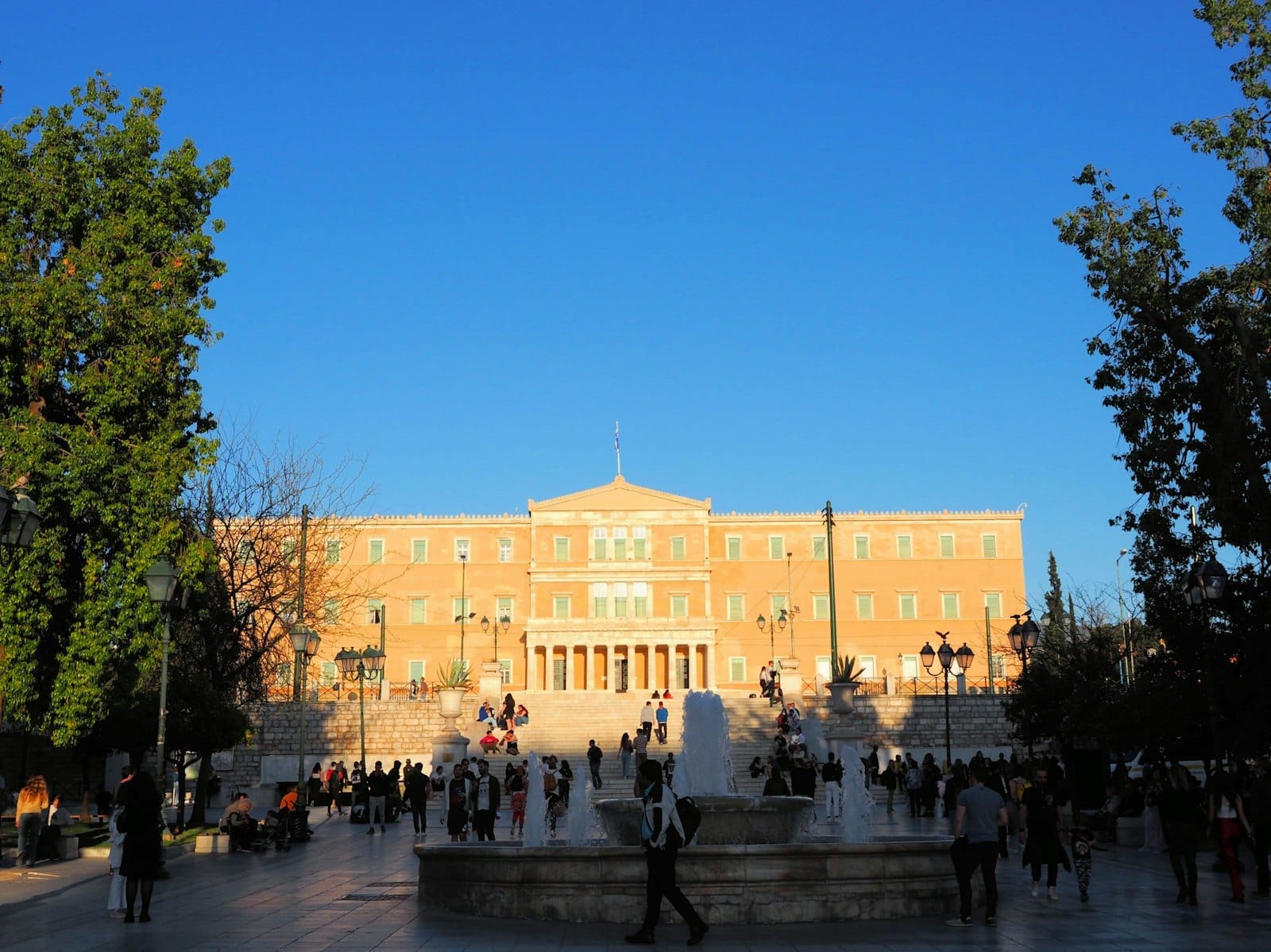
Syntagma Square is the centrepiece of central Athens, the place where Greek political life plays out in public, where major transit lines converge, and where most visitors instinctively end up on their first morning in the city. It is not a neighbourhood that hides its significance: the Parliament building stares across the square, the neoclassical facades of grand hotels line the edges, and Ermou Street stretches west toward Monastiraki like a spine connecting the modern city to the ancient one.
Orientation
Syntagma Square sits at the eastern edge of central Athens, at the base of the gentle slope that climbs toward Kolonaki and Lycabettus Hill. The square itself is a formal, tiered public space: stone steps descend from the Parliament building on the east side down to a large central plaza with fountains, benches, and orange trees. From this single point, the city radiates outward in ways that are easy to read even on a first visit.
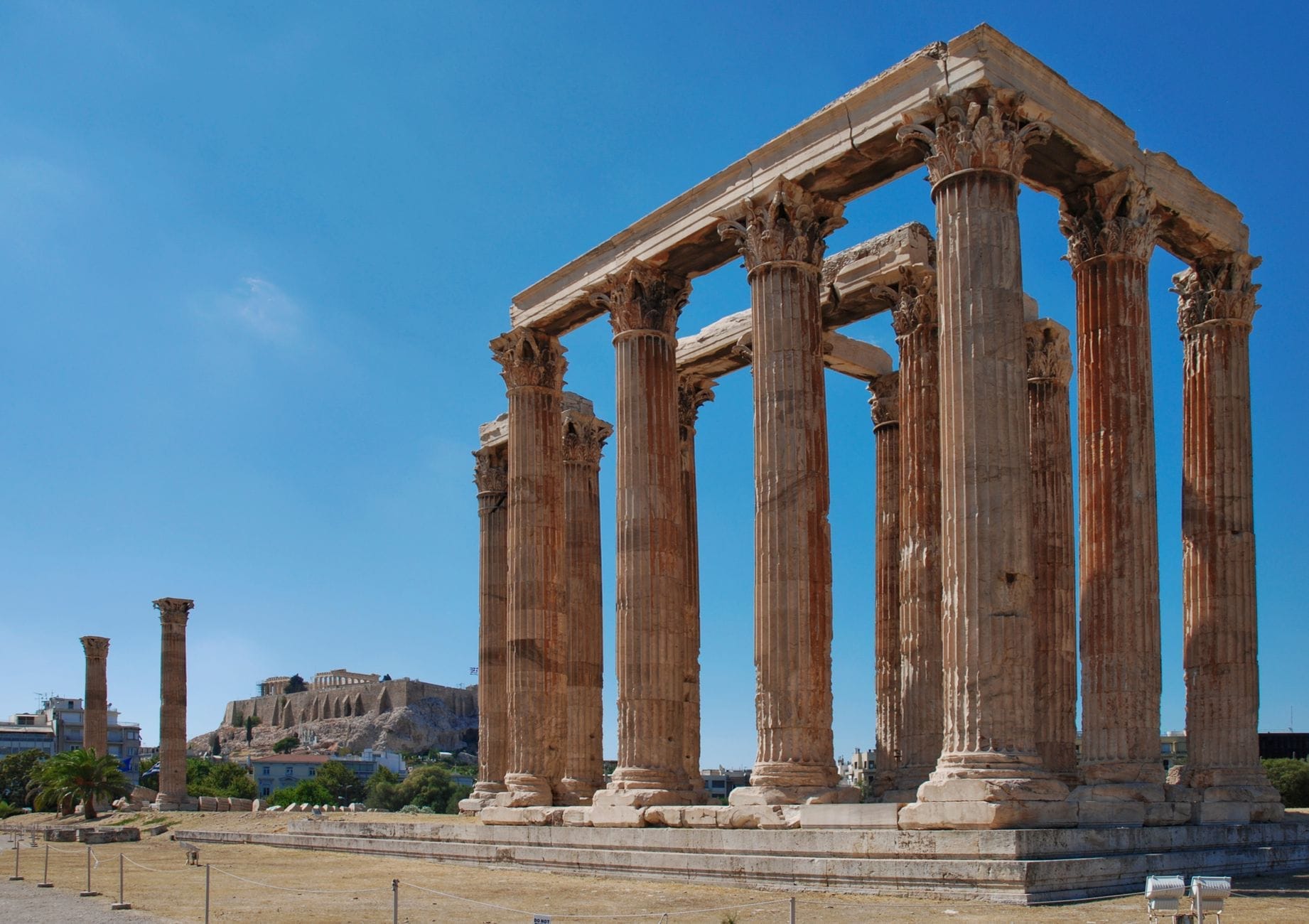
To the west, Ermou Street runs as a pedestrianised shopping corridor all the way to Monastiraki Square, roughly a 10-minute walk. To the southeast, Amalias Avenue leads toward the Temple of Olympian Zeus and the Arch of Hadrian. To the south, the National Garden begins immediately behind (and beside) the Parliament and stretches through to Zappeion. To the northwest, Stadiou Street and Panepistimiou (Eleftheriou Venizelou) Avenue run parallel toward Omonia Square, lined with neoclassical civic buildings.
The historic centre is loosely bounded by Amalias Avenue to the east, Athinas Street to the west, Omonia Square to the north, and the archaeological promenade of Dionysiou Areopagitou to the south. Within this rectangle you have Plaka, Monastiraki, Psyrri, and the civic core around Syntagma itself, all walkable from one another in under 20 minutes.
Character & Atmosphere
Early morning at Syntagma Square belongs to commuters and civil servants. The metro entrance below the square is already busy by 7:30am, pigeons work the stone steps, and the cafes on the square's western edge are filling up with people reading newspapers over espresso. The scale of the space, broad and open, makes Athens feel like a capital city in the most direct sense.
By mid-morning the tourist current kicks in. Tour groups gather near the Tomb of the Unknown Soldier for the hourly Changing of the Guard, and Ermou Street starts to hum with shoppers. The light in Athens is particular: sharp and shadowless in summer, golden and low in winter. In July and August, the marble and stone surfaces of the square radiate heat by noon and the square empties of everyone except people with somewhere to be. Autumn and spring transform the mood entirely: the square fills with locals again, children run on the steps, and the orange trees give the air a faint sweetness.
After dark, Syntagma takes on a different quality. The Parliament building is illuminated, the fountains are lit, and the square functions as a gathering point before people disperse to bars and restaurants in Psyrri or Monastiraki. On weekends and during national holidays, concerts and public events are held here, and the crowds can be substantial. It is also the traditional starting point for political demonstrations, which happen regularly in Athens and can range from small marches to large-scale gatherings with significant police presence.
⚠️ What to skip
Political demonstrations at Syntagma Square can disrupt transport connections and cause road closures around the area. If you notice a large police presence or hear chanting, check local news before attempting to navigate the square on foot or by bus. The metro usually continues to run normally.
Ermou Street, the pedestrian artery heading west from the square, is one of Athens' most commercially intense streets: international chains and Greek fashion brands line both sides, and the foot traffic is relentless on weekday afternoons. It is loud, crowded, and efficient rather than charming. The interest increases as you move west and the street begins to merge with the older grain of Monastiraki and Psyrri, where the shops give way to market stalls and narrow lanes.
What to See & Do
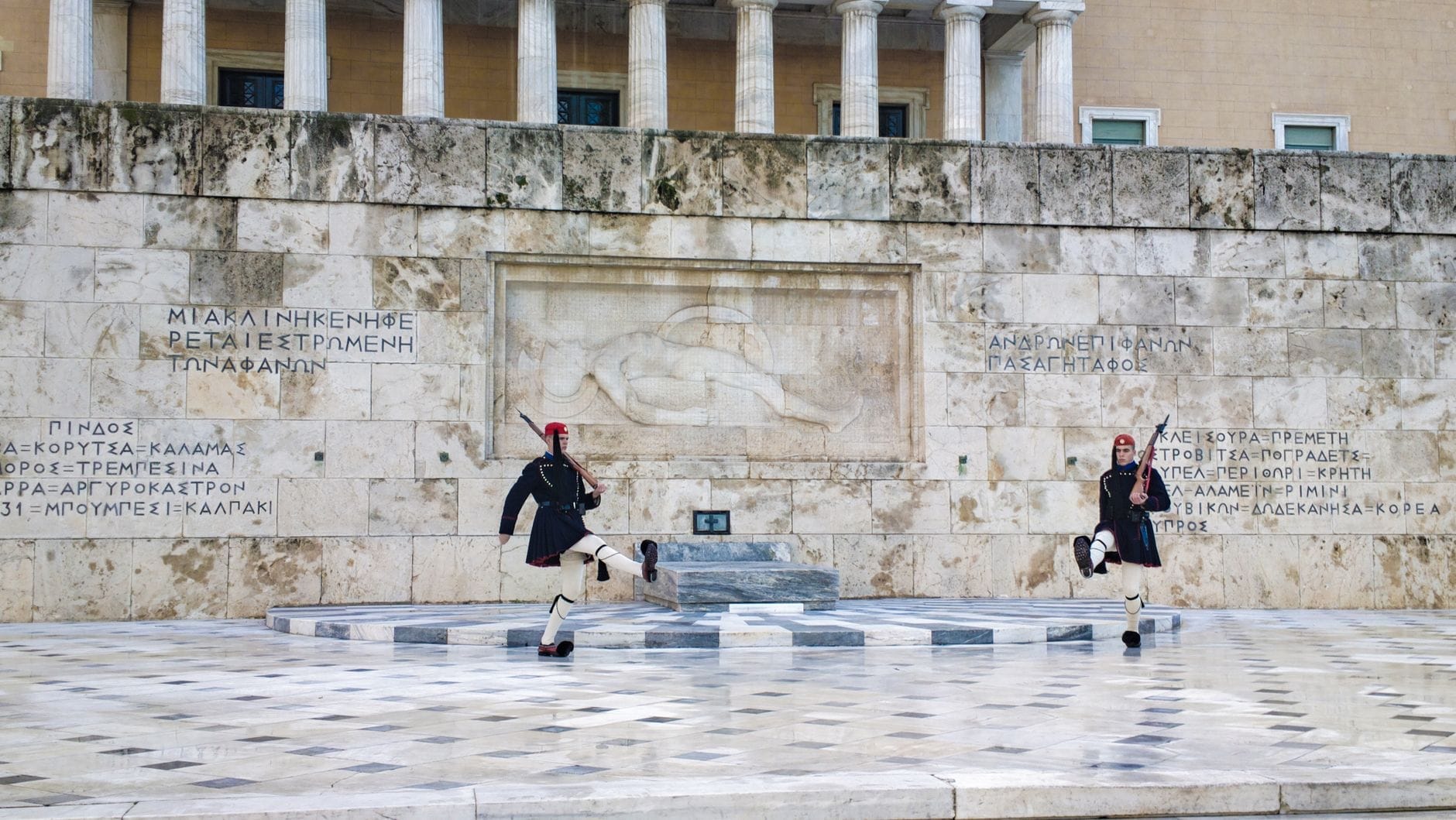
The most watched daily ritual in Athens is the Changing of the Guard at the Tomb of the Unknown Soldier, directly in front of the Hellenic Parliament. The Evzone guards, in their traditional uniform of pleated fustanella skirts and pom-pom shoes, perform a slow, deliberate ceremony on the hour throughout the day. On Sundays at 11am, a full ceremonial parade with the full presidential guard unit takes place, drawing larger crowds. The spectacle is genuinely unusual and worth timing a visit around.
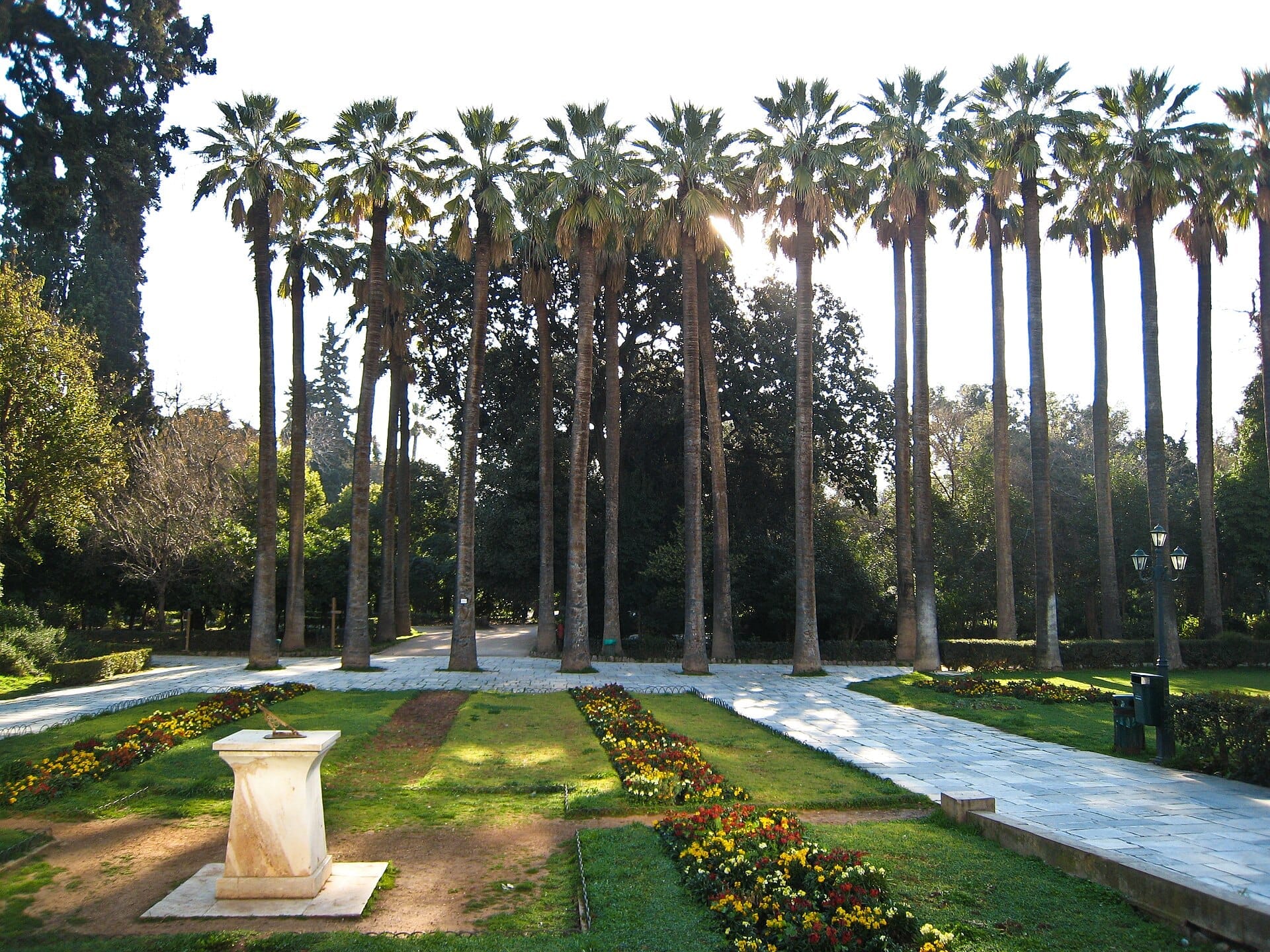
Immediately behind Parliament, the National Garden provides the most useful green space in central Athens: shaded paths, a small duck pond, botanical sections, and benches that fill up with people escaping the heat. Entry is free. The garden connects at its southern end to the Zappeion hall and its surrounding grounds, which host exhibitions and public events.
Walking west along Ermou Street for about 10 minutes brings you to Monastiraki Square and the entry points to the ancient city. The Ancient Agora and the Roman Agora are both accessible from this direction, as is Hadrian's Library, whose surviving wall runs along Areos Street just north of Monastiraki Square.
The Syntagma Metro Station itself is worth a look: the construction of the station in the 1990s uncovered a significant quantity of ancient artefacts, and an archaeological display inside the station shows excavated objects and cross-sections of the buried city beneath modern Athens. It is one of those rare cases where infrastructure becomes a museum. For the full picture of the city's ancient layers, the Acropolis Museum is about a 20-minute walk south.
Changing of the Guard at the Tomb of the Unknown Soldier: hourly, free
National Garden: free entry, open daily from dawn to dusk
Ermou Street pedestrian zone: main commercial artery connecting Syntagma to Monastiraki
Archaeological display inside Syntagma Metro Station: free
Zappeion Hall and grounds: neoclassical exhibition venue at the edge of the National Garden
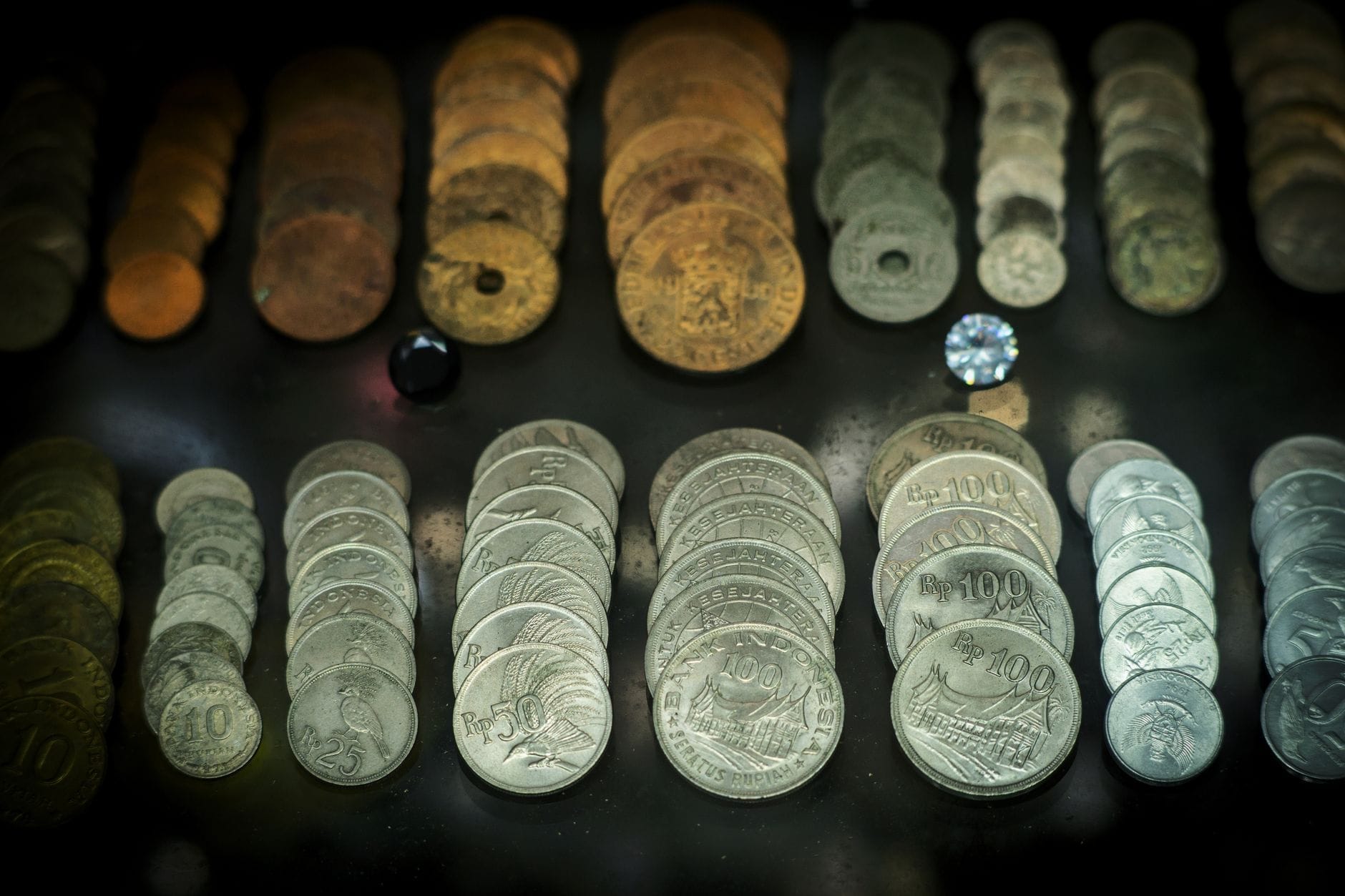
Numismatic Museum: housed in the former mansion of archaeologist Heinrich Schliemann on Panepistimiou Avenue
If you are planning a broader visit to the city's ancient sites, the Athens ancient sites guide covers everything from the Acropolis to Kerameikos with practical logistics.
Eating & Drinking
The immediate surroundings of Syntagma Square are not where you eat well in Athens. The cafes and restaurants directly on the square are aimed at tourists and priced accordingly. They are fine for a coffee and a view of the Parliament, but the food quality relative to price is poor compared to streets two or three blocks away.
The situation improves quickly as you move away from the square. Filellinon Street and the streets branching off toward Plaka to the south have a higher density of tavernas and mezedopoleia with more honest pricing. The area around Mitropoleos Street, which runs westward from Syntagma toward the Cathedral of Athens, has several street food spots selling koulouri (sesame-crusted bread rings) and souvlaki wraps that locals actually eat.
For coffee culture, Athens takes espresso seriously. Small independent cafes on the streets behind the Parliament and along Voulis Street serve freddo espresso and freddo cappuccino, the iced coffee forms that Greeks invented and now drink year-round. These are typically cheaper and better than the square-facing venues. Expect to pay around 2 to 4 euros for a coffee at a street-level cafe, rising to 5 to 7 euros at the hotel bars facing the square.
For serious eating, the better options are a short walk away. Psyrri has a well-established restaurant and bar scene that is far less tourist-facing than the immediate Syntagma area. The Athens food guide covers the city's distinct neighbourhoods and food styles in detail.
💡 Local tip
The rooftop bars of the Hotel Grande Bretagne and the King George Hotel on the northwest side of Syntagma Square offer some of the best views of the Acropolis in central Athens. You do not need to be a guest to visit the bar areas. Prices are high, but one drink with that view at sunset is a justifiable splurge for many visitors.
Getting There & Around
Syntagma is the single most connected transit point in Athens. The metro station beneath the square serves Line 2 (red) and Line 3 (blue), making transfers across the central city fast and reliable. Line 3 runs directly to Athens International Airport, with a journey time of approximately 35 to 40 minutes to Syntagma. The airport ticket requires a separate fare from the standard urban ticket; check the OASA website for current pricing before travelling.
Several express bus routes terminate or stop near Syntagma. The X95 express bus from the airport runs 24 hours a day and drops passengers at Syntagma Square, with journey times of 40 to 60 minutes depending on traffic. Bus and trolleybus stops are distributed around the perimeter of the square and along Amalias and Panepistimiou avenues. The Athens tram also connects from a terminal near the square, running south toward Neos Kosmos and then southeast down to the coastal suburbs.
On foot, Syntagma is the natural starting point for most of central Athens. Plaka is 5 minutes south. Monastiraki is 10 minutes west along Ermou. The Acropolis entrance is about 25 minutes on foot via the pedestrianised Dionysiou Areopagitou promenade. Kolonaki is 10 to 15 minutes northeast, up the slope toward Lycabettus. For practical guidance on navigating the full city, the getting around Athens guide covers all transit options, fares, and logistics.
ℹ️ Good to know
A single 90-minute integrated ticket for Athens public transport covers metro, trams, and buses for 90 minutes from validation. Purchase tickets from machines inside metro stations or from ticket booths. Validate your ticket before boarding every time; inspectors check regularly.
Where to Stay
Staying in the Syntagma area puts you within walking distance of almost every major site in central Athens and gives you the most direct metro connections. The tradeoff is price and noise. Hotels on and around the square are among the most expensive in Athens, and the area can be loud well into the night, particularly on weekends and around national holidays when the square hosts events.
The Grande Bretagne and the King George on the square itself represent the top end of Athens hospitality, with history and Acropolis views built into the rates. Mid-range and boutique hotels cluster on the streets to the south and west of the square, particularly on Voulis, Nikis, and Apollonos streets heading toward Plaka. These streets are quieter at night and still put you within a 5-minute walk of the metro.
For travellers primarily interested in the ancient sites, the area around Makrygianni and the Acropolis Museum may actually be a better base, closer to the archaeological core and somewhat calmer. The guide to where to stay in Athens covers all the central neighbourhoods with honest assessments of who each area suits.
Families, first-time visitors, and anyone making Athens a transport hub for island trips will find the Syntagma area extremely practical. Budget travellers may do better in Koukaki or Monastiraki, where accommodation costs are lower and the character is more local.
⚠️ What to skip
Rooms on the square-facing side of hotels directly around Syntagma can be significantly noisier than those facing internal courtyards or side streets. If noise is a concern, request a room away from the main square when booking.
Safety & Practicalities
Syntagma is generally safe for visitors in the same way that any heavily trafficked central European city square is safe: well-lit, police-visible, and full of people at most hours. Standard precautions apply around the metro entrances and on crowded Ermou Street, where pickpocketing can occur in peak tourist season. See the Athens safety tips guide for neighbourhood-by-neighbourhood advice.
The area around Syntagma in summer means serious heat. Between late June and early September, daytime temperatures regularly exceed 35°C, and the stone surfaces of the square intensify this. The National Garden to the east provides the nearest shade and is genuinely one of the most practical refuges in the city during peak afternoon heat. Carry water, plan indoor visits for midday, and note that some outdoor sites reduce hours or close earlier in extreme heat conditions.
Emergency services in Greece are reached on 112 for police, fire, and ambulance. For tourist-specific assistance, the tourist police number is 171. The Syntagma area has no shortage of pharmacies, marked by the standard green cross, particularly along Ermou Street and Stadiou Street.
TL;DR
Syntagma Square is Athens' political and commercial centre, home to the Hellenic Parliament, the Changing of the Guard, and the city's most connected metro station.
The area is best suited to first-time visitors, transit-focused travellers, and anyone wanting to walk to major sites; it is less appealing for those seeking local atmosphere or affordable food.
Ermou Street connects Syntagma west to Monastiraki and the ancient sites in under 10 minutes on foot; the National Garden immediately behind Parliament offers free shade and quiet.
Restaurants directly on the square are overpriced and tourist-facing; better eating is two or three streets away, or a 10-minute walk into Plaka, Psyrri, or Monastiraki.
Summer heat at this open, stone-paved square is intense; plan outdoor time in the early morning or late afternoon, and treat the National Garden as a practical midday refuge.
Three full days is the right amount of time to cover Athens at a comfortable pace, from the Acropolis and its world-class museum to the ancient Agora, Monastiraki, Kolonaki, and beyond. This guide breaks it all down day by day, with booking tips, honest crowd warnings, and the practical details most itineraries skip.
Twenty-four hours in Athens is enough to cover the Acropolis, the Acropolis Museum, the historic neighborhoods of Plaka and Monastiraki, and a spectacular sunset viewpoint. This itinerary is built around realistic walking distances, smart timing, and clear guidance on what to skip when time is short.
Athens holds one of the densest concentrations of ancient history on earth. This guide covers the city's major archaeological sites and museums, from the Acropolis and Ancient Agora to lesser-known gems like Kerameikos, with practical tips on tickets, timing, and what to expect at each.
Athens is one of the best cities in Europe to eat well without spending much. This guide covers the essential dishes, where to find them, realistic prices for 2026, and how to avoid the tourist traps that line the most photographed streets in the city.
Athens rewards those who wander beyond the obvious. From a Cycladic island village clinging to the Acropolis rock to a thermal lake on the coast, these are the experiences that make the city feel like yours. This guide covers the lesser-known sites, quiet hills, and local haunts that most visitors walk straight past.
Summer in Athens means intense heat, peak crowds, and some of the longest days in Europe. This guide breaks down what each month actually looks like, how to handle the heat, and how to get the most out of your visit in June, July, or August.
Athens nightlife runs on its own schedule, with dinners starting at 10pm and clubs peaking between 3 and 5am. This guide covers every major district, the best bars and clubs, what things cost, how to dress, and how to navigate the city after dark like a local.
Athens is one of Europe's most affordable capitals, with free archaeological sites, cheap street food, and an excellent public transport network. This guide breaks down exactly what things cost, when to go for the best deals, and how to stretch every euro without missing anything important.
Athens is generally a safe city for tourists, but petty theft, taxi scams, and a few neighborhood considerations are worth knowing before you arrive. This guide covers the real risks, the overhyped ones, and exactly how to stay out of trouble.
Athens rewards shoppers who know where to look. This guide breaks down the city's best markets, shopping streets, and neighborhoods by type, with practical advice on timing, pricing, and what's actually worth buying versus what to skip.
Athens is one of Europe's most walkable capitals, with millennia of history packed into a compact city center. This guide covers the best guided walking tours, self-guided routes, practical logistics, and clear advice on timing, pricing, and what to avoid.
Athens is far more family-friendly than most travelers expect. From interactive museum programs and funicular rides to free outdoor ceremonies and canal kayaking, this guide covers the best activities for children of all ages, honest pricing breakdowns, and practical logistics for navigating Athens with kids.
Athens holds one of the densest concentrations of world-class museums anywhere in Europe. This guide covers every major collection, from the Acropolis Museum's Parthenon sculptures to the Benaki's sweep of Greek history, with practical advice on what to prioritise and when to go.
Athens rewards visitors year-round, but the experience changes dramatically by season. This guide breaks down every month by weather, crowd levels, and cost so you can plan around what actually matters to you.
Athens rewards those who look up, and out. The city's hills, ancient rock outcrops, rooftop bars, and clifftop temples frame the Parthenon, the Saronic Gulf, and the sprawling Attic basin from every angle. This guide covers the best viewpoints in Athens, from completely free hilltop climbs to spectacular paid experiences.
Athens sits at the center of one of Europe's richest regions for day tripping. Within a few hours you can stand at the Oracle of Delphi, swim off a car-free Saronic island, or walk through a Bronze Age citadel. This guide covers the best day trips from Athens, organized by type and travel time.
Athens is one of Europe's most rewarding cities on a tight budget. From ancient hilltop views and marble stadiums to flea markets and ceremonial guards, this guide covers the best free experiences in the Greek capital, plus the specific days when even major paid sites open their gates for nothing.
Athens has one of the most affordable and well-connected urban transport networks in Southern Europe. This guide covers everything from metro fares and airport express buses to taxi flat rates, tram routes, and the ticketing mistakes that catch most first-time visitors off guard.
Athens rewards visitors who go beyond the obvious. This guide covers the best things to do in Athens Greece, from ancient sites and world-class museums to rooftop bars, coastal escapes, and neighborhood walks, with practical advice on tickets, timing, and what to skip.
Choosing where to stay in Athens shapes your entire trip. This guide breaks down every major neighbourhood by walkability, noise level, price range, and proximity to the sights that matter, so you can book with confidence rather than guesswork.