3 Days in Athens: The Perfect Itinerary
Three full days is the right amount of time to cover Athens at a comfortable pace, from the Acropolis and its world-class museum to the ancient Agora, Monastiraki, Kolonaki, and beyond. This guide breaks it all down day by day, with booking tips, honest crowd warnings, and the practical details most itineraries skip.
Plan and book this trip
Tools from our partner Travelpayouts help you compare flights and hotels. If you book through them, we may earn a commission at no extra cost to you.
Flights
Hotels map
TL;DR
- Timed entry to the Acropolis is mandatory in 2026 — book your slot well ahead during peak season (April-October) or risk missing out.
- The standard Acropolis adult ticket costs €30; reduced tickets are available for eligible visitors.
- Three days lets you cover the major ancient sites, the Acropolis Museum, key neighborhoods, and at least one top-tier museum without feeling rushed.
- April-June and September-October offer the most comfortable temperatures for long days of walking; July-August is genuinely hot, with exposed hilltop climbs above 35°C.
- For a deeper dive on logistics, see the getting around Athens guide before you arrive.
Before You Arrive: Booking, Tickets, and Logistics
Athens rewards advance planning more than almost any other European capital right now. The Acropolis introduced mandatory timed entry slots, and during peak season those slots can sell out ahead of time, especially on weekends. You book through the Hellenic Ministry of Culture's official e-ticket platform. Do this before you do anything else. Trying to sort it out the morning you arrive is a gamble you will lose.
The Acropolis Museum is a separate ticket and a separate booking. Morning slots around 10:00-11:30 fill fastest because cruise-ship groups tend to arrive mid-morning. If you have a choice, book the museum for 09:00 or for late afternoon (it stays open until 20:00 on Tuesday-Sunday in summer). The Benaki Museum requires no advance booking but is closed Tuesdays, so factor that into your day-by-day planning.
⚠️ What to skip
As of 2026, the Acropolis adult ticket is €30 year-round. Budget accordingly, especially if you are visiting multiple archaeological sites, which each carry their own entry fee.
Athens International Airport (IATA: ATH), officially named Eleftherios Venizelos, sits in Spata about 30-35 km east of central Athens. Metro Line 3 (Blue Line) connects the airport to Syntagma Square in roughly 40 minutes and runs frequently. The X95 express bus covers the same route in 40-60 minutes depending on traffic and runs 24/7. Official flat-rate taxis operate from the arrivals queue outside the terminal. Confirm current fares on the airport's official site before travel, as tariffs are updated periodically. For full options, the Athens transport guide covers every method in detail.
Day 1: The Acropolis, Ancient Agora, and Monastiraki
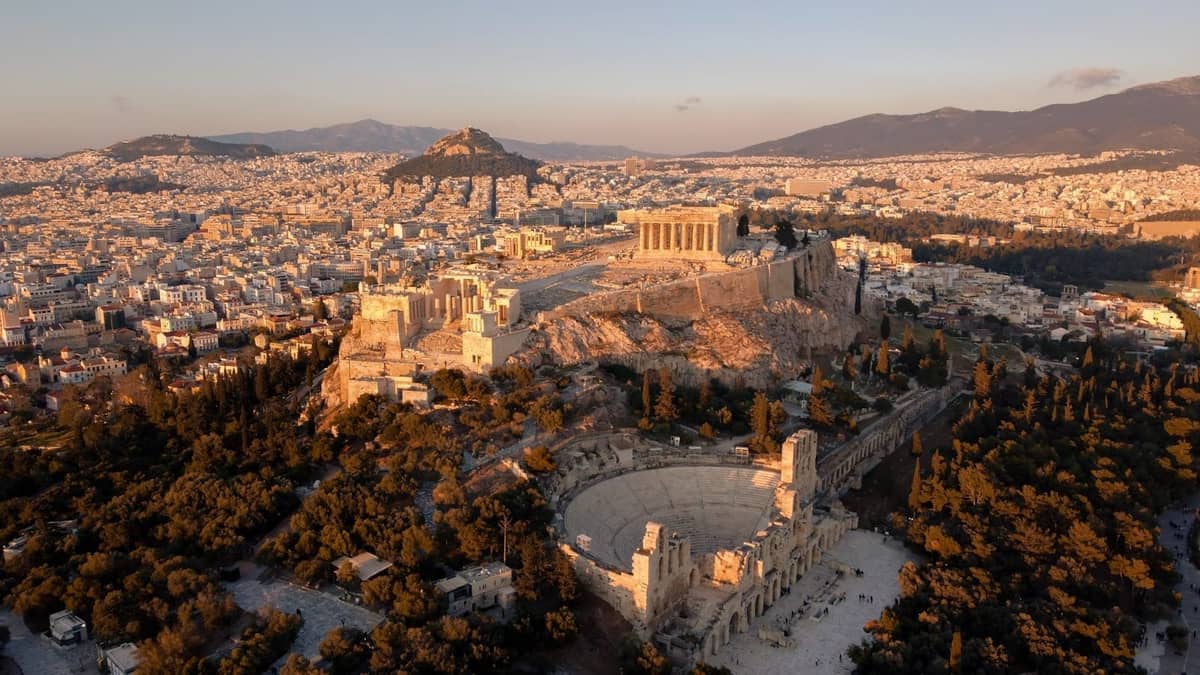
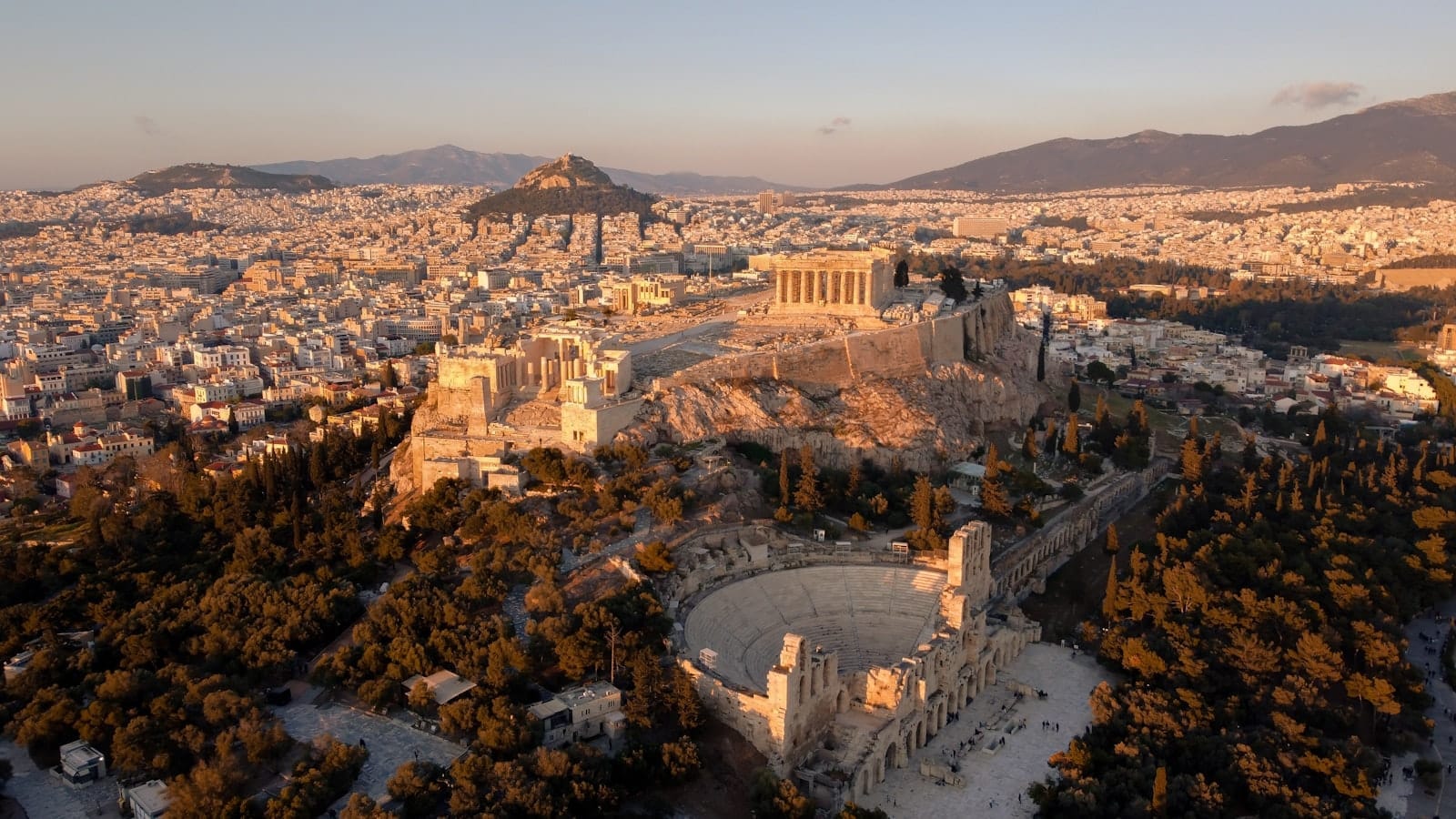
Start with the Acropolis on Day 1, ideally in your first timed slot of the morning (08:00 or 09:00). The site opens at 08:00 in both summer and winter, closing at 20:00 in summer and 17:00 in winter. Arriving early does two things: the light is better for photography, and the crowds are thin. By 10:30, tour groups have arrived in force and the Propylaea becomes a bottleneck. Plan for 1.5 to 2 hours on the hill.
After the Acropolis, walk down the southern slope past the Theatre of Dionysus and along Dionysiou Areopagitou street to the Acropolis Museum. This is genuinely one of Europe's best archaeological museums, not a consolation prize for what you just saw on the hill. The Parthenon Gallery on the top floor, with original frieze sections displayed alongside plaster casts of the pieces in London, makes a quiet but pointed argument. Allow 2 hours minimum.
After lunch in the Plaka or Monastiraki area, spend the afternoon at the Ancient Agora. The site includes the remarkably well-preserved Temple of Hephaestus and the reconstructed Stoa of Attalos, which houses the Agora Museum. The Agora is less crowded than the Acropolis and takes most people by surprise with how much there is to see. Budget 1.5 hours. Finish the day wandering the stalls of the Monastiraki Flea Market and picking a spot for dinner in Psyrri.
💡 Local tip
Wear proper shoes on Day 1. The Acropolis rock surfaces are uneven marble, polished smooth by millions of visitors. Flip-flops and fashion sneakers are a genuine hazard, not a minor inconvenience. Bring at least 1.5 liters of water in summer — there are no shade structures on the hill itself.
Day 2: Roman Athens, Syntagma, and Kolonaki
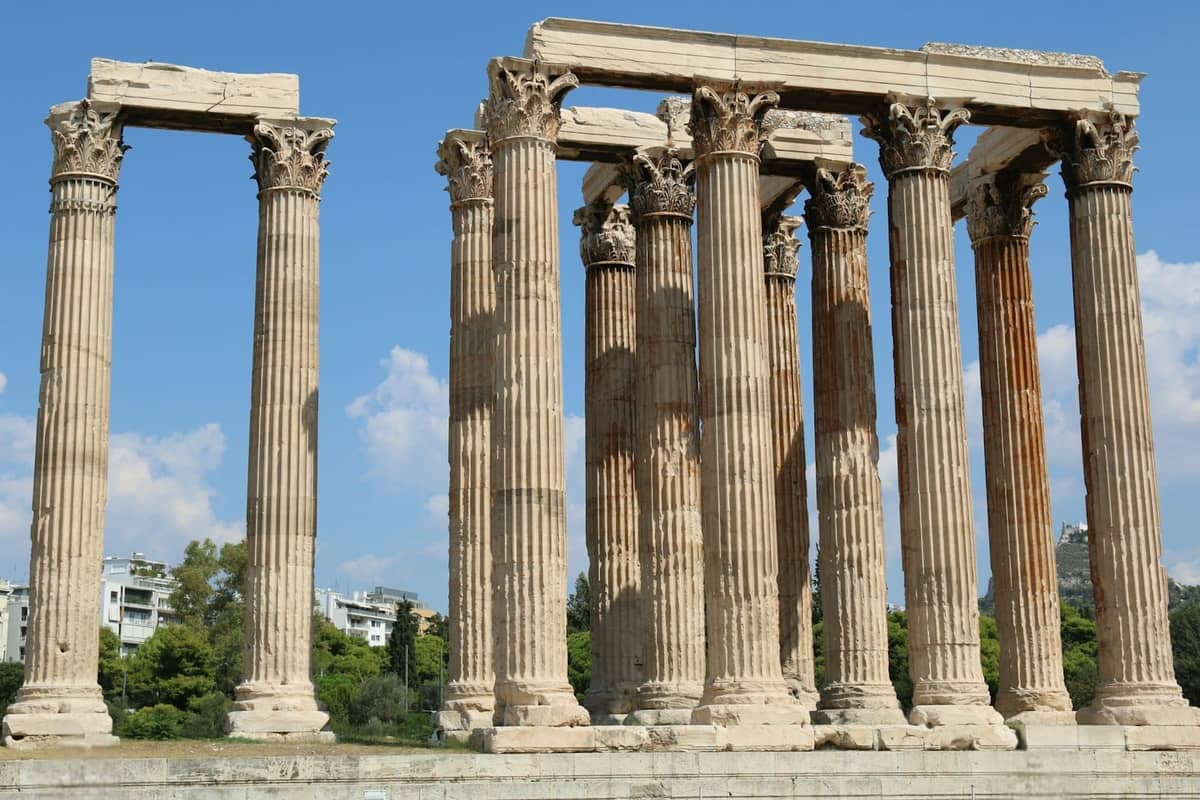
Day 2 covers the Roman-era sites and the city's more polished central neighborhoods. Start at the Temple of Olympian Zeus, which is best in morning light before the heat builds. Only 15 of the original 104 Corinthian columns remain standing, but their scale — each column is over 17 meters tall — makes it one of the most arresting ruins in Athens despite the relatively sparse remains. Hadrian's Arch sits just outside the site boundary and is free to photograph from the street.
From there, walk north to the Roman Agora and Hadrian's Library, both within a few minutes of Monastiraki Square. These are separate ticketed sites but quick visits: the Roman Agora is famous for the Tower of the Winds, an octagonal marble clocktower from the 1st century BC. Then walk east to Syntagma Square to watch the changing of the Evzone guard at the Tomb of the Unknown Soldier outside the Hellenic Parliament. The full ceremonial change happens every hour; the more elaborate Sunday version at 11:00 draws large crowds.
After lunch, take the funicular or a taxi up Mount Lycabettus for the best panoramic view of Athens and the Acropolis below. The hill rises to 277 meters and on clear days you can see across to the Saronic Gulf. You can hike up in about 20 minutes via a steep path from Kolonaki, but the funicular saves the effort and is worth it if you are already tired from two days of walking. Spend the late afternoon browsing the boutiques and galleries of Kolonaki and pick a restaurant there for dinner.
✨ Pro tip
The Panathenaic Stadium (Kallimarmaro) is a 10-minute walk from the Temple of Olympian Zeus and worth a short detour. It is the only stadium in the world built entirely of marble and hosted the first modern Olympic Games in 1896. You can walk the track. Entry is roughly €12 for adults (reduced €6), verify current pricing at panathenaicstadium.gr before travel.
Day 3: Museums, Markets, and a Possible Day Trip
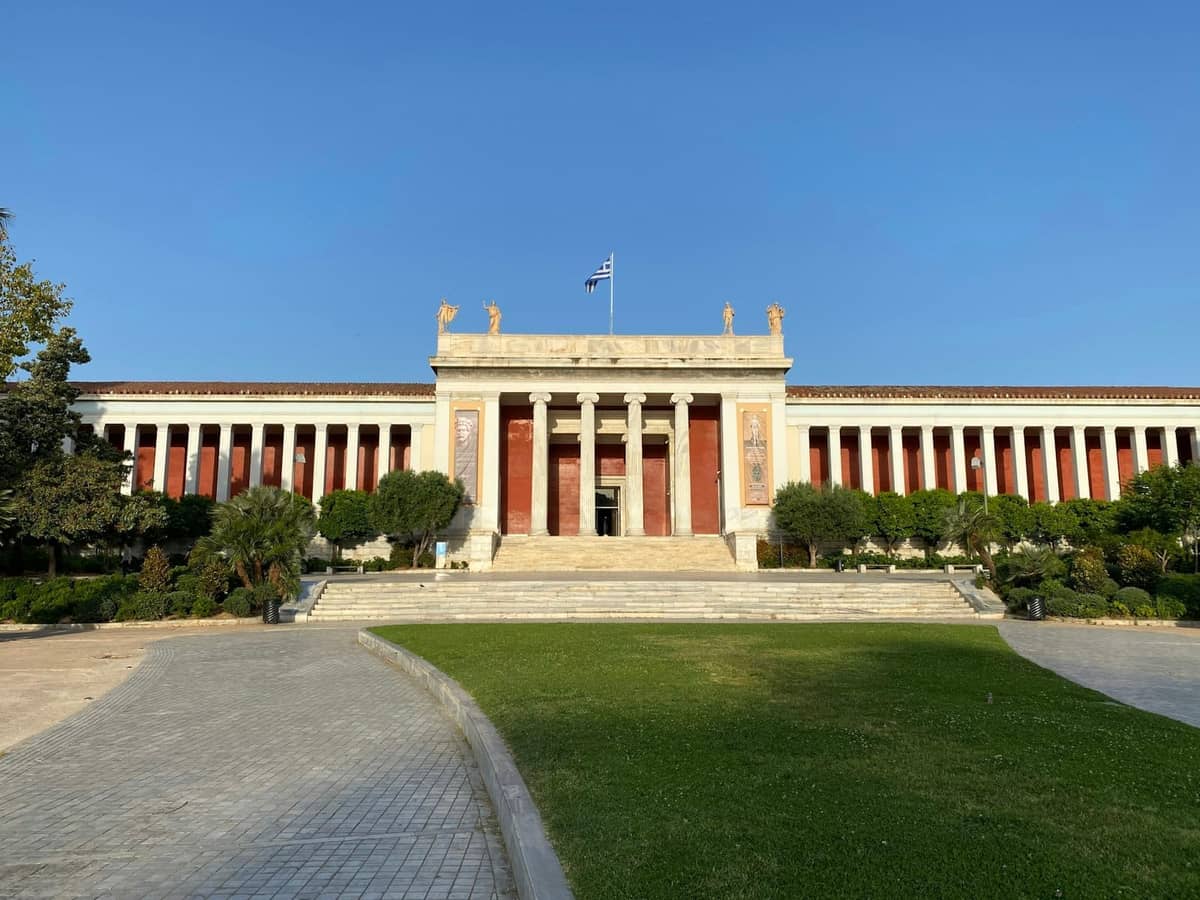
Save the National Archaeological Museum for Day 3. It is the largest archaeological museum in Greece and one of the most important in the world, housing finds from across the country including the Antikythera Mechanism, the Mask of Agamemnon, and the Artemision Bronze. Plan 2.5 to 3 hours minimum to do it justice, and go in the morning when you still have energy. The museum is located about 1 km north of Omonia Square, a 15-minute walk or short metro ride from the city center.
If museums are not your focus, Day 3 is a good candidate for the Cape Sounion day trip to see the Temple of Poseidon on the southern tip of Attica. The drive takes about 1.5 hours by car or 2 hours by bus from central Athens. The site sits on a clifftop 60 meters above the sea with views across to the islands. Go in late afternoon to catch the sunset, which is genuinely spectacular from this location. Return to Athens in the evening.
Alternatively, spend the afternoon at the Benaki Museum in Kolonaki (open Mon, Wed, Fri, Sat 10:00-18:00; Thu 10:00-24:00; Sun 10:00-16:00; closed Tuesday; standard ticket €12, concessions €9), which covers Greek history from prehistory to the 20th century in a beautifully curated private collection. Then walk through the Athens Central Market (Varvakios Agora) near Omonia for a completely different Athens — butchers, fishmongers, spice stalls, and locals doing their actual shopping.
Neighborhoods Worth Knowing
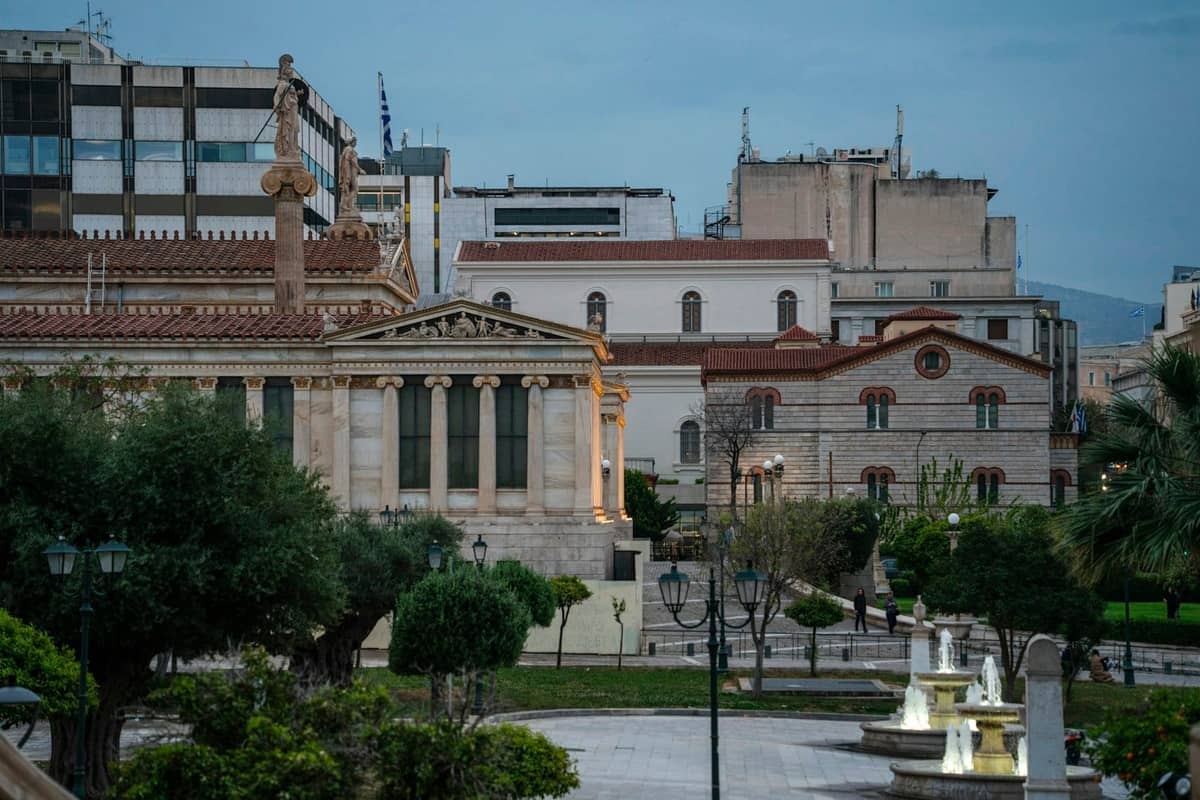
Athens is a city of distinct neighborhoods, each with its own character. Plaka is the historic quarter on the Acropolis slopes, with narrow streets and neoclassical buildings. It is touristy but genuinely atmospheric, especially in the evening. Psyrri sits just north and has a grittier mix of workshops, street art, and some of Athens' better bars and restaurants. Thisio is the pedestrianized zone along Apostolou Pavlou street, calm and green, ideal for a morning coffee with a view of the Acropolis and Philopappos Hill.
- Plaka Tourist-facing but the right place for a slow evening dinner. Avoid the restaurants with aggressive touts standing outside — they are uniformly mediocre.
- Monastiraki Central hub with the flea market, excellent street food, and the Monastiraki Square rooftop bars with Acropolis views. Gets crowded but stays lively until late.
- Kolonaki Upscale neighborhood for shopping, cafe culture, and the Benaki Museum. A different register from the ancient-site belt — useful for a change of pace on Day 2 or 3.
- Exarchia The politically active, student-heavy district north of Kolonaki. Interesting street art and cheap tavernas. Not for everyone, but offers a real counterpoint to the polished tourist areas.
- Koukaki Residential neighborhood south of the Acropolis Museum, now full of good coffee shops and small restaurants. A better place to stay than Plaka if you want some local feel.
Practical Details: Eating, Getting Around, and Staying
Athens is a compact city for walking between the main sites. The Acropolis, Ancient Agora, Roman Agora, Monastiraki, and Plaka are all within a 15-minute walk of each other. The Metro is clean, reliable, and cheap for longer distances. Line 1 (Green) runs from Piraeus to Kifisia; Line 2 (Red) and Line 3 (Blue) cover the central-to-northern zones. A single journey ticket costs €1.20 (verify current fares via OASA before travel). For food guidance across the city's neighborhoods, the Athens food guide is a good companion.
Where you stay shapes how you use your three days. Staying in Monastiraki or Koukaki puts you within walking distance of all Day 1 sites. Syntagma is convenient for transport connections. For a full breakdown of neighborhoods and hotel options across budget ranges, the where to stay in Athens guide covers the trade-offs honestly.
- Book Acropolis timed-entry tickets through the official Hellenic Ministry of Culture e-ticket platform as soon as your dates are confirmed.
- Book the Acropolis Museum separately — it is not included in the Acropolis ticket.
- Check the Benaki Museum's closure day (Tuesday) when planning Day 2 or 3.
- Carry cash: some smaller tavernas, market stalls, and taxis still prefer it even if cards are technically accepted.
- Tipping is not mandatory; rounding up or leaving 5-10% in restaurants is standard and appreciated.
- Greece uses Type C and Type F sockets at 230V/50Hz — bring an adapter if your devices require one.
- Athens tap water is safe to drink in the city center.
- Emergency number: 112 (EU standard). Tourist police: 171.
ℹ️ Good to know
Greece is part of the Schengen Area. Most visitors from the US, UK, Canada, and Australia can stay up to 90 days in any 180-day period without a visa. EU and EEA nationals enter freely. Always verify entry requirements with official government sources before travel, as rules change.
FAQ
Do I need to book Acropolis tickets in advance?
Yes. As of 2026, timed entry is mandatory for the Acropolis. During peak season (April-October), slots sell out 5-7 days in advance, particularly on weekends. Book through the official Hellenic Ministry of Culture e-ticket platform. The Acropolis Museum requires a separate booking.
How much does it cost to visit the Acropolis?
The standard adult ticket is €30 year-round. The former seasonal winter discount has been abolished. Each additional archaeological site (Ancient Agora, Roman Agora, Hadrian's Library, etc.) carries its own entry fee, so costs add up quickly if you are visiting multiple sites. Verify current pricing before travel.
Is 3 days enough time for Athens?
Three full days is enough to cover the major ancient sites, the Acropolis Museum, one or two additional museums, and several neighborhoods at a reasonable pace. It does not leave room for day trips and museum marathons simultaneously — you need to prioritize. A fourth day opens up options like Cape Sounion or deeper exploration of neighborhoods like Exarchia or the Athenian Riviera.
What is the best time of year to spend 3 days in Athens?
April-June and September-October are the most comfortable months for long days of walking. Temperatures are moderate (roughly 17-25°C in spring, 18-28°C in autumn), crowds are manageable outside of Easter week, and daylight hours are long. July and August are hot, with central Athens regularly reaching 35-38°C and heatwaves above 40°C; the Acropolis and Lycabettus hikes become genuinely demanding. Winter (December-February) is mild (13-15°C) and crowd-free but some sites have shorter hours.
Can I get from Athens airport to the city center without a taxi?
Yes, easily. Metro Line 3 (Blue Line) runs from Athens International Airport to Syntagma Square in about 40 minutes and is the most straightforward option. The X95 express bus covers the same route in 40-60 minutes and runs 24/7. Both are significantly cheaper than a taxi, though official flat-rate taxis are available from the arrivals queue and are metered and regulated. Verify current fares on the airport's official website before travel.