What to Eat in Athens: A Complete Guide to Greek Food & Cuisine
Athens is one of the best cities in Europe to eat well without spending much. This guide covers the essential dishes, where to find them, realistic prices for 2026, and how to avoid the tourist traps that line the most photographed streets in the city.
Plan and book this trip
Tools from our partner Travelpayouts help you compare flights and hotels. If you book through them, we may earn a commission at no extra cost to you.
Flights
Hotels map
TL;DR
- A gyros or souvlaki wrap costs €3–5 in non-touristy areas; a full taverna dinner runs €15–25 per person.
- The essential dishes to try: souvlaki, moussaka, spanakopita, fresh grilled fish, meze platters, and loukoumades.
- Eat in Psyrri, Koukaki, or Exarchia for honest pricing; avoid the overlit tavernas directly facing the Acropolis.
- Budget travelers can eat well on €15–30 per day; mid-range diners should expect €40–70.
- Visit the Athens Central Market (Varvakios Agora) for the most immersive and affordable food experience in the city.
The Dishes You Need to Try in Athens
Greek cuisine is not complicated. It relies on high-quality olive oil, seasonal produce, legumes, grilled meats, and seafood, combined in ways that have barely changed for centuries. What makes Athens a great food city is the concentration: within a few square kilometers, you can eat a proper souvlaki for €4, share a dozen meze dishes with house wine for €15 per head, or sit down to a serious modern Greek tasting menu. The key is knowing which dish to order where.
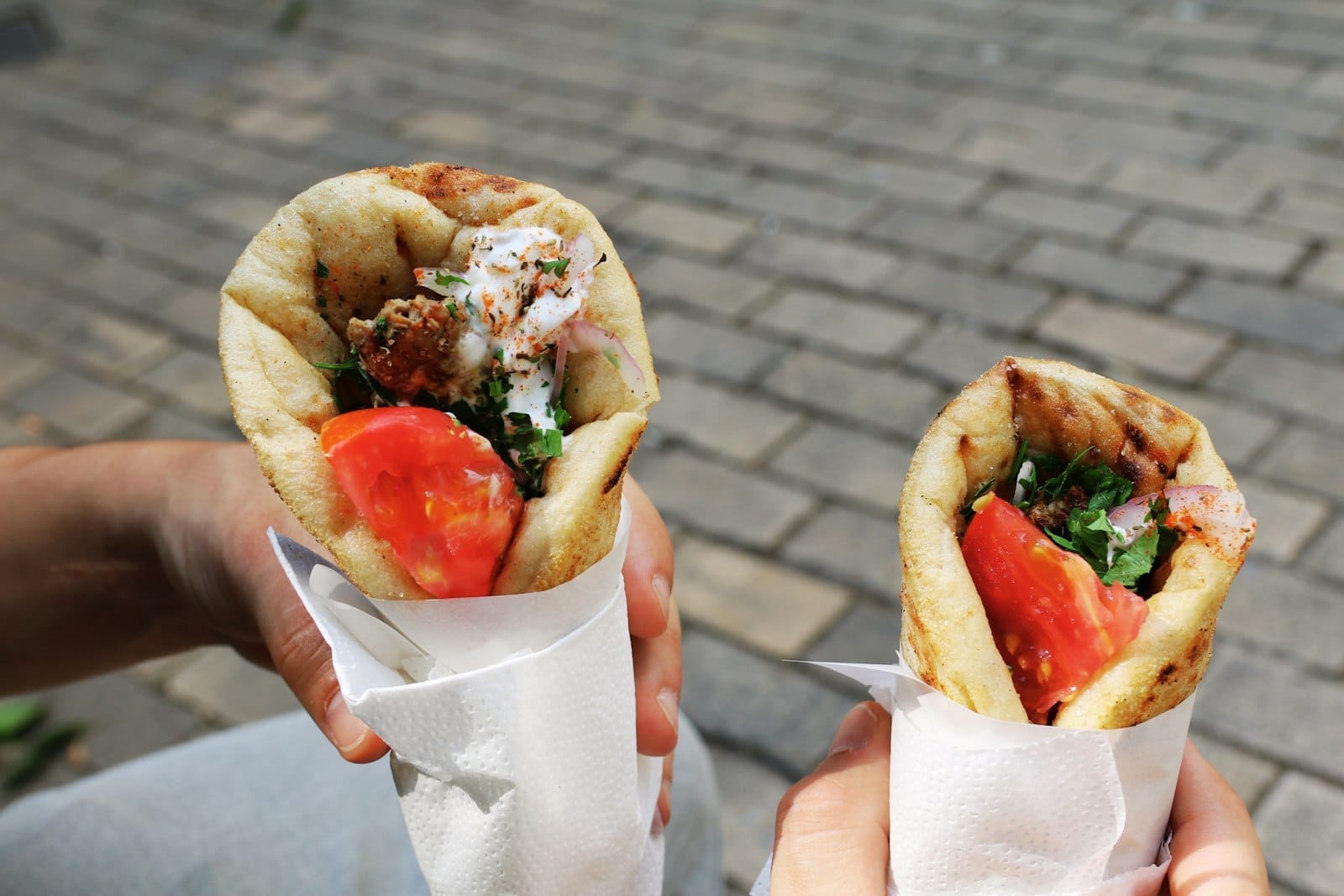
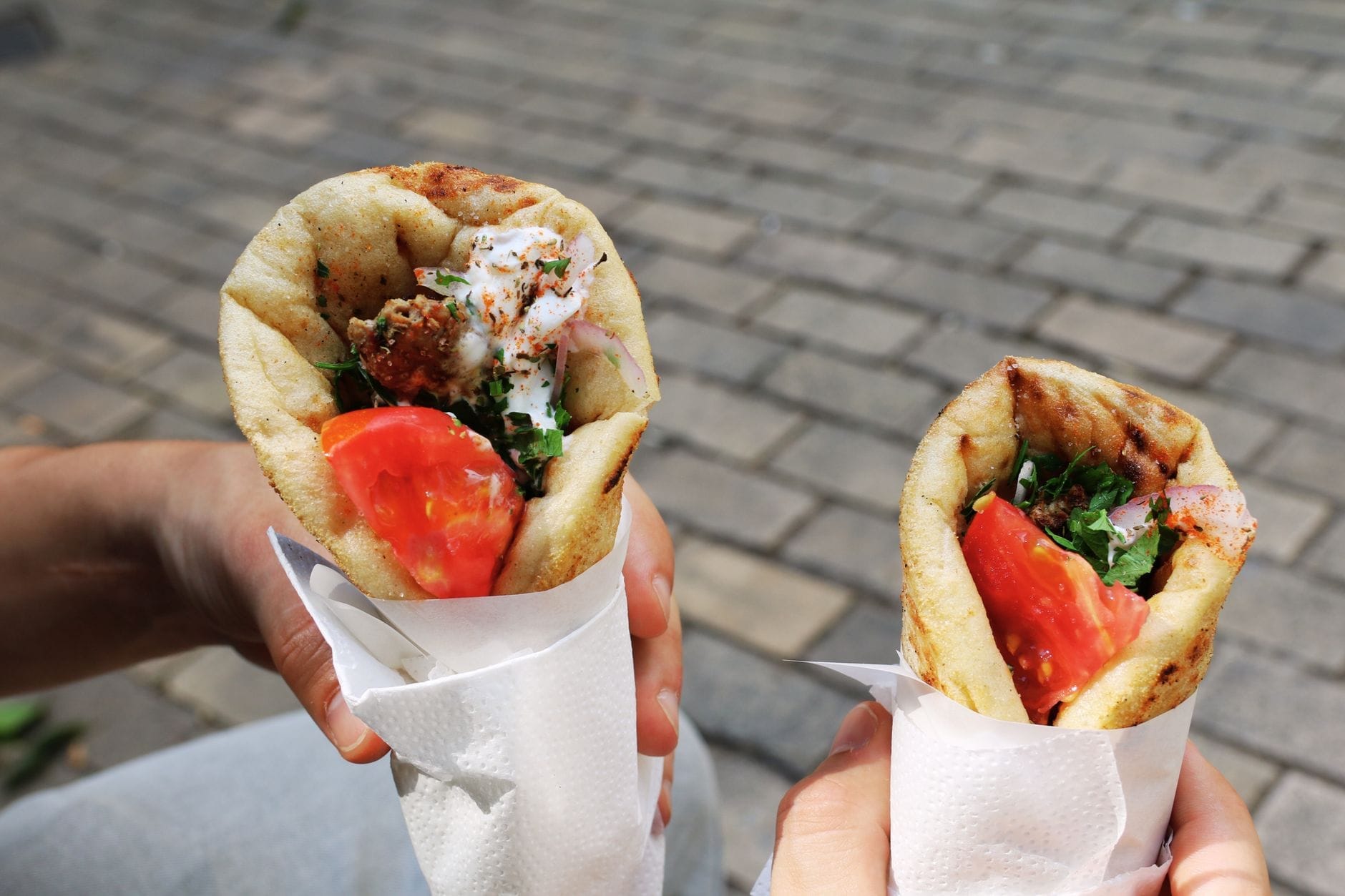
- Souvlaki and Gyros The street food backbone of Athens. Souvlaki is grilled pork (or chicken) on a skewer; gyros is meat cooked on a vertical rotisserie and shaved into a pita with tomatoes, onions, and tzatziki. Expect to pay €3–5 per wrap in neighborhood shops, more near Monastiraki Square.
- Moussaka Layers of minced meat (usually beef or lamb), aubergine, and béchamel baked in a deep tray. A standard taverna portion runs €10–14. It is often better at lunch, freshly made, than as a reheated evening portion.
- Meze A spread of small dishes ordered for the table: taramosalata (cured fish roe dip), melitzanosalata (roasted aubergine), dolmades (stuffed vine leaves), saganaki (fried cheese), and grilled octopus. Mezedopoleia restaurants specialize in these. Budget €12–18 per person for a generous spread with wine.
- Spanakopita and Tyropita Filo pastry pies filled with spinach and feta (spanakopita) or cheese alone (tyropita). Bakeries sell individual portions from around €2. A fast, cheap, and genuinely satisfying street snack.
- Fresh Grilled Fish and Seafood Grilled whole fish (sea bream, sea bass, red mullet), fried calamari, and grilled octopus are the highlights. Priced by weight at most tavernas, so ask before ordering. Fish tavernas in Piraeus and the coastal suburbs tend to offer better value than those near the Plaka tourist circuit.
- Loukoumades Hot fried dough balls drizzled with honey and cinnamon, sometimes with walnuts or sesame. A traditional Athenian sweet that goes back centuries. A small serving costs around €4–6 depending on toppings.
💡 Local tip
Order the house wine (hima krasi) in tavernas. It is usually sourced locally, served in a small metal jug or carafe, and costs €8–12 per half-litre. It is almost always better value and often more interesting than the bottled options on the menu.
Where to Eat in Athens: A Neighborhood Breakdown
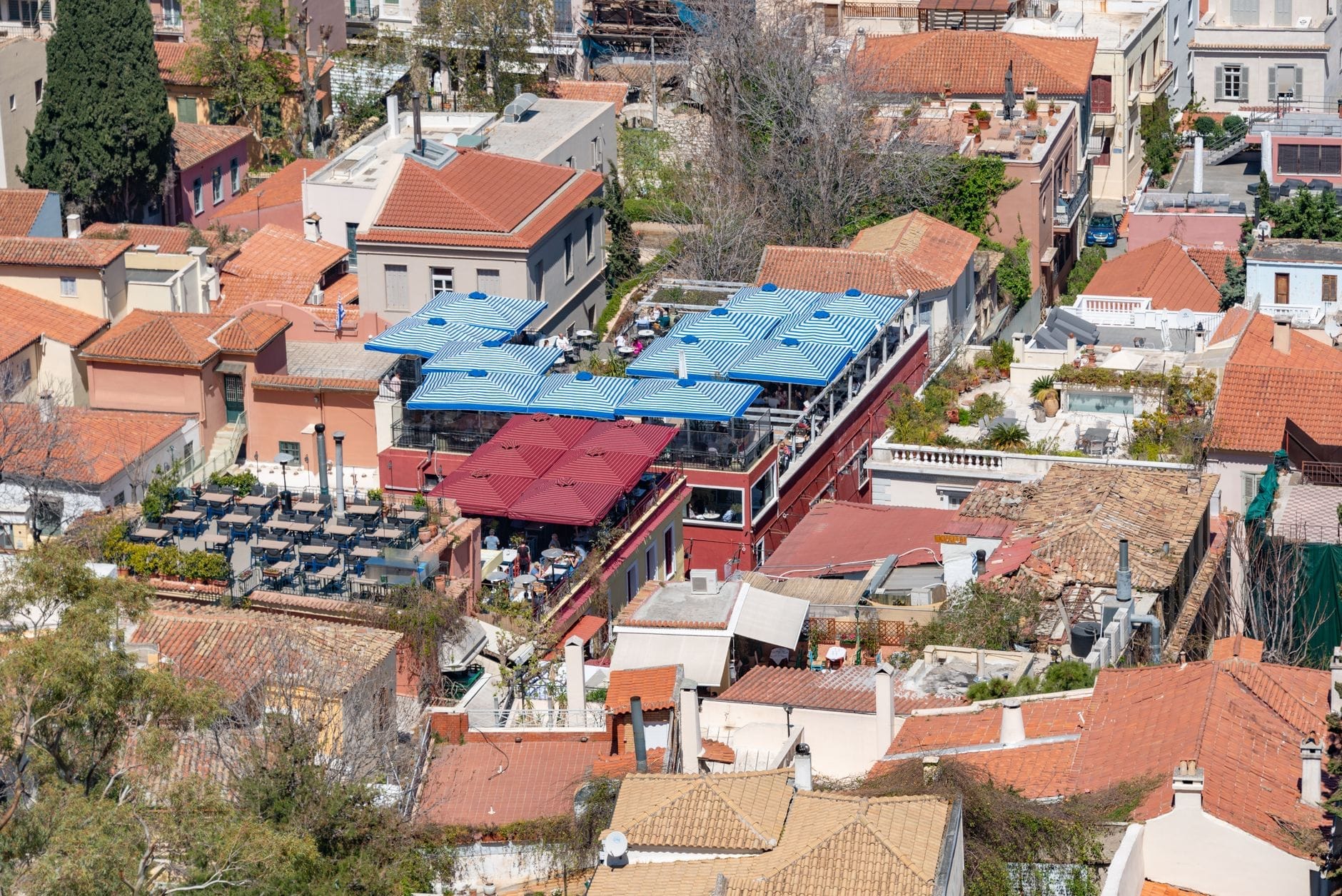
The neighborhood you eat in matters as much as the restaurant you choose. Plakaand the streets directly below the Acropolis have some of the most scenic dining settings in Europe, but also some of the most inflated menus. You can still find good food there, but you need to be selective. Move one or two streets away from the main pedestrian drag and prices drop noticeably.
PsyrriPsyrri is the best all-round area for food. It has a mix of traditional mezedopoleia, modern Greek restaurants, and late-night spots, all within a compact grid of streets. Prices are honest, the quality is generally good, and it is close enough to the Monastiraki metro station to be convenient from anywhere in the city.
Koukaki, the residential neighborhood just south of the Acropolis Museum, has quietly become one of the better eating areas in the city. It is a neighborhood where Athenians actually live, which keeps prices grounded. You will find small wine bars, modern Greek bistros, and good bakeries alongside family-run tavernas.
Kolonaki caters to a wealthier local crowd and has the prices to match. It is the right area for coffee, pastries, and upscale Greek cuisine, but not where you eat on a budget. Monastiraki and the adjoining flea market area offer everything from fast souvlaki stalls to rooftop restaurants with direct Acropolis views. Those views come at a premium of roughly €5–10 per dish compared to equivalent food without a view.
⚠️ What to skip
Restaurants that place laminated photo menus directly in your path or have staff outside actively pulling you in are almost always overpriced and mediocre. This is particularly common on Adrianou Street in Plaka and directly around Monastiraki Square. Walk past them.
Athens Food Markets and Grocery Shopping
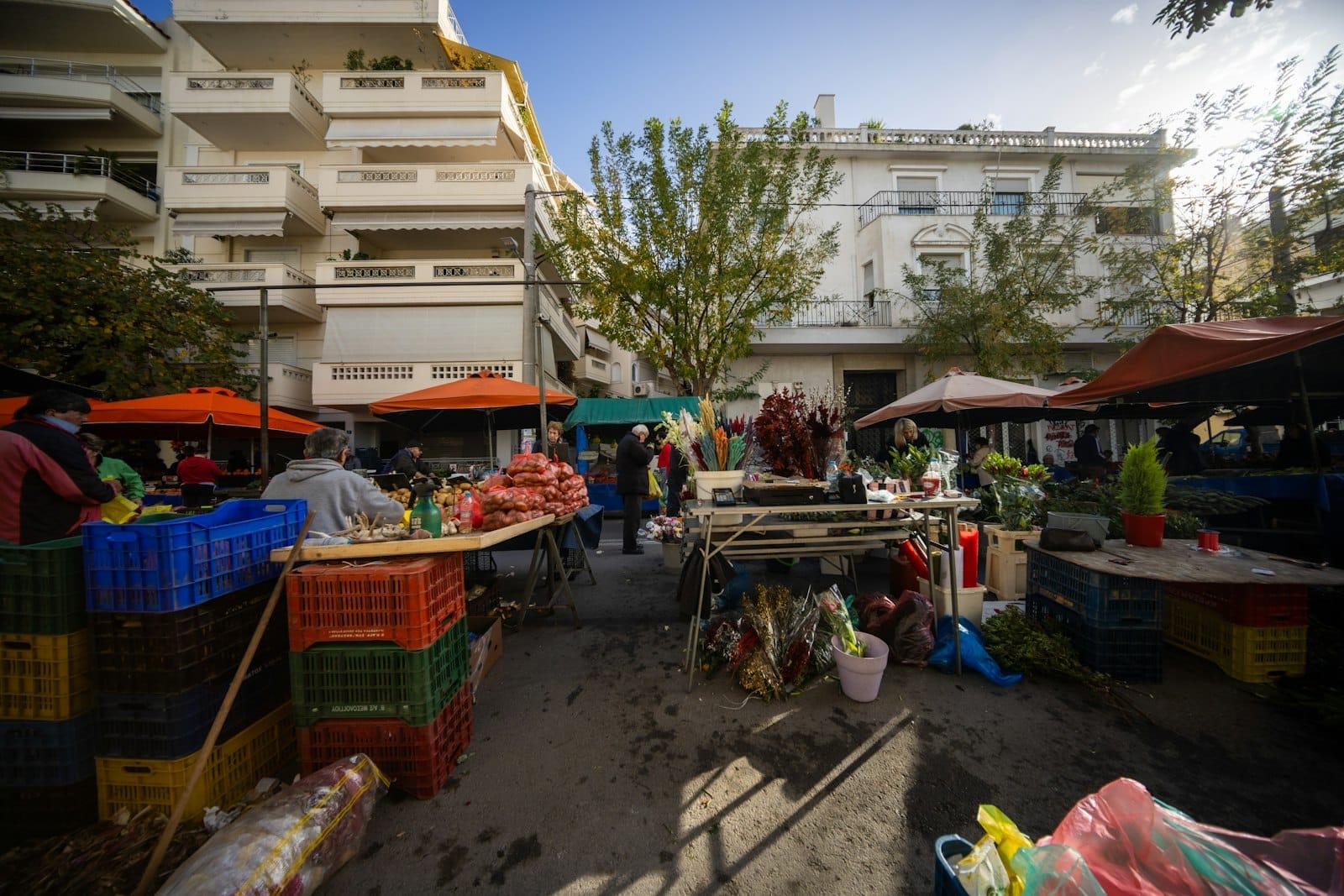
The Athens Central Market (Varvakios Agora) on Athinas Street is the city's main covered food market and one of the most visually striking food experiences in Greece. The meat and fish halls occupy the main building, while the surrounding streets are lined with stalls selling fresh produce, olives, nuts, herbs, cheese, and spices. Go between 7am and 1pm on a weekday for the full experience; Saturday mornings are busy but worth it. It is free to enter and the best place to understand what is actually in season.
For picnic supplies and self-catering, the market streets around Athinas and Evripidou are excellent. You can assemble a proper spread: a wedge of feta, olives marinated in herbs, bread from a bakery, tarama, and fresh fruit, for under €10 per person. This is also how many Athenians eat on working days.
✨ Pro tip
Evripidou Street, running just north of the Central Market, is lined with spice and herb shops selling Greek oregano, mountain tea, dried chamomile, and mastic products. These make excellent and genuinely useful gifts, and cost a fraction of what you would pay in tourist shops near the Acropolis.
Realistic Food Prices in Athens (2026)
Athens is still cheaper than most Western European capitals for food, but the gap has narrowed significantly over the past few years. Prices in tourist-heavy neighborhoods have risen steeply. The idea that Athens is uniformly cheap for eating out is now outdated, particularly if you are dining in central areas during the summer high season from June through September.
- Souvlaki or gyros wrap: €3–5 (local shop), up to €7–8 near major tourist sites
- Bakery pie (spanakopita, tyropita): €1.50–3
- Freddo espresso or cappuccino: €3–5
- Casual taverna lunch, one main course, no alcohol: €10–20 per person
- Full taverna dinner with starter, main, and house wine: €15–25 per person
- Three-course dinner for two at a mid-range restaurant with wine: €40–60
- Fine dining without Michelin status: €30–60 per person
- House wine (hima) per half-litre carafe: €8–12
- Beer at a restaurant or bar: €3–6
- Street loukoumades: €4–6 per serving
For travelers managing a tight budget, the Athens on a budget guide covers how to keep daily food costs at €15–30 by combining bakery breakfasts, market lunches, and one sit-down taverna meal per day. Mid-range travelers spending €40–70 per day on food can eat very well, with room for a proper dinner with wine every night.
Greek Coffee Culture: What to Order and Where
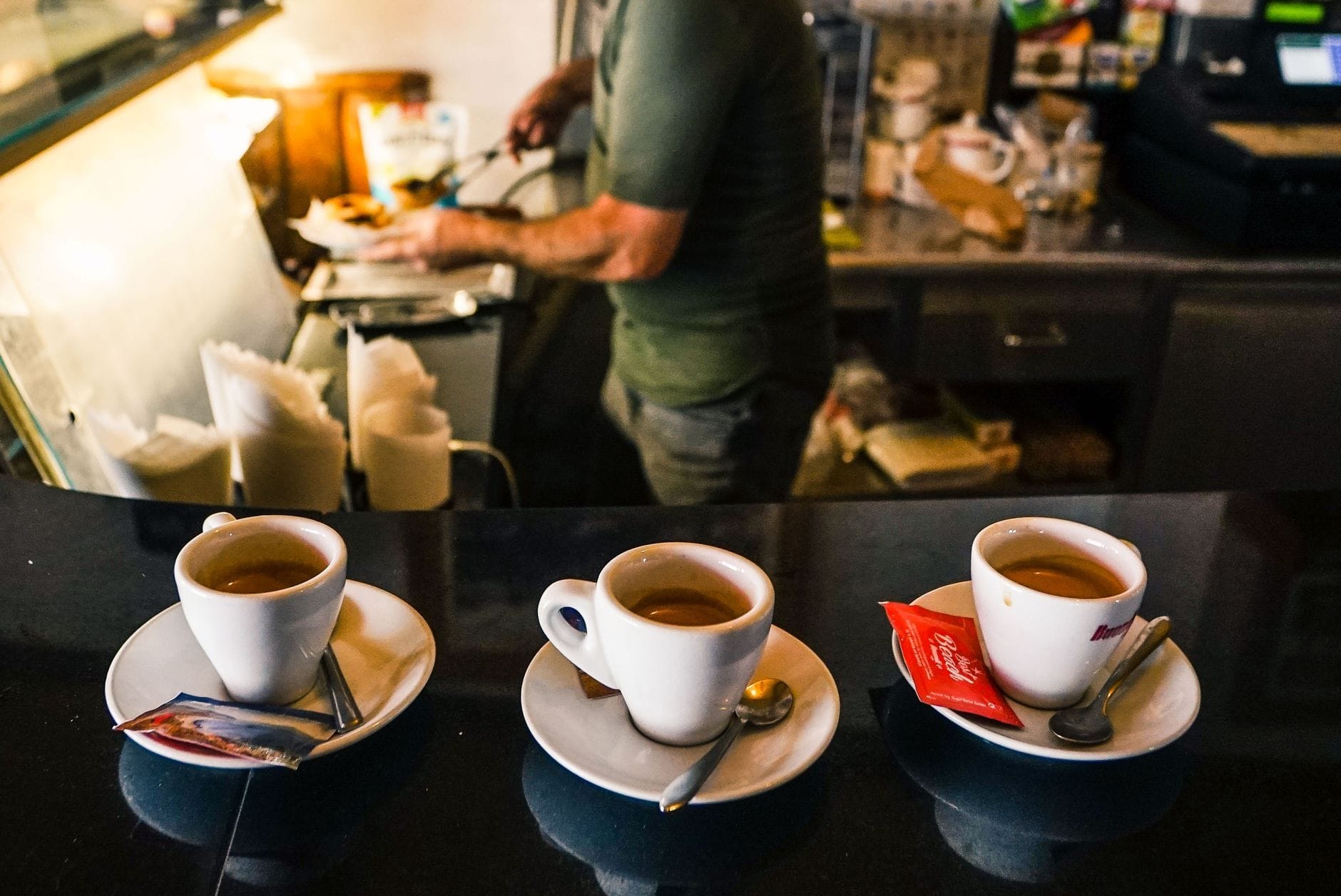
Coffee in Athens is taken seriously and ordered slowly. The city does not do quick takeaway culture the way London or New York does. Athenians sit with their coffee, often for an hour or more. There are two drinks you should know about before you order.
The freddo espresso is a double shot of espresso shaken with ice until it becomes cold and frothy, then poured over ice. The freddo cappuccino adds cold frothed milk on top. Both cost €3–5 and are the standard warm-weather order. In winter, the classic Greek frappé, instant coffee shaken with water and ice, is still widely drunk, though younger cafes increasingly favor filter and specialty options. Traditional Greek coffee (ellinikós kafés) is brewed in a small copper pot called a briki and served with the grounds in the cup. Do not drain the last sip.
The best cafes are concentrated in Kolonaki, around Exarchia, and along the pedestrianized streets near the Acropolis. If you want to sit somewhere with a serious view while drinking your coffee, the rooftop cafes in Monastiraki and near Mount Lycabettus deliver, though you will pay €5–7 for the privilege.
Food Tips That Will Actually Save You Money
- Eat lunch instead of dinner at destination restaurants Many tavernas and mid-range restaurants offer the same dishes at lunch for 20–30% less than the dinner menu. Reservations are also rarely needed at lunch.
- Ask if there is a daily special (piato tis imeras) Most traditional tavernas prepare a small number of dishes fresh each day that are not always on the printed menu. These are typically the freshest and best-value options.
- Avoid view premiums unless you want them deliberately Rooftop restaurants with Acropolis views charge €5–15 more per dish compared to identical food elsewhere. That can be worth it for one memorable evening; just do not pay it every meal by accident.
- Tipping is customary but not obligatory Rounding up the bill or leaving 5–10% is standard and appreciated. You are not expected to leave 15–20% as you would in the US. Leaving nothing after good service is slightly awkward, leaving €2–3 on a €25 bill is perfectly appropriate.
- Drink tap water Athens tap water is safe to drink and is freely offered in tavernas. Ordering bottled water when you do not need it adds €2–3 per person per meal unnecessarily.
Seasonal Eating: How Athens Food Changes Through the Year
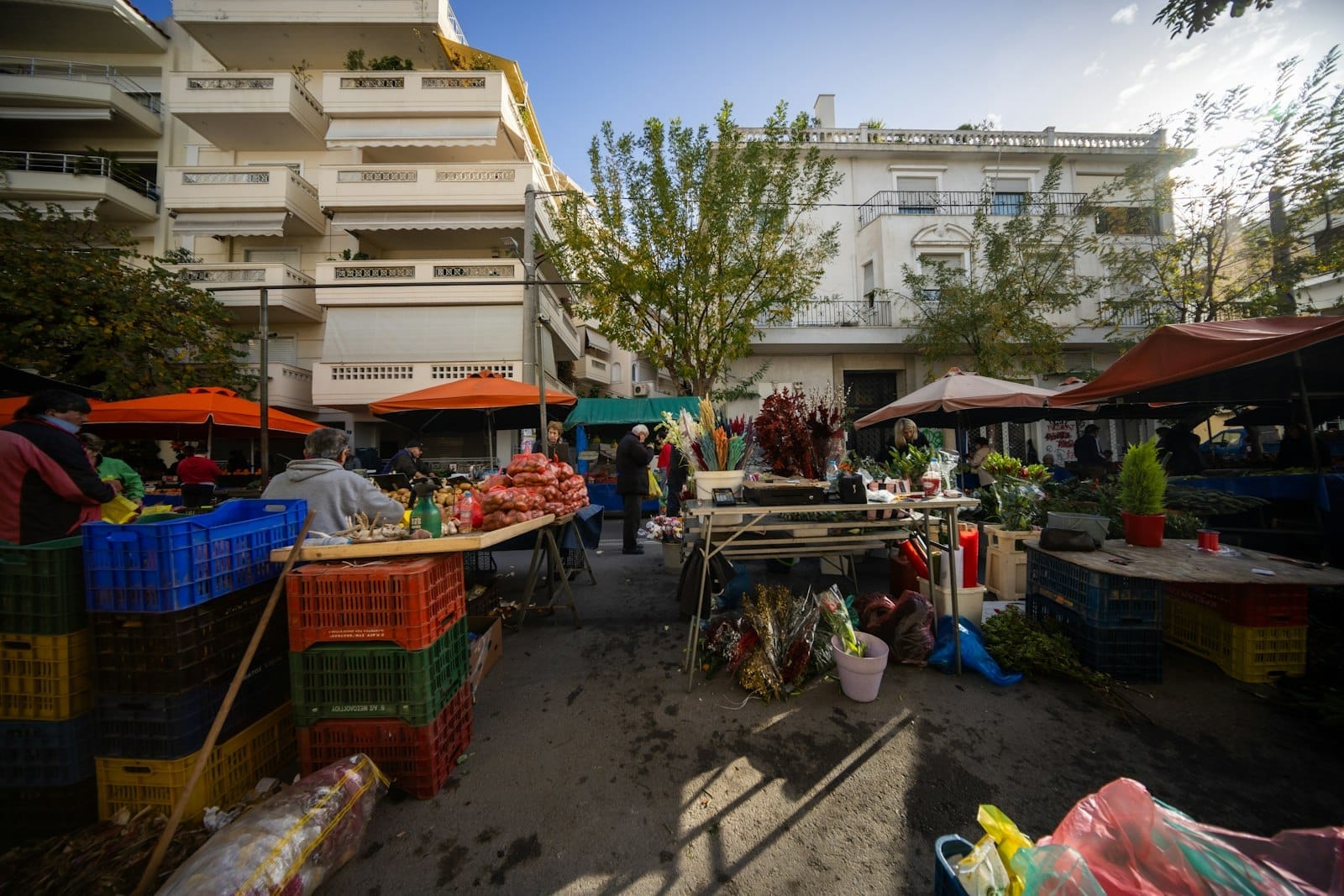
Greek cuisine is more seasonal than the tourist-facing menus suggest. In spring, look for artichokes, broad beans, and wild greens (horta) cooked simply in olive oil. Summer brings aubergine dishes, tomatoes, and fresh seafood at its peak, though July and August are also the months when restaurants in tourist areas are most crowded and prices are highest. September and October are arguably the best months to eat in Athens: the heat drops, the crowds thin, and the autumn harvest brings figs, grapes, and new-season olive oil.
Winter is underrated for food. Slow-cooked bean soups (fasolada, revithia), lamb stews, and lentil dishes are standard cold-weather taverna fare. Fewer tourists means more relaxed service and, in many cases, lower menu prices in neighborhoods that depend on seasonal visitors. The best time to visit Athens for food specifically is April through June or September through November.
FAQ
What is the most popular food in Athens?
Souvlaki and gyros are the most consumed foods day-to-day. For sit-down meals, moussaka, meze platters, and grilled fish are the most ordered dishes in traditional tavernas. Spanakopita from bakeries is a common fast meal for locals throughout the day.
How much should I budget for food per day in Athens?
Budget travelers combining bakery meals, market food, and one taverna meal can manage on €15–30 per day. Mid-range travelers eating at cafes and tavernas twice daily should budget €40–70. Frequent fine dining adds up to €80–120 or more per day.
Where should I avoid eating in Athens?
Avoid restaurants that aggressively solicit passersby with photo menus, especially on Adrianou Street in Plaka and around Monastiraki Square. These spots typically charge 30–50% more than comparable food a few streets away and rarely deliver proportional quality. Rooftop restaurants with Acropolis views can be excellent but verify the menu prices before sitting down.
Is vegetarian food easy to find in Athens?
Yes. Greek cuisine naturally includes many vegetarian dishes: spanakopita, tiropita, gigantes (baked giant beans), various dips, horta (boiled greens), and vegetable-heavy meze. Most tavernas have enough vegetarian options for a full meal without needing a dedicated vegetarian restaurant, though these also exist, particularly in Exarchia and Koukaki.
When do Athenians actually eat dinner?
Dinner in Athens runs late by northern European standards. Most tavernas do not fill up until 9pm, and it is not unusual to sit down at 10pm or even 10:30pm, especially in summer. If you arrive at 7pm you will often be the only customers in the restaurant. Lunch is typically eaten between 2pm and 4pm.