Kolonaki sits on the southern slopes of Mount Lycabettus, a short walk from Syntagma Square and a world apart from the tourist circuit below. Known for its embassies, art galleries, luxury shopping, and well-heeled café terraces, it offers a quieter, more refined side of Athens without sacrificing access to the city's best cultural institutions.
Kolonaki is the neighborhood where Athens straightens its collar. Spread across the lower slopes of Mount Lycabettus and anchored by Filikis Eterias Square, it is the city's most consistently upscale district: a mix of embassies, art galleries, serious museums, and café terraces where Athenians linger over Greek coffee for as long as the afternoon allows.
Orientation
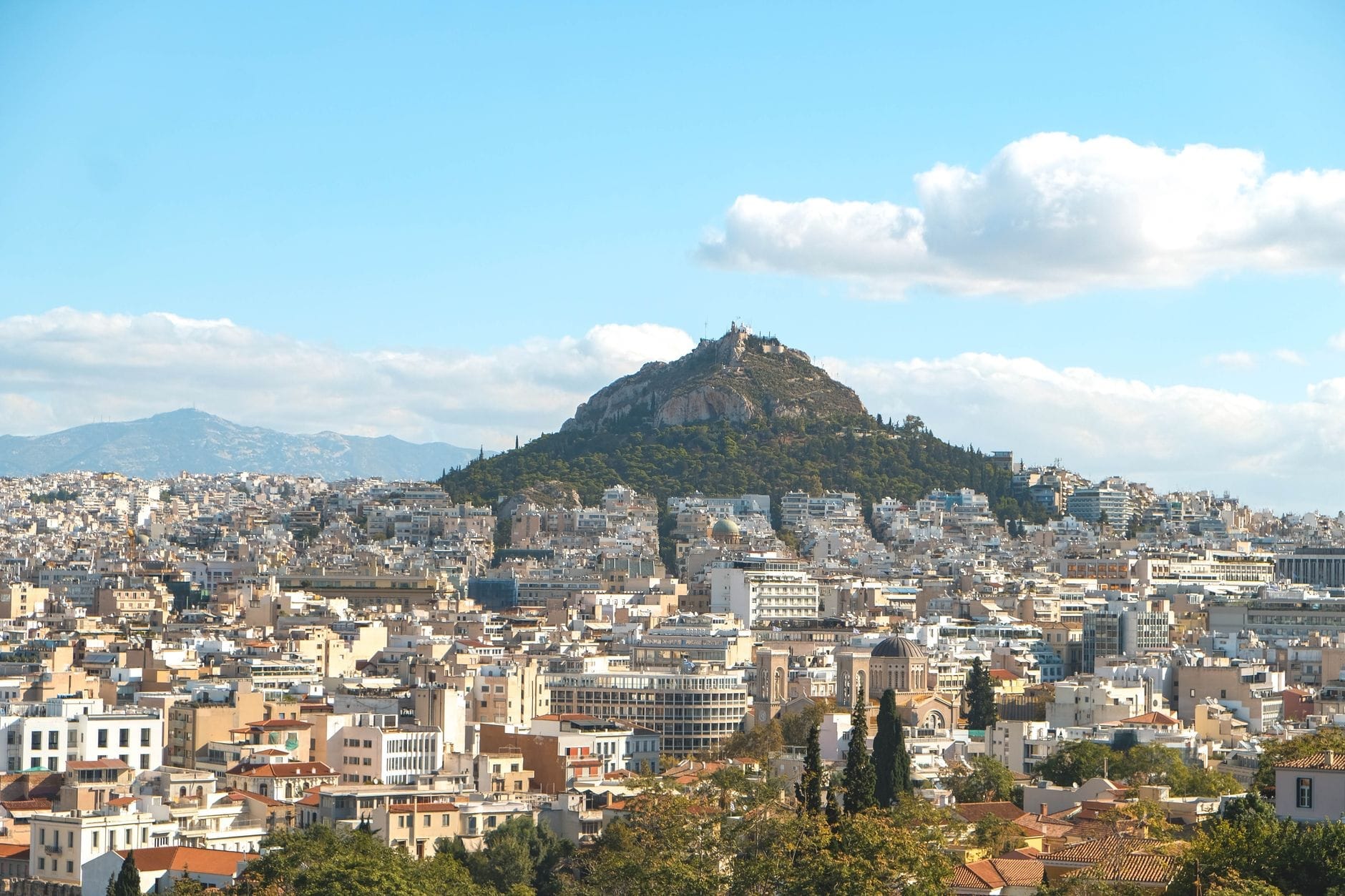
Kolonaki occupies a compact but clearly defined wedge of central Athens, rising from the edge of the National Garden and Syntagma Square in the southwest up toward the wooded summit of Mount Lycabettus in the northeast. The neighborhood's symbolic center is Filikis Eterias Square, commonly called Kolonaki Square after the small ancient column found there during construction, and the name has stuck ever since.
To the south, Kolonaki borders Syntagma and the area around the National Garden of Athens. Walk west and you begin to descend toward the University quarter and eventually Omonia. To the north, the streets tilt steeply upward, growing quieter and leafier as you approach the summit of Mount Lycabettus, which at around 277 meters is one of the highest points within the central city area. Knowing this slope is key to navigating the area: the uphill streets to the northeast are quieter and more residential; the flat streets closer to Kolonaki Square are where most of the commercial life concentrates.
Kolonaki is one of the most central neighborhoods in Athens. It is flanked to the northwest by Exarchia, a district of notably different character, and to the southeast by Pangrati and the area around the Panathenaic Stadium. The Syntagma district is less than a ten-minute walk from Kolonaki Square, which puts the Acropolis, Plaka, and the main metro lines all within comfortable reach on foot.
Character and Atmosphere
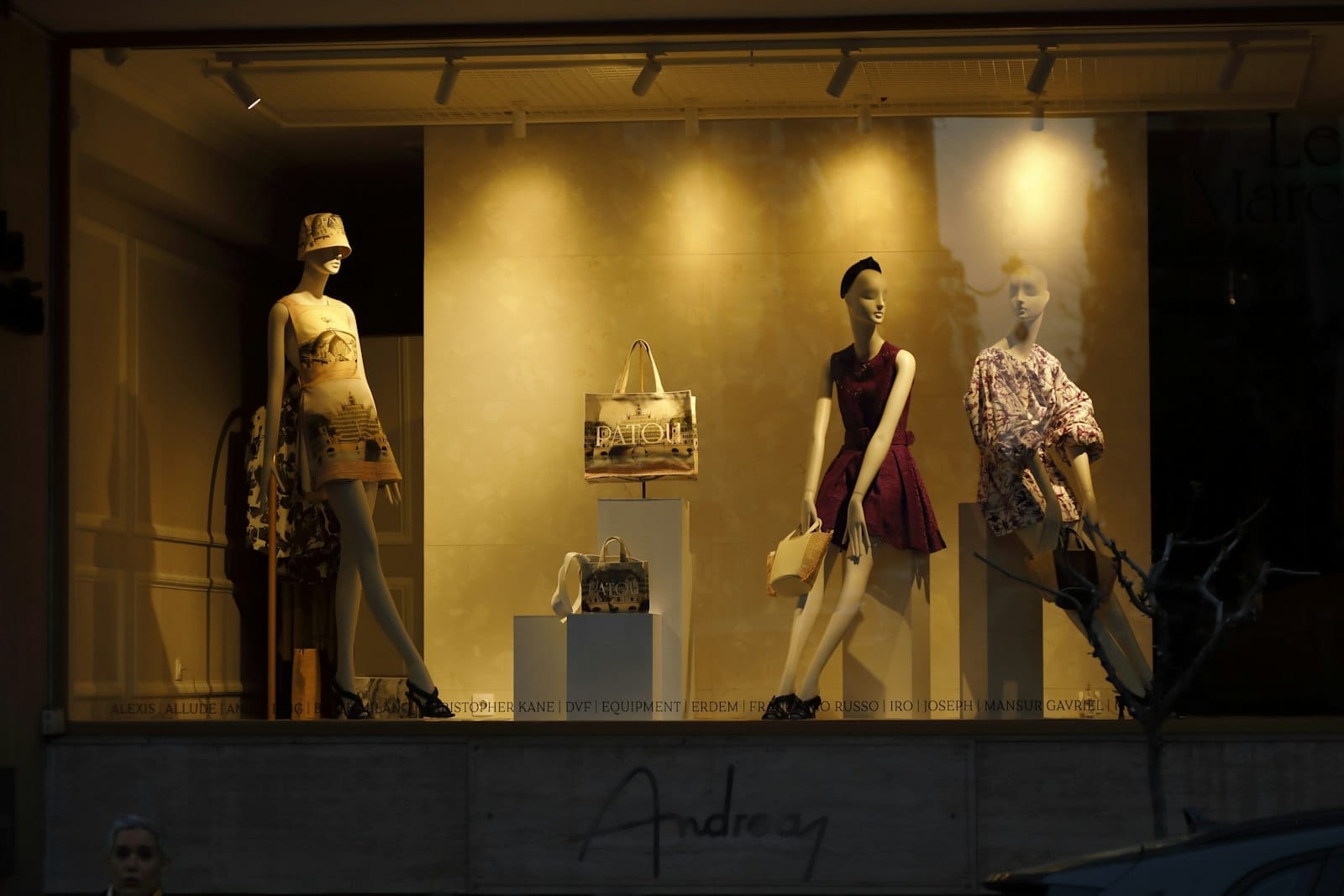
Kolonaki moves at a different pace to the rest of central Athens. The streets are cleaner, the buildings taller and better maintained, the dogs decidedly better groomed. Embassies and private art galleries share blocks with international fashion boutiques and specialist bookshops. There is very little of the souvenir-shop noise that characterizes the neighborhoods closer to the Acropolis.
Mornings in Kolonaki center on the cafés around Filikis Eterias Square and along Tsakalof and Skoufa streets. Athenian café culture treats the morning coffee as a ritual that can legitimately stretch past noon, and nowhere embodies this more than Kolonaki. The clientele tends toward professionals, academics, and residents who have lived here long enough to feel proprietary about their corner table. It is a good place to sit with a freddo espresso and watch the city at its least hurried.
By afternoon, the shopping streets come to life. Patriarchou Ioakeim, Kanari, and the surrounding blocks hold a concentration of Greek designer boutiques, international labels, and independent concept stores. The light in Kolonaki on a clear afternoon is notably good: the neighborhood faces southwest, and the warm-toned neoclassical facades catch the sun in a way that makes the area feel more southern European than the grittier parts of the city.
After dark, the square and the streets immediately around it become a social hub, particularly on weekends. Bars and restaurants fill up, and the outdoor terraces stay occupied well into the night. That said, Kolonaki's nightlife is less chaotic than what you find in Psyrri or Gazi. The sound levels are lower, the crowds older, and the overall feel is closer to a neighborhood restaurant scene than a party district. It is genuinely pleasant rather than overwhelming, which is either a selling point or a drawback depending on what you are looking for.
ℹ️ Good to know
The name 'Kolonaki' translates roughly as 'little column', referring to a small ancient column found during the area's development. Today Filikis Eterias Square is the official name, but virtually everyone in Athens still calls it Kolonaki Square.
What to See and Do
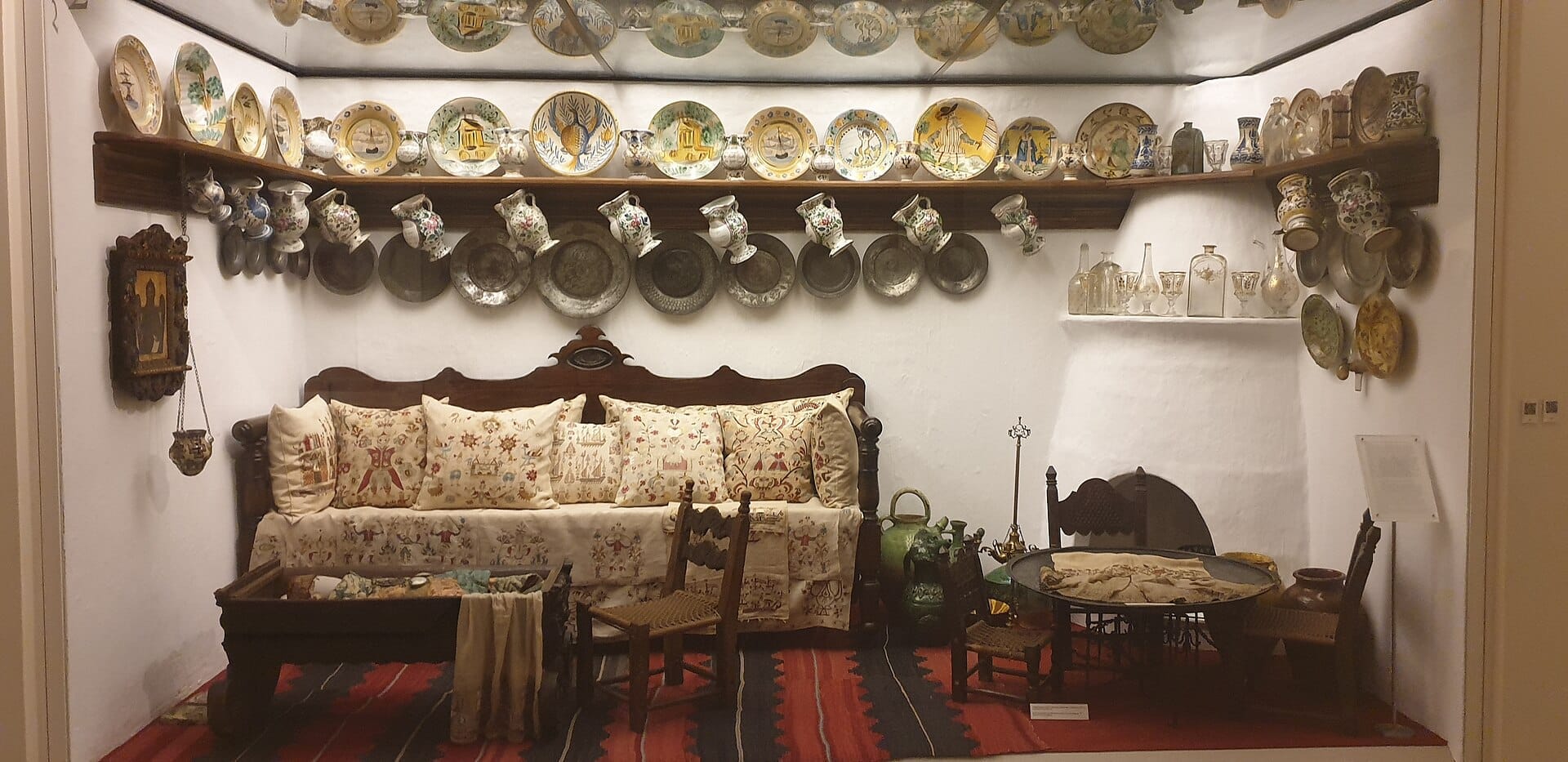
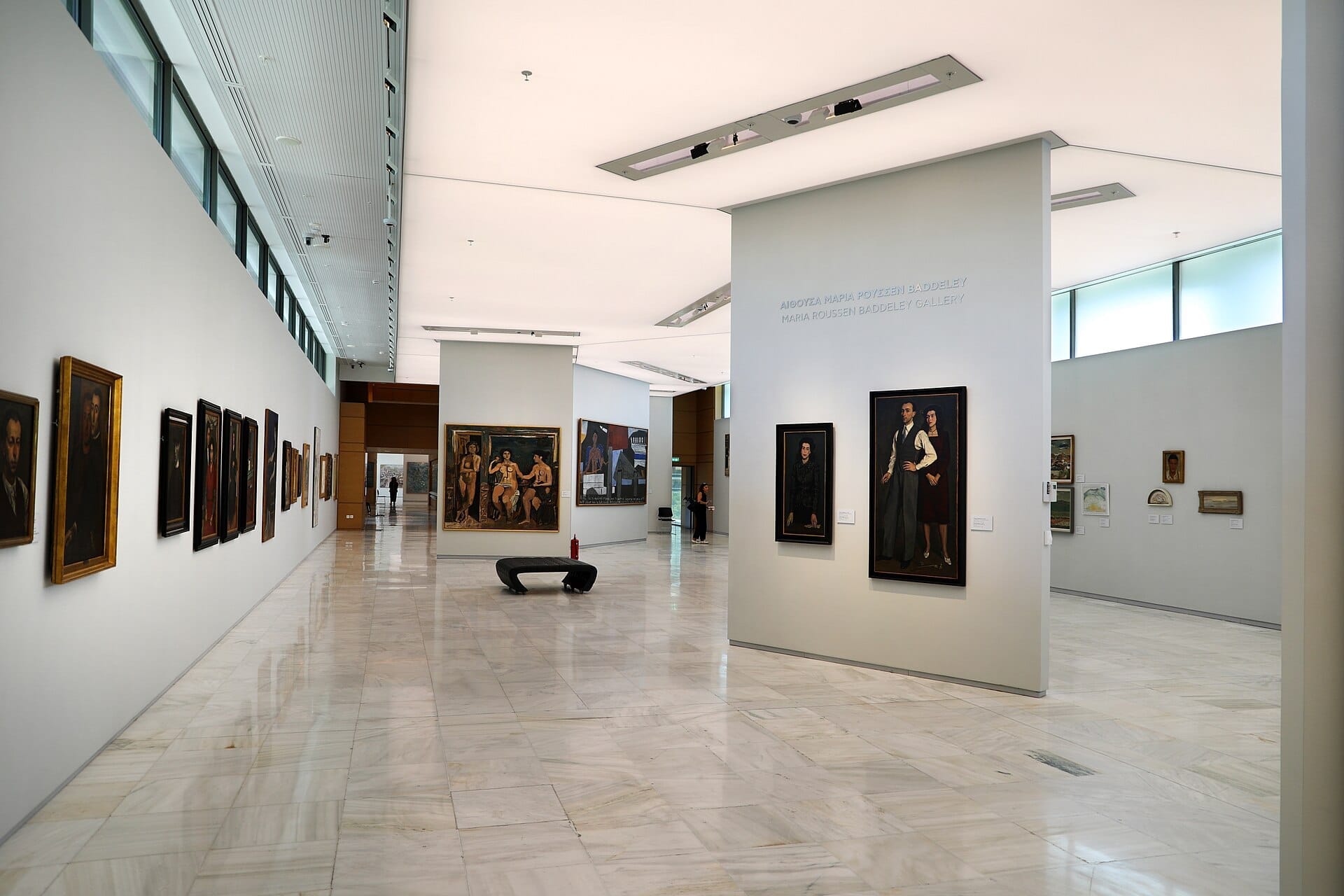
The single most compelling cultural destination in Kolonaki is the Benaki Museum, which sits on Koumbari Street at the corner with Vasilissis Sofias Avenue. This is one of the finest museums in Greece, housing Greek art and artifacts from prehistory through the twentieth century in a beautifully restored neoclassical mansion. The rooftop café has views toward the Acropolis and is worth a visit in its own right, even if you skip the permanent collection.
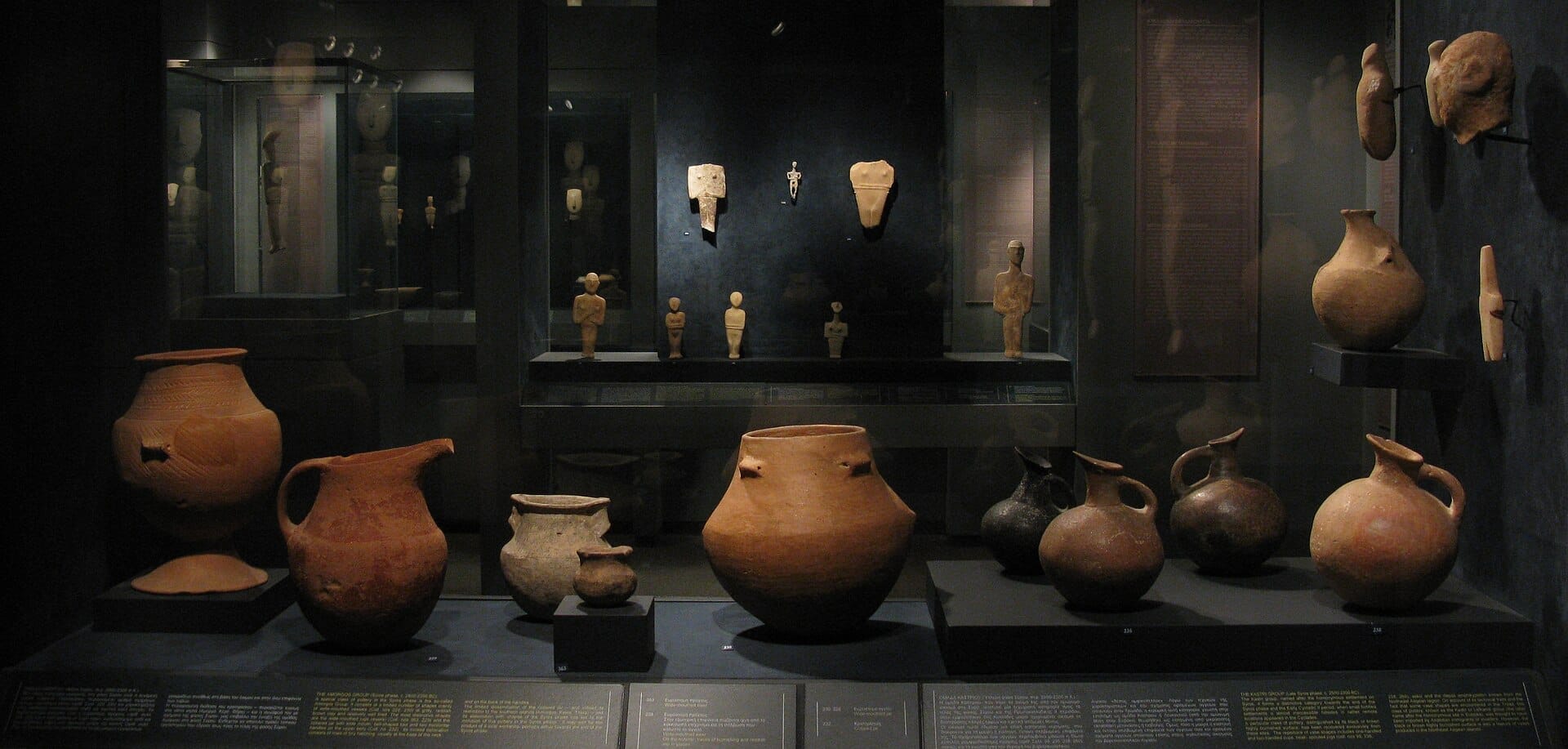
A short walk along Vasilissis Sofias Avenue brings you to the Museum of Cycladic Art, which houses one of the world's premier collections of Cycladic figurines and ancient Greek artifacts. The building itself is elegant, the curation is excellent, and the scale is manageable: you can do a thorough visit in under two hours without feeling rushed. For contemporary work, the same avenue is lined with several of Athens' leading private galleries, and the side streets hold smaller spaces worth poking into.
Mount Lycabettus defines the northeastern edge of the neighborhood and is the most dramatic physical feature in this part of the city. You can walk up via marked footpaths starting from the upper streets of Kolonaki, or take the funicular railway that departs from Aristippou Street. The summit chapel of Agios Georgios is a landmark, but the main draw is the panoramic view over Athens: on a clear day you can trace the full arc of the city from the Acropolis in the southwest to the mountains ringing the Attic basin. The open-air Lycabettus Theatre, carved into the hillside, has historically hosted concerts and performances during the summer months, though it has been closed for renovation in recent years.
Benaki Museum on Koumbari Street: Greek art from prehistory to the 20th century
Museum of Cycladic Art on Vasilissis Sofias: world-class collection of ancient Cycladic figurines
Mount Lycabettus: funicular or walking paths to panoramic summit views
Lycabettus Theatre: open-air summer performances on the hillside
Private galleries along Vasilissis Sofias and the side streets: contemporary and modern Greek art
Filikis Eterias Square: the neighborhood's social and geographic anchor
💡 Local tip
The walk up to Lycabettus through the upper streets of Kolonaki takes about 30-40 minutes and passes through some of the quietest, most pleasant residential streets in central Athens. Go in the late afternoon to arrive at the top for sunset, then take the funicular back down.
Eating and Drinking
Kolonaki's food scene skews more expensive than most of Athens, but it is also more consistent. The neighborhood has a permanent, demanding local clientele, which means restaurants have to maintain quality to survive. Street food and cheap souvlaki spots exist but are not the dominant character here. What you find instead is a dense concentration of well-run Greek tavernas, modern Mediterranean restaurants, and café-bars that transition from coffee to cocktails without changing their clientele.
The streets immediately around Kolonaki Square, particularly Tsakalof and Skoufa, hold the highest concentration of cafés and casual restaurants. These are best for people-watching and mid-range dining. Side streets such as Haritos and Loukianou tend to be slightly quieter and hold some of the neighborhood's better traditional tavernas, where the cooking focuses on well-executed Greek classics rather than international fusion.
For drinks, the square itself and the streets north of it have a mix of cocktail bars and wine bars that attract a notably local crowd. Kolonaki is not the place for cheap beer and late-night noise, but if you want a well-made Negroni or a thoughtfully curated Greek wine list in a room that is not also competing with a DJ, this is one of the better parts of Athens for it.
For a broader overview of what the Athens food scene offers across neighborhoods, the Athens food guide covers the full range from street food to fine dining, and places Kolonaki in context relative to areas like Psyrri and the central market district.
💡 Local tip
The Benaki Museum café-restaurant, with its terrace overlooking the National Garden, is one of the most pleasant lunch spots in this part of the city. It is open to non-museum visitors and does not require a museum ticket to enter the café.
Getting There and Around
Kolonaki is well-served by two metro stations, both on Line 3 (the Blue Line). Evangelismos station sits on Vasilissis Sofias Avenue at the southeastern edge of the neighborhood and is the closer option for the museums along that strip. Syntagma station is at the southwestern corner of the neighborhood, about a ten-minute walk from Kolonaki Square along Irodou Attikou or through the National Garden paths. Both stations have direct metro services to the airport via Line 3.
Walking is the most practical way to get around Kolonaki itself. The neighborhood is compact, and even the upper slopes near the funicular station are reachable on foot in fifteen minutes from the square. The main complication is the incline: streets rise steeply toward Lycabettus, so walking uphill in summer heat requires some preparation. From Kolonaki, it is also an easy walk to Syntagma and the Parliament, or a slightly longer walk south toward Plaka and the Acropolis area.
Taxis and ride-hailing apps (Beat is widely used in Athens) are easy to pick up on Vasilissis Sofias Avenue or around Kolonaki Square, and are a reasonable option for getting back from Lycabettus or reaching more distant parts of the city at night. Several trolleybus lines also pass through the area, connecting it to central Omonia and Syntagma.
For full transit options across Athens, including tram, suburban rail, and bus routes, the guide to getting around Athens covers ticketing, zones, and the most useful connections for visitors.
Where to Stay
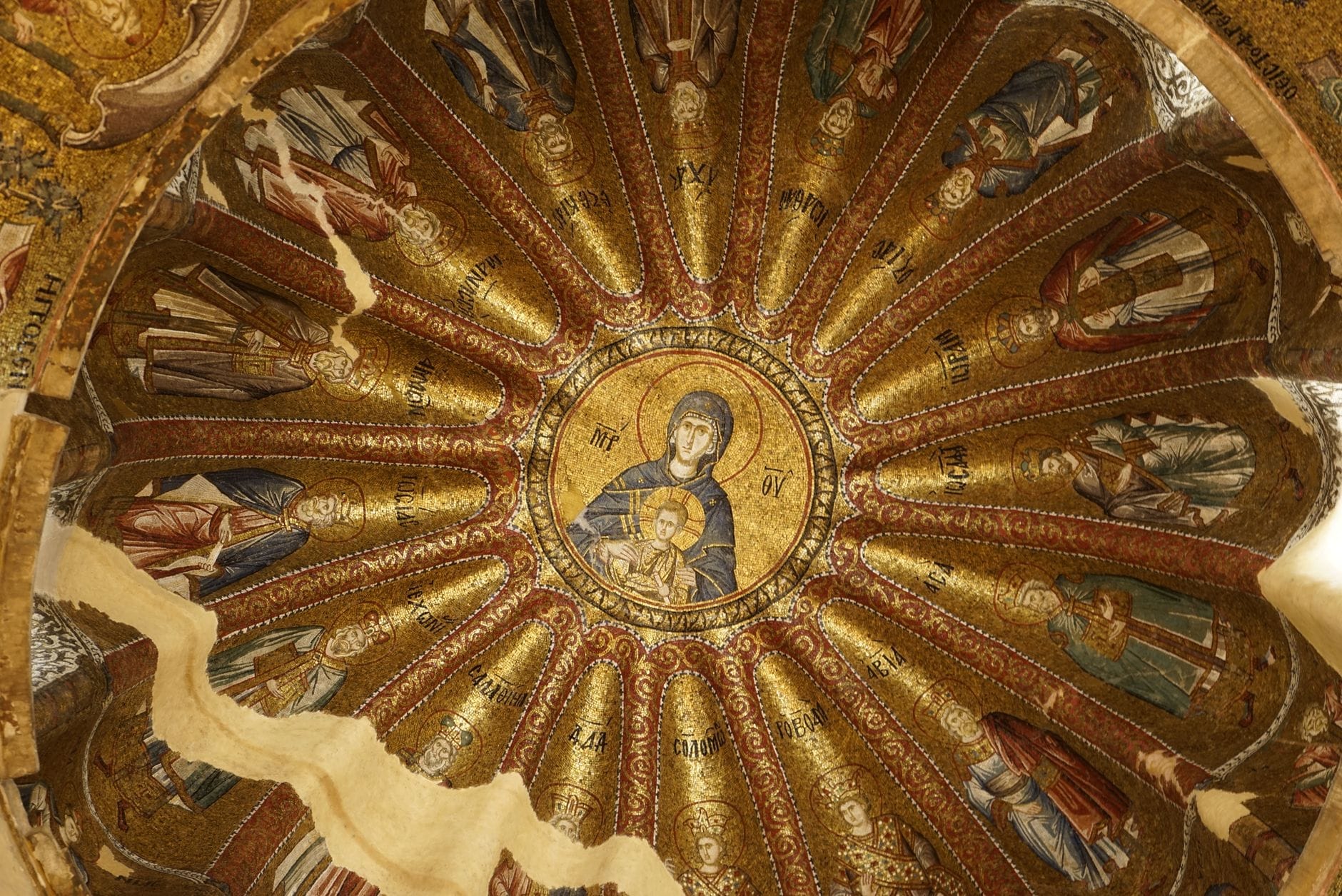
Kolonaki is a solid base for visitors who want central access without the noise of the tourist-heavy areas near the Acropolis. It is a particularly good choice for travelers focused on Athens' museum circuit, since the Benaki and Cycladic Art museums are within walking distance, and the Byzantine and Christian Museum is just east along Vasilissis Sofias Avenue.
Accommodation in Kolonaki trends toward boutique hotels, serviced apartments, and upscale guesthouses rather than the large international chain hotels that cluster around Syntagma. Prices are higher than in Monastiraki or Psyrri, but so is the ambient noise level at 2am. The lower streets, closer to Vasilissis Sofias and Evangelismos station, are more convenient for transit. The upper streets near Lycabettus are quieter and more residential, which suits longer stays but involves some daily uphill walking.
Kolonaki is well-suited to independent travelers, couples, and visitors on business. It is less well-suited to travelers on a tight budget or those who want to be walking distance from the main ancient sites without taking transit. For a broader comparison of where to stay across the city, the Athens accommodation guide compares Kolonaki against other central neighborhoods including Koukaki and Monastiraki.
⚠️ What to skip
Kolonaki's streets near the square can get noisy on weekend nights, particularly during summer when terraces fill up and stay busy past midnight. If you are a light sleeper, request a room facing a courtyard or a quieter side street when booking.
Honest Assessment
Kolonaki is not for every visitor to Athens. If your priority is proximity to the Acropolis, Plaka, and Monastiraki, there are neighborhoods that put you closer without requiring a metro ride or a twenty-minute walk. If you are traveling on a budget, the restaurants, bars, and hotels here will stretch your euros further elsewhere.
What Kolonaki offers is a version of Athens that is genuinely livable: clean, well-connected, culturally serious, and calm enough that you can think. The museum cluster along Vasilissis Sofias is one of the best in the city. The café culture is authentic rather than performed for visitors. And the walk up to Lycabettus at dusk, through streets where Athenians are walking their dogs and sitting on their balconies, gives you a version of the city that is quite different from the archaeological crush further west.
If you have more than three days in Athens and want to understand the city beyond its ancient monuments, Kolonaki earns its place on the itinerary. For a structured approach to fitting it into a longer stay, see the 3-day Athens itinerary for suggested routing between neighborhoods.
TL;DR
Kolonaki is Athens' most upscale central neighborhood, occupying the slopes of Mount Lycabettus between Syntagma and the hilltop summit.
Best suited to visitors who prioritize museums, café culture, and a quieter residential atmosphere over proximity to the ancient sites.
Home to the Benaki Museum and the Museum of Cycladic Art, two of the best museums in the city, both walkable from the neighborhood center.
Metro connections via Evangelismos and Syntagma stations keep the rest of Athens accessible; Plaka and the Acropolis are roughly 20–25 minutes away on foot.
Higher prices across hotels, restaurants, and bars than most central neighborhoods, but with a noticeably lower noise level and a more local, less tourist-driven atmosphere.
Three full days is the right amount of time to cover Athens at a comfortable pace, from the Acropolis and its world-class museum to the ancient Agora, Monastiraki, Kolonaki, and beyond. This guide breaks it all down day by day, with booking tips, honest crowd warnings, and the practical details most itineraries skip.
Twenty-four hours in Athens is enough to cover the Acropolis, the Acropolis Museum, the historic neighborhoods of Plaka and Monastiraki, and a spectacular sunset viewpoint. This itinerary is built around realistic walking distances, smart timing, and clear guidance on what to skip when time is short.
Athens holds one of the densest concentrations of ancient history on earth. This guide covers the city's major archaeological sites and museums, from the Acropolis and Ancient Agora to lesser-known gems like Kerameikos, with practical tips on tickets, timing, and what to expect at each.
Athens is one of the best cities in Europe to eat well without spending much. This guide covers the essential dishes, where to find them, realistic prices for 2026, and how to avoid the tourist traps that line the most photographed streets in the city.
Athens rewards those who wander beyond the obvious. From a Cycladic island village clinging to the Acropolis rock to a thermal lake on the coast, these are the experiences that make the city feel like yours. This guide covers the lesser-known sites, quiet hills, and local haunts that most visitors walk straight past.
Summer in Athens means intense heat, peak crowds, and some of the longest days in Europe. This guide breaks down what each month actually looks like, how to handle the heat, and how to get the most out of your visit in June, July, or August.
Athens nightlife runs on its own schedule, with dinners starting at 10pm and clubs peaking between 3 and 5am. This guide covers every major district, the best bars and clubs, what things cost, how to dress, and how to navigate the city after dark like a local.
Athens is one of Europe's most affordable capitals, with free archaeological sites, cheap street food, and an excellent public transport network. This guide breaks down exactly what things cost, when to go for the best deals, and how to stretch every euro without missing anything important.
Athens is generally a safe city for tourists, but petty theft, taxi scams, and a few neighborhood considerations are worth knowing before you arrive. This guide covers the real risks, the overhyped ones, and exactly how to stay out of trouble.
Athens rewards shoppers who know where to look. This guide breaks down the city's best markets, shopping streets, and neighborhoods by type, with practical advice on timing, pricing, and what's actually worth buying versus what to skip.
Athens is one of Europe's most walkable capitals, with millennia of history packed into a compact city center. This guide covers the best guided walking tours, self-guided routes, practical logistics, and clear advice on timing, pricing, and what to avoid.
Athens is far more family-friendly than most travelers expect. From interactive museum programs and funicular rides to free outdoor ceremonies and canal kayaking, this guide covers the best activities for children of all ages, honest pricing breakdowns, and practical logistics for navigating Athens with kids.
Athens holds one of the densest concentrations of world-class museums anywhere in Europe. This guide covers every major collection, from the Acropolis Museum's Parthenon sculptures to the Benaki's sweep of Greek history, with practical advice on what to prioritise and when to go.
Athens rewards visitors year-round, but the experience changes dramatically by season. This guide breaks down every month by weather, crowd levels, and cost so you can plan around what actually matters to you.
Athens rewards those who look up, and out. The city's hills, ancient rock outcrops, rooftop bars, and clifftop temples frame the Parthenon, the Saronic Gulf, and the sprawling Attic basin from every angle. This guide covers the best viewpoints in Athens, from completely free hilltop climbs to spectacular paid experiences.
Athens sits at the center of one of Europe's richest regions for day tripping. Within a few hours you can stand at the Oracle of Delphi, swim off a car-free Saronic island, or walk through a Bronze Age citadel. This guide covers the best day trips from Athens, organized by type and travel time.
Athens is one of Europe's most rewarding cities on a tight budget. From ancient hilltop views and marble stadiums to flea markets and ceremonial guards, this guide covers the best free experiences in the Greek capital, plus the specific days when even major paid sites open their gates for nothing.
Athens has one of the most affordable and well-connected urban transport networks in Southern Europe. This guide covers everything from metro fares and airport express buses to taxi flat rates, tram routes, and the ticketing mistakes that catch most first-time visitors off guard.
Athens rewards visitors who go beyond the obvious. This guide covers the best things to do in Athens Greece, from ancient sites and world-class museums to rooftop bars, coastal escapes, and neighborhood walks, with practical advice on tickets, timing, and what to skip.
Choosing where to stay in Athens shapes your entire trip. This guide breaks down every major neighbourhood by walkability, noise level, price range, and proximity to the sights that matter, so you can book with confidence rather than guesswork.