Ancient Athens: A Complete Guide to the Archaeological Sites
Athens holds one of the densest concentrations of ancient history on earth. This guide covers the city's major archaeological sites and museums, from the Acropolis and Ancient Agora to lesser-known gems like Kerameikos, with practical tips on tickets, timing, and what to expect at each.
Plan and book this trip
Tools from our partner Travelpayouts help you compare flights and hotels. If you book through them, we may earn a commission at no extra cost to you.
Flights
Hotels map
Athens is not just a city with ancient ruins — it is a city built on top of them. Every neighbourhood hides layers of history, from Bronze Age citadels to Roman forums to the birthplace of Western theatre. Whether you have a single afternoon or a full week, this guide will help you navigate the sites that matter most. For a structured route through the highlights, see our Athens one-day itinerary, and if you want to go deeper into the museums, our guide to the best museums in Athens covers collections beyond archaeology. Many of the sites below are concentrated in or around Monastiraki and Plaka, making it easy to visit several in a single day on foot.
💡 Local tip
Book Acropolis tickets online at hhticket.gr before your visit. Queues at the gate can be long, especially in summer. The Acropolis Museum requires a separate ticket (€20) — it is not included in the site admission.
The Acropolis & Its Surrounding Monuments
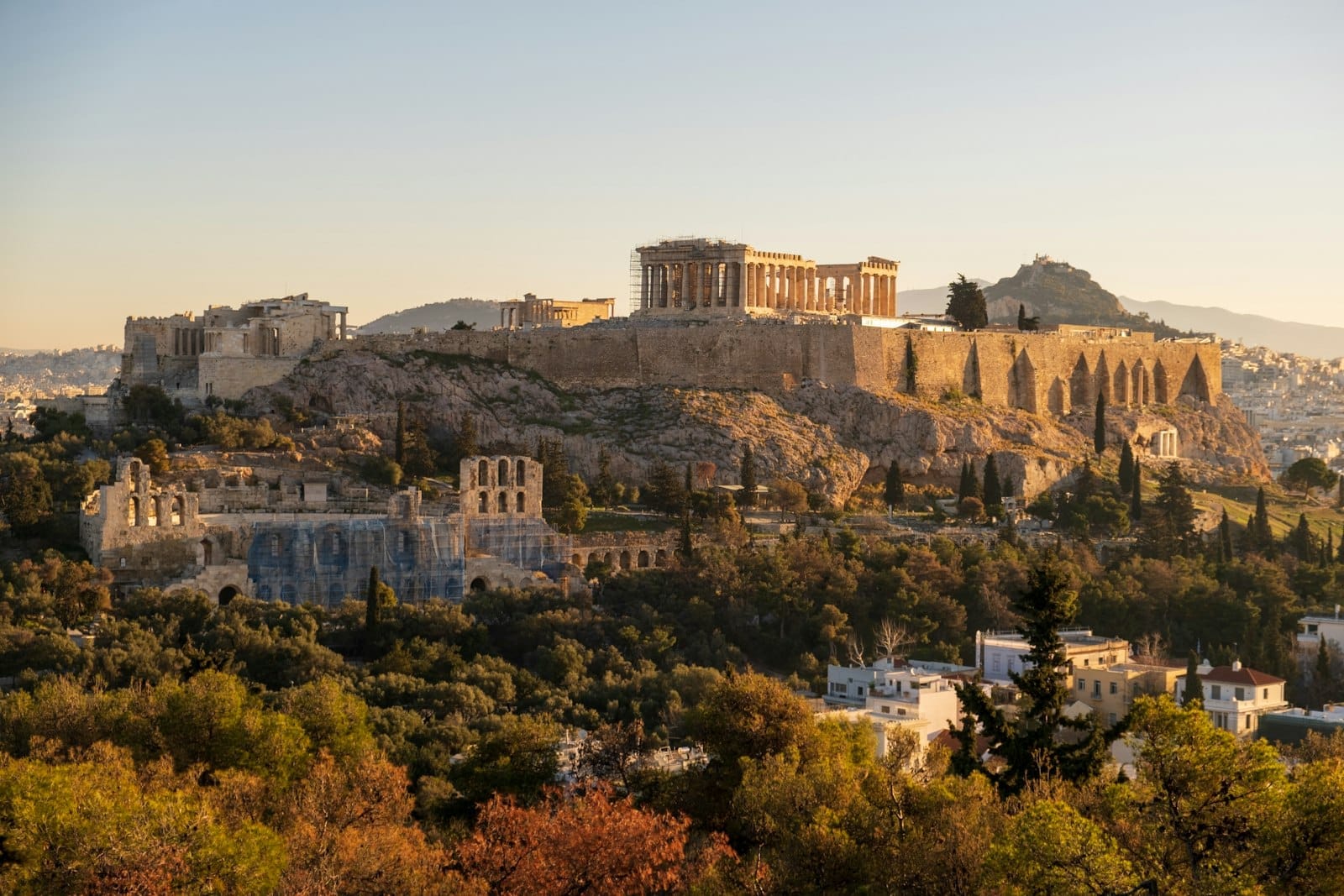
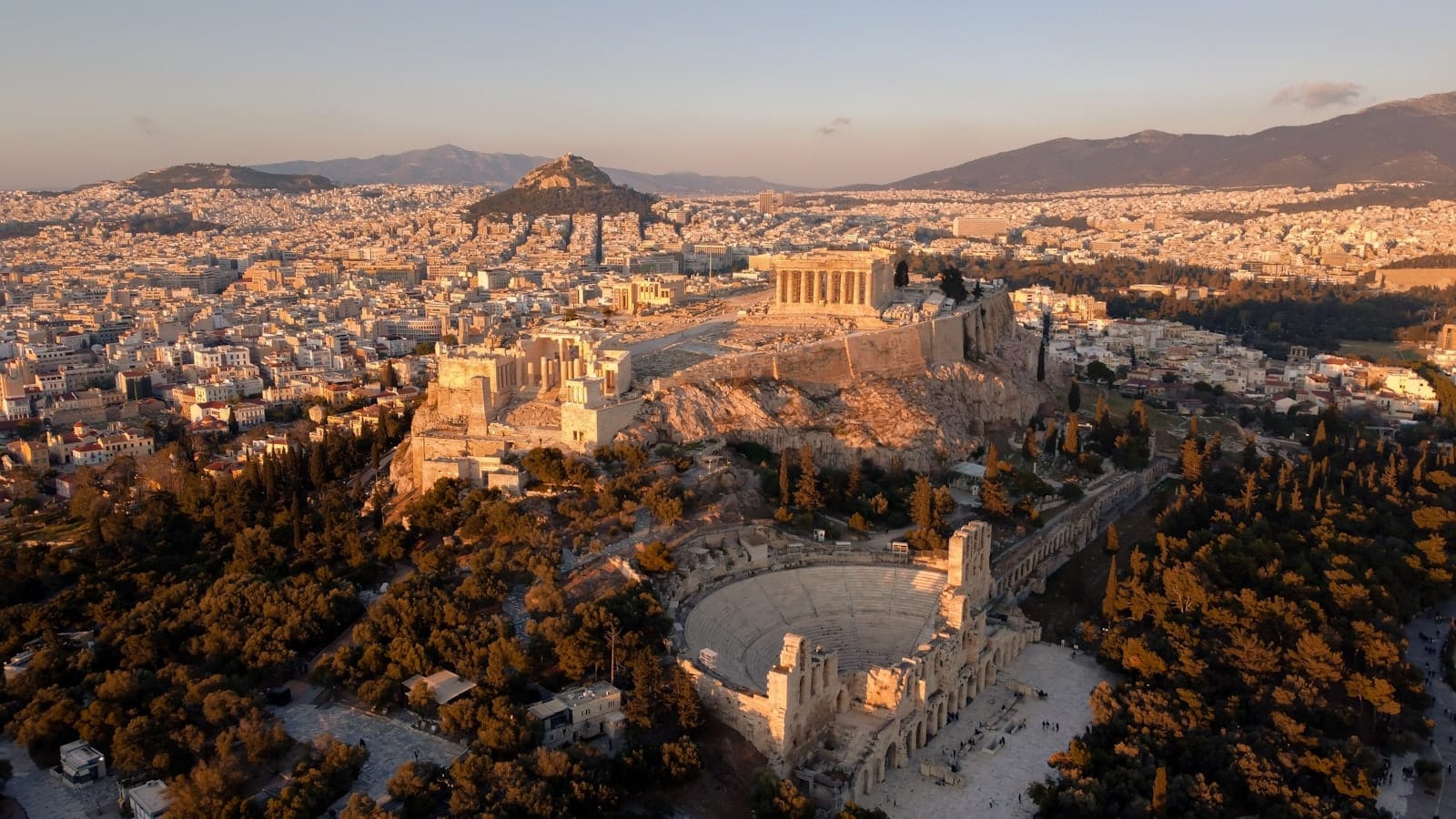
The sacred rock of the Acropolis and its immediate surroundings form the densest concentration of ancient monuments in Athens. Most can be reached on foot from the Plaka neighbourhood, and several are free to visit. Plan to spend at least a half-day here, and consider arriving at opening time (08:00 in the current schedule) to beat the crowds and the heat.
1. Climb the Sacred Rock of the Acropolis
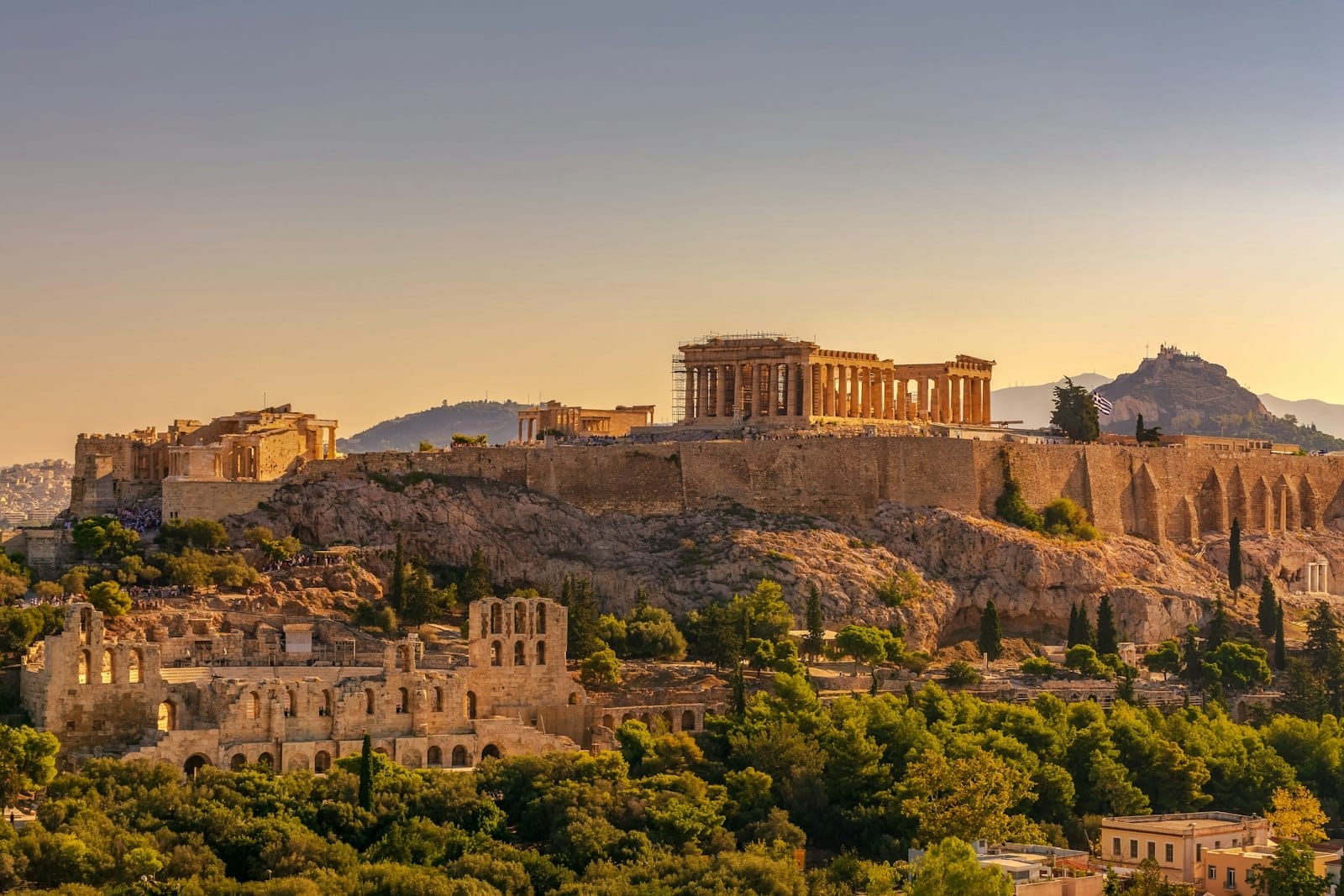
The centrepiece of ancient Athens and the most important archaeological site in the Western world. The Parthenon, Erechtheion, Propylaea, and Temple of Athena Nike all crown the same rocky plateau. Ticket: €30. Book online at hhticket.gr to skip the gate queue.
Explore1. Climb the Sacred Rock of the Acropolis
The centrepiece of ancient Athens and the most important archaeological site in the Western world. The Parthenon, Erechtheion, Propylaea, and Temple of Athena Nike all crown the same rocky plateau. Ticket: €30. Book online at hhticket.gr to skip the gate queue.
Explore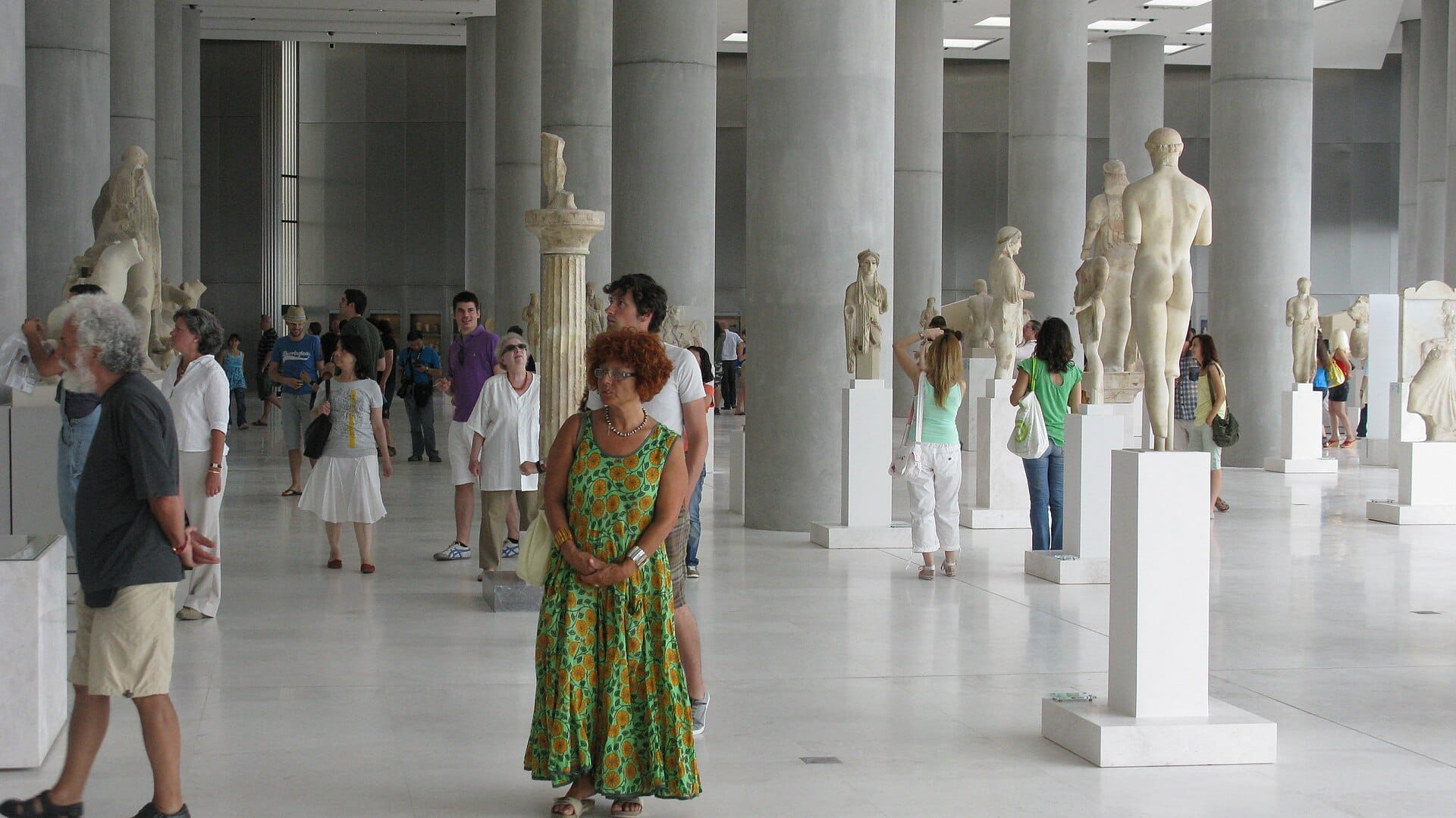
2. See the Original Parthenon Sculptures at the Acropolis Museum
Built directly over ancient ruins, this world-class museum houses the original friezes, caryatids, and pediment sculptures from the Acropolis. The top-floor Parthenon Gallery aligns perfectly with the monument outside. Separate ticket (€20) — not included in the site admission.
Explore2. See the Original Parthenon Sculptures at the Acropolis Museum
Built directly over ancient ruins, this world-class museum houses the original friezes, caryatids, and pediment sculptures from the Acropolis. The top-floor Parthenon Gallery aligns perfectly with the monument outside. Separate ticket (€20) — not included in the site admission.
Explore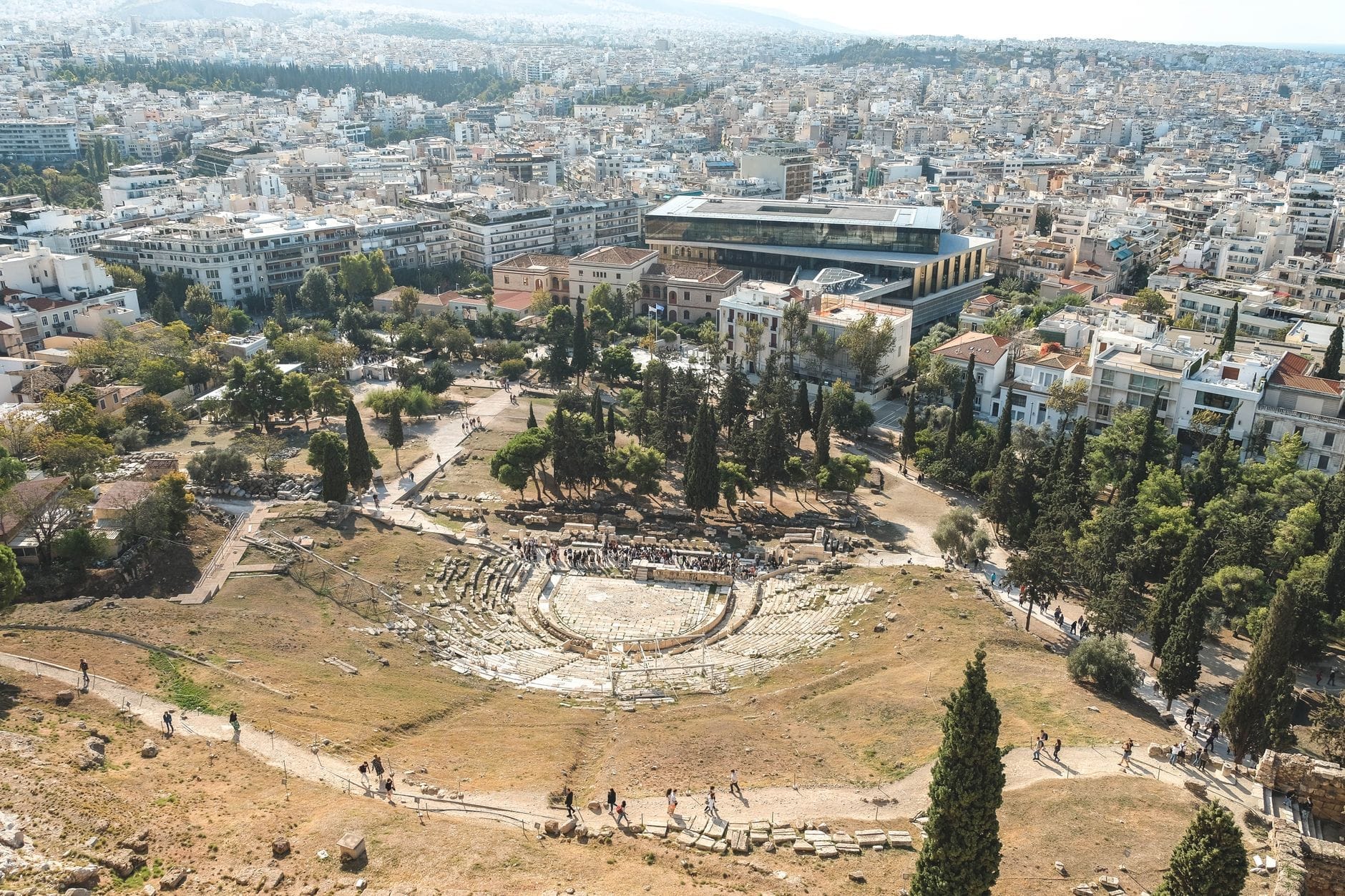
3. Stand Where Greek Tragedy Was Born: Theatre of Dionysus
Carved into the south slope of the Acropolis in the 6th century BC, this is where Sophocles and Euripides first staged their masterworks. The carved marble thrones of the front row are still intact. Included with the combined Acropolis ticket.
Explore3. Stand Where Greek Tragedy Was Born: Theatre of Dionysus
Carved into the south slope of the Acropolis in the 6th century BC, this is where Sophocles and Euripides first staged their masterworks. The carved marble thrones of the front row are still intact. Included with the combined Acropolis ticket.
Explore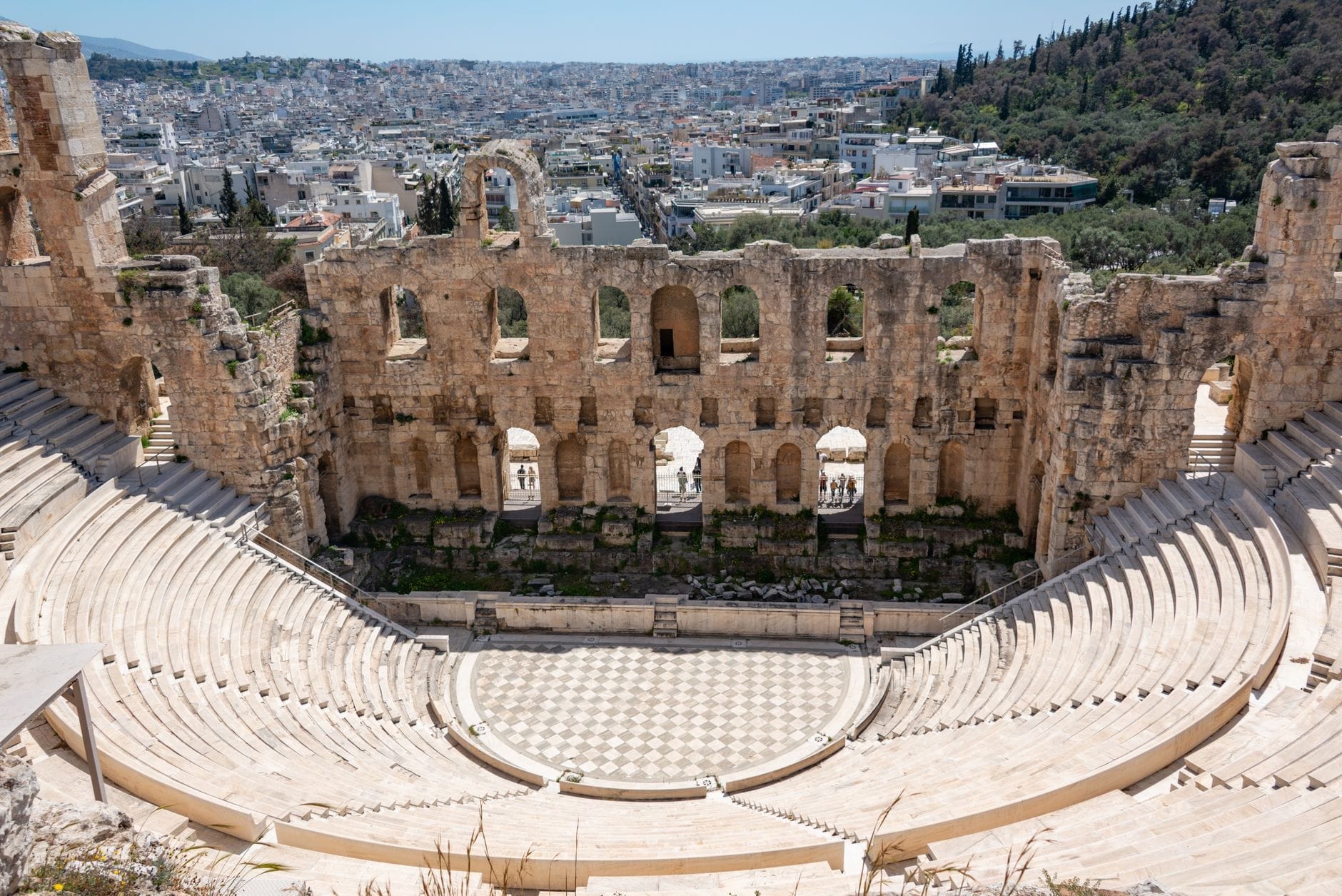
4. Admire the Roman-Era Odeon of Herodes Atticus
Built in 161 AD into the Acropolis south slope, this stone theatre is still used for concerts each summer. Even outside performance season, its arched Roman facade is one of the most dramatic ancient structures in Athens. Visible from the street at no cost.
Explore4. Admire the Roman-Era Odeon of Herodes Atticus
Built in 161 AD into the Acropolis south slope, this stone theatre is still used for concerts each summer. Even outside performance season, its arched Roman facade is one of the most dramatic ancient structures in Athens. Visible from the street at no cost.
Explore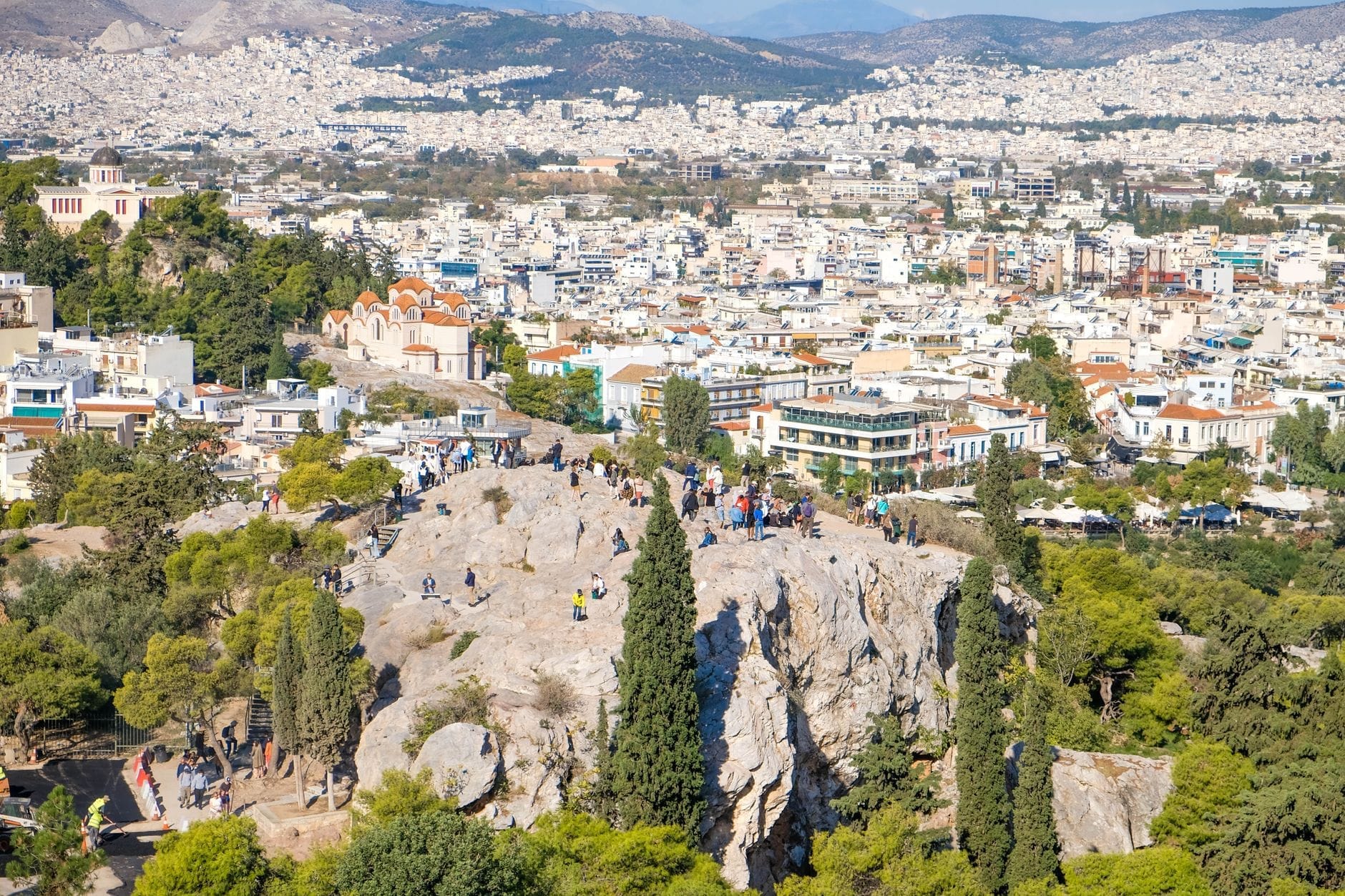
5. Reach the Areopagus Hill for Ancient Council Views
This bare rocky outcrop beside the Acropolis served as the seat of Athens' ancient high council. St Paul also preached here. The summit offers one of the best free views of the Ancient Agora and Acropolis, and takes under 10 minutes to climb.
Explore5. Reach the Areopagus Hill for Ancient Council Views
This bare rocky outcrop beside the Acropolis served as the seat of Athens' ancient high council. St Paul also preached here. The summit offers one of the best free views of the Ancient Agora and Acropolis, and takes under 10 minutes to climb.
ExploreThe Ancient Agora & Roman Athens
North of the Acropolis, the Ancient Agora and Roman Agora together reveal how Athenian civic life evolved over more than a thousand years. These sites sit at the edge of Monastiraki and can be combined into a single half-day walk. They are among the most rewarding ancient sites in the city for those who want historical depth beyond the Parthenon.
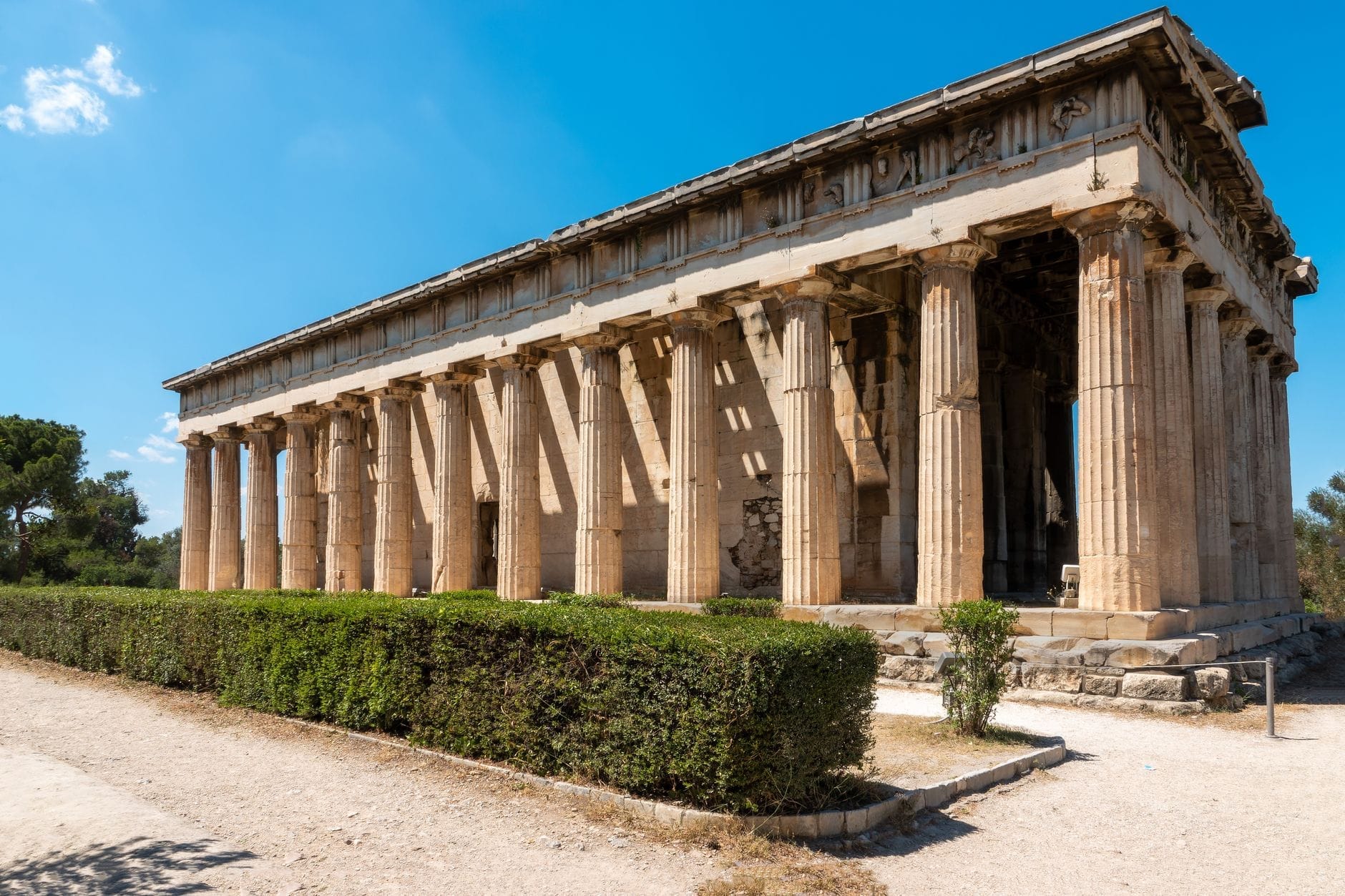
6. Walk the Ancient Agora Where Democracy Was Debated
The civic heart of ancient Athens, where Socrates argued philosophy and citizens voted on laws. The site contains the remarkably preserved Temple of Hephaestus and the reconstructed Stoa of Attalos museum. Allow 1.5 to 2 hours to do it justice.
Explore6. Walk the Ancient Agora Where Democracy Was Debated
The civic heart of ancient Athens, where Socrates argued philosophy and citizens voted on laws. The site contains the remarkably preserved Temple of Hephaestus and the reconstructed Stoa of Attalos museum. Allow 1.5 to 2 hours to do it justice.
Explore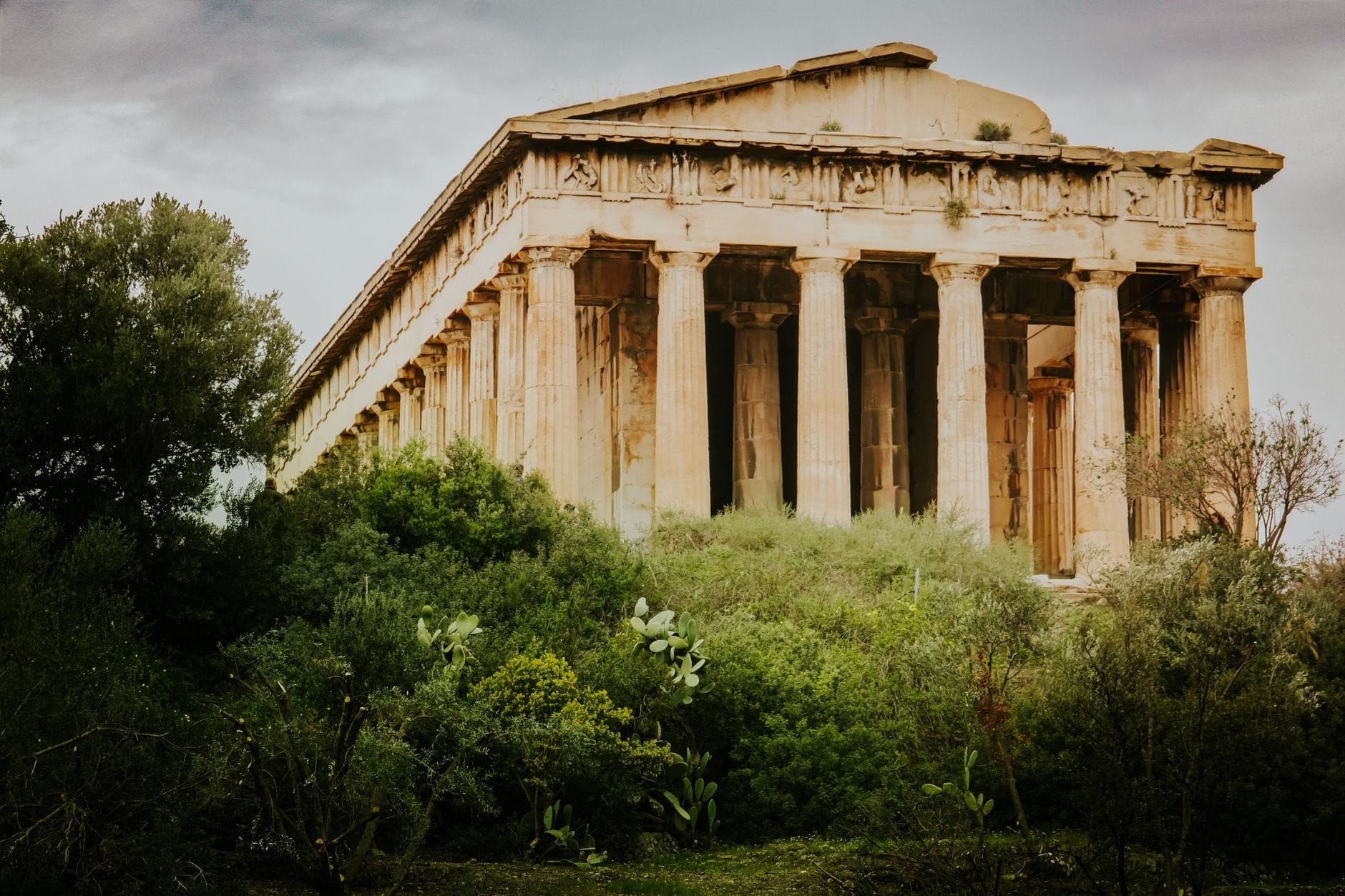
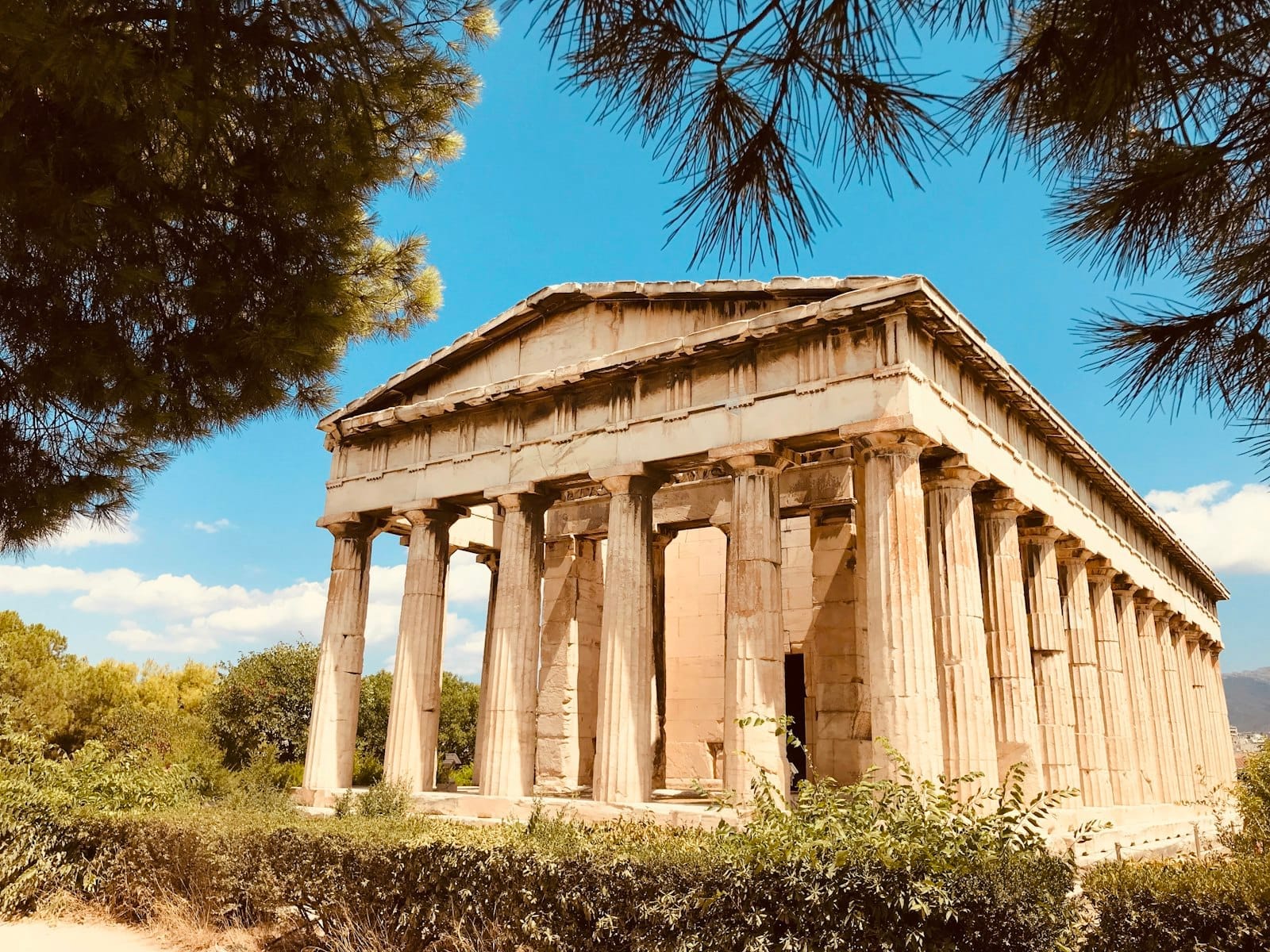
7. Find the Best-Preserved Greek Temple at the Agora
The Temple of Hephaestus has stood in the Ancient Agora for over 2,400 years and is more completely intact than the Parthenon. Its full Doric colonnade still carries its original frieze. Included in the Ancient Agora admission — no extra charge.
Explore7. Find the Best-Preserved Greek Temple at the Agora
The Temple of Hephaestus has stood in the Ancient Agora for over 2,400 years and is more completely intact than the Parthenon. Its full Doric colonnade still carries its original frieze. Included in the Ancient Agora admission — no extra charge.
Explore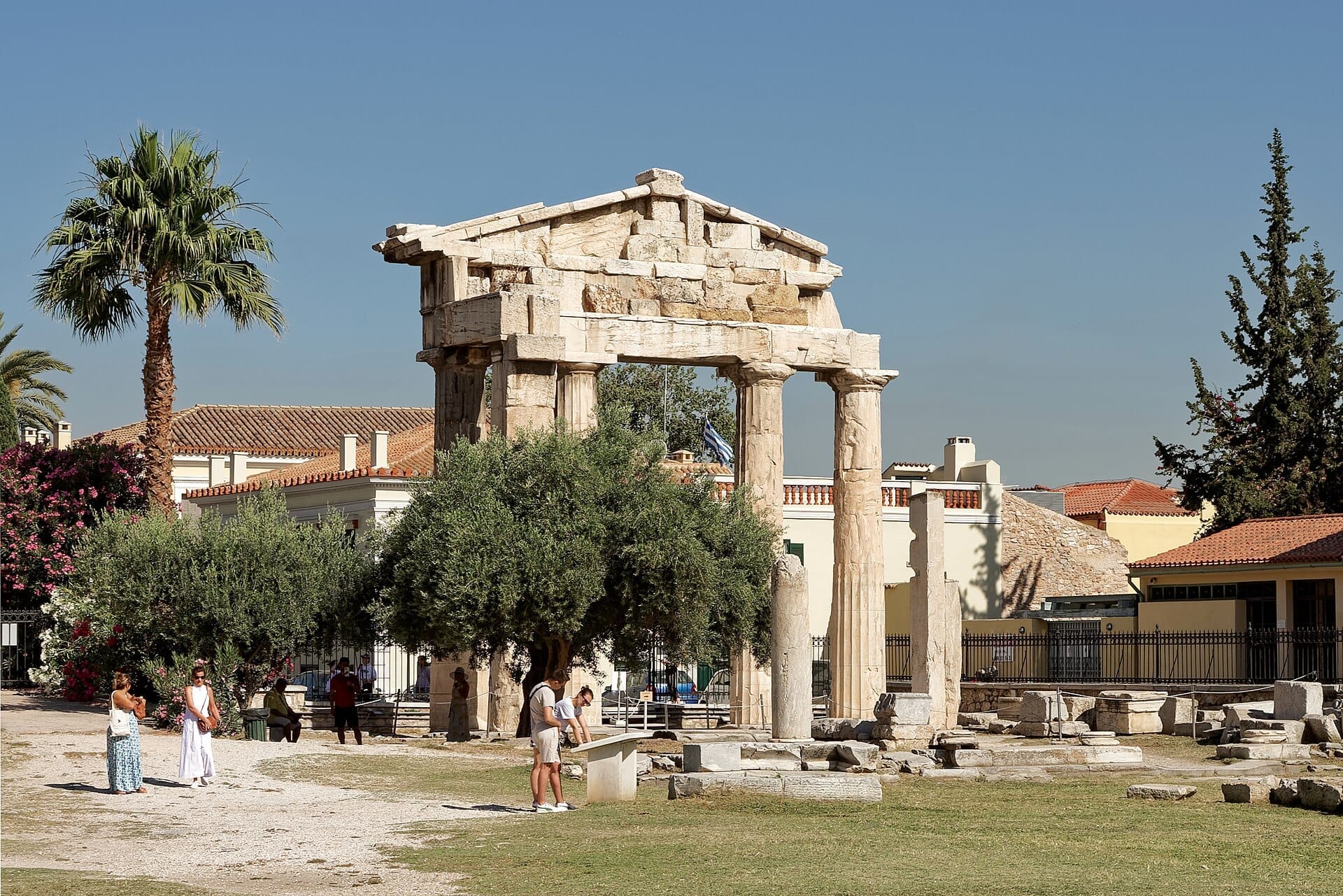
8. Explore Roman Athens at the Roman Agora and Tower of the Winds
The Roman Agora was ancient Athens' commercial hub under Roman rule. Its key highlight is the Tower of the Winds, a 1st-century BC marble octagonal clock tower still standing to near-full height. Often overlooked, but one of the city's most intact Roman monuments.
Explore8. Explore Roman Athens at the Roman Agora and Tower of the Winds
The Roman Agora was ancient Athens' commercial hub under Roman rule. Its key highlight is the Tower of the Winds, a 1st-century BC marble octagonal clock tower still standing to near-full height. Often overlooked, but one of the city's most intact Roman monuments.
Explore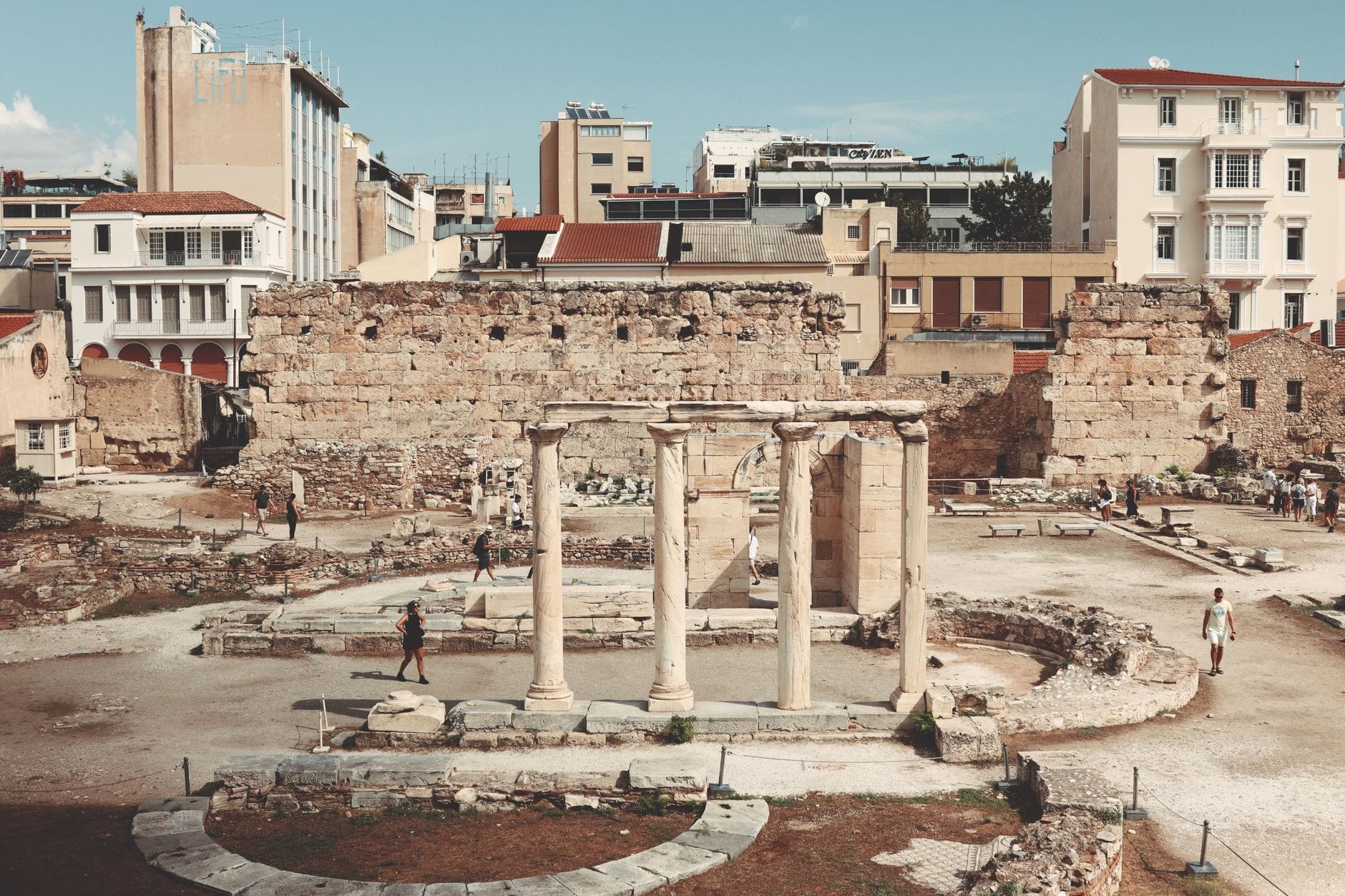
9. Discover Hadrian's Library in the Heart of Monastiraki
Emperor Hadrian built this vast library complex in 132 AD, and its soaring Corinthian entrance columns still dominate central Athens. The archaeological site gives a clear picture of the Roman city's scale. Located steps from Monastiraki Square, easy to include on any central Athens walk.
Explore9. Discover Hadrian's Library in the Heart of Monastiraki
Emperor Hadrian built this vast library complex in 132 AD, and its soaring Corinthian entrance columns still dominate central Athens. The archaeological site gives a clear picture of the Roman city's scale. Located steps from Monastiraki Square, easy to include on any central Athens walk.
Explore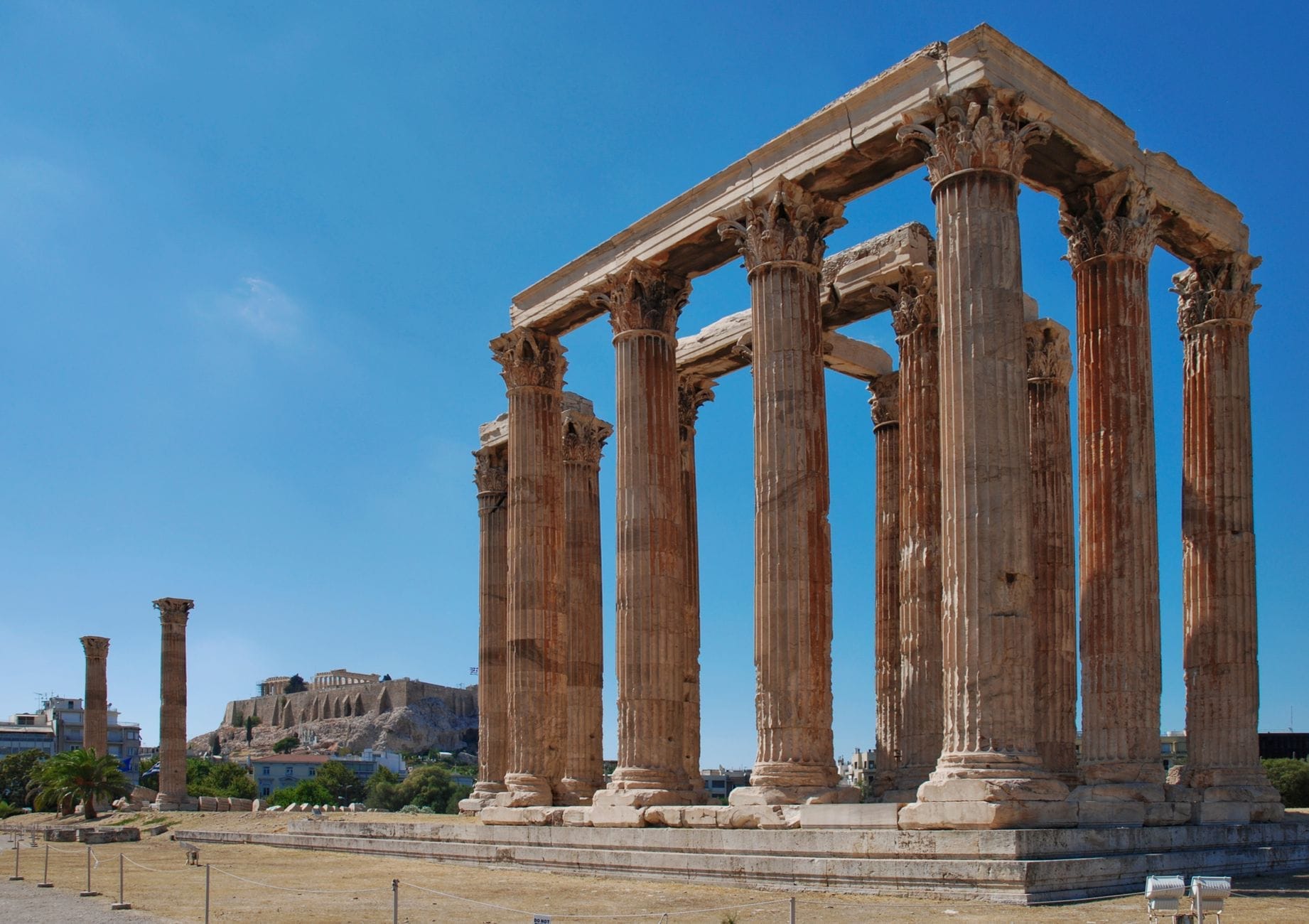
10. Stand Among the Giants at the Temple of Olympian Zeus
Fifteen towering Corinthian columns are all that remain of what was once one of the largest temples in the ancient world. Hadrian's Arch stands at the entrance, marking the boundary between the old Greek city and Roman Athens. Best visited in morning light.
Explore10. Stand Among the Giants at the Temple of Olympian Zeus
Fifteen towering Corinthian columns are all that remain of what was once one of the largest temples in the ancient world. Hadrian's Arch stands at the entrance, marking the boundary between the old Greek city and Roman Athens. Best visited in morning light.
ExploreArchaeological Museums in Athens
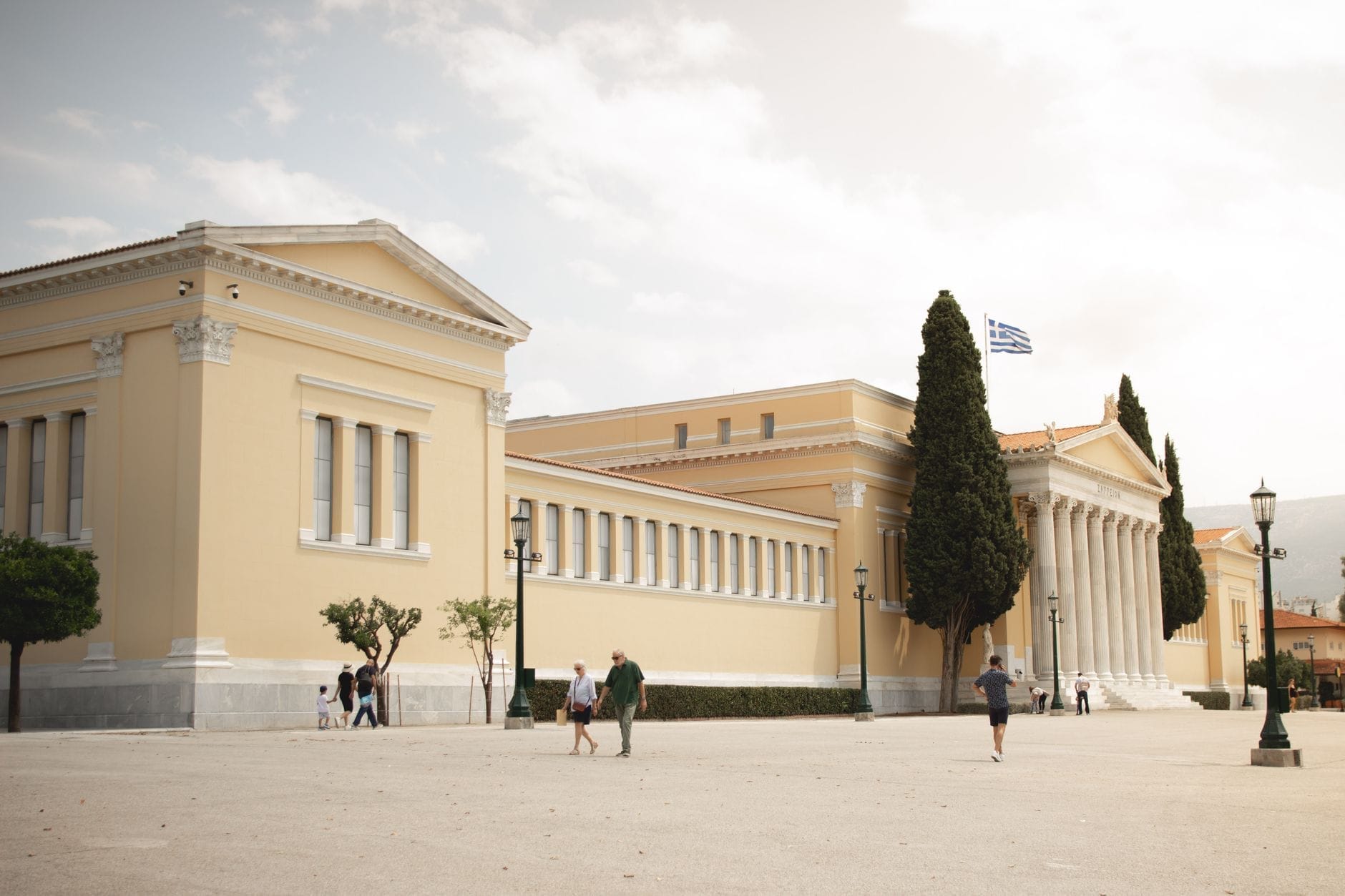
Athens' museums hold objects that rival anything in Rome or Cairo. The collections here are not supplementary to the sites — in many cases, they are the main event, housing the actual artefacts that were excavated from the ground beneath your feet. For a full breakdown of what each museum offers, see our guide to the best museums in Athens.
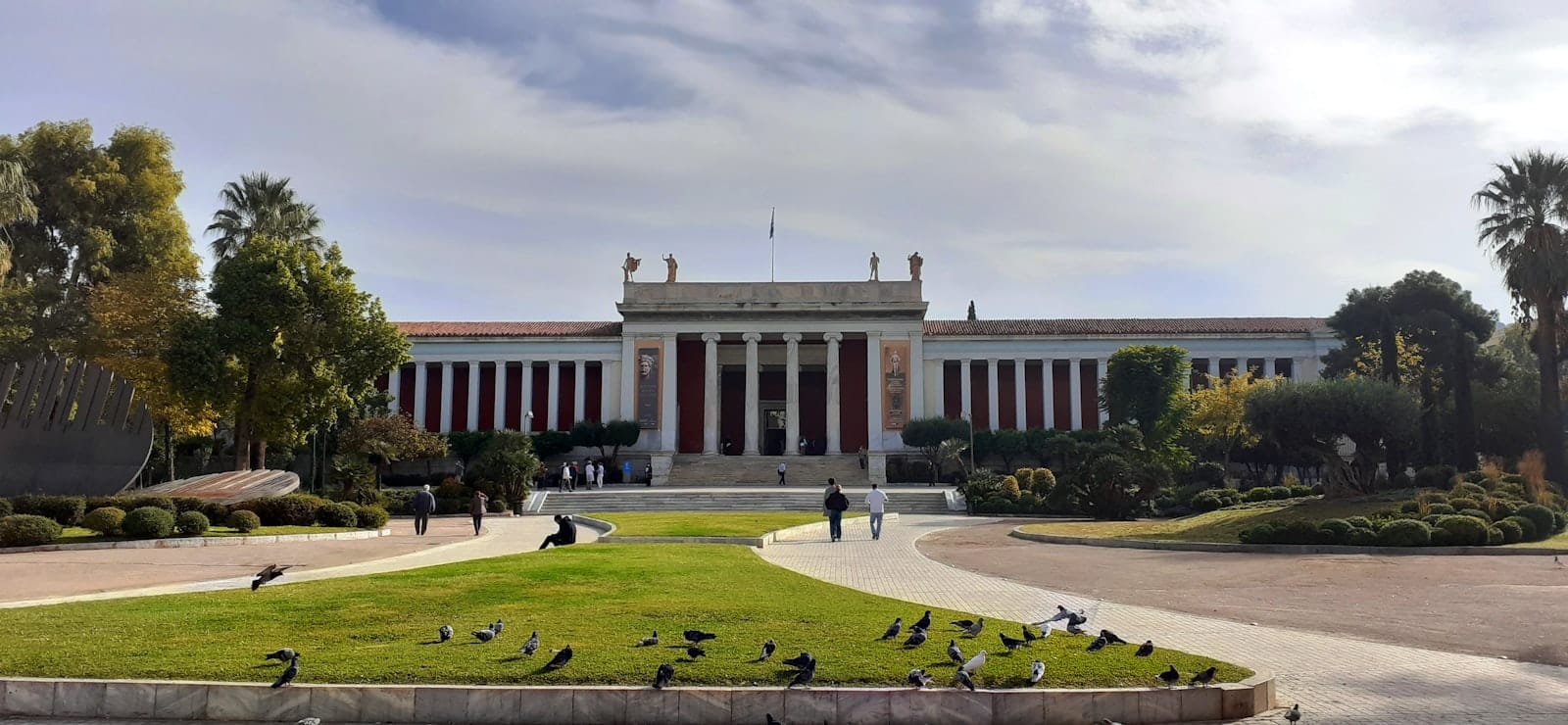
11. Spend a Morning at the National Archaeological Museum
This is one of the world's great museums of ancient art. Over 11,000 objects span 7,000 years of Greek history, including the Antikythera Mechanism, the Mask of Agamemnon, and the Artemision Bronze. Budget at least 2 to 3 hours. Located in Exarchia, a 20-minute walk from the centre.
Explore11. Spend a Morning at the National Archaeological Museum
This is one of the world's great museums of ancient art. Over 11,000 objects span 7,000 years of Greek history, including the Antikythera Mechanism, the Mask of Agamemnon, and the Artemision Bronze. Budget at least 2 to 3 hours. Located in Exarchia, a 20-minute walk from the centre.
Explore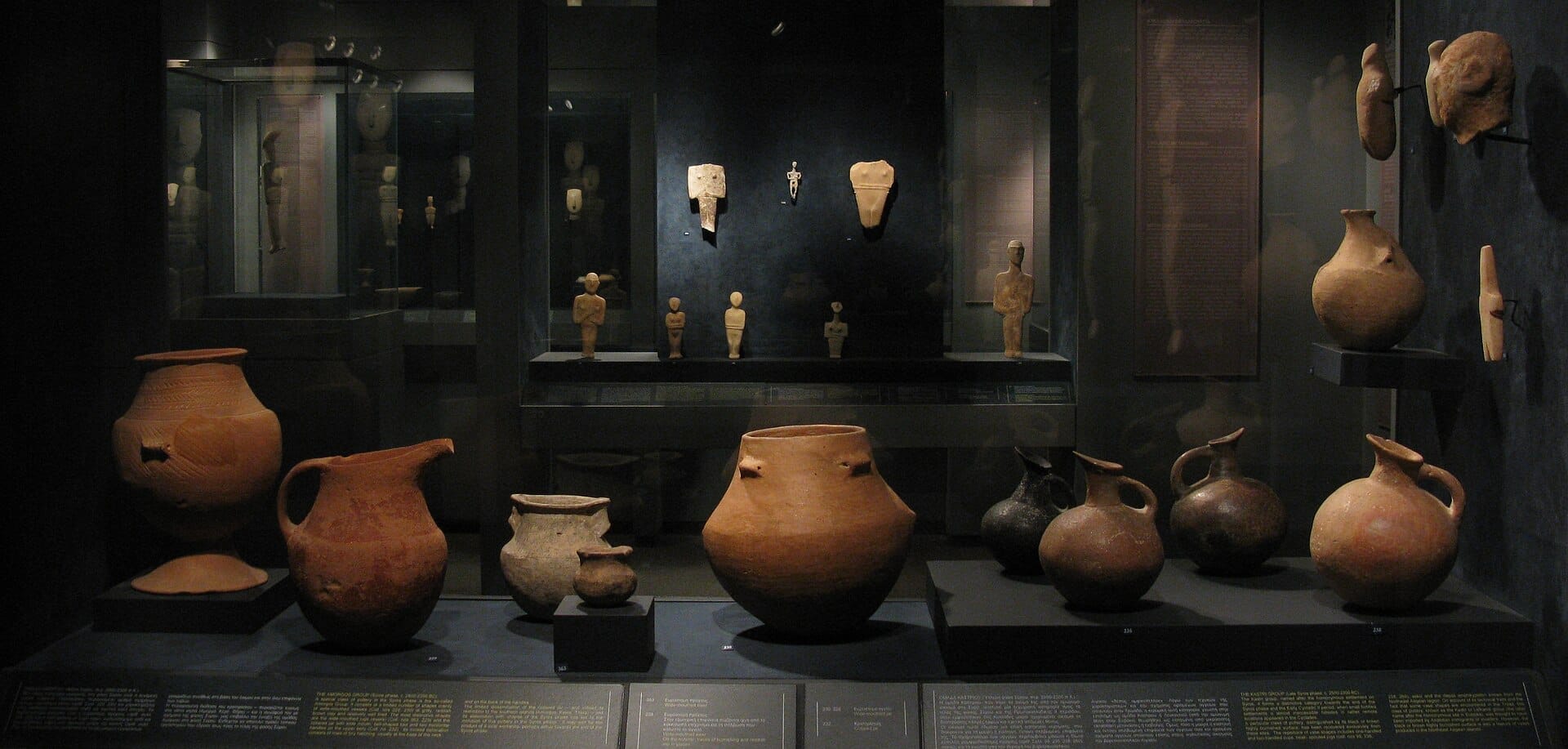
12. See 5,000-Year-Old Marble Figurines at the Museum of Cycladic Art
The Cycladic civilisation (3200-2000 BC) produced eerily modern marble figurines that influenced Picasso and Modigliani. This Kolonaki museum holds the finest collection in existence. Compact and beautifully curated — allow 90 minutes. Admission is separate from archaeological site tickets.
Explore12. See 5,000-Year-Old Marble Figurines at the Museum of Cycladic Art
The Cycladic civilisation (3200-2000 BC) produced eerily modern marble figurines that influenced Picasso and Modigliani. This Kolonaki museum holds the finest collection in existence. Compact and beautifully curated — allow 90 minutes. Admission is separate from archaeological site tickets.
Explore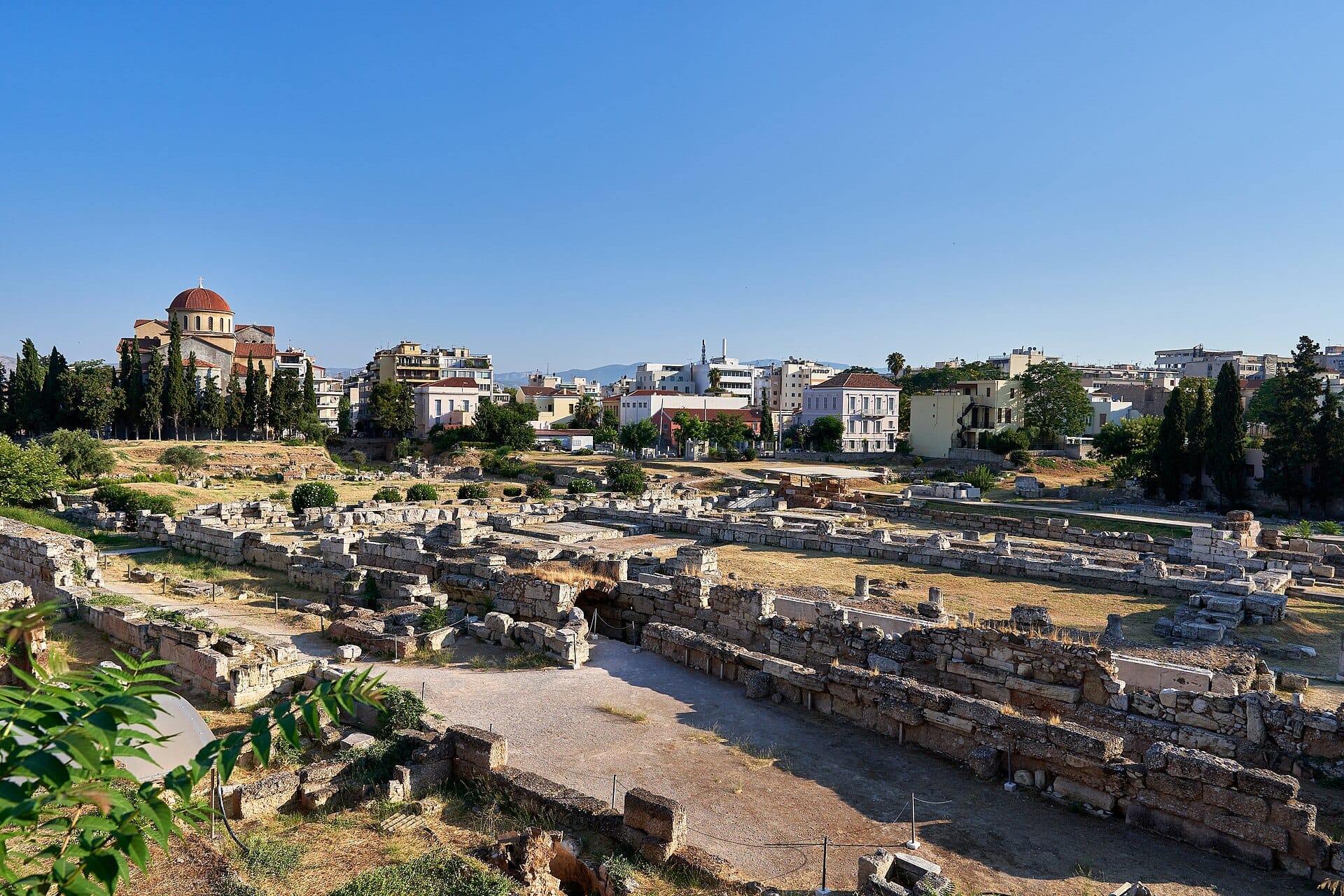
13. Visit Athens' Ancient Cemetery at the Kerameikos Site
Athens' potters' quarter and most important ancient cemetery, used from the 12th century BC. The Sacred Gate, Dipylon Gate, and on-site museum are all well-preserved. Far less crowded than the Acropolis, with an excellent collection of funerary sculpture. Located in Gazi, walkable from Monastiraki.
Explore13. Visit Athens' Ancient Cemetery at the Kerameikos Site
Athens' potters' quarter and most important ancient cemetery, used from the 12th century BC. The Sacred Gate, Dipylon Gate, and on-site museum are all well-preserved. Far less crowded than the Acropolis, with an excellent collection of funerary sculpture. Located in Gazi, walkable from Monastiraki.
Explore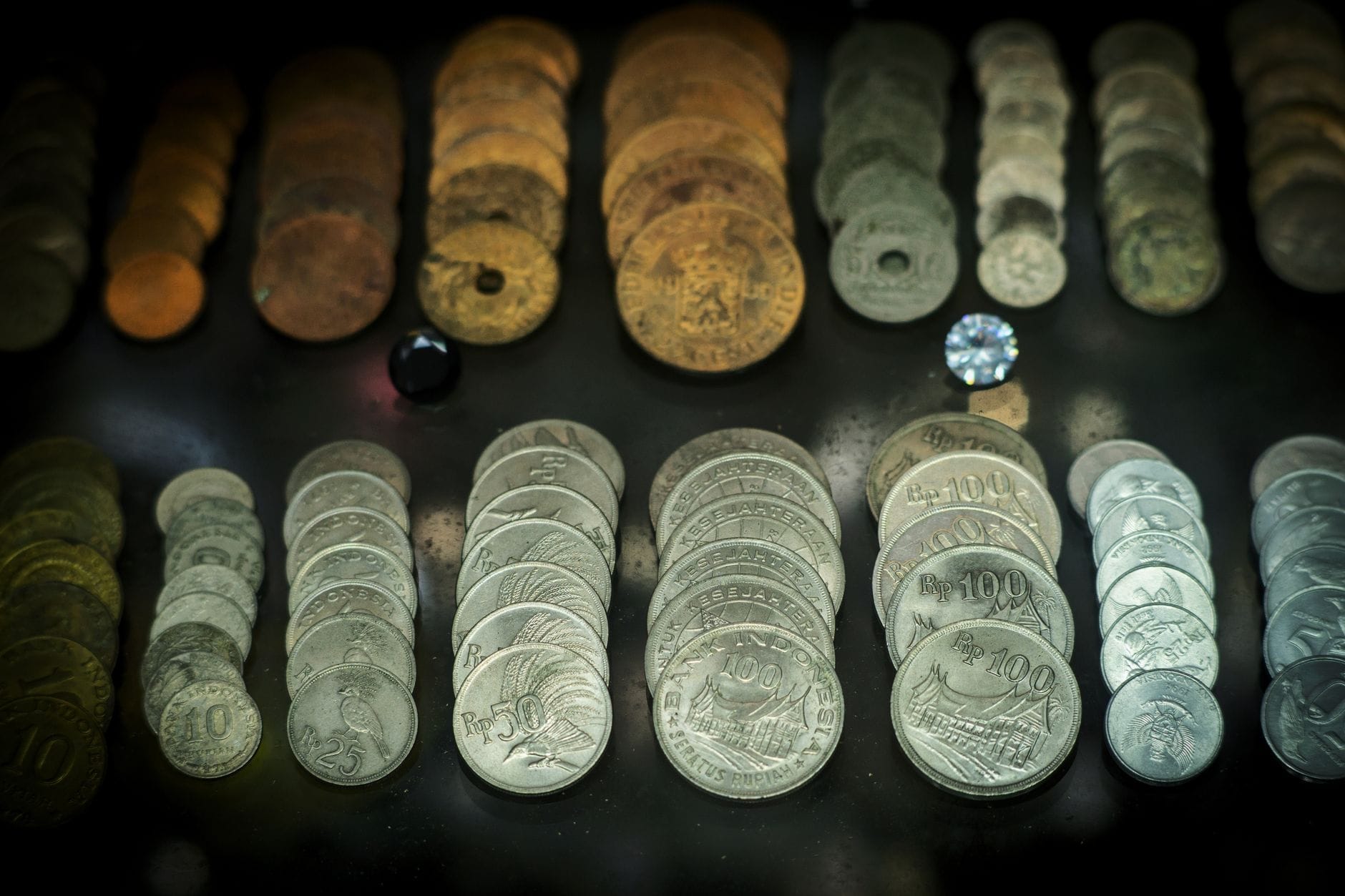
14. Tour the Numismatic Museum in Schliemann's Former Mansion
One of the world's largest coin collections, housed inside the former Athens home of Heinrich Schliemann, who excavated Mycenae and Troy. The building — an Italianate mansion near Syntagma — is as compelling as the 600,000-coin collection it holds.
Explore14. Tour the Numismatic Museum in Schliemann's Former Mansion
One of the world's largest coin collections, housed inside the former Athens home of Heinrich Schliemann, who excavated Mycenae and Troy. The building — an Italianate mansion near Syntagma — is as compelling as the 600,000-coin collection it holds.
Explore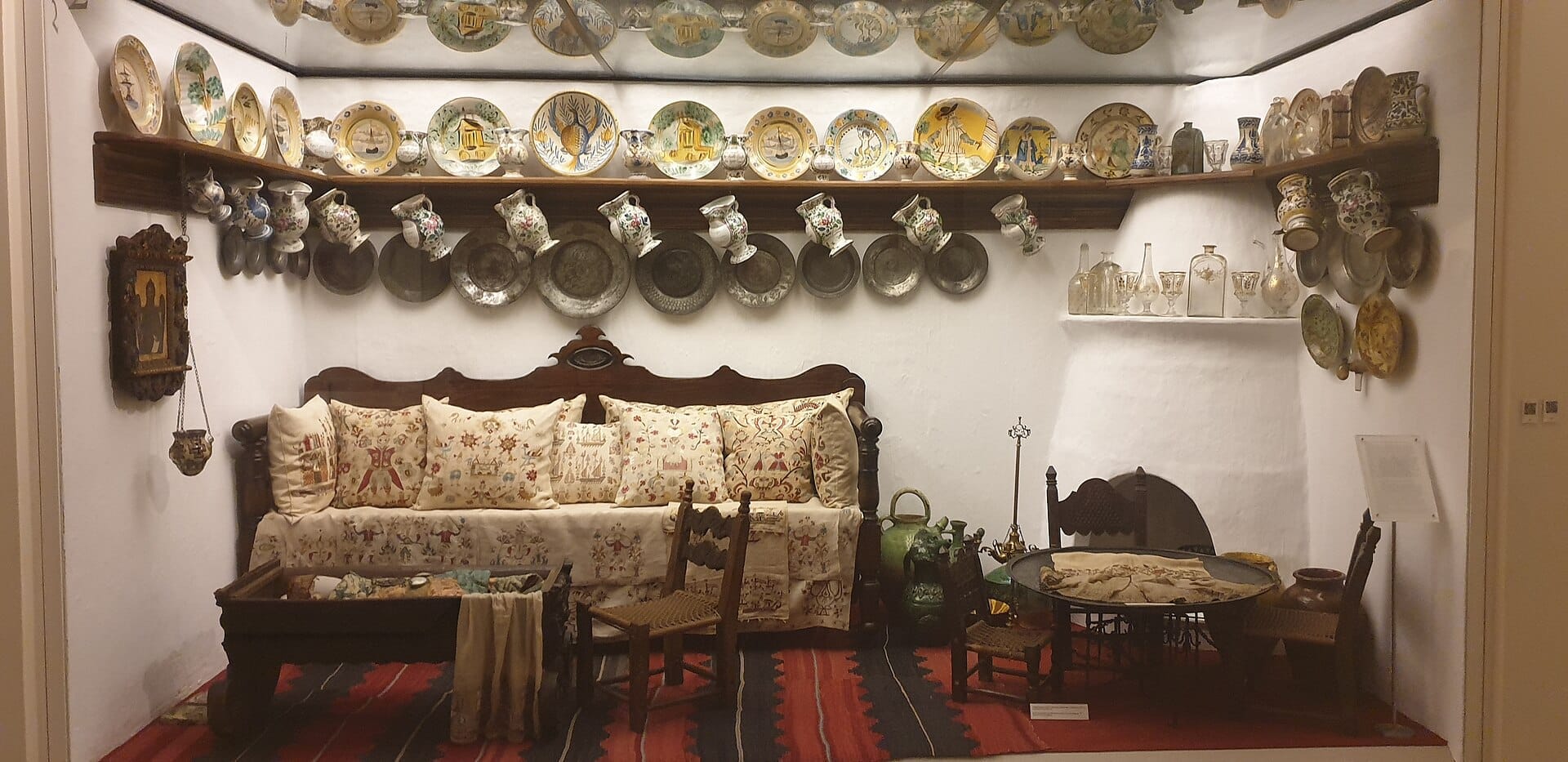
15. Trace Greek History from Prehistory to Modernity at the Benaki
Greece's premier private museum spans Greek prehistory through the 20th century in a neoclassical Kolonaki mansion. Ancient gold jewellery, Byzantine icons, and Ottoman-era artefacts sit in the same building. The rooftop café with Acropolis views is a worthwhile stop in itself.
Explore15. Trace Greek History from Prehistory to Modernity at the Benaki
Greece's premier private museum spans Greek prehistory through the 20th century in a neoclassical Kolonaki mansion. Ancient gold jewellery, Byzantine icons, and Ottoman-era artefacts sit in the same building. The rooftop café with Acropolis views is a worthwhile stop in itself.
ExploreAncient Sites Beyond the City Centre
Some of Greece's most significant ancient sites are within a 1-3 hour drive or bus ride from Athens. These make excellent day trips and are covered in detail in our guide to day trips from Athens. None require more than a single day and can be combined with a scenic drive through the Attica countryside.
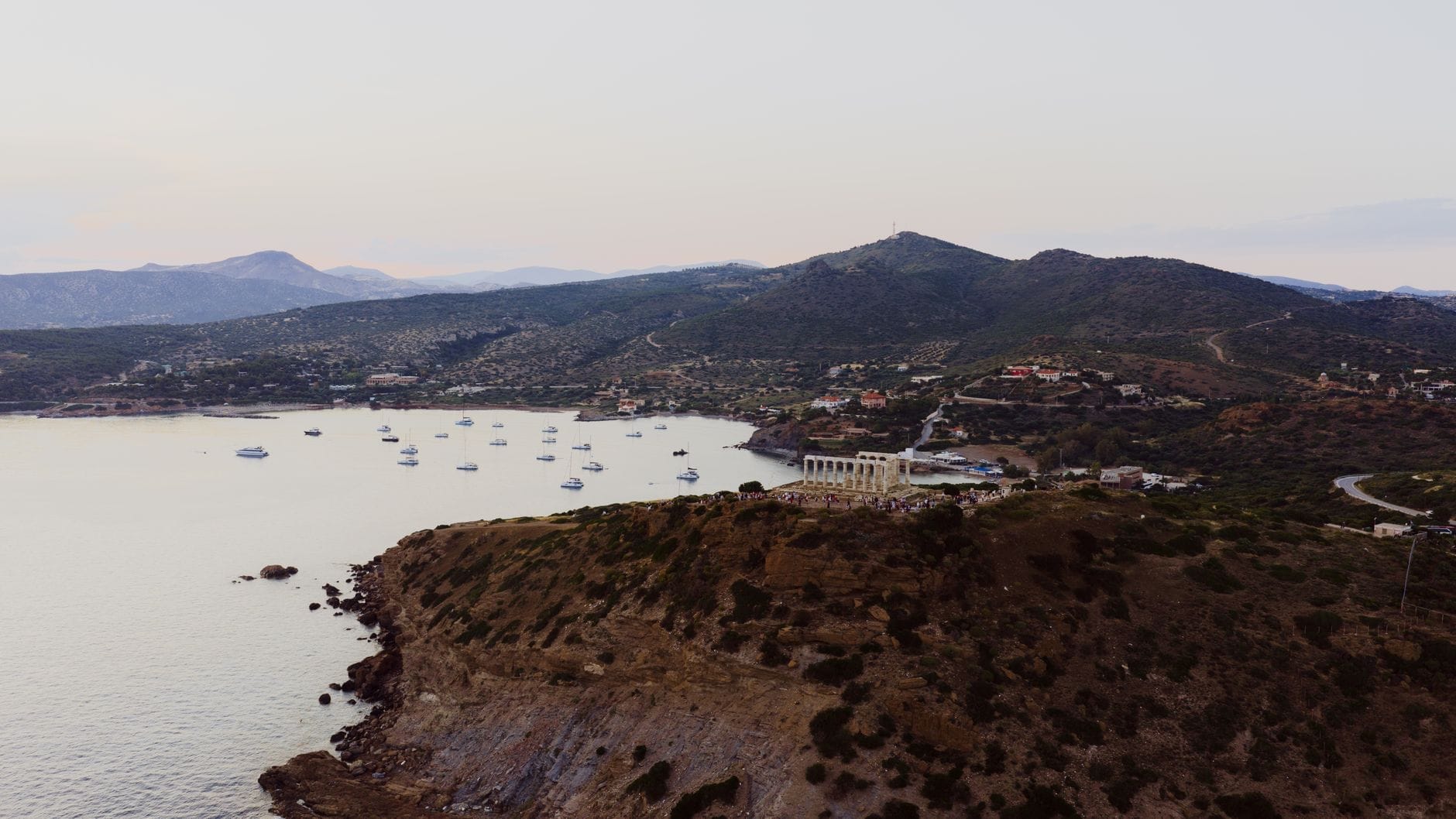
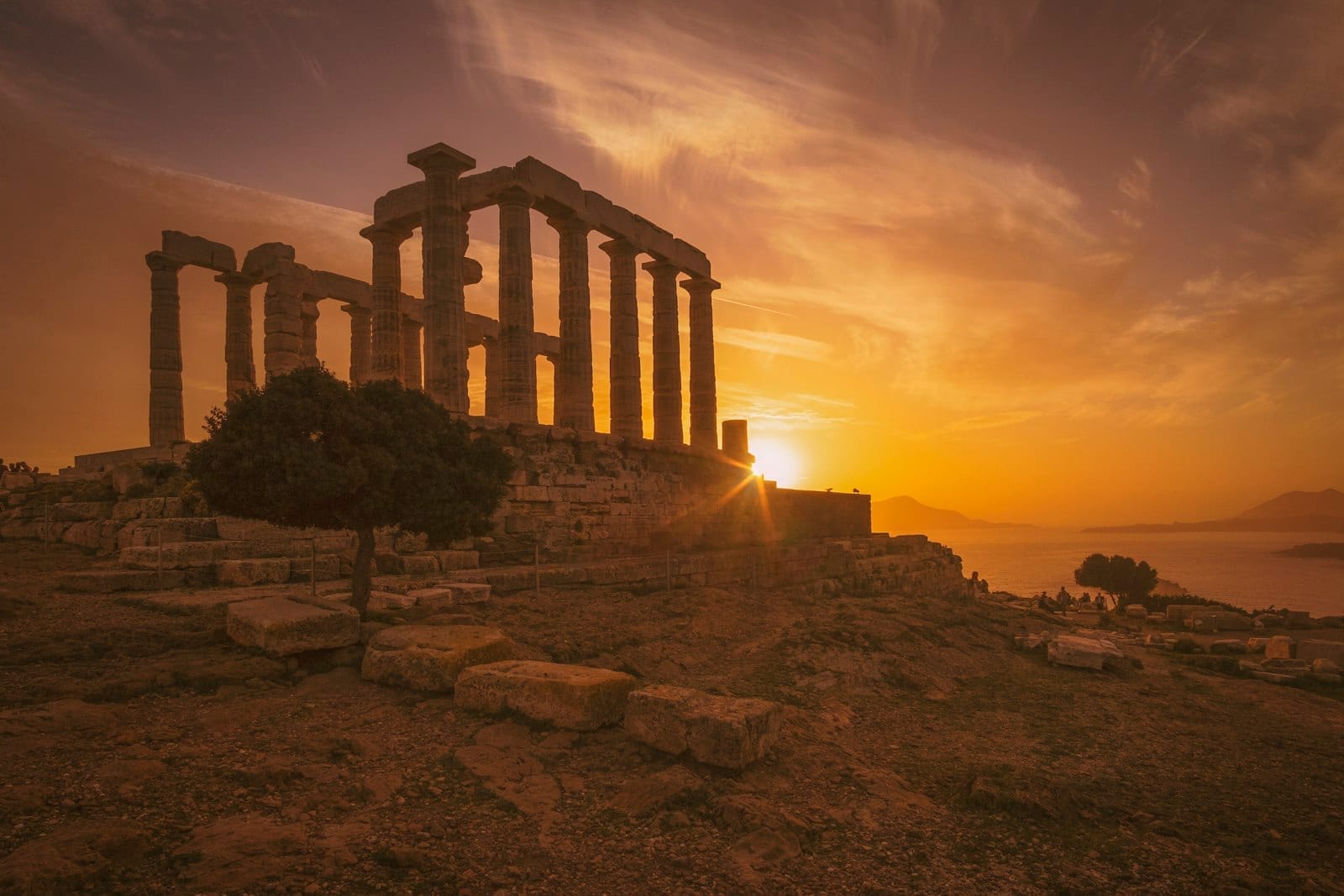
16. Watch the Sun Set Over the Temple of Poseidon at Cape Sounion
A Doric temple dedicated to Poseidon crowns a 65-metre cliff above the Aegean, 70km south of Athens. The sunset here is among the most spectacular in Greece. Take the coastal KTEL bus from Pedion Areos — the 2-hour journey along the Athenian Riviera is part of the experience.
Explore16. Watch the Sun Set Over the Temple of Poseidon at Cape Sounion
A Doric temple dedicated to Poseidon crowns a 65-metre cliff above the Aegean, 70km south of Athens. The sunset here is among the most spectacular in Greece. Take the coastal KTEL bus from Pedion Areos — the 2-hour journey along the Athenian Riviera is part of the experience.
Explore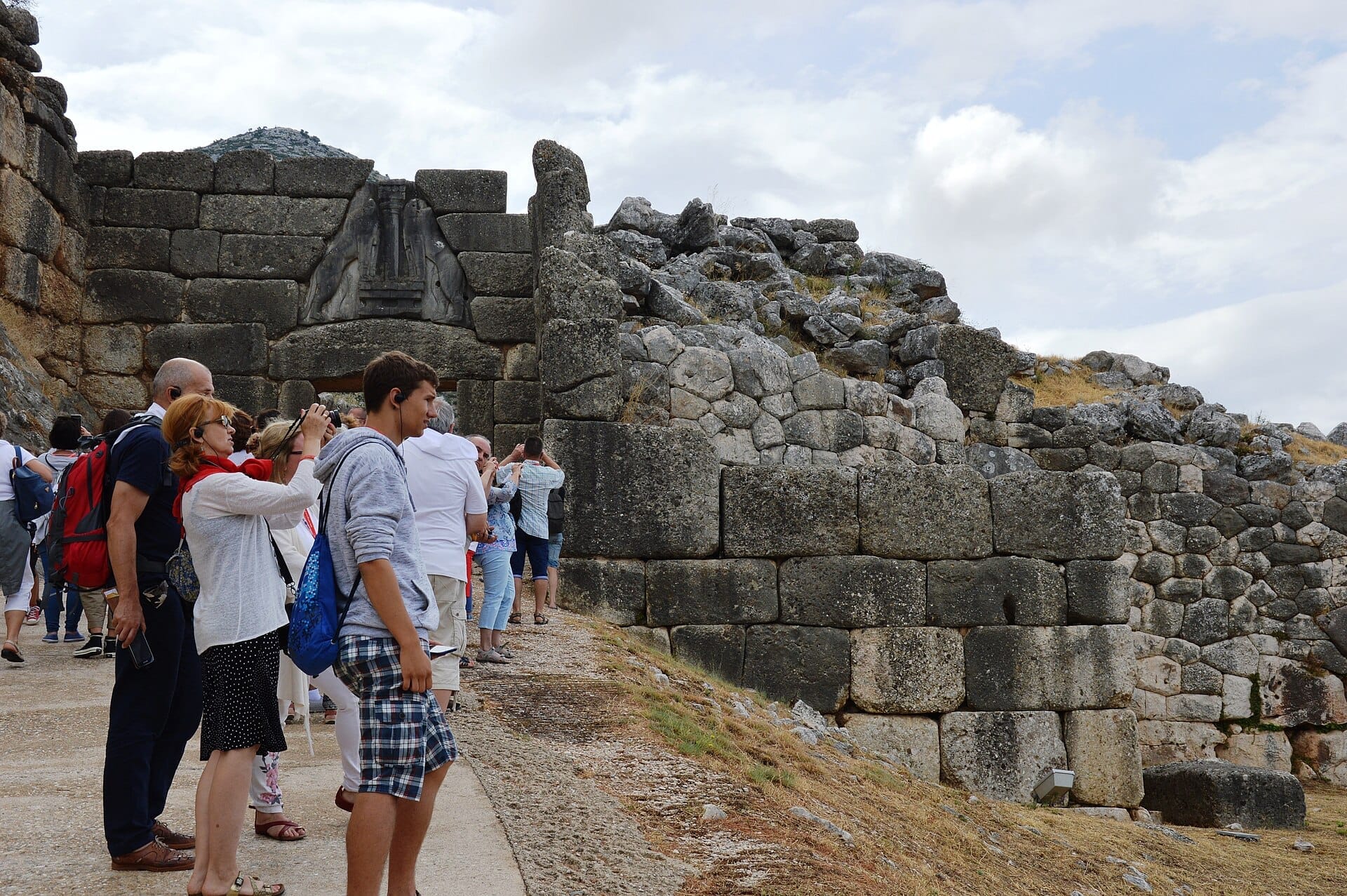
17. Walk Through the Lion Gate at Bronze Age Mycenae
The legendary citadel of Agamemnon, with its iconic Lion Gate, Treasury of Atreus beehive tomb, and shaft graves where the Mask of Agamemnon was found. Around 120km from Athens, it pairs well with Epidaurus. One of the most emotionally powerful ancient sites in the world.
Explore17. Walk Through the Lion Gate at Bronze Age Mycenae
The legendary citadel of Agamemnon, with its iconic Lion Gate, Treasury of Atreus beehive tomb, and shaft graves where the Mask of Agamemnon was found. Around 120km from Athens, it pairs well with Epidaurus. One of the most emotionally powerful ancient sites in the world.
Explore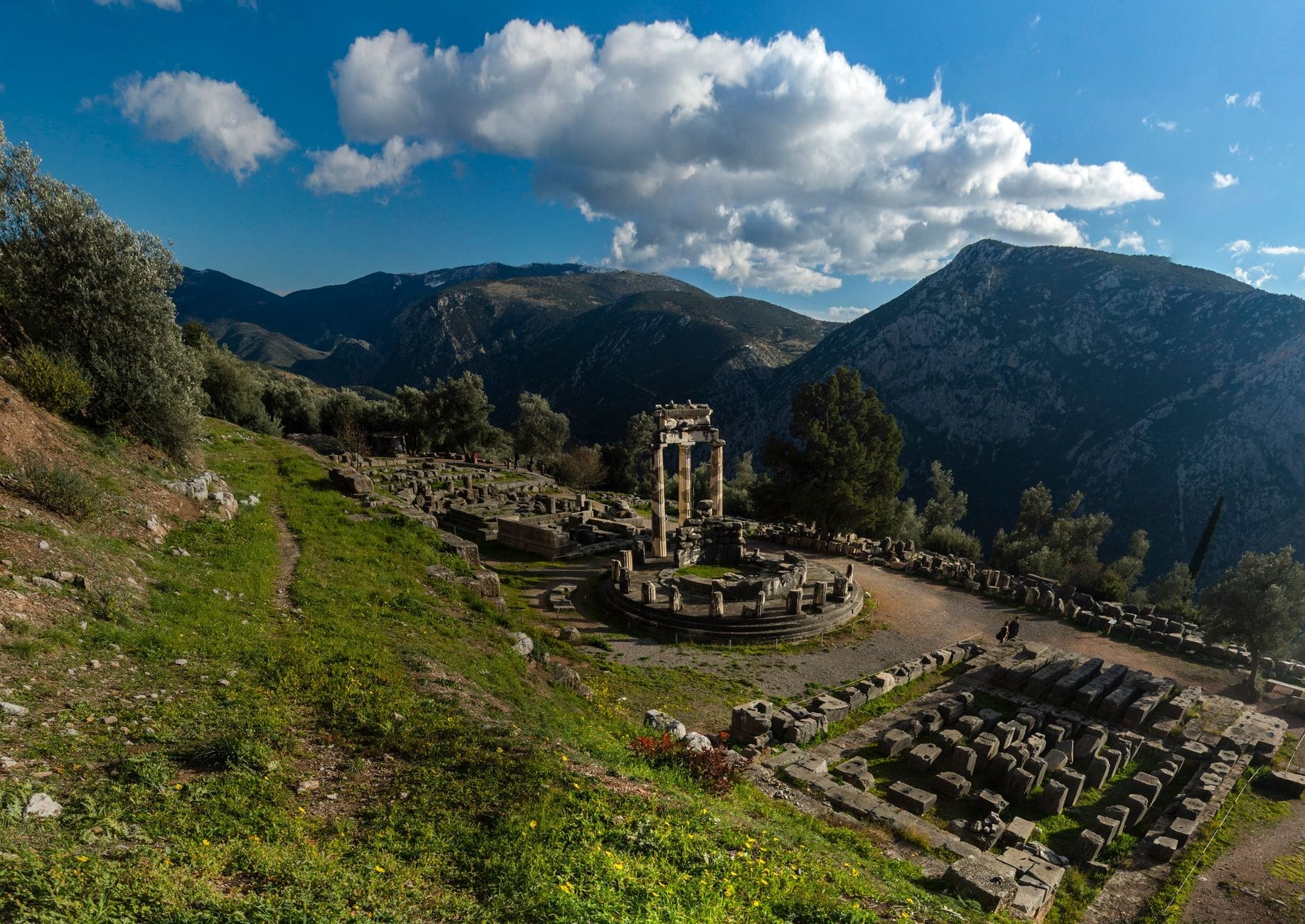
18. Consult the Oracle at Delphi on a Day Trip from Athens
The sanctuary of Apollo and seat of the ancient Oracle sits dramatically on Mount Parnassus, about 180km from Athens. The site includes the Temple of Apollo, ancient theatre, stadium, and one of Greece's best archaeological museums. Allow a full day including travel.
Explore18. Consult the Oracle at Delphi on a Day Trip from Athens
The sanctuary of Apollo and seat of the ancient Oracle sits dramatically on Mount Parnassus, about 180km from Athens. The site includes the Temple of Apollo, ancient theatre, stadium, and one of Greece's best archaeological museums. Allow a full day including travel.
Explore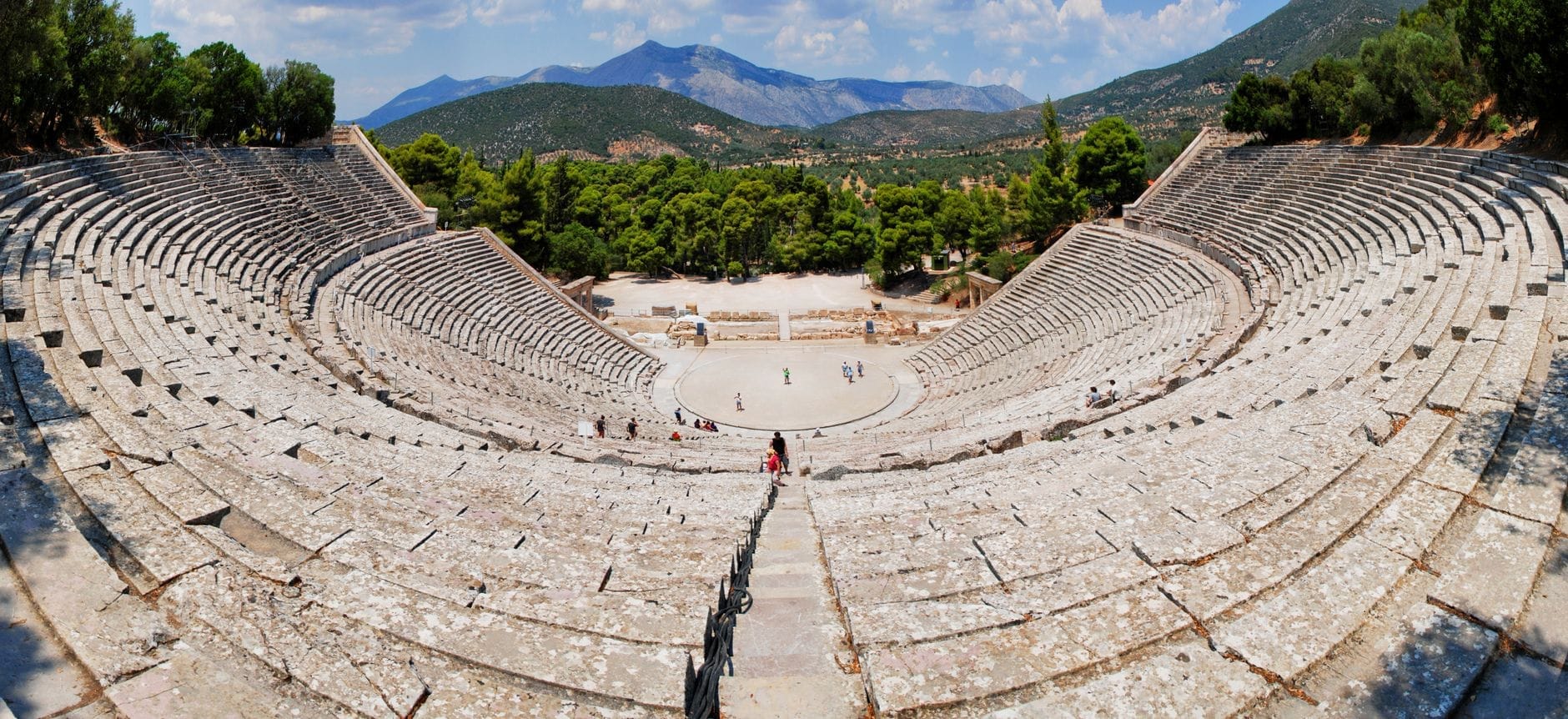
19. Test the Acoustics at the Ancient Theatre of Epidaurus
The most perfectly preserved Greek theatre in existence, its acoustics so precise that a coin dropped on stage can be heard in the top row. Around 150km from Athens and best combined with Mycenae. Summer performances during the Athens Epidaurus Festival run June to August.
Explore19. Test the Acoustics at the Ancient Theatre of Epidaurus
The most perfectly preserved Greek theatre in existence, its acoustics so precise that a coin dropped on stage can be heard in the top row. Around 150km from Athens and best combined with Mycenae. Summer performances during the Athens Epidaurus Festival run June to August.
Explore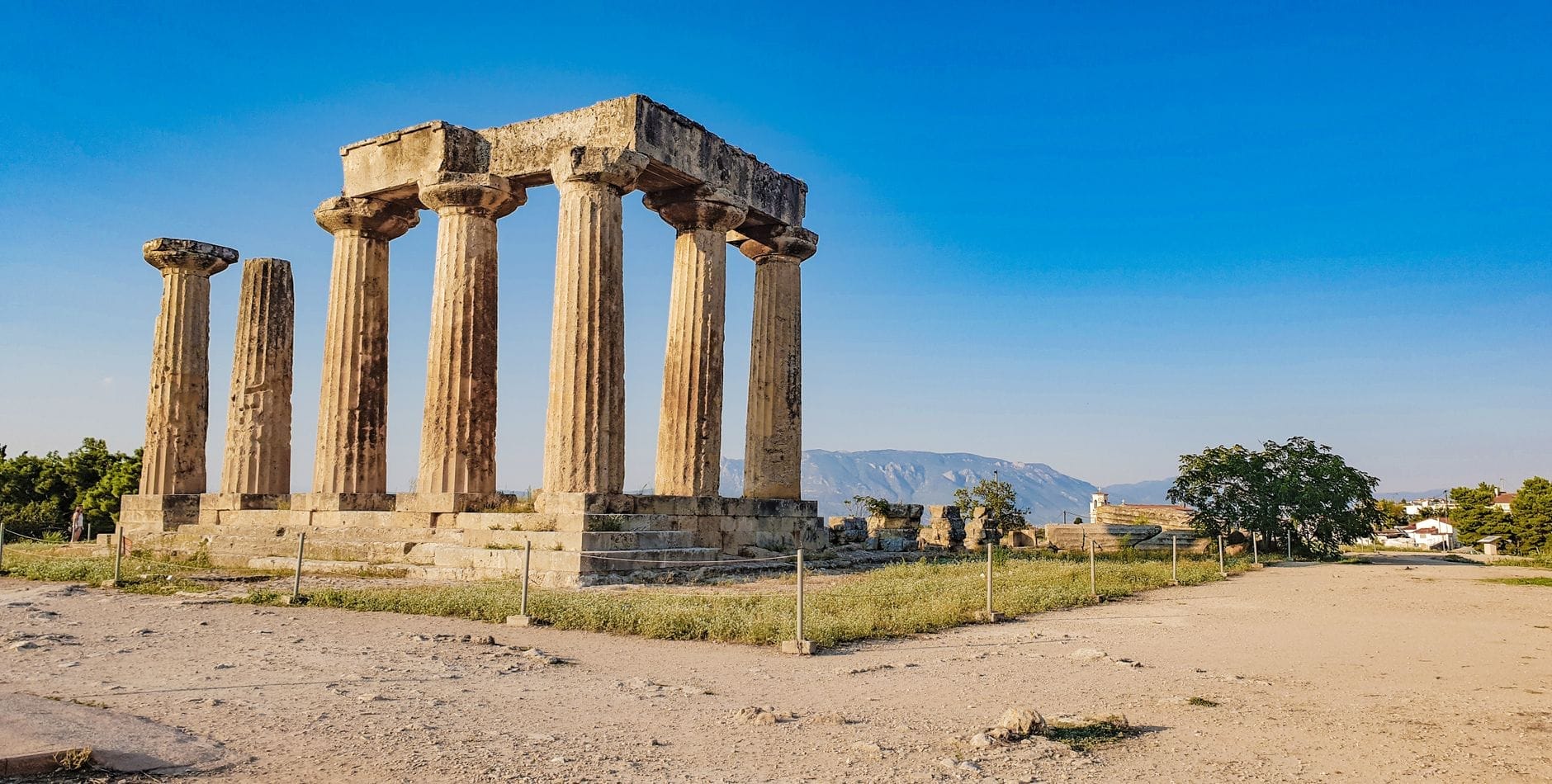
20. Explore Ancient Corinth and the Fortress of Acrocorinth
One of the ancient world's most powerful city-states, Ancient Corinth features the well-preserved Temple of Apollo and an excellent archaeological museum. Above the site, the medieval Acrocorinth fortress offers sweeping Peloponnese views. Around 80km from Athens by car or bus.
Explore20. Explore Ancient Corinth and the Fortress of Acrocorinth
One of the ancient world's most powerful city-states, Ancient Corinth features the well-preserved Temple of Apollo and an excellent archaeological museum. Above the site, the medieval Acrocorinth fortress offers sweeping Peloponnese views. Around 80km from Athens by car or bus.
Explore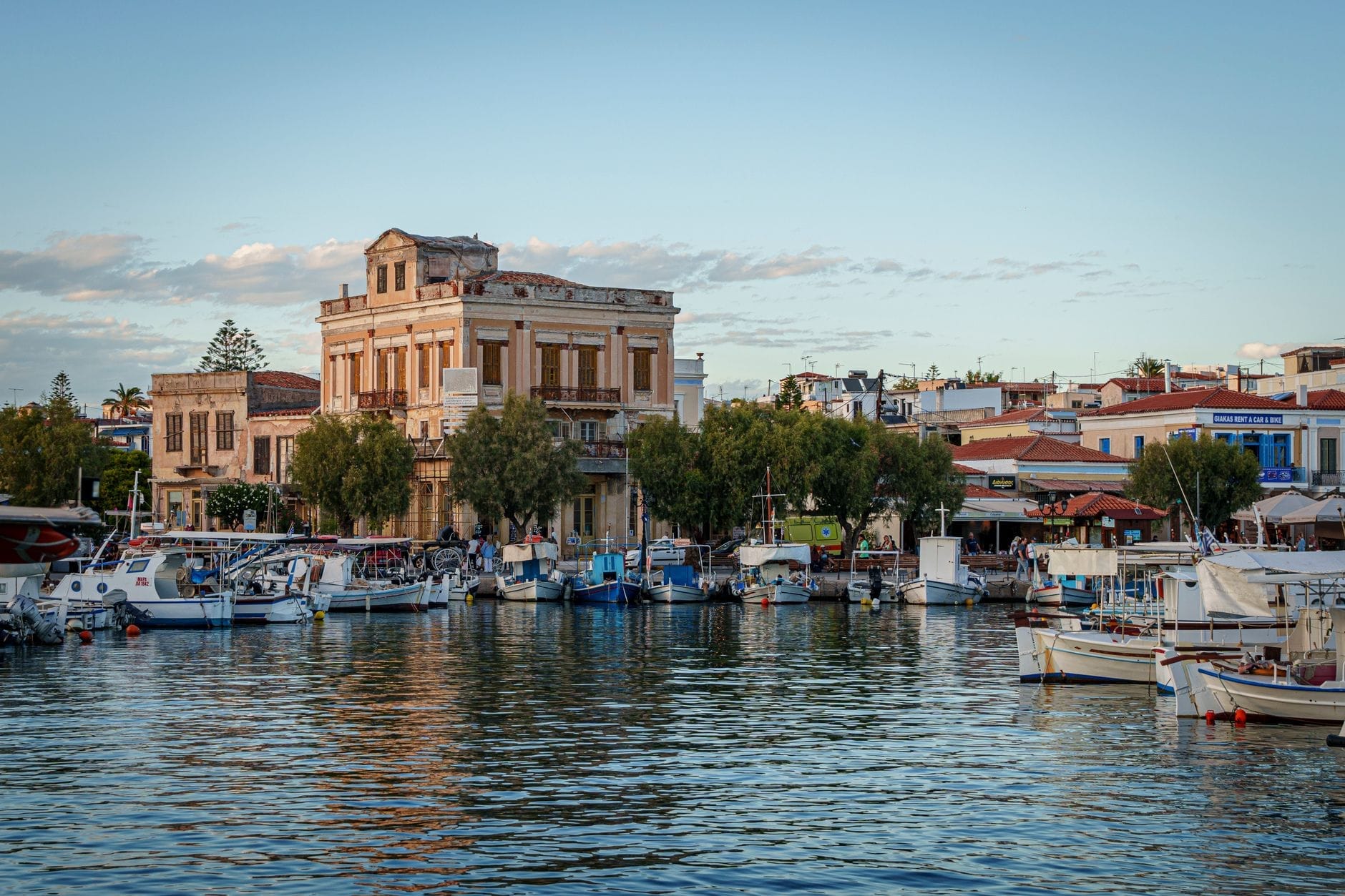
21. Sail to Aegina for the Temple of Aphaia
The Temple of Aphaia on Aegina is one of the best-preserved archaic Greek temples anywhere, predating the Parthenon. The island is 40 minutes by fast ferry from Piraeus, making it a realistic half-day trip. Combine it with a walk through Aegina town and lunch by the harbour.
Explore21. Sail to Aegina for the Temple of Aphaia
The Temple of Aphaia on Aegina is one of the best-preserved archaic Greek temples anywhere, predating the Parthenon. The island is 40 minutes by fast ferry from Piraeus, making it a realistic half-day trip. Combine it with a walk through Aegina town and lunch by the harbour.
ExploreAncient Monuments You Can See for Free
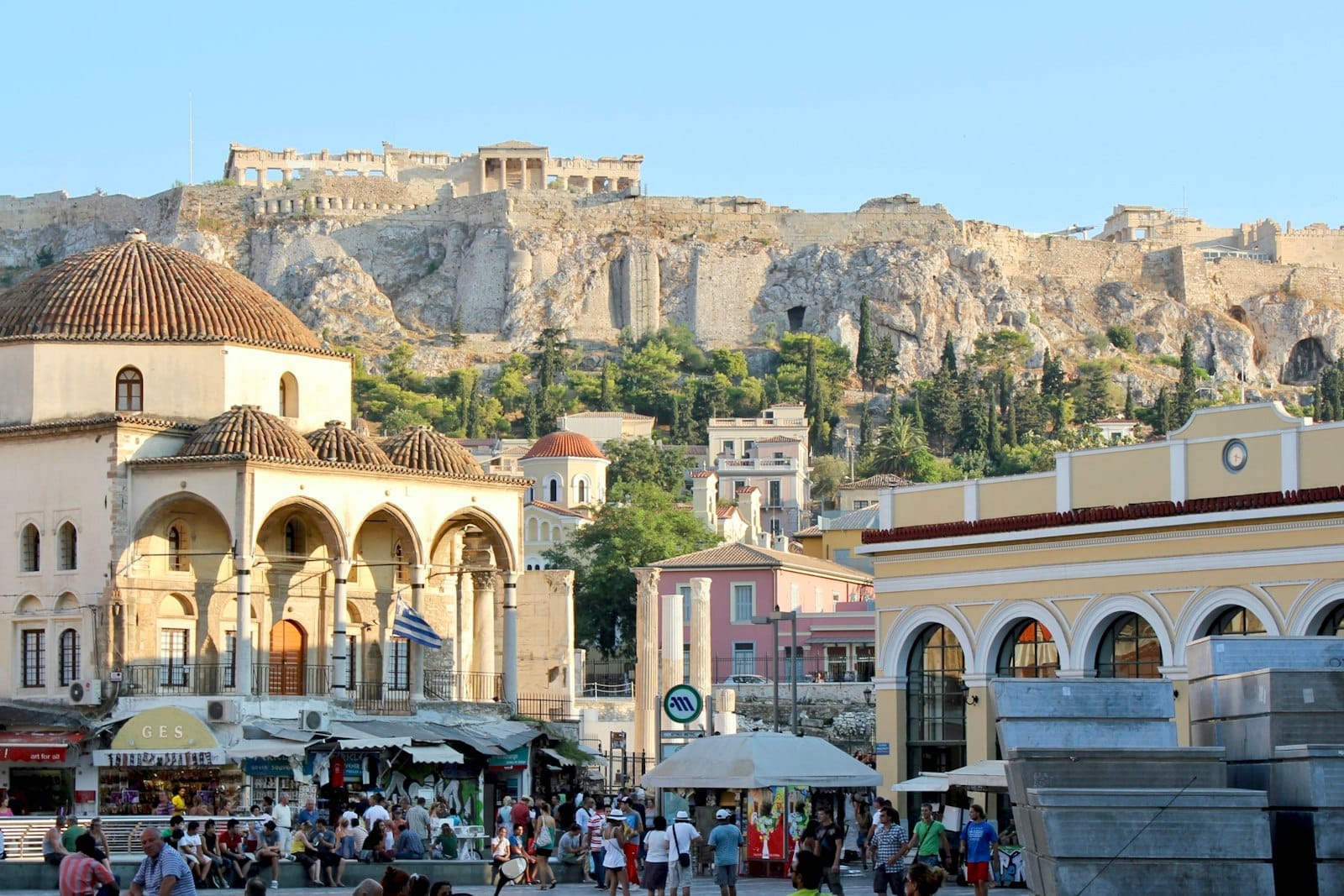
Not every ancient site in Athens requires a ticket. Several significant monuments can be viewed up close at no cost, either as open archaeological sites or as free viewpoints. For a full breakdown of free experiences across the city, see our guide to free things to do in Athens.
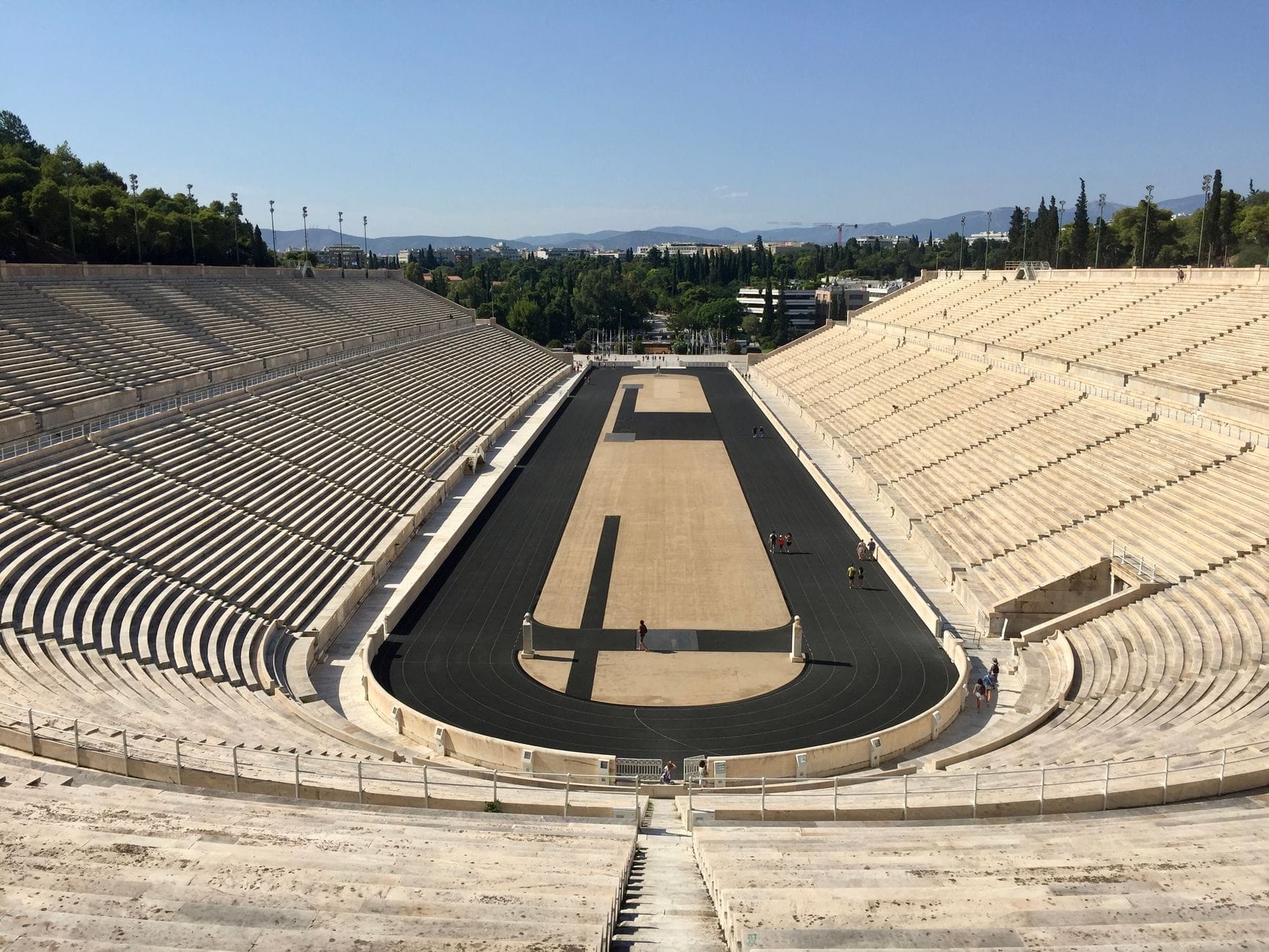
22. Run a Lap of the All-Marble Panathenaic Stadium
The only stadium in the world built entirely of white marble, the Panathenaic Stadium hosted the first modern Olympics in 1896 and sits on the site of an ancient Greek stadium. You can run the track, visit the small museum, and stand on the medal podium. Admission is charged, but the exterior is freely viewable.
Explore22. Run a Lap of the All-Marble Panathenaic Stadium
The only stadium in the world built entirely of white marble, the Panathenaic Stadium hosted the first modern Olympics in 1896 and sits on the site of an ancient Greek stadium. You can run the track, visit the small museum, and stand on the medal podium. Admission is charged, but the exterior is freely viewable.
Explore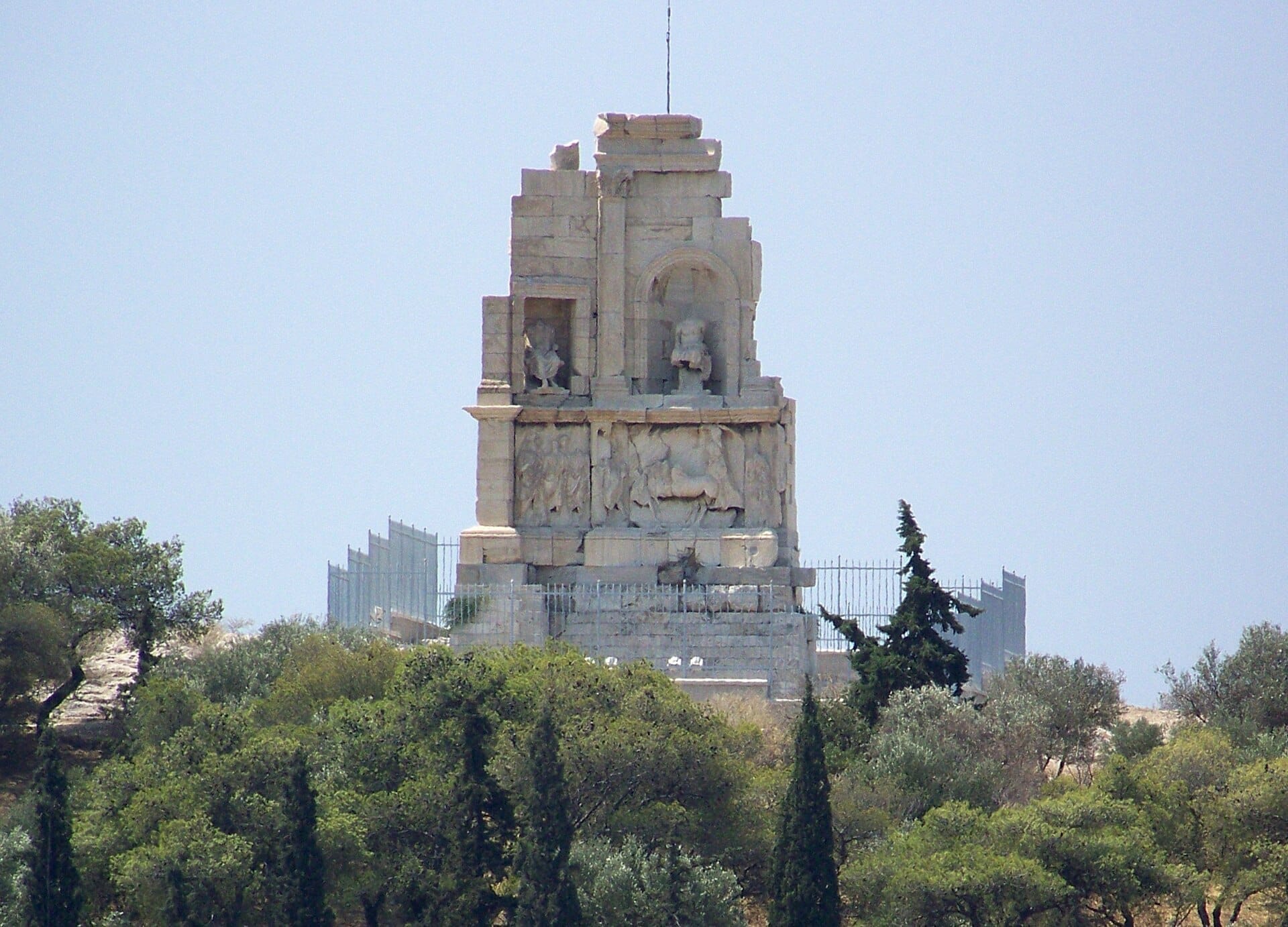
23. Hike to the Philopappos Monument for Acropolis Views
The pine-covered hill southwest of the Acropolis is free to walk and topped by the 2nd-century AD Philopappos Monument, built for a Syrian-Roman benefactor of Athens. The walk takes 20 minutes from Thisio and rewards with panoramic views of the Acropolis and city.
Explore23. Hike to the Philopappos Monument for Acropolis Views
The pine-covered hill southwest of the Acropolis is free to walk and topped by the 2nd-century AD Philopappos Monument, built for a Syrian-Roman benefactor of Athens. The walk takes 20 minutes from Thisio and rewards with panoramic views of the Acropolis and city.
Explore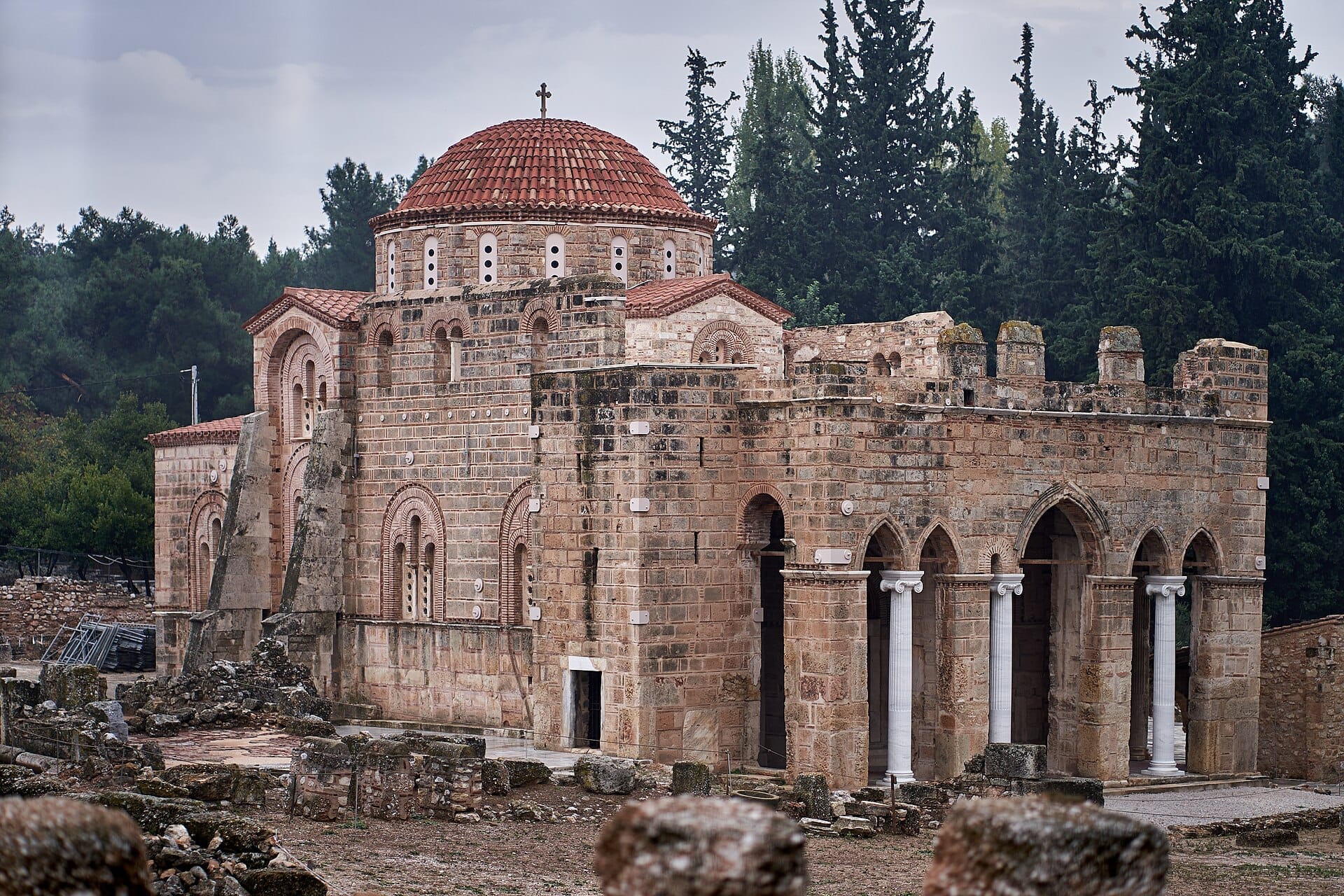
24. See Byzantine Mosaics on the Ancient Sacred Way at Daphni
A UNESCO World Heritage Site on the old Sacred Way to Eleusis, Daphni's 11th-century monastery contains some of the finest Byzantine mosaics in existence. The golden Christ Pantocrator in the dome is a masterpiece. Located 10km west of central Athens, reachable by Metro Line 3.
Explore24. See Byzantine Mosaics on the Ancient Sacred Way at Daphni
A UNESCO World Heritage Site on the old Sacred Way to Eleusis, Daphni's 11th-century monastery contains some of the finest Byzantine mosaics in existence. The golden Christ Pantocrator in the dome is a masterpiece. Located 10km west of central Athens, reachable by Metro Line 3.
ExploreFAQ
Does the Acropolis ticket include the Acropolis Museum?
No. The Acropolis archaeological site and the Acropolis Museum are separate institutions with separate tickets. The site ticket costs €30 (current full admission). The museum charges €20 for general admission. You will need to buy both if you want to visit both.
What is the best time of day to visit the Acropolis?
Opening time (08:00) is consistently the least crowded period and avoids the midday heat in summer. Late afternoon (after 17:00) is also quieter and offers better light for photography. Midday visits in July and August can see temperatures above 38°C on the exposed rock with very little shade.
Can I visit multiple archaeological sites in Athens with one ticket?
The Hellenic Ministry of Culture previously offered multi-site combo passes that bundled the Acropolis with several other sites including the Ancient Agora, Roman Agora, and Temple of Olympian Zeus, but these have now been discontinued. Standard single-site tickets are sold via the official e-ticket platform at hhticket.gr. Third-party platforms may sell their own combo passes, but these are not official Ministry tickets.
Are there free admission days at Athens archaeological sites?
Yes. Greek state archaeological sites and museums offer free admission on specific days each year, including 6 March (in memory of Melina Mercouri), 18 April (International Monuments Day), 18 May (International Museums Day), the last weekend of September, 28 October, and the first Sunday of each month from November to March, among other designated dates. Check the Hellenic Ministry of Culture website for the current list before your visit.
How many days do I need to see the ancient sites of Athens?
Two full days covers the core central sites: the Acropolis, Acropolis Museum, Ancient Agora, Roman Agora, and the National Archaeological Museum. Add a third day for Kerameikos, the Temple of Olympian Zeus, and Hadrian's Library. Day trips to Delphi, Mycenae, or Cape Sounion each require an additional full day.