Best Museums in Athens: A Complete Guide to the City's Greatest Collections
Athens holds one of the densest concentrations of world-class museums anywhere in Europe. This guide covers every major collection, from the Acropolis Museum's Parthenon sculptures to the Benaki's sweep of Greek history, with practical advice on what to prioritise and when to go.
Plan and book this trip
Tools from our partner Travelpayouts help you compare flights and hotels. If you book through them, we may earn a commission at no extra cost to you.
Flights
Hotels map
Athens rewards museum-goers with extraordinary range. In a single city, you can move from 7,000-year-old Neolithic figurines to Byzantine gold, Ottoman-era manuscripts, and cutting-edge contemporary art. The collections here are not simply good for Greece — they rank among the best in the world. Before you plan your route, check our ancient sites guide to understand how the archaeological museums connect to the sites themselves, and consider pairing museum visits with the walkable neighbourhoods of Kolonaki and Koukaki, where several top institutions are located. One practical note: the Acropolis Museum ticket is separate from the Acropolis archaeological site pass, and state museums offer free entry on the first Sunday of November through March — not every Sunday year-round.
✨ Pro tip
Book Acropolis Museum tickets online in advance, especially in summer. Friday evenings (open until 22:00) can be a pleasant time to visit, and the Parthenon Gallery looks spectacular as the sun sets directly behind the monument.
The Essential Archaeological Museums
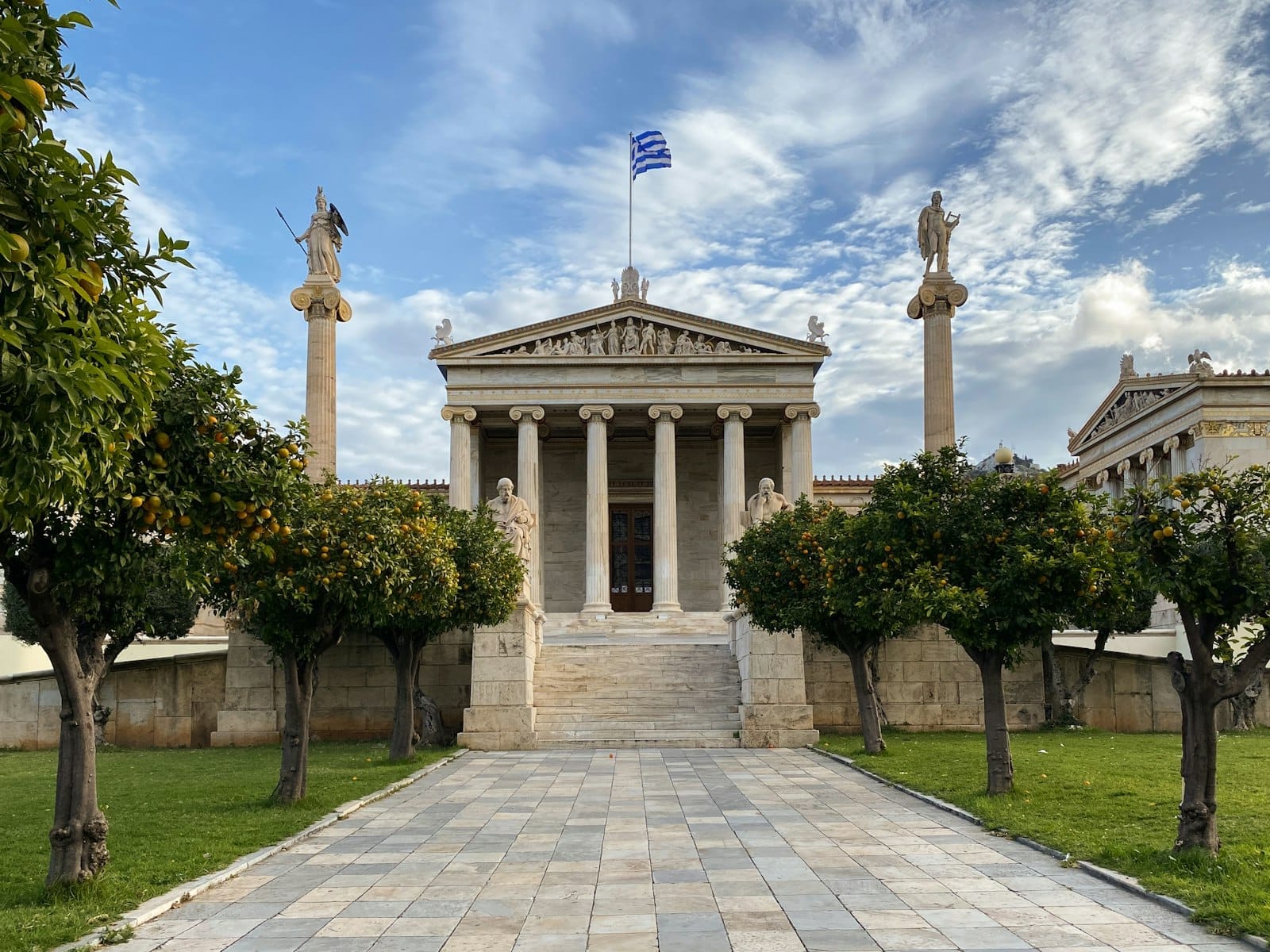
These are the museums that define Athens as a destination. If you only have two or three days, anchor your visit around the Acropolis Museum and the National Archaeological Museum — together they tell the full story of ancient Greek civilisation. Our one-day Athens itinerary pairs the Acropolis Museum with a morning visit to the Acropolis itself, which is the most efficient way to experience both.
1. See the Parthenon Sculptures Up Close at the Acropolis Museum
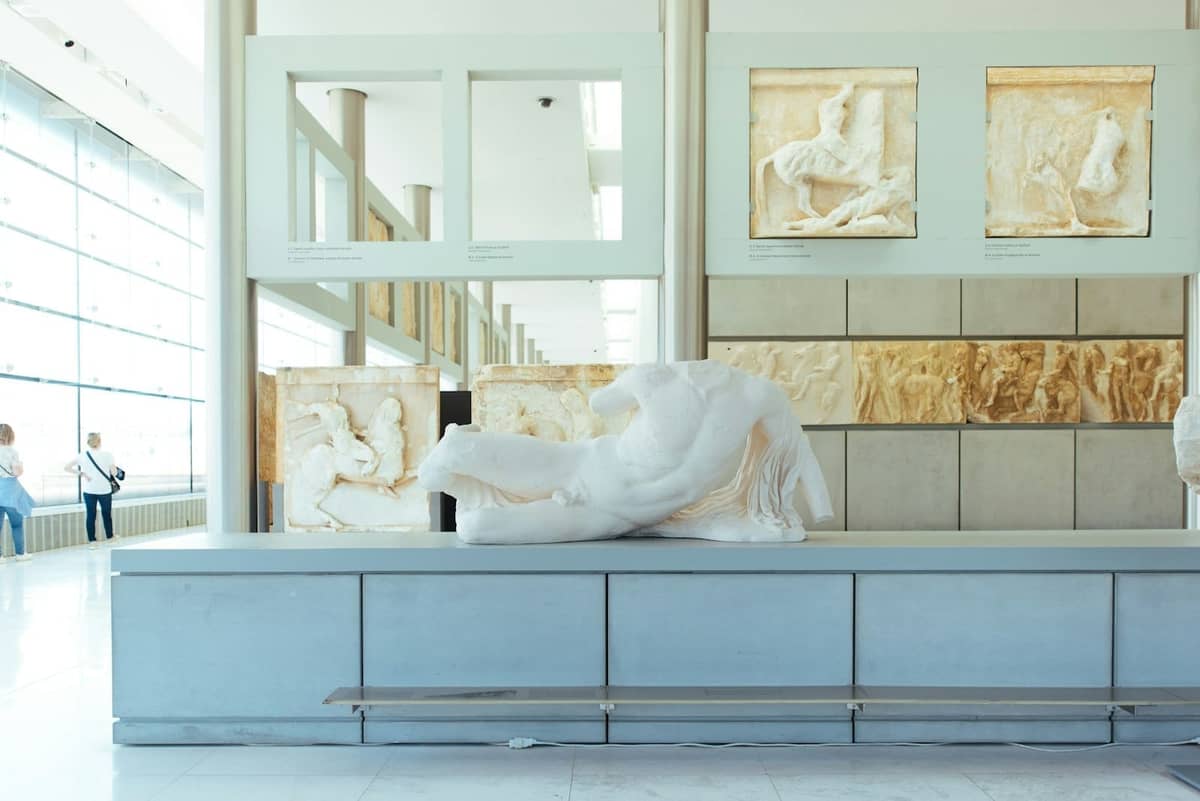
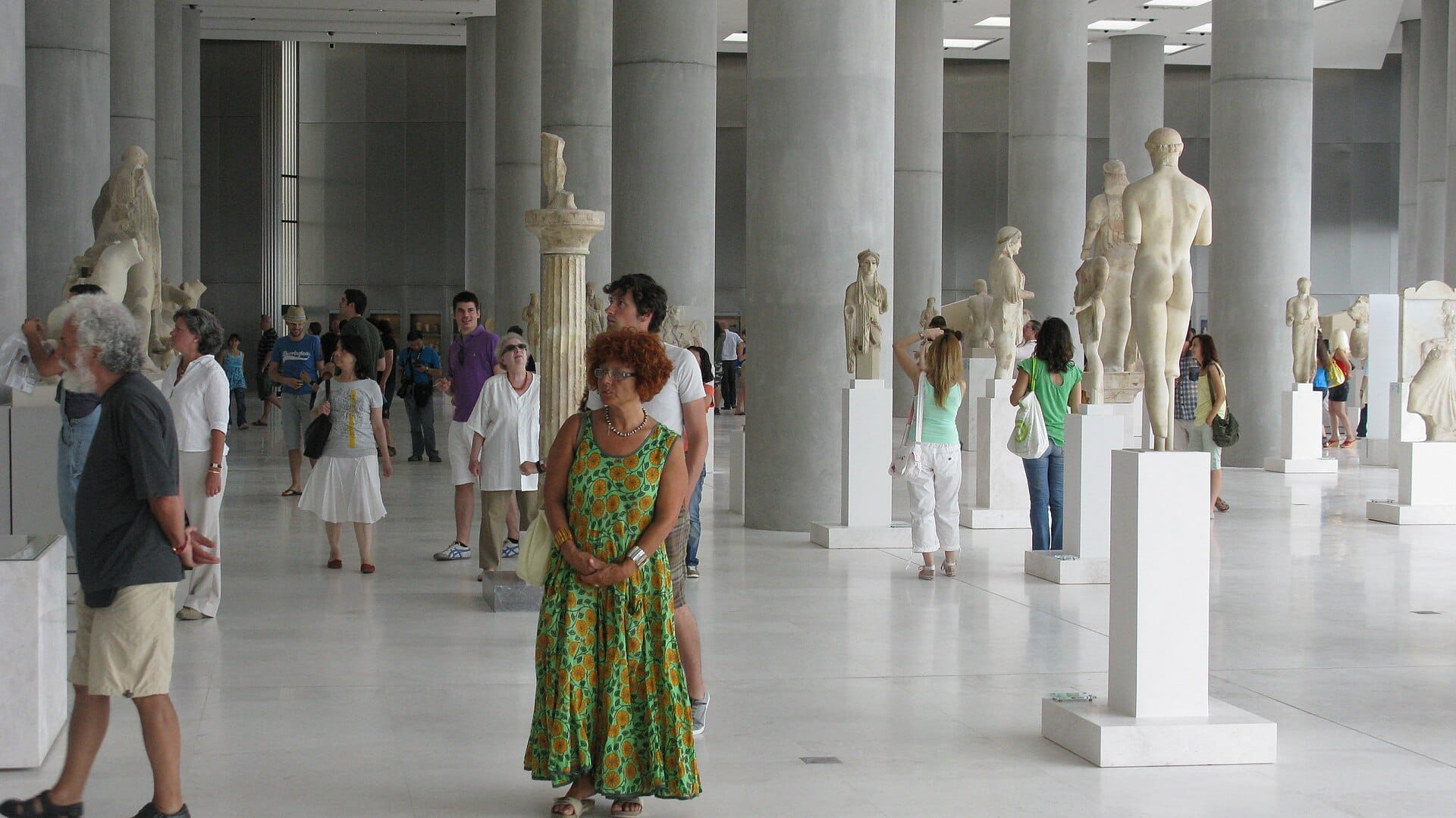
Built over excavated ruins in Koukaki, this museum houses original Acropolis artefacts including the Caryatids from the Erechtheion. The top-floor Parthenon Gallery, with its glass walls aligned to the monument, is one of Europe's great museum spaces. Allow 2–3 hours.
Explore1. See the Parthenon Sculptures Up Close at the Acropolis Museum
Built over excavated ruins in Koukaki, this museum houses original Acropolis artefacts including the Caryatids from the Erechtheion. The top-floor Parthenon Gallery, with its glass walls aligned to the monument, is one of Europe's great museum spaces. Allow 2–3 hours.
Explore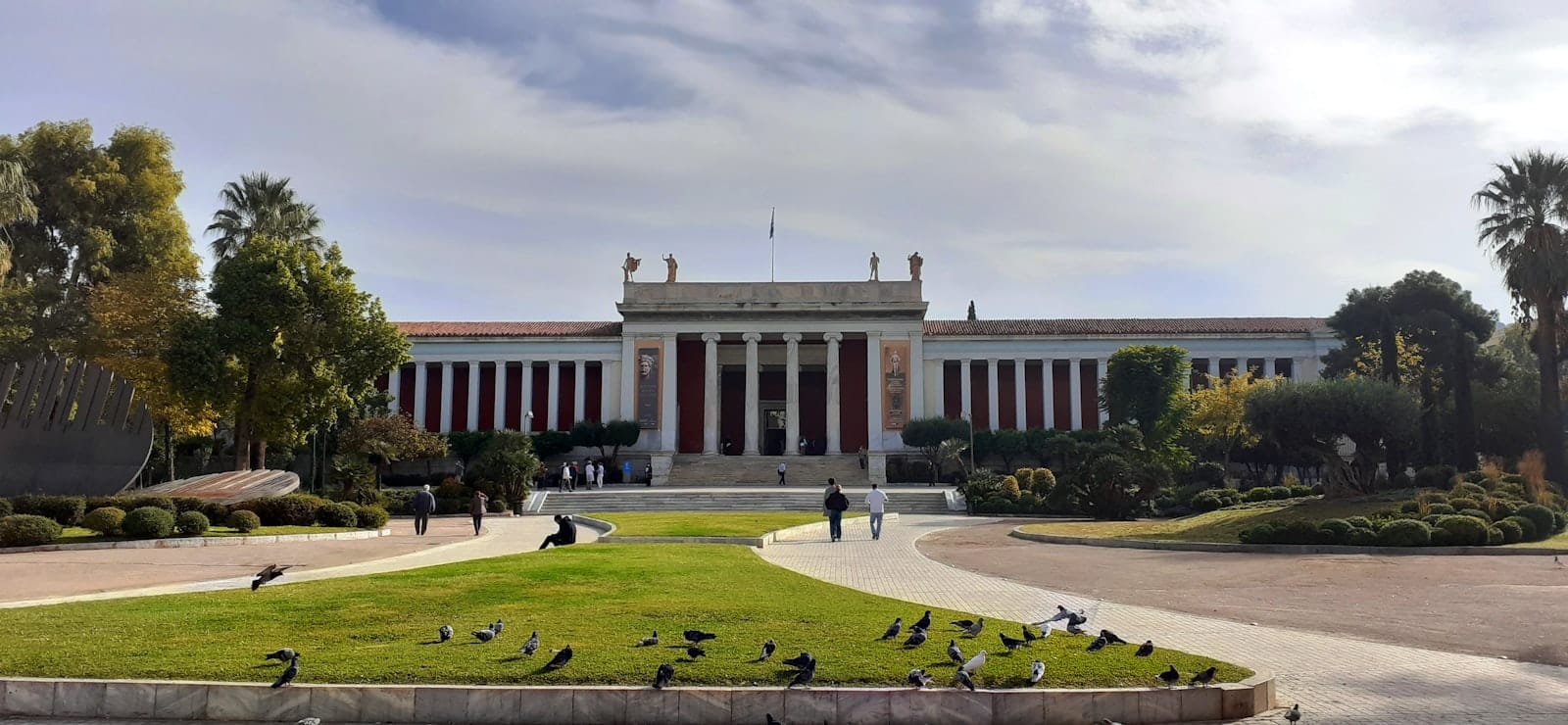
2. Spend Half a Day at the National Archaeological Museum
Greece's largest museum holds over 11,000 objects including the Mask of Agamemnon, the Artemision Bronze, and the mysterious Antikythera Mechanism. The sheer density of masterworks demands at least 2–3 hours. Located in Exarchia, a short metro ride from the centre.
Explore2. Spend Half a Day at the National Archaeological Museum
Greece's largest museum holds over 11,000 objects including the Mask of Agamemnon, the Artemision Bronze, and the mysterious Antikythera Mechanism. The sheer density of masterworks demands at least 2–3 hours. Located in Exarchia, a short metro ride from the centre.
Explore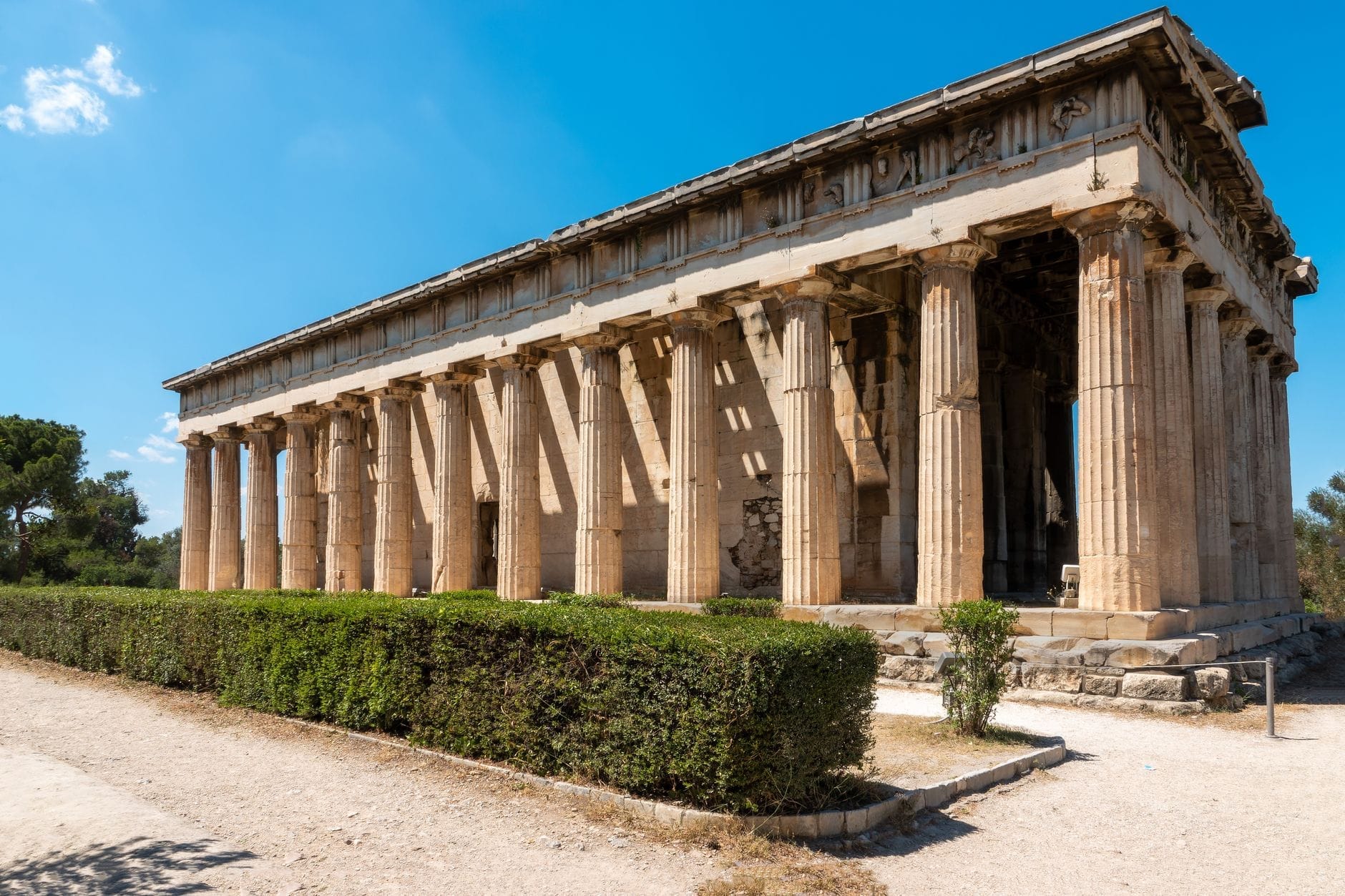
3. Visit the On-Site Museum Inside the Stoa of Attalos
The reconstructed Stoa of Attalos in the Ancient Agora doubles as an archaeological museum, displaying finds from the civic heart of ancient Athens. The pottery, bronze tools, and voting tokens give the abstract idea of Athenian democracy a satisfying physical reality.
Explore3. Visit the On-Site Museum Inside the Stoa of Attalos
The reconstructed Stoa of Attalos in the Ancient Agora doubles as an archaeological museum, displaying finds from the civic heart of ancient Athens. The pottery, bronze tools, and voting tokens give the abstract idea of Athenian democracy a satisfying physical reality.
Explore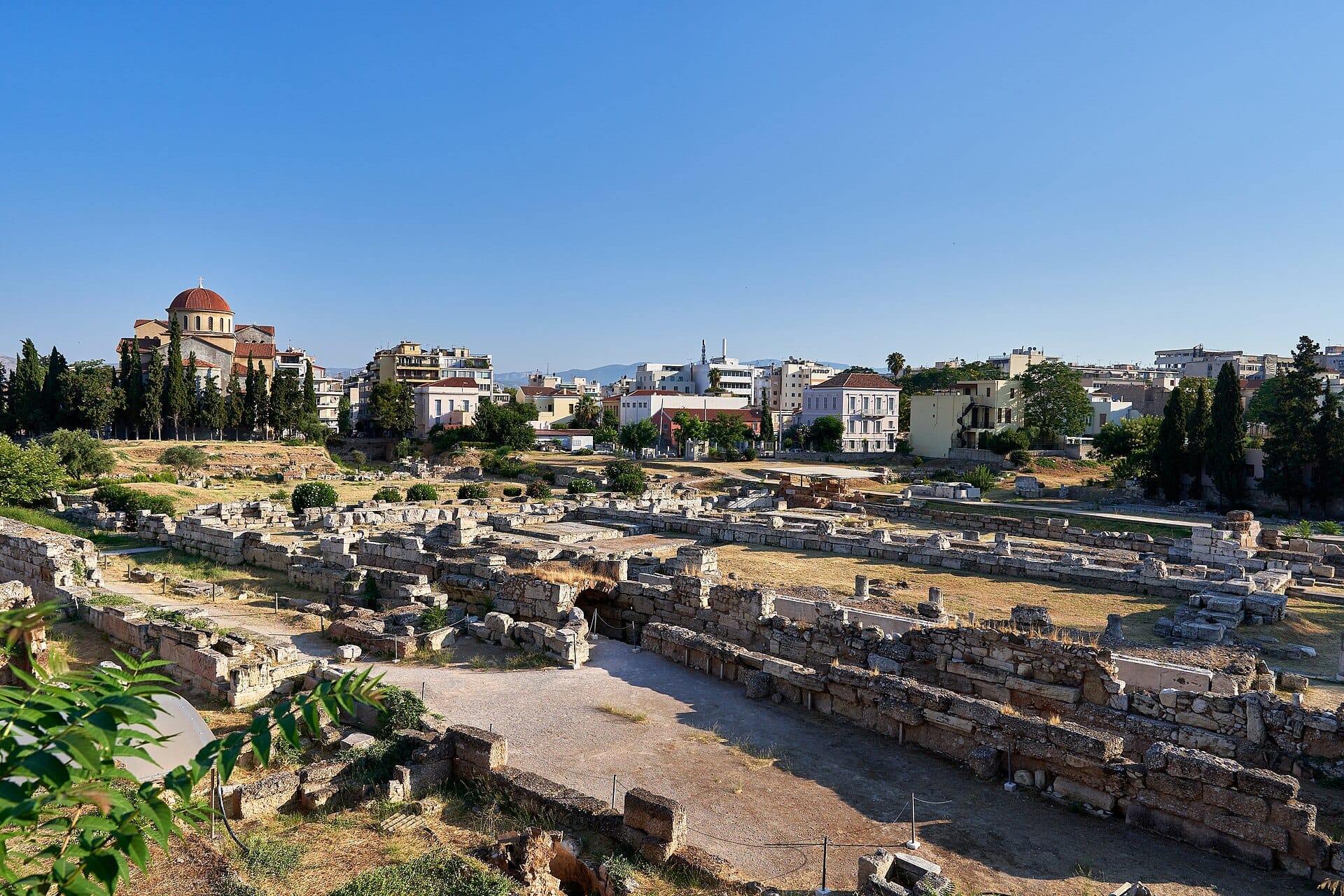
4. Explore the Underrated Kerameikos Museum
The on-site museum at Kerameikos contains superb funerary sculpture, painted lekythoi, and grave goods from Athens' most important ancient cemetery. Far less crowded than the Agora or Acropolis, it is a genuine highlight for anyone with a serious interest in classical Athenian life.
Explore4. Explore the Underrated Kerameikos Museum
The on-site museum at Kerameikos contains superb funerary sculpture, painted lekythoi, and grave goods from Athens' most important ancient cemetery. Far less crowded than the Agora or Acropolis, it is a genuine highlight for anyone with a serious interest in classical Athenian life.
Explore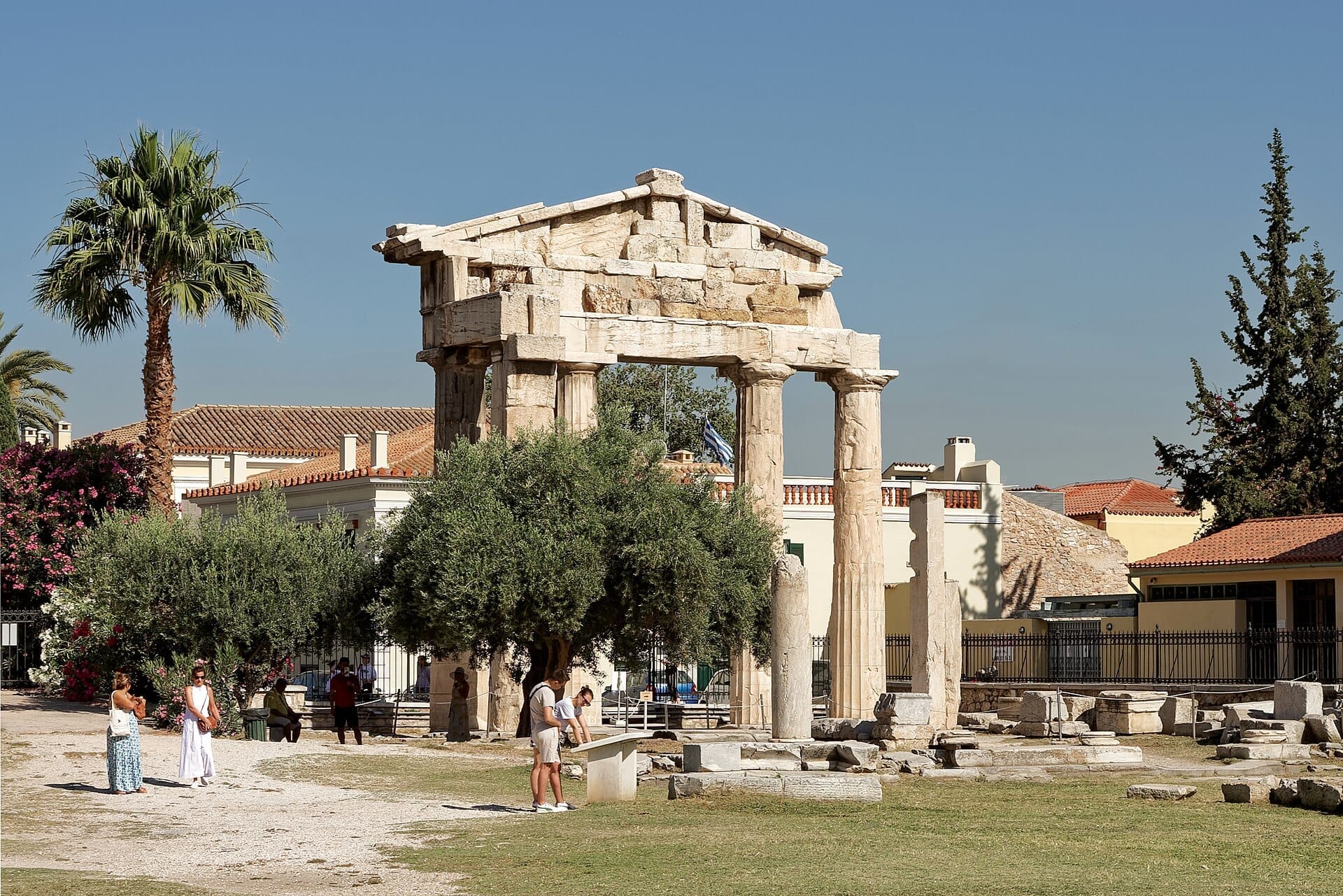
5. Discover Roman Athens at the Roman Agora Site Museum
The Roman Agora in Monastiraki features exhibits on the commercial life of Roman Athens alongside the iconic Tower of the Winds, an ancient meteorological station with eight carved wind deities. It is compact, often quiet, and takes about 45 minutes to explore properly.
Explore5. Discover Roman Athens at the Roman Agora Site Museum
The Roman Agora in Monastiraki features exhibits on the commercial life of Roman Athens alongside the iconic Tower of the Winds, an ancient meteorological station with eight carved wind deities. It is compact, often quiet, and takes about 45 minutes to explore properly.
Explore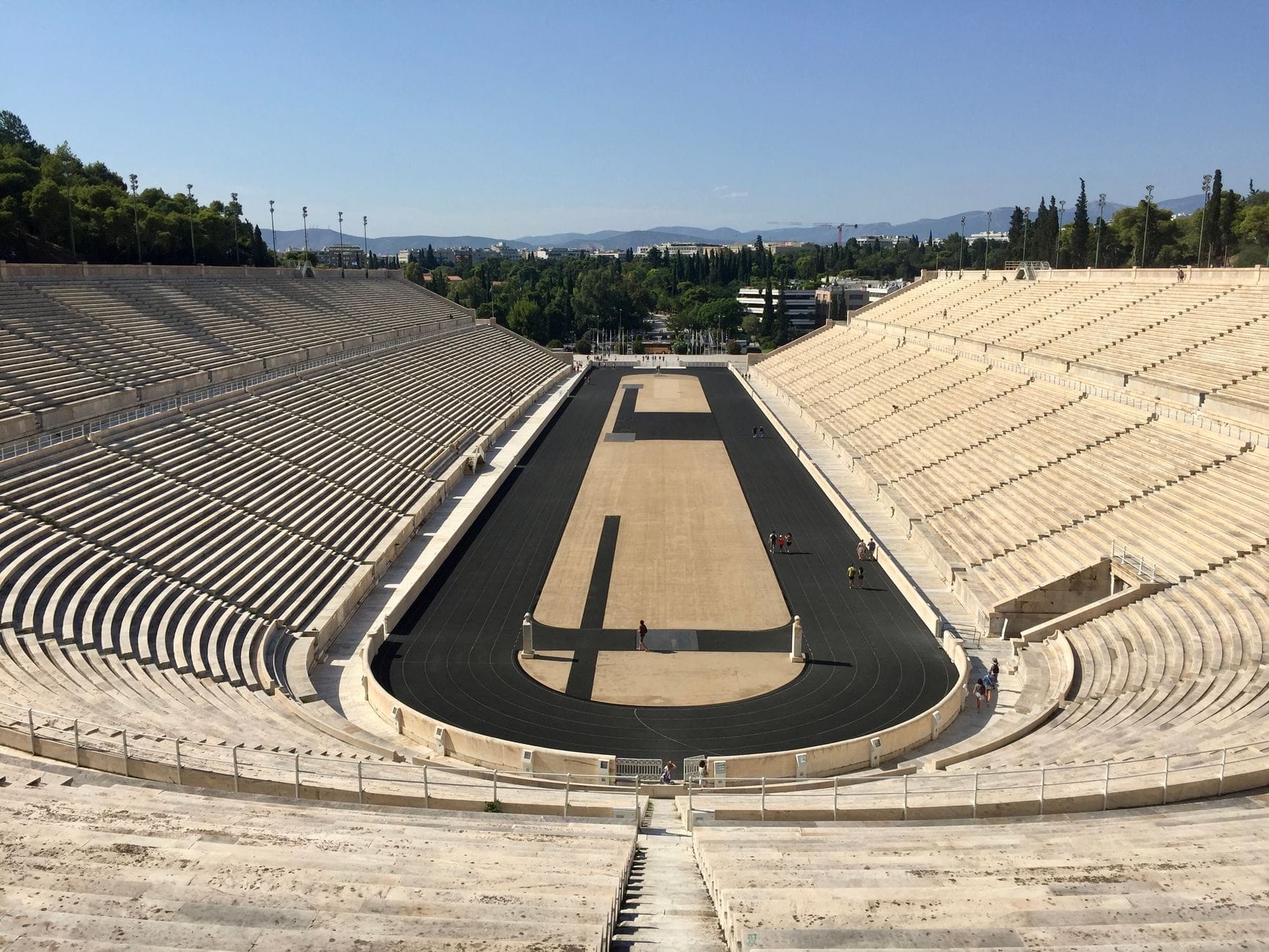
6. See the Olympic History Museum at the Panathenaic Stadium
The all-marble Kallimarmaro stadium includes a small but well-presented museum on the history of the ancient Panathenaic Games and the 1896 modern Olympics. The flame collection, historic torches, and medal displays make this a compelling stop, especially for sports history enthusiasts.
Explore6. See the Olympic History Museum at the Panathenaic Stadium
The all-marble Kallimarmaro stadium includes a small but well-presented museum on the history of the ancient Panathenaic Games and the 1896 modern Olympics. The flame collection, historic torches, and medal displays make this a compelling stop, especially for sports history enthusiasts.
ExploreHistory & Culture: From Prehistoric Greece to the 20th Century
Beyond the purely archaeological, Athens has an outstanding set of museums covering Byzantine art, numismatics, and the full sweep of Greek cultural history. The Kolonaki neighbourhood alone contains three of them within easy walking distance of each other.
7. Trace 5,000 Years of Greek History at the Benaki Museum
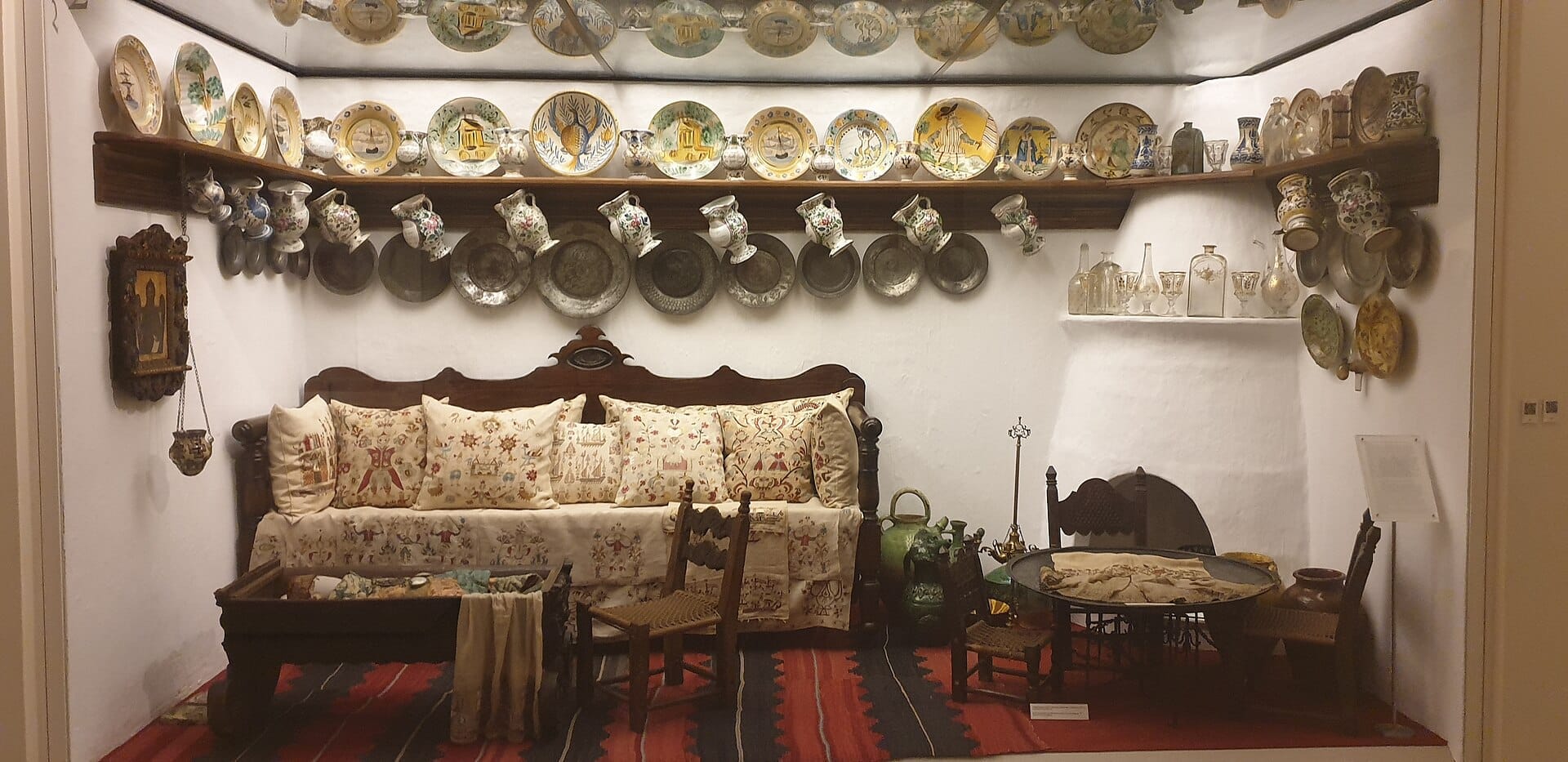
Greece's foremost private museum moves chronologically from prehistoric gold jewellery through Byzantine icons, Ottoman ceramics, and Greek War of Independence relics to 20th-century paintings. The rooftop café with Acropolis views is worth the visit alone. Budget 2 hours minimum.
Explore7. Trace 5,000 Years of Greek History at the Benaki Museum
Greece's foremost private museum moves chronologically from prehistoric gold jewellery through Byzantine icons, Ottoman ceramics, and Greek War of Independence relics to 20th-century paintings. The rooftop café with Acropolis views is worth the visit alone. Budget 2 hours minimum.
Explore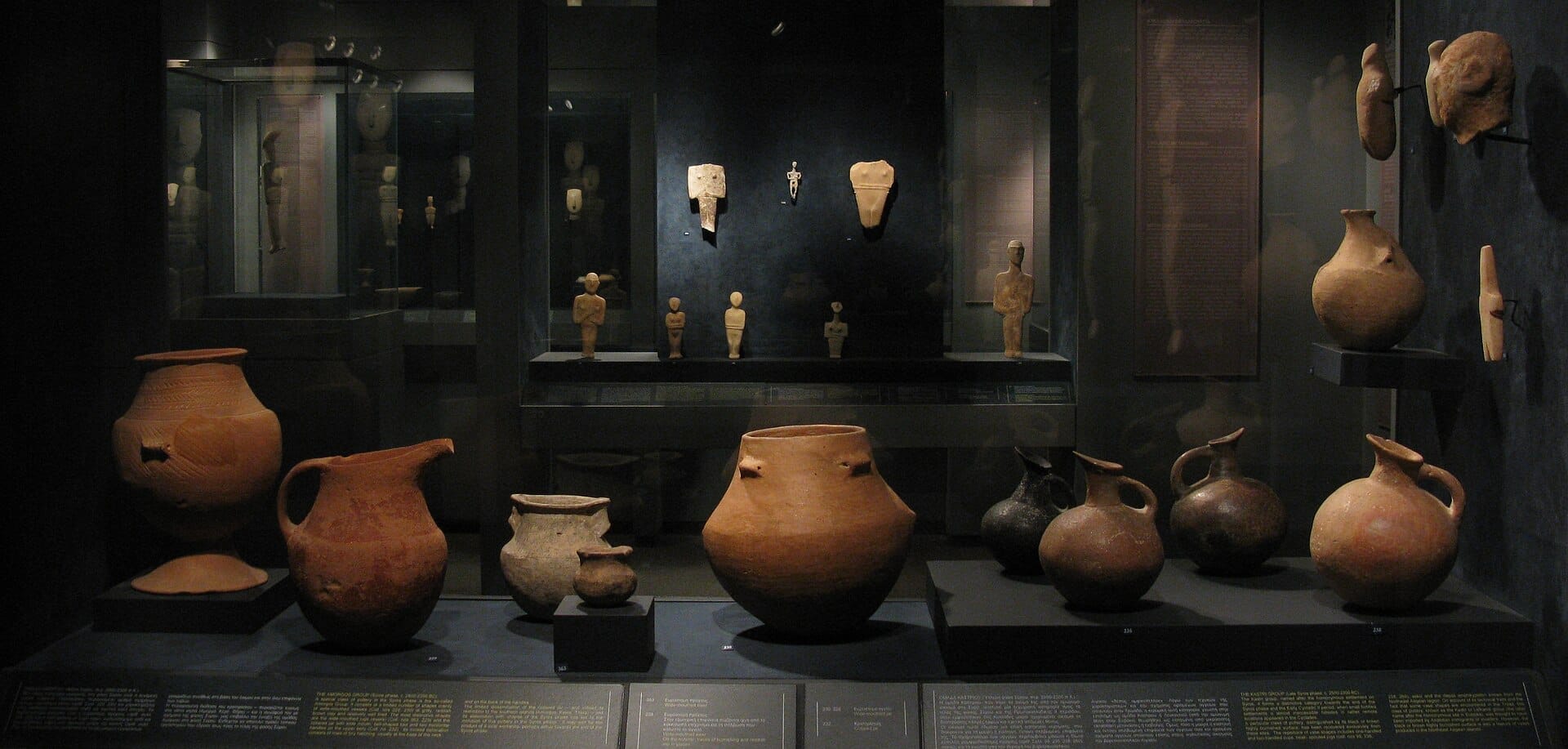
8. Marvel at 5,000-Year-Old Marble Figures at the Museum of Cycladic Art
The Cycladic figurines here, with their abstract, flat-faced forms, look uncannily like modern sculpture. The museum in Kolonaki explains why Picasso and Modigliani were so influenced by them. The permanent collection is compact but exceptional; allow 1–1.5 hours.
Explore8. Marvel at 5,000-Year-Old Marble Figures at the Museum of Cycladic Art
The Cycladic figurines here, with their abstract, flat-faced forms, look uncannily like modern sculpture. The museum in Kolonaki explains why Picasso and Modigliani were so influenced by them. The permanent collection is compact but exceptional; allow 1–1.5 hours.
Explore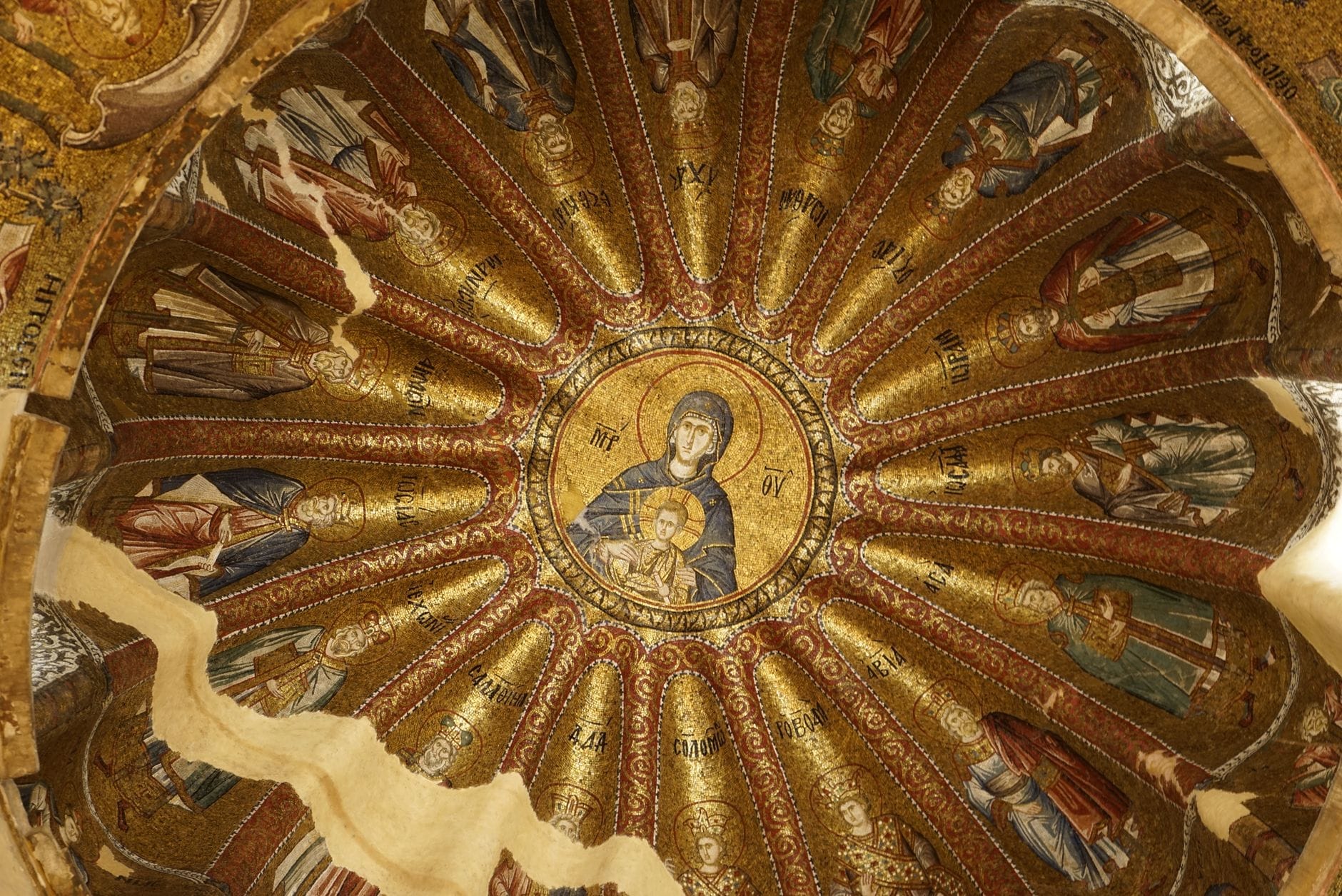
9. Discover Byzantine Icons and Gold at the Byzantine and Christian Museum
Housed in a 19th-century villa in Kolonaki, this museum holds one of the world's finest collections of Byzantine art, from early Christian sarcophagi to gilded icons and post-Byzantine silverwork. The renovated underground galleries are beautifully lit. Allow 1.5–2 hours.
Explore9. Discover Byzantine Icons and Gold at the Byzantine and Christian Museum
Housed in a 19th-century villa in Kolonaki, this museum holds one of the world's finest collections of Byzantine art, from early Christian sarcophagi to gilded icons and post-Byzantine silverwork. The renovated underground galleries are beautifully lit. Allow 1.5–2 hours.
Explore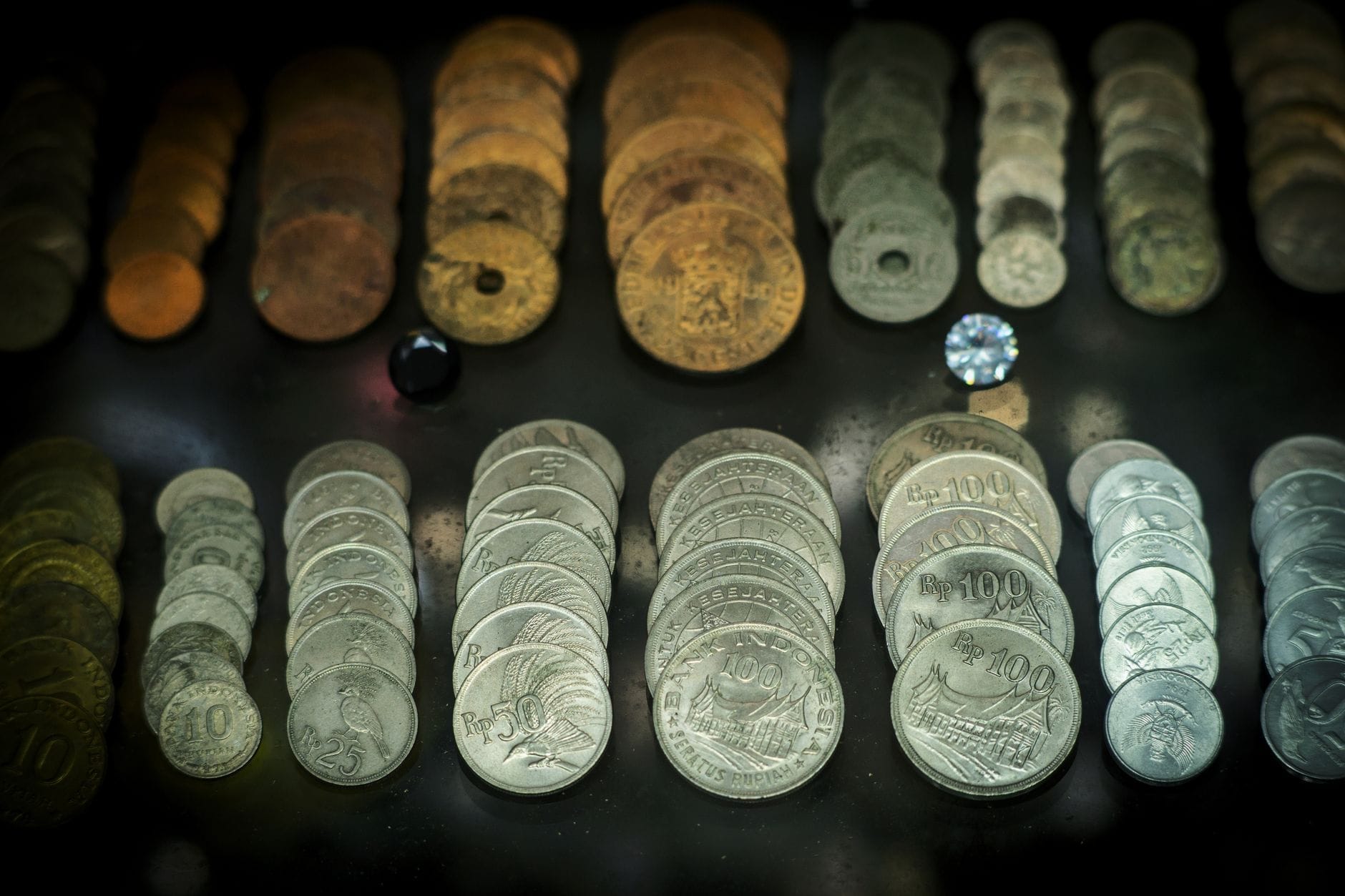
10. Tour Heinrich Schliemann's Mansion and Its 600,000-Coin Collection
The Numismatic Museum is housed in Iliou Melathron, the stunning neoclassical mansion built by Troy's discoverer Heinrich Schliemann. The 600,000-coin collection spans antiquity to the modern era. Even visitors uninterested in coins find the architecture and Schliemann story compelling.
Explore10. Tour Heinrich Schliemann's Mansion and Its 600,000-Coin Collection
The Numismatic Museum is housed in Iliou Melathron, the stunning neoclassical mansion built by Troy's discoverer Heinrich Schliemann. The 600,000-coin collection spans antiquity to the modern era. Even visitors uninterested in coins find the architecture and Schliemann story compelling.
Explore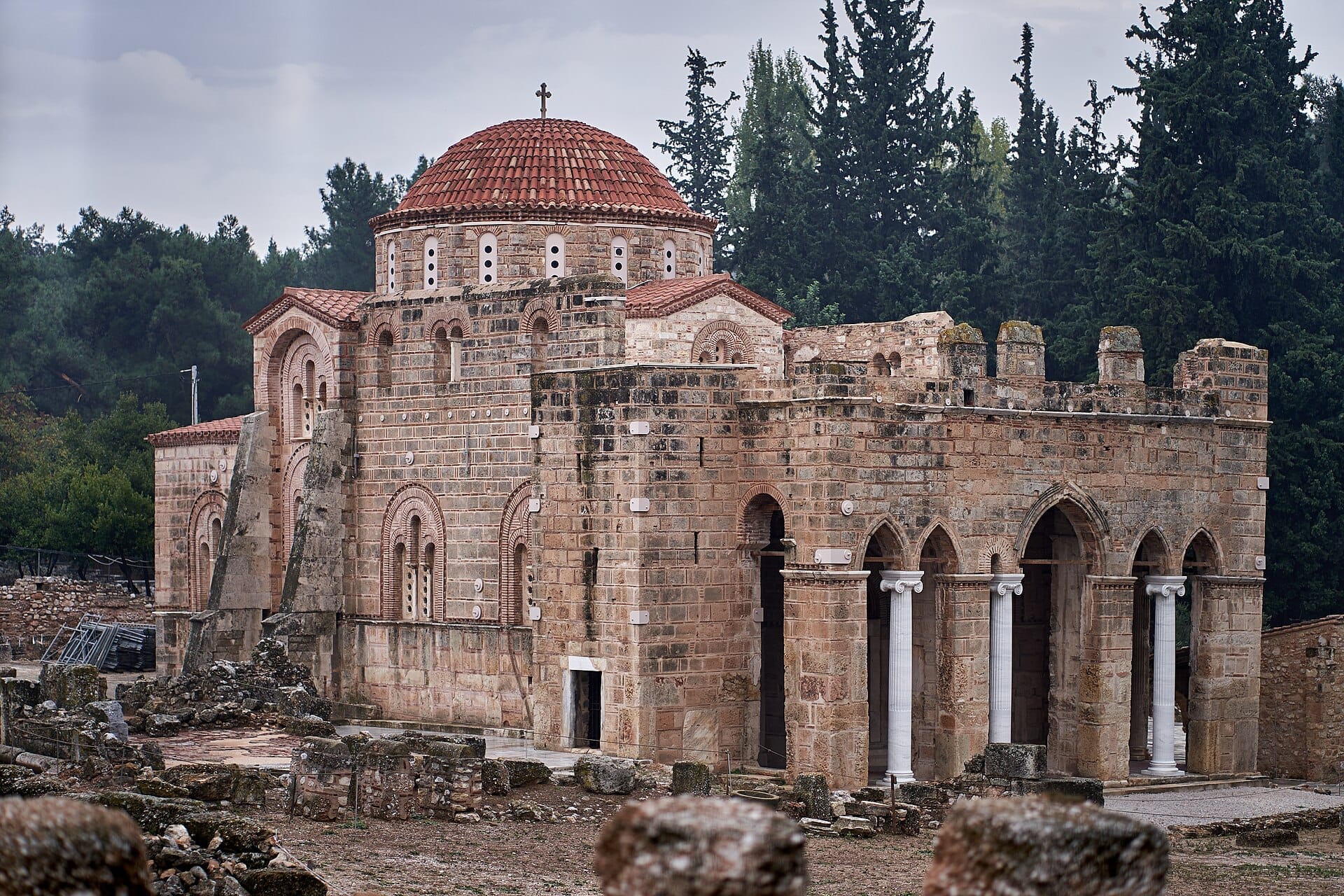
11. See World-Class Byzantine Mosaics at Daphni Monastery
A UNESCO World Heritage Site west of Athens, the 11th-century Daphni Monastery contains some of the finest Byzantine mosaics in existence. The golden Christ Pantocrator gazing down from the dome is a defining image of Byzantine art. Check opening hours before visiting, as they vary.
Explore11. See World-Class Byzantine Mosaics at Daphni Monastery
A UNESCO World Heritage Site west of Athens, the 11th-century Daphni Monastery contains some of the finest Byzantine mosaics in existence. The golden Christ Pantocrator gazing down from the dome is a defining image of Byzantine art. Check opening hours before visiting, as they vary.
ExploreFine Art & Contemporary Collections
Athens' contemporary and fine art scene has grown significantly in recent years. If you are planning a longer stay and want to explore beyond archaeology, the broader Athens guide covers art galleries and cultural venues across the city.
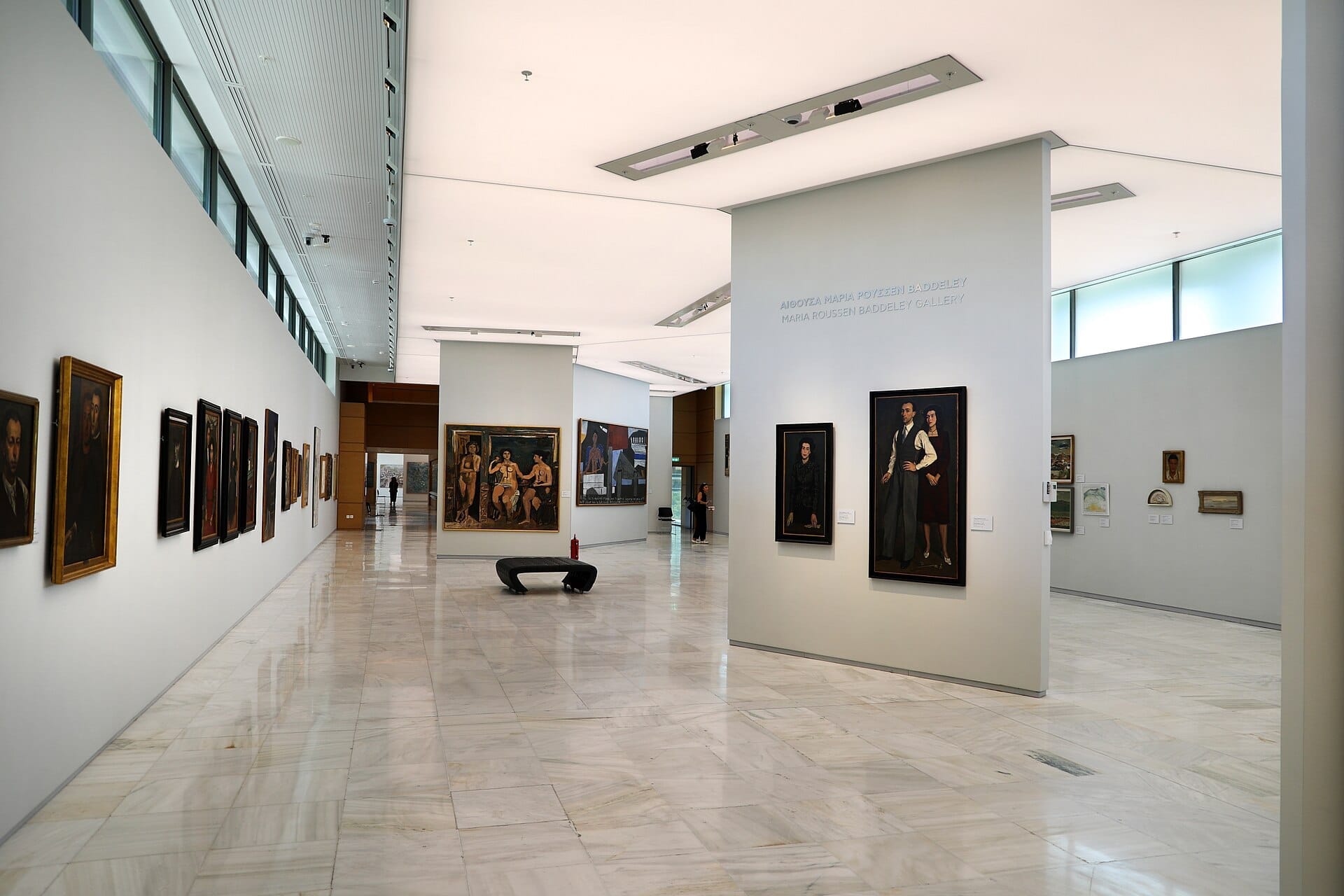
12. See Greek Painting from El Greco to the Present at the National Gallery
Reopened after an extensive renovation, the National Gallery holds Greece's most important fine art collection, including key works by El Greco alongside 19th and 20th-century Greek masters. The new building is spacious and well-designed. Budget 1.5–2 hours for the permanent collection.
Explore12. See Greek Painting from El Greco to the Present at the National Gallery
Reopened after an extensive renovation, the National Gallery holds Greece's most important fine art collection, including key works by El Greco alongside 19th and 20th-century Greek masters. The new building is spacious and well-designed. Budget 1.5–2 hours for the permanent collection.
Explore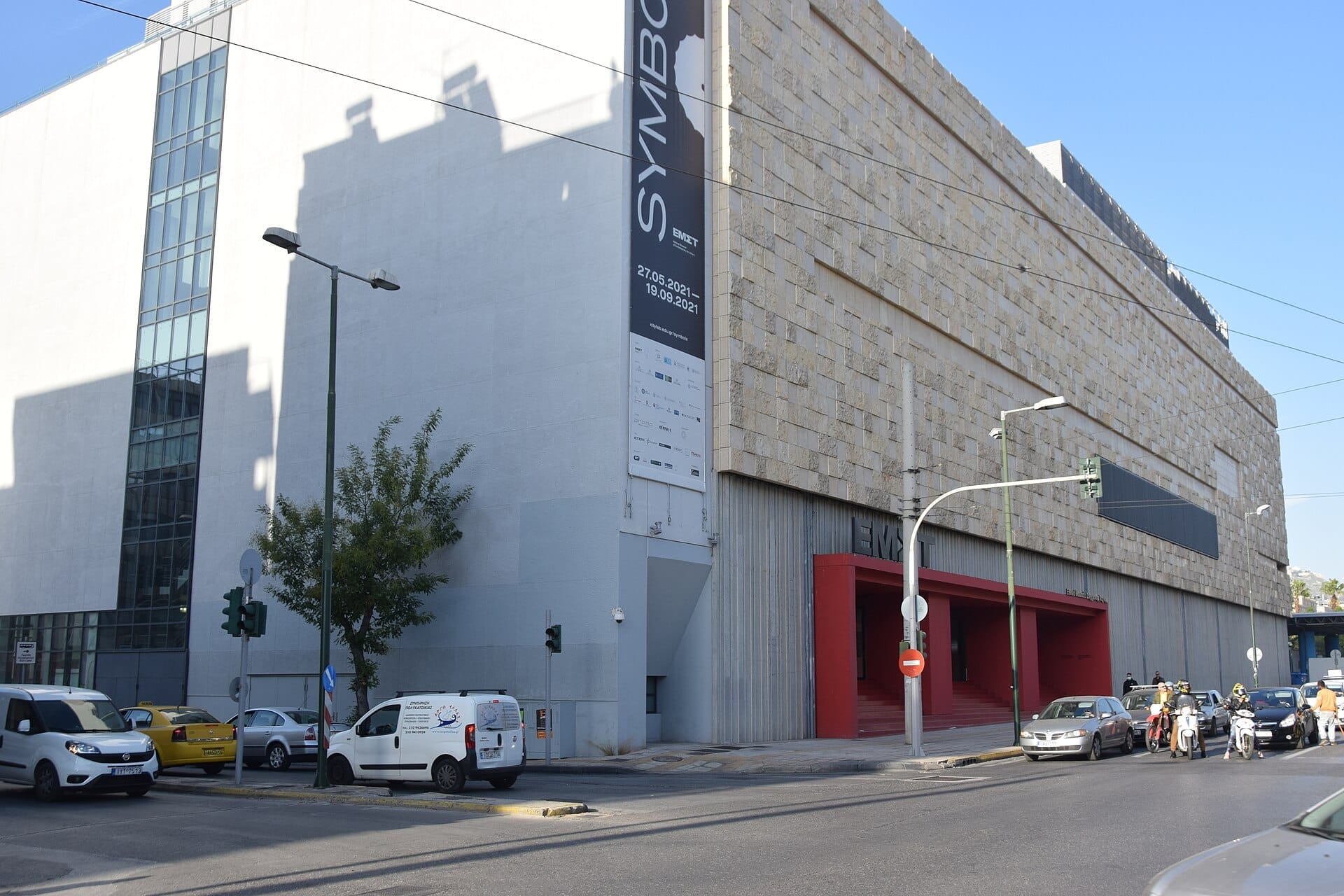
13. Experience Major Contemporary Art at EMST in the Fix Brewery
Housed in a converted mid-century brewery in Koukaki, EMST is Greece's national contemporary art museum. It presents large-scale international and Greek exhibitions across multiple floors of the industrial space. Check the current show before visiting, as programming changes regularly.
Explore13. Experience Major Contemporary Art at EMST in the Fix Brewery
Housed in a converted mid-century brewery in Koukaki, EMST is Greece's national contemporary art museum. It presents large-scale international and Greek exhibitions across multiple floors of the industrial space. Check the current show before visiting, as programming changes regularly.
Explore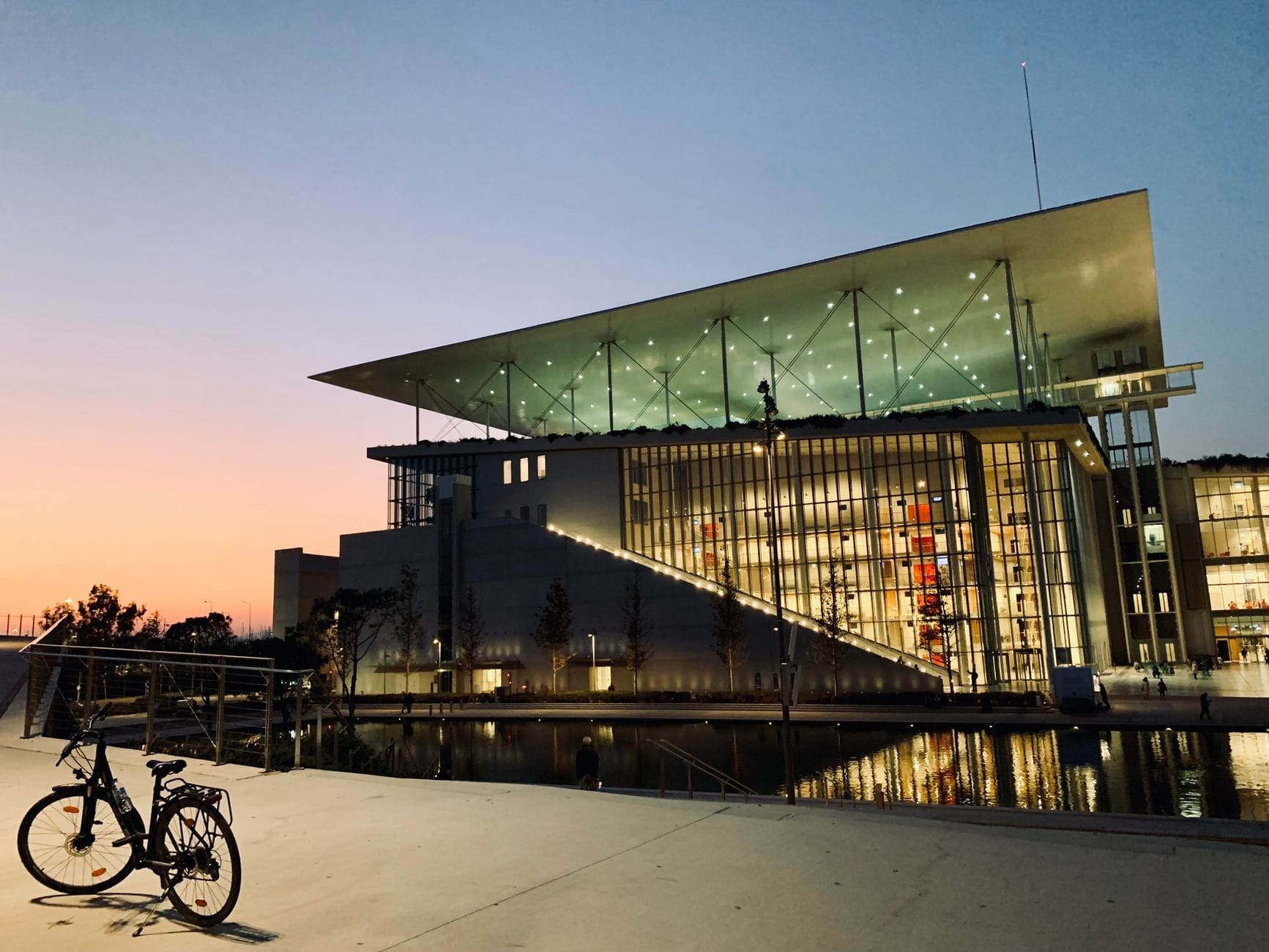
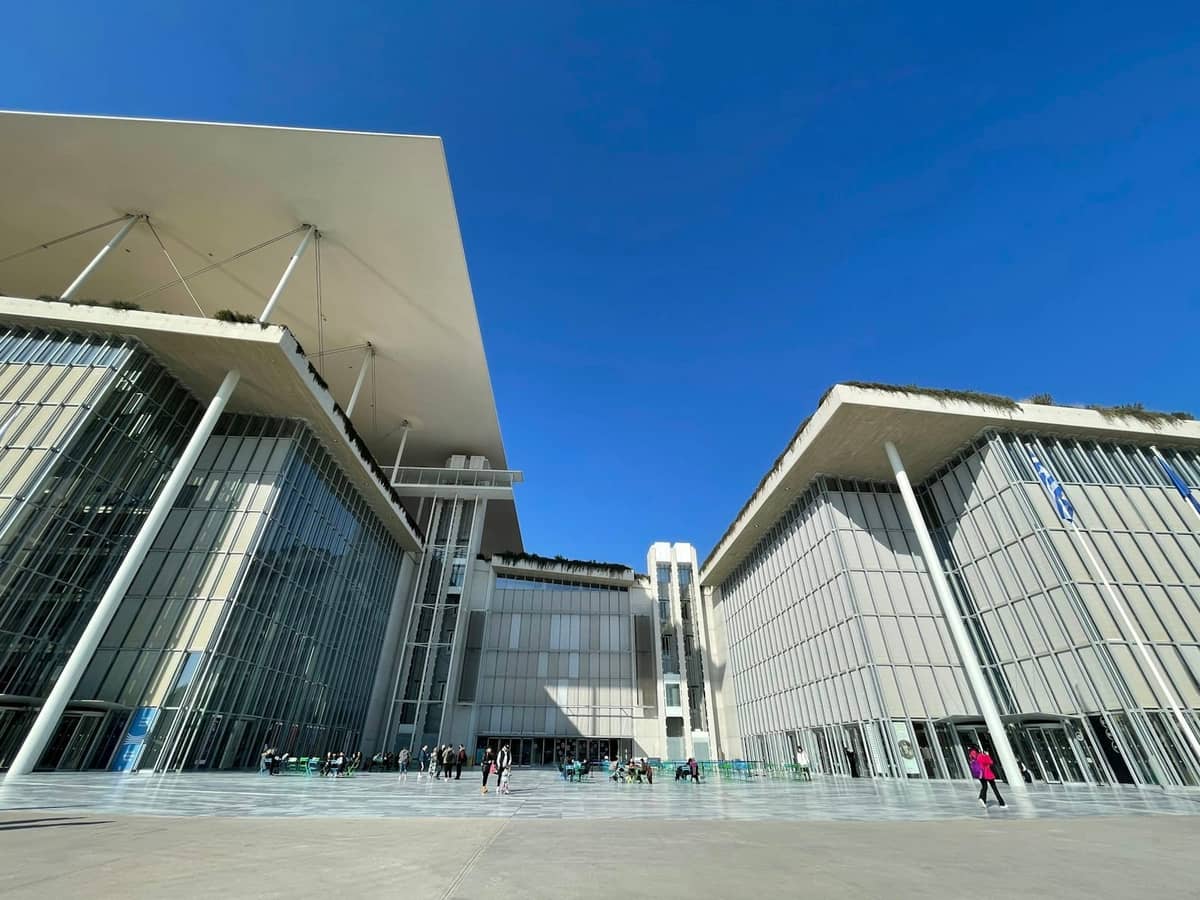
14. Explore the Renzo Piano-Designed Stavros Niarchos Cultural Center
The SNFCC in Faliro houses the National Library of Greece in a Renzo Piano building set within a landscaped park above the sea. The library's reading rooms and permanent exhibitions on Greek literature and culture are free to enter. The rooftop view over the Saronic Gulf is exceptional.
Explore14. Explore the Renzo Piano-Designed Stavros Niarchos Cultural Center
The SNFCC in Faliro houses the National Library of Greece in a Renzo Piano building set within a landscaped park above the sea. The library's reading rooms and permanent exhibitions on Greek literature and culture are free to enter. The rooftop view over the Saronic Gulf is exceptional.
ExploreArchaeological Sites With On-Site Museum Experiences
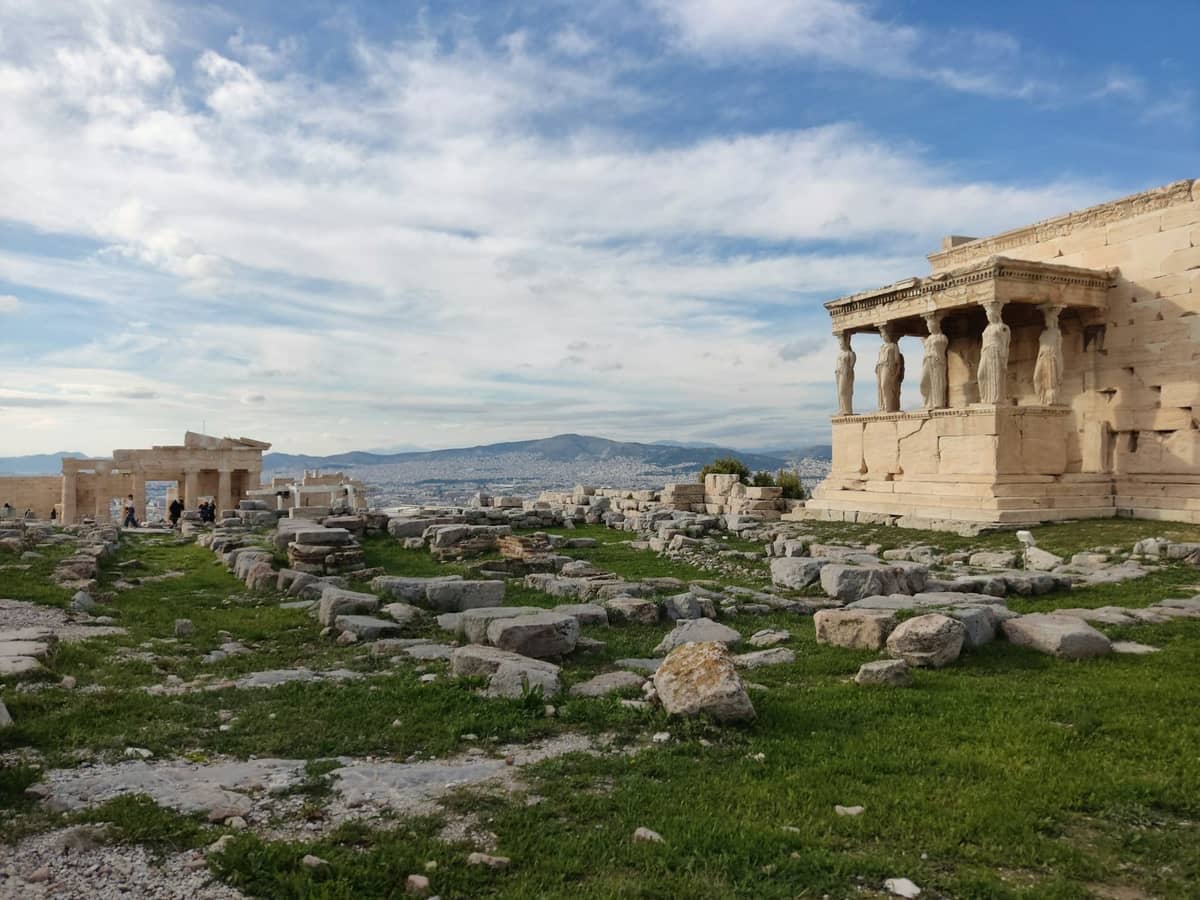
Several of Athens' most important ancient sites function as outdoor museums in their own right. Pair these with nearby indoor collections for a full day of history. The walkable arc from Monastiraki through Thisio links the Ancient Agora, Kerameikos, and Temple of Hephaestus in a single comfortable walk.
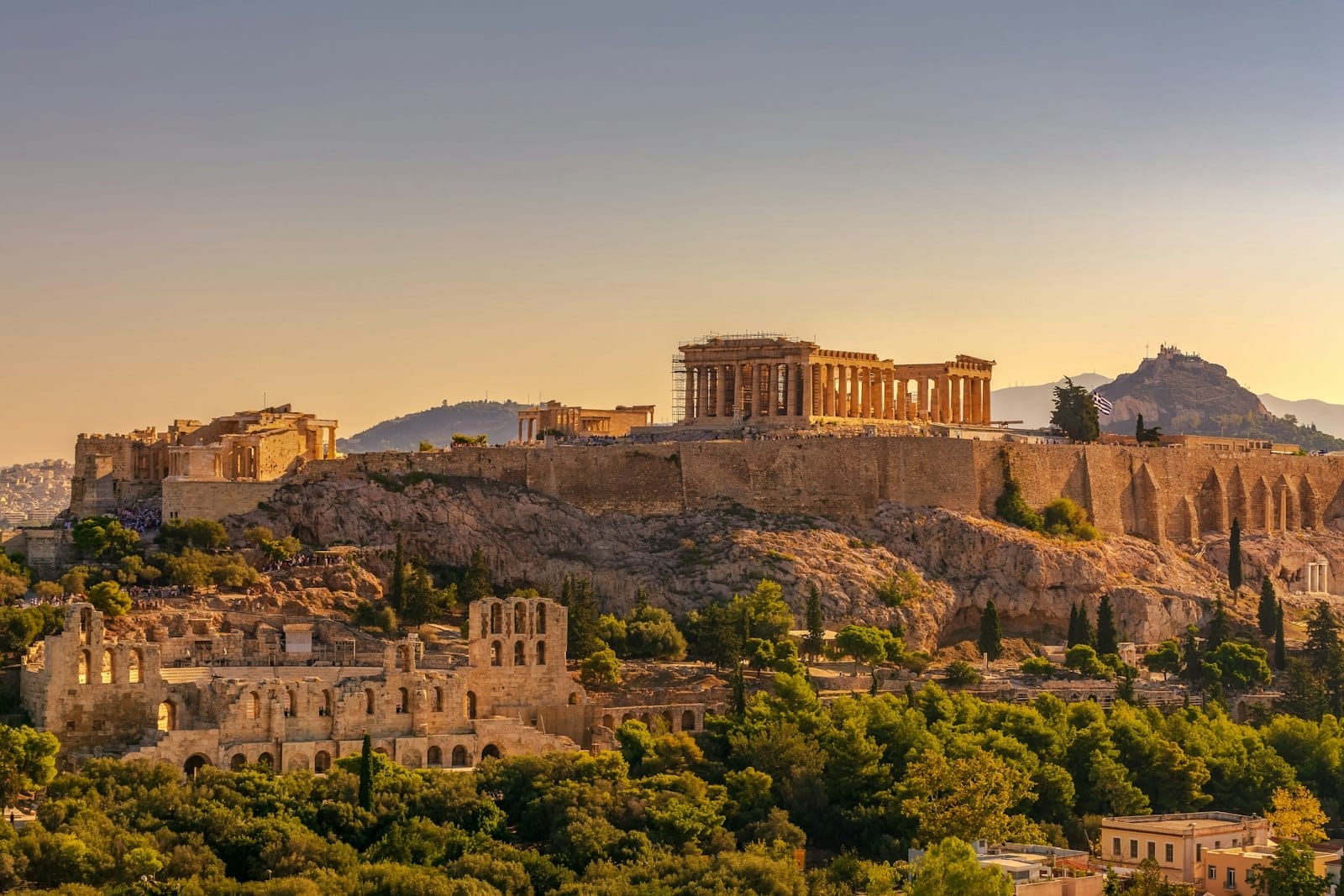
15. Walk Through the Acropolis Archaeological Site Itself
The Acropolis is simultaneously Athens' greatest monument and an open-air museum. Informational boards and audio guides contextualise the Propylaea, Erechtheion, and Parthenon as you walk the site. Morning visits before 9am or evening visits near closing are significantly cooler and less crowded.
Explore15. Walk Through the Acropolis Archaeological Site Itself
The Acropolis is simultaneously Athens' greatest monument and an open-air museum. Informational boards and audio guides contextualise the Propylaea, Erechtheion, and Parthenon as you walk the site. Morning visits before 9am or evening visits near closing are significantly cooler and less crowded.
Explore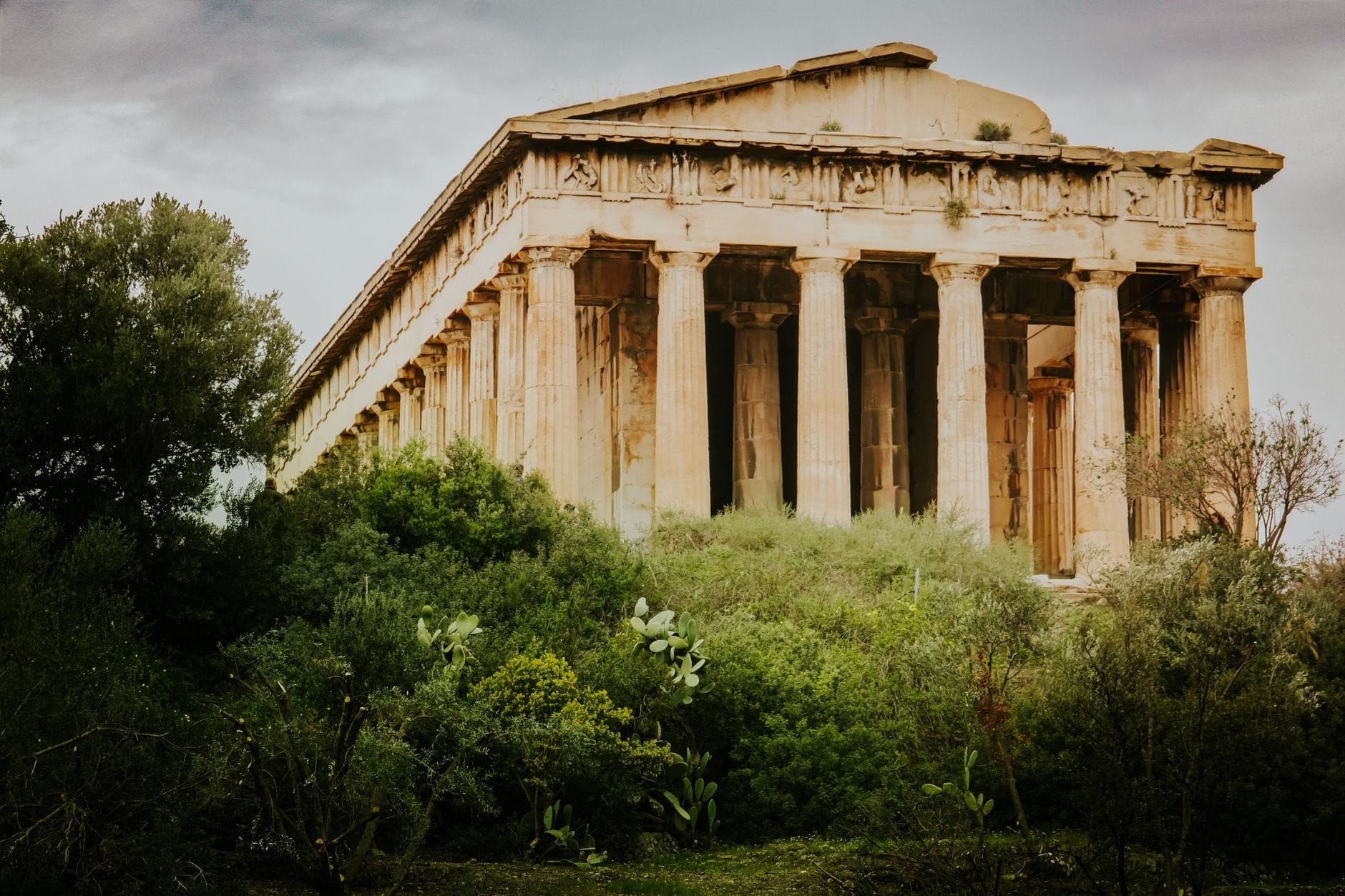
16. Stand Before One of the Best-Preserved Greek Temples in the World
The Temple of Hephaestus in the Ancient Agora has retained almost its complete Doric colonnade for over 2,400 years. Many visitors are surprised to find it better preserved than the Parthenon. It is included in the Agora site ticket and takes 20–30 minutes to appreciate properly.
Explore16. Stand Before One of the Best-Preserved Greek Temples in the World
The Temple of Hephaestus in the Ancient Agora has retained almost its complete Doric colonnade for over 2,400 years. Many visitors are surprised to find it better preserved than the Parthenon. It is included in the Agora site ticket and takes 20–30 minutes to appreciate properly.
Explore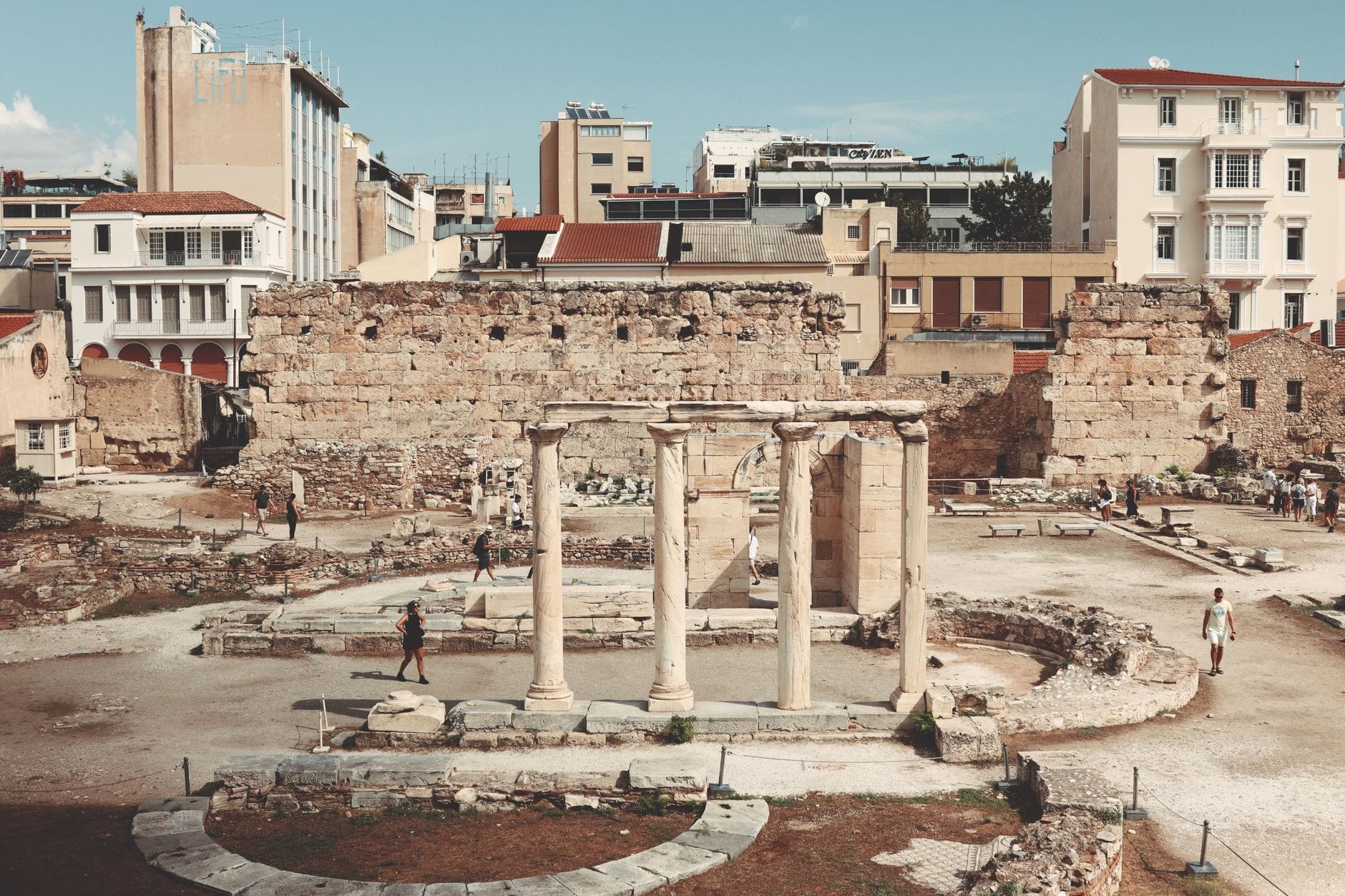
17. Walk Among the Corinthian Columns of Hadrian's Library
Hadrian's Library, built in 132 AD near Monastiraki Square, is an underappreciated Roman monument with a preserved entrance colonnade of marble Corinthian columns. The site includes exhibition rooms in the central hall. It takes about 30–45 minutes and is rarely crowded.
Explore17. Walk Among the Corinthian Columns of Hadrian's Library
Hadrian's Library, built in 132 AD near Monastiraki Square, is an underappreciated Roman monument with a preserved entrance colonnade of marble Corinthian columns. The site includes exhibition rooms in the central hall. It takes about 30–45 minutes and is rarely crowded.
Explore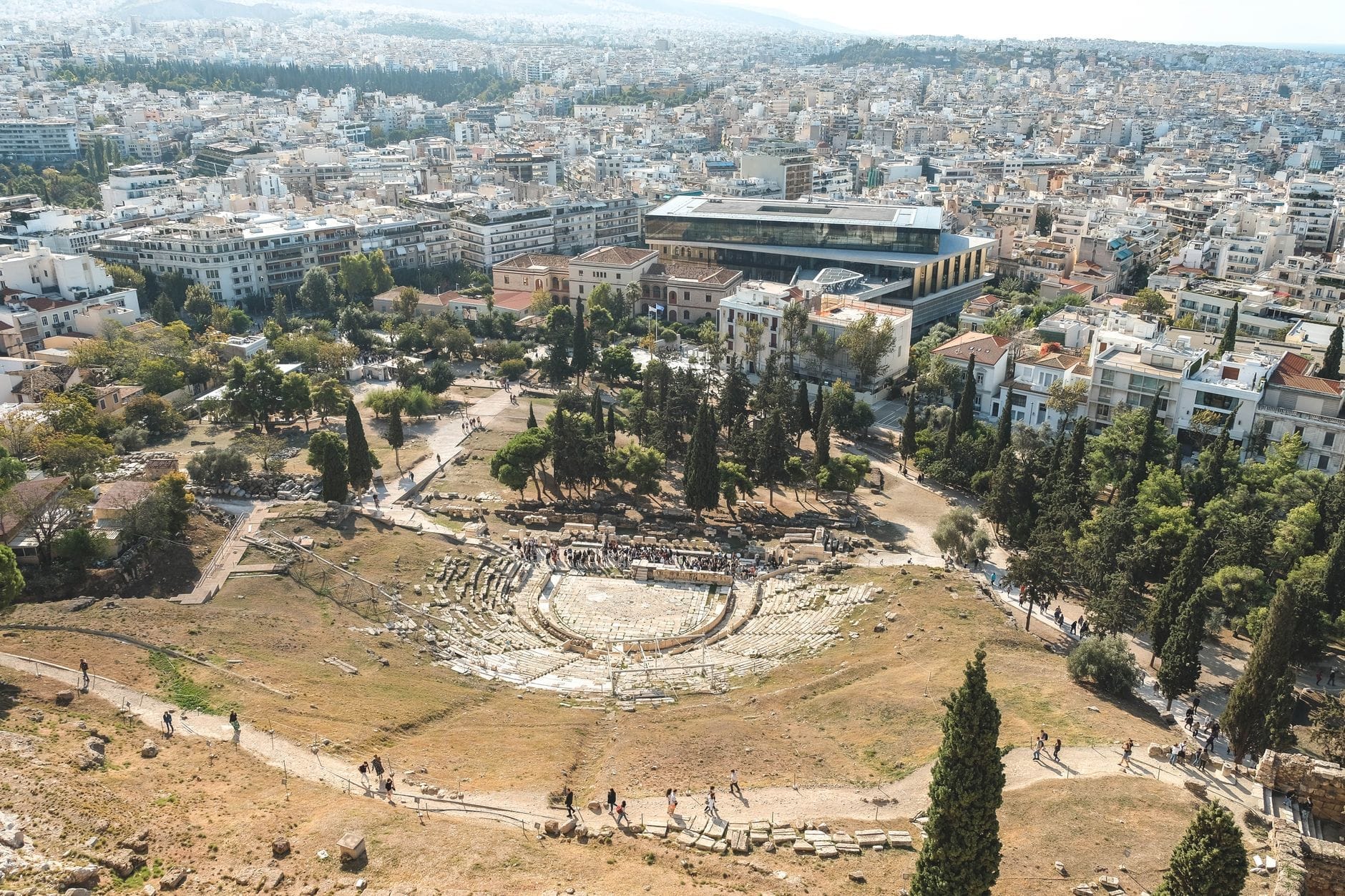
18. Visit the World's First Theatre on the Acropolis South Slope
The Theatre of Dionysus, carved into the Acropolis hillside in the 6th century BC, is where Greek tragedy was born. Sophocles and Aristophanes premiered plays here. The carved marble VIP thrones in the front row are still in place and make for remarkable photographs.
Explore18. Visit the World's First Theatre on the Acropolis South Slope
The Theatre of Dionysus, carved into the Acropolis hillside in the 6th century BC, is where Greek tragedy was born. Sophocles and Aristophanes premiered plays here. The carved marble VIP thrones in the front row are still in place and make for remarkable photographs.
ExploreDay Trips: Great Museums Within Reach of Athens
Some of Greece's finest archaeological collections lie within a two-hour drive. If you are spending four or more days in Athens, these day trips add significant depth to any museum itinerary. See the full day trips from Athens guide for logistics and transport options.
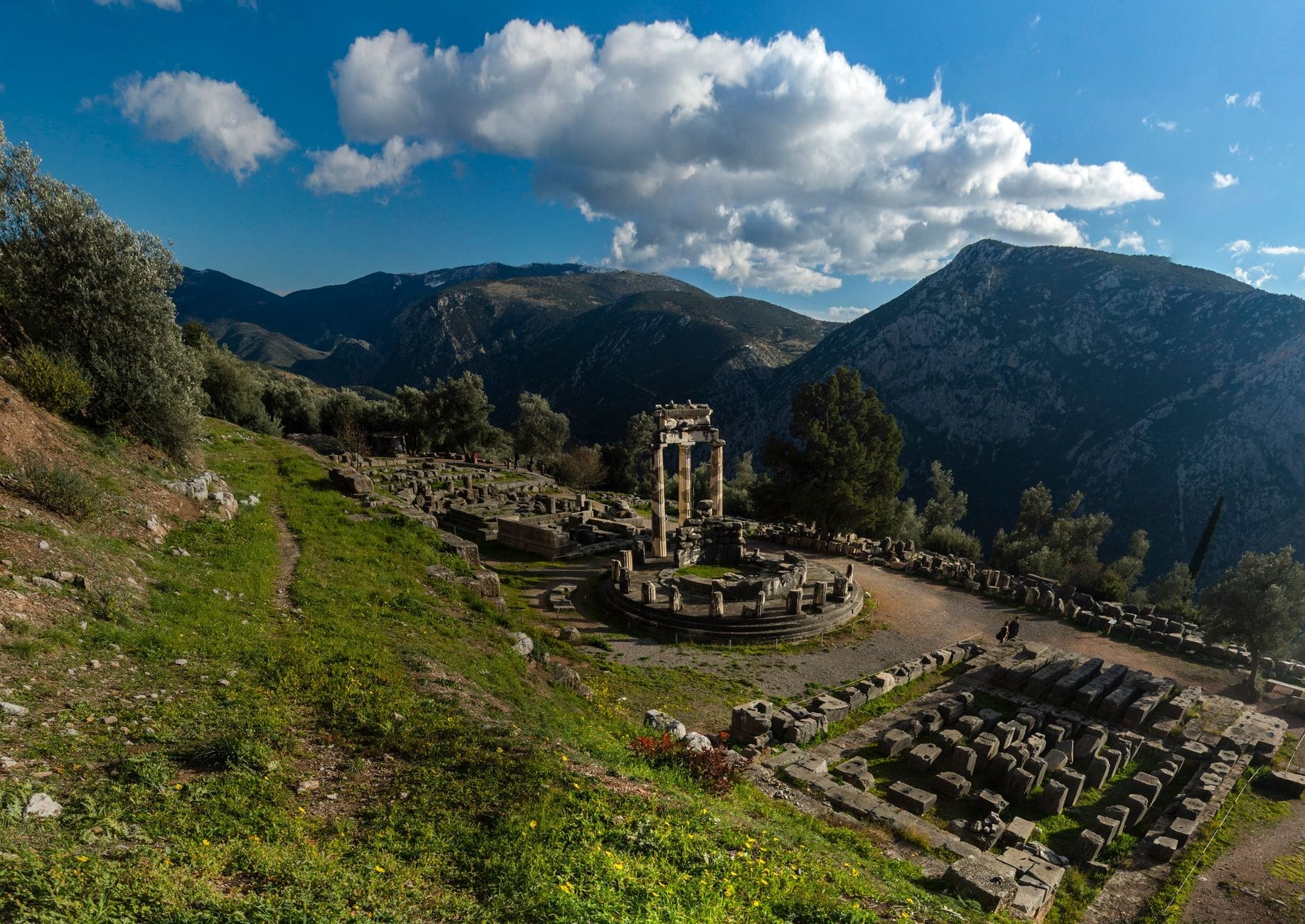
19. Visit One of Greece's Finest Archaeological Museums at Delphi
Delphi's on-site museum holds the Charioteer of Delphi, a bronze masterpiece of the early classical period, alongside the Sphinx of Naxos and a remarkable collection of votive offerings. The museum alone justifies the 2.5-hour drive from Athens. Combine it with the sanctuary site on the same day.
Explore19. Visit One of Greece's Finest Archaeological Museums at Delphi
Delphi's on-site museum holds the Charioteer of Delphi, a bronze masterpiece of the early classical period, alongside the Sphinx of Naxos and a remarkable collection of votive offerings. The museum alone justifies the 2.5-hour drive from Athens. Combine it with the sanctuary site on the same day.
Explore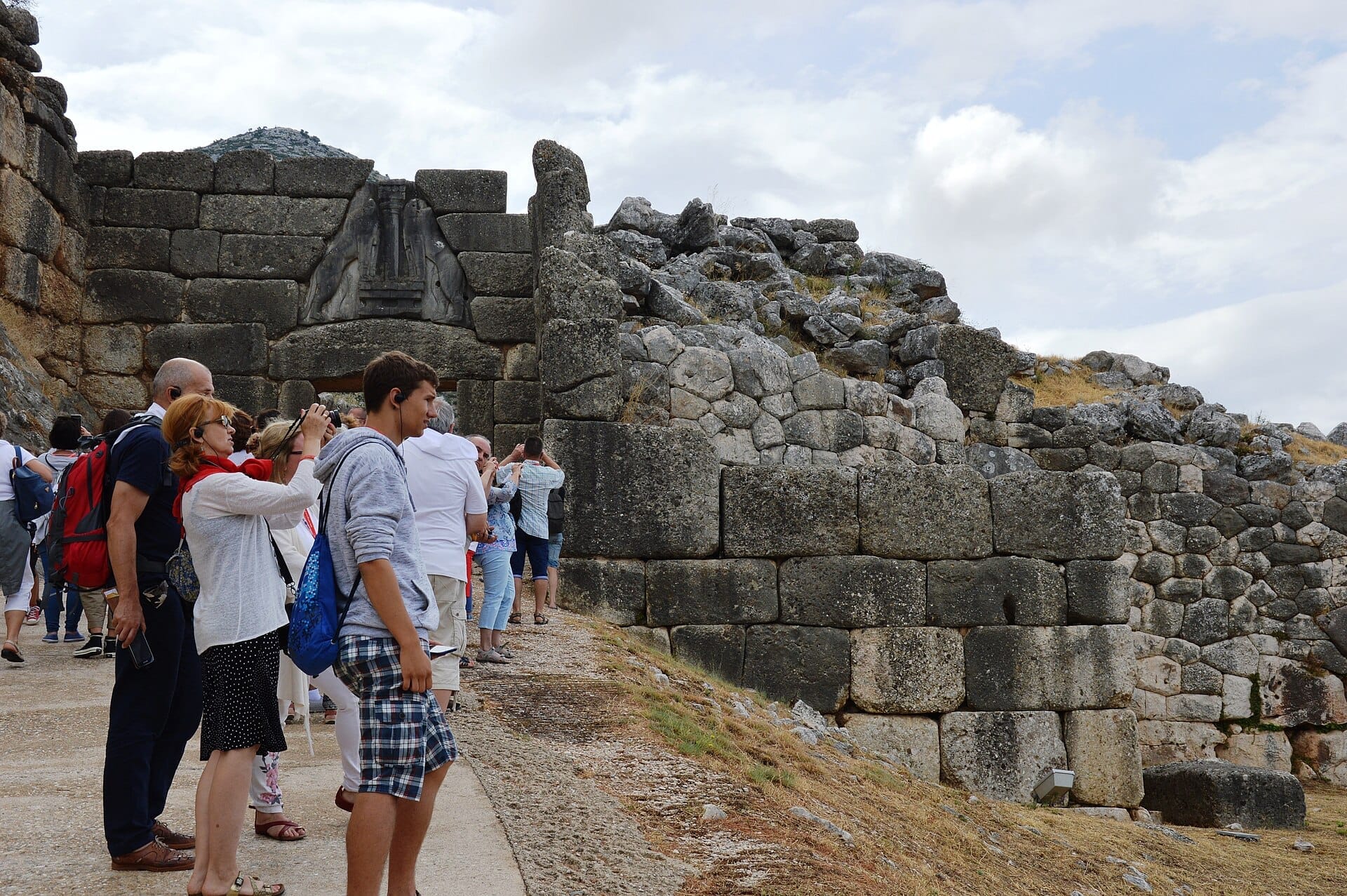
20. Stand at the Lion Gate and See the Mask of Agamemnon's Origins at Mycenae
Mycenae's on-site museum displays finds from the shaft graves where Schliemann discovered treasures including the original of the Mask of Agamemnon (the mask itself is in Athens). The Lion Gate citadel and Treasury of Atreus beehive tomb are among the most evocative Bronze Age monuments in Europe.
Explore20. Stand at the Lion Gate and See the Mask of Agamemnon's Origins at Mycenae
Mycenae's on-site museum displays finds from the shaft graves where Schliemann discovered treasures including the original of the Mask of Agamemnon (the mask itself is in Athens). The Lion Gate citadel and Treasury of Atreus beehive tomb are among the most evocative Bronze Age monuments in Europe.
Explore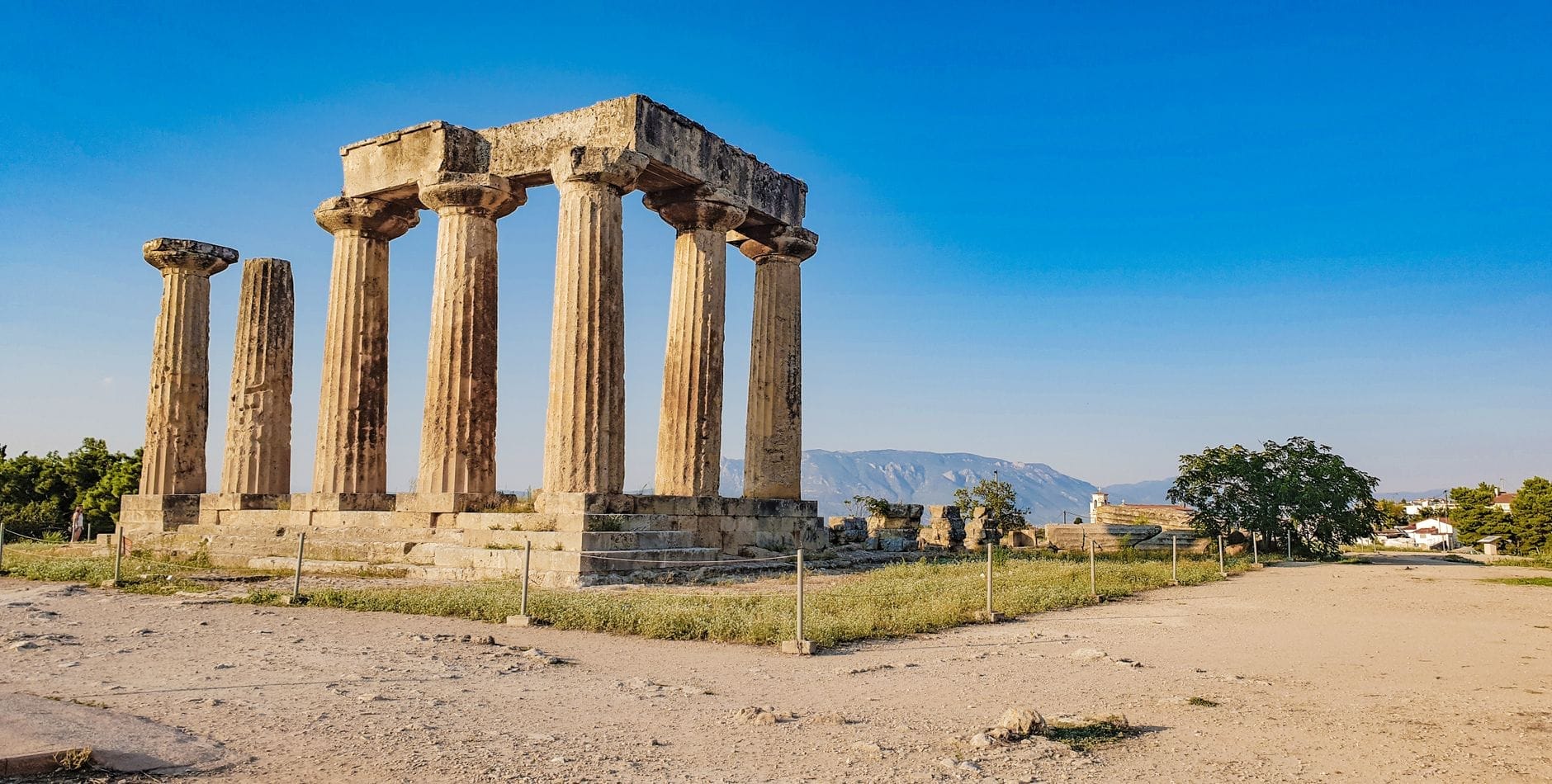
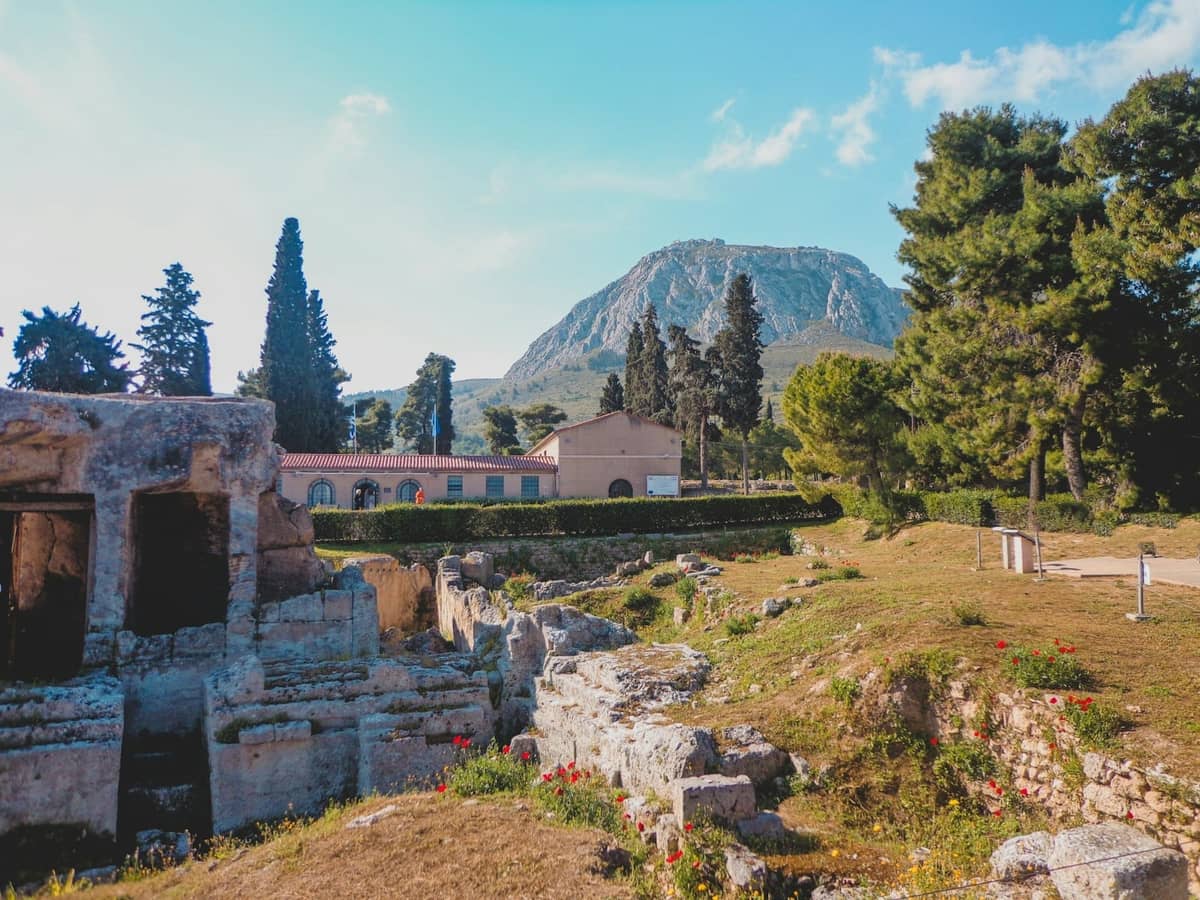
21. Explore the Museum and Ruins at Ancient Corinth
Ancient Corinth's archaeological museum, set within the site itself, holds Roman sculpture, Greek ceramics, and finds from one of antiquity's most important trading cities. The Temple of Apollo stands above it all. The site is 80km from Athens and pairs well with Mycenae in a single full-day excursion.
Explore21. Explore the Museum and Ruins at Ancient Corinth
Ancient Corinth's archaeological museum, set within the site itself, holds Roman sculpture, Greek ceramics, and finds from one of antiquity's most important trading cities. The Temple of Apollo stands above it all. The site is 80km from Athens and pairs well with Mycenae in a single full-day excursion.
Explore💡 Local tip
State archaeological museums and sites in Greece offer free admission on the first Sunday of the month from November through March. This includes the National Archaeological Museum, Kerameikos, and the Ancient Agora — a significant saving if your dates align.
FAQ
Is the Acropolis Museum ticket included with the Acropolis site ticket?
No. The Acropolis Museum requires a separate ticket, currently €20 for general admission (verify current pricing on the official website before visiting). The Acropolis archaeological site uses a different ticketing system, and as of 2025 the previous state-run multi-site combo pass has been discontinued, so you now need separate tickets for each site.
Which Athens museum should I visit if I only have time for one?
The Acropolis Museum is the single most essential museum in Athens, combining architectural drama with the finest surviving sculptures from the Parthenon and Erechtheion. If ancient Greece is less your focus, the Benaki Museum covers the full sweep of Greek history and culture in one outstanding building.
Are Athens museums free on Sundays?
Not all of them, and not year-round. State-run archaeological museums and sites offer free admission on the first Sunday of the month from November through March only. Private museums like the Benaki and Museum of Cycladic Art are not included. Always check the specific museum's official site before visiting.
How many days do I need to see Athens' top museums?
The Acropolis Museum and National Archaeological Museum each deserve 2–3 hours. Adding the Benaki, Museum of Cycladic Art, and Byzantine and Christian Museum requires at least 3–4 days total for a meaningful visit to all major institutions, especially if you are also visiting archaeological sites.
Do I need to book Athens museum tickets in advance?
For the Acropolis Museum, advance booking is strongly recommended from April through October when queues can be long. The National Archaeological Museum and most other Athens museums generally allow walk-in entry, though online booking avoids waiting. Friday evenings at the Acropolis Museum are typically the least crowded.