Best Things to Do in Athens, Greece: The Definitive Guide
Athens rewards visitors who go beyond the obvious. This guide covers the best things to do in Athens Greece, from ancient sites and world-class museums to rooftop bars, coastal escapes, and neighborhood walks, with practical advice on tickets, timing, and what to skip.
Plan and book this trip
Tools from our partner Travelpayouts help you compare flights and hotels. If you book through them, we may earn a commission at no extra cost to you.
Flights
Hotels map
TL;DR
- Book Acropolis tickets online in advance (€30 adults year-round, reduced €15). Each additional archaeological site requires its own ticket — the Ministry discontinued the multi-site combo pass in 2025. See our Athens ancient sites guide for the full breakdown.
- The Acropolis Museum is NOT included in the Acropolis ticket; budget an extra €20 for a separate entry (reduced €10 for eligible visitors).
- Spring (April to June) and autumn (September to October) offer the most comfortable sightseeing conditions; July and August regularly exceed 35°C and crowds peak.
- Athens has distinct neighborhoods with very different personalities. Plaka is scenic but touristy; Psyrri and Monastiraki are better for eating and exploring without the souvenir-shop density.
- Athens is very walkable in the center, with a reliable metro, 24/7 airport express buses, and flat-rate taxis from Athens International Airport (ATH, ~30-35 km from Syntagma).
The Acropolis and Its Surrounding Sites
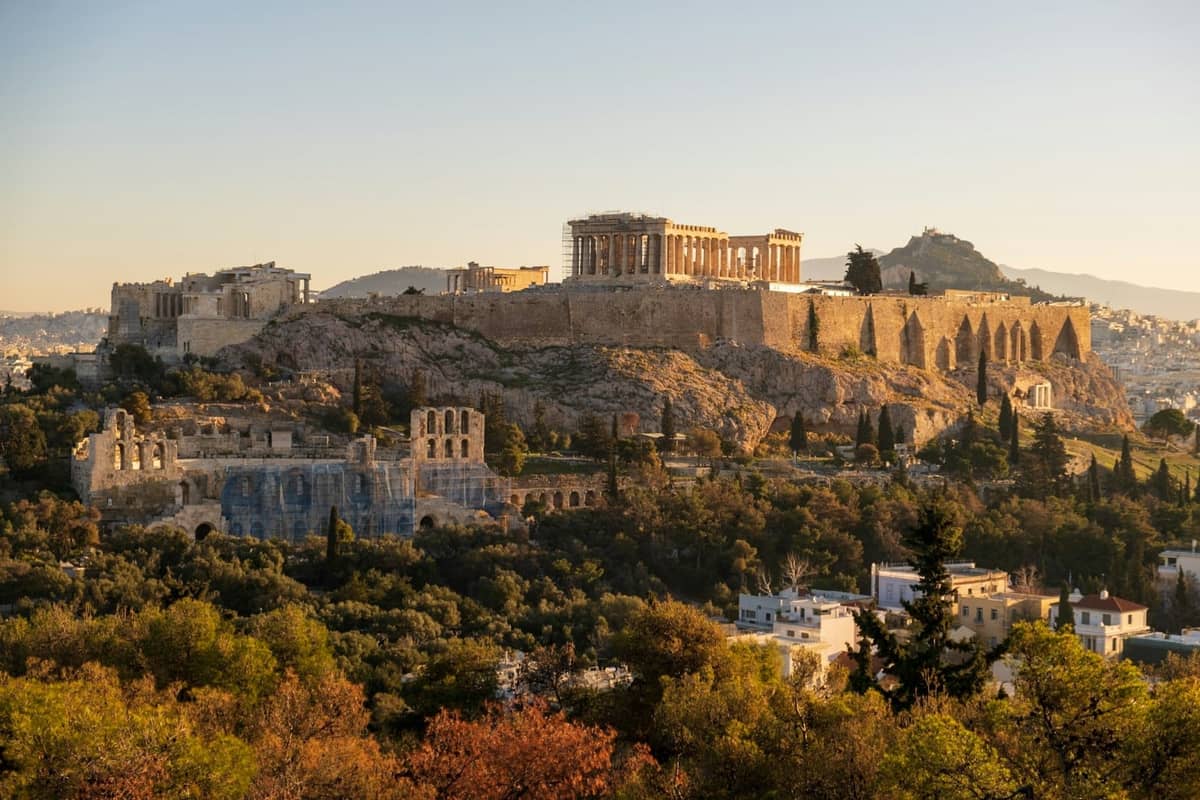
No list of things to do in Athens Greece starts anywhere else. The Acropolis is the defining image of the city, a limestone rock rising 156 meters above sea level with the Parthenon, the Erechtheion, and the Propylaia perched on top. It genuinely lives up to its reputation, but the logistics matter enormously.
Tickets cost €30 for adults year-round (reduced €15) and are available both online with a specific time slot and at on-site ticket offices. The site has a daily visitor cap, and showing up without a reservation in summer often means a long queue followed by disappointment. Gates open at 08:00, and arriving at that first slot gives you roughly 45 minutes before the tour groups arrive en masse. The site closes at 20:00 from April through October (last entrance 19:30) and at 17:00 from November through March (last entrance 16:30).
⚠️ What to skip
The Acropolis Museum is completely separate from the Acropolis archaeological site and requires its own ticket (general admission €20, reduced €10). Many visitors arrive at the museum expecting to use their Acropolis ticket and are turned away. Buy both in advance.
Each archaeological site in Athens now requires its own ticket — the Ministry discontinued the multi-site combo pass in 2025. If you plan to visit several ruins beyond the Acropolis, budget for separate admissions at sites like the Ancient Agora, the Roman Agora, Hadrian's Library, the Temple of Olympian Zeus, the Kerameikos Archaeological Site, and others. Verify current per-site pricing at hhticket.gr before you travel.
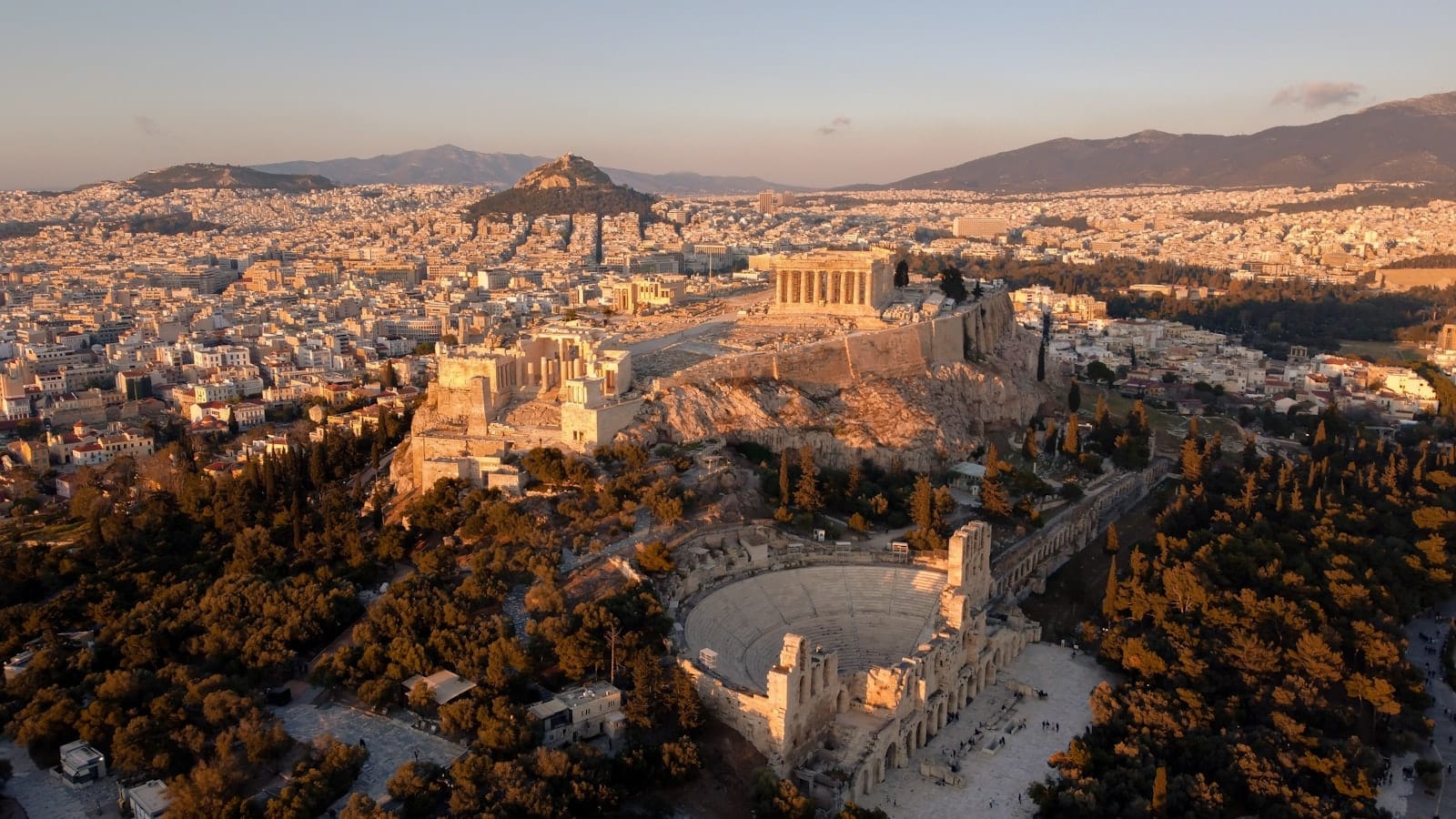
The Odeon of Herodes Atticus is included in the Acropolis ticket for daytime visits, though it functions as a performance venue in summer and access can be restricted during events. The Theatre of Dionysus, the oldest theatre in the Western world, sits just below the main site and is included in the Acropolis & Slopes ticket (€30). Do not walk past it without stopping.
💡 Local tip
Free admission days exist: many state-run archaeological sites and museums in Greece offer free entry on specific dates such as International Museum Day (18 May) and certain national holidays. The Acropolis Museum, for example, is free on 6 March, 25 March, 18 May, and 28 October. Check the Hellenic Ministry of Culture and individual museum websites before you visit.
Museums Worth Your Time (and One to Skip)
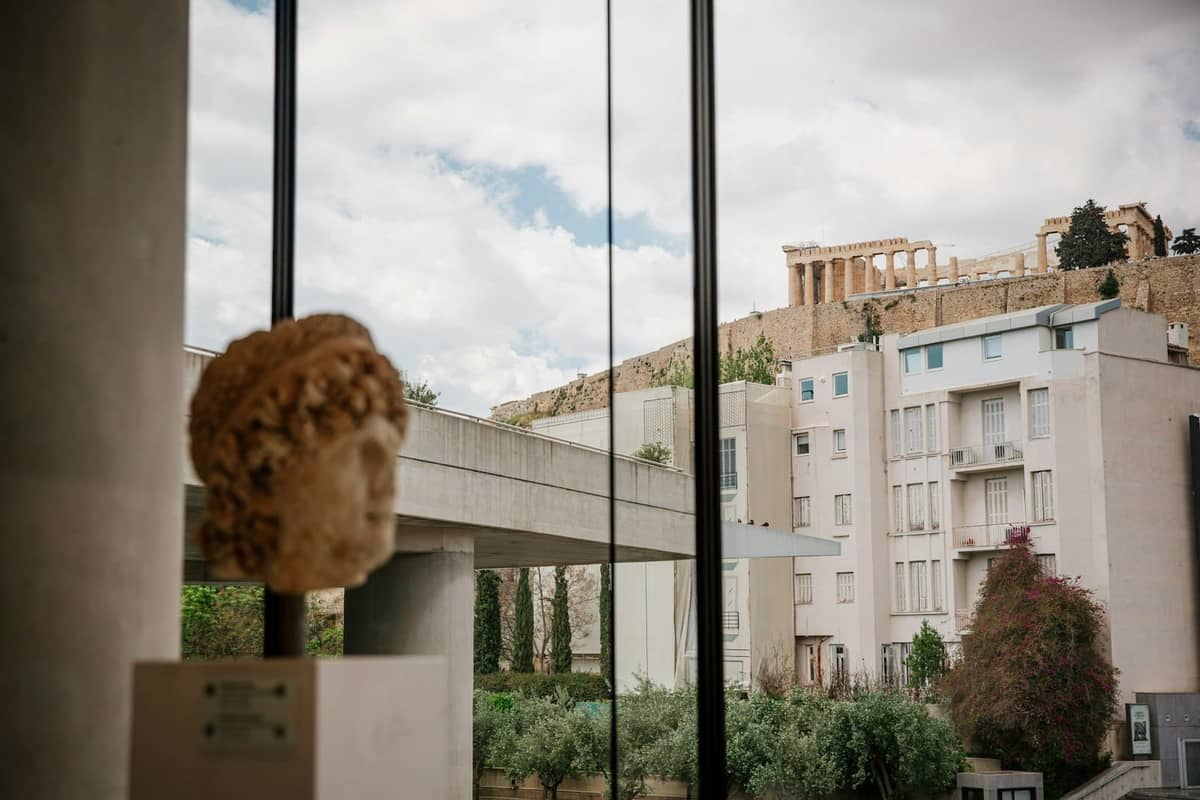
Athens has more than 100 museums. Most visitors should focus on three. The Acropolis Museum is the essential complement to the Acropolis itself: it houses the original Parthenon frieze fragments held in Athens (the others are in London's British Museum), along with statues, architectural pieces, and an extraordinary glass floor revealing excavations beneath the building. Plan at least two hours.
The National Archaeological Museum is arguably the most important collection of ancient Greek artifacts in the world. It is large enough that a full day is not excessive for serious visitors. The Minoan frescoes from Akrotiri, the Antikythera Mechanism, and the Mask of Agamemnon alone justify the trip. It sits in the Exarchia area, about a 20-minute walk from Monastiraki.
- Acropolis Museum The top cultural priority after the Acropolis itself. Separate ticket required (€20 general / €10 reduced, year-round). Located on Dionysiou Areopagitou, directly below the rock.
- National Archaeological Museum World-class collection spanning prehistoric Greece through late antiquity. Budget 3-5 hours. Located in the Exarchia district near Omonia.
- Benaki Museum Greek cultural history from prehistory to the 20th century, housed in a beautiful neoclassical mansion in Kolonaki. The rooftop café has good views.
- Museum of Cycladic Art Exceptional collection of Cycladic figurines alongside ancient Greek and Cypriot art. Compact, high-quality, rarely overcrowded. Located near Kolonaki.
- Byzantine and Christian Museum Underrated by most itineraries. The collection of Byzantine icons, mosaics, and manuscripts is one of the finest in the world. Rarely crowded.
The one to approach with measured expectations: the National Gallery. Its permanent collection is strong on post-Byzantine Greek painting, but the building has undergone lengthy renovation and the visitor experience has been inconsistent. Check current status before making it a priority.
Neighborhoods That Reward Exploration
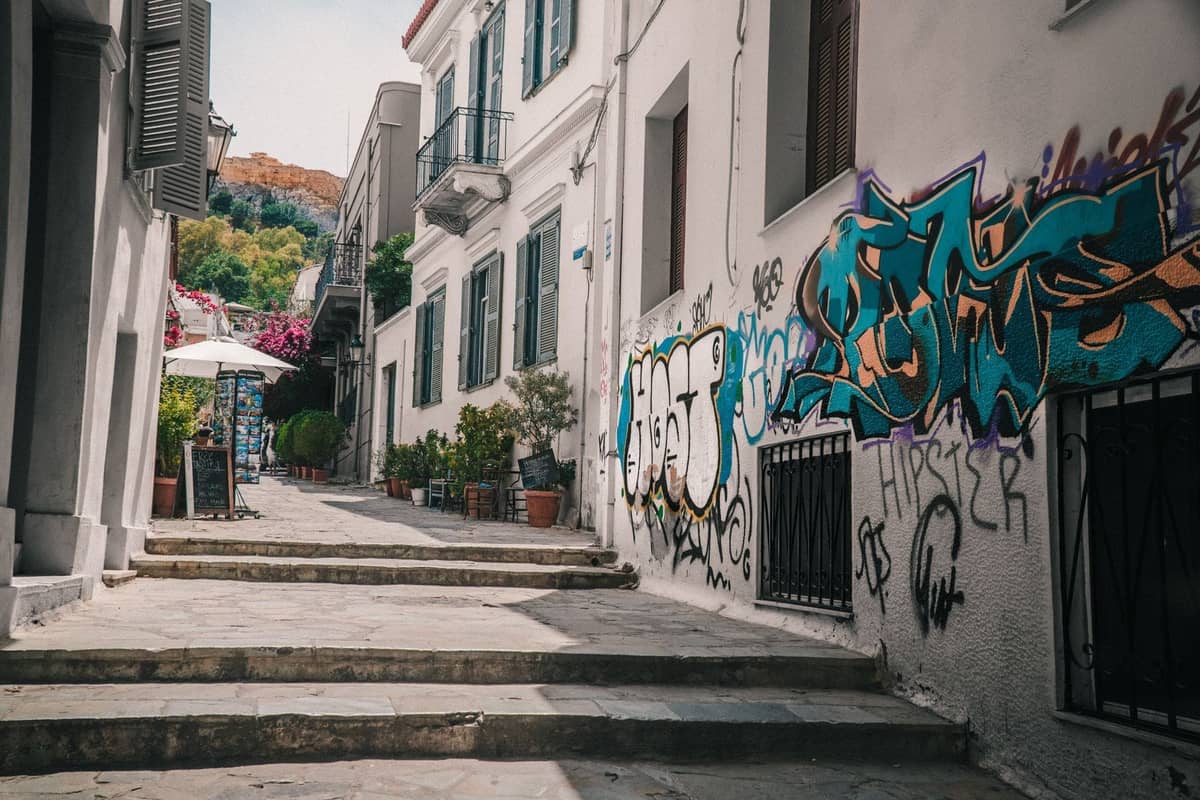
Walking Athens is one of the best things to do in the city, and the neighborhoods directly around the ancient sites are genuinely distinctive. Plaka is the most photographed: narrow lanes, neoclassical houses, and bougainvillea on walls. It is also the most saturated with souvenir shops and tourist-priced tavernas. Worth wandering through, but not the place to eat dinner if you care about value or authenticity.
For a more honest version of old Athens, climb into Anafiotika, the tiny whitewashed enclave built into the northeastern slope of the Acropolis rock by workers from the island of Anafi in the 19th century. It looks nothing like the rest of the city. Most day-trippers miss it entirely.
Monastiraki and Psyrri are where most repeat visitors end up spending their time. The Monastiraki Flea Market is at its most chaotic on Sunday mornings, with vendors spreading out well beyond the permanent shops. Psyrri runs directly alongside it and has a denser concentration of good places to eat, drink, and watch street life without the souvenir markup.
Kolonaki sits on the lower slopes of Lycabettus Hill and is where Athenians with money shop and lunch. It is polished, a little self-conscious, and worth a walk if you want to see the upscale side of the city. From Kolonaki, the funicular to the top of Mount Lycabettus (277 meters, the highest point within the city) takes about four minutes and gives the broadest panoramic view of Athens including the Acropolis, the sea, and on clear days, the islands.
✨ Pro tip
For the best view of the Acropolis illuminated at night, position yourself on Filopappou Hill (Philopappos Hill) around 45 minutes after sunset. The light show runs year-round, the hill is free to access, and you will have fewer people around you than at any rooftop bar charging €15 for a cocktail.
Eating and Drinking in Athens
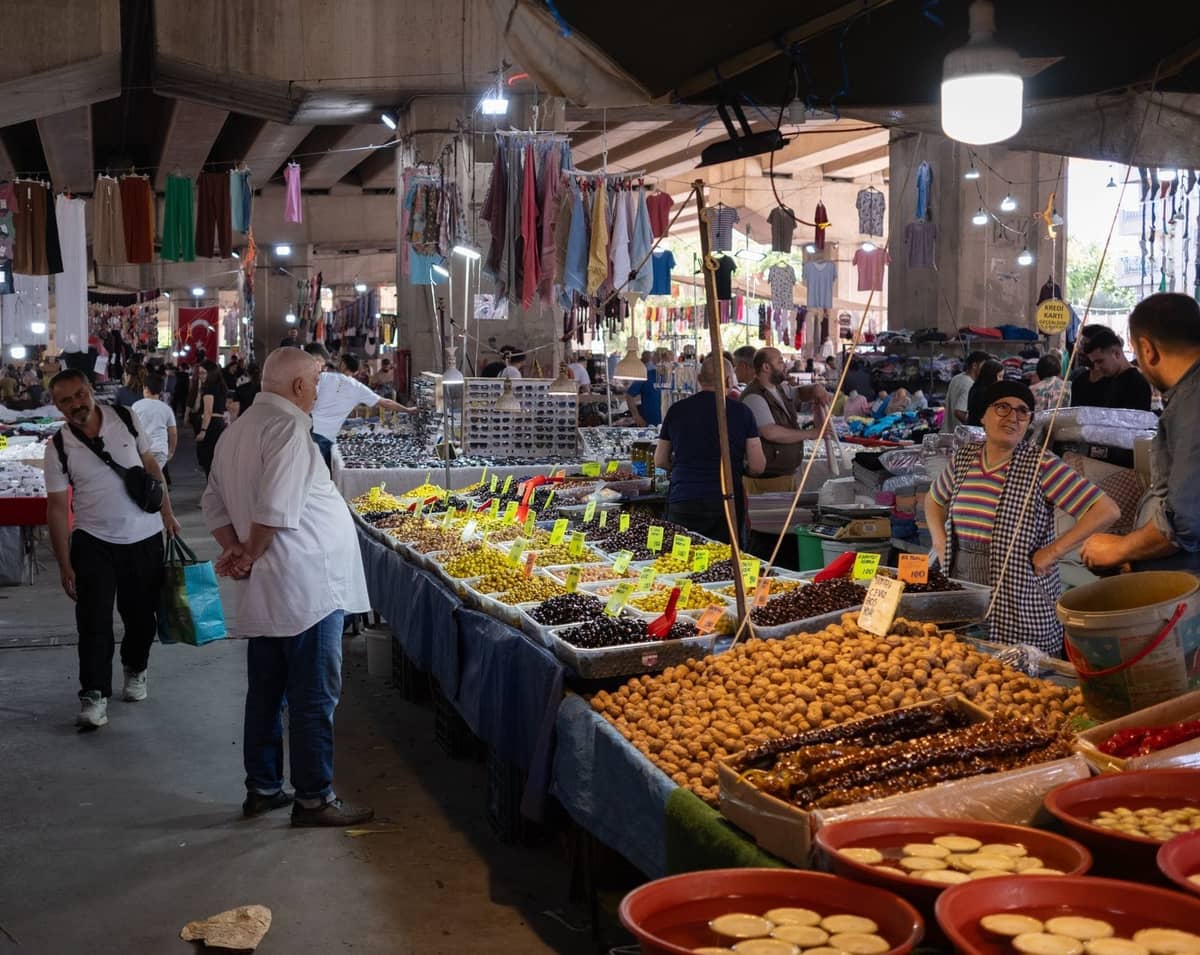
Athens has a serious food scene that most short-stay visitors miss by eating exclusively in Plaka. The Athens Central Market (Varvakios Agora) on Athinas Street is the most useful single stop for understanding what Athenians actually eat: a covered meat and fish market surrounded by outdoor stalls selling olives, cheese, spices, and produce. It opens early (around 07:00) and is quietest before 10:00.
Souvlaki is the street food of Athens and worth eating multiple times. A proper pita with pork or chicken, tzatziki, tomato, and onion costs around €2.50-3.50 depending on where you are. The price roughly doubles in tourist-facing areas. Monastiraki Square has several fast-moving souvlaki spots that are legitimately good despite the location. For a more substantial sit-down meal, look for tavernas in Psyrri or Thisio that post handwritten menus rather than laminated picture cards.
For a deeper dive into what and where to eat, the Athens food guide covers the full range from street food to modern Greek restaurants, with neighborhood-by-neighborhood recommendations.
Getting Out of the City: Day Trips Worth Taking
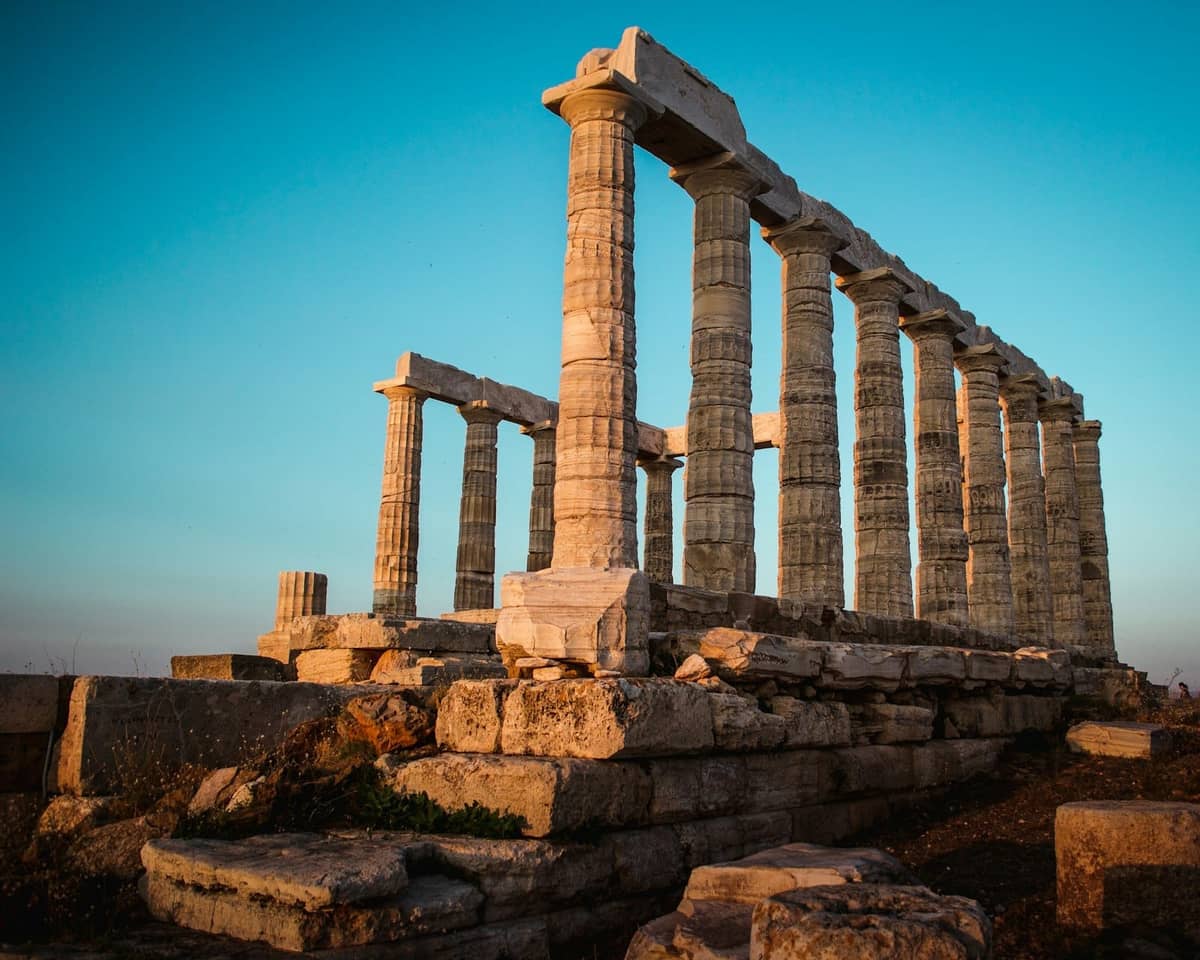
Athens is positioned well for day trips that are genuinely worthwhile rather than just technically possible. The three most useful are Delphi, Cape Sounion, and the Saronic islands. Cape Sounion and the Temple of Poseidon sits 70 km south of Athens along a coastal road and is doable by bus from the Pedion Areos terminal or by car in about 90 minutes each way. The clifftop temple at sunset is one of the more dramatic things to see in the Athens region.
Delphi is 178 km northwest and a full day by car or organized tour. It combines the archaeological site (sanctuary of Apollo, the oracle, the stadium) with spectacular mountain scenery above the Gulf of Corinth. Not a rushed half-day; plan for an early start. The Saronic islands, reached by high-speed ferry from Piraeus, offer a quicker escape: Hydra (no cars or motorbikes, just donkeys and boats) is 90 minutes from Piraeus and unlike anywhere else in Greece.
Practical Essentials: Getting There, Around, and Staying Sane
Athens International Airport Eleftherios Venizelos (IATA: ATH) sits in Spata, roughly 33 km east of central Athens. Three airport-to-city options cover most needs: Metro Line 3 (Blue Line) to Syntagma takes about 40 minutes and runs frequently. Express bus X95 to Syntagma runs 24 hours a day and takes 40–60 minutes depending on traffic. Official flat-rate taxis operate from the airport to the city center; rates vary by time of day (day rate vs. night rate) and are set by law, so confirm the current fare on the airport website before you travel.
- Metro: Lines 1, 2, and 3 cover central Athens and connect to Piraeus (Line 1) and the airport (Line 3). Single tickets, day passes, and multi-day tourist passes are available from station machines and kiosks.
- Tram: Connects central Athens (Syntagma) to the coastal suburbs along the Athenian Riviera. Useful if you are heading to a beach south of the city.
- Taxis and ride-hailing: The Beat app is the most commonly used ride-hailing platform in Athens. Standard metered taxis are plentiful and reliable. Always confirm the meter is running.
- Walking: The center of Athens is compact. Syntagma to the Acropolis is about a 15-minute walk; Syntagma to Monastiraki is 10 minutes. A lot of the best things to see are within a 2 km radius.
- Emergency numbers: 112 (EU standard, works in Greece), 100 (police), 166 (ambulance), 1571 (tourist police).
For a complete rundown of transport options including metro lines, tram routes, and how to use the OASA ticketing system, see the guide to getting around Athens. If you are planning where to base yourself, the where to stay in Athens guide breaks down every main neighborhood by price, access, and atmosphere.
ℹ️ Good to know
Greece uses Type C and Type F (Schuko) plugs at 230V/50Hz, standard across Europe. Tap water in Athens is officially safe to drink. Tipping is not mandatory: rounding up taxi fares and leaving 5–10% in restaurants is the norm. Modest dress (covered shoulders and knees) is expected at religious sites and churches.
FAQ
How many days do you need in Athens?
Two full days covers the Acropolis, Acropolis Museum, a museum of your choice, and enough neighborhood walking to get a real feel for the city. Three days allows you to add a day trip (Cape Sounion or a Saronic island) and explore areas like Kolonaki, Exarchia, or the central market at a relaxed pace. One day is technically possible but leaves most of the city unseen.
What is the best time to visit Athens?
April to June and September to October offer the best combination of manageable temperatures (17-28°C), lower crowd density than peak summer, and full access to outdoor sites. July and August are the hottest (regularly above 35°C in the city center) and most crowded months, though evenings are lively and summer festivals run throughout the season. Winter (December to February) is mild by northern European standards but some sites have reduced hours.
Do I need to book Acropolis tickets in advance?
Yes, during spring and summer you should book online before you arrive. The Acropolis operates a timed-entry system with a daily visitor limit, and the €30 adult ticket sells out for popular morning slots. Booking at least a week ahead in peak season is sensible. Off-season (November to March), same-day tickets are usually available but online booking is still recommended.
Is Athens safe for tourists?
Athens is generally safe for tourists applying standard urban precautions. Pickpocketing is the most common issue, particularly in crowded areas like Monastiraki, on the Metro, and around the Acropolis. The Exarchia neighborhood occasionally sees political protests that can turn disruptive; it is worth being aware of, though it is not a reason to avoid the area entirely. For detailed, current advice, check your government's official travel advisory.
What is the best free thing to do in Athens?
The Changing of the Guard at the Tomb of the Unknown Soldier in Syntagma Square is free and worth seeing. The standard ceremony runs on the hour every day; the full, elaborate version with the full ceremonial unit happens every Sunday at 11:00. Beyond that, walking the pedestrianized Dionysiou Areopagitou promenade below the Acropolis, climbing Areopagus Hill for a free view, and visiting the National Garden are all zero-cost and genuinely worthwhile.