Where to Stay in Athens: Best Neighbourhoods & Hotels
Choosing where to stay in Athens shapes your entire trip. This guide breaks down every major neighbourhood by walkability, noise level, price range, and proximity to the sights that matter, so you can book with confidence rather than guesswork.
Plan and book this trip
Tools from our partner Travelpayouts help you compare flights and hotels. If you book through them, we may earn a commission at no extra cost to you.
Flights
Hotels map
TL;DR
- Plaka and Monastiraki are ideal for first-timers who want to walk to ancient sites, but rooms cost more and streets get loud at night. See the full Athens 1-day itinerary for context on distances.
- Koukaki and Makriyanni give you Acropolis Museum access without the tourist-street noise, and rates run 15–25% lower than Plaka.
- Syntagma is the best base if you're catching early flights or relying on the metro, since Line 3 (airport line) stops here directly.
- Kolonaki suits longer stays, boutique hotels, and travellers who care more about cafes, galleries, and upscale dining than archaeological proximity.
- Hotel prices in Athens range from around $20/night at budget properties to over $400/night at five-star hotels, with the strongest seasonal spike in May and June. Check our best time to visit Athens guide before booking.
How to Choose Your Neighbourhood in Athens
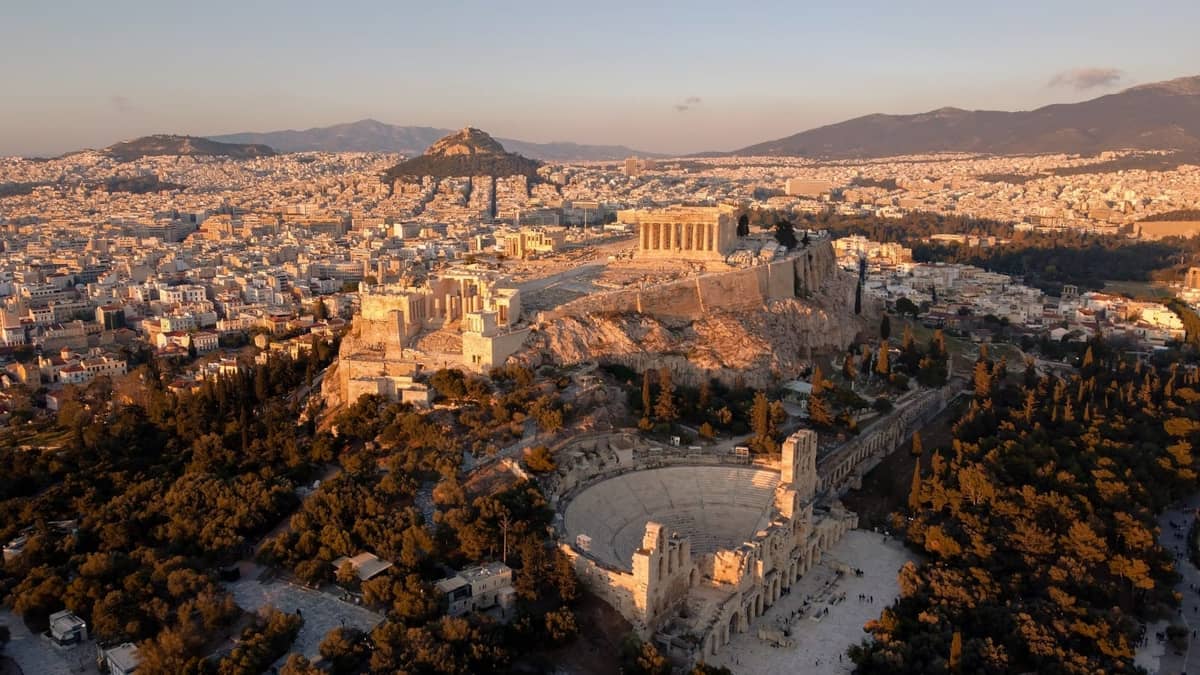
Athens is a compact city by European capital standards, but neighbourhood choice still matters more than most visitors expect. The Acropolis sits at the heart of a cluster of walkable districts, and staying within that cluster means you can visit major sites on foot, skip expensive taxis for most sightseeing, and eat dinner at restaurants that serve Athenians rather than just tour groups. Stray too far from the centre without a reason and you add transit friction without meaningful savings.
The main variables to weigh are: proximity to sites, noise levels at night, metro access for airport and wider city travel, and price. These do not all point to the same neighbourhood, which is why a blanket recommendation to "stay in the centre" doesn't help much. A solo traveller doing a 2-night cultural sprint has different needs from a family spending 5 days mixing ruins with beach day trips.
ℹ️ Good to know
Athens uses the Metro Line 3 (Blue Line) to connect Athens International Airport (ATH) to Syntagma and Monastiraki in about 40 minutes. If your accommodation is near either of those stations, airport transfers are straightforward. If you're staying in Kolonaki, Exarchia, or Koukaki, factor in an extra leg by foot or taxi.
Plaka and Monastiraki: The Classic First-Timer Base
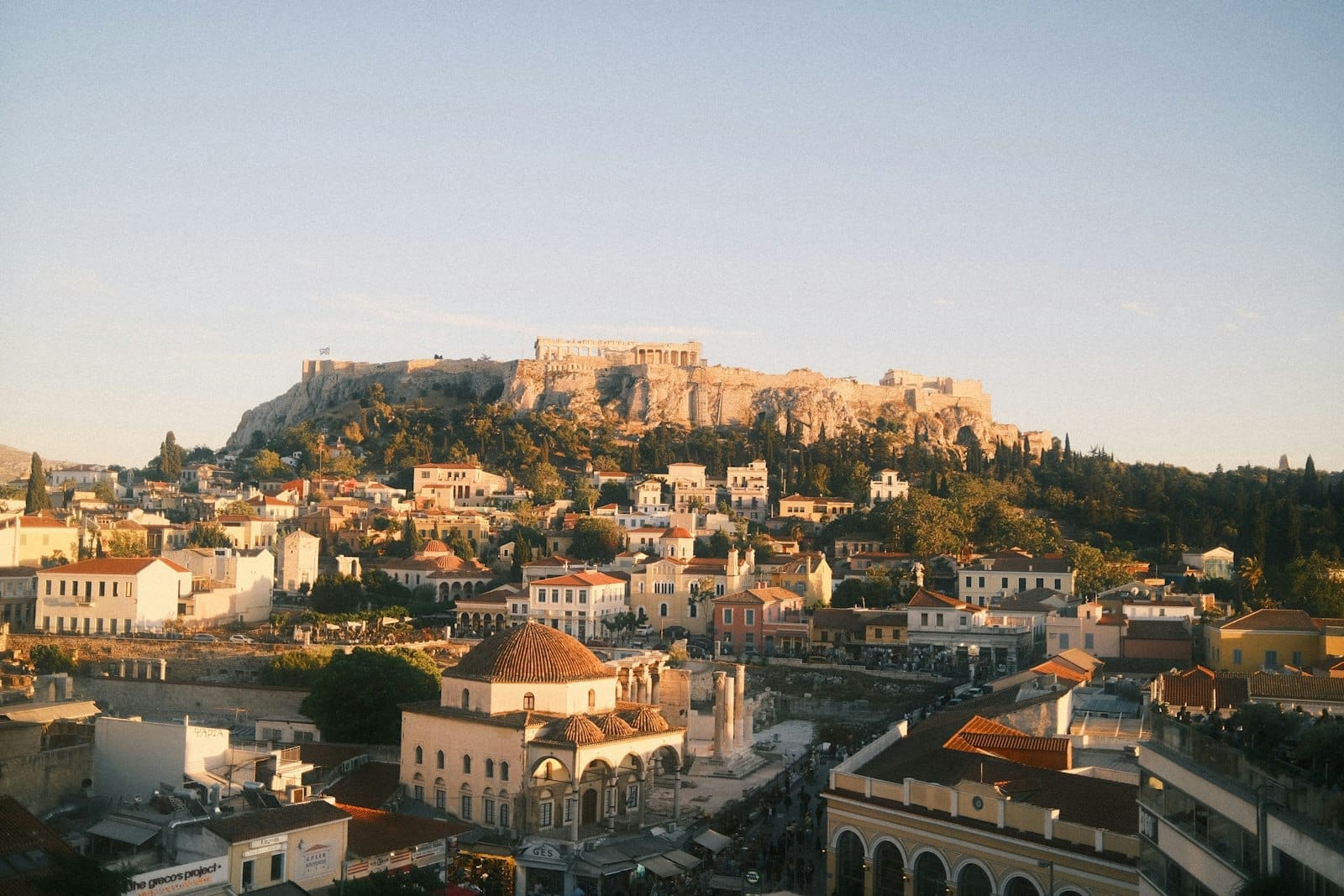
Plaka sits directly on the northern slopes of the Acropolis hill and is the oldest continuously inhabited neighbourhood in Athens. Its narrow streets, neoclassical houses, and proximity to the Acropolis and Roman Agora make it the default choice for first-time visitors. You can walk to the Parthenon in under 15 minutes from most Plaka hotels. The trade-off: it's the most touristic neighbourhood in Athens, with souvenir shops and overpriced tavernas mixed in with the genuinely good restaurants.
Monastiraki adjoins Plaka to the northwest and has a slightly grittier, more local feel, especially around the Monastiraki flea market and the square itself. It's also where the Blue Line metro stops, giving you a direct connection to the airport. The area blurs into Psyrri to the north, which means late-night noise is a real consideration if you're a light sleeper. Rooms here are marginally cheaper than deep Plaka, but KAYAK data shows Plaka is still the most-searched neighbourhood among visitors, which keeps prices elevated year-round.
- Best for First-time visitors, couples on short trips, anyone prioritising walking access to ancient sites
- Watch out for Street noise past midnight on weekends, restaurants targeting tourists rather than locals, higher hotel rates
- Price range Budget rooms from around €60–80/night; mid-range boutique hotels typically €120–200/night in shoulder season
- Metro access Monastiraki station (Line 1 and Line 3) is within the neighbourhood; Syntagma is a 10-minute walk
Koukaki and Makriyanni: The Quieter Acropolis Alternative
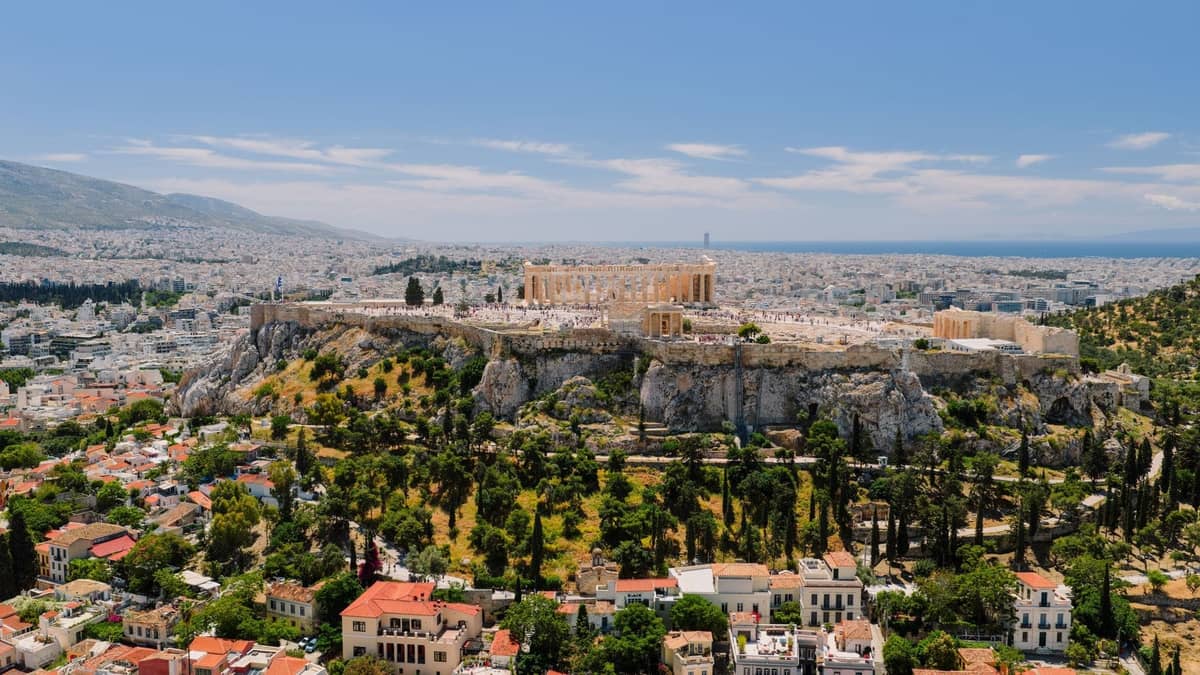
Koukaki and Makriyanni form a residential belt south of the Acropolis, separated from Plaka by Dionysiou Areopagitou street, the pedestrianised promenade that runs between the Acropolis Museum and the entrance to the ancient site. This is arguably the most practical neighbourhood for visitors who want Acropolis proximity without tourist-strip pricing. Rooms average 15–25% less than equivalent properties in Plaka, and the streets go quiet by midnight.
The neighbourhood has enough cafes, neighbourhood restaurants, and small bars to sustain a multi-day stay without feeling isolated, but it doesn't have the density of options you find in Monastiraki or Psyrri. The nearest metro is Akropoli station on Line 2 (Red Line), which connects to Syntagma in two stops. For families or anyone who values a good night's sleep over being steps from the main square, Koukaki is consistently underrated.
💡 Local tip
The pedestrian street Dionysiou Areopagitou connects Makriyanni directly to Thisio and the Ancient Agora area. Walking this route in the morning, before tour groups arrive, is one of the best ways to experience Athens. Book a hotel within five minutes of this street and you start every day with a world-class commute.
Syntagma and Kolonaki: Central, Convenient, and More Upscale
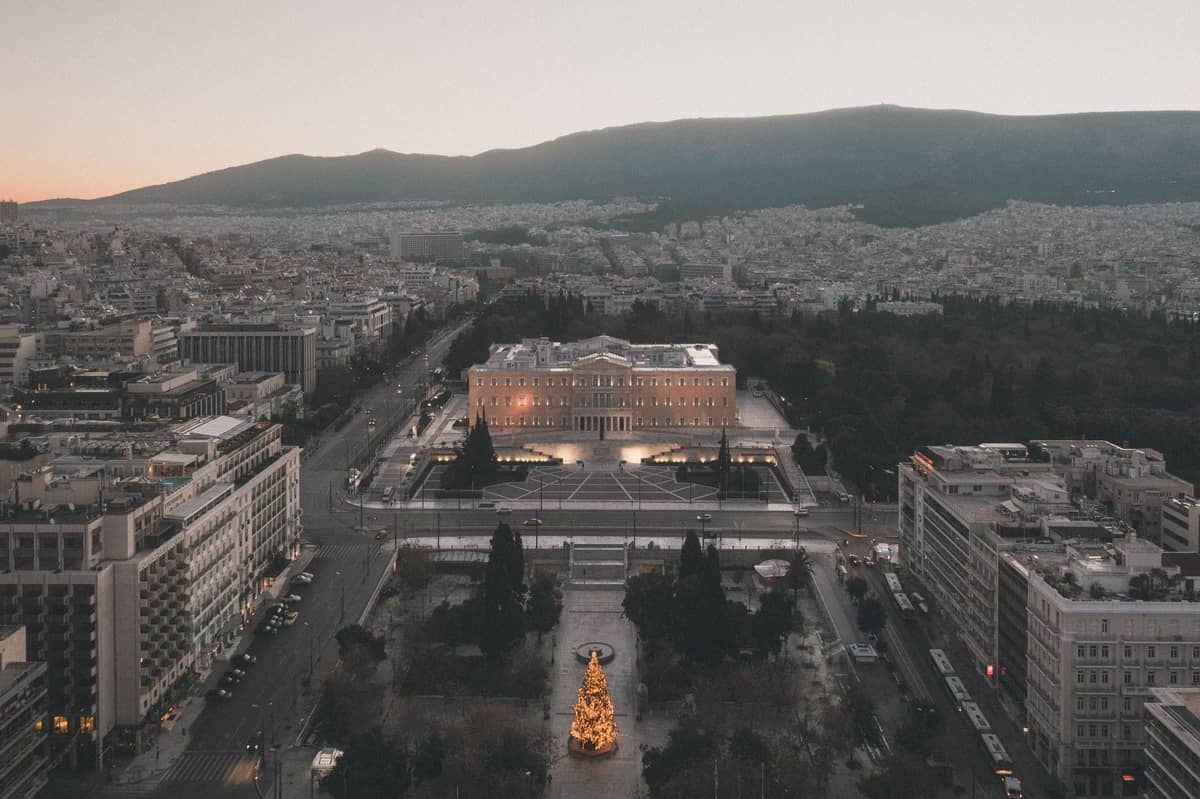
Syntagma Square is Athens' main civic centre, home to the Hellenic Parliament and the city's most important transit hub. Line 2 and Line 3 of the metro both pass through Syntagma station, making it the optimal base for travellers who plan to combine Athens sightseeing with day trips to the port at Piraeus, or who have early departures from Athens International Airport (ATH), approximately 33 km east of the city centre via Line 3.
Kolonaki sits northeast of Syntagma, climbing the lower slopes of Mount Lycabettus (277 m, the highest point in central Athens). It's the neighbourhood for boutique hotels, upscale dining, and the Kolonaki gallery district around Vassilissis Sofias Avenue. The Benaki Museum and the Museum of Cycladic Art are both within easy walking distance. The downside: you're about 20–25 minutes on foot from the Acropolis area, and taxis or the funicular are often needed for Lycabettus visits.
The large international chain hotels in Athens, including several five-star properties, concentrate around Syntagma and the surrounding avenues. If you're travelling on a corporate expense account or want a hotel gym, rooftop pool, and concierge, this is where to look. Expect to pay €180–400/night at the top end during peak season (May through September).
Psyrri, Thisio, and Exarchia: For Repeat Visitors and the Curious
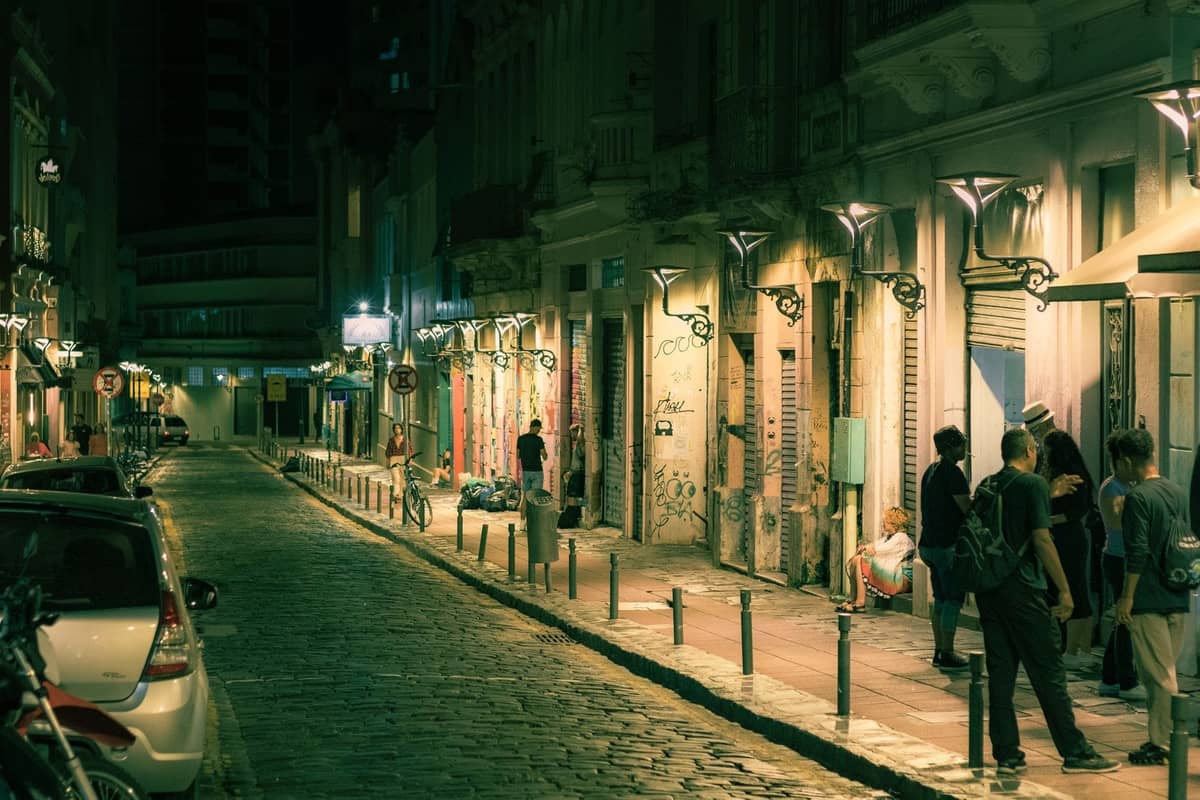
Psyrri is the neighbourhood directly north of Monastiraki that has evolved from a craft and workshop district into one of Athens' main nightlife zones. It's a short walk from both the Ancient Agora and the central market area, and it blurs into Thisio to the west. Accommodation here tends to be independent hotels and Airbnb apartments rather than large chains, and the vibe is more lived-in than Plaka. The noise factor is high on weekend nights.
Thisio, by contrast, is quieter and residential, with coffee shops and bars that fill up with locals in the afternoon. Its position along the pedestrianised archaeological promenade means views of the Acropolis are constant, and the Temple of Hephaestus is essentially in the backyard. Accommodation options are limited compared to Plaka or Syntagma, but what exists tends to offer good value.
Exarchia is Athens' historically anarchist and student-oriented neighbourhood, centred around Exarchia Square and the Polytechnic. It's not a typical tourist base, and most visitors don't stay here. For those who are curious about a less polished, more politically charged Athens, it offers cheap food, independent bookshops, and a cultural scene that operates completely separately from the heritage tourism circuit. It's a 20-minute walk from Syntagma and generally safe during the day, though it's worth reading current travel advisories before booking here.
⚠️ What to skip
Avoid booking in Omonia Square if you are not an experienced urban traveller. While the area has improved in recent years, it remains significantly rougher than the surrounding neighbourhoods and is not recommended as a base for leisure trips.
Athens Hotel Prices: What to Expect by Season
Hotel pricing in Athens follows a clear seasonal pattern. Rates peak in late spring and summer, specifically May through August, when European and American visitors combine Athens with Greek island itineraries. September and October are a sweet spot: temperatures are still warm (averaging 24–28°C in September), crowds thin noticeably after the August peak, and hotel rates drop 20–30% from their summer highs. November through February is the cheapest period, with December often the lowest month across booking platforms, though some Acropolis-view terraces and rooftop bars close in winter.
- Budget (under €70/night) Hostels, guesthouses, and basic hotels in Monastiraki, Psyrri, and Koukaki. Shared bathrooms common at the lowest price points.
- Mid-range (€70–180/night) The most competitive segment in Athens. Boutique hotels in Plaka, Makriyanni, and Thisio with private bathrooms, rooftop terraces, and Acropolis views fall in this range during shoulder season.
- Upscale (€180–350/night) Design hotels and four-star properties near Syntagma and Kolonaki. Expect rooftop pools, strong breakfast service, and concierge support.
- Luxury (€350+/night) Five-star international chains and top-tier boutique hotels. Rates at this level can exceed €600/night during peak summer weeks.
The discrepancy between different booking platforms on average rates is worth noting: KAYAK has reported an average double-room price around $332/night, while Skyscanner's average has been closer to $141. Both figures reflect different methodology and timing. Treat any published average as a rough benchmark and check live availability for your specific dates, since Athens hotel pricing is volatile and varies significantly even within a single neighbourhood.
✨ Pro tip
If you want Acropolis views from your room without paying Plaka premium rates, search specifically for hotels in Makriyanni with upper-floor rooms facing north. Several mid-range properties on the streets immediately south of Dionysiou Areopagitou offer these views at prices 20–30% below comparable Plaka options.
Practical Details: Getting to Your Hotel from the Airport
Athens International Airport Eleftherios Venizelos (IATA: ATH) is located in Spata, approximately 33 km east of central Athens. The most practical transfer options are the metro, the express bus, and taxis, each with different cost-to-convenience trade-offs.
Metro Line 3 (Blue Line) runs directly from the airport to Syntagma and Monastiraki stations. Journey time is approximately 40 minutes to Syntagma. A special airport fare applies and is higher than the standard urban ticket price. Verify current fares on the OASA website before travel, as these are updated periodically. The metro runs frequently during the day but check late-night schedules if you're arriving on a late-inbound flight.
Express bus X95 runs 24 hours between the airport and Syntagma Square, taking 40–60 minutes depending on traffic. It's cheaper than the metro airport ticket and useful if you're staying near Syntagma, but traffic on the highway can extend this to 90 minutes during morning rush hours. Bus X96 connects the airport to Piraeus port. Taxis operate on a flat-rate system between the airport and Athens city centre, with separate day and night tariffs. The airport's official website publishes current flat rates. Always use the official taxi queue inside arrivals rather than accepting unsolicited offers.
FAQ
Which neighbourhood in Athens is best for first-time visitors?
Plaka and Makriyanni are the most practical first-time bases. Plaka puts you within walking distance of the Acropolis and major ancient sites, while Makriyanni (the area around the Acropolis Museum) offers similar access with less tourist-street noise and slightly lower room rates. Both are walkable and well-connected by metro.
Is it worth staying near the Acropolis or is it better to be near Syntagma?
It depends on your itinerary. Staying near the Acropolis (Plaka, Makriyanni, Thisio) means walking to ancient sites, but metro access requires a short trip to Monastiraki or Akropoli stations. Syntagma is better for travellers who need quick airport connections via Line 3, or who plan multiple day trips by metro. Both areas are within 15–20 minutes of each other on foot.
What is the cheapest time to book hotels in Athens?
November through February offers the lowest hotel rates, with December often the cheapest month across major booking platforms. If you want mild weather with lower rates, September and October are the best compromise: temperatures remain around 22–28°C, crowds are smaller than summer, and rates have dropped from their June–August peak.
How far is Athens city centre from the airport, and what's the best way to get there?
Athens International Airport (ATH) is approximately 30–35 km from central Athens. Metro Line 3 takes about 40 minutes to Syntagma and is the most reliable option. The X95 express bus is cheaper but subject to traffic. Taxis operate on fixed flat rates (day and night tariffs apply) and are best for groups or those with heavy luggage. Always verify current fares before travel as prices are updated periodically.
Are there quiet neighbourhoods to stay in Athens near the main sights?
Koukaki and Makriyanni are the quietest options close to the Acropolis area. Thisio is also relatively calm and residential. All three go quieter than Plaka or Monastiraki after 11pm on weekdays, making them better choices for light sleepers. Kolonaki is also quiet, though it's a longer walk to the ancient sites.